امریکن اخروٹ
Price range: ₨ 350 through ₨ 1,500
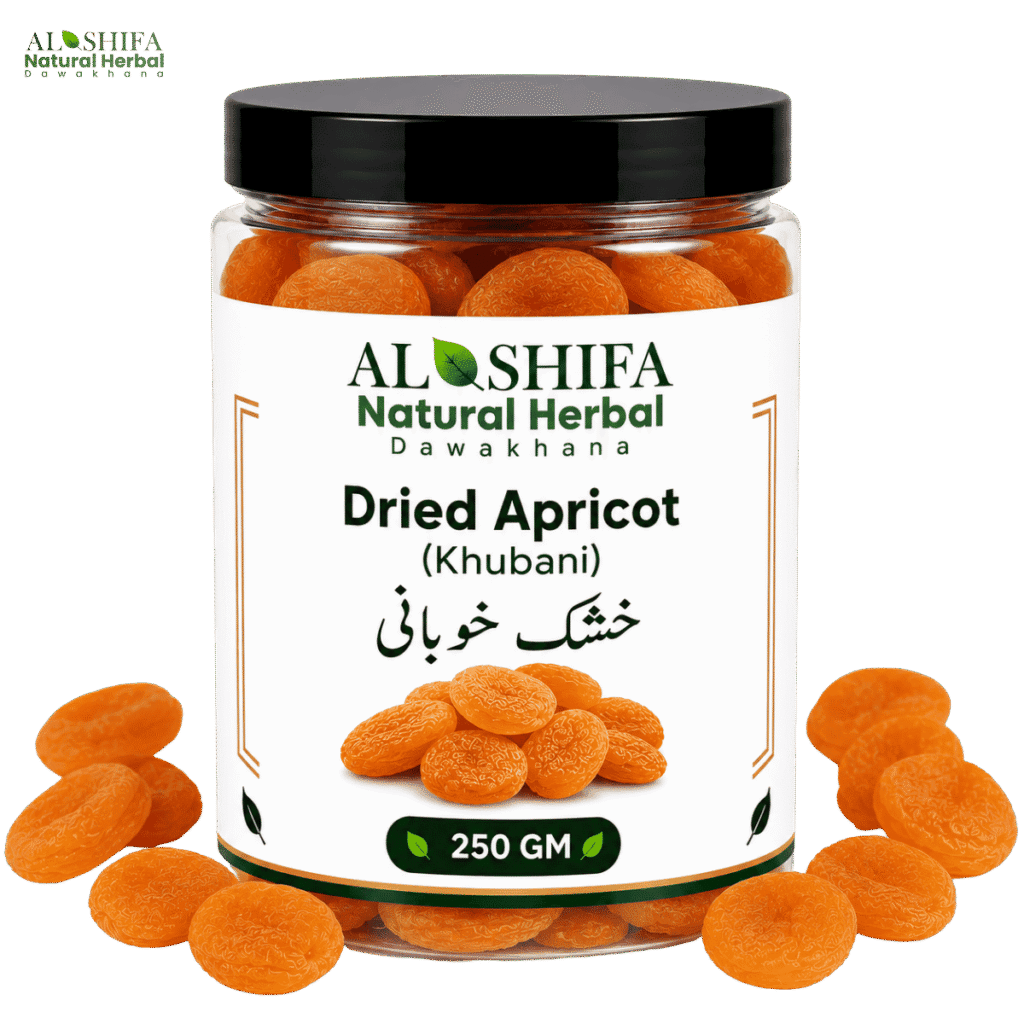
Dried Apricot / Khubani Skardu is a carefully selected dried fruit of Prunus armeniaca, valued for its naturally sweet-to-tangy apricot taste and pleasantly chewy texture. Dried apricots naturally provide dietary fiber, naturally occurring fruit sugars, potassium, carotenoid pigments, copper and other naturally occurring plant constituents.
Al Shifa Dried Apricots are carefully selected for fruit quality, characteristic apricot taste, pleasant texture, freshness, natural appearance, cleanliness and clean handling.
Key Features:
Usage: Enjoy directly, soak in clean drinking water for a softer texture, or use in dry fruit mixes, breakfast foods, desserts, baking and traditional preparations.
Important Note: Skardu indicates geographical origin and should match the actual product source. Claims such as Sun-Dried, Organic, No Added Sugar or Unsulphured should only be used when confirmed by the actual product specification.
Dried Apricot, commonly known as Khubani / خشک خوبانی, is the dried fruit of the apricot tree, botanically known as Prunus armeniaca L. and belonging to the Rosaceae family. Skardu Khubani refers to apricots associated with the Skardu/Gilgit-Baltistan region when the geographical origin of the actual product is confirmed.
Apricots have a long tradition of cultivation in the mountainous regions of northern Pakistan. When ripe apricot fruits are dried, much of their natural moisture is removed, producing a naturally sweet-to-tangy, fruity and pleasantly chewy dried fruit. Natural variations in color, size, sweetness and texture can occur according to cultivar, maturity, growing conditions and drying method.
Dried apricots naturally provide dietary fiber, naturally occurring fruit sugars, potassium, carotenoid pigments and various naturally occurring plant compounds. Their nutritional composition becomes more concentrated by weight after drying because much of the original water has been removed.
Al Shifa Dried Apricots are carefully selected for fruit quality, characteristic apricot taste, pleasant texture, freshness, natural appearance, cleanliness and clean handling.
Dried Apricot is the mature fruit of the apricot tree that has been dried or dehydrated to reduce its natural moisture.
It is commonly known as:
The term Skardu identifies geographical association or origin and does not represent a separate botanical species.
Product Name: Dried Apricot / Khubani Skardu
English Name: Dried Apricot / Skardu Dried Apricot
Urdu Name: خشک خوبانی سکردو / خوبانی
Roman Name: Khubani Skardu / Khushk Khubani
Scientific Name: Prunus armeniaca L.
Plant Family: Rosaceae
Plant Part: Fruit
Product Type: Dried Fruit / Dry Fruit
Product Form: Dried Apricot Fruit
Origin: Skardu, Gilgit-Baltistan, Pakistan, when verified for the actual product
Processing: Dried/Dehydrated; exact drying method according to product specification
Appearance: Yellow, golden, orange to brownish dried fruit depending on cultivar and processing
Taste: Naturally sweet to sweet-tangy with characteristic apricot flavor
Texture: Soft to chewy depending on moisture and processing
Primary Applications: Snacking, Soaking, Dry Fruit Mixes, Breakfast, Desserts, Baking & Traditional Foods
Prunus armeniaca is a fruit-bearing tree belonging to the Rosaceae family, which also includes peaches, plums, cherries and almonds.
The edible fleshy fruit develops around a hard stone or pit. Depending on the commercial preparation, dried apricots may be supplied with the stone removed or in a traditional form in which processing differs.
For product labeling, the exact pitted or unpitted status should match the actual Al Shifa product.
Skardu and the wider Gilgit-Baltistan region are well known for fruit cultivation, including apricots.
The term Skardu Khubani is commercially useful when the actual apricots originate from Skardu or the specified surrounding production area.
However:
Skardu Apricot ≠ Separate Botanical Species
The botanical identity remains Prunus armeniaca.
Exact cultivar should not be assigned solely from the term “Skardu” unless supplier or grower information confirms it.
Fresh apricots naturally contain substantial moisture.
During drying, water is removed from the fruit, resulting in:
The exact method may include traditional drying, sun-drying or controlled dehydration.
Therefore:
Dried Apricot ≠ Automatically Sun-Dried Apricot
The term Sun-Dried should only be used if the actual processing method confirms it.
Dried Apricots naturally provide:
Exact composition varies according to cultivar, maturity, growing conditions, drying process, moisture content and serving size.
Dried apricots naturally contain dietary fiber.
Because the fruit is consumed after much of its water has been removed, dried apricots provide a concentrated dried-fruit food suitable for snacks, breakfast preparations and dry fruit combinations.
The characteristic sweetness of dried apricots comes from naturally occurring fruit sugars.
Drying removes water and therefore concentrates these sugars by weight.
It is important to distinguish:
Naturally Sweet ≠ Automatically No Added Sugar
A No Added Sugar claim should only be used if the actual ingredient and processing specification confirms that no sugar, syrup or other sweetener has been added.
Dried apricots naturally contain potassium together with smaller amounts of other minerals.
The exact amount varies according to fruit variety, growing conditions and processing.
Specific nutrient percentages should therefore be based on nutritional analysis when required for commercial labeling.
Apricots naturally contain carotenoid pigments responsible for much of the fruit’s characteristic yellow-orange coloration.
The amount and profile of these pigments can vary according to:
Color alone should not be used as a precise indicator of nutritional quality.
Dried apricots can naturally vary considerably in color.
Depending on the fruit and processing method, dried apricots may appear:
Some commercial dried apricots may be treated with sulfur dioxide or sulfites to help preserve a brighter orange color.
Untreated dried apricots may naturally become darker during drying and storage.
Therefore:
Dark Color ≠ Automatically Poor Quality
and:
Bright Orange ≠ Automatically Better Quality
Claims such as Unsulphured or Sulphite-Free should only be used when confirmed for the actual product.
Fresh and dried apricots originate from the same fruit but differ significantly in moisture.
Fresh Apricot:
Higher water content, softer and juicier texture.
Dried Apricot:
Lower moisture, more concentrated sweetness, denser texture and more concentrated nutrients and energy per unit weight.
They should therefore not be considered nutritionally identical on an equal-weight basis.
This distinction is particularly important.
Dried Apricot: The dried fleshy fruit.
Apricot Kernel: The seed found inside the hard stone or pit.
These are completely different food materials.
Apricot kernels can naturally contain amygdalin, which can release cyanide after ingestion. Therefore, safety information relating to apricot kernels should not be confused with ordinary dried apricot fruit.
Dried Apricot Fruit ≠ Apricot Kernel
Apricot Kernel Oil is a fixed oil extracted from the kernel inside the apricot stone.
Dried Apricot is the dried fleshy fruit.
Therefore:
Dried Apricot ≠ Apricot Kernel Oil
Their composition, uses and nutritional characteristics are different.
Skardu Dried Apricot and other dried apricots may all belong to Prunus armeniaca.
Differences can arise from:
Geographical origin alone should not be used to claim that one apricot is nutritionally superior to another.
Dried Apricots may be soaked in clean drinking water when a softer texture is preferred.
A simple method is:
Soaking primarily rehydrates and softens the dried fruit. It should not be presented as a proven treatment for any disease.
Dried Apricots can be used for:
Dried Apricots are nutrient-containing dried fruits naturally providing fiber, fruit sugars, potassium, carotenoid pigments and other naturally occurring nutrients.
However, ordinary dried apricots should not be promoted as a guaranteed treatment for constipation, anemia, eye disease, heart disease, high blood pressure, infertility or other medical conditions.
Their appropriate positioning is as a nutritious dried fruit that can be incorporated into a balanced and varied diet.
Some commercially processed dried apricots may contain sulfites, including sulfur dioxide, depending on the processing method.
Sulfite-sensitive individuals should check the actual product label or specification before consumption.
If the product is verified as untreated or unsulphured, that information can be stated accordingly.
Individuals with a known apricot or related fruit allergy should avoid the product.
People with specific food sensitivities should review the ingredient and processing information of the actual product before consumption.
Dried apricots can have a dense and chewy texture.
For young children, the fruit should be prepared in an age-appropriate size and texture to reduce choking risk.
Any hard stone or pit must be completely removed before serving.
For accurate product labeling:
Dried Apricot = Dried fruit of Prunus armeniaca.
Skardu = Geographical origin/association, not a separate species.
Dried Apricot ≠ Apricot Kernel.
Dried Apricot ≠ Apricot Kernel Oil.
Dried Apricot ≠ Automatically Sun-Dried.
Naturally Sweet ≠ Automatically No Added Sugar.
Dark Dried Apricot ≠ Automatically Poor Quality.
Claims such as Organic, Sun-Dried, Unsulphured, Sulphite-Free, No Added Sugar, Preservative Free, Pitted or Specific Cultivar should only be used when confirmed for the actual product.
Al Shifa Natural Herbal selects Dried Apricots with attention to:
Direct Snacking: Enjoy Dried Apricots according to preference.
Soaked Apricots: Soak in clean drinking water when a softer texture is desired.
Dry Fruit Mix: Combine with suitable nuts and other dried fruits.
Breakfast: Add chopped dried apricots to oatmeal, cereals or breakfast bowls.
Desserts: Use in desserts and traditional sweet preparations.
Baking: Chop and add to cakes, cookies, breads and other bakery recipes.
Dried Apricot / Khubani Skardu is an edible dried-fruit product, not a medicine.
Dried apricots naturally contain concentrated fruit sugars. Individuals following controlled-sugar or other specialized diets should consider serving size according to their individual dietary requirements.
The Skardu designation should correspond to the actual geographical origin. Claims such as Sun-Dried, Organic, No Added Sugar, Unsulphured, Sulphite-Free or Preservative Free require separate verification.
Store Dried Apricots in a clean, cool and dry place, protected from moisture, excessive heat and direct sunlight.
Keep the package properly sealed after opening. Because dried apricots retain some natural moisture and contain concentrated natural sugars, appropriate storage is important for maintaining their taste, texture and freshness.
Follow any refrigeration or additional storage instructions provided on the actual product packaging.
Al Shifa Natural Herbal offers Dried Apricot / Khubani Skardu / خشک خوبانی سکردو for customers looking for carefully selected dried apricots with a naturally sweet-to-tangy flavor and pleasant chewy texture for snacking, soaking, breakfast, dry fruit mixes, desserts and baking.
Customers searching for Skardu Dried Apricot in Pakistan, Khubani Skardu, Skardu Khubani, Dried Apricot Pakistan, Khushk Khubani, Dried Apricot price in Pakistan, Skardu Khubani price in Pakistan, Khubani Lahore or buy Dried Apricot online in Pakistan should compare products according to freshness, fruit quality, verified origin, drying method, moisture level, processing and commercial grade.
Product Name: Dried Apricot / Khubani Skardu
English Name: Dried Apricot / Skardu Dried Apricot
Urdu Name: خشک خوبانی سکردو / خوبانی
Roman Name: Khubani Skardu / Khushk Khubani
Scientific Name: Prunus armeniaca L.
Plant Family: Rosaceae
Plant Part: Fruit
Product Type: Dried Fruit / Dry Fruit
Product Form: Dried Apricot Fruit
Origin: Skardu, Gilgit-Baltistan, Pakistan, When Verified
Processing: Dried/Dehydrated; Exact Drying Method According to Product Specification
Appearance: Yellow, Golden, Orange to Brownish Dried Fruit Depending on Cultivar & Processing
Taste: Naturally Sweet to Sweet-Tangy with Characteristic Apricot Flavor
Texture: Soft to Chewy Depending on Moisture & Processing
Key Nutritional Components: Dietary Fiber, Naturally Occurring Fruit Sugars, Potassium, Carotenoid Pigments, Copper & Phenolic Compounds
Primary Applications: Snacking, Soaking, Dry Fruit Mixes, Breakfast, Desserts, Baking & Traditional Foods
Important Note: Skardu identifies geographical origin rather than a separate apricot species. Dried Apricot is the dried fleshy fruit of Prunus armeniaca and should not be confused with Apricot Kernel or Apricot Kernel Oil. Claims such as Sun-Dried, Organic, No Added Sugar or Unsulphured should only be used when confirmed for the actual product.
سکردو خشک خوبانی گلگت بلتستان خصوصاً سکردو اور بلتستان کے علاقوں سے منسوب معروف خشک پھل ہے۔ خوبانی کے پکے ہوئے پھل سے پانی کی مقدار کم کرکے خشک خوبانی حاصل کی جاتی ہے۔ عام خوردنی خوبانی کا معروف سائنسی نام پرونس آرمینیاکا ہے اور اس کا تعلق روزیسی خاندان سے ہے۔
سکردو اور بلتستان کی خوبانی اپنی قدرتی مٹھاس، خوشبودار ذائقے اور خشک پھل کے طور پر استعمال کی وجہ سے مشہور ہے۔ خشک کرنے کے بعد خوبانی کا پانی کم ہو جاتا ہے جبکہ اس کی قدرتی شکر، غذائی فائبر اور مختلف معدنی اجزا وزن کے حساب سے زیادہ مرتکز ہو جاتے ہیں۔
خشک خوبانی قدرتی طور پر غذائی فائبر، قدرتی شکر، پوٹاشیم، آئرن، کاپر، وٹامن اے سے وابستہ کیروٹینائڈز اور مختلف قدرتی پولی فینولز فراہم کرتی ہے۔
اردو نام: خشک خوبانی، سکردو خشک خوبانی، سکردو خوبانی
پنجابی نام: خوبانی، سوکھی خوبانی
ہندی نام: خوبانی، سوکھی خوبانی
فارسی نام: زردآلو، برگه زردآلو
عربی نام: مشمش، مشمش مجفف
انگریزی نام: ڈرائیڈ ایپریکاٹ، سکردو ڈرائیڈ ایپریکاٹ
سائنسی نام: پرونس آرمینیاکا
خاندان: روزیسی
استعمال ہونے والا حصہ: پکا ہوا پھل
استعمال کی شکل: مکمل خشک پھل، گٹھلی نکلی خشک خوبانی، بھگوئی ہوئی خوبانی، کٹی ہوئی خوبانی اور مختلف غذائی مرکبات
سکردو خوبانی کسی الگ سائنسی پودے کا نام نہیں بلکہ سکردو اور بلتستان کے علاقے سے حاصل ہونے والی خوبانی کے لیے استعمال ہونے والا جغرافیائی اور تجارتی نام ہے۔
اس علاقے میں خوبانی کی مختلف مقامی اقسام پیدا ہوتی ہیں، اس لیے ہر سکردو خوبانی کا:
ایک جیسی نہیں ہوتی۔
کسی مخصوص مقامی قسم کی تصدیق کے بغیر تمام سکردو خوبانی کو ایک ہی قسم قرار نہیں دینا چاہیے۔
خوبانی ایک پھل دار درخت ہے۔
اس کا پھل عموما:
ہوتا ہے۔
پھل کے درمیان سخت گٹھلی ہوتی ہے جس کے اندر خوبانی کا بیج موجود ہوتا ہے۔
خشک خوبانی میں عموما خوردنی پھل کا گودا استعمال کیا جاتا ہے۔
پکی ہوئی خوبانی کو صاف کرکے اس میں موجود پانی کی مقدار کم کی جاتی ہے۔
خشک کرنے سے پھل:
خشک کرنے کے دوران پانی کم ہونے کی وجہ سے قدرتی شکر، فائبر اور کئی معدنی اجزا وزن کے حساب سے تازہ خوبانی کے مقابلے میں زیادہ مرتکز ہو جاتے ہیں۔
سکردو اور بلتستان میں خوبانی کو قدرتی دھوپ میں خشک کرنے کا طریقہ بھی معروف ہے۔
دھوپ میں خشک کی گئی خوبانی کی رنگت ہمیشہ چمکدار نارنجی نہیں رہتی بلکہ قدرتی طور پر:
ہو سکتی ہے۔
صرف گہری رنگت کا مطلب یہ نہیں کہ خوبانی خراب ہے۔
اصل تازگی کا اندازہ خوشبو، ذائقے، نمی، پھپھوندی اور مجموعی حالت سے کریں۔
تازہ خوبانی: پانی زیادہ، نرم اور رسیلی ہوتی ہے۔
خشک خوبانی: پانی کم، قدرتی شکر اور کیلوریز وزن کے حساب سے زیادہ مرتکز اور ساخت زیادہ چبانے والی ہوتی ہے۔
دونوں ایک ہی پھل کی مختلف شکلیں ہیں۔
خشک خوبانی میں چھوٹی مقدار میں بھی تازہ خوبانی کے مقابلے میں زیادہ پھل موجود ہوتا ہے، اس لیے مقدار کا خیال رکھنا ضروری ہے۔
اچھی خشک خوبانی عموما:
رکھتی ہے۔
مقامی قسم اور خشک کرنے کے طریقے کے مطابق شکل اور رنگت میں فرق ہو سکتا ہے۔
خشک خوبانی دونوں شکلوں میں مل سکتی ہے۔
گٹھلی والی خشک خوبانی: پھل کے اندر سخت گٹھلی موجود رہتی ہے۔
بغیر گٹھلی خشک خوبانی: گٹھلی نکال کر صرف خشک پھل محفوظ کیا جاتا ہے۔
اگر خوبانی گٹھلی سمیت ہو تو کھاتے وقت گٹھلی الگ کریں۔
خشک خوبانی اور خوبانی کی گٹھلی کے اندر موجود بیج ایک چیز نہیں۔
خشک خوبانی: پھل کا خشک کیا ہوا خوردنی گودا ہے۔
خوبانی کا بیج: سخت گٹھلی کے اندر موجود بیج ہے۔
خاص طور پر کڑوی خوبانی کے بیج میں ایسے قدرتی مرکبات موجود ہو سکتے ہیں جن سے جسم میں زہریلا سائانائیڈ بن سکتا ہے۔
اس لیے خشک خوبانی کھاتے وقت اس کے پھل اور گٹھلی کے بیج کو الگ چیز سمجھیں۔
خشک خوبانی میں قدرتی طور پر:
پائے جاتے ہیں۔
ان غذائی اجزا کی مقدار خوبانی کی قسم، فصل، پکنے کی حالت اور خشک کرنے کے طریقے کے مطابق مختلف ہو سکتی ہے۔
خشک خوبانی غذائی فائبر فراہم کرتی ہے۔
فائبر:
کے لیے فائدہ مند ہے۔
روزمرہ خوراک میں پھلوں، سبزیوں اور دوسری فائبر والی غذاؤں کے ساتھ خشک خوبانی بھی شامل کی جا سکتی ہے۔
خشک خوبانی میں قدرتی شکر موجود ہوتی ہے۔
خشک کرنے کے دوران پانی کم ہونے سے یہ شکر وزن کے حساب سے تازہ خوبانی کے مقابلے میں زیادہ مرتکز ہو جاتی ہے۔
اسی لیے خشک خوبانی میٹھی محسوس ہوتی ہے اور توانائی بھی زیادہ مرتکز فراہم کرتی ہے۔
خشک خوبانی پوٹاشیم کا قابل ذکر غذائی ذریعہ ہے۔
پوٹاشیم:
کے لیے اہم غذائی معدنی جز ہے۔
گردوں کی بیماری میں پوٹاشیم محدود کرنے کی ہدایت ہو تو خشک خوبانی کی مقدار معالج یا ماہر غذائیت سے پوچھ کر رکھیں۔
خشک خوبانی میں آئرن موجود ہوتا ہے۔
آئرن خون میں ہیموگلوبن بنانے اور جسم میں آکسیجن کی منتقلی کے معمول کے عمل کے لیے اہم غذائی جز ہے۔
پودوں سے حاصل ہونے والا آئرن جسم میں گوشت سے حاصل ہونے والے آئرن کی نسبت مختلف انداز سے جذب ہوتا ہے۔
اگر خون کی کمی ہو تو صرف خشک خوبانی پر انحصار کرنے کے بجائے معالج سے چیک کروائیں۔
خشک خوبانی میں کاپر موجود ہوتا ہے۔
کاپر:
سے وابستہ افعال میں کردار رکھتا ہے۔
خوبانی اپنی قدرتی زرد اور نارنجی رنگت سے وابستہ کیروٹینائڈز کے لیے معروف ہے۔
ان میں بیٹا کیروٹین بھی شامل ہے۔
جسم ضرورت کے مطابق بیٹا کیروٹین کے ایک حصے کو وٹامن اے میں تبدیل کر سکتا ہے۔
خوبانی میں موجود کیروٹینائڈز اور بیٹا کیروٹین وٹامن اے سے وابستہ غذائی اہمیت رکھتے ہیں۔
وٹامن اے:
کے معمول کے افعال کے لیے اہم غذائی جز ہے۔
خشک خوبانی میں مختلف قدرتی پولی فینولز موجود ہوتے ہیں۔
یہ پودوں کے قدرتی مرکبات ہیں جو جسم کے قدرتی اینٹی آکسیڈنٹ نظام سے غذائی طور پر وابستہ ہیں۔
ان کی مقدار خوبانی کی قسم، رنگت، پکنے کی حالت اور خشک کرنے کے طریقے کے مطابق مختلف ہو سکتی ہے۔
خشک خوبانی میں موجود غذائی فائبر:
کے لیے فائدہ مند ہے۔
اگر روزمرہ خوراک میں فائبر کم ہو تو خشک خوبانی کی مقدار آہستہ آہستہ بڑھائیں اور پانی بھی مناسب مقدار میں پئیں۔
خشک خوبانی فائبر فراہم کرتی ہے، اس لیے اسے قبض والی غذا میں شامل کیا جا سکتا ہے۔
اسے رات بھر پانی میں بھگو کر صبح نرم حالت میں بھی استعمال کیا جا سکتا ہے۔
اگر قبض مسلسل رہے، خون آئے یا شدید پیٹ درد ہو تو معالج سے چیک کروائیں۔
خشک خوبانی کو صاف پانی میں چند گھنٹے یا رات بھر بھگو کر استعمال کیا جا سکتا ہے۔
بھگونے سے پھل:
خشک خوبانی کی غذائیت حاصل کرنے کے لیے اسے لازمی طور پر بھگونا ضروری نہیں۔
خشک خوبانی میں قدرتی کاربوہائیڈریٹس اور شکر موجود ہوتی ہے، اس لیے یہ جسم کو غذائی توانائی فراہم کرتی ہے۔
اسے:
استعمال کیا جا سکتا ہے۔
خشک خوبانی میں:
موجود ہوتے ہیں۔
یہ غذائی اجزا متوازن خوراک کے حصے کے طور پر دل کی معمول کی صحت کے لیے غذائی اہمیت رکھتے ہیں۔
خشک خوبانی میں پوٹاشیم اور میگنیشیم موجود ہوتے ہیں۔
یہ معدنی اجزا پٹھوں اور اعصابی نظام کے معمول کے افعال کے لیے اہم ہیں۔
خشک خوبانی میں پوٹاشیم، میگنیشیم، فاسفورس اور دوسرے معدنی اجزا موجود ہوتے ہیں۔
یہ غذائی اجزا مکمل متوازن خوراک کے حصے کے طور پر ہڈیوں کی معمول کی صحت کے لیے اہم ہیں۔
خشک خوبانی میں:
موجود ہوتے ہیں۔
یہ اجزا متوازن خوراک کے حصے کے طور پر جلد کی معمول کی صحت کے لیے غذائی اہمیت رکھتے ہیں۔
خشک خوبانی میں آئرن، کاپر اور مختلف دوسرے غذائی اجزا موجود ہوتے ہیں۔
یہ مکمل متوازن خوراک کے حصے کے طور پر بالوں کی معمول کی صحت کے لیے اہم ہیں۔
اگر بال غیر معمولی طور پر زیادہ گر رہے ہوں تو آئرن، وٹامن ڈی، تھائیرائیڈ اور دوسری جسمانی وجوہات معالج سے چیک کروائیں۔
خشک خوبانی میں غذائی فائبر موجود ہوتا ہے جو خوراک کے بعد پیٹ بھرنے کے احساس کے لیے فائدہ مند ہے۔
لیکن خشک ہونے کی وجہ سے اس میں قدرتی شکر اور کیلوریز تازہ خوبانی کے مقابلے میں زیادہ مرتکز ہوتی ہیں۔
اس لیے وزن کے انتظام میں مقدار کا خیال رکھنا ضروری ہے۔
خشک خوبانی میں قدرتی شکر موجود ہوتی ہے۔
اسے چینی سے پاک غذا نہ سمجھیں۔
شوگر کے مریض اپنی مکمل خوراک، مقدار اور بلڈ شوگر کی حالت کو سامنے رکھتے ہوئے اسے استعمال کریں۔
اگر شوگر قابو میں نہ ہو تو مقدار معالج یا ماہر غذائیت سے پوچھ کر رکھیں۔
اضافی چینی یا شربت والی خشک خوبانی کو سادہ خشک خوبانی کے برابر نہ سمجھیں۔
قدرتی طریقے سے خشک ہونے والی خوبانی وقت کے ساتھ بھوری یا گہری رنگت اختیار کر سکتی ہے۔
بازار میں بہت چمکدار نارنجی رنگ کی خشک خوبانی بھی دستیاب ہوتی ہے جس میں رنگت برقرار رکھنے کے لیے سلفر ڈائی آکسائیڈ یا سلفائٹس استعمال کیے جا سکتے ہیں۔
اس لیے صرف زیادہ چمکدار نارنجی رنگ کو بہتر معیار کی پہچان نہ سمجھیں۔
قدرتی طور پر خشک سکردو خوبانی کی رنگت گہری ہونا عام بات ہو سکتی ہے۔
کچھ افراد سلفائٹس کے لیے حساس ہو سکتے ہیں، خاص طور پر دمہ والے کچھ افراد میں حساسیت زیادہ اہم ہو سکتی ہے۔
اگر خشک خوبانی میں سلفائٹس شامل کیے گئے ہوں تو پیکنگ پر درج اجزا یا معلومات دیکھیں۔
سلفائٹ حساسیت معلوم ہو تو بغیر سلفائٹس والی خشک خوبانی منتخب کریں۔
پاکستان اور برصغیر میں رائج حکمت کی کتب مفردات میں خوبانی ایک معروف پھل ہے۔
اس کے مزاج کے بارے میں پھل کی کیفیت، مٹھاس، کھٹاس اور خشک شکل کے لحاظ سے مختلف بیانات ملتے ہیں، اس لیے سکردو کی ہر خشک خوبانی کے لیے بلا مستند حوالہ ایک مخصوص درجہ مقرر کرنا درست نہیں۔
غذائی لحاظ سے خشک خوبانی فائبر، قدرتی شکر، پوٹاشیم، کیروٹینائڈز اور مختلف معدنی اجزا فراہم کرتی ہے۔
پاکستان اور برصغیر کے غذائی اور حکیمی معمول میں خشک خوبانی معروف خشک پھل ہے۔
اسے:
میں شامل کیا جاتا ہے۔
اس کی غذائی اہمیت خاص طور پر فائبر، پوٹاشیم، قدرتی شکر، کیروٹینائڈز اور مختلف معدنی اجزا سے وابستہ ہے۔
سکردو خشک خوبانی کو:
استعمال کیا جا سکتا ہے۔
سکردو خشک خوبانی کو:
کے ساتھ شامل کیا جا سکتا ہے۔
ایسا آمیزہ غذائیت اور کیلوریز دونوں میں بھرپور ہوتا ہے، اس لیے مقدار کا خیال رکھیں۔
عمر کے مطابق خشک خوبانی کو:
دیا جا سکتا ہے۔
بڑے یا سخت ٹکڑے چھوٹے بچوں کے حلق میں پھنس سکتے ہیں، اس لیے عمر کے مطابق شکل میں دیں۔
گٹھلی والی خشک خوبانی بچوں کو دینے سے پہلے گٹھلی لازمی نکال دیں۔
اگر کوئی خاص غذائی پابندی نہ ہو تو خشک خوبانی عام غذائی مقدار میں متوازن خوراک کا حصہ بن سکتی ہے۔
یہ فائبر، پوٹاشیم، آئرن، کاپر، کیروٹینائڈز اور دوسرے غذائی اجزا فراہم کرتی ہے۔
حمل کے دوران شوگر یا حمل کی شوگر کی صورت میں مقدار معالج یا ماہر غذائیت سے پوچھ کر رکھیں۔
خشک خوبانی پوٹاشیم سے بھرپور خشک پھلوں میں شمار ہوتی ہے۔
گردوں کی بیماری میں پوٹاشیم محدود رکھنے کی ہدایت ہو سکتی ہے۔
ایسی صورت میں خشک خوبانی کی مقدار معالج یا ماہر غذائیت سے پوچھ کر رکھیں۔
خوبانی سے غذائی الرجی ممکن ہے۔
حساس افراد میں:
ہو سکتی ہے۔
ایسی علامات کی صورت میں استعمال بند کریں۔
شدید الرجی یا سانس لینے میں دشواری کی صورت میں فوری طبی امداد حاصل کریں۔
خشک خوبانی میں غذائی فائبر اور قدرتی شکر مرتکز ہوتے ہیں۔
بہت زیادہ مقدار میں استعمال سے:
ہو سکتا ہے۔
مقدار اپنی مکمل خوراک کے مطابق رکھیں۔
اچھی خشک خوبانی میں:
اہم ہیں۔
اگر خشک خوبانی میں:
موجود ہو تو اسے استعمال نہ کریں۔
سکردو خشک خوبانی سکردو اور بلتستان کے علاقے سے منسوب خشک خوبانی کی معروف تجارتی شکل ہے۔
عام خوردنی خوبانی کا معروف سائنسی نام پرونس آرمینیاکا ہے اور اس کا تعلق روزیسی خاندان سے ہے۔
خشک کرنے سے پانی کم ہو جاتا ہے، اس لیے قدرتی شکر، غذائی فائبر اور مختلف معدنی اجزا وزن کے حساب سے تازہ خوبانی کے مقابلے میں زیادہ مرتکز ہو جاتے ہیں۔
خشک خوبانی غذائی فائبر، پوٹاشیم، آئرن، کاپر، کیروٹینائڈز اور قدرتی پولی فینولز فراہم کرتی ہے۔
خوبانی کے خشک پھل اور اس کی گٹھلی کے اندر موجود بیج کو ایک چیز نہ سمجھیں۔ خاص طور پر کڑوی گٹھلی کے بیج کا استعمال احتیاط طلب ہے۔
الشفاء نیچرل ہربل دواخانہ میں سکردو خشک خوبانی کے لیے درج ذیل باتوں کو اہمیت دی جاتی ہے:
اچھی خوبانی: بھرے ہوئے اور اچھی حالت والے خشک پھل کو اہمیت دی جاتی ہے۔
قدرتی رنگت: خشک کرنے کے طریقے کے مطابق قدرتی زرد، نارنجی سے بھوری رنگت اہم ہے۔
قدرتی مٹھاس: خوبانی کا اپنا میٹھا یا ہلکا کھٹا میٹھا ذائقہ اہم ہے۔
قدرتی خوشبو: تازہ خشک خوبانی کی مخصوص خوشبو اہم ہے۔
اچھی ساخت: نرم اور چبانے والی مگر غیر معمولی گیلی نہ ہونے والی ساخت اہم ہے۔
صاف حالت: گرد، مٹی، کیڑوں اور غیر ضروری ذرات سے پاک ہونا اہم ہے۔
نمی سے حفاظت: غیر معمولی نمی اور پھپھوندی سے محفوظ ہونا اہم ہے۔
تازگی: سڑی ہوئی یا خراب بو سے پاک ہونا اہم ہے۔
الشفاء نیچرل ہربل دواخانہ سنہ ۱۹۹۹ سے قدرتی جڑی بوٹیوں، بیجوں، خشک میوہ جات اور غذائی اشیا کی سپلائی کر رہا ہے۔
ہم سکردو خشک خوبانی میں اچھی حالت والے پھل، قدرتی رنگت، قدرتی مٹھاس، مخصوص خوشبو، نرم و چبانے والی ساخت، صاف حالت، نمی سے حفاظت، کیڑوں اور پھپھوندی سے پاک ہونے اور خراب بو سے پاک ہونے کو اہمیت دیتے ہیں۔
اچھی خشک خوبانی کی پہچان صرف بہت چمکدار نارنجی رنگ سے نہیں بلکہ قدرتی رنگت، تازگی، خوشبو، ذائقے، صاف حالت اور صحیح خشکی سے کی جاتی ہے۔
سکردو خشک خوبانی کو ٹھنڈی، خشک اور روشنی سے محفوظ جگہ پر کسی جار میں اچھی طرح پیک کر کے رکھیں۔
تیز دھوپ اور زیادہ گرمی سے دور رکھیں۔
پانی اور غیر ضروری نمی سے محفوظ رکھیں۔
گیلے ہاتھ یا گیلا چمچ استعمال نہ کریں۔
استعمال کے بعد ڈھکن اچھی طرح بند کریں۔
زیادہ گرم موسم یا زیادہ عرصے کے لیے محفوظ کرنا ہو تو اسے ٹھنڈی جگہ پر رکھیں۔
بھگوئی ہوئی خوبانی کو خشک خوبانی کی طرح کمرے کے درجہ حرارت پر لمبے وقت کے لیے نہ رکھیں۔
بچوں کی پہنچ سے دور رکھیں۔
شوگر کے مریض خشک خوبانی میں موجود مرتکز قدرتی شکر کو مدنظر رکھتے ہوئے مقدار کا خیال رکھیں۔
گردوں کی بیماری اور پوٹاشیم کی پابندی کی صورت میں مقدار معالج یا ماہر غذائیت سے پوچھ کر رکھیں۔
زیادہ مقدار میں استعمال سے گیس، پیٹ پھولنے یا دست کی شکایت ہو سکتی ہے۔
پھپھوندی زدہ، کیڑے لگی، غیر معمولی نم یا خراب بو والی خشک خوبانی استعمال نہ کریں۔
اگر گٹھلی موجود ہو تو اسے پھل سے الگ کریں اور گٹھلی کے اندر موجود کڑوے بیج کو خشک خوبانی سمجھ کر استعمال نہ کریں۔
سلفائٹس سے حساس افراد خریدتے وقت خشک خوبانی کے اجزا اور پیکنگ کی معلومات دیکھیں۔
سکردو خشک خوبانی گلگت بلتستان خصوصاً سکردو اور بلتستان سے منسوب معروف خشک پھل ہے۔
اس کا معروف سائنسی نام پرونس آرمینیاکا ہے اور اس کا تعلق روزیسی خاندان سے ہے۔
اس میں غذائی فائبر، قدرتی شکر، پوٹاشیم، آئرن، کاپر، کیروٹینائڈز اور قدرتی پولی فینولز پائے جاتے ہیں۔
خشک ہونے کی وجہ سے اس میں قدرتی شکر اور کیلوریز تازہ خوبانی کے مقابلے میں وزن کے حساب سے زیادہ مرتکز ہوتی ہیں۔
اسے براہ راست، پانی میں بھگو کر، اوٹس، دلیے، دہی، خشک میوہ جات کے آمیزے، بیکنگ اور مختلف غذائی ترکیبوں میں استعمال کیا جا سکتا ہے۔
اچھی سکردو خشک خوبانی کی پہچان کے لیے قدرتی رنگت، مخصوص خوشبو، قدرتی میٹھا یا ہلکا کھٹا میٹھا ذائقہ، نرم و چبانے والی ساخت، صاف حالت، نمی و پھپھوندی سے حفاظت اور خراب بو سے پاک ہونا اہم ہے۔