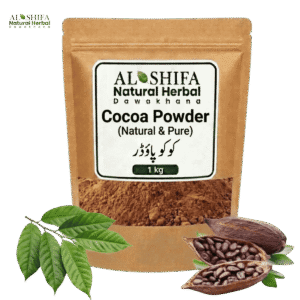
کوکو پاوڈر
Price range: ₨ 120 through ₨ 1,800
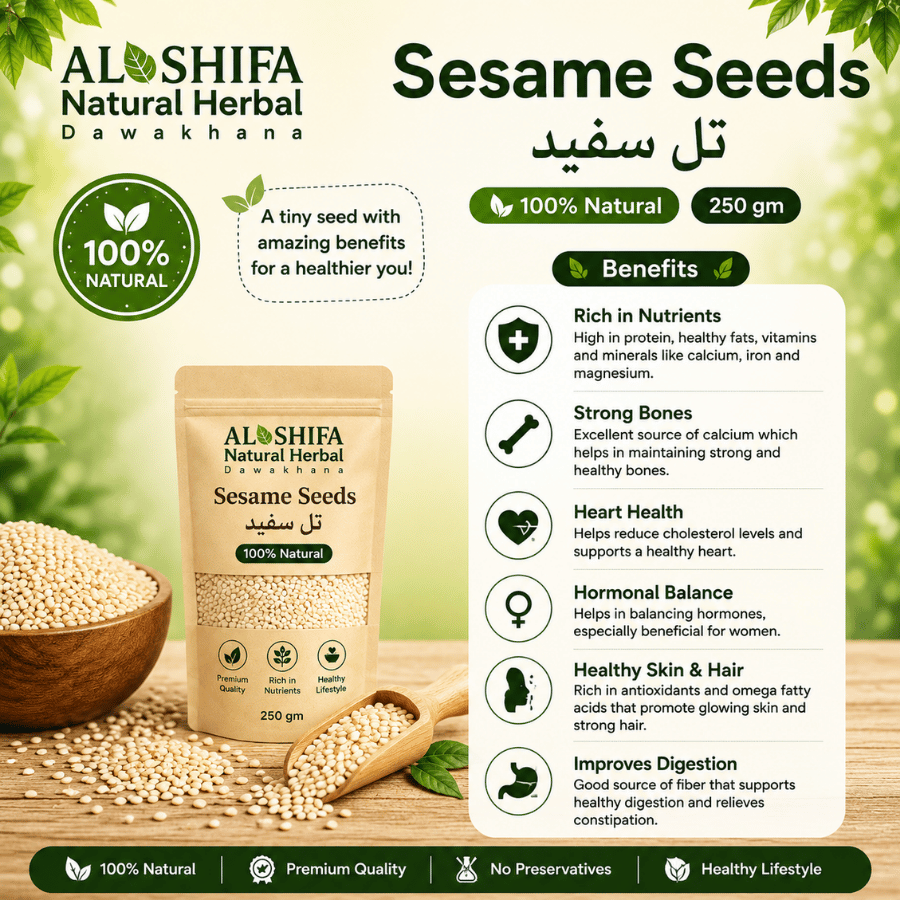
Al Shifa White Sesame Seeds are carefully selected for seed quality, characteristic color, freshness, natural taste, cleanliness, careful handling and proper packaging.
Key Features:
Usage: Ideal for cooking, baking, bread toppings, tahini, traditional sweets, sesame laddoo, rewari, chikki, gajak, seed mixtures and garnishing.
Important Note: Sesame is a recognized food allergen. White sesame seeds are a nutritious food ingredient, not a medicine. Hulled, unhulled, raw, roasted and organic status depend on the actual product specification.
Sesame Seeds (Safeed Til) / White Sesame Seeds / تل سفید are nutritious, naturally oil-rich edible seeds obtained from the plant Sesamum indicum L., belonging to the Pedaliaceae family. Commonly known as White Sesame, Safed Til or Til Safed, these seeds have been valued for centuries in Pakistani, Indian, Middle Eastern and traditional herbal food cultures.
White sesame seeds are recognized for their mild, pleasant nutty flavor, delicate aroma and naturally rich nutritional composition. They are widely used in traditional sweets, bakery products, cooking, seed mixtures, sesame pastes and other food preparations.
Sesame seeds naturally provide healthy unsaturated fats, plant-based protein, dietary fiber and essential minerals, including calcium, magnesium, phosphorus, iron, zinc and copper. They also contain distinctive plant compounds known as sesamin and sesamolin, which belong to the sesame lignan group.
Al Shifa White Sesame Seeds are carefully selected for seed quality, characteristic color, freshness, natural flavor, cleanliness and proper packaging, making them a versatile addition to everyday food preparations.
White sesame seeds are the edible seeds of:
Sesamum indicum L.
Sesame is an annual flowering plant cultivated in many parts of the world for its edible seeds and seed oil.
The seeds develop inside capsules produced by the plant. After harvesting, they are separated, cleaned and prepared for commercial use.
White sesame seeds may be supplied in natural, hulled, unhulled, raw or roasted forms, depending on the product specification.
The name White Sesame Seeds does not automatically establish whether the seeds are hulled, unhulled or roasted.
Product Name: Sesame Seeds / White Sesame Seeds
English Name: White Sesame Seeds
Urdu Name: تل سفید / سفید تل
Roman Name: Safed Til / Til Safed
Scientific Name: Sesamum indicum L.
Plant Family: Pedaliaceae
Plant Part Used: Seeds
Product Type: Edible Oilseed / Culinary Seed
Common Color: Creamy White to Pale Ivory
Taste: Mild, Nutty and Pleasant
Texture: Small, Firm Seeds; Crunchier When Roasted
Processing: Cleaning, Sorting and Other Processing According to Product Specification
Primary Applications: Cooking, Baking, Traditional Sweets, Sesame Paste and Food Preparations
Sesamum indicum is an annual herbaceous plant cultivated for its oil-rich seeds.
The plant produces flowers followed by seed capsules containing numerous small seeds.
Sesame is one of the world’s long-established oilseed crops and remains an important ingredient in traditional food cultures.
White sesame seeds generally have a:
Seed color and appearance may vary according to variety, growing conditions and processing.
White sesame seeds contain several important nutrients that contribute to their value as a food ingredient.
These include:
The exact nutritional profile depends on seed variety, hull content, processing and serving size.
Sesame seeds are naturally rich in oil, containing both monounsaturated and polyunsaturated fatty acids.
Two important fatty acids found in sesame oil are:
Oleic Acid: A monounsaturated fatty acid.
Linoleic Acid: An essential omega-6 polyunsaturated fatty acid.
These fats contribute to the nutritional and culinary value of sesame seeds.
Although sesame contains beneficial unsaturated fats, it is also an energy-dense food and should be consumed in suitable portions.
White sesame seeds provide plant-based protein as part of their natural nutritional composition.
Protein contributes to normal body tissue maintenance and repair when consumed as part of an adequate, balanced diet.
Sesame seeds can complement other protein-containing foods such as:
However, sesame should not be considered a complete replacement for a varied protein-rich diet.
Sesame seeds contain dietary fiber, particularly when the outer hull remains intact.
Fiber contributes to normal digestive function and can support a balanced diet.
The amount of fiber may differ between hulled and unhulled sesame seeds.
Sesame seeds naturally contain calcium, an important mineral for normal bones and teeth.
However, an important distinction exists between different sesame products.
Unhulled sesame seeds generally contain substantially more total calcium than hulled sesame seeds.
Additionally, the bioavailability of calcium may be influenced by natural compounds such as oxalates and phytates.
Therefore, the calcium content of a specific White Sesame Seeds product should not be assumed without considering its processing and nutritional specification.
Sesame seeds contain magnesium and phosphorus.
These minerals contribute to normal physiological functions, including:
Their nutritional contribution depends on the quantity consumed and the overall diet.
White sesame seeds also provide several trace minerals.
Iron contributes to normal red blood cell formation.
Zinc supports normal immune function and many enzyme systems.
Copper contributes to normal connective tissue maintenance and iron metabolism.
However, sesame seeds should not be promoted as a treatment for anemia, mineral deficiency or other medical conditions.
Sesame seeds naturally contain characteristic plant compounds known as lignans.
Two important examples are:
These compounds have been investigated in nutritional and laboratory research.
However, research involving isolated sesame lignans or concentrated extracts should not automatically be interpreted as proof of equivalent medical benefits from ordinary sesame seeds.
White sesame seeds can be included in a varied diet as a source of:
Their mild flavor makes them convenient for use in sweet and savory dishes.
They are particularly useful when a recipe requires a subtle nutty taste and attractive seed texture.
Safed Til is a familiar ingredient in traditional Pakistani kitchens.
It is commonly used in:
Its flavor becomes more pronounced when roasted appropriately.
Sesame seeds are frequently used in baking because of their nutty flavor and attractive appearance.
Common applications include:
They can also be incorporated into doughs and seed-based recipes.
White sesame seeds are widely used in preparing tahini, a sesame seed paste.
Tahini is a popular ingredient in Middle Eastern cuisine and is used in preparations such as:
The color and texture of tahini depend partly on whether the sesame seeds are hulled or unhulled and how they are processed.
White and black sesame seeds are commonly obtained from varieties of the same botanical species:
Sesamum indicum L.
Their differences may include:
White Sesame Seeds: Usually cream-colored, with a mild nutty flavor.
Black Sesame Seeds: Dark-colored, often with a more pronounced earthy or nutty flavor.
Nutritional composition varies with variety, hull content and processing.
Neither color alone establishes superior nutritional quality.
This distinction is important.
Hulled Sesame Seeds: Seeds with the outer seed coat removed.
Unhulled Sesame Seeds: Seeds retaining their outer seed coat.
Hulled seeds generally have a lighter appearance and milder flavor.
Unhulled seeds may contain higher amounts of certain minerals and fiber associated with the outer seed coat.
White Sesame Seeds ≠ Automatically Hulled Sesame Seeds
The exact product form should be confirmed from the supplier.
White sesame seeds may be sold in different forms.
Raw Sesame Seeds: Seeds that have not been intentionally roasted, although they may have undergone other cleaning or processing steps.
Roasted Sesame Seeds: Seeds heated to develop a more pronounced aroma and nutty flavor.
Roasting can change moisture content, flavor and certain heat-sensitive constituents.
A product should only be labeled roasted when that processing method is confirmed.
Sesame seeds and sesame oil are different products.
White Sesame Seeds: Whole edible seeds containing fats, protein, fiber and minerals.
Sesame Oil: Oil extracted from sesame seeds, consisting primarily of the lipid fraction.
Sesame oil does not contain the same amounts of fiber and protein as whole sesame seeds.
Therefore:
Whole Sesame Seeds ≠ Sesame Oil
Sesame extract is a concentrated preparation obtained through a particular extraction process.
Whole sesame seeds are a complete food ingredient.
The concentration of particular compounds in an extract may differ substantially from their concentration in ordinary seeds.
Research on concentrated extracts should not be presented as proof that whole sesame seeds produce the same effects.
Scientific research has investigated sesame seeds, sesame oil and sesame lignans in relation to nutritional and metabolic health.
However, the evidence differs according to:
Ordinary white sesame seeds should not be advertised as a proven treatment for high cholesterol, hypertension, diabetes, infertility, hormonal disorders or other medical conditions.
Sesame is a recognized major food allergen.
People with sesame allergy should avoid sesame seeds and products containing sesame.
Allergic reactions can sometimes be severe.
Anyone with a known or suspected sesame allergy should consult an appropriate healthcare professional.
White sesame seeds are best used as part of a balanced and varied diet.
They can add flavor, texture and nutritional value to everyday meals.
Because sesame seeds are naturally rich in fat and calories, serving size remains important.
Al Shifa Natural Herbal emphasizes careful selection and handling of edible seeds.
Important quality considerations include:
For Al Shifa White Sesame Seeds, Premium Quality refers to careful selection based on seed quality, characteristic appearance, freshness, cleanliness and overall condition.
It does not automatically mean:
Such claims should only be made when supported by actual product specifications.
White sesame seeds can be incorporated into many everyday recipes.
For Cooking: Add to suitable vegetable dishes, sauces, dressings and other recipes.
For Baking: Sprinkle over bread, buns, biscuits or crackers.
For Traditional Sweets: Use in til laddoo, rewari, chikki and gajak.
For Tahini: Grind appropriately prepared sesame seeds into a smooth paste.
For Snacks: Combine with other suitable seeds, nuts or food ingredients.
For Garnishing: Sprinkle over prepared dishes for additional texture and flavor.
Use according to the recipe and personal dietary requirements.
White Sesame Seeds are an edible food ingredient, not a medicine.
They should not be used as a substitute for treatment of nutritional deficiencies or medical conditions.
Sesame is a major food allergen and must be avoided by individuals with sesame allergy.
The product name White Sesame Seeds does not independently confirm whether the seeds are hulled, unhulled, raw, roasted or organically produced.
Store White Sesame Seeds:
Because sesame seeds contain natural oils, prolonged exposure to heat, air and light can contribute to deterioration of flavor and freshness.
Proper storage helps maintain their characteristic nutty taste and quality.
Al Shifa Natural Herbal offers Sesame Seeds (Safeed Til) / White Sesame Seeds / تل سفید, carefully selected for seed quality, characteristic color, natural nutty flavor, freshness, cleanliness and proper packaging.
White sesame seeds are a versatile ingredient for Pakistani traditional sweets, home cooking, bakery recipes, tahini, seed mixtures and everyday food preparations.
Customers searching for White Sesame Seeds in Pakistan, Safed Til, Til Safed, Sesamum indicum, تل سفید, White Sesame Seeds Lahore, Safed Til price in Pakistan or buy White Sesame Seeds online in Pakistan can choose Al Shifa Natural Herbal for quality-focused seed selection.
Al Shifa Natural Herbal has been supplying herbs and natural ingredients since 1999, with an emphasis on careful sourcing, quality and customer trust.
Product Name: Sesame Seeds / White Sesame Seeds
English Name: White Sesame Seeds / Sesame Seeds
Urdu Name: تل سفید / سفید تل
Roman Name: Safed Til / Til Safed
Scientific Name: Sesamum indicum L.
Plant Family: Pedaliaceae
Plant Part Used: Seeds
Product Type: Edible Oilseed / Culinary Seed
Appearance: Creamy White to Pale Ivory Seeds
Taste: Mild, Pleasant & Nutty
Natural Constituents: Unsaturated Fats, Protein, Fiber, Minerals, Sesamin & Sesamolin
Primary Applications: Cooking, Baking, Traditional Sweets, Tahini, Seed Mixtures & Food Preparations
Processing: Depends on Actual Product Specification
Storage: Store in a Well-Packed, Airtight Container in a Cool, Dry Place Away from Direct Sunlight
Important Note: White sesame seeds are an edible food ingredient and a recognized food allergen. The product name does not automatically establish hulled, unhulled, raw, roasted or organic status. Nutritional content varies with processing and seed variety, and sesame seeds should not be promoted as a treatment for medical conditions.
تل سفید ایک بہترین غذائیت سے بھرپور قدرتی بیج ہے جسے پاکستان اور ہندوستان میں خوراک، دیسی حکمت اور ہربل ادویات میں خاص اہمیت حاصل ہے۔ سفید تل میں قدرتی روغن، پروٹین، کیلشیم، میگنیشیم، فاسفورس، آئرن، زنک، غذائی فائبر اور دوسرے اہم غذائی اجزاء پائے جاتے ہیں جو جسمانی طاقت، ہڈیوں کی مضبوطی، پٹھوں کی صحت، جلد، بالوں اور روزمرہ جسمانی توانائی کے لیے فائدہ مند ہیں۔
سفید تل اپنی خوش ذائقہ، روغنی اور غذائیت سے بھرپور خصوصیات کی وجہ سے پاکستان میں خاص طور پر سردیوں کے موسم میں پسند کیے جاتے ہیں۔ ان سے تل کا تیل حاصل کیا جاتا ہے اور انہیں حلوے، لڈو، چکی، مٹھائی، روٹی، بیکری کی اشیاء اور مختلف غذاؤں میں شامل کیا جاتا ہے۔
دیسی حکمت میں سفید تل کو جسمانی کمزوری، خشکی، پٹھوں کی کمزوری اور غذائی طاقت کے حوالے سے اہمیت دی جاتی ہے۔ ان کے قدرتی روغنی اجزاء جسم کو توانائی فراہم کرتے ہیں اور متوازن غذا کا حصہ بن کر جسمانی صحت کو بہتر رکھنے میں فائدہ مند ہیں۔
اردو نام: تل سفید، سفید تل، کنجد سفید
پنجابی نام: چٹے تل، سفید تل، تل
ہندی نام: سفید تل، شویت تل، تل
فارسی نام: کنجد سفید، کنجد
عربی نام: سمسم ابیض، سمسم
انگریزی نام: وائٹ سیسمی سیڈز، سیسمی سیڈز
سائنسی نام: سیسامم انڈیکم
خاندان: پیڈالیاسی، تل کے پودوں کا خاندان
اہم معلومات: سفید تل اور کالے تل ایک ہی نباتاتی قسم کے مختلف رنگوں والے بیج ہو سکتے ہیں۔ ان کے غذائی اجزاء اور روغن کی مقدار بیج کی قسم، کاشت، چھلکے اور صفائی کے مطابق مختلف ہوتی ہے۔
سفید تل چھوٹے، چپٹے اور ہلکے سفید یا کریمی رنگ کے بیج ہیں جو تل کے پودے کی پھلیوں سے حاصل ہوتے ہیں۔ تل کا پودا ایک سالانہ فصل ہے جسے گرم موسم میں کاشت کیا جاتا ہے۔
سفید تل میں قدرتی روغن کی اچھی مقدار پائی جاتی ہے۔ یہی وجہ ہے کہ ان کا شمار غذائیت سے بھرپور تیل دار بیجوں میں ہوتا ہے۔
اہم خصوصیات:
قسم: قدرتی تیل دار بیج
رنگ: سفید، ہلکا کریمی
شکل: چھوٹے، چپٹے اور بیضوی بیج
ذائقہ: ہلکا میٹھا، روغنی اور خوش ذائقہ
مزاج: گرم اور تر، حکیمی درجہ بندی کے مطابق
اہم اجزاء: قدرتی روغن، پروٹین، کیلشیم، میگنیشیم، فاسفورس، زنک، آئرن اور غذائی فائبر
حاصل ہونے والا روغن: روغن کنجد، تل کا تیل
اہم استعمال: غذاؤں، روغنوں، دیسی حکمت اور ہربل ادویات میں
تل کی کاشت ہزاروں سال سے گرم علاقوں میں کی جاتی ہے۔ اس کی کاشت کا تعلق افریقہ اور ایشیا کے قدیم زرعی علاقوں سے ہے۔
پاکستان میں تل کی فصل پنجاب، سندھ اور دوسرے زرعی علاقوں میں کاشت کی جاتی ہے۔ پنجاب میں تل کی کاشت خاص اہمیت رکھتی ہے اور اس کے بیج خوراک، تیل نکالنے اور تجارتی مقاصد کے لیے استعمال کیے جاتے ہیں۔
ہندوستان، چین، سوڈان، تنزانیہ، نائجیریا اور دوسرے گرم ممالک میں بھی تل کی کاشت کی جاتی ہے۔
پاکستانی اور برصغیر کی یونانی طب میں تل کو عموما گرم اور تر مزاج کے بیجوں میں شمار کیا جاتا ہے۔
مزاج: گرم اور تر
مفردات کی حکیمی درجہ بندی میں تل کے لیے گرم و تر کی کیفیت بیان کی جاتی ہے۔ مختلف کتب میں اس کے درجے میں فرق ملتا ہے، اس لیے کسی مخصوص کتاب المفردات کے نسخے کی تصدیق کے بغیر قطعی درجہ مقرر نہیں کیا گیا۔
جسم کو غذائی طاقت فراہم کرتے ہیں۔
جسمانی کمزوری میں غذائیت فراہم کرتے ہیں۔
قدرتی روغن کی وجہ سے جسم کی خشکی کے لیے مفید غذائی جز ہیں۔
ہڈیوں اور دانتوں کی مضبوطی کے لیے اہم معدنی اجزاء فراہم کرتے ہیں۔
پٹھوں اور جسمانی توانائی کے لیے فائدہ مند ہیں۔
جلد اور بالوں کی غذائی نگہداشت میں اہمیت رکھتے ہیں۔
دل کی صحت کے لیے مفید غیر سیر شدہ چکنائیاں فراہم کرتے ہیں۔
دیسی حکمت میں جسمانی طاقت اور غذائی تقویت کے لیے استعمال کیے جاتے ہیں۔
سفید تل قدرتی توانائی، پروٹین اور صحت بخش چکنائیوں کا اچھا غذائی ذریعہ ہیں۔
ان میں موجود غذائی اجزاء روزمرہ جسمانی سرگرمیوں، پٹھوں کی غذائی ضرورت اور جسمانی طاقت برقرار رکھنے میں فائدہ مند ہیں۔
سفید تل کے غذائی فوائد میں شامل ہیں:
جسم کو توانائی فراہم کرنا
عام جسمانی کمزوری میں غذائیت فراہم کرنا
پٹھوں کی صحت برقرار رکھنا
روزمرہ تھکاوٹ کے دوران متوازن غذا میں توانائی کا اضافہ
جسم کو پروٹین اور اہم معدنی اجزاء فراہم کرنا
دیسی حکمت میں سفید تل کو مردانہ صحت، جسمانی طاقت اور غذائی تقویت کے حوالے سے اہمیت دی جاتی ہے۔
سفید تل میں زنک، پروٹین، میگنیشیم اور صحت بخش چکنائیاں موجود ہوتی ہیں جو مردانہ جسمانی صحت اور تولیدی نظام کی غذائی ضروریات پوری کرنے میں حصہ لیتی ہیں۔
حکیمی معلومات میں تل کو منی کی غذائی تقویت اور مردانہ کمزوری کے حوالے سے بھی بیان کیا جاتا ہے۔ تاہم منی کی مقدار بڑھانے، مردانہ جراثیم کی تعداد میں اضافہ کرنے، عضو خاص میں سختی یا مردانہ ٹائمنگ بڑھانے کے براہ راست فوائد کی تصدیق نہیں ہے۔
سفید تل میں کیلشیم، فاسفورس اور میگنیشیم جیسے اہم معدنی اجزاء موجود ہوتے ہیں۔
یہ غذائی اجزاء ہڈیوں اور دانتوں کی صحت کے لیے ضروری ہیں۔
اہم فوائد:
ہڈیوں کی غذائی ضروریات پوری کرنا
دانتوں کی صحت برقرار رکھنا
پٹھوں کے معمول کے کام میں حصہ لینا
جسم کو اہم معدنی اجزاء فراہم کرنا
چھلکے والے تل میں کیلشیم کی مقدار زیادہ ہو سکتی ہے، جبکہ چھلکا اتارے ہوئے سفید تل میں اس کی مقدار کافی کم ہوتی ہے۔
سفید تل میں غیر سیر شدہ چکنائیوں کی اچھی مقدار ہوتی ہے، جن میں اولیک تیزاب اور لینولیک تیزاب شامل ہیں۔
یہ چکنائیاں متوازن غذا میں سیر شدہ چکنائیوں کی جگہ شامل کرنے پر دل کی صحت اور خون میں کولیسٹرول کے بہتر توازن کے لیے فائدہ مند ہیں۔
تل میں موجود قدرتی اجزاء سیسامِن اور سیسامولِن بھی ان کی غذائی اہمیت بڑھاتے ہیں۔
سفید تل غذائی فائبر فراہم کرتے ہیں جو آنتوں کی معمول کی کارکردگی اور ہاضمے کے لیے فائدہ مند ہے۔
اہم فوائد:
آنتوں کی صحت کے لیے غذائی فائبر
قبض کے دوران فائبر والی متوازن غذا کا حصہ
خوراک میں قدرتی روغن کی فراہمی
غذائی توانائی اور اہم معدنی اجزاء کی فراہمی
سفید تل میں موجود غیر سیر شدہ چکنائیاں، پروٹین اور قدرتی اینٹی آکسیڈنٹ اجزاء متوازن غذا کا اہم حصہ ہیں۔
تل کے سیسامِن اور دوسرے قدرتی اجزاء پر جگر کی چربی اور چکنائیوں کے نظام کے حوالے سے سائنسی مطالعے کیے گئے ہیں۔ سفید تل کو جگر کی صحت کے لیے متوازن غذائی انتخاب کے طور پر شامل کیا جاتا ہے۔
سفید تل میں میگنیشیم، وٹامن بی ون اور دوسرے غذائی اجزاء موجود ہوتے ہیں جو اعصاب کے معمول کے کام اور جسمانی توانائی کے نظام کے لیے ضروری ہیں۔
یہ اجزاء دماغ اور اعصاب کی غذائی ضروریات پوری کرنے میں حصہ لیتے ہیں۔
سفید تل خواتین کے لیے بھی غذائیت سے بھرپور بیج ہیں۔
ان میں موجود آئرن، زنک، پروٹین، صحت بخش چکنائیاں اور دوسرے معدنی اجزاء خواتین کی روزمرہ غذائی ضروریات پوری کرنے میں فائدہ مند ہیں۔
اہم فوائد:
جلد کی صحت کے لیے غذائی اجزاء
بالوں کی غذائی ضروریات پوری کرنا
ہڈیوں کی مضبوطی کے لیے معدنی اجزاء
جسمانی توانائی کی فراہمی
متوازن غذا میں صحت بخش چکنائیوں کا اضافہ
دیسی حکمت میں تل کو خواتین کی غذائی تقویت کے لیے بھی استعمال کیا جاتا ہے۔ لیکوریا اور مخصوص نسوانی امراض کے لیے ان کے براہ راست علاجی فوائد کی تصدیق نہیں ہے۔
سفید تل سے حاصل ہونے والا روغن کنجد جلد اور بالوں کی نگہداشت میں استعمال کیا جاتا ہے۔
تل میں موجود وٹامن ای، قدرتی روغنی اجزاء اور زنک جلد اور بالوں کی غذائی صحت کے لیے اہم ہیں۔
فوائد:
جلد کی نمی برقرار رکھنے میں فائدہ
بالوں کو نرم اور ملائم رکھنے میں فائدہ
سر کی جلد کی روغنی نگہداشت
خشک جلد کی نگہداشت
بالوں کی چمک برقرار رکھنے میں فائدہ
سفید تل میں کاربوہائیڈریٹس کے مقابلے میں چکنائی اور پروٹین کی اچھی مقدار ہوتی ہے۔
ان میں غذائی فائبر بھی موجود ہوتا ہے۔ اسی وجہ سے بغیر اضافی چینی والے سفید تل کو شوگر کے مریضوں کی متوازن غذا میں مقدار کا خیال رکھتے ہوئے شامل کیا جاتا ہے۔
تل شوگر کی دوا کا متبادل نہیں ہیں۔
سفید تل میں پروٹین، میگنیشیم، فاسفورس اور توانائی فراہم کرنے والی چکنائیاں موجود ہوتی ہیں۔
یہ غذائی اجزاء پٹھوں کی معمول کی کارکردگی اور جسمانی توانائی کے لیے اہم ہیں۔
دیسی حکمت میں تل اور روغن کنجد کو جسمانی مالش اور پٹھوں کی نگہداشت کے حوالے سے بھی اہمیت دی جاتی ہے۔
سفید تل غذائیت سے بھرپور تیل دار بیج ہیں۔ ان میں پروٹین، قدرتی چکنائی، غذائی فائبر اور معدنی اجزاء موجود ہوتے ہیں۔
| غذائی جز | مقدار |
|---|---|
| کیلوریز | 573 |
| پروٹین | 17.7 گرام |
| کل چکنائی | 49.7 گرام |
| کاربوہائیڈریٹس | 23.5 گرام |
| غذائی فائبر | 11.8 گرام |
| قدرتی شکر | 0.3 گرام |
| کیلشیم | 975 ملی گرام |
| آئرن | 14.6 ملی گرام |
| میگنیشیم | 351 ملی گرام |
| فاسفورس | 629 ملی گرام |
| پوٹاشیم | 468 ملی گرام |
| زنک | 7.8 ملی گرام |
| کاپر | 4.1 ملی گرام |
| مینگنیز | 2.5 ملی گرام |
| وٹامن بی ون | 0.79 ملی گرام |
| وٹامن بی ٹو | 0.25 ملی گرام |
| وٹامن بی سکس | 0.79 ملی گرام |
| فولیٹ | 97 مائیکرو گرام |
اہم معلومات: یہ مقداریں عام خشک، چھلکے والے تل کے غذائی اعداد پر مبنی ہیں۔ چھلکا اتارے ہوئے سفید تل کی غذائی مقدار، خاص طور پر کیلشیم، مختلف ہو سکتی ہے۔
سفید تل میں قدرتی چکنائی کی اچھی مقدار ہوتی ہے۔ ان کے روغن میں درج ذیل فیٹی ایسڈز شامل ہیں:
اولیک تیزاب ایک غیر سیر شدہ چکنائی ہے جو دل کی صحت کے لیے مفید غذائی چکنائیوں میں شامل ہے۔
لینولیک تیزاب جسم کے لیے ضروری اومیگا 6 چکنائی ہے جو جلد اور خلیوں کی معمول کی صحت میں اہم کردار ادا کرتی ہے۔
یہ اومیگا 3 چکنائی ہے جو تل کے تیل میں بہت کم مقدار میں پائی جاتی ہے۔
ایروسک تیزاب تل کے تیل کا نمایاں جز نہیں ہے۔ عام تل کے تیل میں اس کی مقدار نہ ہونے کے برابر ہوتی ہے۔
یہ تل کے قدرتی اجزاء ہیں جو تل کے روغن کی خاص پہچان اور اینٹی آکسیڈنٹ خصوصیات میں اہمیت رکھتے ہیں۔
پاکستانی دیسی حکمت میں سفید تل کو غذائی تقویت اور روغنی خصوصیات کی وجہ سے اہمیت دی جاتی ہے۔
اہم حکیمی استعمال:
جسمانی طاقت کے لیے غذاؤں میں استعمال
جسمانی کمزوری کے لیے غذائی نسخوں میں استعمال
قدرتی روغن حاصل کرنے کے لیے استعمال
پٹھوں کی مالش کے لیے روغن کنجد
ہڈیوں کی غذائی صحت کے لیے تل کا استعمال
جلد اور بالوں کی نگہداشت میں روغن کنجد
سردیوں کی غذاؤں اور طاقت بخش لڈوؤں میں استعمال
مختلف ہربل ادویات میں روغن کنجد کا استعمال
سفید تل کی روزمرہ غذائی مقدار کے لیے عموما 1 سے 2 کھانے کے چمچ ایک عملی مقدار ہے، جو تقریباً 9 سے 18 گرام بنتی ہے۔
اس مقدار سے تقریباً 52 سے 103 کیلوریز حاصل ہوتی ہیں۔
یہ روزمرہ غذا میں شامل کرنے کی مثال ہے، کتاب المفردات سے منسوب طبی خوراک نہیں۔ کسی خاص بیماری کے لیے حکیمی مقدار مستند معالج سے پوچھ کر مقرر کریں۔
سفید تل کو پیس کر دودھ میں شامل کیا جاتا ہے۔ یہ غذائیت اور توانائی سے بھرپور مشروب بن جاتا ہے۔
پیسے ہوئے سفید تل شہد کے ساتھ ملا کر کھائے جاتے ہیں۔ یہ غذائی توانائی فراہم کرنے والا امتزاج ہے۔
سفید تل کو گڑ کے ساتھ ملا کر لڈو اور چکی بنائی جاتی ہے۔ پاکستان میں یہ خاص طور پر سردیوں کی پسندیدہ غذا ہے۔
سفید تل روٹی، نان، بن، بسکٹ اور دوسری غذاؤں پر ڈالے جاتے ہیں۔
سفید تل سے حاصل ہونے والا روغن کنجد کھانے اور جلد و بالوں کی نگہداشت میں استعمال کیا جاتا ہے، بشرطیکہ روغن اپنے مطلوبہ استعمال کے معیار کے مطابق ہو۔
اچھے سفید تل کی پہچان ان کی صاف حالت، یکساں رنگت، مخصوص خوشبو اور تازگی سے ہوتی ہے۔
الشفاء نیچرل ہربل دواخانہ میں درج ذیل باتوں کو اہمیت دی جاتی ہے:
اچھے اور صاف سفید تل
قدرتی سفید یا کریمی رنگت
تازگی اور مخصوص خوشبو
صاف اور یکساں بیج
گردوغبار اور غیر ضروری ملاوٹ سے پاک ہونے کو اہمیت
اچھی اور صاف پیکنگ
معیار اور صفائی کو ترجیح
الشفاء نیچرل ہربل دواخانہ 1999 سے جڑی بوٹیوں، بیجوں اور ان سے حاصل ہونے والے روغنوں کی سپلائی کر رہا ہے۔
الشفاء میں سفید تل کے انتخاب کے دوران بیجوں کی صفائی، قدرتی رنگت، تازگی، مخصوص خوشبو اور اچھی پیکنگ کو اہمیت دی جاتی ہے۔
سفید تل غذائی استعمال، روغن حاصل کرنے اور دیسی حکمت کے مختلف استعمالات کے لیے معروف ہیں۔
تل سفید کو ٹھنڈی، خشک اور روشنی سے محفوظ جگہ پر کسی جار میں اچھی طرح پیک کر کے رکھیں۔
انہیں نمی، گرمی اور براہ راست دھوپ سے محفوظ رکھیں تاکہ ان کی قدرتی خوشبو، ذائقہ اور روغنی معیار برقرار رہے۔
سفید تل غذائیت سے بھرپور بیج ہیں۔ تل سے الرجی رکھنے والے افراد انہیں استعمال نہ کریں۔ خاص بیماریوں، مخصوص ادویات کے استعمال یا طبی خوراک کے لیے مستند معالج سے پوچھ کر استعمال کریں۔
تل سفید قدرتی روغن، پروٹین، کیلشیم، میگنیشیم، آئرن، زنک اور غذائی فائبر سے بھرپور بیج ہیں۔ ان کا غذائی استعمال جسمانی طاقت، ہڈیوں، پٹھوں، دل، جلد، بالوں اور روزمرہ جسمانی توانائی کے لیے فائدہ مند ہے۔
دیسی حکمت میں سفید تل کو غذائی تقویت اور روغنی خصوصیات کی وجہ سے اہمیت دی جاتی ہے۔ ان سے حاصل ہونے والا روغن کنجد بھی غذائی اور جسمانی نگہداشت کے مختلف استعمالات میں معروف ہے۔
الشفاء نیچرل ہربل دواخانہ میں سفید تل کے انتخاب کے دوران صاف بیجوں، قدرتی رنگت، تازگی، معیار اور اچھی پیکنگ کو اہمیت دی جاتی ہے۔