مصطگی رومی
Price range: ₨ 900 through ₨ 45,000
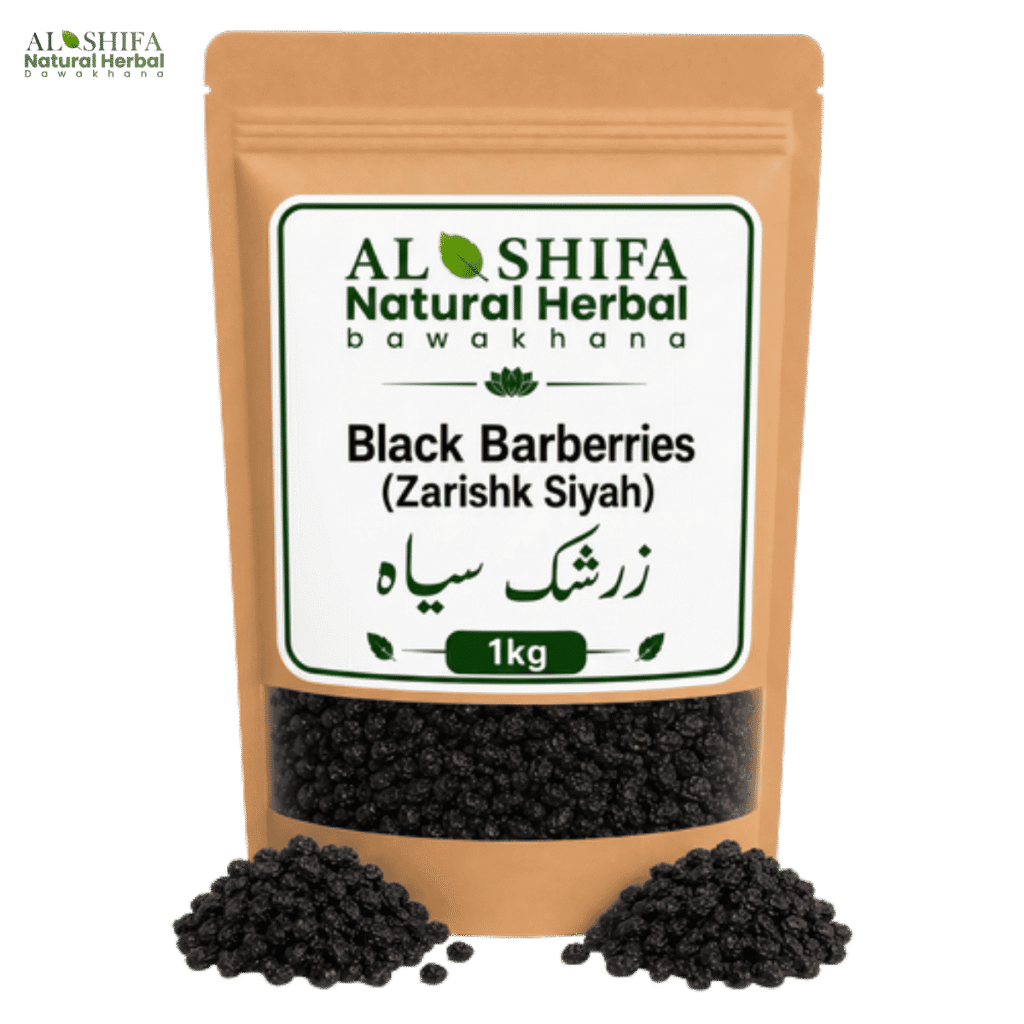
Black Barberries / Zarishk Siyah are carefully selected dried fruits from the Berberis genus, valued for their characteristic dark color and sharp, tart, fruity taste. Black barberries naturally contain organic fruit acids, natural sugars, dark plant pigments and various naturally occurring polyphenolic compounds.
Al Shifa Black Barberries are carefully selected for fruit quality, characteristic tart flavor, natural dark appearance, freshness, cleanliness and clean handling.
Key Features:
Usage: Rinse appropriately before use and add to rice, pilaf, sauces, beverages and other suitable culinary preparations. The berries may be soaked briefly in clean water when a softer texture is desired.
Important Note: Zarishk/Zereshk can refer to more than one Berberis species. Berberis integerrima is associated with Black Barberry, but the exact botanical species should match the actual product specification. Whole Black Barberries should not be confused with purified berberine or concentrated barberry extract.
Black Barberries, commonly known as Zarishk Siyah / زرشک سیاہ, are the dark-colored fruits associated with plants of the Berberis genus, family Berberidaceae. In Persian and regional herbal trade, Zereshk/Zarishk is used for barberries, while the term Zarishk Siyah specifically distinguishes the darker or black barberry from the more familiar bright red culinary barberry.
For genuine Iranian/Persian Black Barberry or Zereshk Siah, Berberis integerrima Bunge is an important botanical identity associated with the product. However, “Zarishk” is a broad trade and traditional name used for more than one Berberis species, so the exact botanical species should ideally be confirmed from the supplier for commercial labeling. Berberis integerrima is an accepted species in the Berberidaceae family. Plants of the World Online
Black Barberries have a characteristic sharp, tart, acidic and fruity taste. The dried fruits may range from deep reddish-purple and dark maroon to nearly black depending on species, maturity, drying method and storage.
Al Shifa Black Barberries are carefully selected for fruit quality, characteristic tart taste, natural dark appearance, freshness, cleanliness and clean handling.
Black Barberries are small dark-colored fruits obtained from Berberis shrubs and used in traditional food and herbal preparations.
They are commonly known as:
In Persian usage, Zereshk is a general name associated with barberries, while darker wild forms may be distinguished from the commonly cultivated red culinary barberries. PubMed Central (PMC)
Product Name: Black Barberries / Zarishk Siyah
English Name: Black Barberries / Black Barberry
Urdu Name: زرشک سیاہ
Roman Name: Zarishk Siyah / Zereshk Siah
Scientific Name: Berberis integerrima Bunge — when confirmed for the actual product
Genus: Berberis
Plant Family: Berberidaceae
Plant Part: Fruit / Berry
Product Type: Dried Fruit / Traditional Botanical Food Ingredient
Product Form: Whole Dried Barberry Fruit
Processing: Dried; exact drying method according to supplier specification
Appearance: Dark red, maroon, purple-brown to nearly black dried berries
Taste: Sharp, Tart, Acidic & Fruity
Primary Applications: Culinary Preparations, Rice Dishes, Sauces, Beverages & Traditional Herbal Preparations
Berberis is a large genus of generally thorny shrubs belonging to the Berberidaceae family.
Berberis integerrima is an accepted species native across parts of western and central Asia, including Iran and Afghanistan. It grows primarily as a shrub in temperate regions. Plants of the World Online
The plant produces small berries that develop characteristic darker coloration as they mature.
The word Zarishk/Zereshk does not always identify one single botanical species.
Different Berberis species have historically been called Zereshk in different regions and herbal traditions. Kew’s medicinal plant names database likewise associates the non-scientific name “zereshk” with more than one botanical source. Medicinal Plant Names Services
Therefore, the safest commercial identification is:
Zarishk Siyah = Black Barberry
Botanical Species = Berberis integerrima when supplier identity confirms it
This avoids incorrectly assigning every commercial Zarishk product to one species.
This is an important distinction.
Black Barberry / Zarishk Siyah:
Usually darker, often associated with wild or mountain barberries and may be sold as Berberis integerrima.
Red Culinary Barberry:
Usually bright red to deep red and commonly used in Persian cuisine, particularly rice dishes.
Berberis vulgaris and Berberis integerrima are distinct botanical species, although both belong to the same genus. Literature discussing Iranian barberries also distinguishes B. integerrima as black/wild barberry. PubMed Central (PMC)
Therefore:
Black Barberry ≠ Automatically Red Barberry
Seedless Iranian barberry is an important commercial product, and published horticultural literature describes cultivated Iranian seedless barberry associated with Berberis integerrima ‘Bidaneh’. ScienceDirect
However:
Black Barberry ≠ Automatically Seedless Barberry
The terms Seedless / Bedana / Bidaneh should only be used if the actual fruit supplied has that characteristic.
Barberry fruits naturally contain a range of plant constituents that can include:
Their exact composition varies substantially according to Berberis species, fruit maturity, geographical origin, drying method and storage.
The distinctive tart and acidic taste of barberries is associated with naturally occurring fruit acids.
These contribute to the characteristic sharp flavor that makes barberries useful in both sweet and savory culinary preparations.
Dark-colored barberry fruits contain naturally occurring pigments, including anthocyanin-related compounds.
These pigments contribute to red, purple, maroon and darker shades in the fruit.
Color can vary naturally according to:
Therefore, natural variation in berry color is expected.
The Berberis genus is strongly associated with the alkaloid berberine, and different parts of Berberis plants have been studied for alkaloid content.
However, this requires an important distinction:
Whole Black Barberry Fruit ≠ Purified Berberine
Black Barberry Fruit ≠ Standardized Berberine Extract
Berberine concentrations vary significantly according to species and plant part, and research involving concentrated root, bark or standardized extracts should not automatically be applied to ordinary dried berries. Research literature discusses multiple phytochemicals across different organs of Berberis species. PubMed Central (PMC)
Therefore, Al Shifa Black Barberries should not be marketed as a standardized berberine supplement unless laboratory analysis specifically supports such a claim.
Different parts of the Berberis plant have very different phytochemical profiles.
Black Barberry Fruit: Dried edible/tart berry.
Barberry Root: Underground plant material traditionally used in herbal preparations.
Barberry Root Bark: Alkaloid-containing botanical material used separately in herbal practice.
They should not be treated as interchangeable ingredients.
Whole dried Black Barberries contain the natural fruit matrix.
A Barberry Extract is a processed preparation in which selected constituents may be concentrated.
Therefore:
Whole Black Barberry ≠ Barberry Extract
Whole Black Barberry ≠ Berberine Extract
Evidence involving concentrated extracts should not automatically be converted into claims for ordinary dried fruit.
Barberries have a particularly important place in Persian and regional cuisines.
Their tart flavor can complement:
Barberries are especially well known in Persian cooking for their use with rice. Wikipedia
Before culinary use:
Because their flavor is naturally tart, the amount used can be adjusted according to personal taste and recipe requirements.
Different Berberis species and their fruits, roots, bark and extracts have been investigated extensively in laboratory and traditional medicine literature.
However, studies involving:
should not be treated as equivalent to consuming ordinary dried Black Barberry fruit.
Black Barberries should therefore not be advertised as a guaranteed treatment for diabetes, high cholesterol, high blood pressure, liver disease, infections, obesity or other medical conditions.
Ordinary culinary quantities and concentrated medicinal preparations are not the same.
Because Berberis products can vary substantially in plant part and phytochemical concentration, concentrated herbal or medicinal use during pregnancy or breastfeeding should only be considered with appropriate professional guidance.
This is especially important for concentrated extracts and berberine-containing supplements.
Whole dried berries can be small, firm and chewy.
For young children, prepare them in an age-appropriate form and supervise consumption to reduce choking risk.
Concentrated Berberis extracts or berberine supplements should not be treated as equivalent to dried culinary fruit.
For accurate commercial labeling:
Zarishk Siyah = Black Barberry.
Black Barberry may be associated with Berberis integerrima.
Zarishk/Zereshk is a broader traditional name and does not guarantee one species.
Black Barberry ≠ Automatically Red Barberry.
Black Barberry ≠ Automatically Seedless Barberry.
Whole Black Barberry ≠ Barberry Root.
Whole Black Barberry ≠ Barberry Extract.
Whole Black Barberry ≠ Purified Berberine.
The exact species, geographical origin, seed status, drying method and commercial grade should be confirmed from the actual product specification.
Al Shifa Natural Herbal selects Black Barberries with attention to:
Rice & Pilaf: Add appropriately prepared Black Barberries to rice and pilaf dishes for a tart fruity flavor.
Cooking: Use in suitable savory dishes, sauces and traditional recipes.
Beverages: Use according to an appropriate recipe for tart fruit beverages.
Soaking: Soak briefly in clean water when a softer texture is desired.
Traditional Preparations: Use according to the intended culinary or traditional preparation while distinguishing ordinary fruit use from concentrated medicinal extracts.
Black Barberries / Zarishk Siyah are sold as a dried botanical fruit product and should not be confused with standardized berberine supplements, barberry root or concentrated extracts.
The commercial name Zarishk can apply to more than one Berberis species. Therefore, Berberis integerrima Bunge should be stated as the definitive scientific name only when the botanical identity of the actual Al Shifa batch is confirmed.
Store Black Barberries in a clean, cool and dry place, protected from moisture, excessive heat and direct sunlight.
Keep the package tightly sealed after opening to preserve characteristic flavor, color and freshness.
Because dried fruits can absorb environmental moisture, avoid prolonged exposure to humid conditions.
Al Shifa Natural Herbal offers Black Barberries / Zarishk Siyah / زرشک سیاہ for customers looking for carefully selected dark barberry fruits with a characteristic sharp, tart and fruity taste for culinary and traditional preparations.
Customers searching for Black Barberries in Pakistan, Zarishk Siyah, Zereshk Siah, Black Zereshk, Black Barberry Pakistan, Zarishk Siyah Lahore, Black Barberry price in Pakistan, Zarishk Siyah price in Pakistan or buy Black Barberries online in Pakistan should compare products according to botanical identity, fruit quality, freshness, color, seed status, geographical origin and drying method.
Product Name: Black Barberries / Zarishk Siyah
English Name: Black Barberries / Black Barberry
Urdu Name: زرشک سیاہ
Roman Name: Zarishk Siyah / Zereshk Siah
Scientific Name: Berberis integerrima Bunge — When Botanically Confirmed
Genus: Berberis
Plant Family: Berberidaceae
Plant Part: Fruit / Berry
Product Type: Dried Fruit / Traditional Botanical Ingredient
Product Form: Whole Dried Black Barberry Fruit
Processing: Dried; Exact Method According to Product Specification
Appearance: Dark Red, Maroon, Purple-Brown to Nearly Black Berries
Taste: Sharp, Tart, Acidic & Fruity
Natural Constituents: Organic Acids, Natural Fruit Sugars, Anthocyanin-Related Pigments & Other Naturally Occurring Plant Compounds
Primary Applications: Rice Dishes, Culinary Preparations, Sauces, Beverages & Traditional Preparations
Important Note: Zarishk/Zereshk is a traditional name used for more than one Berberis species. Berberis integerrima Bunge is associated with Black Barberry/Zereshk Siah, but the exact species of the commercial product should be confirmed before using it as a definitive botanical label. Whole Black Barberry fruit should not be confused with purified berberine, barberry root or standardized barberry extract.
زرشک سیاہ ایک چھوٹا، گہری رنگت والا، کھٹا سے کھٹا میٹھا خشک پھل ہے جو بربیرس نسل کی کانٹے دار جھاڑیوں سے حاصل ہوتا ہے۔ پاکستان اور برصغیر کے پہاڑی علاقوں میں پائی جانے والی گہری رنگت والی زرشک کو زرشک سیاہ، زرشک ہندی اور مختلف مقامی ناموں سے جانا جاتا ہے۔
پاکستان میں بربیرس نسل کی مختلف اقسام پائی جاتی ہیں، اس لیے بازار میں فروخت ہونے والی ہر زرشک سیاہ کو صرف ظاہری شکل کی بنیاد پر ایک ہی سائنسی قسم قرار نہیں دینا چاہیے۔ زرشک سیاہ کے لیے بربیرس ارسٹاٹا اور بعض علاقوں میں دوسری قریبی بربیرس اقسام سے نسبت ملتی ہے۔
خشک ہونے کے بعد اس کا پھل گہرا جامنی، نیلا سیاہ یا تقریباً سیاہ دکھائی دے سکتا ہے اور اس کا ذائقہ عموما کھٹا، قدرے ترش اور ہلکا میٹھا ہوتا ہے۔
اردو نام: زرشک سیاہ، زرشک ہندی، زرشک
پنجابی نام: زرشک، سملو کے پھل
ہندی نام: زرشک، دار ہلد کا پھل
فارسی نام: زرشک
عربی نام: انبرباریس، امبرباریس
انگریزی نام: بلیک باربیریز، انڈین باربیری
سائنسی گروہ: بربیرس
پاکستان اور برصغیر میں معروف اقسام: بربیرس ارسٹاٹا، بربیرس لائسیئم اور دوسری قریبی بربیرس اقسام
خاندان: بربیریڈیسی
استعمال ہونے والا حصہ: پکا ہوا اور خشک پھل
استعمال کی شکل: مکمل خشک پھل، بھگویا ہوا پھل، غذائی مرکبات، شربت اور حکیمی ادویات
زرشک سیاہ بربیرس نسل کی کانٹے دار جھاڑیوں کا پھل ہے۔
یہ پھل ابتدا میں سبز ہوتا ہے اور پکنے کے دوران اس کی رنگت تبدیل ہوتی جاتی ہے۔ مکمل پکنے اور خشک ہونے کے بعد بعض مقامی اقسام کے پھل گہرے جامنی سے سیاہ دکھائی دیتے ہیں۔
اس کا ذائقہ عموما:
ہوتا ہے۔
پاکستان کے مختلف پہاڑی علاقوں میں بربیرس نسل کی جھاڑیاں پائی جاتی ہیں۔
ان میں کشمیر، مری، سوات، گلگت، ہنزہ، چلاس، مانسہرہ اور دوسرے پہاڑی علاقے شامل ہیں۔
مختلف علاقوں میں پودے کی قسم مختلف ہو سکتی ہے، اسی لیے مقامی زرشک کے سائز، رنگت، بیج اور ذائقے میں فرق پایا جا سکتا ہے۔
زرشک سیاہ کو ایرانی کھانوں میں استعمال ہونے والی معروف سرخ زرشک کے ساتھ ایک ہی چیز نہیں سمجھنا چاہیے۔
زرشک سیاہ: گہری جامنی سے سیاہ رنگت والی مقامی یا برصغیری بربیرس اقسام کا خشک پھل ہو سکتا ہے۔
ایرانی سرخ زرشک: عموما سرخ رنگت والی زرشک کے طور پر معروف ہے اور ایرانی کھانوں خصوصاً چاول کے پکوانوں میں استعمال ہوتی ہے۔
دونوں بربیرس نسل سے تعلق رکھ سکتی ہیں لیکن قسم، علاقہ، رنگت، بیج اور ذائقہ مختلف ہو سکتا ہے۔
یہ فرق خاص طور پر اہم ہے۔
زرشک: بربیرس جھاڑی کا پھل۔
دار ہلد: بربیرس کی بعض اقسام کی جڑ، تنا یا لکڑی حکمت میں اس نام سے معروف ہے۔
رسوت: بربیرس کے مخصوص حصوں سے حاصل کیا جانے والا گاڑھا جوہر۔
اس لیے زرشک سیاہ کے خشک پھل کو دار ہلد یا رسوت کے برابر نہ سمجھیں۔
تینوں ایک ہی یا قریبی پودوں سے وابستہ ہو سکتے ہیں لیکن استعمال ہونے والا حصہ اور شکل الگ ہے۔
اچھی خشک زرشک سیاہ عموما:
ہوتی ہے۔
قدرتی پھل ہونے کی وجہ سے ہر دانے کا سائز اور رنگ بالکل ایک جیسا ہونا ضروری نہیں۔
زرشک کے پھل میں مختلف قدرتی اجزا پائے جا سکتے ہیں، جن میں:
شامل ہیں۔
اصل مقدار بربیرس کی قسم، پھل کے پکنے، علاقے اور خشک کرنے کے طریقے کے مطابق مختلف ہوتی ہے۔
زرشک کا مخصوص کھٹا ذائقہ اس میں موجود قدرتی نامیاتی تیزابوں سے وابستہ ہوتا ہے۔
اسی وجہ سے اسے مختلف:
میں ذائقے کے لیے استعمال کیا جا سکتا ہے۔
گہری جامنی اور سیاہ رنگت والے پھلوں میں مختلف قدرتی رنگ دار پودوں کے مرکبات موجود ہو سکتے ہیں۔
ان مرکبات کی مقدار اور قسم بربیرس کی اصل قسم اور پھل کی پختگی کے مطابق مختلف ہوتی ہے۔
اسی لیے صرف رنگت دیکھ کر کسی مخصوص غذائی جز کی مقدار مقرر نہیں کی جا سکتی۔
زرشک کے پھل میں قدرتی پولی فینولز پائے جاتے ہیں۔
یہ پودوں میں موجود قدرتی مرکبات ہیں اور پھل کی مجموعی غذائی خصوصیات کا حصہ ہوتے ہیں۔
مختلف بربیرس اقسام میں ان مرکبات کی مقدار ایک جیسی نہیں ہوتی۔
بربیرس نسل کے پودے بربرین نامی قدرتی مرکب کے لیے معروف ہیں۔
لیکن بربرین کی مقدار پودے کے ہر حصے میں برابر نہیں ہوتی۔
بربیرس کی جڑ، چھال اور دوسرے حصوں میں اس کی مقدار خشک پھل سے مختلف ہو سکتی ہے۔
اسی لیے عام خشک زرشک کے پھل کو مرتکز بربرین، رسوت یا بربرین سپلیمنٹ کے برابر نہیں سمجھنا چاہیے۔
پاکستان اور برصغیر میں رائج حکمت کی کتب مفردات میں زرشک معروف مفرد دوا اور غذائی پھل ہے۔
حکیمی حوالوں میں زرشک کو عموما سرد اور خشک مزاج سے منسوب کیا جاتا ہے۔
مختلف اقسام اور حوالوں میں مخصوص درجے کے بیان میں فرق ہو سکتا ہے، اس لیے ہر بازار میں فروخت ہونے والی زرشک سیاہ کے لیے بلا تصدیق مخصوص درجہ مقرر نہیں کرنا چاہیے۔
پاکستان اور برصغیر کی حکمت میں زرشک کو مختلف مرکب ادویات میں شامل کیا جاتا ہے۔
اس کا کھٹا ذائقہ اور پھل کی قدرتی خصوصیات اسے خصوصاً:
میں استعمال ہونے والا معروف جز بناتی ہیں۔
حکیمی دوا میں استعمال کی مقدار اور طریقہ عام غذائی استعمال سے مختلف ہو سکتا ہے۔
زرشک سیاہ میں غذائی فائبر اور قدرتی پھلوں کے تیزاب موجود ہوتے ہیں۔
مقدار کے مطابق خشک پھل کو خوراک میں شامل کرنا غذائی فائبر حاصل کرنے کا ایک ذریعہ ہے۔
بہت زیادہ کھٹا پھل حساس معدے والے افراد میں:
بڑھا سکتا ہے۔
خشک زرشک سیاہ کو صاف پانی سے اچھی طرح دھو کر کچھ دیر بھگویا جا سکتا ہے۔
بھگونے سے:
بھگونے کے بعد اسے زیادہ دیر کمرے کے درجہ حرارت پر نہ رکھیں۔
زرشک سیاہ کو مقدار کے مطابق:
میں استعمال کیا جا سکتا ہے۔
اس کا ذائقہ کافی نمایاں ہوتا ہے، اس لیے تھوڑی مقدار سے آغاز بہتر رہتا ہے۔
زرشک سے کھٹا میٹھا شربت تیار کیا جا سکتا ہے۔
اگر شربت میں زیادہ چینی شامل کی جائے تو اس کی غذائی خصوصیات سادہ زرشک سے مختلف ہو جاتی ہیں۔
شوگر کے مریض ایسی صورت میں شامل چینی کی مقدار کو ضرور مدنظر رکھیں۔
خشک زرشک سیاہ ایک مکمل خشک پھل ہے۔
اس کے برعکس:
زیادہ مرتکز شکلیں ہیں۔
عام غذائی مقدار میں خشک پھل کھانے کو ان مرتکز شکلوں کے استعمال کے برابر نہیں سمجھنا چاہیے۔
عام غذائی استعمال اور مرتکز حکیمی یا بربرین والی ادویات میں فرق رکھنا ضروری ہے۔
حمل کے دوران زرشک، بربیرس یا بربرین کی مرتکز ادویات خود سے استعمال نہ کریں۔
اگر زرشک سیاہ کو حکیمی دوا یا زیادہ مقدار میں استعمال کرنا ہو تو معالج سے پوچھ کر کریں۔
دودھ پلانے کے دوران عام غذائی استعمال اور مرتکز بربیرس ادویات کو الگ سمجھیں۔
بربرین یا مرتکز بربیرس ادویات استعمال کرنے سے پہلے معالج سے پوچھیں۔
چھوٹے بچوں کو زرشک سیاہ دیتے وقت:
مرتکز بربیرس یا بربرین والی ادویات بچوں کو خود سے نہ دیں۔
اگر آپ:
استعمال کرتے ہیں تو زرشک یا بربرین کی مرتکز ادویات خود سے شروع نہ کریں۔
عام خشک پھل اور مرتکز دوا کے اثرات ایک جیسے نہیں ہوتے۔
زرشک سیاہ قدرتی طور پر کھٹا پھل ہے۔
بہت زیادہ مقدار میں استعمال سے حساس افراد میں:
ہو سکتا ہے۔
اپنی برداشت اور مکمل خوراک کے مطابق مقدار رکھیں۔
اچھی زرشک سیاہ میں:
اہم ہیں۔
اگر خشک زرشک میں:
موجود ہو تو اسے استعمال نہ کریں۔
زرشک سیاہ کے نام سے مختلف بربیرس اقسام فروخت ہو سکتی ہیں۔
اس لیے صرف بلیک باربیری نام دیکھ کر سائنسی قسم کا فیصلہ نہ کریں۔
اگر کسی خاص حکیمی یا نباتاتی مقصد کے لیے خرید رہے ہوں تو سپلائر سے:
کی تصدیق کرنا بہتر ہے۔
الشفاء نیچرل ہربل دواخانہ میں زرشک سیاہ کے لیے درج ذیل باتوں کو اہمیت دی جاتی ہے:
قدرتی رنگت: گہری جامنی سے سیاہ قدرتی رنگت اہم ہے۔
مخصوص ذائقہ: زرشک کا قدرتی کھٹا سے کھٹا میٹھا ذائقہ اہم ہے۔
صاف حالت: گرد، مٹی اور غیر ضروری ذرات سے پاک ہونا اہم ہے۔
صحیح خشکی: پھل خشک ہو مگر غیر معمولی نمی والا نہ ہو۔
کیڑوں سے حفاظت: کیڑے اور جالے سے پاک ہونا اہم ہے۔
پھپھوندی سے حفاظت: پھپھوندی زدہ دانے شامل نہ ہوں۔
تازگی: سڑی ہوئی، باسی یا خمیر جیسی خراب بو سے پاک ہونا اہم ہے۔
الشفاء نیچرل ہربل دواخانہ سنہ ۱۹۹۹ سے قدرتی جڑی بوٹیوں، بیجوں، خشک پھلوں اور غذائی اشیا کی سپلائی کر رہا ہے۔
ہم زرشک سیاہ میں قدرتی رنگت، مخصوص کھٹا ذائقہ، صاف حالت، صحیح خشکی، تازگی، کیڑوں اور پھپھوندی سے پاک ہونے اور خراب بو سے پاک ہونے کو اہمیت دیتے ہیں۔
زرشک سیاہ قدرتی پھل ہے، اس لیے دانوں کے سائز، رنگت اور شکل میں معمولی قدرتی فرق ہو سکتا ہے۔
زرشک سیاہ کو ٹھنڈی، خشک اور روشنی سے محفوظ جگہ پر کسی جار میں اچھی طرح پیک کر کے رکھیں۔
تیز دھوپ اور زیادہ گرمی سے دور رکھیں۔
پانی اور نمی سے محفوظ رکھیں۔
گیلے ہاتھ یا گیلا چمچ استعمال نہ کریں۔
استعمال کے بعد ڈھکن اچھی طرح بند کریں۔
زیادہ گرم موسم یا زیادہ عرصے کے لیے محفوظ کرنا ہو تو اسے ٹھنڈی جگہ پر رکھیں۔
بھگوئی ہوئی زرشک کو خشک زرشک کی طرح کمرے کے درجہ حرارت پر زیادہ دیر نہ رکھیں۔
بچوں کی پہنچ سے دور رکھیں۔
زرشک سیاہ کے نام سے مختلف بربیرس اقسام فروخت ہو سکتی ہیں، اس لیے مخصوص سائنسی قسم کی تصدیق کے بغیر اسے ایک ہی قسم نہ سمجھیں۔
حمل اور دودھ پلانے کے دوران بربیرس یا بربرین کی مرتکز ادویات خود سے استعمال نہ کریں۔
مستقل ادویات استعمال کرنے والے افراد مرتکز بربیرس یا بربرین استعمال کرنے سے پہلے معالج سے پوچھیں۔
بہت زیادہ مقدار حساس معدے والے افراد میں تیزابیت یا پیٹ کی تکلیف بڑھا سکتی ہے۔
پھپھوندی زدہ، غیر معمولی نم، کیڑے لگی یا خراب بو والی زرشک استعمال نہ کریں۔
زرشک سیاہ بربیرس نسل کی کانٹے دار جھاڑیوں سے حاصل ہونے والا گہری رنگت کا خشک پھل ہے۔
پاکستان اور برصغیر میں اس نام سے مختلف قریبی بربیرس اقسام کے پھل مل سکتے ہیں، اس لیے سائنسی نام کی تصدیق سپلائر اور اصل پودے کے مطابق کرنا بہتر ہے۔
اس کا ذائقہ عموما کھٹا سے کھٹا میٹھا اور رنگت گہری جامنی سے سیاہ ہوتی ہے۔
زرشک کا پھل، دار ہلد اور رسوت ایک چیز نہیں۔ زرشک پھل ہے، جبکہ دار ہلد اور رسوت پودے کے دوسرے حصوں یا ان سے حاصل ہونے والی مختلف حکیمی شکلوں سے وابستہ نام ہیں۔
خشک زرشک کو چاول، پلاؤ، شربت، چٹنی اور مختلف غذائی ترکیبوں میں استعمال کیا جا سکتا ہے۔
اچھی زرشک سیاہ کی پہچان قدرتی گہری رنگت، مخصوص کھٹا ذائقہ، صاف حالت، صحیح خشکی، تازگی اور پھپھوندی، کیڑوں اور خراب بو سے پاک ہونے سے کی جاتی ہے۔