گوارگم
Price range: ₨ 170 through ₨ 1,500
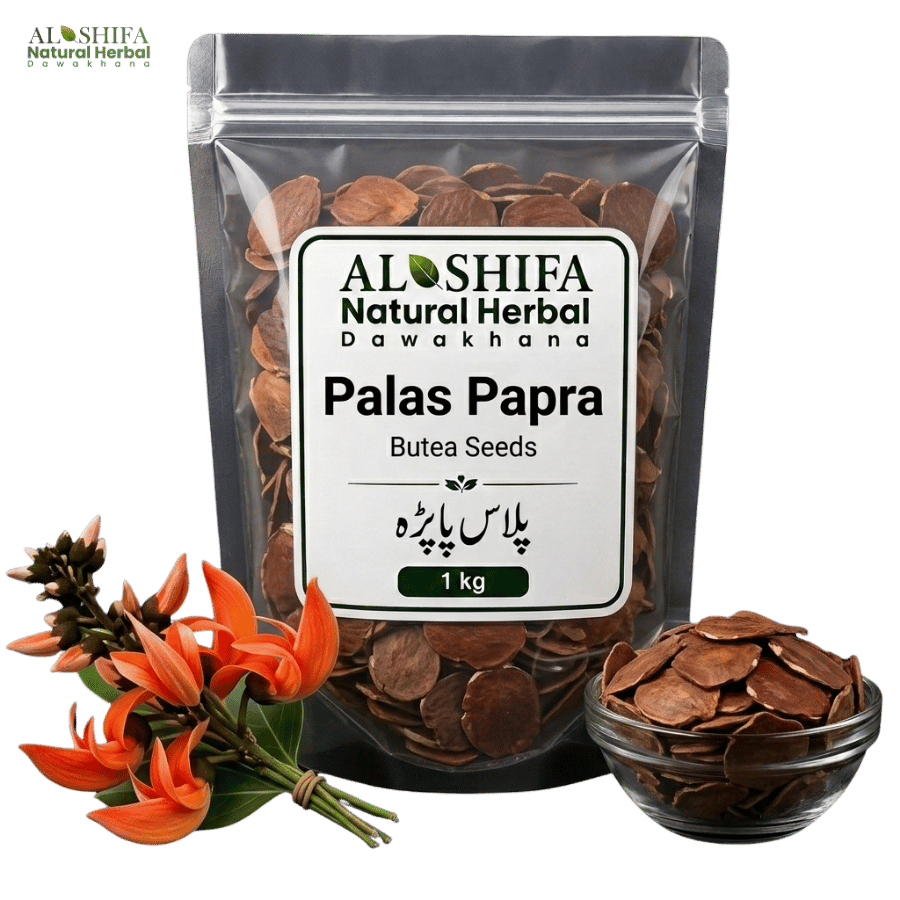
Palas Papra (Butea Seeds) is a traditional botanical raw material obtained from the Palash tree, scientifically known as Butea monosperma (Lam.) Taub. Its seeds have historically been included in selected South Asian herbal formulations, particularly preparations associated with intestinal worms.
When selecting Palas Papra, correct botanical identity, cleanliness, appropriate drying, and sound seed condition are important quality considerations. The supplied form and processing status should be clearly identified.
Key Features:
Important Note: Palas Papra is not an ordinary edible seed or a proven substitute for prescribed deworming medicine. Avoid self-directed medicinal use, particularly during pregnancy, breastfeeding, when trying to conceive, or for children.
Palas Papra (Butea Seeds) is a traditional botanical raw material obtained from the Palash tree, scientifically known as Butea monosperma (Lam.) Taub. The tree is widely recognized as Flame of the Forest because of its striking orange-red flowers.
Known in herbal markets as Palas Papra or Palash Seeds, this ingredient has a history of use in traditional South Asian medicine. Its seeds have been associated particularly with intestinal worm-related preparations, although historical use should not be interpreted as proof that commercially supplied seeds safely or effectively treat an infection. Botanical and traditional-use reference
For customers seeking Palas Papra, correct botanical identity, seed condition, cleanliness, appropriate drying, and clear product information are important purchasing considerations.
Palas Papra refers to the seeds of the Palash tree. These develop inside the tree’s pods and are collected as a distinct botanical raw material.
The seeds should be distinguished from the tree’s flowers, bark, leaves, and gum. Although these materials come from the same plant, they have different compositions and traditional applications.
Commercial material may be supplied as:
The supplied form should be clearly identified, particularly when the product has been powdered or processed.
English Name: Butea Seeds
Urdu Name: پلاس پاپڑہ
Roman Name: Palas Papra
Scientific Name: Butea monosperma (Lam.) Taub.
Family: Fabaceae
Plant Part: Seeds
Product Type: Traditional Botanical Raw Material
The scientific name identifies the source plant; the product itself is the seed material.
Regional spellings may differ. A familiar market name is useful when locating the product, but botanical identity and plant part should also be confirmed.
Different parts of the Palash tree should not be treated as interchangeable.
Seeds: The material referred to here as Palas Papra.
Flowers: A separate botanical ingredient with different characteristics and applications.
Bark: The outer woody material of the tree.
Leaves: The tree’s foliage, distinct from its seeds.
Gum: An exudate obtained from the tree, commonly associated with the market name Kamarkas.
Information about one plant part should not automatically be applied to another. For example, a traditional preparation made with flowers does not establish an appropriate use or dosage for seeds.
Butea Seeds have historically been included in selected traditional preparations, particularly those directed at intestinal worms. This association explains their place in traditional herbal practice, but does not establish a dependable treatment regimen for modern self-use.
A seed constituent called palasonin has received attention in research related to anthelmintic activity. Research interest in this constituent does not mean that an ordinary seed product has a standardized concentration, predictable effect, or established safe dosage. Research overview
Palas Papra is therefore best described as a traditional formulation ingredient, with medicinal use requiring appropriate professional guidance.
The traditional association of Palas Papra with intestinal worms should be presented responsibly.
Abdominal discomfort, changes in appetite, or digestive symptoms do not by themselves confirm a worm infection. Different intestinal parasites may require different investigations and treatments.
Palas Papra should not be advertised as:
Where infection is suspected, professional assessment helps establish the cause and select appropriate treatment.
A history of use in intestinal worm-related preparations does not establish Palas Papra as a general digestive supplement.
It should not automatically be promoted for:
Its suitability depends on the identified material, preparation, intended purpose, and individual health circumstances.
Research on the Palash tree involves different plant parts, extracts, isolated substances, and experimental methods.
These distinctions matter because:
Published research should therefore be used to explain scientific interest, rather than to promise disease treatment from ordinary Palas Papra.
Whole Seeds: Seed material retaining its visible structure.
Seed Powder: Ground material in which identification by appearance is more difficult.
Processed Seeds: Material subjected to a specified preparation method.
Extract: A preparation obtained through extraction, potentially concentrating selected constituents.
These forms may differ in composition and suitability. Do not transfer instructions for an extract or traditionally processed preparation directly to unprocessed whole seeds.
Grinding the seeds alone does not establish that they are suitable for consumption.
When selecting Palas Papra, useful checks include:
Botanical Identity — Confirmation that the material comes from the intended plant.
Correct Plant Part — Seeds rather than another part of the Palash tree.
Clear Product Form — Whether the material is whole, powdered, or processed.
Cleanliness — Minimal unnecessary soil, pod debris, and foreign matter.
Appropriate Dryness — No unusual dampness or excessive moisture.
Sound Condition — No visible mould, infestation, or significant deterioration.
Traceable Information — Clear supplier details and relevant product specifications.
A claim such as “pure” should be supported by the supplier’s quality information. Appearance alone cannot confirm purity, identity, or medicinal safety.
Palas Papra is a traditional botanical raw material. Medicinal use should follow guidance from a qualified healthcare professional or registered practitioner familiar with the seeds and the intended preparation.
There is no universal self-use dosage suitable for every seed product or individual.
Professional guidance should account for:
Do not assume that a larger quantity provides a better result.
Butea Seeds should not be treated as an ordinary edible seed or an unrestricted daily wellness ingredient.
Published literature includes experimental findings concerning reproductive effects of seed preparations. Their relevance to human use is uncertain, but these findings warrant caution rather than claims of reproductive benefit. Safety and research overview
Avoid self-directed medicinal use, particularly:
Information on safe human dosing, long-term use, and medicine interactions is insufficient to support unrestricted consumption.
If an unexpected reaction occurs, stop using the preparation and seek medical advice.
Store Palas Papra in a clean, cool, dry place in a tightly closed container.
For better preservation:
Follow any storage and expiry information supplied with the product.
Palas Papra is a traditional seed ingredient for customers seeking correctly identified Butea Seeds for appropriate practitioner-directed formulations.
When buying Palas Papra in Pakistan, confirm the source plant, supplied form, processing status, pack weight, and condition of the material.
For enquiries at Al Shifa Natural Herbal Dawakhana, request the current availability, price, and product specifications before ordering.
English Name: Butea Seeds
Urdu Name: پلاس پاپڑہ
Roman Name: Palas Papra
Scientific Name: Butea monosperma (Lam.) Taub.
Family: Fabaceae
Plant Part: Seeds
Product Type: Traditional Botanical Raw Material
Important Note: Traditional use does not establish Palas Papra as a proven or universally safe deworming treatment. Medicinal use requires professional guidance, especially because preparation methods and safety considerations differ between products.
پلاس پاپڑہ، پلاس کے درخت سے حاصل ہونے والے بیجوں کا معروف تجارتی نام ہے۔ یہ ایک روایتی نباتاتی خام جزو ہے جسے جنوبی ایشیا کے مختلف روایتی طبی طریقوں میں استعمال کیا جاتا رہا ہے۔ پلاس کا درخت اپنے نمایاں نارنجی مائل سرخ پھولوں کی وجہ سے بھی پہچانا جاتا ہے۔
پلاس پاپڑہ کی تاریخی نسبت خصوصاً آنتوں کے کیڑوں سے متعلق منتخب روایتی تیاریوں سے بیان کی جاتی ہے۔ تاہم اس روایتی استعمال کو عام تجارتی بیجوں کے محفوظ، مؤثر یا یقینی علاج ہونے کا ثبوت نہیں سمجھنا چاہیے۔ نباتاتی اور روایتی استعمال کا تحقیقی حوالہ
پلاس پاپڑہ خریدتے وقت درست شناخت، بیجوں کی حالت، صفائی، مناسب خشکی اور تیاری کی شکل کو اہمیت دینا ضروری ہے۔
پلاس پاپڑہ، پلاس کے درخت کی پھلیوں میں بننے والے بیج ہیں۔ انہیں درخت کے پھولوں، چھال، پتوں اور گوند سے الگ نباتاتی خام مال کے طور پر شناخت کیا جاتا ہے۔
بازار میں یہ مختلف شکلوں میں دستیاب ہو سکتے ہیں:
فراہم کی جانے والی شکل واضح ہونی چاہیے، کیونکہ مکمل بیج، سفوف اور مخصوص طریقے سے تیار شدہ خام مال کے استعمال کی ہدایات یکساں نہیں ہوتیں۔
پلاس پاپڑہ عموماً بیوٹیا مونوسپرما نامی پلاس کے درخت کے بیجوں کو کہا جاتا ہے۔ یہ درخت پھلی دار پودوں کے خاندان سے تعلق رکھتا ہے۔
اردو نام: پلاس پاپڑہ
ماخذ: پلاس کا درخت
مستعمل حصہ: بیج
نباتاتی خاندان: پھلی دار پودوں کا خاندان
قسم: خشک روایتی نباتاتی خام جزو
علاقائی ناموں اور تلفظ میں فرق ہو سکتا ہے، اس لیے کسی مخصوص کھیپ کی شناخت صرف معروف نام کی بنیاد پر یقینی قرار نہیں دینی چاہیے۔
ایک ہی درخت سے حاصل ہونے والے مختلف حصے ایک دوسرے کے برابر نہیں ہوتے۔
بیج: وہ خام مال جسے یہاں پلاس پاپڑہ کہا جا رہا ہے۔
پھول: درخت کے پھول، جن کی ظاہری خصوصیات اور روایتی استعمال بیجوں سے مختلف ہیں۔
چھال: درخت کا بیرونی لکڑی نما حصہ۔
پتے: درخت کی سبز پتیاں۔
گوند: درخت سے خارج ہونے والا مادہ، جسے بازار میں کمرکس کے نام سے بھی جانا جاتا ہے۔
کسی ایک حصے کے فوائد، مقدار یا استعمال کی ہدایات دوسرے حصے پر خود سے لاگو نہیں کرنی چاہییں۔ پھولوں سے بننے والی تیاری کا استعمال، بیجوں کے استعمال کی حفاظت ثابت نہیں کرتا۔
پلاس پاپڑہ کو منتخب روایتی نسخوں میں جگہ حاصل رہی ہے، خصوصاً ان تیاریوں میں جن کا تعلق آنتوں کے کیڑوں سے بیان کیا جاتا ہے۔
یہ تاریخی نسبت اس خام جزو کی روایتی اہمیت واضح کرتی ہے، لیکن اس سے درج ذیل امور کا تعین نہیں ہوتا:
بیجوں میں موجود پلاسونن نامی جزو پر کیڑوں کے خلاف سرگرمی کے حوالے سے تحقیق کی گئی ہے۔ تاہم کسی جزو کی تجرباتی سرگرمی سے عام بیجوں میں اس کی مقررہ مقدار یا انسانوں میں یقینی فائدہ ثابت نہیں ہوتا۔ تحقیقی جائزہ
پیٹ میں درد، بھوک میں تبدیلی یا ہاضمے کی خرابی سے خودبخود آنتوں کے کیڑوں کی تشخیص نہیں ہو جاتی۔ ایسی علامات کی مختلف وجوہات ہو سکتی ہیں۔
مختلف طفیلی جراثیم اور کیڑوں کے لیے معائنہ، جانچ اور علاج بھی مختلف ہو سکتے ہیں۔
اس لیے پلاس پاپڑہ کو:
قرار دینا مناسب نہیں۔
کیڑوں کا شبہ ہو تو مستند معالج کی رہنمائی سے وجہ معلوم کرنا اور مناسب علاج اختیار کرنا بہتر ہے۔
آنتوں کے کیڑوں سے متعلق روایتی استعمال کا مطلب یہ نہیں کہ پلاس پاپڑہ ایک عام روزانہ استعمال ہونے والی ہاضم جڑی بوٹی ہے۔
اسے بلا ثبوت:
کے لیے پیش نہیں کرنا چاہیے۔
اس کی موزونیت خام مال کی درست شناخت، تیاری کے طریقے، استعمال کے مقصد اور فرد کی جسمانی کیفیت پر منحصر ہوتی ہے۔
پلاس کے درخت پر ہونے والی تحقیق میں مختلف نباتاتی حصے، عصارے اور الگ کیے گئے اجزاء شامل ہو سکتے ہیں۔
ان میں فرق سمجھنا ضروری ہے:
اس لیے تحقیق کو سائنسی دلچسپی کی وضاحت کے لیے استعمال کرنا چاہیے، عام پلاس پاپڑہ سے بیماری کے یقینی علاج کا وعدہ کرنے کے لیے نہیں۔
مکمل بیج: وہ خام مال جس میں بیجوں کی ظاہری ساخت برقرار رہتی ہے۔
سفوف: بیجوں کو پیس کر تیار کیا گیا مادہ، جس کی شناخت صرف ظاہری شکل سے زیادہ مشکل ہوتی ہے۔
مخصوص طریقے سے تیار شدہ بیج: ایسا خام مال جس پر واضح تیاری کا عمل انجام دیا گیا ہو۔
عصارہ: استخراج کے ذریعے حاصل کی گئی تیاری، جس میں بعض اجزاء مرتکز ہو سکتے ہیں۔
صرف بیجوں کو پیس دینے سے ان کا خوراک یا طبی استعمال کے لیے موزوں ہونا ثابت نہیں ہوتا۔ کسی عصارے یا مخصوص روایتی تیاری کی مقدار کو عام غیر تیار شدہ بیجوں پر لاگو نہ کریں۔
خریداری کے وقت درج ذیل باتیں قابلِ توجہ ہیں:
درست نباتاتی شناخت: خام مال مطلوبہ پلاس کے درخت سے حاصل ہوا ہو۔
صحیح مستعمل حصہ: فراہم کردہ مادہ بیج ہو، درخت کا کوئی دوسرا حصہ نہ ہو۔
واضح شکل: مکمل، سفوف شدہ یا مخصوص طریقے سے تیار شدہ ہونے کی معلومات موجود ہوں۔
صفائی: غیر ضروری مٹی، پھلیوں کے ٹکڑے اور بیرونی مواد کم سے کم ہوں۔
مناسب خشکی: غیر معمولی نمی یا گیلا پن موجود نہ ہو۔
درست حالت: پھپھوندی، کیڑوں یا نمایاں خرابی کے آثار نہ ہوں۔
معتبر معلومات: فراہم کنندہ اور خام مال کی تفصیلات واضح ہوں۔
صرف ظاہری شکل سے خالص ہونے، درست شناخت یا طبی حفاظت کی مکمل تصدیق نہیں کی جا سکتی۔
پلاس پاپڑہ ایک روایتی نباتاتی خام جزو ہے۔ طبی استعمال کے لیے ایسے مستند معالج یا رجسٹرڈ طبیب سے رہنمائی حاصل کریں جو بیجوں اور مطلوبہ تیاری سے واقف ہو۔
ہر شخص اور ہر شکل کے لیے کوئی ایک عمومی مقدار موزوں نہیں ہوتی۔
رہنمائی میں درج ذیل امور شامل ہونے چاہییں:
زیادہ مقدار کو زیادہ فائدے کے برابر نہ سمجھیں۔
پلاس پاپڑہ کو عام کھانے والے بیج یا بے حد استعمال کیے جانے والے روزانہ صحت بخش جزو کے طور پر نہیں لینا چاہیے۔
بیجوں کی بعض تیاریوں کے تولیدی اثرات سے متعلق تجرباتی تحقیق موجود ہے۔ انسانوں میں ان نتائج کی اہمیت واضح نہیں، اس لیے انہیں تولیدی فائدے کے دعوے کے بجائے احتیاط کی وجہ سمجھنا چاہیے۔ حفاظت سے متعلق تحقیقی جائزہ
خصوصاً خود سے طبی استعمال نہ کریں اگر:
انسانوں میں محفوظ مقدار، طویل استعمال اور ادویات کے ساتھ باہمی اثرات کی معلومات غیر محدود استعمال کی حمایت کے لیے کافی نہیں ہیں۔
کسی غیر متوقع تکلیف یا حساسیت کی صورت میں استعمال روک کر طبی مشورہ حاصل کریں۔
حمل اور دودھ پلانے کے دوران پلاس پاپڑہ کا خود سے طبی استعمال نہ کریں۔
اسے ماہواری شروع کرنے، حمل ختم کرنے یا تولیدی مسائل کے علاج کے لیے استعمال نہیں کرنا چاہیے۔ ایسے مقاصد کے لیے محفوظ اور مناسب طبی رہنمائی ضروری ہے۔
پلاس پاپڑہ کو صاف، ٹھنڈی اور خشک جگہ پر اچھی طرح بند برتن میں محفوظ رکھیں۔
بہتر حفاظت کے لیے:
فراہم کردہ پیکٹ پر محفوظ رکھنے اور مدتِ استعمال کی ہدایات موجود ہوں تو ان کی پابندی کریں۔
پلاس پاپڑہ مناسب، ماہر کی رہنمائی میں تیار ہونے والے روایتی مرکبات کے لیے طلب کیا جانے والا نباتاتی خام جزو ہے۔
پاکستان میں خریداری کے وقت بیجوں کی شناخت، دستیاب شکل، تیاری کی کیفیت، وزن، صفائی اور موجودہ حالت کی تصدیق کریں۔
الشفاء نیچرل ہربل دواخانہ سے پلاس پاپڑہ کے متعلق معلومات حاصل کرتے وقت موجودہ دستیابی، قیمت، پیکٹ کا وزن اور خام مال کی تفصیلات معلوم کر لیں۔
اردو نام: پلاس پاپڑہ
ماخذ: پلاس کا درخت
مستعمل حصہ: بیج
نباتاتی خاندان: پھلی دار پودوں کا خاندان
قسم: خشک روایتی نباتاتی خام جزو
اہم وضاحت: پلاس پاپڑہ کا روایتی استعمال اسے کیڑوں کا ثابت شدہ یا ہر شخص کے لیے محفوظ علاج نہیں بناتا۔ طبی استعمال کے لیے مستند رہنمائی ضروری ہے، کیونکہ مختلف تیاریوں کی مقدار اور حفاظت کے تقاضے مختلف ہو سکتے ہیں۔