پیکن نٹس
Price range: ₨ 1,500 through ₨ 6,000
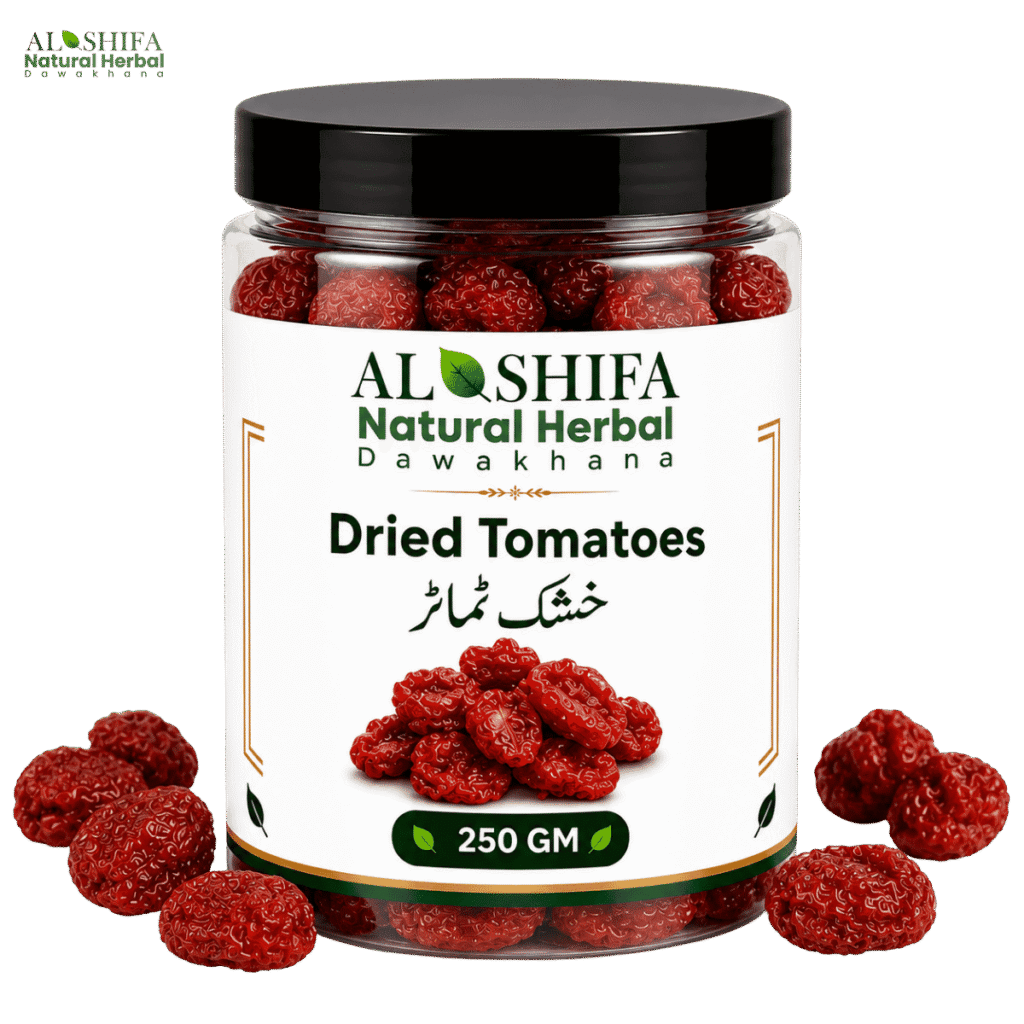
Dried Tomatoes / Khushk Tamatar are carefully selected dried fruits of Solanum lycopersicum, valued for their rich, concentrated, savory and tangy tomato flavor. Drying reduces the fruit’s natural moisture, while dried tomatoes naturally provide dietary fiber, potassium, lycopene, carotenoid pigments and other naturally occurring plant constituents.
Al Shifa Dried Tomatoes are carefully selected for fruit quality, characteristic tomato flavor, pleasant dried texture, freshness, natural appearance, cleanliness and clean handling.
Key Features:
Usage: Use directly as appropriate or rehydrate in warm water for a softer texture. Ideal for pasta, pizza, salads, soups, sauces, sandwiches, savory baking and other culinary preparations.
Important Note: Dried Tomatoes should not automatically be described as Sun-Dried, Unsalted, No Added Salt, Preservative Free or Oil-Free unless confirmed by the actual product specification.
Dried Tomatoes, commonly known as Khushk Tamatar / خشک ٹماٹر, are ripe tomato fruits from Solanum lycopersicum L. that have undergone drying or dehydration to remove a substantial portion of their natural moisture. Tomatoes belong to the Solanaceae family and are widely used as a culinary ingredient throughout the world.
Drying concentrates the tomato’s characteristic savory, tangy and mildly sweet flavor, producing an ingredient with a more intense taste than fresh tomatoes. Depending on the variety, drying method and final moisture level, dried tomatoes may range from soft and chewy to relatively firm and dry.
Dried tomatoes naturally provide dietary fiber, potassium, carotenoid pigments including lycopene, and various naturally occurring phenolic compounds. Their exact nutritional composition varies according to tomato variety, maturity, drying process, added ingredients and storage conditions.
Al Shifa Dried Tomatoes are carefully selected for fruit quality, characteristic tomato flavor, natural appearance, freshness, cleanliness and clean handling.
Dried Tomatoes are mature tomato fruits that have been dried or dehydrated to reduce their moisture content and produce a concentrated tomato flavor.
They may commonly be known as:
Depending on commercial preparation, dried tomatoes may be sold whole, halved, sliced, chopped or in pieces.
Product Name: Dried Tomatoes / Khushk Tamatar
English Name: Dried Tomatoes
Urdu Name: خشک ٹماٹر / سوکھے ٹماٹر
Roman Name: Khushk Tamatar / Sookhay Tamatar
Scientific Name: Solanum lycopersicum L.
Plant Family: Solanaceae
Plant Part: Fruit
Product Type: Dried Vegetable/Fruit Ingredient
Product Form: Dried Tomato; exact cut and form according to product specification
Processing: Dried/Dehydrated; exact drying method according to product specification
Appearance: Red to deep red or reddish-brown dried tomato pieces, depending on variety and processing
Taste: Savory, tangy, mildly sweet and concentrated tomato flavor
Texture: Chewy to firm depending on final moisture level
Primary Applications: Cooking, Sauces, Pasta, Pizza, Salads, Soups, Sandwiches, Baking & Savory Recipes
Solanum lycopersicum belongs to the Solanaceae family, which also includes plants such as peppers, potatoes and eggplants.
Botanically, tomato is a fruit because it develops from the flower and contains seeds. In everyday culinary use, however, tomato is commonly treated as a vegetable because it is predominantly used in savory dishes.
Therefore:
Botanically = Fruit
Culinary Classification = Commonly Used as a Vegetable
Fresh tomatoes naturally contain a high proportion of water.
During drying, a substantial amount of this moisture is removed, resulting in:
Commercial drying methods vary.
Dried tomatoes may be produced through:
Therefore:
Dried Tomato ≠ Automatically Sun-Dried Tomato
The term Sun-Dried Tomatoes should only be used when the actual processing method confirms drying by sunlight.
Dried Tomatoes naturally provide:
Exact nutritional values depend on tomato variety, maturity, drying temperature, final moisture content, storage and any ingredients added during commercial preparation.
Tomatoes are naturally associated with lycopene, a red carotenoid pigment responsible for much of the characteristic red coloration of ripe tomatoes.
Drying concentrates tomato solids as water is removed, but the final lycopene content and its stability depend on processing conditions, temperature, oxygen exposure and storage.
For this reason, exact lycopene amounts should only be stated when supported by product-specific analysis.
In addition to lycopene, tomatoes naturally contain other carotenoid pigments.
Their composition can be affected by:
Natural color can therefore vary between batches.
Dried Tomatoes naturally contain dietary fiber because much of the fruit’s solid plant material remains after water is removed.
They can be incorporated into a varied diet as a flavorful dried vegetable ingredient.
Tomatoes naturally contain small amounts of sugars.
As water is removed during drying, these naturally occurring sugars become more concentrated by weight and contribute to the mildly sweet component of dried tomato flavor.
However:
Naturally Occurring Sugar ≠ Added Sugar
A No Added Sugar claim should only be made when the actual ingredients and processing specification confirm that no sugar or sweetening ingredient has been added.
Tomatoes naturally contain potassium along with smaller amounts of other minerals.
Because drying reduces water content, mineral concentrations per unit weight can differ substantially from fresh tomatoes.
Precise nutritional values should be based on the actual product’s nutritional analysis.
Both originate from the same fruit but differ significantly in moisture and culinary properties.
Fresh Tomatoes:
High moisture, juicy texture and fresh tomato flavor.
Dried Tomatoes:
Lower moisture, concentrated flavor and firmer or chewier texture.
Therefore, dried tomatoes and fresh tomatoes should not be considered identical on an equal-weight basis.
This is an important commercial distinction.
Dried Tomatoes: General category covering tomatoes dried by different dehydration methods.
Sun-Dried Tomatoes: Tomatoes specifically dried using sunlight as part of the drying process.
Therefore:
All Sun-Dried Tomatoes are dried tomatoes, but not all Dried Tomatoes are Sun-Dried Tomatoes.
For Al Shifa products, the term Sun-Dried should only be used if confirmed by the actual supplier or processing specification.
Commercial dried tomatoes may be sold in different forms.
Dry Dried Tomatoes: Sold primarily as dehydrated tomato pieces without being stored in oil.
Oil-Packed Dried Tomatoes: Dried tomatoes packed in edible oil, sometimes with herbs, salt or other ingredients.
These products have different ingredient profiles and storage requirements.
Therefore:
Dry Dried Tomato ≠ Oil-Packed Dried Tomato
Dried Tomatoes retain recognizable pieces of the tomato fruit.
Tomato Powder is produced by drying tomato material and processing it into a powdered form.
Although both originate from tomatoes, their texture, handling and culinary applications differ.
Dried Tomatoes are a whole-food ingredient.
Tomato extracts may be processed or standardized to concentrate selected constituents such as carotenoids.
Therefore:
Dried Tomatoes ≠ Tomato Extract
Research involving standardized tomato or lycopene extracts should not automatically be used to make claims about ordinary dried tomatoes.
Some commercial dried tomatoes may contain added salt to influence flavor, preservation or processing.
Others may be produced without added salt.
Therefore, terms such as:
should only be used when supported by the actual product formulation or nutritional specification.
Dried Tomatoes can be rehydrated when a softer texture is desired.
A simple culinary method is:
Rehydration primarily restores moisture and softens the dried tomato pieces.
Dried Tomatoes can be used in:
Their concentrated tomato flavor makes them particularly useful where strong tomato character is desired without adding large amounts of moisture.
Tomatoes and tomato-derived carotenoids such as lycopene have been extensively studied in nutritional research.
However, ordinary Dried Tomatoes should not be advertised as a guaranteed treatment for heart disease, cancer, high blood pressure, cholesterol disorders, prostate disease or other medical conditions.
Research involving isolated or standardized lycopene preparations should not automatically be applied to an ordinary dried tomato food product.
Individuals with a known tomato allergy should avoid Dried Tomatoes.
People who are sensitive to particular commercial ingredients should also check whether the product contains added salt, preservatives, sulfites, oils, herbs or other ingredients.
For accurate product labeling:
Dried Tomato = Dehydrated fruit of Solanum lycopersicum.
Dried Tomato ≠ Automatically Sun-Dried Tomato.
Dried Tomato ≠ Tomato Powder.
Dried Tomato ≠ Tomato Extract.
Dry Dried Tomato ≠ Oil-Packed Dried Tomato.
Naturally Occurring Sugar ≠ Added Sugar.
Claims such as Sun-Dried, Organic, No Added Salt, Unsalted, No Added Sugar, Preservative Free, Sulphite-Free or Oil-Free should only be used when confirmed for the actual product.
Al Shifa Natural Herbal selects Dried Tomatoes with attention to:
Direct Culinary Use: Chop or slice as required and add to suitable dishes.
Rehydration: Soak in warm water when a softer texture is desired.
Pasta & Pizza: Add to pasta sauces, pasta dishes and pizza toppings.
Salads & Sandwiches: Use appropriately prepared dried tomatoes for concentrated tomato flavor.
Soups & Sauces: Add during cooking to provide a richer tomato character.
Baking: Incorporate into savory breads, rolls and other suitable bakery preparations.
Dried Tomatoes / Khushk Tamatar are an edible food ingredient, not a medicine.
Processing can significantly change the final product. Added salt, oil, preservatives or other ingredients should be declared according to the actual formulation.
Claims such as Sun-Dried, Organic, Unsalted, No Added Salt, No Added Sugar, Preservative Free or Sulphite-Free require verification from the actual product specification.
Store Dried Tomatoes in a clean, cool and dry place, protected from moisture, excessive heat and direct sunlight.
Keep the package properly sealed after opening. Storage requirements can differ according to final moisture content and whether the tomatoes contain oil or other added ingredients.
Always follow any refrigeration or storage instructions stated on the actual product packaging.
Al Shifa Natural Herbal offers Dried Tomatoes / Khushk Tamatar / خشک ٹماٹر for customers looking for carefully selected dried tomatoes with a rich, concentrated, savory and tangy tomato flavor for pasta, pizza, sauces, soups, salads, sandwiches, baking and other culinary preparations.
Customers searching for Dried Tomatoes in Pakistan, Khushk Tamatar, Dry Tomatoes, Dehydrated Tomatoes, Tomato Dry Fruit, Dried Tomatoes price in Pakistan, Khushk Tamatar price in Pakistan, Dried Tomatoes Lahore or buy Dried Tomatoes online in Pakistan should compare products according to freshness, drying method, moisture level, added ingredients, salt content and commercial grade.
Product Name: Dried Tomatoes / Khushk Tamatar
English Name: Dried Tomatoes
Urdu Name: خشک ٹماٹر / سوکھے ٹماٹر
Roman Name: Khushk Tamatar / Sookhay Tamatar
Scientific Name: Solanum lycopersicum L.
Plant Family: Solanaceae
Plant Part: Fruit
Product Type: Dried Vegetable/Fruit Ingredient
Product Form: Dried Tomato; Exact Cut According to Product Specification
Processing: Dried/Dehydrated; Exact Method According to Product Specification
Appearance: Red to Deep Red or Reddish-Brown Dried Tomato Pieces
Taste: Savory, Tangy, Mildly Sweet & Concentrated Tomato Flavor
Texture: Chewy to Firm Depending on Moisture Level
Key Nutritional Components: Dietary Fiber, Potassium, Lycopene, Carotenoid Pigments & Naturally Occurring Phenolic Compounds
Primary Applications: Pasta, Pizza, Sauces, Salads, Soups, Sandwiches, Savory Baking & Culinary Preparations
Important Note: Dried Tomatoes are dehydrated fruits of Solanum lycopersicum. They should not automatically be labeled Sun-Dried, Unsalted, No Added Salt, Preservative Free or Oil-Free unless these characteristics are confirmed for the actual product.
خشک ٹماٹر پکے ہوئے ٹماٹروں سے پانی کی مقدار کم کرکے تیار کیا جانے والا غذائیت سے بھرپور خشک سبزی نما پھل ہے۔ ٹماٹر کا معروف سائنسی نام سولینم لائکوپرسیکم ہے اور اس کا تعلق سولینیسی خاندان سے ہے۔
تازہ ٹماٹر میں پانی کی مقدار کافی زیادہ ہوتی ہے۔ خشک کرنے کے بعد پانی کم ہو جاتا ہے، جس کی وجہ سے ٹماٹر کا ذائقہ، قدرتی شکر، غذائی فائبر، پوٹاشیم اور مختلف قدرتی پودوں کے مرکبات وزن کے حساب سے زیادہ مرتکز ہو جاتے ہیں۔
خشک ٹماٹر اپنی گہری سرخ رنگت، کھٹے میٹھے ذائقے، مخصوص خوشبو اور لائکوپین کی وجہ سے مختلف کھانوں، سلاد، پاستا، پیزا، ساس، سینڈوچ اور دوسری غذائی ترکیبوں میں استعمال کیا جاتا ہے۔
اردو نام: خشک ٹماٹر، سوکھا ٹماٹر
پنجابی نام: سوکیا ٹماٹر، خشک ٹماٹر
ہندی نام: سوکھا ٹماٹر، خشک ٹماٹر
فارسی نام: گوجه فرنگی خشک
عربی نام: طماطم مجففة، بندورة مجففة
انگریزی نام: ڈرائیڈ ٹماٹوز، سن ڈرائیڈ ٹماٹوز
سائنسی نام: سولینم لائکوپرسیکم
خاندان: سولینیسی
استعمال ہونے والا حصہ: مکمل پکا ہوا پھل
استعمال کی شکل: مکمل خشک ٹماٹر، آدھا یا کٹا ہوا خشک ٹماٹر، سن ڈرائیڈ ٹماٹر، ٹماٹر فلیکس، ٹماٹر کے خشک ٹکڑے اور مختلف غذائی مرکبات
ٹماٹر ایک معروف غذائی پودا ہے جس کا پھل دنیا بھر میں سبزی کی طرح استعمال کیا جاتا ہے۔
پودوں کی سائنسی درجہ بندی کے لحاظ سے ٹماٹر پھل ہے، کیونکہ یہ پھول سے بنتا ہے اور اس کے اندر بیج موجود ہوتے ہیں۔
روزمرہ کھانوں میں اسے سبزی کی طرح استعمال کیا جاتا ہے۔
پکا ہوا ٹماٹر عموما:
ہوتا ہے۔
پکے ہوئے ٹماٹروں سے پانی کی بڑی مقدار کم کرکے خشک ٹماٹر حاصل کیا جاتا ہے۔
خشک کرنے کے بعد ٹماٹر:
خشک ٹماٹر تازہ ٹماٹر کی ہی خشک شکل ہے، کوئی الگ پودا نہیں۔
قدرتی دھوپ میں خشک کیے گئے ٹماٹر کو سن ڈرائیڈ ٹماٹر کہا جاتا ہے۔
ٹماٹر کو کاٹ کر یا آدھا کرکے دھوپ اور خشک ماحول میں اس وقت تک رکھا جاتا ہے جب تک اس کی نمی کافی حد تک کم نہ ہو جائے۔
ہر خشک ٹماٹر لازمی طور پر سن ڈرائیڈ نہیں ہوتا، کیونکہ تجارتی سطح پر ٹماٹر کو دوسری خشک کرنے والی مشینوں اور طریقوں سے بھی خشک کیا جا سکتا ہے۔
تازہ ٹماٹر: پانی زیادہ، نرم اور رسیلا ہوتا ہے۔
خشک ٹماٹر: پانی کم، ذائقہ زیادہ مرتکز اور ساخت زیادہ چبانے والی ہوتی ہے۔
پانی کم ہونے کی وجہ سے خشک ٹماٹر میں وزن کے حساب سے:
زیادہ مرتکز ہو سکتے ہیں۔
اسی لیے خشک ٹماٹر کی تھوڑی مقدار بھی کھانے میں نمایاں ذائقہ دیتی ہے۔
اچھا خشک ٹماٹر عموما:
ہوتا ہے۔
رنگت خشک کرنے کے طریقے، ٹماٹر کی قسم اور محفوظ رکھنے کی حالت کے مطابق مختلف ہو سکتی ہے۔
خشک ٹماٹر میں قدرتی طور پر:
پائے جاتے ہیں۔
ان غذائی اجزا کی اصل مقدار ٹماٹر کی قسم، فصل، خشک کرنے کے طریقے اور تیار شدہ خشک ٹماٹر میں نمک یا دوسری اشیا شامل ہونے کے مطابق مختلف ہو سکتی ہے۔
ٹماٹر کی سب سے معروف قدرتی خصوصیات میں لائکوپین شامل ہے۔
لائکوپین ایک قدرتی کیروٹینائڈ ہے جو پکے ہوئے سرخ ٹماٹر کی نمایاں سرخ رنگت میں اہم کردار رکھتا ہے۔
یہ جسم کے قدرتی اینٹی آکسیڈنٹ نظام سے غذائی طور پر وابستہ پودوں کا مرکب ہے۔
ٹماٹر کی پروسیسنگ اور پانی کم ہونے کے بعد لائکوپین وزن کے حساب سے زیادہ مرتکز محسوس ہو سکتا ہے۔
لائکوپین چکنائی میں حل ہونے والا کیروٹینائڈ ہے۔
اسی وجہ سے ٹماٹر کو تھوڑی مقدار میں غذائی چکنائی کے ساتھ کھانا اس کے لائکوپین کے جسم میں جذب کے لیے فائدہ مند ہو سکتا ہے۔
خشک ٹماٹر کو زیتون کے تیل، سلاد یا دوسری متوازن غذا کے ساتھ استعمال کرنا اسی وجہ سے مقبول ہے۔
خشک ٹماٹر میں بیٹا کیروٹین سمیت مختلف کیروٹینائڈز موجود ہوتے ہیں۔
جسم ضرورت کے مطابق بیٹا کیروٹین کے ایک حصے کو وٹامن اے میں تبدیل کر سکتا ہے۔
وٹامن اے معمول کی بینائی، جلد اور جسمانی خلیات کے معمول کے افعال کے لیے اہم غذائی جز ہے۔
خشک ٹماٹر غذائی فائبر فراہم کرتا ہے۔
فائبر:
کے لیے فائدہ مند ہے۔
خشک ہونے کے بعد پانی کم ہونے کی وجہ سے فائبر وزن کے حساب سے تازہ ٹماٹر کے مقابلے میں زیادہ مرتکز ہو سکتا ہے۔
خشک ٹماٹر پوٹاشیم فراہم کرتا ہے۔
پوٹاشیم:
کے لیے اہم غذائی معدنی جز ہے۔
گردوں کی بیماری میں پوٹاشیم محدود رکھنے کی ہدایت ہو تو خشک ٹماٹر کی مقدار معالج یا ماہر غذائیت سے پوچھ کر رکھیں۔
خشک ٹماٹر میں میگنیشیم موجود ہوتا ہے۔
میگنیشیم:
کے معمول کے افعال کے لیے اہم ہے۔
خشک ٹماٹر میں آئرن موجود ہوتا ہے۔
آئرن خون میں ہیموگلوبن بنانے اور جسم میں آکسیجن کی منتقلی کے معمول کے عمل کے لیے ضروری غذائی جز ہے۔
اگر خون کی کمی ہو تو صرف خشک ٹماٹر پر انحصار کرنے کے بجائے معالج سے چیک کروائیں۔
خشک ٹماٹر میں کاپر اور مینگنیز موجود ہوتے ہیں۔
یہ معدنی اجزا:
سے وابستہ افعال میں کردار رکھتے ہیں۔
ٹماٹر میں مختلف قدرتی پولی فینولز بھی موجود ہوتے ہیں۔
یہ پودوں کے قدرتی مرکبات ہیں جو ٹماٹر کی مجموعی غذائی خصوصیات کا حصہ ہیں۔
ان کی مقدار ٹماٹر کی قسم، پکنے کی حالت اور خشک کرنے کے طریقے کے مطابق مختلف ہو سکتی ہے۔
خشک ٹماٹر میں:
موجود ہوتے ہیں۔
یہ غذائی اجزا متوازن خوراک کے حصے کے طور پر دل کی معمول کی صحت کے لیے غذائی اہمیت رکھتے ہیں۔
اگر خشک ٹماٹر میں بہت زیادہ نمک شامل ہو تو سوڈیم کی مقدار بھی زیادہ ہو سکتی ہے، اس لیے نمک محدود رکھنے والے افراد اس بات کا خیال رکھیں۔
ٹماٹر میں لائکوپین، بیٹا کیروٹین اور دوسرے کیروٹینائڈز موجود ہوتے ہیں۔
یہ اجزا مکمل متوازن خوراک کے حصے کے طور پر آنکھوں اور معمول کی بینائی کے لیے غذائی اہمیت رکھتے ہیں۔
خشک ٹماٹر میں:
موجود ہوتے ہیں۔
یہ غذائی اجزا متوازن خوراک کے حصے کے طور پر جلد کی معمول کی صحت کے لیے اہم ہیں۔
خشک ٹماٹر میں غذائی فائبر موجود ہوتا ہے۔
مقدار کے مطابق اس کا استعمال:
کے لیے فائدہ مند ہے۔
زیادہ مقدار میں استعمال حساس افراد میں پیٹ کی تکلیف یا تیزابیت بڑھا سکتا ہے۔
خشک ٹماٹر میں پانی کم ہونے کی وجہ سے تازہ ٹماٹر کے مقابلے میں غذائی اجزا اور قدرتی کاربوہائیڈریٹس وزن کے حساب سے زیادہ مرتکز ہوتے ہیں۔
اسے کھانے میں شامل کرنے سے ذائقے کے ساتھ مختلف غذائی اجزا بھی حاصل ہوتے ہیں۔
بہت زیادہ خشک یا سخت ٹماٹر کو استعمال سے پہلے نیم گرم یا صاف پانی میں کچھ دیر بھگویا جا سکتا ہے۔
اس سے:
بھگونے کے بعد اسے سلاد، پاستا، ساس یا دوسری غذاؤں میں استعمال کیا جا سکتا ہے۔
خشک ٹماٹر پاستا میں خاص طور پر پسند کیا جاتا ہے۔
اسے چھوٹے ٹکڑوں میں کاٹ کر:
کے ساتھ شامل کیا جا سکتا ہے۔
اس کا مرتکز کھٹا میٹھا ذائقہ پاستا کے ذائقے کو نمایاں کرتا ہے۔
خشک ٹماٹر کو پیزا پر بھی استعمال کیا جاتا ہے۔
چھوٹے ٹکڑے کرکے اسے دوسری سبزیوں اور پنیر کے ساتھ شامل کیا جا سکتا ہے۔
چونکہ اس کا ذائقہ تازہ ٹماٹر کے مقابلے میں زیادہ مرتکز ہوتا ہے، اس لیے تھوڑی مقدار بھی کافی ہوتی ہے۔
خشک ٹماٹر کو نرم کرکے یا باریک کاٹ کر:
میں شامل کیا جا سکتا ہے۔
خشک ٹماٹر کو چھوٹے ٹکڑوں میں کاٹ کر:
میں شامل کیا جا سکتا ہے۔
یہ کھانے میں گہرا ٹماٹر ذائقہ فراہم کرتا ہے۔
خشک ٹماٹر کو نرم کرکے پیس کر:
میں شامل کیا جا سکتا ہے۔
اس سے ذائقہ زیادہ گہرا اور مرتکز ہو جاتا ہے۔
خشک ٹماٹر کو:
میں شامل کیا جا سکتا ہے۔
بہت خشک ٹماٹر کو پہلے پانی میں نرم کرنا بہتر رہتا ہے۔
بازار میں خشک ٹماٹر تیل میں محفوظ شکل میں بھی دستیاب ہوتے ہیں۔
ایسی صورت میں اس کی غذائی خصوصیات میں استعمال ہونے والے:
کا بھی اثر ہوتا ہے۔
تیل میں محفوظ خشک ٹماٹر کو سادہ خشک ٹماٹر کے برابر نہ سمجھیں۔
کچھ خشک ٹماٹروں میں خشک کرنے یا محفوظ رکھنے کے دوران نمک شامل کیا جاتا ہے۔
ایسی صورت میں سوڈیم کی مقدار نمایاں طور پر بڑھ سکتی ہے۔
ہائی بلڈ پریشر، دل یا گردوں کے مسائل میں نمک محدود رکھنے کی ہدایت ہو تو بغیر نمک یا کم نمک والی خشک شکل بہتر انتخاب ہو سکتی ہے۔
خشک ٹماٹر غذائی فائبر فراہم کرتا ہے اور کھانے میں گہرا ذائقہ شامل کرتا ہے۔
لیکن خشک ہونے کی وجہ سے تازہ ٹماٹر کے مقابلے میں کیلوریز وزن کے حساب سے زیادہ مرتکز ہوتی ہیں۔
اگر خشک ٹماٹر تیل میں محفوظ ہو تو کیلوریز مزید بڑھ سکتی ہیں۔
اس لیے مقدار کو مکمل خوراک کے مطابق رکھیں۔
سادہ خشک ٹماٹر میں ٹماٹر کی اپنی قدرتی شکر موجود ہوتی ہے۔
خشک ہونے کے بعد یہ شکر وزن کے حساب سے زیادہ مرتکز ہوتی ہے۔
اگر الگ سے چینی یا میٹھا شربت شامل نہ ہو تو مقدار کے مطابق اسے متوازن خوراک میں شامل کیا جا سکتا ہے۔
شوگر کے مریض پیک شدہ خشک ٹماٹر میں اضافی چینی اور دوسرے اجزا بھی دیکھیں۔
ٹماٹر قدرتی طور پر تیزابی غذا ہے۔
جن افراد کو:
کی شکایت ٹماٹر سے بڑھتی ہو، انہیں خشک ٹماٹر سے بھی علامات بڑھ سکتی ہیں۔
اپنی برداشت کے مطابق مقدار رکھیں۔
پاکستان اور برصغیر میں ٹماٹر نسبتاً بعد میں عام ہونے والی غذائی فصل ہے، اس لیے قدیم حکمت کی معروف کتب مفردات میں اس کے لیے وہی مستحکم کلاسیکی مزاج موجود نہیں جو قدیم معروف جڑی بوٹیوں اور غذاؤں کے لیے بیان کیا جاتا ہے۔
اسی وجہ سے خشک ٹماٹر کے لیے بلا مستند حوالہ مخصوص حکیمی درجہ مقرر نہیں کرنا چاہیے۔
غذائی لحاظ سے خشک ٹماٹر لائکوپین، پوٹاشیم، فائبر، کیروٹینائڈز اور دوسرے قدرتی پودوں کے مرکبات فراہم کرتا ہے۔
خشک ٹماٹر کو:
استعمال کیا جا سکتا ہے۔
بہت خشک یا سخت ٹماٹر کے بڑے ٹکڑے چھوٹے بچوں کے لیے چبانے میں مشکل ہو سکتے ہیں۔
عمر کے مطابق اسے:
دیں۔
اگر خشک ٹماٹر میں نمک زیادہ ہو تو بچوں کے لیے مقدار کا خاص خیال رکھیں۔
اگر کوئی خاص غذائی پابندی نہ ہو تو خشک ٹماٹر عام غذائی مقدار میں متوازن خوراک کا حصہ بن سکتا ہے۔
یہ لائکوپین، غذائی فائبر، پوٹاشیم، کیروٹینائڈز اور مختلف دوسرے غذائی اجزا فراہم کرتا ہے۔
بہت زیادہ نمک والے خشک ٹماٹر کی مقدار کا خیال رکھیں۔
خشک ٹماٹر میں پوٹاشیم نمایاں ہو سکتا ہے۔
گردوں کی بیماری میں پوٹاشیم اور بعض اوقات نمک محدود رکھنے کی ہدایت ہوتی ہے۔
ایسی صورت میں خشک ٹماٹر کی مقدار معالج یا ماہر غذائیت سے پوچھ کر رکھیں۔
ٹماٹر سے غذائی الرجی ممکن ہے۔
حساس افراد میں:
ہو سکتی ہے۔
ایسی علامات کی صورت میں استعمال بند کریں۔
شدید الرجی یا سانس لینے میں دشواری کی صورت میں فوری طبی امداد حاصل کریں۔
اچھے خشک ٹماٹر میں:
اہم ہیں۔
اگر خشک ٹماٹر میں:
موجود ہو تو اسے استعمال نہ کریں۔
خشک ٹماٹر تازہ ٹماٹر سے پانی کی مقدار کم کرکے تیار کیا جاتا ہے۔
اس کا معروف سائنسی نام سولینم لائکوپرسیکم ہے اور اس کا تعلق سولینیسی خاندان سے ہے۔
خشک ٹماٹر میں غذائی فائبر، پوٹاشیم، میگنیشیم، آئرن، کاپر، لائکوپین، بیٹا کیروٹین، دوسرے کیروٹینائڈز اور قدرتی پولی فینولز پائے جاتے ہیں۔
خشک ہونے کی وجہ سے مختلف غذائی اجزا وزن کے حساب سے تازہ ٹماٹر کے مقابلے میں زیادہ مرتکز ہو سکتے ہیں۔
نمک، تیل یا دوسری شامل اشیا خشک ٹماٹر کی غذائی خصوصیات تبدیل کر سکتی ہیں، اس لیے سادہ خشک ٹماٹر اور تیل یا نمک میں محفوظ خشک ٹماٹر کو ایک جیسا نہ سمجھیں۔
الشفاء نیچرل ہربل دواخانہ میں خشک ٹماٹر کے لیے درج ذیل باتوں کو اہمیت دی جاتی ہے:
اچھا پکا ہوا ٹماٹر: خشک کرنے کے لیے اچھی حالت والے ٹماٹر اہم ہیں۔
قدرتی رنگت: سرخ سے گہری سرخی مائل قدرتی رنگت کو اہمیت دی جاتی ہے۔
قدرتی ذائقہ: ٹماٹر کا مخصوص کھٹا میٹھا اور مرتکز ذائقہ اہم ہے۔
قدرتی خوشبو: تازہ خشک ٹماٹر کی مخصوص خوشبو اہم ہے۔
صاف حالت: گرد، مٹی، کیڑوں اور غیر ضروری ذرات سے پاک ہونا اہم ہے۔
نمی سے حفاظت: غیر معمولی نمی اور پھپھوندی سے محفوظ ہونا اہم ہے۔
تازگی: سڑی ہوئی، خمیر جیسی یا خراب بو سے پاک ہونا اہم ہے۔
الشفاء نیچرل ہربل دواخانہ سنہ ۱۹۹۹ سے قدرتی جڑی بوٹیوں، بیجوں، خشک پھلوں اور غذائی اشیا کی سپلائی کر رہا ہے۔
ہم خشک ٹماٹر میں قدرتی رنگت، مخصوص کھٹا میٹھا ذائقہ، تازہ خوشبو، صاف حالت، صحیح خشکی، نمی سے حفاظت، کیڑوں اور پھپھوندی سے پاک ہونے اور خراب بو سے پاک ہونے کو اہمیت دیتے ہیں۔
اچھے خشک ٹماٹر کی پہچان صرف بہت چمکدار سرخ رنگ سے نہیں بلکہ قدرتی رنگت، تازگی، ذائقے، خوشبو، صاف حالت اور صحیح خشکی سے کی جاتی ہے۔
خشک ٹماٹر کو ٹھنڈی، خشک اور روشنی سے محفوظ جگہ پر کسی جار میں اچھی طرح پیک کر کے رکھیں۔
تیز دھوپ اور زیادہ گرمی سے دور رکھیں۔
پانی اور غیر ضروری نمی سے محفوظ رکھیں۔
گیلے ہاتھ یا گیلا چمچ استعمال نہ کریں۔
استعمال کے بعد ڈھکن اچھی طرح بند کریں۔
زیادہ گرم موسم یا زیادہ عرصے کے لیے محفوظ کرنا ہو تو اسے ٹھنڈی جگہ پر رکھیں۔
پانی میں بھگوئے ہوئے خشک ٹماٹر کو خشک حالت والے ٹماٹر کی طرح کمرے کے درجہ حرارت پر لمبے وقت کے لیے نہ رکھیں۔
تیل میں محفوظ خشک ٹماٹر کو اس کی پیکنگ پر درج محفوظ رکھنے کی ہدایات کے مطابق رکھیں۔
بچوں کی پہنچ سے دور رکھیں۔
گردوں کی بیماری اور پوٹاشیم کی پابندی کی صورت میں خشک ٹماٹر کی مقدار معالج یا ماہر غذائیت سے پوچھ کر رکھیں۔
نمک محدود رکھنے والے افراد نمک شامل کیے گئے خشک ٹماٹر کی مقدار کا خیال رکھیں۔
تیزابیت یا ریفلوکس کی شکایت ٹماٹر سے بڑھتی ہو تو اپنی برداشت کے مطابق استعمال کریں۔
پھپھوندی زدہ، غیر معمولی نم، کیڑے لگا یا خراب بو والا خشک ٹماٹر استعمال نہ کریں۔
ٹماٹر سے الرجی کی صورت میں اسے استعمال نہ کریں۔
خشک ٹماٹر پکے ہوئے ٹماٹر سے پانی کی مقدار کم کرکے تیار کیا جاتا ہے۔
اس کا معروف سائنسی نام سولینم لائکوپرسیکم ہے اور اس کا تعلق سولینیسی خاندان سے ہے۔
اس میں غذائی فائبر، پوٹاشیم، میگنیشیم، آئرن، کاپر، لائکوپین، بیٹا کیروٹین، دوسرے کیروٹینائڈز اور قدرتی پولی فینولز پائے جاتے ہیں۔
اسے پاستا، پیزا، سلاد، سینڈوچ، ساس، چٹنی، سوپ اور مختلف غذائی ترکیبوں میں استعمال کیا جا سکتا ہے۔
اچھے خشک ٹماٹر کی پہچان کے لیے قدرتی سرخ سے گہری سرخی مائل رنگت، مخصوص کھٹا میٹھا ذائقہ، تازہ خوشبو، صاف حالت، صحیح خشکی، نمی و پھپھوندی سے حفاظت اور خراب بو سے پاک ہونا اہم ہے۔