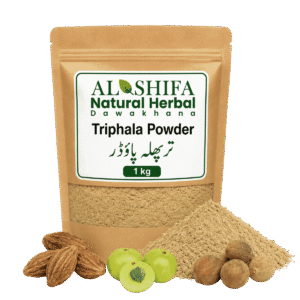
ترپھلہ پاؤڈر
Price range: ₨ 250 through ₨ 3,500


Black Maca Root is a naturally dark-colored variety of Maca (Lepidium meyenii), traditionally consumed in the Peruvian Andes and valued for nutrition, vitality, stamina, and reproductive wellness.
How to Use: Use in suitable food, beverage, powder, or nutritional preparations according to the product form and appropriate guidance.
Important Note: Black Maca is a color variety of Maca, not a separate species. It should not be considered a proven treatment for infertility, low testosterone, hormonal disorders, or sexual dysfunction. Pregnant or breastfeeding women and people with thyroid or hormone-sensitive conditions should seek professional guidance before concentrated or regular medicinal use.
Black Maca Root is a naturally occurring dark-colored variety of Maca, obtained from Lepidium meyenii Walp., a plant belonging to the Brassicaceae family. Maca is native to the high Andean regions of Peru, where it has a long history as both a traditional food and a culturally important botanical.
The edible underground portion commonly called “Maca Root” is botanically better described as a hypocotyl-root storage organ. Maca occurs naturally in several color types, including yellow, red, purple, and black. Black Maca refers to darker-colored hypocotyls selected from the same Maca species rather than an entirely separate botanical species.
Black Maca has become particularly popular in modern herbal and nutritional products marketed toward energy, stamina, vitality, exercise performance, and reproductive wellness. However, many strong claims surrounding Black Maca are based on traditional use, animal research, or studies of specific Maca preparations rather than definitive clinical evidence for raw Black Maca root.
Black Maca is valued for its distinctive dark coloration, nutritional composition, traditional Andean heritage, and naturally occurring plant compounds.
Product Name: Black Maca Root
English Name: Black Maca Root / Black Maca
Urdu Name: بلیک ماکا روٹ
Roman Name: Black Maca Root / Kali Maca
Scientific Name: Lepidium meyenii Walp.
Family: Brassicaceae
Plant Type: Herbaceous Andean Plant
Native Region: Peruvian Andes
Commonly Used Part: Hypocotyl-Root Storage Organ
Product Form: Whole Dried Maca / Pieces / Powder depending on processing
Traditional Status: Food and traditional botanical
Maca is a small, low-growing plant adapted to harsh conditions at high elevations in the Andes.
Its swollen underground storage organ develops in several natural colors. The darker or black forms are commonly classified commercially as Black Maca.
Although usually called a root, the edible portion involves a swollen hypocotyl together with root tissue. “Maca Root” remains the familiar commercial name and is appropriate for consumer-facing labeling.
Maca can occur in different natural color types.
Common commercial categories include:
These are generally color phenotypes of Maca rather than completely different botanical species.
This distinction is important because:
Black Maca ≠ Separate Maca Species
Black Maca ≠ Automatically Stronger Maca
Color Difference ≠ Guaranteed Different Clinical Effect
Research has explored whether Maca colors differ in chemical composition and biological activity, but strong claims that one color is universally superior should be avoided.
As a traditional food crop, dried Maca naturally provides a mixture of nutritional components.
Depending on growing conditions and processing, these may include:
Exact nutritional values can vary between harvests and products.
A specific protein, mineral, vitamin, or calorie value should therefore only be placed on a product label when supported by appropriate nutritional analysis.
Two groups of compounds particularly associated with Maca are:
Macamides are often discussed as characteristic chemical markers of Maca products.
Their levels can be influenced by factors such as:
Whole dried Maca, Maca powder, gelatinized Maca, and concentrated Maca extracts therefore should not automatically be considered chemically equivalent.
As a member of the Brassicaceae family, Maca naturally contains glucosinolates.
Glucosinolates are also found in other members of this botanical family.
Their profile and concentration can vary according to plant material, color type, growing conditions, drying, and processing.
The presence of glucosinolates should be regarded as a botanical characteristic rather than evidence that Maca treats a particular disease.
Maca has been cultivated and consumed in the Andes for generations.
Traditional preparations have included dried Maca processed into foods, beverages, porridges, and other preparations.
Historically, Maca has been associated with:
These traditional associations provide cultural context but should not automatically be interpreted as clinically established medical effects.
Black Maca is commonly promoted for energy, endurance, and stamina.
Some human studies involving Maca preparations have explored areas such as exercise performance, fatigue, mood, and general wellbeing. However, the available evidence varies considerably according to preparation and study design.
Therefore, Black Maca should not be described as a guaranteed:
Individual responses may vary.
Black Maca is especially popular in products marketed toward men’s wellness.
Research involving Maca has explored sexual desire and aspects of male reproductive function. Some studies have reported potentially interesting findings, but the overall evidence is not sufficient to claim that ordinary Black Maca root treats male infertility or sexual dysfunction.
Responsible wording includes:
It should not be described as a proven treatment for erectile dysfunction, low testosterone, infertility, or other medical conditions.
A common marketing claim is that Maca directly increases testosterone.
This claim should be avoided.
Human research does not consistently demonstrate that Maca meaningfully raises circulating testosterone levels.
Therefore:
Maca-related vitality ≠ Testosterone increase
and
Improved subjective wellbeing ≠ Hormonal treatment
Black Maca should not be marketed as a replacement for medically indicated hormone therapy.
Some research has investigated Maca preparations in relation to:
However, studies vary in quality, size, preparation, and duration.
Animal studies involving Black Maca are also frequently cited online, but results from animals cannot automatically be applied to human fertility.
Black Maca should therefore not be promoted as a guaranteed fertility treatment or as a product that guarantees improvement in sperm count, motility, conception, or pregnancy.
Maca has also been studied and traditionally used in the context of women’s wellbeing.
Research involving certain Maca preparations has explored areas such as mood, sexual wellbeing, and menopausal symptoms.
However, Black Maca should not be claimed to:
Persistent hormonal, menstrual, fertility, or menopausal symptoms require appropriate assessment.
Maca is widely marketed as a natural aphrodisiac.
Some human research has suggested possible effects on sexual desire in certain populations, but evidence remains limited and product-specific.
It is more responsible to describe Maca as:
traditionally associated with vitality and sexual wellness
rather than claiming that it treats erectile dysfunction, low libido, or other diagnosed sexual disorders.
Animal research involving different Maca color types has generated interest in prostate-related effects, particularly comparisons between red, black, and yellow Maca.
These findings should not be converted into claims that Black Maca prevents or treats prostate disease in humans.
Anyone experiencing urinary difficulty, blood in urine, pelvic symptoms, or suspected prostate problems should seek appropriate medical evaluation.
Maca is sometimes described as an adaptogen.
This term is widely used in herbal marketing, but it should not be interpreted as proof that Black Maca treats anxiety, depression, chronic stress disorders, or adrenal disease.
Certain Maca preparations have been investigated for mood and wellbeing, but evidence remains preparation-specific.
An important commercial distinction exists between raw Maca powder and gelatinized Maca.
Gelatinization typically involves processing with heat and water to remove a substantial portion of starch and improve dispersibility or digestibility.
It does not mean adding gelatin.
Therefore:
Gelatinized Maca ≠ Maca with animal gelatin
and
Raw Maca ≠ Gelatinized Maca
Their physical characteristics and nutritional composition can differ.
If a product is sold as whole dried Black Maca root, it should not automatically be described as gelatinized.
Different Black Maca preparations include:
These products are not automatically equivalent.
An extract may contain a different concentration of particular constituents than ordinary dried Maca.
Whole dried Black Maca is generally processed before consumption rather than treated like a fresh vegetable.
Depending on product form, Maca may be incorporated into:
For packaged powder, capsules, or concentrated extracts, follow the specific product instructions because concentration can vary substantially.
Individuals using Maca for a specific health purpose should seek appropriate professional guidance rather than relying on generalized online dosing.
Some people may experience gastrointestinal discomfort when consuming larger amounts of Maca, particularly certain raw preparations.
Possible complaints may include:
Individual tolerance varies.
Processed or gelatinized Maca may differ in digestibility from raw powder, but this should not be interpreted as meaning that every gelatinized product is universally better tolerated.
Maca belongs to the Brassicaceae family and contains glucosinolates.
For most people consuming ordinary food amounts, this does not automatically mean Maca damages the thyroid.
However, individuals with thyroid disorders, particularly those consuming substantial amounts of raw Maca or using concentrated products, should discuss regular medicinal use with an appropriately qualified healthcare professional.
Black Maca should not be marketed as a treatment for thyroid disease.
Reliable evidence establishing the safety of concentrated or medicinal Black Maca use during pregnancy and breastfeeding is limited.
Pregnant or breastfeeding women should therefore seek professional guidance before using Maca as a concentrated supplement or medicinal product.
Traditional food use does not automatically establish the safety of high-dose extracts.
Maca is frequently marketed as a “hormone balancing” herb, but this phrase can be misleading.
People with hormone-sensitive medical conditions or those receiving hormone-related treatment should discuss regular supplemental use with their healthcare professional.
Black Maca should not be assumed to directly increase, decrease, or normalize every reproductive hormone.
Maca is traditionally a food crop in its native region, but concentrated supplements marketed for adult vitality or reproductive wellness are not automatically appropriate for children.
Children should not be given concentrated Maca extracts for hormonal, sexual, fertility, or performance-related purposes without appropriate professional advice.
Major interactions are not as well characterized as for some medicinal herbs, but people taking regular medication should still seek guidance before using concentrated Maca preparations, particularly when they have:
Whole-food use and concentrated extract use should be considered separately.
High-quality Black Maca should ideally have:
Claims such as Peruvian origin, organic certification, raw, gelatinized, standardized, or specific extract strength should only be used when verified.
Because Maca has become an internationally popular botanical, authenticity is important.
A dark-colored root should not automatically be labeled Black Maca unless the material has been appropriately sourced and identified.
For commercial products, useful quality controls may include:
Store Black Maca in a:
Dried Maca showing mold, unusual moisture, infestation, or spoiled odor should not be consumed.
For responsible product information:
Black Maca = Dark-Colored Maca Phenotype
Botanical Source = Lepidium meyenii
Black Maca ≠ Separate Botanical Species
Maca Root = Primarily Hypocotyl-Root Storage Organ
Black Color ≠ Guaranteed Greater Potency
Maca Vitality Claims ≠ Proven Testosterone Increase
Animal Fertility Research ≠ Proven Human Fertility Treatment
Whole Maca ≠ Concentrated Maca Extract
Raw Maca ≠ Gelatinized Maca
Traditional Use ≠ Proven Disease Treatment
Product Name: Black Maca Root
English Name: Black Maca Root / Black Maca
Urdu Name: بلیک ماکا روٹ
Roman Name: Black Maca Root / Kali Maca
Scientific Name: Lepidium meyenii Walp.
Family: Brassicaceae
Plant Type: Herbaceous Andean Plant
Traditional Origin: Peruvian Andes
Used Part: Hypocotyl-Root Storage Organ
Product Form: Whole Dried Root / Root Pieces depending on product
Important Natural Constituents: Macamides, macaenes, glucosinolates, polyphenolic compounds, plant sterols and other naturally occurring nutrients
Traditional Significance: Nutrition, vitality, stamina and reproductive-wellness traditions
Food Status: Traditionally consumed as a food in the Andes
Storage: Cool, dry and protected from moisture and direct sunlight
Black Maca Root (بلیک ماکا روٹ) is a naturally dark-colored form of Maca, generally identified botanically as Lepidium meyenii. Black Maca is a color phenotype rather than a separate botanical species.
Although Maca has a long history as an Andean food and is traditionally associated with vitality, stamina and reproductive wellness, it should not be presented as a proven treatment for infertility, erectile dysfunction, low testosterone, hormonal disorders, prostate disease, thyroid disease, or other medical conditions.
Research involving specific Maca extracts, animal models, or isolated compounds should not automatically be applied to ordinary whole Black Maca root. Pregnant or breastfeeding women, people with thyroid or hormone-sensitive conditions, and those undergoing fertility or hormonal treatment should seek appropriate professional guidance before regular medicinal or concentrated supplemental use.
بلیک ماکا روٹ ماکا کی قدرتی طور پر گہرے رنگ والی قسم ہے جو لیپیڈیم میئینی نامی نبات سے حاصل ہوتی ہے۔ یہ نبات براسیکیسی خاندان سے تعلق رکھتی ہے اور اس کا اصل قدرتی تعلق جنوبی امریکہ کے بلند پہاڑی اینڈیز علاقوں، خصوصاً پیرو، سے ہے۔ ماکا وہاں طویل عرصے سے روایتی غذا اور نباتاتی خوراک کے طور پر استعمال ہوتی رہی ہے۔
عام طور پر اسے ماکا کی جڑ کہا جاتا ہے، لیکن نباتاتی اعتبار سے استعمال ہونے والا پھولا ہوا زیر زمین حصہ صرف حقیقی جڑ نہیں بلکہ ہائپوکوٹائل اور جڑ سے مل کر بننے والا ذخیرہ کرنے والا حصہ ہوتا ہے۔ تجارتی اور عام استعمال میں اسے ماکا روٹ کہنا معروف اور قابل فہم ہے۔
ماکا قدرتی طور پر زرد، سرخ، جامنی اور سیاہ سمیت مختلف رنگوں میں پائی جا سکتی ہے۔ بلیک ماکا اسی نبات کی گہرے یا سیاہ رنگ والی قدرتی قسم ہے، اسے الگ نباتاتی نوع نہیں سمجھنا چاہیے۔
مصنوعات کا نام: بلیک ماکا روٹ
معروف نام: بلیک ماکا، سیاہ ماکا، ماکا روٹ
نباتاتی نام: لیپیڈیم میئینی
نباتاتی خاندان: براسیکیسی
نبات کی قسم: پہاڑی علفی نبات
روایتی خطہ: پیرو کے بلند اینڈیز پہاڑی علاقے
استعمال ہونے والا حصہ: زیر زمین ہائپوکوٹائل اور جڑ سے بنا ذخیرہ کرنے والا حصہ
مصنوعات کی شکل: مکمل خشک ماکا، خشک ٹکڑے یا تیاری کے مطابق سفوف
روایتی حیثیت: غذائی اور روایتی نباتاتی مادہ
ماکا ایک چھوٹے قد کی مضبوط نبات ہے جو انتہائی بلند اور سخت پہاڑی ماحول میں نشوونما پانے کی صلاحیت رکھتی ہے۔
اس کا زیر زمین حصہ پھول کر خوراک ذخیرہ کرتا ہے۔ یہی حصہ خشک کرنے اور مختلف طریقوں سے تیار کرنے کے بعد غذا اور روایتی نباتاتی استعمال میں آتا ہے۔
بلیک ماکا کا نام اس زیر زمین حصے کے قدرتی گہرے رنگ کی وجہ سے رکھا گیا ہے۔
یہ سمجھنا ضروری ہے کہ بلیک ماکا کوئی الگ نبات نہیں بلکہ ماکا ہی کی ایک قدرتی رنگی قسم ہے۔
ماکا کے زیر زمین حصے مختلف قدرتی رنگوں میں پیدا ہو سکتے ہیں۔
عام طور پر معروف اقسام میں شامل ہیں:
ان رنگوں کو عموماً ماکا کی مختلف قدرتی رنگی اقسام سمجھا جاتا ہے، الگ الگ نباتاتی انواع نہیں۔
اس لیے:
بلیک ماکا الگ نباتاتی نوع نہیں۔
گہرا رنگ لازماً زیادہ طاقت کی علامت نہیں۔
رنگ میں فرق ہر فرد میں مختلف طبی اثر کی ضمانت نہیں۔
مختلف رنگوں کی ماکا کی قدرتی کیمیائی ساخت پر تحقیق ہوئی ہے، لیکن صرف رنگ کی بنیاد پر کسی ایک قسم کو ہر لحاظ سے دوسری اقسام سے زیادہ مؤثر قرار دینا مناسب نہیں۔
عام تجارتی زبان میں ماکا کے استعمال ہونے والے حصے کو جڑ کہا جاتا ہے۔
نباتاتی اعتبار سے یہ پھولا ہوا زیر زمین ذخیرہ کرنے والا حصہ ہوتا ہے جس میں ہائپوکوٹائل اور جڑ کے بافتے شامل ہوتے ہیں۔
اس لیے ماکا روٹ کا نام تجارتی طور پر درست اور معروف ہے، لیکن سائنسی معلومات میں اس کی اصل ساخت کو سمجھنا مفید ہے۔
ماکا کو اینڈیز کے بلند پہاڑی علاقوں میں نسلوں سے کاشت اور استعمال کیا جاتا رہا ہے۔
روایتی طور پر خشک ماکا کو مختلف غذائی تیاریوں میں استعمال کیا جاتا تھا۔ اسے پیس کر یا پکا کر خوراک اور مشروبات میں شامل کیا جاتا رہا ہے۔
تاریخی طور پر ماکا کو درج ذیل عمومی تصورات کے ساتھ وابستہ کیا جاتا رہا ہے:
یہ روایتی استعمال اس کی تاریخی اور ثقافتی اہمیت کو ظاہر کرتے ہیں، انہیں کسی بیماری کے ثابت شدہ علاج کے طور پر نہیں سمجھنا چاہیے۔
خشک ماکا قدرتی طور پر مختلف غذائی اجزاء اور نباتاتی مرکبات فراہم کر سکتی ہے۔
ان میں شامل ہو سکتے ہیں:
ان اجزاء کی اصل مقدار کا انحصار نبات کے ماخذ، زمین، موسم، فصل، خشک کرنے اور تیاری کے طریقے پر ہو سکتا ہے۔
اس لیے کسی مخصوص معدنی جز، پروٹین یا دوسرے غذائی جز کی حتمی مقدار صرف مناسب غذائی تجزیے کے بعد ہی بیان کی جانی چاہیے۔
ماکا کے ساتھ خاص طور پر وابستہ قدرتی مرکبات میں میکامائیڈز نمایاں ہیں۔
یہ ماکا کی شناخت اور اس کی کیمیائی خصوصیات کے حوالے سے تحقیق میں خاص دلچسپی رکھتے ہیں۔
ان کی مقدار مختلف عوامل کے مطابق تبدیل ہو سکتی ہے، مثلاً:
اسی وجہ سے مکمل خشک بلیک ماکا اور مرتکز عرق میں ان مرکبات کی مقدار یکساں ہونا ضروری نہیں۔
ماکا میں میکائینز سے متعلق قدرتی اجزاء کا بھی ذکر کیا جاتا ہے۔
میکامائیڈز اور میکائینز کو ماکا سے وابستہ مخصوص نباتاتی اجزاء کے طور پر اہمیت حاصل ہے۔
تاہم صرف ان اجزاء کی موجودگی کو کسی مخصوص بیماری کے علاج یا یقینی جسمانی اثر کا ثبوت نہیں سمجھنا چاہیے۔
بلیک ماکا براسیکیسی خاندان سے تعلق رکھتی ہے اور اس میں قدرتی طور پر گلوکوسینولیٹس پائے جا سکتے ہیں۔
یہ مرکبات اسی نباتاتی خاندان کی دوسری نباتات میں بھی پائے جاتے ہیں۔
ماکا میں ان کی مقدار مختلف عوامل سے متاثر ہو سکتی ہے:
گلوکوسینولیٹس کی موجودگی ایک قدرتی نباتاتی خصوصیت ہے، اسے کسی بیماری کے علاج کا ثبوت نہیں سمجھنا چاہیے۔
بلیک ماکا کو جدید نباتاتی مصنوعات میں اکثر توانائی، برداشت اور جسمانی نشاط سے وابستہ کیا جاتا ہے۔
ماکا کی مختلف تیاریوں پر جسمانی کارکردگی، تھکن، مزاج اور عمومی تندرستی کے حوالے سے تحقیق بھی ہوئی ہے۔
تاہم تحقیق میں استعمال ہونے والی ماکا کی قسم، مقدار، تیاری اور افراد کی تعداد میں فرق موجود ہے۔
اس لیے بلیک ماکا کو یقینی طور پر:
قرار دینا مناسب نہیں۔
بلیک ماکا کو خصوصاً مردانہ عمومی تندرستی اور جسمانی نشاط سے متعلق مصنوعات میں کافی مقبولیت حاصل ہے۔
روایتی اور جدید استعمال میں اسے مردانہ قوت، عمومی توانائی اور تولیدی تندرستی کے ساتھ وابستہ کیا جاتا ہے۔
ماکا کی مختلف تیاریوں پر جنسی رغبت اور مردانہ تولیدی خصوصیات کے حوالے سے تحقیق ہوئی ہے، لیکن موجودہ شواہد کی بنیاد پر عام بلیک ماکا کو مردانہ بانجھ پن یا جنسی بیماریوں کا ثابت شدہ علاج قرار دینا مناسب نہیں۔
ذمہ دارانہ طور پر اسے مردانہ نشاط اور تولیدی تندرستی سے روایتی طور پر وابستہ نباتاتی غذا کہا جا سکتا ہے۔
بلیک ماکا کے بارے میں ایک عام دعویٰ یہ ہے کہ یہ مردانہ ہارمون کی مقدار بڑھاتی ہے۔
اس دعوے کو احتیاط سے سمجھنا ضروری ہے۔
انسانوں میں ہونے والی تحقیق مستقل طور پر یہ ثابت نہیں کرتی کہ ماکا خون میں مردانہ ہارمون کی مقدار کو نمایاں طور پر بڑھاتی ہے۔
اس لیے:
عمومی نشاط میں ممکنہ بہتری اور مردانہ ہارمون میں اضافہ ایک چیز نہیں۔
جنسی تندرستی اور ہارمون کا علاج ایک چیز نہیں۔
بلیک ماکا کو طبی طور پر ضروری ہارمون علاج کا متبادل نہیں سمجھنا چاہیے۔
ماکا پر مردانہ تولیدی صحت کے مختلف پہلوؤں کے حوالے سے تحقیق کی گئی ہے۔
ان میں شامل ہو سکتے ہیں:
بعض تحقیقات میں دلچسپ نتائج سامنے آئے ہیں، لیکن مطالعات کی تعداد، معیار، مدت اور استعمال ہونے والی ماکا کی تیاری مختلف رہی ہے۔
بلیک ماکا سے متعلق کئی معروف دعوے حیوانی تحقیقات سے بھی اخذ کیے جاتے ہیں۔
جانوروں پر ہونے والی تحقیق کو انسانوں میں یقینی فائدے کے طور پر پیش نہیں کرنا چاہیے۔
بلیک ماکا کو مرد یا عورت کے بانجھ پن کا یقینی علاج قرار نہیں دینا چاہیے۔
یہ دعویٰ بھی مناسب نہیں کہ بلیک ماکا لازماً:
بانجھ پن کی بہت سی مختلف وجوہات ہو سکتی ہیں، اس لیے مناسب تشخیص اہم ہے۔
ماکا کو خواتین کی عمومی تندرستی کے حوالے سے بھی استعمال اور تحقیق کیا گیا ہے۔
بعض مخصوص ماکا تیاریوں پر مزاج، جنسی تندرستی اور سن یاس سے متعلق علامات کے حوالے سے تحقیق ہوئی ہے۔
تاہم بلیک ماکا کو:
نہیں سمجھنا چاہیے۔
ماکا کو روایتی اور جدید مارکیٹ میں جنسی تندرستی کے ساتھ کافی حد تک وابستہ کیا جاتا ہے۔
کچھ انسانی تحقیقات میں بعض افراد میں جنسی رغبت سے متعلق ممکنہ اثرات کا جائزہ لیا گیا ہے، لیکن شواہد محدود اور تیاری کے لحاظ سے مختلف ہیں۔
اس لیے زیادہ مناسب انداز یہ ہے کہ بلیک ماکا کو روایتی طور پر جسمانی نشاط اور جنسی تندرستی سے وابستہ قرار دیا جائے۔
اسے جنسی کمزوری یا دوسری تشخیص شدہ بیماری کا ثابت شدہ علاج قرار نہیں دینا چاہیے۔
ماکا کو بعض اوقات جسم کو دباؤ کے حالات سے ہم آہنگ ہونے میں معاون نبات کے طور پر بھی پیش کیا جاتا ہے۔
تاہم ایسے عمومی تصورات کو ذہنی بیماریوں کے علاج کے دعووں میں تبدیل نہیں کرنا چاہیے۔
بلیک ماکا کو:
کا ثابت شدہ علاج نہیں سمجھنا چاہیے۔
بعض ماکا تیاریوں پر مزاج اور عمومی کیفیت کے حوالے سے تحقیق موجود ہے، لیکن اس کے نتائج ہر قسم کی بلیک ماکا پر یکساں طور پر لاگو نہیں کیے جا سکتے۔
ماکا بازار میں مختلف طریقوں سے تیار کی جاتی ہے۔
ایک اہم فرق خام ماکا اور جیلاٹینائزڈ ماکا میں ہوتا ہے۔
جیلاٹینائزڈ ماکا میں عموماً پانی اور حرارت کے ذریعے نشاستے کا ایک قابل ذکر حصہ کم کیا جاتا ہے تاکہ اس کی ساخت اور ہضم ہونے کی خصوصیات تبدیل ہو سکیں۔
یہاں ایک اہم وضاحت ضروری ہے:
جیلاٹینائزڈ ماکا کا مطلب یہ نہیں کہ اس میں حیوانی جیلاٹن شامل کیا گیا ہے۔
خام اور جیلاٹینائزڈ ماکا کی ساخت اور غذائی خصوصیات میں فرق ہو سکتا ہے۔
اگر مصنوعات مکمل خشک بلیک ماکا روٹ ہے تو اسے بغیر تصدیق جیلاٹینائزڈ نہیں کہنا چاہیے۔
بلیک ماکا مختلف صورتوں میں دستیاب ہو سکتی ہے:
ان تمام مصنوعات کو ایک جیسا نہیں سمجھنا چاہیے۔
مرتکز عرق میں بعض قدرتی اجزاء مکمل خشک ماکا کے مقابلے میں مختلف مقدار میں ہو سکتے ہیں۔
مکمل خشک بلیک ماکا کو عموماً مناسب طریقے سے تیار کرنے کے بعد استعمال کیا جاتا ہے۔
مصنوعات کی شکل کے مطابق اسے:
میں شامل کیا جا سکتا ہے۔
اگر مصنوعات سفوف، کیپسول یا مرتکز عرق کی شکل میں ہو تو اسی مصنوعات کی مخصوص ہدایات پر عمل کرنا چاہیے کیونکہ مختلف تیاریوں کی طاقت مختلف ہو سکتی ہے۔
کسی مخصوص طبی مقصد کے لیے استعمال کی صورت میں مستند پیشہ ورانہ رہنمائی بہتر ہے۔
بعض افراد میں زیادہ مقدار میں ماکا، خصوصاً بعض خام تیاریوں، سے نظام ہضم کی بے آرامی پیدا ہو سکتی ہے۔
ممکنہ علامات میں شامل ہو سکتی ہیں:
ہر فرد کی برداشت مختلف ہو سکتی ہے۔
عمل شدہ ماکا بعض افراد کے لیے خام سفوف سے مختلف انداز میں ہضم ہو سکتی ہے، لیکن اسے ہر شخص کے لیے لازماً بہتر قرار نہیں دیا جا سکتا۔
ماکا براسیکیسی خاندان کی نبات ہے اور اس میں گلوکوسینولیٹس موجود ہو سکتے ہیں۔
عام غذائی مقدار میں ماکا استعمال کرنے کا مطلب یہ نہیں کہ وہ لازماً تھائیرائڈ کو نقصان پہنچاتی ہے۔
تاہم جن افراد کو پہلے سے تھائیرائڈ کی بیماری ہو، خصوصاً اگر وہ بڑی مقدار میں خام ماکا یا مرتکز مصنوعات باقاعدگی سے استعمال کرنا چاہتے ہوں، انہیں مناسب پیشہ ورانہ مشورہ لینا چاہیے۔
بلیک ماکا کو تھائیرائڈ کی بیماری کا علاج نہیں سمجھنا چاہیے۔
ماکا کو بعض اوقات ہارمونز متوازن کرنے والی جڑی بوٹی کے طور پر پیش کیا جاتا ہے، لیکن یہ عبارت ضرورت سے زیادہ وسیع اور گمراہ کن ہو سکتی ہے۔
یہ ثابت نہیں کہ بلیک ماکا ہر فرد میں تمام تولیدی ہارمونز کو بڑھاتی، کم کرتی یا معمول پر لاتی ہے۔
ہارمون سے متاثر ہونے والی طبی کیفیت رکھنے والے یا ہارمون سے متعلق علاج حاصل کرنے والے افراد کو باقاعدہ اضافی استعمال سے پہلے اپنے معالج سے مشورہ کرنا چاہیے۔
حمل کے دوران مرتکز یا علاجی مقدار میں بلیک ماکا کے استعمال کی حفاظت کے متعلق قابل اعتماد معلومات محدود ہیں۔
ماکا کا روایتی غذائی استعمال اور مرتکز عرق یا اضافی مقدار میں استعمال ایک جیسی چیز نہیں۔
حاملہ خواتین کو مرتکز بلیک ماکا مصنوعات کے باقاعدہ استعمال سے پہلے مناسب طبی رہنمائی حاصل کرنی چاہیے۔
دودھ پلانے والی خواتین میں بھی مرتکز بلیک ماکا مصنوعات کی حفاظت کے متعلق معلومات محدود ہیں۔
اس لیے غذائی استعمال اور مرتکز اضافی استعمال میں فرق رکھنا چاہیے۔
باقاعدہ علاجی یا مرتکز استعمال سے پہلے مناسب پیشہ ورانہ مشورہ بہتر ہے۔
ماکا اپنے اصل خطے میں ایک روایتی غذائی فصل رہی ہے، لیکن بالغ افراد کے لیے تیار کیے گئے مرتکز ماکا عرق یا تولیدی و جسمانی قوت سے متعلق مصنوعات بچوں کے لیے خود بخود موزوں نہیں ہوتیں۔
بچوں کو ہارمون، تولیدی صحت، جنسی تندرستی یا جسمانی کارکردگی کے مقصد سے مرتکز ماکا مصنوعات بغیر مناسب رہنمائی کے نہیں دینی چاہئیں۔
ماکا کے ادویات کے ساتھ تمام ممکنہ تعاملات مکمل طور پر واضح نہیں۔
جو افراد مستقل ادویات استعمال کرتے ہیں یا انہیں کوئی اہم طبی بیماری ہے، انہیں مرتکز ماکا مصنوعات کے استعمال سے پہلے مناسب رہنمائی حاصل کرنی چاہیے۔
خصوصاً احتیاط ان افراد کے لیے مفید ہے جنہیں:
مکمل غذائی ماکا اور مرتکز عرق کو ایک جیسا نہیں سمجھنا چاہیے۔
اچھے معیار کی بلیک ماکا میں درج ذیل خصوصیات اہم ہیں:
اگر مصنوعات پر پیرو کے ماخذ، نامیاتی کاشت، خام حالت، مخصوص عمل یا مرتکز طاقت کا دعویٰ کیا جائے تو ایسے دعووں کی مناسب تصدیق ہونی چاہیے۔
ماکا کی عالمی مقبولیت کے باعث مصنوعات کی درست شناخت اور ماخذ اہم ہیں۔
صرف کسی خشک جڑ کا گہرا رنگ اسے حقیقی بلیک ماکا ثابت کرنے کے لیے کافی نہیں۔
تجارتی معیار کے لیے درج ذیل اقدامات مفید ہو سکتے ہیں:
بلیک ماکا روٹ کو بہتر معیار میں محفوظ رکھنے کے لیے:
بلیک ماکا کے بارے میں ذمہ دارانہ معلومات کے لیے درج ذیل فرق اہم ہیں:
بلیک ماکا، ماکا کی قدرتی گہرے رنگ والی قسم ہے۔
اس کی نباتاتی شناخت لیپیڈیم میئینی ہے۔
بلیک ماکا کوئی الگ نباتاتی نوع نہیں۔
گہرا رنگ لازماً زیادہ طاقت یا بہتر طبی اثر کی ضمانت نہیں۔
ماکا سے وابستہ نشاط کا مطلب مردانہ ہارمون میں یقینی اضافہ نہیں۔
حیوانی تولیدی تحقیق انسانوں میں بانجھ پن کے علاج کا ثبوت نہیں۔
مکمل خشک ماکا اور مرتکز عرق ایک چیز نہیں۔
خام ماکا اور عمل شدہ ماکا کی خصوصیات مختلف ہو سکتی ہیں۔
روایتی استعمال کسی بیماری کے ثابت شدہ علاج کے برابر نہیں۔
مصنوعات کا نام: بلیک ماکا روٹ
معروف نام: بلیک ماکا، سیاہ ماکا، ماکا روٹ
نباتاتی نام: لیپیڈیم میئینی
نباتاتی خاندان: براسیکیسی
نبات کی قسم: علفی پہاڑی نبات
روایتی خطہ: پیرو کے اینڈیز پہاڑی علاقے
استعمال ہونے والا حصہ: ہائپوکوٹائل اور جڑ سے بنا زیر زمین ذخیرہ کرنے والا حصہ
مصنوعات کی شکل: مکمل خشک ماکا یا خشک ٹکڑے
نمایاں قدرتی اجزاء: میکامائیڈز، میکائینز، گلوکوسینولیٹس، پولی فینولک مرکبات، نباتاتی سٹیرولز اور دوسرے قدرتی غذائی اجزاء
روایتی اہمیت: غذائیت، جسمانی نشاط، برداشت اور تولیدی تندرستی سے متعلق روایتی استعمال
غذائی حیثیت: اپنے اصل اینڈیز خطے میں روایتی غذائی فصل
ذخیرہ: ٹھنڈی، خشک اور نمی و براہ راست دھوپ سے محفوظ جگہ
بلیک ماکا روٹ ماکا کی قدرتی گہرے رنگ والی قسم ہے جس کی نباتاتی شناخت لیپیڈیم میئینی کے طور پر کی جاتی ہے۔ بلیک ماکا الگ نباتاتی نوع نہیں بلکہ اسی نبات کی ایک قدرتی رنگی قسم ہے۔
ماکا کی اینڈیز علاقوں میں بطور غذا طویل تاریخ موجود ہے اور اسے روایتی طور پر غذائیت، جسمانی نشاط، برداشت اور تولیدی تندرستی سے وابستہ کیا جاتا رہا ہے۔ تاہم اسے بانجھ پن، جنسی کمزوری، مردانہ ہارمون کی کمی، ہارمون کی خرابی، تھائیرائڈ کی بیماری یا دوسری طبی بیماریوں کا ثابت شدہ علاج قرار نہیں دینا چاہیے۔
مخصوص مرتکز عرق، الگ کیے گئے قدرتی مرکبات یا حیوانی تحقیق کے نتائج کو عام مکمل بلیک ماکا روٹ پر براہ راست لاگو نہیں کرنا چاہیے۔
حاملہ یا دودھ پلانے والی خواتین، تھائیرائڈ یا ہارمون سے متاثر ہونے والی طبی کیفیت رکھنے والے افراد، تولیدی علاج حاصل کرنے والے افراد اور مستقل ادویات استعمال کرنے والوں کو بلیک ماکا کے مرتکز یا باقاعدہ علاجی استعمال سے پہلے مناسب پیشہ ورانہ رہنمائی حاصل کرنی چاہیے۔