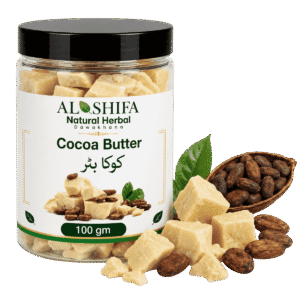
کوکا بٹر
Price range: ₨ 1,200 through ₨ 8,000
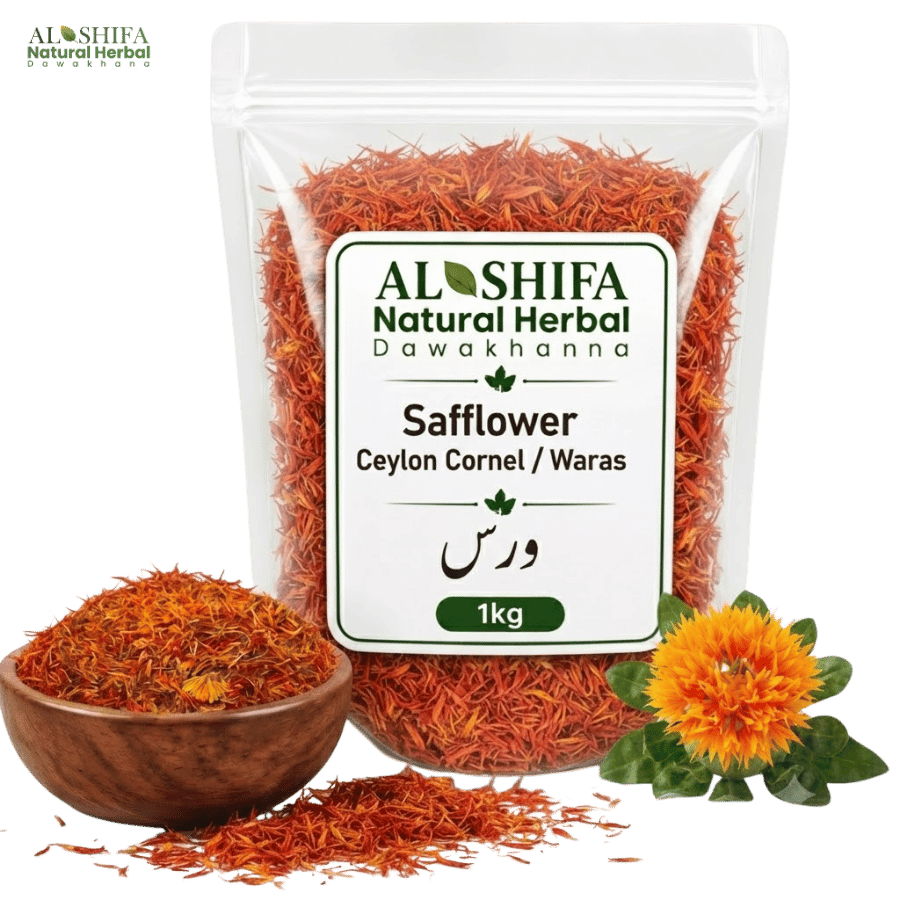
Waras (Ceylon Cornel) is a traditional botanical material known for its distinctive yellow to reddish-yellow color and long history of use in specialized herbal and external preparations.
How to Use: Use according to the intended product directions or under appropriate professional guidance.
Important Note: The botanical identity of Waras may vary between traditional sources. Internal medicinal use is not recommended unless the exact botanical identity and suitability have been verified.
Waras (ورس), also written as Wars, Warss, or Wurrus, is a traditional natural material known historically for its yellow to reddish-yellow coloring character and its use in traditional herbal, cosmetic, and dye preparations. In Pakistani herbal trade, it is frequently marketed under names such as Ceylon Cornel and sometimes Safflower.
However, there is an important botanical issue with Waras: the traditional name “Waras” has not always referred to one single plant species. Historical botanical literature records Waras from Flemingia species and discusses its relationship with the red-yellow glandular powder known as Kamala from Mallotus philippensis. Other traditional sources have identified Waras differently. (Henriette’s Herbal Homepage)
For this reason, Waras should not automatically be assigned one scientific name without verification of the actual raw material. This is especially important for a professional herbal product listing.
Quality Waras should be selected according to its authentic identity, characteristic natural color, cleanliness, appropriate processing, reliable sourcing, and freedom from unnecessary foreign material.
English Trade Names: Waras / Ceylon Cornel
Urdu Name: ورس
Roman Name: Waras / Wars / Warss
Other Market Name: Safflower
Traditional Material: Colored powder or plant-derived material, depending on source
Product Type: Traditional Botanical Material
Traditional Character: Coloring, aromatic/herbal and external-care applications
Scientific Identity: Requires source verification
Waras is one of those traditional herbal materials for which common-name identification is particularly complicated.
Historical pharmaceutical literature documents Waras as a yellow or reddish coloring drug associated with Flemingia species. It was also historically compared with or used as a substitute for Kamala, the glandular material obtained from fruits of Mallotus philippensis. (Henriette’s Herbal Homepage)
Other sources have associated Waras with different botanical identities, demonstrating that the traditional name has not been used consistently. (Cre8iveMindSet.com)
Therefore:
Waras ≠ automatically one confirmed botanical species
For an accurately labeled commercial product, botanical identification should be based on the actual supplied material rather than the trade name alone.
The word Safflower may appear as an English market name for Waras in Pakistani herbal listings, but this can create botanical confusion.
True culinary safflower is generally the flowering plant Carthamus tinctorius.
Historical Waras, however, has been associated with other botanical materials, particularly Flemingia species and materials resembling Kamala.
Therefore, a product sold as Waras should not automatically be labeled Carthamus tinctorius merely because a supplier uses “Safflower” as an English trade name.
This distinction is important for accurate herbal product information.
Ceylon Cornel is another English market name commonly attached to Waras in South Asian herbal commerce. Pakistani herbal retailers currently use “Ceylon Cornel” for products sold as Waras. (ChiltanPure)
However, common English trade names are not reliable substitutes for botanical authentication.
Different sources have assigned Waras to different plants historically, so “Ceylon Cornel” alone should not be used to establish a definitive scientific species.
Historical descriptions portray Waras as a colored plant-derived material, often yellow, reddish-yellow, or reddish in character.
An important historical account describes Waras as a drug exported from Aden and discusses material obtained from Flemingia. The same literature describes its relationship with Kamala, a red-colored glandular material obtained from Mallotus philippensis. (Henriette’s Herbal Homepage)
This coloring character helps explain the longstanding use of Waras in traditional dyeing and external preparations.
One of the most distinctive historical features of Waras is its ability to impart color.
Depending on botanical source and preparation, Waras-related materials have historically been associated with:
Historical literature specifically discusses the coloring nature of Waras and related botanical materials. (Henriette’s Herbal Homepage)
The ability of a material to produce color should not, however, be interpreted as evidence of medicinal effectiveness.
The chemical composition of Waras depends heavily on its actual botanical source.
This is particularly important because different materials sold under the name Waras may not be chemically equivalent.
Depending on the authenticated source, naturally occurring constituents may include different groups of:
It would be scientifically inappropriate to assign one fixed constituent profile to all Waras products unless the botanical identity has first been confirmed.
Waras has a long history in traditional herbal practice and has been associated with both external preparations and specialized traditional formulations.
Historical and traditional applications have included:
These uses describe historical practice rather than established clinical treatment.
Waras is commonly associated in traditional practice with external skin preparations. Contemporary South Asian herbal sellers also frequently market Waras for topical preparations. (ChiltanPure)
Traditional preparations may involve combining the material with an appropriate liquid or other botanical ingredients to create a paste.
However, traditional external use should not be converted into claims that Waras medically treats:
Such conditions may have very different causes and require appropriate diagnosis and treatment.
Depending on the exact product and traditional practice, Waras may be incorporated into:
For cosmetic use, the material should be appropriately prepared and applied cautiously.
A small-area skin test is sensible before broader topical application, particularly for people with sensitive skin.
Avoid applying unknown or unverified raw herbal material directly to severely irritated, broken, infected, or injured skin.
Historical literature and traditional herbal practice may contain references to internal use of Waras.
However, because the name Waras can represent botanically different materials, recommending routine internal consumption without confirming the exact botanical identity is inappropriate.
A material intended for external cosmetic or dye use should never automatically be assumed suitable for ingestion.
For internal medicinal-style use, the following should first be established:
Unless the exact product has been botanically identified and specifically prepared and labeled for food use, Waras should not be treated as an ordinary culinary ingredient.
It should not automatically be used like:
The similarity of traditional names or coloring properties does not establish food suitability.
Waras should also not be confused with Saffron, which is obtained from Crocus sativus.
Historical literature notes that terminology around Waras and saffron/coloring materials can overlap, but they are not automatically the same botanical substance. (Henriette’s Herbal Homepage)
Therefore:
Waras ≠ Saffron
and
Waras ≠ automatically Culinary Safflower
Correct identification matters.
Waras has historically been discussed alongside Kamala, another naturally colored traditional material.
True Kamala is generally described as the glandular material collected from the fruits of Mallotus philippensis. Historical pharmaceutical literature records Waras as being used as a substitute for Kamala and discusses similarities between these materials. (Henriette’s Herbal Homepage)
However, this historical relationship does not mean that every sample of Waras is Mallotus philippensis.
The two names should therefore not automatically be treated as botanically identical.
Scientific investigation of traditional Waras is complicated by the historical uncertainty surrounding its botanical identity.
Research conducted on:
cannot automatically be attributed to every commercial product labeled Waras.
This is an important example of why botanical authentication must come before transferring research findings to a traditional herbal product.
If two materials are sold under the same traditional name but originate from different plant species, their chemistry and safety may differ.
Therefore:
Flemingia-derived Waras ≠ Mallotus-derived Kamala ≠ Common Safflower ≠ Saffron ≠ every product called Ceylon Cornel
Each material should be evaluated according to its actual botanical identity.
The appearance of Waras can vary according to source and preparation.
Traditional descriptions and commercial material may show characteristics such as:
Historical accounts particularly emphasize its natural coloring properties. (Henriette’s Herbal Homepage)
Color alone, however, cannot confirm botanical identity or purity.
The appropriate use of Waras depends entirely on the verified identity and intended product application.
For external traditional use, follow the directions provided with the specific product.
If preparing a topical mixture:
For internal medicinal use, professional guidance is recommended because botanical identity and product suitability must first be established.
Natural botanical materials can cause irritation or allergic reactions in some individuals.
Possible reactions may include:
Stop topical use if significant irritation occurs.
Seek prompt medical care for severe swelling, breathing difficulty, or other signs of a serious allergic reaction.
Reliable safety information for medicinal internal use of botanically uncertain Waras preparations during pregnancy and breastfeeding is limited.
Pregnant or breastfeeding individuals should avoid medicinal-style internal use unless the exact material has been identified and an appropriately qualified healthcare professional considers its use suitable.
External cosmetic use should also be approached cautiously when the exact composition is uncertain.
Do not give Waras internally to infants or young children unless the exact botanical material, preparation, and intended use have been professionally assessed.
Keep powders and other preparations securely out of children’s reach.
Children’s skin can also be more sensitive to concentrated botanical preparations, so casual topical application should be avoided.
Quality Waras should be assessed according to:
For powdered material, reliable authentication before processing is especially important because visual identification becomes difficult once the material has been finely ground.
Claims such as:
should only be made when supported by appropriate evidence.
In particular, “food grade” should never be assumed from the traditional name Waras alone.
To maintain product quality:
Do not use material showing visible mold, unusual moisture, insect infestation, contamination, or obvious deterioration.
Product Name: Waras / Ceylon Cornel
Urdu Name: ورس
Roman Name: Waras / Wars / Warss
English Market Names: Ceylon Cornel / Safflower
Product Type: Traditional Botanical Material
Traditional Character: Naturally Colored Herbal Material
Traditional Uses: External herbal, cosmetic, coloring and specialized traditional preparations
Botanical Identity: Requires verification of the actual supplied material
Common Historical Associations: Flemingia species and comparison with Mallotus philippensis material
Culinary Status: Do not assume food use unless specifically verified
Storage: Cool, dry place protected from moisture and contamination
Waras is a particularly good example of a traditional herbal name that has been assigned to more than one botanical source across different periods and regions. Historical literature discusses Flemingia as a source of Arabian Waras while also documenting its relationship to Kamala from Mallotus philippensis. Other literature records additional identifications. (Henriette’s Herbal Homepage)
For this reason, assigning Carthamus tinctorius simply because the product is called “Safflower,” or assigning another scientific species solely because it is called “Ceylon Cornel,” may produce an inaccurate product listing.
For a professional herbal store, the safest approach is to keep the scientific identity unconfirmed until the supplier or raw-material documentation verifies the species.
Waras (ورس) is a traditional botanical material and is not intended to diagnose, treat, cure, or prevent any disease.
Traditional references to skin care, coloring, digestive use, or other applications describe historical or customary practices and should not be interpreted as proof that Waras treats acne, vitiligo, eczema, infections, wounds, leprosy, digestive disorders, or any other medical condition.
Because the traditional name Waras has historically been associated with more than one botanical source, internal medicinal use should not be recommended until the actual botanical identity and suitability of the product have been established.
Research involving Flemingia, Mallotus, another proposed Waras source, concentrated extracts, or isolated compounds should not automatically be attributed to an unidentified commercial Waras product.
Pregnant or breastfeeding individuals, children, people with chronic medical conditions, and those taking regular medicines should obtain appropriate professional guidance before medicinal-style use.
ورس ایک قدیم اور معروف روایتی قدرتی مادہ ہے جسے تاریخی طور پر اس کی زرد، سنہری یا سرخی مائل زرد رنگت اور مخصوص نباتاتی خصوصیات کی وجہ سے اہمیت حاصل رہی ہے۔ مختلف علاقوں اور روایتی جڑی بوٹیوں کی تجارت میں اسے بعض اوقات سیلون کارنل اور بعض جگہ سیف فلاور سے ملتے جلتے ناموں سے بھی پیش کیا جاتا ہے۔
ورس کے بارے میں ایک نہایت اہم بات یہ ہے کہ تاریخی طور پر یہ نام ہمیشہ کسی ایک متعین نباتاتی نوع کے لیے استعمال نہیں ہوا۔ مختلف قدیم ماخذ میں ورس کو مختلف نباتاتی مواد سے منسوب کیا گیا ہے۔ بعض تاریخی حوالوں میں اسے فلیمینجیا جنس کے پودوں سے حاصل ہونے والے رنگ دار مادے سے منسوب کیا گیا، جبکہ بعض مقامات پر اس کا تقابل مالوٹس فلیپینسس سے حاصل ہونے والے سرخی مائل زرد غدودی مادے سے کیا گیا ہے۔
اسی وجہ سے کسی بھی ورس کو صرف اس کے روایتی نام کی بنیاد پر ایک مخصوص سائنسی نباتاتی نام دینا مناسب نہیں۔ درست شناخت کے لیے اصل خام مال، اس کا ماخذ اور نباتاتی تصدیق زیادہ اہم ہیں۔
مصنوعات کا نام: ورس
معروف نام: ورس، سیلون کارنل
دیگر تجارتی نام: بعض بازاروں میں سیف فلاور
مصنوعات کی نوعیت: روایتی نباتاتی مادہ
روایتی خصوصیت: قدرتی زرد سے سرخی مائل زرد رنگت
روایتی استعمال: بیرونی نباتاتی، آرائشی، رنگ سازی اور مخصوص روایتی تیاریوں میں
سائنسی شناخت: اصل خام مال کی تصدیق ضروری
غذائی حیثیت: نباتاتی شناخت اور غذائی معیار کی تصدیق کے بغیر عام خوراک کے طور پر استعمال مناسب نہیں
ورس کو تاریخی طور پر ایک ایسے قدرتی نباتاتی مادے کے طور پر بیان کیا جاتا رہا ہے جس کی نمایاں خصوصیت اس کی مخصوص رنگت ہے۔
اس کی رنگت ماخذ اور تیاری کے مطابق:
ہو سکتی ہے۔
یہ مادہ مختلف قدیم روایتی تیاریوں، بیرونی استعمال اور قدرتی رنگ سازی میں استعمال کیا جاتا رہا ہے۔
تاہم ورس کی شناخت صرف رنگ کی بنیاد پر نہیں کی جا سکتی کیونکہ متعدد مختلف پودوں سے زرد یا سرخی مائل قدرتی رنگ دار مواد حاصل ہوتا ہے۔
ورس ان روایتی ناموں میں شامل ہے جن کی نباتاتی شناخت تاریخی طور پر ہمیشہ یکساں نہیں رہی۔
مختلف علاقوں اور ادوار میں اس نام کے تحت مختلف نباتاتی مواد کا ذکر ملتا ہے۔
بعض قدیم نباتاتی حوالوں میں ورس کو فلیمینجیا جنس سے تعلق رکھنے والے پودوں کے رنگ دار مادے سے منسوب کیا گیا ہے۔
اسی طرح ورس کا تاریخی طور پر ایک دوسرے قدرتی رنگ دار مادے سے بھی تقابل کیا گیا جسے عموماً کمالہ کہا جاتا ہے اور جو مالوٹس فلیپینسس نامی پودے کے پھلوں سے حاصل ہونے والے غدودی مادے سے منسوب ہے۔
اس تاریخی اختلاف کی وجہ سے کسی غیر تصدیق شدہ ورس کو ایک مخصوص نباتاتی نوع قرار دینا درست نہیں۔
بعض مقامی تجارتی فہرستوں میں ورس کے لیے سیف فلاور سے ملتا جلتا انگریزی نام استعمال کیا جاتا ہے، لیکن اس بنیاد پر دونوں کو نباتاتی طور پر ایک چیز قرار دینا مناسب نہیں۔
اصل سیف فلاور ایک معروف پھول دار پودا ہے جس کی سائنسی شناخت کارتھمس ٹنکٹوریئس کے طور پر کی جاتی ہے۔
تاریخی ورس، اس کے برعکس، مختلف ماخذ میں دوسرے نباتاتی مواد سے بھی منسوب رہا ہے۔
لہٰذا:
ورس کو صرف سیف فلاور نام کی بنیاد پر کارتھمس ٹنکٹوریئس قرار نہیں دینا چاہیے۔
اگر اصل خام مال کی نباتاتی شناخت ثابت ہو تو اسی کے مطابق مصنوعات کی معلومات درج کی جانی چاہئیں۔
سیلون کارنل بھی ورس کے لیے بعض تجارتی بازاروں میں استعمال ہونے والا نام ہے۔
لیکن کسی روایتی تجارتی نام کو سائنسی شناخت کا حتمی ثبوت نہیں سمجھنا چاہیے۔
اگر مصنوعات پر سیلون کارنل لکھا ہو تب بھی اس کا اصل نباتاتی ماخذ معلوم کرنا ضروری ہے، خصوصاً اس صورت میں جب اسے اندرونی یا علاجی استعمال کے لیے پیش کیا جا رہا ہو۔
ورس کو زعفران کے ساتھ بھی نہیں ملانا چاہیے۔
زعفران ایک بالکل الگ نباتاتی مادہ ہے جو ایک مخصوص پھول سے حاصل کیا جاتا ہے، جبکہ ورس کی تاریخی شناخت اور ماخذ مختلف رہے ہیں۔
دونوں کی رنگ دینے کی صلاحیت یا بعض روایتی ناموں میں مماثلت انہیں ایک نباتاتی مادہ نہیں بناتی۔
لہٰذا:
ورس اور زعفران ایک چیز نہیں ہیں۔
ورس کا تاریخی طور پر کمالہ نامی رنگ دار نباتاتی مادے سے تقابل کیا جاتا رہا ہے۔
کمالہ عموماً مالوٹس فلیپینسس کے پھلوں کی سطح سے حاصل ہونے والے قدرتی غدودی مادے سے منسوب ہے۔
ورس اور کمالہ کی ظاہری رنگت یا بعض روایتی استعمال میں مماثلت ہو سکتی ہے، لیکن اس کا مطلب یہ نہیں کہ ہر ورس لازماً کمالہ ہی ہے۔
اس لیے:
ورس اور کمالہ کو نباتاتی تصدیق کے بغیر ایک ہی چیز نہیں سمجھنا چاہیے۔
ورس کی تاریخی شہرت کی اہم وجوہات میں اس کی قدرتی رنگ دینے والی خصوصیت شامل ہے۔
مختلف روایتی استعمال میں اسے ایسی تیاریوں کے ساتھ منسوب کیا گیا ہے جن میں قدرتی رنگت مطلوب ہوتی تھی۔
اس سے وابستہ روایتی استعمال میں شامل ہو سکتے ہیں:
قدرتی رنگ دینے کی صلاحیت کسی طبی فائدے یا بیماری کے علاج کا ثبوت نہیں ہوتی۔
ورس میں موجود قدرتی اجزاء کا انحصار مکمل طور پر اس کے اصل نباتاتی ماخذ پر ہوتا ہے۔
اگر مختلف نباتاتی مواد ایک ہی روایتی نام کے تحت فروخت ہو رہا ہو تو ان کی قدرتی کیمیائی ساخت بھی مختلف ہو سکتی ہے۔
اصل ماخذ کے مطابق ممکنہ طور پر مختلف اقسام کے درج ذیل نباتاتی مرکبات موجود ہو سکتے ہیں:
جب تک اصل نباتاتی شناخت کی تصدیق نہ ہو، ورس کے لیے کسی ایک مخصوص کیمیائی ترکیب کو حتمی قرار دینا مناسب نہیں۔
ورس مختلف قدیم روایتی طریقوں میں اپنی رنگت اور مخصوص نباتاتی خصوصیات کی وجہ سے اہمیت رکھتا رہا ہے۔
اس سے منسوب تاریخی استعمال میں شامل ہیں:
یہ تمام حوالے تاریخی اور روایتی استعمال کو ظاہر کرتے ہیں، کسی بیماری کے ثابت شدہ علاج کو نہیں۔
ورس کو بعض روایتی طریقوں میں جلد پر لگائی جانے والی تیاریوں سے بھی منسوب کیا جاتا رہا ہے۔
روایتی طور پر اسے مناسب دوسرے اجزاء کے ساتھ ملا کر بیرونی تیاری کی شکل دی جا سکتی تھی۔
تاہم اس تاریخی استعمال کی بنیاد پر یہ دعویٰ مناسب نہیں کہ ورس:
جلد کی مسلسل، شدید یا پھیلتی ہوئی بیماری کی صورت میں درست تشخیص ضروری ہے۔
اصل مصنوعات کی نوعیت اور روایتی طریقے کے مطابق ورس کو بعض بیرونی تیاریوں میں استعمال کیا جا سکتا ہے، مثلاً:
بیرونی استعمال سے پہلے یہ معلوم ہونا چاہیے کہ مصنوعات واقعی اسی مقصد کے لیے موزوں ہے۔
حساس جلد رکھنے والے افراد کے لیے پہلے جلد کے محدود حصے پر معمولی مقدار آزمانا بہتر ہے۔
شدید زخمی، جلی ہوئی، متاثرہ یا بہت زیادہ حساس جلد پر غیر تصدیق شدہ خام نباتاتی مادہ استعمال نہیں کرنا چاہیے۔
قدیم روایتی مواد میں ورس کے اندرونی استعمال کے حوالے بھی مل سکتے ہیں، لیکن موجودہ مصنوعات کے لیے ایک اہم مسئلہ اس کی غیر یقینی نباتاتی شناخت ہے۔
جب ایک ہی روایتی نام مختلف نباتاتی ماخذ کے لیے استعمال ہو سکتا ہو تو بغیر شناخت کے اندرونی استعمال کی عمومی ہدایت دینا مناسب نہیں۔
اندرونی علاجی استعمال سے پہلے درج ذیل معلومات کی تصدیق ضروری ہے:
صرف یہ حقیقت کہ کوئی چیز روایتی جڑی بوٹیوں کی دکان پر دستیاب ہے، اسے خودکار طور پر کھانے کے لیے محفوظ نہیں بناتی۔
اگر اصل نباتاتی شناخت اور غذائی معیار کی تصدیق موجود نہ ہو تو ورس کو عام خوراک یا مصالحے کی طرح استعمال نہیں کرنا چاہیے۔
اسے خودکار طور پر درج ذیل چیزوں کے برابر نہ سمجھیں:
رنگ اور نام میں مماثلت غذائی موزونیت ثابت نہیں کرتی۔
ورس پر سائنسی گفتگو میں سب سے بنیادی مسئلہ اس کی تاریخی نباتاتی شناخت کا اختلاف ہے۔
اگر کسی تحقیق میں فلیمینجیا کی کسی نوع کو استعمال کیا گیا ہو تو اس تحقیق کے نتائج کو مالوٹس فلیپینسس یا کسی دوسرے مادے پر لاگو نہیں کیا جا سکتا۔
اسی طرح کسی الگ کیے گئے رنگ دار مرکب، مرتکز عرق یا دوسری نباتاتی نوع پر ہونے والی تحقیق کو ہر تجارتی ورس پر لاگو کرنا درست نہیں۔
درست سائنسی جائزے کے لیے پہلے مصنوعات کی اصل نباتاتی شناخت معلوم ہونا ضروری ہے۔
ایک ہی روایتی نام کے تحت فروخت ہونے والے مختلف نباتاتی مواد کی:
مختلف ہو سکتی ہیں۔
اسی لیے فلیمینجیا سے حاصل شدہ ورس، مالوٹس سے حاصل ہونے والا کمالہ، عام سیف فلاور اور زعفران کو ایک دوسرے کا خودکار متبادل نہیں سمجھنا چاہیے۔
ورس کی ظاہری شکل اس کے اصل ماخذ اور تیاری کے طریقے کے مطابق مختلف ہو سکتی ہے۔
ممکنہ خصوصیات میں شامل ہیں:
صرف رنگ، ساخت یا خوشبو سے نباتاتی نوع کی مکمل تصدیق نہیں کی جا سکتی۔
ورس کے استعمال کا طریقہ اس کی اصل شناخت اور مصنوعات کے مطلوبہ مقصد کے مطابق ہونا چاہیے۔
بیرونی استعمال کی صورت میں:
اندرونی علاجی استعمال کے لیے اصل نباتاتی شناخت اور مصنوعات کی موزونیت کی تصدیق کے بعد مستند معالج کی رہنمائی حاصل کرنا بہتر ہے۔
قدرتی نباتاتی مواد بھی بعض افراد میں حساسیت پیدا کر سکتا ہے۔
ممکنہ علامات میں شامل ہو سکتی ہیں:
نمایاں حساسیت کی صورت میں استعمال بند کردیں۔
اگر سانس لینے میں دشواری، چہرے یا گلے میں شدید سوجن یا تیزی سے بڑھتا ہوا الرجی کا ردعمل پیدا ہو تو فوری طبی مدد حاصل کریں۔
غیر یقینی نباتاتی شناخت والے ورس کے علاجی اندرونی استعمال کی حمل اور دودھ پلانے کے دوران حفاظت سے متعلق قابل اعتماد معلومات محدود ہیں۔
اس لیے حاملہ اور دودھ پلانے والی خواتین کو مستند طبی رہنمائی کے بغیر اس کا اندرونی علاجی استعمال نہیں کرنا چاہیے۔
اگر بیرونی استعمال مقصود ہو تو بھی مصنوعات کی اصل ترکیب اور جلد کے لیے موزونیت کی تصدیق کرنا بہتر ہے۔
روایتی استعمال کو حمل کے دوران محفوظ ہونے کا ثبوت نہیں سمجھنا چاہیے۔
بچوں کو ورس اندرونی طور پر خود سے نہ دیں، خصوصاً جب اصل نباتاتی شناخت واضح نہ ہو۔
سفوف اور دوسری تیاریاں بچوں کی پہنچ سے محفوظ رکھیں۔
بچوں کی جلد نسبتاً حساس ہو سکتی ہے، اس لیے غیر تصدیق شدہ یا مرتکز نباتاتی مواد کا بیرونی استعمال بھی احتیاط سے کیا جانا چاہیے۔
معیاری ورس کے انتخاب میں درج ذیل عوامل اہم ہیں:
سفوف کی شکل میں مصنوعات کی شناخت مزید مشکل ہو سکتی ہے، اس لیے خام مال کو پیسنے سے پہلے اس کی تصدیق زیادہ اہم ہے۔
ورس کے بارے میں درج ذیل دعوے صرف مناسب ثبوت کی موجودگی میں کیے جانے چاہئیں:
خصوصاً غذائی معیار کا دعویٰ صرف ورس نام کی بنیاد پر نہیں کیا جانا چاہیے۔
ورس کا معیار برقرار رکھنے کے لیے:
اگر مصنوعات میں پھپھوندی، غیر معمولی نمی، کیڑے، بدبو یا خراب ہونے کی واضح علامات موجود ہوں تو استعمال نہ کریں۔
مصنوعات کا نام: ورس
معروف نام: ورس، سیلون کارنل
دیگر تجارتی نام: بعض بازاروں میں سیف فلاور
مصنوعات کی نوعیت: روایتی نباتاتی مادہ
روایتی خصوصیت: قدرتی زرد سے سرخی مائل زرد رنگ
روایتی استعمال: بیرونی تیاری، آرائشی استعمال، قدرتی رنگ سازی اور مخصوص روایتی نسخے
تاریخی نباتاتی وابستگی: فلیمینجیا کی بعض انواع اور کمالہ سے تقابل
سائنسی شناخت: اصل خام مال کی تصدیق ضروری
غذائی حیثیت: تصدیق کے بغیر عام خوردنی مادہ نہ سمجھا جائے
ذخیرہ: ٹھنڈی، خشک اور نمی، حرارت و آلودگی سے محفوظ جگہ
ورس کی مصنوعات میں درست نباتاتی شناخت سب سے اہم امور میں سے ایک ہے۔
تاریخی طور پر ورس کا نام مختلف نباتاتی مواد کے لیے استعمال ہوا ہے۔ اس لیے صرف روایتی نام، رنگ یا تجارتی نام کی بنیاد پر کسی ایک سائنسی نوع کا تعین کرنا درست نہیں۔
خاص طور پر اگر کسی مصنوعات کو سیف فلاور یا سیلون کارنل کہا جا رہا ہو تو صرف اس نام کی بنیاد پر اسے کسی مخصوص نباتاتی نوع سے منسوب نہیں کرنا چاہیے۔
پیشہ ورانہ مصنوعات کی معلومات کے لیے بہتر طریقہ یہ ہے کہ پہلے خام مال کی اصل نباتاتی شناخت کی تصدیق کی جائے اور اس کے بعد اسی نوع کے مطابق سائنسی معلومات درج کی جائیں۔
ورس ایک روایتی نباتاتی مادہ ہے اور اسے کسی بیماری کی تشخیص، علاج یا روک تھام کا متبادل نہیں سمجھنا چاہیے۔
جلد، جسمانی صفائی، رنگ سازی یا دوسرے استعمال سے متعلق تاریخی روایات کو مہاسوں، چنبل، سفید داغ، پھپھوندی، جراثیمی امراض، زخم یا کسی دوسری طبی کیفیت کے ثابت شدہ علاج کے طور پر پیش نہیں کرنا چاہیے۔
چونکہ ورس کا روایتی نام تاریخی طور پر مختلف نباتاتی ماخذ کے لیے استعمال ہوا ہے، اس لیے اصل نباتاتی شناخت اور اندرونی استعمال کے لیے موزونیت کی تصدیق کے بغیر اس کے علاجی اندرونی استعمال کی سفارش مناسب نہیں۔
فلیمینجیا، مالوٹس، عام سیف فلاور یا کسی دوسرے ممکنہ ماخذ پر ہونے والی تحقیق کو غیر شناخت شدہ تجارتی ورس پر براہ راست لاگو نہیں کیا جا سکتا۔
حاملہ یا دودھ پلانے والی خواتین، بچے، دائمی طبی مسائل رکھنے والے افراد اور مستقل ادویات استعمال کرنے والے افراد علاجی استعمال سے پہلے مستند طبی رہنمائی حاصل کریں۔