بند کھوڑ
Price range: ₨ 300 through ₨ 4,400
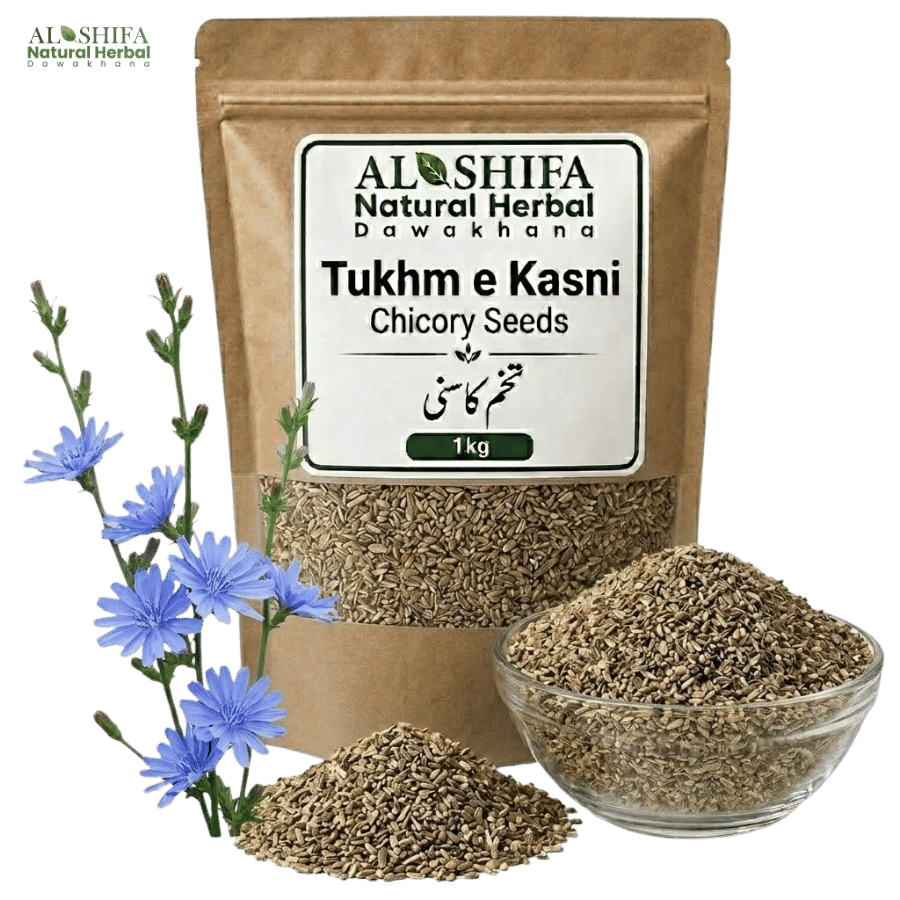
Tukhm e Kasni (Chicory Seeds) is a traditional herbal seed obtained from Cichorium intybus. Widely valued in Unani and traditional herbal practices, it has historically been used in preparations associated with liver wellness, digestive comfort, normal appetite, urinary-system support, cooling formulations, and general restorative wellbeing.
Al Shifa Tukhm e Kasni is carefully selected with attention to botanical identity, seed maturity, natural appearance, cleanliness, proper dryness, and responsible storage.
Key Features:
Important Note: Tukhm e Kasni refers specifically to Chicory Seeds. Chicory Root and roasted Chicory products are different plant materials and should not automatically be considered equivalent in composition or use.
Tukhm e Kasni (Chicory Seeds) is a traditional herbal seed obtained from Cichorium intybus, commonly known as Chicory. It belongs to the Asteraceae family and has a long history of use in Unani, Ayurvedic, Persian, and other traditional herbal systems.
In traditional practice, Tukhm e Kasni is particularly valued in preparations associated with liver wellness, digestive comfort, appetite, stomach and intestinal wellbeing, urinary-system support, and general cooling and restorative formulations.
Al Shifa Tukhm e Kasni is carefully selected with attention to botanical identity, seed maturity, natural appearance, cleanliness, proper dryness, and responsible storage.
Tukhm e Kasni refers to the mature seeds of the Chicory plant.
Chicory is a herbaceous plant traditionally recognized for its characteristic blue flowers. Different parts of the plant—including its leaves, roots, and seeds—have historically been used for different culinary and traditional purposes.
The seeds are specifically known in Unani practice as Tukhm e Kasni.
It is important to distinguish Chicory Seeds from Chicory Root because they are different plant parts and should not automatically be considered equivalent in composition or traditional use.
Tukhm e Kasni is commonly identified as:
Scientific Name: Cichorium intybus L.
Family: Asteraceae
English Name: Chicory Seeds
Traditional Name: Tukhm e Kasni
Plant Part: Seeds
Product Type: Traditional Herbal Seed
Correct botanical identification is important because Chicory leaves, roots, seeds, and commercially prepared Chicory products can differ significantly in composition and intended use.
Kasni has a well-established place in traditional Unani practice, where different parts of the plant have historically appeared in numerous compound formulations.
Tukhm e Kasni has traditionally been incorporated into preparations associated with:
Its traditional use should be understood as part of classical herbal practice rather than proof that the seeds can treat specific diseases.
One of the best-known traditional applications of Kasni is its association with liver-related herbal preparations.
Tukhm e Kasni has historically been included in formulations intended to support:
This historical use does not mean Chicory Seeds are a proven treatment for fatty liver disease, hepatitis, jaundice, cirrhosis, elevated liver enzymes, gallbladder disease, or other liver and biliary disorders.
Abnormal liver tests, persistent jaundice, severe abdominal pain, dark urine, unusual swelling, or other significant symptoms require proper medical evaluation.
Tukhm e Kasni has also been traditionally valued for digestive wellbeing.
It may appear in herbal preparations intended to support:
Traditional formulations may combine Tukhm e Kasni with other herbs depending on the intended purpose.
Persistent indigestion, severe abdominal pain, vomiting, gastrointestinal bleeding, unexplained weight loss, or long-lasting changes in bowel habits should not be managed solely with herbal remedies.
Chicory has historically been associated with appetite and digestive preparations.
Tukhm e Kasni may be used traditionally in formulations intended to maintain:
However, persistent loss of appetite can result from many medical, nutritional, psychological, or medication-related causes and should be investigated when prolonged or accompanied by weight loss.
In Unani tradition, Kasni is commonly associated with cooling and balancing preparations.
This traditional concept explains its inclusion in formulations historically intended for individuals experiencing conditions described within traditional medicine as excessive internal heat.
Such traditional terminology belongs to the historical framework of Unani medicine and should not be confused with modern measurements of body temperature, inflammation, infection, or metabolic disease.
A persistent or high fever requires appropriate medical assessment rather than reliance on cooling herbs.
Tukhm e Kasni has historically appeared in selected traditional formulations associated with the urinary system.
Traditional use may include preparations intended to support:
These traditional uses do not establish Chicory Seeds as a treatment for kidney stones, urinary infections, kidney failure, prostate disease, or other urinary disorders.
Painful urination, blood in urine, inability to urinate, severe flank pain, fever with urinary symptoms, or persistent urinary problems require medical evaluation.
Tukhm e Kasni has also been included in traditional restorative and balancing formulations.
Depending on the complete herbal formula, it may be associated with:
It should not be considered a substitute for appropriate nutrition, hydration, sleep, physical activity, or medical care when an underlying health problem is present.
Different parts of the Chicory plant contain a variety of naturally occurring plant compounds.
Depending on the plant part, growing conditions, and processing, Chicory may contain:
Chicory Root is particularly known for its inulin content. However, the composition of Chicory Root should not automatically be attributed to Chicory Seeds.
This distinction is important when describing the nutritional or prebiotic properties of the product.
Chicory Seeds and Chicory Root come from the same plant but are different raw materials.
Chicory Seeds: The reproductive seeds of the plant and the product traditionally known as Tukhm e Kasni.
Chicory Root: The underground plant part commonly used in roasted beverages, food ingredients, and as a commercial source of inulin.
Therefore:
Commercial “Chicory Coffee” is generally made from roasted Chicory Root, not from Tukhm e Kasni.
Tukhm e Kasni is the seed of the plant and should not be confused with roasted Chicory Root powder used as a coffee substitute or beverage ingredient.
This distinction helps customers select the correct Chicory product for their intended traditional use.
At Al Shifa Natural Herbal Dawakhana, Tukhm e Kasni is selected with attention to:
Botanical Identity – Attention to the characteristic seeds associated with Cichorium intybus.
Seed Maturity – Properly developed and mature seeds are preferred.
Natural Appearance – Characteristic colour, size, texture, and overall condition are considered.
Cleanliness – Carefully handled to minimize unnecessary dust and foreign matter.
Proper Dryness – Adequately dried seeds help maintain quality during storage.
Quality Selection – Excessively damp, mouldy, insect-damaged, or visibly deteriorated material is avoided.
Responsible Storage – Protection from moisture, excessive heat, direct sunlight, insects, and contamination.
Al Shifa Natural Herbal Dawakhana, established in 1999, supplies carefully selected herbs, seeds, roots, gums, resins, oils, powders, and other traditional raw materials throughout Pakistan.
Our Tukhm e Kasni is selected for customers, traditional practitioners, and herbal formulators seeking quality Chicory Seeds for appropriate traditional liver, digestive, urinary, cooling, and restorative wellness preparations.
Whether you are searching for Tukhm e Kasni Pakistan, Chicory Seeds Pakistan, Cichorium intybus Seeds, Tukhm e Kasni Lahore, pure Tukhm e Kasni, original Chicory Seeds, Tukhm e Kasni price in Pakistan, or Chicory Seeds online, Al Shifa focuses on identity, cleanliness, seed quality, proper dryness, and responsible storage.
The traditional method of using Tukhm e Kasni depends on:
Traditionally, the seeds may be incorporated into herbal compounds and practitioner-prepared formulations.
There is no single medicinal quantity suitable for every person or every purpose.
For medicinal internal use, particularly for an existing health condition, guidance from an appropriately qualified healthcare professional or trained traditional practitioner is recommended.
Tukhm e Kasni is a traditional herbal raw material and should be used responsibly.
Professional advice is particularly appropriate before medicinal use for:
Chicory belongs to the Asteraceae family. Individuals with significant sensitivity to plants in this family should use additional caution.
Medicinal or concentrated use of Tukhm e Kasni during pregnancy or breastfeeding should preferably be undertaken only with appropriate professional guidance.
Traditional use alone does not establish safety for every stage of pregnancy or for every preparation.
People with known allergies to members of the Asteraceae family—such as certain daisies, ragweed, chrysanthemums, or related plants—may have an increased possibility of sensitivity to Chicory.
Discontinue use and seek appropriate care if significant swelling, breathing difficulty, widespread rash, or another serious allergic reaction develops.
Tukhm e Kasni is a traditional herbal seed and should not be considered a clinically proven treatment for fatty liver disease, hepatitis, jaundice, cirrhosis, gallstones, kidney stones, urinary infections, kidney disease, digestive disorders, fever, diabetes, or other medical conditions.
Traditional references to liver, urinary, cooling, or digestive support describe historical herbal use and should not replace diagnosis or treatment from an appropriately qualified healthcare professional.
Store Tukhm e Kasni in a cool, clean, and dry place.
For better preservation:
Proper storage helps preserve the natural condition and overall quality of the seeds.
Tukhm e Kasni (Chicory Seeds) is the traditional seed of Cichorium intybus, valued in Unani and other traditional herbal systems. It has historically been incorporated into formulations associated with liver wellness, digestive comfort, normal appetite, urinary-system support, cooling preparations, and general restorative wellbeing.
Customers searching for Tukhm e Kasni in Pakistan, Chicory Seeds Pakistan, Cichorium intybus Seeds Pakistan, Tukhm e Kasni Lahore, Tukhm e Kasni price in Pakistan, pure Tukhm e Kasni, original Chicory Seeds, or Tukhm e Kasni online can choose Al Shifa Natural Herbal Dawakhana for carefully selected traditional herbal seeds.
Since 1999, Al Shifa Natural Herbal Dawakhana has remained committed to supplying traditional herbal ingredients with attention to identity, cleanliness, natural quality, proper storage, and responsible product information.
Product Name: Tukhm e Kasni / Chicory Seeds
English Name: Chicory Seeds
Urdu Name: تخم کاسنی
Roman Name: Tukhm e Kasni / Tukhm-e-Kasni
Scientific Name: Cichorium intybus L.
Family: Asteraceae
Plant Part: Seeds
Product Type: Traditional Herbal Seed
Traditional Use: Liver wellness, digestive comfort, appetite, urinary-system wellness, cooling formulations, and general restorative support
Important Note: Tukhm e Kasni refers specifically to Chicory Seeds. Chicory Root, roasted Chicory beverage products, and Chicory Seeds are different plant materials and should not automatically be considered equivalent in composition or use.
تخم کاسنی کاسنی کے پودے سے حاصل ہونے والا ایک معروف روایتی نباتاتی بیج ہے جسے طبِ یونانی، آیورویدی، فارسی اور برصغیر کی قدیم نباتاتی روایات میں طویل عرصے سے استعمال کیا جاتا رہا ہے۔ روایتی طور پر تخم کاسنی کو خصوصاً جگر کی عمومی نگہداشت، نظامِ ہضم، معدے اور آنتوں کی راحت، بھوک، پیشاب کے نظام کی عمومی صحت، ٹھنڈی تاثیر رکھنے والے مرکبات اور جسمانی بحالی سے متعلق نسخوں میں اہمیت دی جاتی ہے۔
کاسنی کے پودے کے مختلف حصے، مثلاً پتے، جڑ اور بیج، مختلف روایتی مقاصد کے لیے استعمال ہوتے رہے ہیں۔ ان میں سے پختہ بیجوں کو خاص طور پر تخم کاسنی کہا جاتا ہے۔
الشفاء نیچرل ہربل دواخانہ میں تخم کاسنی کو روایتی شناخت، بیج کی پختگی، قدرتی ظاہری حالت، صفائی، مناسب خشکی اور محفوظ ذخیرے کو مدنظر رکھتے ہوئے منتخب کیا جاتا ہے۔
تخم کاسنی، کاسنی کے پودے کے پختہ بیج ہیں۔
کاسنی ایک معروف نباتاتی پودا ہے جس کے خوبصورت نیلے پھول اس کی نمایاں پہچان ہیں۔ اس کے مختلف حصے قدیم نباتاتی روایات میں الگ الگ مقاصد کے لیے استعمال کیے جاتے رہے ہیں۔
تخم کاسنی کو خصوصاً طبِ یونانی کے متعدد مرکب نسخوں میں استعمال کیا جاتا ہے۔
یہ سمجھنا ضروری ہے کہ تخم کاسنی اور جڑ کاسنی ایک ہی نباتاتی حصہ نہیں ہیں۔ دونوں ایک ہی پودے سے حاصل ہوتے ہیں لیکن ان کی قدرتی ساخت، اجزاء اور روایتی استعمال میں فرق ہو سکتا ہے۔
طبِ یونانی میں کاسنی کو ایک اہم نباتاتی جزو سمجھا جاتا ہے۔
تخم کاسنی روایتی طور پر ایسے مرکبات میں شامل کیا جاتا رہا ہے جن کا مقصد:
ہو۔
یہ استعمال قدیم طبی روایات کا حصہ ہیں اور انہیں کسی مخصوص بیماری کے یقینی یا ثابت شدہ علاج کے طور پر نہیں لینا چاہیے۔
کاسنی کا سب سے معروف روایتی استعمال جگر سے متعلق نباتاتی مرکبات میں ملتا ہے۔
تخم کاسنی کو تاریخی طور پر ایسے نسخوں میں شامل کیا جاتا رہا ہے جن کا مقصد:
ہو۔
تاہم اس روایتی استعمال کا مطلب یہ نہیں کہ تخم کاسنی جگر کی چربی، یرقان، جگر کی سوزش، جگر کے سکڑاؤ، پتے کی بیماری یا جگر کے دیگر امراض کا ثابت شدہ علاج ہے۔
آنکھوں یا جلد کا مسلسل پیلا ہونا، پیشاب کا غیر معمولی گہرا رنگ، پیٹ میں شدید درد، جسم میں غیر معمولی سوجن یا جگر کے معائنے میں خرابی کی صورت میں مستند معالج سے رجوع کرنا ضروری ہے۔
تخم کاسنی کو نظامِ ہضم سے متعلق روایتی مرکبات میں بھی اہمیت حاصل ہے۔
اسے ایسے نسخوں میں شامل کیا جاتا رہا ہے جن کا مقصد:
ہو۔
روایتی نسخوں میں مطلوبہ مقصد کے مطابق تخم کاسنی کو دیگر مناسب نباتاتی اجزاء کے ساتھ بھی شامل کیا جا سکتا ہے۔
مسلسل بدہضمی، شدید پیٹ درد، خون آنا، بار بار قے، غیر معمولی وزن کم ہونا یا آنتوں کی عادات میں طویل تبدیلی کی صورت میں صرف نباتاتی نسخوں پر انحصار نہیں کرنا چاہیے۔
تخم کاسنی کو بعض روایتی ہاضمی مرکبات میں بھوک اور معدے کی عمومی نگہداشت کے لیے استعمال کیا جاتا رہا ہے۔
اس کا روایتی تعلق:
سے بیان کیا جاتا ہے۔
اگر بھوک کی کمی طویل عرصے تک برقرار رہے، وزن مسلسل کم ہو یا اس کے ساتھ کوئی دوسری غیر معمولی علامت موجود ہو تو اس کی اصل وجہ معلوم کرنا ضروری ہے۔
طبِ یونانی میں کاسنی کو عموماً ٹھنڈی تاثیر رکھنے والے نباتاتی اجزاء میں شمار کیا جاتا ہے۔
اسی روایتی تصور کی بنیاد پر اسے ایسے مرکبات میں شامل کیا جاتا رہا ہے جن کا مقصد جسم میں روایتی طور پر بیان کی جانے والی زیادہ حرارت کو متوازن کرنا ہو۔
یہ تصور طبِ یونانی کے روایتی مزاجی اصولوں سے تعلق رکھتا ہے اور اسے جدید طب میں جسمانی درجہ حرارت، جراثیمی بیماری، بخار یا جسمانی سوزش کی براہِ راست پیمائش کے برابر نہیں سمجھنا چاہیے۔
مسلسل یا بہت زیادہ بخار کی صورت میں مناسب طبی تشخیص ضروری ہے۔
تخم کاسنی کو بعض قدیم نسخوں میں پیشاب کے نظام کی عمومی نگہداشت سے بھی منسلک کیا جاتا رہا ہے۔
روایتی طور پر اسے ایسے مرکبات میں شامل کیا جا سکتا ہے جن کا مقصد:
ہو۔
یہ روایتی استعمال تخم کاسنی کو گردے یا مثانے کی پتھری، پیشاب کے انفیکشن، گردوں کی خرابی، پروسٹیٹ کی بیماری یا دیگر پیشابی امراض کا ثابت شدہ علاج نہیں بناتے۔
پیشاب میں خون، شدید جلن، پیشاب بند ہونا، کمر یا پہلو میں شدید درد، یا بخار کے ساتھ پیشابی علامات کی صورت میں فوری طبی معائنہ ضروری ہے۔
تخم کاسنی بعض روایتی بحالی اور متوازن نباتاتی مرکبات میں بھی شامل کیا جاتا رہا ہے۔
مکمل نسخے کے مطابق اس کا روایتی تعلق:
سے ہو سکتا ہے۔
تخم کاسنی کو مناسب غذا، پانی، نیند، جسمانی سرگرمی اور ضروری طبی نگہداشت کا متبادل نہیں سمجھنا چاہیے۔
کاسنی کے مختلف حصوں میں قدرتی طور پر متعدد نباتاتی اجزاء پائے جاتے ہیں۔
بیجوں میں مقدار اور ماخذ کے مطابق:
موجود ہو سکتے ہیں۔
ان اجزاء کی مقدار پودے کی قسم، جغرافیائی علاقے، موسم، بیج کی پختگی، کٹائی، خشک کرنے کے طریقے اور ذخیرے کے مطابق مختلف ہو سکتی ہے۔
اگرچہ تخم کاسنی اور جڑ کاسنی ایک ہی پودے سے حاصل ہوتے ہیں، لیکن یہ دو مختلف نباتاتی خام اجزاء ہیں۔
تخم کاسنی: پودے کے پختہ بیج ہیں اور طبِ یونانی میں مخصوص روایتی مرکبات میں استعمال ہوتے ہیں۔
جڑ کاسنی: پودے کا زیرِ زمین حصہ ہے جسے غذائی، مشروباتی اور مختلف نباتاتی مقاصد کے لیے استعمال کیا جاتا ہے۔
اس لیے:
کاسنی کی جڑ بعض مخصوص غذائی ریشوں کے لیے معروف ہے اور اسے مختلف غذائی مصنوعات میں استعمال کیا جاتا ہے۔
تاہم جڑ کی یہ خصوصیت تخم کاسنی پر خودکار طور پر لاگو نہیں ہوتی۔
اس لیے تخم کاسنی کو صرف اس بنیاد پر انہی غذائی ریشوں کا مرتکز ذریعہ قرار دینا مناسب نہیں کہ وہ کاسنی کے اسی پودے سے حاصل ہوتا ہے۔
بازار میں بعض مشروبات میں بھنی ہوئی کاسنی استعمال ہوتی ہے۔ ایسی مصنوعات عموماً کاسنی کی بھنی ہوئی جڑ سے تیار کی جاتی ہیں، تخم کاسنی سے نہیں۔
اس لیے مشروبات میں استعمال ہونے والی بھنی ہوئی کاسنی اور تخم کاسنی کو ایک ہی چیز نہیں سمجھنا چاہیے۔
الشفاء نیچرل ہربل دواخانہ میں تخم کاسنی کے انتخاب کے دوران درج ذیل خصوصیات کو اہمیت دی جاتی ہے:
روایتی شناخت: کاسنی سے وابستہ مخصوص بیجوں کی شناخت پر توجہ۔
بیج کی پختگی: مناسب طور پر تیار اور پختہ بیجوں کو ترجیح۔
قدرتی ظاہری حالت: بیج کی مخصوص رنگت، ساخت اور مجموعی حالت کو مدنظر رکھا جاتا ہے۔
صفائی: غیر ضروری گرد، مٹی اور بیرونی مواد کو کم سے کم رکھنے کی کوشش۔
مناسب خشکی: مناسب طور پر خشک بیج ذخیرے کے دوران معیار برقرار رکھنے میں مدد دیتے ہیں۔
معیاری انتخاب: بہت زیادہ نم، پھپھوندی زدہ، کیڑوں سے متاثر یا بظاہر خراب بیجوں سے گریز۔
محفوظ ذخیرہ: نمی، بہت زیادہ گرمی، براہِ راست دھوپ، کیڑوں اور آلودگی سے مناسب حفاظت۔
الشفاء نیچرل ہربل دواخانہ سنہ ۱۹۹۹ سے جڑی بوٹیوں، بیجوں، جڑوں، گوند، قدرتی رال، روغنی اجزاء، سفوف اور دیگر روایتی نباتاتی خام اجزاء کی فراہمی سے وابستہ ہے۔
ہمارا تخم کاسنی ایسے صارفین، معالجین اور نباتاتی تیاری بنانے والوں کے لیے منتخب کیا جاتا ہے جو اسے مناسب روایتی جگر، نظامِ ہضم، پیشاب کے نظام، ٹھنڈی تاثیر اور عمومی بحالی سے متعلق مرکبات میں استعمال کرنا چاہتے ہیں۔
ہم تخم کاسنی کی شناخت، صفائی، پختگی، قدرتی حالت، مناسب خشکی اور محفوظ ذخیرے کو بنیادی اہمیت دیتے ہیں۔
تخم کاسنی کے استعمال کا طریقہ مطلوبہ مقصد اور مکمل نسخے کے مطابق مختلف ہو سکتا ہے۔
روایتی طور پر اسے:
میں استعمال کیا جاتا رہا ہے۔
ہر فرد اور ہر مقصد کے لیے ایک ہی عمومی طبی مقدار مقرر کرنا مناسب نہیں۔
طبی مقصد کے لیے اندرونی استعمال مستند معالج یا ماہر طبیب کی رہنمائی میں کرنا بہتر ہے۔
تخم کاسنی ایک روایتی نباتاتی خام جزو ہے اور اسے ذمہ داری سے استعمال کرنا چاہیے۔
طبی استعمال سے پہلے خصوصاً درج ذیل افراد مستند معالج سے مشورہ کریں:
کاسنی کا تعلق ایسے نباتاتی خاندان سے ہے جس میں کئی معروف پھول دار پودے شامل ہیں۔
اگر کسی فرد کو اس خاندان کے پودوں سے شدید حساسیت یا الرجی ہو تو تخم کاسنی استعمال کرتے وقت اضافی احتیاط مناسب ہے۔
استعمال کے بعد شدید خارش، پورے جسم پر دانے، چہرے یا گلے کی سوجن یا سانس لینے میں دشواری کی صورت میں فوری طبی مدد حاصل کریں۔
حمل یا دودھ پلانے کے دوران تخم کاسنی کا طبی یا مرتکز استعمال مستند معالج کی رہنمائی کے بغیر نہیں کرنا چاہیے۔
کسی نباتاتی جزو کا قدیم روایات میں استعمال ہونا لازماً یہ ثابت نہیں کرتا کہ وہ حمل کے ہر مرحلے میں محفوظ ہے۔
تخم کاسنی ایک روایتی نباتاتی بیج ہے۔
اسے جگر کی چربی، جگر کی سوزش، یرقان، جگر کے سکڑاؤ، پتے کی پتھری، گردے کی پتھری، پیشاب کے انفیکشن، گردوں کی بیماری، ذیابیطس، بخار یا نظامِ ہضم کی بیماریوں کا ثابت شدہ علاج نہیں سمجھنا چاہیے۔
جگر، ہاضمے، پیشاب کے نظام اور ٹھنڈی تاثیر سے متعلق اس کے فوائد کا ذکر اس کے تاریخی اور روایتی استعمال کی وضاحت کرتا ہے اور اسے مناسب طبی تشخیص یا علاج کا متبادل نہیں سمجھنا چاہیے۔
تخم کاسنی کو صاف، ٹھنڈی اور خشک جگہ پر محفوظ رکھیں۔
معیار برقرار رکھنے کے لیے:
مناسب ذخیرہ بیجوں کی قدرتی حالت اور مجموعی معیار کو بہتر طور پر برقرار رکھنے میں مدد دیتا ہے۔
تخم کاسنی کاسنی کے پودے سے حاصل ہونے والا معروف روایتی نباتاتی بیج ہے جسے طبِ یونانی اور دیگر قدیم نباتاتی روایات میں خصوصاً جگر کی عمومی نگہداشت، نظامِ ہضم، معدے کی راحت، بھوک، پیشاب کے نظام، ٹھنڈی تاثیر رکھنے والے مرکبات اور عمومی جسمانی بحالی کے لیے استعمال کیا جاتا رہا ہے۔
اگر آپ تخم کاسنی پاکستان، تخم کاسنی لاہور، خالص تخم کاسنی، اصل تخم کاسنی، تخم کاسنی کے فوائد، جگر کے لیے تخم کاسنی، ہاضمے کے لیے تخم کاسنی، تخم کاسنی کی قیمت پاکستان یا تخم کاسنی آن لائن تلاش کر رہے ہیں تو الشفاء نیچرل ہربل دواخانہ احتیاط سے منتخب روایتی نباتاتی بیج فراہم کرتا ہے۔
سنہ ۱۹۹۹ سے الشفاء نیچرل ہربل دواخانہ روایتی نباتاتی خام اجزاء کی فراہمی میں شناخت، صفائی، قدرتی معیار، مناسب خشکی، محفوظ ذخیرے اور ذمہ دارانہ معلومات کو بنیادی اہمیت دیتا آ رہا ہے۔
نام: تخم کاسنی
معروف نام: کاسنی کے بیج
قسم: روایتی نباتاتی بیج
مستعمل حصہ: پختہ بیج
روایتی استعمال: جگر کی عمومی نگہداشت، نظامِ ہضم، بھوک، معدے اور آنتوں کی راحت، پیشاب کے نظام کی عمومی نگہداشت، ٹھنڈی تاثیر والے مرکبات اور جسمانی بحالی
اہم نوٹ: تخم کاسنی اور جڑ کاسنی ایک ہی پودے کے مختلف حصے ہیں۔ دونوں کو ساخت، غذائی خصوصیات، مقدار یا طریقۂ استعمال کے اعتبار سے ایک دوسرے کا براہِ راست متبادل نہیں سمجھنا چاہیے۔