منڈوک پرنی
Price range: ₨ 350 through ₨ 6,000
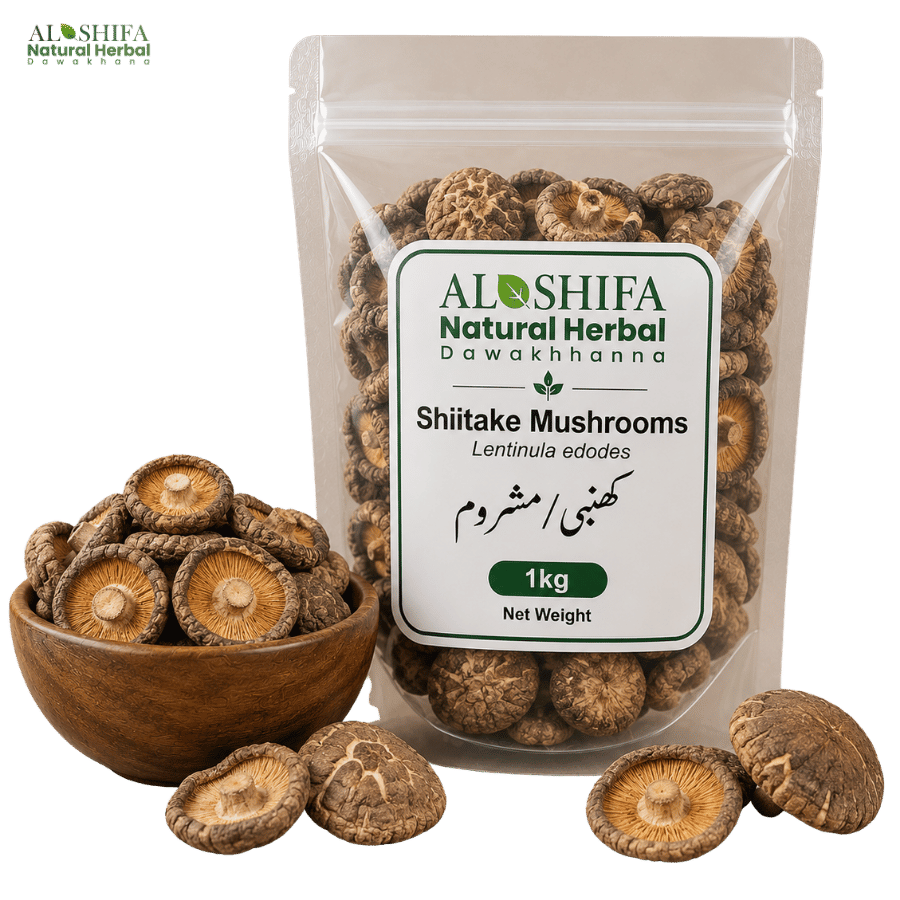
Shiitake Mushrooms / Lentinula edodes are premium edible mushrooms valued for their rich savory flavor, distinctive aroma, pleasant texture, and versatile culinary use. Naturally containing dietary fiber, protein, beta-glucans, B-group vitamins, minerals, and other fungal nutrients, they are an excellent ingredient for soups, broths, rice, noodles, stir-fries, sauces, and vegetable dishes.
How to Use: If dried, soak the mushrooms in clean water until softened. Remove any very tough stems if necessary, slice or chop according to your recipe, and cook thoroughly before consumption. Suitable for soups, broths, rice, noodles, stir-fries, sauces, and other cooked dishes.
Storage: Store in a cool, dry place away from direct sunlight, heat, humidity, insects, and contamination. Keep the package tightly sealed after opening.
Important Note: Shiitake mushrooms are a culinary food product, not a medicine. Consume properly cooked. Individuals with known mushroom allergies should avoid use.
Shiitake Mushrooms (Lentinula edodes) – کھنبی / مشروم are highly valued edible mushrooms known for their distinctive savory taste, rich umami character, pleasant aroma, and versatile culinary uses. Traditionally associated with East Asian cuisine, particularly Chinese and Japanese food traditions, shiitake mushrooms are now enjoyed worldwide in soups, broths, noodles, rice dishes, sauces, stir-fries, vegetable dishes, and numerous other recipes.
Shiitake mushrooms naturally provide dietary fiber, protein, carbohydrates, B-group vitamins, minerals, beta-glucans, and other naturally occurring fungal compounds. Their exact nutritional composition varies according to growing conditions, maturity, whether they are fresh or dried, and the method of preparation.
When supplied in dried form, shiitake mushrooms develop a concentrated aroma and flavor, making them especially useful as a pantry ingredient for adding natural depth and umami to recipes.
Quality shiitake mushrooms should be selected and handled carefully to preserve their characteristic flavor, aroma, texture, and natural appearance.
Product Name: Shiitake Mushrooms
Urdu Name: کھنبی / مشروم
Scientific Name: Lentinula edodes
Alternative Scientific Name: Lentinus edodes — an older scientific name still encountered in some references
Common English Names: Shiitake / Shiitake Mushroom / Black Forest Mushroom
Kingdom: Fungi
Family: Omphalotaceae
Genus: Lentinula
Species: Lentinula edodes
Part Used: Fruiting Body
Product Type: Edible Mushroom / Culinary Mushroom
Common Form: Whole, Sliced, Fresh or Dried depending on the product
Shiitake is an edible mushroom species scientifically known as Lentinula edodes.
It naturally grows on hardwood and is also cultivated commercially under controlled conditions. Shiitake cultivation has a particularly long history in East Asia, where the mushroom became an important culinary ingredient.
Today, cultivated shiitake mushrooms are available in many parts of the world and are appreciated both by professional chefs and home cooks.
Their popularity is primarily associated with their:
Shiitake mushrooms are commonly available in both fresh and dried forms.
Fresh shiitake mushrooms generally have a softer aroma and tender texture when properly cooked.
Dried shiitake mushrooms have a more concentrated character. Drying changes and intensifies their aroma and makes them particularly valuable for broths, soups, sauces, rice dishes, and slow-cooked recipes.
Dried mushrooms also offer the practical advantage of longer storage when kept under appropriate conditions.
One of the defining characteristics of shiitake mushrooms is their strong umami, or deeply savory, taste.
This makes shiitake particularly useful for adding depth to recipes without relying solely on heavy seasoning.
They work especially well in:
The soaking liquid from properly handled dried shiitake can also contribute considerable mushroom flavor to cooked dishes.
Shiitake mushrooms provide a combination of macronutrients and micronutrients while generally being relatively low in fat.
Depending on the form and serving quantity, they naturally contain:
Nutrient levels can vary substantially between fresh and dried mushrooms because drying removes much of their water and concentrates many components by weight.
Shiitake mushrooms naturally provide protein.
Although mushrooms should not automatically be considered nutritionally equivalent to meat or other concentrated protein foods, they can contribute protein as part of a varied diet.
Their savory flavor also makes them particularly useful in vegetarian and plant-focused recipes.
Shiitake mushrooms naturally contain dietary fiber.
Dietary fiber is an important component of a balanced diet and contributes to normal digestive function when consumed as part of an appropriate overall dietary pattern.
The exact fiber content varies according to whether the mushrooms are fresh, dried, powdered, or otherwise processed.
Shiitake mushrooms contain naturally occurring polysaccharides, including beta-glucans, which are structural components associated with fungal cell walls.
Beta-glucans are one reason mushrooms have attracted considerable nutritional and scientific interest.
However, the presence of beta-glucans in a food should not be interpreted as evidence that ordinary culinary shiitake mushrooms can diagnose, prevent, or cure a disease.
Shiitake is also associated with a specific beta-glucan known as lentinan.
Lentinan has been investigated scientifically, including in specialized medical and research contexts. However, purified or medically prepared lentinan is not the same thing as eating ordinary dried or fresh shiitake mushrooms.
Therefore, medicinal claims associated with purified preparations should not automatically be applied to a culinary shiitake product.
Shiitake mushrooms can naturally provide several B-group vitamins, with amounts depending on growing, processing, storage, and preparation conditions.
These may include varying quantities of:
These nutrients contribute to normal nutritional functions when consumed as part of a balanced diet.
Mushrooms are unusual because they can produce vitamin D₂ when exposed to ultraviolet light.
However, not every shiitake product automatically contains a high amount of vitamin D.
Vitamin D content depends significantly on factors such as:
Therefore, a specific “high in vitamin D” claim should only be made when supported by reliable product-specific nutritional information.
Shiitake mushrooms can contribute several minerals to the diet.
Depending on the product, these may include:
The exact amounts depend on the growing substrate, cultivation environment, mushroom maturity, processing, and serving size.
Plain shiitake mushrooms are naturally relatively low in fat.
However, the nutritional value of a finished dish can change considerably depending on whether the mushrooms are prepared with:
For this reason, the nutritional profile of plain mushrooms should not be confused with that of the completed recipe.
Shiitake mushrooms have a long history in East Asian food culture.
They have traditionally been valued for their ability to provide concentrated savory flavor and complement a wide range of ingredients.
Dried shiitake in particular became an important ingredient because drying:
Today, shiitake is used far beyond traditional Asian cooking and can be incorporated into both classic and modern recipes.
Shiitake mushrooms are particularly suitable for soups because their flavor spreads throughout the cooking liquid.
They can be added to:
Dried shiitake can first be rehydrated and then sliced before being added to the recipe.
The natural savory character of shiitake makes it especially useful for preparing flavorful broths.
Dried shiitake can contribute depth to vegetable-based stock and can be combined with:
This makes shiitake particularly valuable for vegetarian cooking where a deeper savory character is desired.
Shiitake mushrooms can complement many rice dishes.
After proper preparation, they may be sliced or chopped and added to:
Their strong flavor means that even a moderate quantity can add noticeable mushroom character.
Shiitake works especially well with noodles because it absorbs seasonings while contributing its own savory flavor.
It can be used with:
The mushrooms should be adequately cooked before serving.
Rehydrated or fresh shiitake mushrooms can be sliced and stir-fried with vegetables and seasonings.
Common combinations may include:
Avoid overcrowding the pan if a more browned texture is desired.
Finely chopped or sliced shiitake can add natural savory depth to sauces and gravies.
They can be particularly useful in:
Dried shiitake can provide a particularly concentrated flavor.
Because of their strong savory taste and satisfying texture, shiitake mushrooms are particularly useful in vegetarian cooking.
They can help provide depth and complexity to dishes based on:
However, mushrooms should not automatically be considered a complete nutritional replacement for meat. A balanced diet should include appropriate sources of protein, essential fats, vitamins, and minerals.
If using dried shiitake:
Rehydration time varies according to mushroom size, thickness, and water temperature.
The liquid used to rehydrate dried shiitake can develop a rich mushroom flavor.
When the mushrooms are clean and appropriately handled, this liquid may be used in cooked preparations such as:
For a cleaner result, the liquid can be passed through a fine strainer to remove sediment before use.
Always follow appropriate food-safety practices.
Shiitake stems are often firmer and more fibrous than the caps.
Very tough stems may be removed before cooking.
Rather than discarding them immediately, suitable clean stems may be used to flavor:
They can then be strained out if their texture is too tough for the finished dish.
Shiitake mushrooms are best consumed properly cooked.
Cooking:
They may be sautéed, simmered, stir-fried, roasted, or incorporated into other thoroughly cooked recipes.
Eating raw or inadequately cooked shiitake is not recommended.
In some individuals, consumption of raw or undercooked shiitake has been associated with a distinctive skin reaction sometimes called shiitake dermatitis.
This reaction can involve an intensely itchy, streak-like rash.
Proper cooking is therefore an important part of safe culinary use.
Individuals with known mushroom allergies should avoid shiitake unless advised otherwise by an appropriate healthcare professional.
Possible allergic reactions can include:
Severe allergic symptoms require urgent medical attention.
Like many fiber-containing foods and mushrooms, shiitake may cause digestive discomfort in some individuals, particularly when eaten in large quantities.
Possible symptoms may include:
People unfamiliar with shiitake may prefer to begin with a moderate serving as part of a meal.
As an edible mushroom product, shiitake should be handled with normal food-safety precautions.
Always:
Rehydrated mushrooms should not be left at unsafe temperatures for extended periods.
Good-quality dried shiitake mushrooms typically have:
Natural differences in size, shape, shade, and surface appearance can occur because mushrooms are agricultural products.
Shiitake mushrooms naturally vary in color.
Depending on maturity, cultivation, drying, and processing, they may range from:
Natural variation does not automatically indicate poor quality.
Dried shiitake has a characteristic concentrated mushroom aroma.
This aroma may become more pronounced during:
The natural smell should be distinguished from unpleasant signs of spoilage such as moldy, sour, or otherwise abnormal odors.
For dried shiitake mushrooms:
After opening, reseal the package carefully or transfer the mushrooms to a suitable airtight food container.
Dried mushrooms readily interact with environmental moisture.
Excess moisture during storage can negatively affect:
For this reason, always use dry hands or utensils when removing mushrooms from the package.
Do not use shiitake mushrooms if you notice:
When in doubt about the safety of a mushroom product, it is better not to consume it.
Shiitake mushrooms are an excellent pantry ingredient for people who appreciate rich, savory foods.
They offer:
Shiitake mushrooms can be used in:
Product Name: Shiitake Mushrooms
Urdu Name: کھنبی / مشروم
Scientific Name: Lentinula edodes
Older Scientific Name: Lentinus edodes
Family: Omphalotaceae
Kingdom: Fungi
Part Used: Fruiting Body
Product Category: Edible Mushroom / Culinary Mushroom
Common Form: Whole or Sliced, Fresh or Dried depending on packaging
Naturally Occurring Nutritional Components: Dietary Fiber, Protein, Carbohydrates, Beta-Glucans, B-Group Vitamins, Minerals and Other Naturally Occurring Fungal Compounds
Common Uses: Soups, Broths, Rice, Noodles, Stir-Fries, Sauces, Gravies, Stews and Vegetarian Recipes
Preparation: If dried, rehydrate appropriately and cook thoroughly before consumption.
Storage: Keep dried mushrooms tightly sealed in a cool, dry place away from sunlight, heat, humidity, insects, and contamination.
Shiitake Mushrooms (Lentinula edodes) – کھنبی / مشروم combine a distinctive umami flavor, concentrated savory aroma, satisfying texture, and impressive culinary versatility. Whether used in soups, broths, rice dishes, noodles, stir-fries, sauces, or vegetable recipes, shiitake can add natural depth and complexity to everyday cooking.
Their nutritional value includes naturally occurring dietary fiber, protein, beta-glucans, B-group vitamins, minerals, and other fungal constituents, making them a useful ingredient within a varied and balanced diet.
Important Note: Shiitake mushrooms are sold as a culinary food ingredient and should not be considered a medicine or a treatment for any disease. Cook thoroughly before consumption. Individuals with known mushroom allergies should avoid them, and anyone who experiences a significant reaction after consumption should seek appropriate medical advice.
کھنبی / مشروم ایک اعلیٰ معیار کی خوردنی کھنبی ہے جو اپنے گہرے لذیذ ذائقے، مخصوص خوشبو، خوشگوار ساخت اور مختلف کھانوں میں وسیع استعمال کی وجہ سے دنیا بھر میں مقبول ہے۔ اس کھنبی کا استعمال خصوصاً مشرقی ایشیائی غذائی روایات میں ایک طویل عرصے سے ہوتا آ رہا ہے، جبکہ آج اسے دنیا کے مختلف ممالک میں سوپ، شوربے، چاول، نوڈلز، سبزیوں، سالن، چٹنیوں اور مختلف جدید پکوانوں میں استعمال کیا جاتا ہے۔
یہ کھنبی قدرتی طور پر غذائی ریشہ، لحمیات، نشاستہ دار اجزاء، مختلف حیاتین، معدنیات، بیٹا گلوکین اور دوسرے قدرتی فنگسی اجزاء فراہم کرتی ہے۔ اس کی غذائی مقدار کا انحصار کاشت، نشوونما، تازہ یا خشک حالت، محفوظ رکھنے کے طریقے اور پکانے کے انداز پر ہوتا ہے۔
خشک حالت میں اس کھنبی کا ذائقہ اور خوشبو مزید مرتکز ہو جاتے ہیں، جس کی وجہ سے یہ سوپ، شوربے اور مختلف لذیذ پکوانوں میں خاص طور پر مفید سمجھی جاتی ہے۔
پروڈکٹ کا نام: کھنبی / مشروم
معروف نام: شیتاکے کھنبی / شیتاکے مشروم
سائنسی نام: لینٹینولا ایڈوڈیز
قدیم سائنسی نام: لینٹائنس ایڈوڈیز
خاندان: اومفیلوٹیسی
قسم: خوردنی کھنبی
استعمال ہونے والا حصہ: پھل دار جسم
شکل: مکمل یا کٹی ہوئی، تازہ یا خشک
عام استعمال: سوپ، شوربہ، چاول، نوڈلز، سبزیاں، سالن، چٹنیاں، گریوی اور دیگر پکوان
شیتاکے ایک معروف خوردنی کھنبی ہے جس کا تعلق فنگس کی دنیا سے ہے۔
یہ قدرتی طور پر لکڑی پر نشوونما پانے والی کھنبیوں میں شمار ہوتی ہے اور آج تجارتی سطح پر بھی مناسب ماحول میں کاشت کی جاتی ہے۔
مشرقی ایشیا میں اس کی کاشت اور غذائی استعمال کی ایک طویل تاریخ موجود ہے۔ وقت کے ساتھ اس کا استعمال دنیا کے دوسرے حصوں تک پھیل گیا اور اب یہ گھریلو کھانوں کے ساتھ ساتھ پیشہ ور باورچیوں میں بھی مقبول ہے۔
اس کی مقبولیت کی اہم وجوہات ہیں:
شیتاکے کھنبی تازہ اور خشک دونوں صورتوں میں استعمال کی جاتی ہے۔
تازہ کھنبی کی ساخت نسبتاً نرم ہوتی ہے اور مناسب طریقے سے پکانے پر اس کا ذائقہ خوشگوار اور قدرتی رہتا ہے۔
خشک کھنبی میں پانی کی مقدار کم ہو جانے کی وجہ سے اس کا ذائقہ اور خوشبو زیادہ مرتکز ہو سکتے ہیں۔
خشک کرنے کے عمل سے:
خشک شیتاکے خاص طور پر شوربے اور سوپ میں گہرا ذائقہ پیدا کرنے کے لیے پسند کی جاتی ہے۔
شیتاکے کھنبی کی سب سے نمایاں خصوصیات میں اس کا گہرا اور بھرپور لذیذ ذائقہ شامل ہے۔
اس ذائقے کو عام طور پر ایسا خوش ذائقہ احساس سمجھا جاتا ہے جو کھانے میں گہرائی اور بھرپور پن پیدا کرتا ہے۔
اسی وجہ سے شیتاکے کو درج ذیل پکوانوں میں استعمال کیا جا سکتا ہے:
خشک شیتاکے کو بھگونے کے بعد حاصل ہونے والا پانی بھی مناسب صفائی اور چھاننے کے بعد بعض پکے ہوئے پکوانوں میں ذائقہ بڑھانے کے لیے استعمال کیا جا سکتا ہے۔
شیتاکے کھنبی میں قدرتی طور پر مختلف غذائی اجزاء پائے جاتے ہیں۔
ان میں شامل ہو سکتے ہیں:
تازہ اور خشک کھنبی کی غذائی مقدار میں فرق ہو سکتا ہے کیونکہ خشک کرنے کے دوران پانی کم ہونے سے بعض غذائی اجزاء وزن کے اعتبار سے زیادہ مرتکز ہو جاتے ہیں۔
شیتاکے کھنبی قدرتی طور پر لحمیات فراہم کرتی ہے۔
اسے متوازن غذا میں شامل کرکے روزمرہ غذائی تنوع میں اضافہ کیا جا سکتا ہے۔
خصوصاً سبزیوں پر مبنی کھانوں میں اس کا گہرا ذائقہ اسے ایک مفید غذائی جزو بناتا ہے۔
تاہم اسے گوشت یا زیادہ مقدار میں لحمیات فراہم کرنے والی غذاؤں کا مکمل غذائی متبادل نہیں سمجھنا چاہیے۔
شیتاکے میں قدرتی طور پر غذائی ریشہ پایا جاتا ہے۔
غذائی ریشہ متوازن غذا کا اہم حصہ ہے اور مناسب مقدار میں پانی اور دیگر غذاؤں کے ساتھ استعمال کیے جانے پر معمول کے نظامِ ہاضمہ میں اپنا کردار ادا کرتا ہے۔
ریشے کی مقدار کھنبی کی تازہ، خشک، پسی ہوئی یا دوسری تیار شدہ شکل کے مطابق مختلف ہو سکتی ہے۔
شیتاکے کھنبی میں قدرتی طور پر مختلف پیچیدہ شکری مرکبات پائے جاتے ہیں، جن میں بیٹا گلوکین بھی شامل ہیں۔
یہ فنگس کی خلوی دیوار کے قدرتی اجزاء میں شمار ہوتے ہیں۔
کھنبیوں میں موجود بیٹا گلوکین غذائی اور سائنسی تحقیق کا موضوع رہے ہیں، تاہم کسی غذائی جزو کی موجودگی کا یہ مطلب نہیں کہ عام کھانے والی شیتاکے کسی بیماری کی دوا یا یقینی علاج ہے۔
شیتاکے سے منسلک ایک مخصوص بیٹا گلوکین کو لینٹینن کہا جاتا ہے۔
اس مرکب پر مختلف سائنسی تحقیقات کی گئی ہیں، لیکن تحقیق میں استعمال ہونے والی خالص یا مخصوص انداز میں تیار شدہ لینٹینن اور عام کھانے والی شیتاکے کھنبی کو ایک ہی چیز نہیں سمجھنا چاہیے۔
اسی لیے مخصوص تحقیقی تیاریوں سے متعلق نتائج کو عام خشک یا تازہ شیتاکے پر براہِ راست لاگو کرنا درست نہیں۔
شیتاکے کھنبی قدرتی طور پر بی گروپ کے مختلف حیاتین فراہم کر سکتی ہے۔
ان میں مختلف مقدار میں درج ذیل شامل ہو سکتے ہیں:
ان کی اصل مقدار کاشت، ذخیرہ، خشک کرنے اور پکانے کے طریقے کے مطابق مختلف ہو سکتی ہے۔
بعض کھنبیاں روشنی کی مخصوص شعاعوں کے سامنے آنے پر حیاتین دال کی ایک قسم پیدا کر سکتی ہیں۔
تاہم ہر شیتاکے پروڈکٹ میں لازماً حیاتین دال کی زیادہ مقدار موجود نہیں ہوتی۔
اس کی مقدار کا انحصار:
پر ہو سکتا ہے۔
اس لیے کسی پروڈکٹ کو حیاتین دال کا بھرپور ذریعہ اسی وقت قرار دینا چاہیے جب اس مخصوص پروڈکٹ کی غذائی جانچ سے اس کی تصدیق ہو۔
شیتاکے کھنبی میں قدرتی طور پر کئی اہم معدنی اجزاء پائے جا سکتے ہیں۔
ان میں شامل ہیں:
ان معدنیات کی مقدار کاشت کی جگہ، غذائی ماحول، نشوونما، کھنبی کی پختگی، عمل کاری اور استعمال کی مقدار کے مطابق مختلف ہو سکتی ہے۔
سادہ شیتاکے کھنبی میں قدرتی طور پر چکنائی کی مقدار نسبتاً کم ہوتی ہے۔
تاہم جب اسے:
یا دوسرے اجزاء کے ساتھ پکایا جائے تو تیار شدہ کھانے کی مجموعی غذائی خصوصیات تبدیل ہو جاتی ہیں۔
اسی لیے سادہ کھنبی اور مکمل تیار شدہ پکوان کی غذائی خصوصیات کو ایک جیسا نہیں سمجھنا چاہیے۔
شیتاکے کھنبی مشرقی ایشیائی غذائی روایات میں ایک طویل عرصے سے استعمال ہوتی رہی ہے۔
خصوصاً خشک شیتاکے کو اس لیے اہمیت حاصل ہوئی کیونکہ اسے خشک کرنے سے:
آج اس کا استعمال روایتی کھانوں سے آگے بڑھ کر جدید اور مختلف بین الاقوامی پکوانوں تک پہنچ چکا ہے۔
شیتاکے سوپ کے لیے ایک بہترین غذائی جزو ہے کیونکہ پکنے کے دوران اس کا قدرتی ذائقہ شوربے میں شامل ہو جاتا ہے۔
اسے استعمال کیا جا سکتا ہے:
خشک شیتاکے کو پہلے پانی میں نرم کرکے پھر کاٹ کر سوپ میں شامل کیا جا سکتا ہے۔
شیتاکے کی قدرتی لذت اسے شوربے کے لیے خاص طور پر موزوں بناتی ہے۔
اسے درج ذیل اجزاء کے ساتھ استعمال کیا جا سکتا ہے:
یہ خصوصاً سبزیوں سے تیار کردہ شوربے میں قدرتی گہرائی پیدا کرنے میں مدد دیتی ہے۔
شیتاکے کھنبی مختلف قسم کے چاولوں کے ساتھ استعمال کی جا سکتی ہے۔
پانی میں نرم کرنے اور مناسب طریقے سے پکانے کے بعد اسے:
میں شامل کیا جا سکتا ہے۔
اس کے بھرپور ذائقے کی وجہ سے معمولی مقدار بھی کھانے میں نمایاں خوشبو اور ذائقہ پیدا کر سکتی ہے۔
شیتاکے مختلف قسم کے نوڈلز کے ساتھ بھی بہت موزوں ہے۔
اسے:
کے ساتھ استعمال کیا جا سکتا ہے۔
استعمال سے پہلے کھنبی کو اچھی طرح پکانا ضروری ہے۔
تازہ یا پانی میں نرم کی ہوئی شیتاکے کو کاٹ کر مختلف سبزیوں کے ساتھ ہلکا تل کر استعمال کیا جا سکتا ہے۔
یہ خصوصاً درج ذیل اجزاء کے ساتھ اچھی لگتی ہے:
تیز آنچ پر مناسب انداز میں پکانے سے اس کی خوشبو اور ذائقہ نمایاں ہو سکتا ہے۔
باریک کٹی یا ٹکڑوں میں تقسیم کی گئی شیتاکے مختلف سالن، چٹنیوں اور گریوی میں قدرتی گہرا ذائقہ پیدا کر سکتی ہے۔
خصوصاً خشک شیتاکے:
میں استعمال کی جا سکتی ہے۔
شیتاکے اپنی بھرپور ساخت اور گہرے ذائقے کی وجہ سے سبزی خور پکوانوں میں خاص طور پر مفید ہے۔
اسے:
کے ساتھ ملا کر مختلف غذائیں تیار کی جا سکتی ہیں۔
تاہم صرف کھنبی کو گوشت کا مکمل غذائی متبادل نہیں سمجھنا چاہیے۔ متوازن غذا میں لحمیات، ضروری چکنائیاں، حیاتین اور معدنیات کے دوسرے مناسب ذرائع بھی شامل ہونے چاہئیں۔
خشک شیتاکے استعمال کرنے کے لیے:
۱۔ کھنبیوں کو اچھی طرح دیکھ لیں اور کسی غیر ضروری چیز کو الگ کر دیں۔
۲۔ انہیں صاف پانی میں رکھیں۔
۳۔ مناسب وقت تک پانی میں رہنے دیں تاکہ وہ نرم ہو جائیں۔
۴۔ نرم ہونے کے بعد پانی سے نکال لیں۔
۵۔ ضرورت ہو تو اضافی پانی ہلکے ہاتھ سے نکال دیں۔
۶۔ بہت سخت ڈنڈی کو الگ کیا جا سکتا ہے۔
۷۔ ضرورت کے مطابق مکمل، ٹکڑوں یا باریک قتلے کی شکل میں استعمال کریں۔
۸۔ کھانے سے پہلے اچھی طرح پکائیں۔
کھنبی کے حجم اور موٹائی کے مطابق پانی میں نرم ہونے کا وقت مختلف ہو سکتا ہے۔
خشک شیتاکے کو پانی میں بھگونے سے پانی میں بھی اس کا مخصوص ذائقہ اور خوشبو آ سکتی ہے۔
اگر کھنبی صاف اور مناسب طریقے سے محفوظ کی گئی ہو تو اس پانی کو باریک چھاننے کے بعد:
میں استعمال کیا جا سکتا ہے۔
اگر پانی میں مٹی یا باریک ذرات نظر آئیں تو اسے اچھی طرح چھاننا ضروری ہے۔
شیتاکے کی ڈنڈی اکثر اس کے اوپری حصے کے مقابلے میں زیادہ سخت اور ریشے دار ہوتی ہے۔
بہت سخت ڈنڈی کو کھانے سے پہلے الگ کیا جا سکتا ہے۔
صاف اور مناسب ڈنڈی کو ذائقے کے لیے:
میں شامل کیا جا سکتا ہے اور بعد میں چھان کر نکالا جا سکتا ہے۔
شیتاکے کو کھانے سے پہلے مناسب طریقے سے پکانا بہتر اور محفوظ طریقہ ہے۔
پکانے سے:
اسے ابال کر، ہلکا تل کر، بھون کر یا مختلف مکمل پکے ہوئے پکوانوں میں شامل کرکے استعمال کیا جا سکتا ہے۔
کچی یا نامکمل پکی شیتاکے کھانے سے گریز کرنا بہتر ہے۔
بعض افراد میں کچی یا پوری طرح نہ پکی ہوئی شیتاکے کھانے کے بعد جلد پر ایک مخصوص ردعمل پیدا ہونے کی اطلاعات موجود ہیں۔
اس میں:
پیدا ہو سکتی ہیں۔
اسی لیے شیتاکے کو مناسب طریقے سے پکانے کے بعد استعمال کرنا چاہیے۔
جن افراد کو کھنبیوں سے معلوم حساسیت ہو انہیں شیتاکے کے استعمال میں احتیاط کرنی چاہیے۔
حساسیت کی ممکنہ علامات میں شامل ہو سکتی ہیں:
شدید الرجی کی علامات کی صورت میں فوری طبی مدد حاصل کریں۔
کھنبی میں غذائی ریشہ اور دوسرے قدرتی اجزاء موجود ہوتے ہیں۔
کچھ افراد میں زیادہ مقدار کھانے سے:
محسوس ہو سکتی ہے۔
جو افراد پہلی مرتبہ شیتاکے استعمال کر رہے ہوں وہ مناسب مقدار سے آغاز کر سکتے ہیں۔
چونکہ شیتاکے ایک خوردنی غذائی چیز ہے، اس لیے اسے عام غذائی صفائی کے اصولوں کے مطابق استعمال کرنا چاہیے۔
ہمیشہ:
پانی میں نرم کی گئی کھنبی کو طویل وقت تک غیر محفوظ درجہ حرارت پر نہ چھوڑیں۔
اچھی خشک شیتاکے میں عام طور پر:
اہم خصوصیات ہیں۔
قدرتی زرعی پیداوار ہونے کی وجہ سے مختلف کھنبیوں کے حجم، شکل اور رنگ میں فرق معمول کی بات ہے۔
شیتاکے کا قدرتی رنگ ایک جیسا ہونا ضروری نہیں۔
کاشت، پختگی، خشک کرنے اور محفوظ رکھنے کے طریقے کے مطابق اس کا رنگ:
ہو سکتا ہے۔
رنگ میں معمولی قدرتی فرق لازماً خراب معیار کی علامت نہیں۔
خشک شیتاکے میں مخصوص مرتکز مشروم جیسی خوشبو ہوتی ہے۔
یہ خوشبو:
کے دوران مزید نمایاں ہو سکتی ہے۔
قدرتی خوشبو اور خراب ہونے کی وجہ سے پیدا ہونے والی سڑی، کھٹی یا پھپھوندی جیسی بو میں فرق کرنا ضروری ہے۔
خشک شیتاکے کو محفوظ رکھنے کے لیے:
پیکٹ کھولنے کے بعد اسے دوبارہ اچھی طرح بند کریں یا مناسب ہوا بند غذائی برتن میں منتقل کریں۔
خشک کھنبیاں ماحول سے نمی جذب کر سکتی ہیں۔
ضرورت سے زیادہ نمی ان کی:
کو متاثر کر سکتی ہے۔
اسی لیے انہیں ہمیشہ خشک ہاتھ یا صاف خشک چمچ سے نکالنا چاہیے۔
درج ذیل صورتوں میں کھنبی استعمال نہ کریں:
اگر کھنبی کے محفوظ ہونے کے بارے میں شک ہو تو اسے استعمال نہ کرنا بہتر ہے۔
شیتاکے کھنبی اپنے ذائقے، خوشبو اور غذائی خصوصیات کی وجہ سے روزمرہ کھانوں میں ایک بہترین اضافہ ہو سکتی ہے۔
شیتاکے کھنبی کو درج ذیل کھانوں میں شامل کیا جا سکتا ہے:
نام: کھنبی / مشروم
معروف نام: شیتاکے کھنبی / شیتاکے مشروم
سائنسی نام: لینٹینولا ایڈوڈیز
قدیم سائنسی نام: لینٹائنس ایڈوڈیز
خاندان: اومفیلوٹیسی
قسم: خوردنی کھنبی
استعمال ہونے والا حصہ: پھل دار جسم
شکل: مکمل یا کٹی ہوئی، تازہ یا خشک
قدرتی غذائی اجزاء: غذائی ریشہ، لحمیات، نشاستہ دار اجزاء، بیٹا گلوکین، بی گروپ کے حیاتین، معدنیات اور دوسرے قدرتی فنگسی اجزاء
عام استعمال: سوپ، شوربہ، چاول، نوڈلز، سبزیاں، سالن، گریوی، چٹنیاں اور مختلف سبزی خور پکوان
تیاری: خشک کھنبی کو مناسب طریقے سے پانی میں نرم کریں اور کھانے سے پہلے اچھی طرح پکائیں۔
ذخیرہ: ٹھنڈی اور خشک جگہ پر اچھی طرح بند کرکے رکھیں اور دھوپ، زیادہ گرمی، نمی، کیڑوں اور آلودگی سے محفوظ رکھیں۔
شیتاکے کھنبی / کھنبی / مشروم اپنے گہرے قدرتی ذائقے، مخصوص خوشبو، خوشگوار ساخت اور مختلف کھانوں میں آسان استعمال کی وجہ سے ایک بہترین غذائی جزو ہے۔ اسے سوپ، شوربے، چاول، نوڈلز، سبزیوں، سالن اور مختلف جدید پکوانوں میں شامل کرکے کھانے کے ذائقے اور غذائی تنوع میں اضافہ کیا جا سکتا ہے۔
اس میں قدرتی طور پر غذائی ریشہ، لحمیات، بیٹا گلوکین، مختلف حیاتین، معدنیات اور دوسرے فنگسی اجزاء پائے جاتے ہیں، جو اسے متنوع اور متوازن غذا کا مفید حصہ بناتے ہیں۔
اہم طبی نوٹ: یہ ایک خوردنی غذائی پروڈکٹ ہے، دوا نہیں۔ اسے کسی بیماری کی تشخیص، علاج یا روک تھام کے لیے استعمال نہ کریں۔ کھانے سے پہلے اچھی طرح پکائیں۔ جن افراد کو کھنبیوں سے حساسیت ہو وہ اس کے استعمال سے گریز کریں۔ کسی غیر معمولی یا شدید جسمانی ردعمل کی صورت میں مستند معالج سے رابطہ کریں۔