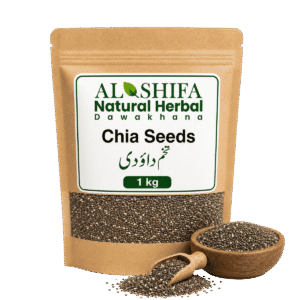
تخم داؤدی
Price range: ₨ 180 through ₨ 2,500

Salara (Plumed Cockscomb Seeds) is a traditional botanical seed material commonly associated with Celosia argentea, valued for its long history of use in specialized herbal preparations.
How to Use: Use according to traditional preparation directions or under appropriate professional guidance.
Important Note: Salara is not an ordinary snack seed. For medicinal internal use, correct botanical identification and appropriate professional guidance are recommended.
Salara, commonly associated with Plumed Cockscomb Seeds, is a traditional botanical seed material obtained from plants of the Celosia genus. Plumed cockscomb is commonly associated with Celosia argentea L., a flowering plant belonging to the Amaranthaceae family. Its seeds have a long history of use in traditional herbal systems in different parts of Asia and are valued as a specialized botanical raw material.
Celosia plants are well known for their attractive flowering heads, while their small, dark-colored seeds have also been documented in traditional botanical practice. Depending on regional terminology, trade practices, and the exact plant variety, names associated with Celosia seeds can vary.
For professional herbal use, correct botanical identification is important because ornamental Celosia varieties, closely related species, and commercially traded seed materials should not automatically be considered interchangeable.
Quality Salara Seeds should be properly identified, carefully cleaned, appropriately dried, and protected from moisture, insects, and contamination.
English Name: Plumed Cockscomb Seeds
Urdu Name: سلارہ
Roman Name: Salara
Common Botanical Association: Celosia argentea L.
Genus: Celosia
Family: Amaranthaceae
Plant Part: Seeds
Product Type: Dried Botanical Seed Material
Salara refers to small seeds traditionally associated with the Celosia plant.
Celosia argentea is an annual flowering plant belonging to the Amaranthaceae family. Different forms and cultivated varieties of Celosia are recognized for their striking flower heads, which may appear in shades of red, pink, purple, orange, yellow, or silvery tones.
After flowering, the plant develops numerous small seeds. These seeds are collected, cleaned, dried, and may enter traditional herbal markets as botanical raw material.
Salara should therefore be understood as a specialized traditional botanical seed, rather than automatically being treated as an ordinary snack seed.
The common name “cockscomb” can be used for different cultivated forms of Celosia.
Some Celosia plants develop feathery, plume-like flower heads, while others have compact crested flower structures resembling a rooster’s comb.
Because common names can overlap between cultivated forms, botanical identification should ideally be based on the actual plant source rather than flower shape or trade name alone.
For Salara sold specifically as Plumed Cockscomb Seeds, Celosia argentea is a commonly associated botanical identity.
Salara Seeds are generally:
Natural variation in size, shade, and appearance may occur depending on plant variety, growing conditions, maturity, harvesting, and storage.
Minor natural variation is expected in genuine botanical seed material.
Celosia seeds contain a variety of naturally occurring plant compounds.
Research on Celosia species and their seeds has identified or investigated groups of constituents such as:
The exact chemical composition can vary according to species, plant variety, geographic source, cultivation conditions, extraction method, and processing.
The presence of a compound in a seed or laboratory extract should not automatically be interpreted as evidence that whole Salara Seeds can prevent or treat a disease.
Celosia seeds have a history of use in traditional herbal practices, particularly in parts of Asia.
Traditional literature has associated the seeds with specialized preparations relating to:
These are historical and traditional associations, not established modern treatment claims.
Salara should not be marketed as a proven treatment for eye diseases, liver disorders, urinary diseases, digestive diseases, infections, or other medical conditions.
Celosia seeds have a notable history in some traditional systems in preparations associated with eye comfort and vision-related traditional concepts.
However, this traditional history should be interpreted carefully.
Salara Seeds have not been established as a replacement for professional treatment of conditions such as:
Eye symptoms such as sudden loss of vision, severe pain, injury, marked redness, flashes of light, or rapidly changing vision require appropriate medical assessment.
Traditional use should never delay necessary eye care.
Salara Seeds have also appeared historically in preparations associated with digestive and intestinal wellbeing.
Such traditional use does not establish that the seeds can treat:
Persistent abdominal pain, blood in stool, prolonged diarrhea, severe constipation, unexplained weight loss, or other significant digestive symptoms require medical evaluation.
Traditional literature may associate Celosia seeds with urinary or liver-related preparations.
These references represent historical herbal practice rather than evidence that Salara can treat kidney disease, urinary infections, kidney stones, hepatitis, fatty liver disease, jaundice, or other diagnosed conditions.
People with kidney or liver disease should be particularly cautious with concentrated or unfamiliar herbal preparations because the safety and appropriate dose can depend on the individual’s medical condition and medications.
Celosia species have attracted scientific interest because they contain various naturally occurring phytochemicals.
Laboratory and preclinical studies have investigated different Celosia materials and extracts for biological activities.
However, an important distinction must be maintained between:
Results from concentrated extracts or laboratory experiments cannot automatically be applied to ordinary whole Salara Seeds.
Reliable clinical evidence for treating specific diseases with whole Salara Seeds remains limited.
Phenolic and other plant compounds in Celosia have generated interest in antioxidant research.
“Antioxidant activity” observed in laboratory testing does not mean that consuming a botanical product will prevent or cure diseases in humans.
Antioxidant terminology should therefore be used carefully and should not be converted into claims regarding cancer treatment, heart disease prevention, liver treatment, anti-aging effects, or other medical outcomes.
The genus Celosia contains different species, cultivated forms, and varieties.
Therefore:
Salara ≠ automatically every ornamental Celosia seed
and
every Cockscomb Seed ≠ automatically the same traditional herbal material
Correct botanical identification is particularly important when the seeds are intended for medicinal or specialized traditional use.
Whole Salara Seeds should not be considered equivalent to a concentrated Celosia extract.
A concentrated extract may contain very different amounts of particular plant compounds compared with the original whole seeds.
Therefore:
Whole Seeds ≠ Seed Extract ≠ Purified Compound
Research performed on one preparation should not automatically be used to make claims for another.
Some Celosia species have edible leaves or other traditional food uses in certain cultures.
However, the fact that a plant has edible uses does not automatically mean that every commercially sold Salara seed product is intended for unrestricted culinary consumption.
The intended use depends on:
If Salara is sold specifically as a traditional herbal raw material rather than food-grade seed, it should not automatically be treated as an ordinary snack or culinary seed.
Historical herbal systems may use Celosia seeds internally in specific preparations.
For modern internal use, attention should be given to:
More is not necessarily better with traditional botanical materials.
The appropriate method of using Salara depends on the intended preparation and product directions.
It may traditionally be incorporated into:
For medicinal internal use, follow the directions of a qualified healthcare or traditional medicine professional rather than selecting a high dose independently.
Do not use research doses from concentrated extracts as a guide for consuming whole seeds.
Reliable safety information for medicinal quantities of Salara Seeds during pregnancy and breastfeeding is limited.
Pregnant or breastfeeding women should therefore avoid self-directed medicinal use unless advised by an appropriately qualified healthcare professional.
Traditional use alone should not be considered proof of safety during pregnancy.
Medicinal use in children requires additional caution.
Do not give concentrated Salara preparations or medicinal quantities to young children without appropriate professional guidance.
Keep dried seeds and preparations safely stored away from small children.
People taking regular medicines or living with chronic medical conditions should seek professional advice before using Salara medicinally.
Particular caution is sensible when a person has:
A traditional product should not replace prescribed treatment.
Good-quality Salara should be selected with attention to:
Because small seeds can be difficult to identify after grinding, botanical authentication before powdering is particularly valuable.
Claims such as:
should only be used when supported by appropriate sourcing, certification, or testing.
A natural appearance alone does not prove purity.
To maintain Salara Seeds in good condition:
Do not use the product if there are obvious signs of mold, unusual moisture, insect infestation, rancid odor, or significant deterioration.
Traditional names can sometimes refer to different plants in different regions.
For Salara, correct identification helps distinguish genuine traditional Celosia seed material from unrelated ornamental seeds or other small dark seeds.
Where professional botanical identification is available, the product should ideally be confirmed according to its:
For a product specifically identified as Celosia argentea, that scientific name may be used. If the supplier’s botanical identity has not been verified, it is more responsible to describe it as traditionally associated with Celosia argentea rather than presenting the species as absolutely confirmed.
Product Name: Salara / Plumed Cockscomb Seeds
English Name: Plumed Cockscomb Seeds
Urdu Name: سلارہ
Roman Name: Salara
Common Botanical Association: Celosia argentea L.
Family: Amaranthaceae
Plant Part: Seeds
Appearance: Small dark brown to black seeds
Product Type: Dried Traditional Botanical Seed Material
Traditional Use: Specialized traditional botanical preparations
Storage: Cool, dry and protected from moisture and direct sunlight
Salara / Plumed Cockscomb Seeds (سلارہ) are traditional botanical seeds commonly associated with Celosia argentea. Traditional references to eye, digestive, urinary, liver, or general wellness applications describe historical practices and should not be interpreted as scientifically established treatments.
Salara is not intended to diagnose, treat, cure, or prevent any disease. Research conducted on Celosia extracts, isolated compounds, laboratory models, or animals should not automatically be interpreted as evidence for the same effects from ordinary whole seeds.
For medicinal internal use, particularly during pregnancy, breastfeeding, childhood, chronic illness, or regular medication use, appropriate professional guidance is recommended.
سلارہ ایک روایتی نباتاتی بیج ہے جسے عموماً مرغ کلغی نما پھول والے سیلوسیا پودے کے بیجوں سے منسوب کیا جاتا ہے۔ اس کی معروف نباتاتی نسبت سیلوسیا ارجنٹیا سے کی جاتی ہے، جو امارانتھیسی خاندان سے تعلق رکھنے والا ایک پھول دار پودا ہے۔ اس پودے کے چھوٹے، گہرے رنگ کے بیج مختلف ایشیائی روایتی طریقوں میں طویل عرصے سے استعمال ہوتے آئے ہیں۔
سیلوسیا اپنے خوبصورت اور نمایاں پھولوں کی وجہ سے بھی مشہور ہے، جبکہ اس کے بیج مخصوص روایتی نباتاتی استعمال میں اہمیت رکھتے ہیں۔ مختلف علاقوں، مقامی زبانوں اور تجارتی روایات کے مطابق ان بیجوں کے نام اور شناخت میں معمولی فرق پایا جا سکتا ہے۔
سلارہ کو عام کھانے والے بیج کے بجائے ایک خصوصی روایتی نباتاتی خام مال کے طور پر سمجھنا زیادہ مناسب ہے، خصوصاً جب اسے روایتی علاجی مقاصد کے لیے استعمال کیا جا رہا ہو۔
مصنوعات کا نام: سلارہ
معروف نام: سلارہ، مرغ کلغی کے بیج
معروف نباتاتی نسبت: سیلوسیا ارجنٹیا
نباتاتی جنس: سیلوسیا
نباتاتی خاندان: امارانتھیسی
استعمال ہونے والا حصہ: بیج
مصنوعات کی نوعیت: خشک روایتی نباتاتی بیج
روایتی استعمال: مخصوص نباتاتی اور روایتی تیاریوں میں
سلارہ سے مراد عموماً سیلوسیا پودے سے حاصل ہونے والے چھوٹے بیج ہیں۔
سیلوسیا ارجنٹیا ایک پھول دار پودا ہے جس کی مختلف اقسام اور کاشت شدہ شکلیں اپنے خوبصورت اور نمایاں پھولوں کی وجہ سے مشہور ہیں۔
اس کے پھول مختلف رنگوں میں ہو سکتے ہیں، مثلاً:
پھول مکمل ہونے کے بعد پودے پر بڑی تعداد میں چھوٹے بیج بنتے ہیں۔ مناسب پختگی کے بعد ان بیجوں کو جمع کرکے صاف اور خشک کیا جاتا ہے اور پھر انہیں روایتی نباتاتی خام مال کے طور پر استعمال کیا جا سکتا ہے۔
مرغ کلغی کے نام سے مشہور پودوں کی مختلف اقسام اور کاشت شدہ شکلیں موجود ہیں۔
بعض پودوں کے پھول نرم پروں یا شعلوں جیسے دکھائی دیتے ہیں، جبکہ بعض کی پھولوں والی ساخت مرغ کی کلغی سے مشابہ ہوتی ہے۔
اسی وجہ سے صرف پھول کی شکل یا مقامی نام کی بنیاد پر بیج کی حتمی نباتاتی شناخت کرنا ہمیشہ مناسب نہیں۔
سلارہ کے طور پر فروخت ہونے والے روایتی بیجوں کی معروف نباتاتی نسبت سیلوسیا ارجنٹیا سے کی جاتی ہے، تاہم معیاری مصنوعات کے لیے اصل خام مال کی درست شناخت زیادہ قابل اعتماد طریقہ ہے۔
سلارہ کے بیج عموماً:
پودے کی قسم، آب و ہوا، زمین، پختگی، فصل اور ذخیرہ کرنے کے طریقے کے مطابق رنگ اور جسامت میں قدرتی فرق ہو سکتا ہے۔
یہ معمولی قدرتی فرق اصل نباتاتی بیجوں میں متوقع ہے۔
سیلوسیا کے بیجوں اور اس کے مختلف حصوں میں متعدد قدرتی نباتاتی مرکبات پر تحقیق کی گئی ہے۔
اصل نوع، ماخذ اور تیاری کے مطابق ان میں مختلف اقسام کے اجزاء موجود ہو سکتے ہیں، مثلاً:
ان اجزاء کی مقدار پودے کی قسم، کاشت، جغرافیائی ماخذ، موسم، ذخیرہ، تیاری اور نکالنے کے طریقے کے مطابق مختلف ہو سکتی ہے۔
کسی نباتاتی مرکب کی موجودگی کا مطلب یہ نہیں کہ پورے بیج کو کسی بیماری کا ثابت شدہ علاج قرار دیا جا سکتا ہے۔
سلارہ کے بیج مختلف روایتی نباتاتی طریقوں میں طویل عرصے سے استعمال ہوتے آئے ہیں۔
قدیم اور روایتی استعمال میں انہیں مختلف قسم کی تیاریوں سے منسوب کیا گیا ہے، جن میں:
شامل ہو سکتے ہیں۔
یہ تمام حوالے روایتی اور تاریخی استعمال کی وضاحت کرتے ہیں اور انہیں جدید طبی علاج کا ثبوت نہیں سمجھنا چاہیے۔
سیلوسیا کے بیج بعض قدیم روایتی طریقوں میں آنکھوں اور بینائی سے متعلق تیاریوں کے ساتھ خاص طور پر منسوب رہے ہیں۔
تاہم اس روایتی شہرت کا مطلب یہ نہیں کہ سلارہ جدید طبی علاج کا متبادل ہے۔
اسے درج ذیل بیماریوں کا ثابت شدہ علاج نہیں سمجھنا چاہیے:
اگر آنکھ میں شدید درد، اچانک بینائی کم ہونا، چوٹ، بہت زیادہ سرخی، روشنی کی چمکیں دکھائی دینا یا بینائی میں تیزی سے تبدیلی محسوس ہو تو مناسب طبی معائنہ ضروری ہے۔
سلارہ کے بیج بعض تاریخی نباتاتی طریقوں میں ہاضمے اور آنتوں سے متعلق تیاریوں میں بھی استعمال ہوتے رہے ہیں۔
تاہم روایتی استعمال کو درج ذیل بیماریوں کے ثابت شدہ علاج کے طور پر پیش نہیں کرنا چاہیے:
اگر پیٹ میں مسلسل یا شدید درد، پاخانے میں خون، طویل اسہال، شدید قبض، غیر معمولی وزن میں کمی یا دوسری نمایاں علامات موجود ہوں تو طبی تشخیص ضروری ہے۔
بعض روایتی حوالوں میں سیلوسیا کے بیجوں کو پیشاب اور جگر سے متعلق مخصوص نباتاتی تیاریوں سے بھی منسوب کیا گیا ہے۔
یہ تاریخی روایات اس بات کا ثبوت نہیں کہ سلارہ:
گردوں یا جگر کی بیماری رکھنے والے افراد کو کسی بھی غیر مانوس یا مرتکز نباتاتی تیاری کے استعمال میں خاص احتیاط کرنی چاہیے۔
سیلوسیا کی مختلف انواع اور ان سے حاصل ہونے والے نباتاتی اجزاء پر جدید سائنسی تحقیق بھی کی گئی ہے۔
تحقیقی سطح پر مختلف مواد کا جائزہ لیا جا سکتا ہے، مثلاً:
ان تمام شکلوں کو ایک دوسرے کے برابر نہیں سمجھنا چاہیے۔
اگر کسی مرتکز عرق یا الگ کیے گئے مرکب نے تجربہ گاہ میں کوئی خاص سرگرمی ظاہر کی ہو تو اس کا مطلب یہ نہیں کہ عام مقدار میں پورے سلارہ کے بیج وہی اثر انسان میں پیدا کریں گے۔
کسی مخصوص بیماری کے علاج کے لیے پورے سلارہ بیجوں کے قابل اعتماد انسانی طبی شواہد محدود ہیں۔
سیلوسیا میں موجود بعض فینولک اور دوسرے نباتاتی مرکبات کو ضدِ تکسیدی خصوصیات کے حوالے سے تحقیقی دلچسپی حاصل ہوئی ہے۔
لیکن تجربہ گاہ میں ضدِ تکسیدی سرگرمی دکھائی دینے کا مطلب یہ نہیں کہ مصنوعات انسانی جسم میں کسی بیماری کو روکنے یا ختم کرنے کی ضمانت دیتی ہے۔
اس لیے اس قسم کی تحقیق کو:
جیسے دعووں میں تبدیل نہیں کرنا چاہیے۔
سیلوسیا جنس میں مختلف انواع، اقسام اور آرائشی شکلیں موجود ہیں۔
اس لیے ہر آرائشی سیلوسیا پودے کے بیج کو خودکار طور پر وہی روایتی سلارہ نہیں سمجھنا چاہیے جو مخصوص نباتاتی استعمال کے لیے فروخت کیا جاتا ہے۔
اسی طرح صرف مرغ کلغی کے عمومی نام سے فروخت ہونے والے تمام بیج لازماً ایک ہی نباتاتی نوع سے تعلق نہیں رکھتے۔
خصوصاً علاجی یا مخصوص روایتی استعمال کے لیے درست نباتاتی شناخت اہم ہے۔
پورے سلارہ بیج اور ان سے تیار کردہ مرتکز عرق ایک چیز نہیں ہیں۔
مرتکز عرق میں بعض نباتاتی اجزاء کی مقدار پورے بیج کے مقابلے میں بہت زیادہ ہو سکتی ہے۔
اس لیے:
پورے بیج، بیج کا مرتکز عرق اور الگ کیا گیا نباتاتی مرکب ایک دوسرے کے برابر نہیں ہیں۔
کسی ایک شکل پر ہونے والی تحقیق کو دوسری شکل کے لیے براہ راست استعمال نہیں کرنا چاہیے۔
سیلوسیا کی بعض انواع کے پتے یا دوسرے حصے مختلف ثقافتوں میں بطور غذا بھی استعمال ہوتے ہیں۔
لیکن کسی پودے کے بعض حصوں کا غذائی استعمال یہ ثابت نہیں کرتا کہ بازار میں فروخت ہونے والا ہر سلارہ بیج عام خوراک یا ناشتے کے طور پر استعمال کے لیے موزوں ہے۔
اس کا انحصار درج ذیل عوامل پر ہوتا ہے:
اگر سلارہ کو روایتی نباتاتی خام مال کے طور پر فروخت کیا جا رہا ہو تو اسے عام کھانے والے بیج کی طرح استعمال نہیں کرنا چاہیے جب تک اس کی غذائی موزونیت واضح نہ ہو۔
قدیم طریقوں میں سلارہ کو مخصوص مقدار اور تیاری کے ساتھ اندرونی طور پر بھی استعمال کیا جاتا رہا ہے۔
جدید دور میں علاجی اندرونی استعمال سے پہلے درج ذیل امور اہم ہیں:
روایتی نباتاتی مواد میں زیادہ مقدار ہمیشہ زیادہ فائدے کا مطلب نہیں ہوتی۔
سلارہ کے استعمال کا طریقہ مصنوعات کی نوعیت، مقصد اور مستند روایتی ہدایات کے مطابق مختلف ہو سکتا ہے۔
روایتی طور پر اسے بعض صورتوں میں استعمال کیا جا سکتا ہے، مثلاً:
علاجی اندرونی استعمال کے لیے مقدار خود سے بہت زیادہ مقرر کرنے کے بجائے مستند معالج یا متعلقہ ماہر کی ہدایت پر عمل کرنا زیادہ مناسب ہے۔
مرتکز عرق پر ہونے والی تحقیق میں استعمال شدہ مقدار کو پورے بیجوں کی خوراک سمجھنا درست نہیں۔
حمل اور دودھ پلانے کے دوران سلارہ کی علاجی مقدار کے محفوظ استعمال کے متعلق قابل اعتماد معلومات محدود ہیں۔
اس لیے حاملہ یا دودھ پلانے والی خواتین کو خود سے علاجی مقدار استعمال کرنے سے گریز کرنا چاہیے۔
اگر کسی روایتی نسخے میں سلارہ شامل ہو تو استعمال سے پہلے مستند طبی یا متعلقہ معالج سے مشورہ کرنا بہتر ہے۔
کسی چیز کا صدیوں سے روایتی استعمال ہونا حمل کے دوران اس کے محفوظ ہونے کا مکمل ثبوت نہیں۔
بچوں میں سلارہ کے علاجی استعمال کے لیے اضافی احتیاط ضروری ہے۔
چھوٹے بچوں کو:
نہیں دینی چاہیے۔
علاجی استعمال کی ضرورت ہو تو مناسب پیشہ ورانہ رہنمائی حاصل کریں۔
خشک بیجوں اور تیار شدہ مصنوعات کو چھوٹے بچوں کی پہنچ سے دور رکھیں۔
جو افراد مستقل ادویات استعمال کر رہے ہوں یا کسی دائمی طبی مسئلے میں مبتلا ہوں، انہیں سلارہ کے علاجی استعمال سے پہلے مناسب رہنمائی حاصل کرنی چاہیے۔
خصوصاً درج ذیل صورتوں میں احتیاط مناسب ہے:
کسی روایتی نباتاتی مصنوعات کو تجویز کردہ طبی علاج کا متبادل نہیں بنانا چاہیے۔
اچھے معیار کے سلارہ بیجوں کے انتخاب میں درج ذیل خصوصیات اہم ہیں:
چونکہ سلارہ کے بیج بہت چھوٹے ہوتے ہیں، اس لیے سفوف بنانے کے بعد ان کی شناخت نسبتاً مشکل ہو سکتی ہے۔
اسی وجہ سے خام بیجوں کو پیسنے سے پہلے ان کی درست شناخت زیادہ اہم ہے۔
درج ذیل دعوے صرف مناسب ثبوت، تصدیق یا جانچ کی موجودگی میں کیے جانے چاہئیں:
صرف قدرتی دکھائی دینا کسی مصنوعات کے خالص یا آلودگی سے مکمل پاک ہونے کا ثبوت نہیں۔
سلارہ کے بیجوں کا معیار برقرار رکھنے کے لیے:
اگر بیجوں میں پھپھوندی، غیر معمولی نمی، کیڑے، خراب بو یا واضح خرابی نظر آئے تو استعمال نہ کریں۔
مختلف علاقوں میں ایک ہی روایتی نام مختلف پودوں کے لیے استعمال ہو سکتا ہے۔
سلارہ کے معاملے میں بھی یہ ضروری ہے کہ مخصوص روایتی سیلوسیا بیج کو غیر متعلقہ آرائشی پودوں یا دوسرے چھوٹے سیاہ بیجوں سے الگ پہچانا جائے۔
جہاں ممکن ہو مصنوعات کی شناخت درج ذیل بنیادوں پر ہونی چاہیے:
اگر خام مال کی مکمل تصدیق موجود ہو تو اسے سیلوسیا ارجنٹیا کے بیج کے طور پر درج کیا جا سکتا ہے۔ اگر شناخت کی مکمل تصدیق نہ ہو تو اسے اس نباتاتی نوع سے روایتی طور پر منسوب قرار دینا زیادہ مناسب ہے۔
مصنوعات کا نام: سلارہ
معروف نام: مرغ کلغی کے بیج
رومن نام: سلارہ
معروف نباتاتی نسبت: سیلوسیا ارجنٹیا
نباتاتی جنس: سیلوسیا
نباتاتی خاندان: امارانتھیسی
استعمال ہونے والا حصہ: بیج
ظاہری شکل: چھوٹے، گہرے بھورے سے سیاہ بیج
مصنوعات کی نوعیت: خشک روایتی نباتاتی بیج
روایتی استعمال: مخصوص نباتاتی اور روایتی تیاریوں میں
ذخیرہ: ٹھنڈی، خشک اور دھوپ و نمی سے محفوظ جگہ
سلارہ ایک روایتی نباتاتی بیج ہے جس کی معروف نباتاتی نسبت سیلوسیا ارجنٹیا سے کی جاتی ہے۔ آنکھوں، ہاضمے، پیشاب، جگر یا عمومی صحت سے متعلق اس کے استعمال کے حوالے تاریخی اور روایتی معلومات ہیں اور انہیں کسی بیماری کا سائنسی طور پر ثابت شدہ علاج نہیں سمجھنا چاہیے۔
سلارہ کسی بیماری کی تشخیص، علاج یا روک تھام کے لیے تجویز کردہ طبی علاج کا متبادل نہیں ہے۔
سیلوسیا کے مرتکز عرق، الگ کیے گئے نباتاتی مرکبات، تجربہ گاہی تحقیق یا حیوانی مطالعات کے نتائج کو عام پورے سلارہ بیجوں پر براہ راست لاگو نہیں کیا جا سکتا۔
حاملہ یا دودھ پلانے والی خواتین، بچے، دائمی بیماری رکھنے والے افراد اور مستقل ادویات استعمال کرنے والے افراد علاجی اندرونی استعمال سے پہلے مستند طبی یا متعلقہ معالج سے رہنمائی حاصل کریں۔