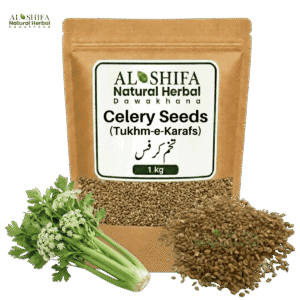
تخم کرفس
Price range: ₨ 300 through ₨ 2,500
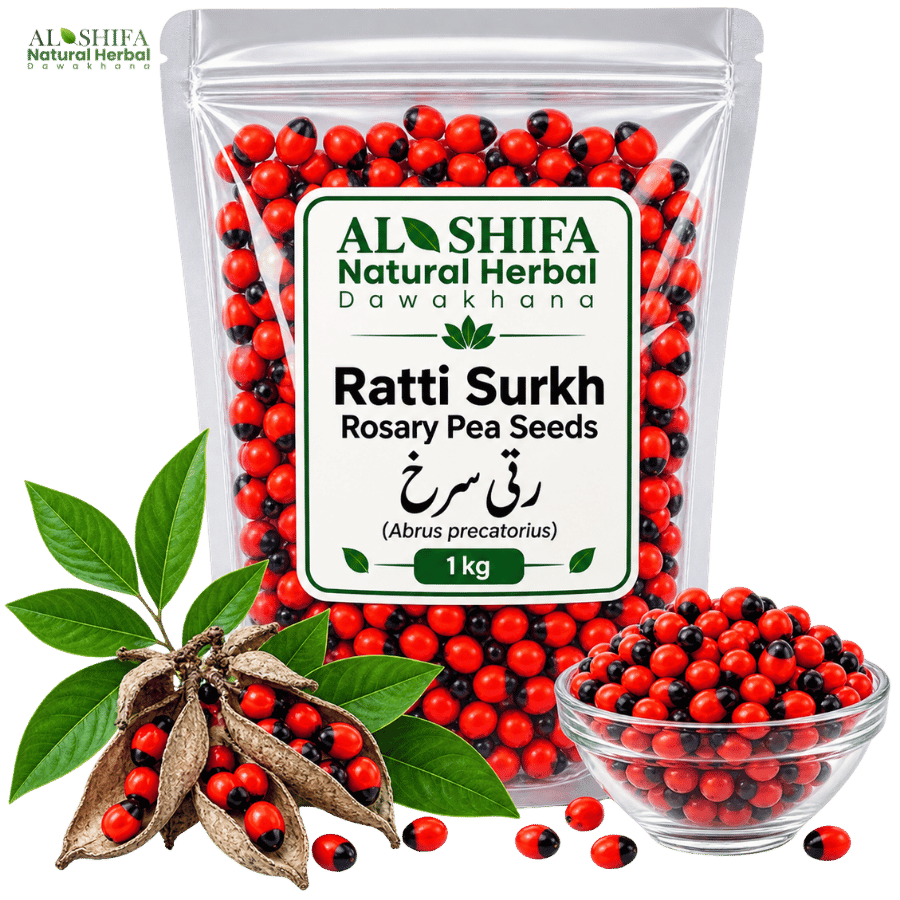
Ratti Surkh (Lal Ratti / Rosary Pea Seeds) refers to the distinctive red-and-black seeds of Abrus precatorius L. These seeds have historical importance in South Asia, particularly for their association with the traditional Ratti unit of weight and specialized botanical traditions.
Al Shifa Ratti Surkh is carefully selected for botanical identity, characteristic appearance, cleanliness, and responsible packaging.
Key Features:
Important Safety Warning: Ratti Surkh contains abrin, a highly toxic natural substance. Raw seeds are not suitable for unsupervised internal use or household remedies. Suspected ingestion or exposure to broken seed material requires urgent medical attention.
Ratti Surkh, also known as Lal Ratti, Abrus Seed, Rosary Pea Seeds, Jequirity Seeds, or Gunja, refers to the distinctive seeds of Abrus precatorius L., a climbing plant belonging to the Fabaceae family.
The seeds are famous for their striking appearance, typically displaying a bright red outer surface with a contrasting black marking. Because of their relatively uniform size and weight, Ratti seeds also have an important historical association with traditional systems of measurement in South Asia.
However, Ratti Surkh requires exceptional caution. Abrus precatorius seeds contain abrin, an extremely toxic natural protein. Damaged, crushed, chewed, powdered, or otherwise compromised seeds can present a serious poisoning risk if their contents enter the body.
For this reason, Al Shifa Natural Herbal Dawakhana presents Ratti Surkh primarily as a traditional raw botanical material requiring specialist handling, rather than as an ordinary edible herb or household remedy.
Ratti Surkh is the mature seed of Abrus precatorius L.
The plant is a slender climbing vine that produces pods containing hard, glossy seeds. The best-known variety has brilliant red seeds with a black area around one end.
The seeds are known by several traditional and common names, including:
Their attractive appearance has made them historically recognizable in traditional collections, ornaments, measurement systems, and specialized herbal traditions.
Ratti seeds have an unusual place in South Asian history.
Because individual seeds were considered relatively consistent in weight, they were historically associated with the ratti, a traditional unit used for weighing gemstones, precious materials, and certain other items.
This historical measurement association is separate from the medicinal traditions surrounding the plant.
Today, the seeds remain culturally recognizable because of their distinctive red-and-black appearance.
Abrus precatorius has been mentioned historically in several traditional systems.
However, its presence in historical herbal literature does not mean that raw Ratti seeds are safe for self-medication.
Traditional systems sometimes describe highly specialized processing procedures for toxic botanical materials. Such historical practices require expert knowledge and should not be recreated at home.
The raw seeds should therefore never be treated like ordinary edible seeds, spices, or herbal teas.
The most important fact about Ratti Surkh is that the seeds contain abrin, a highly toxic protein.
The hard outer seed coat may limit exposure while completely intact, but this does not make the seed safe for consumption.
The risk can increase significantly if a seed is:
Exposure to the inner seed material can result in serious poisoning.
Abrin is a naturally occurring toxic protein found in Abrus precatorius.
It interferes with essential cellular processes and can cause severe systemic toxicity.
Because of this toxicity, Ratti Surkh should not be promoted as a routine oral supplement, food ingredient, tea, powder, or household remedy.
There is no appropriate general household dosage of raw Rosary Pea Seeds that should be recommended for self-treatment.
Poisoning from Abrus seed material can be serious and requires urgent medical attention.
Possible symptoms may include:
Symptoms may not always appear immediately after exposure.
If a seed has been chewed, crushed, swallowed after damage, or there is any suspected exposure to its internal material, seek urgent professional medical care or poison-control guidance rather than waiting for symptoms to develop.
Do not attempt to induce vomiting unless specifically instructed by a medical professional.
Despite being sold alongside traditional botanical materials, Ratti Surkh must not be confused with edible seeds.
It is not suitable for:
Keep it completely separate from food ingredients, spices, edible seeds, and children’s products.
Some historical systems describe specialized purification or processing of Abrus material before particular traditional applications.
Such procedures involve a toxic raw material and should not be attempted at home.
Improper processing cannot be assumed to make the seeds safe.
Al Shifa therefore does not recommend household detoxification, grinding, preparation, dosing, or internal use of raw Ratti Surkh.
Ratti Surkh is particularly recognizable because of its distinctive appearance.
Typical mature seeds are:
Appearance alone, however, should not be used as the sole basis for identifying botanical material intended for specialized purposes.
Correct botanical identification remains important.
The word Ratti is historically associated with a traditional South Asian unit of mass.
The relative uniformity of these seeds contributed to their historical use when weighing precious stones and other valuable materials.
This makes Ratti Surkh interesting not only botanically but also from a historical and cultural perspective.
The modern standardized unit of weight should, of course, be used where accurate measurement is required.
Ratti Surkh should be handled more cautiously than ordinary dried herbs or seeds.
For safer storage and handling:
Damaged or broken seeds require particularly careful handling because their internal material may be exposed.
The attractive red-and-black appearance of Ratti Surkh can make the seeds particularly hazardous around children, who may mistake them for beads, sweets, or edible seeds.
They should therefore be stored in a secure location that children cannot access.
Pets should also be prevented from chewing or swallowing the seeds.
If accidental ingestion or chewing is suspected, seek urgent professional assistance.
Rosary Pea Seeds have historically been used in ornaments, necklaces, rosaries, and decorative objects.
This does not mean decorative use is risk-free.
Piercing or drilling seeds can damage the protective outer coat and expose internal material. For this reason, untrained handling, drilling, cutting, or modification of the seeds should be avoided.
Existing decorative objects containing these seeds should also be kept away from young children and pets.
For specialist botanical collections and legitimate traditional raw-material requirements, correct identity and responsible handling are particularly important.
At Al Shifa Natural Herbal Dawakhana, attention is given to:
Botanical Identity – Selection of the intended Abrus seed material.
Characteristic Appearance – Attention to the recognizable natural red-and-black appearance.
Cleanliness – Raw material is handled with attention to cleanliness.
Seed Condition – Preference for appropriately stored material.
Responsible Packaging – Packaging intended to keep the botanical material contained and protected.
Because this is a toxic botanical material, quality selection should never be interpreted as meaning that the raw seeds are safe to consume.
Al Shifa Natural Herbal Dawakhana, established in 1999, supplies a wide range of carefully selected traditional botanical materials across Pakistan.
For unusual materials such as Ratti Surkh, we believe correct identification and responsible product information are particularly important.
Customers searching for Ratti Surkh Pakistan, Lal Ratti, Abrus Seeds, Rosary Pea Seeds, Gunja Seeds, Ratti Surkh Lahore, Ratti Surkh price in Pakistan, or Abrus precatorius Seeds should understand that this product requires substantially greater caution than ordinary herbal seeds.
Store Ratti Surkh in a secure, dry, clearly labelled container away from food and ordinary herbal ingredients.
Keep the container tightly closed.
Protect the seeds from:
Do not transfer the seeds into an unlabelled container where they could be mistaken for edible material.
Ratti Surkh / Abrus precatorius Seeds are toxic and are not intended for unsupervised internal use.
Do not chew, crush, grind, powder, pierce, or consume raw seeds.
Do not prepare household teas, decoctions, supplements, or remedies from raw Ratti Surkh.
Keep away from children, pregnant or breastfeeding women, pets, and anyone who may accidentally mistake the seeds for food.
If accidental chewing, ingestion, or meaningful exposure to broken seed material is suspected, seek urgent medical attention or poison-control guidance immediately, even if symptoms have not yet appeared.
Ratti Surkh is a distinctive traditional botanical material recognized by its characteristic red-and-black seeds and historical association with South Asian herbal traditions and the traditional ratti unit of measurement.
When searching for Ratti Surkh Pakistan, Lal Ratti Pakistan, Abrus Seeds Pakistan, Rosary Pea Seeds Pakistan, Gunja Seeds, Ratti Surkh Lahore, Ratti Surkh price in Pakistan, or Abrus precatorius, correct identification and responsible handling should take priority over ordinary herbal-product considerations.
Al Shifa Natural Herbal Dawakhana supplies carefully identified Ratti Surkh – رتی سرخ for appropriate specialist botanical requirements, with clear emphasis on its toxic nature and necessary handling precautions.
Product Name: Ratti Surkh / Lal Ratti / Abrus Seed / Rosary Pea Seeds
English Name: Rosary Pea Seeds / Jequirity Seeds
Urdu Name: رتی سرخ
Roman Name: Ratti Surkh / Lal Ratti / Gunja
Scientific Name: Abrus precatorius L.
Family: Fabaceae
Product Type: Toxic Botanical Seed / Traditional Raw Material
Important Constituent: Abrin
Important Warning: Toxic — Not for unsupervised internal use
Suitable For: Appropriate specialist botanical requirements with responsible handling
رتی سرخ جسے لال رتی، گنجا اور رتی کے بیج بھی کہا جاتا ہے، ایک معروف نباتاتی بیج ہے جو اپنی منفرد چمکدار سرخ اور سیاہ رنگت کی وجہ سے آسانی سے پہچانا جاتا ہے۔ برصغیر میں یہ بیج تاریخی، ثقافتی اور بعض قدیم روایتی طریقوں کے حوالے سے معروف رہا ہے۔
رتی سرخ کے بیج ایک بیل نما پودے سے حاصل ہوتے ہیں۔ پختہ بیج عموماً چھوٹے، سخت، ہموار اور چمکدار ہوتے ہیں اور ان پر سرخ رنگ کے ساتھ ایک نمایاں سیاہ حصہ موجود ہوتا ہے۔
رتی سرخ ایک زہریلا نباتاتی بیج ہے اور اسے عام خوردنی بیج یا گھریلو جڑی بوٹی نہ سمجھا جائے۔
اس کے بیجوں میں قدرتی طور پر ایک انتہائی زہریلا لحمیاتی مادہ پایا جاتا ہے جو جسم میں داخل ہونے کی صورت میں شدید زہریلے اثرات پیدا کر سکتا ہے۔
خصوصاً بیج کو:
خطرناک ہو سکتا ہے۔
خام رتی سرخ کو کھانے، چائے یا جوشاندہ بنانے، سفوف تیار کرنے یا خود علاج کے لیے استعمال نہیں کرنا چاہیے۔
رتی سرخ ایک بیل نما نبات کے پختہ بیج ہیں۔
پودے پر پھلیاں بنتی ہیں جن کے اندر یہ سخت اور چمکدار بیج موجود ہوتے ہیں۔ ان کی سب سے نمایاں پہچان سرخ سطح پر موجود سیاہ نشان ہے۔
رتی سرخ مختلف علاقوں میں درج ذیل ناموں سے بھی معروف ہے:
مختلف مقامی ناموں کی وجہ سے خام نباتاتی مواد خریدتے وقت درست شناخت بہت اہم ہے۔
برصغیر کی تاریخ میں رتی کے بیج صرف نباتاتی استعمال کی وجہ سے ہی معروف نہیں رہے بلکہ ان کا تعلق ایک قدیم وزنی پیمانے سے بھی رہا ہے۔
ان بیجوں کے وزن میں نسبتاً یکسانیت کی وجہ سے ماضی میں انہیں قیمتی پتھروں، جواہرات اور بعض دوسری قیمتی اشیاء کے وزن کے لیے استعمال کیا جاتا تھا۔
اسی تاریخی پس منظر سے رتی بطور ایک روایتی وزنی پیمانہ معروف ہوا۔
یہ تاریخی استعمال اس بیج کے طبی یا غذائی استعمال سے الگ حیثیت رکھتا ہے۔
رتی سرخ کا ذکر بعض قدیم روایتی طریقہ ہائے صحت میں ملتا ہے۔
تاہم کسی نبات کا قدیم طبی کتابوں یا روایتی نسخہ جات میں ذکر ہونا اس بات کا ثبوت نہیں کہ اسے خام حالت میں گھر پر استعمال کرنا محفوظ ہے۔
قدیم طریقوں میں بعض زہریلے نباتاتی اجزاء کے لیے انتہائی مخصوص صفائی، تدبیر اور تیاری کے مراحل بیان کیے گئے ہیں۔
ایسے طریقے ماہرین کے مخصوص علم سے متعلق ہیں اور انہیں گھر پر آزمانا خطرناک ہو سکتا ہے۔
اسی لیے خام رتی سرخ کو عام جڑی بوٹی، مصالحہ یا خوردنی بیج کی طرح استعمال نہیں کرنا چاہیے۔
رتی سرخ کے اندرونی حصے میں ایک انتہائی طاقتور قدرتی زہریلا لحمیاتی مادہ پایا جاتا ہے۔
یہ مادہ جسم کے خلیات کے بنیادی افعال میں خلل ڈال سکتا ہے اور جسم میں داخل ہونے کی صورت میں شدید زہریلے اثرات پیدا کر سکتا ہے۔
بیج کا سخت بیرونی چھلکا اندرونی حصے کو ڈھانپتا ہے، لیکن اس کا مطلب یہ نہیں کہ مکمل بیج کھانے کے لیے محفوظ ہے۔
بیج کے ٹوٹنے، چبانے، کچلنے یا پیسنے کی صورت میں اندرونی زہریلا مواد ظاہر ہو سکتا ہے اور خطرہ بڑھ سکتا ہے۔
رتی سرخ کو عام بیجوں، خشک میوہ جات یا مصالحہ جات کے ساتھ رکھنا یا انہیں کھانے کے قابل سمجھنا خطرناک ہو سکتا ہے۔
یہ درج ذیل استعمالات کے لیے موزوں نہیں:
اسے ہمیشہ خوردنی بیجوں اور غذائی اجزاء سے الگ رکھنا چاہیے۔
رتی سرخ کے اندرونی مواد سے زہریلا اثر سنگین ہو سکتا ہے۔
ممکنہ علامات میں شامل ہو سکتے ہیں:
بعض صورتوں میں علامات ظاہر ہونے میں وقت بھی لگ سکتا ہے۔
اگر کسی شخص نے رتی سرخ کو چبایا ہو، ٹوٹا ہوا بیج نگل لیا ہو یا اس کے اندرونی مواد سے قابلِ ذکر واسطہ پڑا ہو تو علامات کا انتظار کیے بغیر فوری طبی مدد حاصل کریں۔
اپنی طرف سے قے کروانے کی کوشش نہ کریں جب تک مستند طبی ماہر اس کی ہدایت نہ دے۔
رتی سرخ کی خوبصورت سرخ اور سیاہ شکل بچوں کی توجہ اپنی جانب کھینچ سکتی ہے۔
چھوٹے بچے اسے رنگین دانہ، کھانے کی چیز یا کھیلنے کی چیز سمجھ سکتے ہیں۔
اسی وجہ سے رتی سرخ کو ہمیشہ:
محفوظ کرنا چاہیے۔
بچے کے منہ میں بیج جانے، چبانے یا نگلنے کا شبہ بھی ہو تو فوری طبی مدد حاصل کریں۔
رتی سرخ کو گھریلو جانوروں سے بھی محفوظ رکھنا ضروری ہے۔
جانور بیج کو چبا یا نگل سکتے ہیں جس سے زہریلے اثرات کا خطرہ پیدا ہو سکتا ہے۔
اسے جانوروں کی خوراک، پرندوں کے دانے یا دوسرے بیجوں کے قریب نہ رکھیں۔
حادثاتی طور پر جانور کے بیج کھانے یا چبانے کا شبہ ہو تو فوری طور پر متعلقہ ماہر سے رابطہ کریں۔
رتی سرخ کے خوبصورت رنگ کی وجہ سے تاریخی طور پر ان بیجوں کو بعض زیورات اور سجاوٹی اشیاء میں بھی استعمال کیا جاتا رہا ہے۔
تاہم بیج کو سوراخ کرنے، کاٹنے یا توڑنے سے اس کا اندرونی زہریلا حصہ ظاہر ہو سکتا ہے۔
اسی لیے بغیر تربیت کے رتی سرخ کو:
رتی کے بیجوں سے بنی سجاوٹی اشیاء کو بھی بچوں اور جانوروں کی پہنچ سے دور رکھنا چاہیے۔
بعض قدیم طریقہ ہائے صحت میں زہریلے نباتاتی اجزاء کے لیے مخصوص تدابیر بیان کی گئی ہیں۔
رتی سرخ کے حوالے سے بھی بعض روایتی طریقوں میں مخصوص تیاری کا تاریخی ذکر ملتا ہے۔
لیکن خام رتی سرخ ایک خطرناک نباتاتی مادہ ہے، اس لیے ایسی کسی تدبیر کو گھر پر آزمانا مناسب نہیں۔
غلط طریقے سے تیار کیا گیا مواد محفوظ تصور نہیں کیا جا سکتا۔
اسی وجہ سے الشفاء نیچرل ہربل دواخانہ خام رتی سرخ کو گھر پر صاف کرنے، زہریلا اثر ختم کرنے، پیسنے، مقدار مقرر کرنے یا اندرونی استعمال کے طریقے فراہم نہیں کرتا۔
رتی سرخ کے پختہ بیج عموماً اپنی منفرد شکل کی وجہ سے پہچانے جاتے ہیں۔
عام خصوصیات میں شامل ہیں:
تاہم صرف ظاہری شکل کی بنیاد پر کسی نباتاتی مادے کی حتمی شناخت نہیں کرنی چاہیے۔
خصوصاً کسی زہریلے نباتاتی مادے کے معاملے میں درست شناخت بہت اہم ہے۔
رتی سرخ جیسے زہریلے خام نباتاتی مواد کے لیے درست شناخت عام جڑی بوٹیوں کی نسبت زیادہ اہم ہو جاتی ہے۔
غلط شناخت یا کسی دوسرے بیج کے ساتھ ملاوٹ نقصان دہ ثابت ہو سکتی ہے۔
اس لیے انتخاب کے دوران درج ذیل امور اہم ہیں:
الشفاء نیچرل ہربل دواخانہ میں رتی سرخ کے انتخاب اور پیکنگ کے دوران ذمہ دارانہ طریقۂ کار کو اہمیت دی جاتی ہے۔
اصل شناخت: مطلوبہ نباتاتی بیج کی شناخت پر توجہ۔
قدرتی ظاہری حالت: مخصوص سرخ اور سیاہ رنگ، ساخت اور مجموعی کیفیت کا جائزہ۔
صفائی: غیر ضروری بیرونی مواد کو کم سے کم رکھنے پر توجہ۔
بیجوں کی حالت: مناسب طور پر محفوظ خام مواد کے انتخاب کو ترجیح۔
محفوظ پیکنگ: بیجوں کو محدود اور محفوظ رکھنے کے لیے مناسب پیکنگ۔
یہ بات واضح رہنی چاہیے کہ کسی خام مال کا صاف، خالص یا معیاری ہونا اس زہریلے بیج کو کھانے کے لیے محفوظ نہیں بناتا۔
الشفاء نیچرل ہربل دواخانہ سنہ ۱۹۹۹ سے مختلف جڑی بوٹیوں، بیجوں، جڑوں، خشک پھلوں، مصالحہ جات، روغنی اجزاء اور روایتی خام مواد کی فراہمی سے وابستہ ہے۔
رتی سرخ جیسے غیر معمولی اور زہریلے نباتاتی مواد کے معاملے میں ہم اصل شناخت، ذمہ دارانہ معلومات، مناسب پیکنگ اور واضح حفاظتی ہدایات کو خاص اہمیت دیتے ہیں۔
رتی سرخ کو عام خوردنی جڑی بوٹی یا گھریلو علاج کے طور پر فروغ نہیں دیا جانا چاہیے۔
رتی سرخ کو عام خشک جڑی بوٹیوں کے مقابلے میں زیادہ احتیاط سے سنبھالنا چاہیے۔
حفاظتی طور پر:
خصوصاً ٹوٹے ہوئے یا خراب بیجوں کو زیادہ احتیاط سے سنبھالنا ضروری ہے۔
رتی سرخ کو خشک، محفوظ اور واضح شناخت والے مضبوطی سے بند برتن میں رکھیں۔
اسے کھانے، مصالحہ جات، ادویات، خوردنی بیجوں اور دوسری عام گھریلو اشیاء سے الگ رکھیں۔
برتن ایسی جگہ ہونا چاہیے جہاں بچے اور جانور کسی صورت رسائی حاصل نہ کر سکیں۔
بیجوں کو نمی، ٹوٹ پھوٹ، غیر ضروری رگڑ اور حادثاتی استعمال سے محفوظ رکھیں۔
انہیں کبھی ایسے بے نام برتن میں منتقل نہ کریں جہاں کوئی دوسرا شخص انہیں خوردنی بیج سمجھ سکتا ہو۔
رتی سرخ زہریلا نباتاتی بیج ہے اور بغیر ماہر نگرانی کے اندرونی استعمال کے لیے موزوں نہیں۔
خام بیج کو:
اگر کسی شخص نے بیج چبا لیا ہو، ٹوٹا ہوا بیج نگل لیا ہو یا اس کے اندرونی مواد سے قابلِ ذکر واسطہ پڑا ہو تو فوری طبی مدد حاصل کریں، چاہے اس وقت کوئی علامت ظاہر نہ ہو رہی ہو۔
اپنی طرف سے قے کروانے یا کسی گھریلو تدبیر سے زہریلا اثر ختم کرنے کی کوشش نہ کریں۔
اگر آپ رتی سرخ پاکستان، لال رتی پاکستان، رتی سرخ لاہور، رتی سرخ کی قیمت پاکستان، رتی کے بیج، گنجا بیج، خالص رتی سرخ یا اصل رتی سرخ تلاش کر رہے ہیں تو اس نباتاتی مواد کی اصل شناخت اور ذمہ دارانہ حفاظت کو بنیادی اہمیت دینی چاہیے۔
رتی سرخ اپنی منفرد سرخ اور سیاہ ظاہری شکل، تاریخی وزنی پیمانے سے تعلق اور قدیم نباتاتی روایات کی وجہ سے معروف ہے، لیکن اس کی زہریلی نوعیت کو کبھی نظر انداز نہیں کرنا چاہیے۔
الشفاء نیچرل ہربل دواخانہ مناسب خصوصی نباتاتی ضروریات کے لیے احتیاط سے شناخت کردہ رتی سرخ / لال رتی فراہم کرتا ہے، جس کے ساتھ محفوظ ذخیرے اور ذمہ دارانہ استعمال کی اہمیت بنیادی حیثیت رکھتی ہے۔
نام: رتی سرخ / لال رتی
معروف نام: رتی / گنجا
قسم: زہریلا نباتاتی بیج / روایتی خام مواد
مستعمل حصہ: بیج
اہم خصوصیت: نمایاں سرخ اور سیاہ رنگت
تاریخی اہمیت: روایتی وزنی پیمانے اور قدیم نباتاتی روایات سے وابستگی
اہم انتباہ: زہریلا — بغیر ماہر نگرانی کے اندرونی استعمال کے لیے موزوں نہیں