مغز فندق / ہیزل نٹ
Price range: ₨ 700 through ₨ 11,000
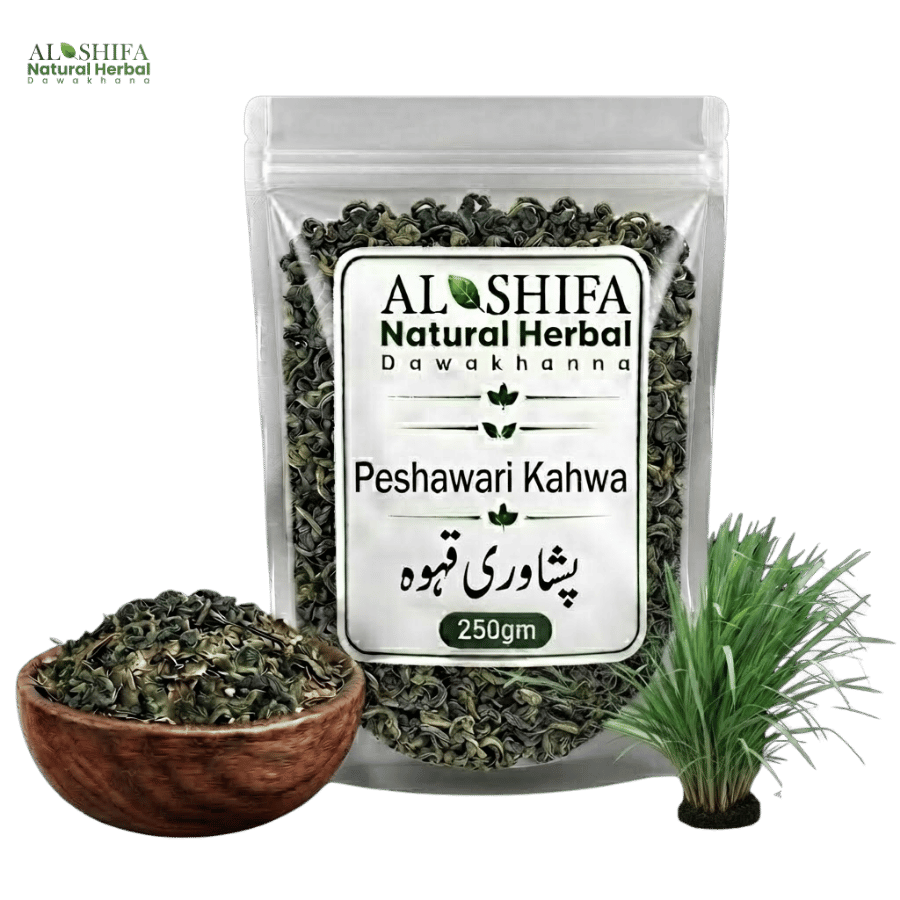
Peshawari Kahwa / Peshawari Qahwa is a traditional aromatic tea beverage associated with Peshawari hospitality and tea culture, valued for its light, refreshing taste and pleasant natural aroma.
How to Use: Add an appropriate quantity to hot water, allow it to infuse according to the product directions, strain and serve warm.
Storage: Keep tightly sealed in a cool, dry place away from sunlight, heat, moisture, and strong odors.
Important Note: If the blend contains green tea, it naturally contains caffeine. Avoid excessive or very strong consumption if sensitive to caffeine.
Peshawari Kahwa / Peshawari Qahwa – پشاوری قہوہ is a traditional aromatic tea beverage associated with Peshawar and the wider Pashtun tea culture of Pakistan. It is appreciated for its light character, refreshing aroma, warm serving style, and its place in hospitality, family gatherings, social occasions, and everyday tea traditions.
Unlike ordinary milk tea, Peshawari Kahwa is generally prepared as a light, milk-free infusion. Depending on the recipe or commercial formulation, it may be made with green tea leaves and selected aromatic ingredients such as cardamom or other traditional flavoring botanicals. Recipes vary between households, tea shops, regions, and manufacturers, so the exact ingredient list of a particular product should always be used for botanical and nutritional claims.
When genuine green tea leaves are included, the primary tea botanical is Camellia sinensis (L.) Kuntze, belonging to the Theaceae family.
Quality Peshawari Kahwa combines carefully selected tea and aromatic ingredients to create a pleasant traditional infusion with a distinctive fragrance and light drinking character.
Product Name: Peshawari Kahwa
Urdu Name: پشاوری قہوہ
Roman Name: Peshawari Kahwa / Peshawari Qahwa
Alternative English Names: Peshawar Kahwa / Peshawari Green Tea / Peshawari Tea
Product Type: Traditional Tea Infusion / Aromatic Kahwa
Product Category: Tea / Traditional Beverage / Botanical Infusion
Form: Dried Tea or Tea-Based Blend
Primary Botanical Source: Green Tea, when included in the formulation
Botanical Name of Green Tea: Camellia sinensis (L.) Kuntze
Family: Theaceae
Plant Part: Leaves and leaf buds
Additional Ingredients: Depend on formulation and may include cardamom or other aromatic botanicals.
Peshawari Kahwa is a traditional hot beverage closely associated with the tea-drinking culture of Peshawar and surrounding regions.
It is generally lighter than conventional milk tea and is valued for its delicate tea character and aromatic profile.
Rather than relying on milk for richness, the beverage develops its character from the infusion of tea leaves and, depending on the recipe, selected aromatic ingredients.
Its exact taste can range from:
depending on the ingredients and preparation method.
Tea is more than simply a beverage in many communities. It is closely connected with hospitality, conversation, social gatherings, and welcoming guests.
Peshawari Kahwa represents this tradition particularly well.
A warm cup may be served:
Its significance is therefore both culinary and cultural.
Peshawar has a distinctive tea-house and hospitality culture where hot tea and kahwa are commonly enjoyed during conversation and social interaction.
Recipes are not necessarily identical everywhere.
One household may prefer a simple tea infusion, while another may add aromatic ingredients to create a stronger fragrance.
Commercial Peshawari Kahwa blends can also vary considerably.
For this reason, there is no need to treat every Peshawari Kahwa formulation as chemically or botanically identical.
One of the most obvious differences between Peshawari Kahwa and conventional Pakistani milk tea is the preparation style.
Traditionally tends to be:
Usually contains:
and generally has a richer, heavier texture.
Both are traditional beverages, but their preparation and sensory profiles are substantially different.
Where Peshawari Kahwa is prepared with genuine green tea, the tea leaves come from Camellia sinensis.
Green tea differs from black tea mainly because of the way harvested tea leaves are processed.
During green tea production, extensive enzymatic oxidation is limited relatively early in processing. This helps preserve the characteristic green-tea sensory and chemical profile.
Green tea naturally contains several compounds, including:
The exact amounts depend on tea variety, growing conditions, processing, storage, and brewing method.
Green tea is particularly known for naturally occurring compounds called catechins.
These may include:
These compounds belong to the broader group of tea polyphenols.
Their concentration in a prepared cup depends on factors including the amount of tea, water temperature, brewing duration, leaf quality, and processing.
Green tea polyphenols have been extensively studied for their antioxidant properties.
Certain tea compounds can demonstrate antioxidant activity in laboratory systems.
However, antioxidant activity should not be interpreted as proof that a cup of Peshawari Kahwa can prevent or cure disease.
The effects of dietary compounds in humans depend on digestion, absorption, metabolism, dose, overall diet, and many other factors.
Peshawari Kahwa is therefore better presented as a traditional tea beverage rather than a medical treatment.
If Peshawari Kahwa contains genuine green tea leaves, it naturally contains some caffeine.
The amount in a prepared cup can vary depending on:
Green tea is therefore not naturally caffeine-free.
A weak infusion may contain less caffeine than a stronger preparation, but exact values should not be stated without product-specific analysis.
Tea leaves naturally contain the amino-acid-related compound L-theanine.
It is one of the naturally occurring constituents associated with tea’s characteristic composition.
Its exact concentration varies between teas and can be affected by cultivar, growing conditions, harvest, processing, and preparation.
The presence of L-theanine should not be used to claim that Peshawari Kahwa treats anxiety, stress disorders, insomnia, or other medical conditions.
Cardamom is commonly associated with many South Asian tea and kahwa preparations.
When included in Peshawari Kahwa, it can provide a:
character.
Other aromatic ingredients may also be used depending on the traditional or commercial recipe.
Because formulations vary, an ingredient should only be listed as part of a particular product when it is actually present.
Because Peshawari Kahwa is generally prepared without milk, it provides a different drinking experience from conventional milk tea.
When consumed without large amounts of sugar, it can also be a relatively simple beverage.
However, its final nutritional profile depends on what is added to the cup.
Adding substantial amounts of:
increases the amount of sugars and energy in the finished beverage.
The presence of green tea does not cancel the nutritional impact of excessive added sugar.
Kahwa is commonly enjoyed after meals in various regional traditions.
Its warm temperature, aromatic character, and light profile can make it a pleasant post-meal beverage.
However, this traditional use should not be converted into claims that Peshawari Kahwa:
It is more accurately described as a traditional after-meal beverage.
Because Peshawari Kahwa is primarily prepared with water, it contributes to overall fluid intake.
Moderate consumption of ordinary caffeinated tea can still contribute to hydration for most accustomed adults.
However, Peshawari Kahwa is not a treatment for serious dehydration.
Severe dehydration caused by illness, vomiting, diarrhea, heat exposure, or other conditions may require appropriate fluid and electrolyte replacement.
Green tea is frequently marketed for weight loss and fat burning.
Research has investigated green tea, caffeine, and concentrated tea extracts in relation to energy expenditure and body weight. However, effects found in research are generally not sufficient to treat ordinary tea as a weight-loss medicine.
Peshawari Kahwa should therefore not be marketed as:
If an unsweetened cup replaces a high-sugar or high-calorie beverage, that substitution may fit into an overall balanced dietary approach. This is different from claiming that the tea itself burns body fat.
This distinction is important when interpreting research.
A cup of Peshawari Kahwa made with green tea contains compounds extracted into water during normal brewing.
An extract can contain much higher concentrations of selected tea compounds than an ordinary cup.
Research or safety concerns involving concentrated extracts should not automatically be treated as equivalent to ordinary tea consumption.
Likewise, findings from concentrated extracts should not be used to exaggerate the benefits of a normal cup of kahwa.
Peshawari Kahwa is sometimes described informally as a cleansing or detoxifying beverage.
However, it should not be claimed to:
The body already has physiological systems responsible for processing and eliminating waste.
Peshawari Kahwa is better described as a refreshing traditional beverage.
Green tea has been investigated in nutritional and metabolic research.
However, Peshawari Kahwa should not be claimed to:
The amount of sugar or honey added to the beverage is also important for people monitoring carbohydrate intake.
Tea consumption has been studied extensively in relation to cardiovascular health.
Nevertheless, Peshawari Kahwa should not be presented as a medicine for:
Overall cardiovascular health depends on numerous dietary, lifestyle, genetic, and medical factors.
People differ considerably in their response to caffeine.
If Peshawari Kahwa contains green tea, excessive consumption may cause symptoms in caffeine-sensitive individuals such as:
People who are highly sensitive to caffeine may prefer a weaker preparation or smaller serving.
Peshawari Kahwa can be enjoyed at different times according to personal preference.
It is commonly suitable:
If the blend contains caffeine and caffeine affects your sleep, avoid strong preparations close to bedtime.
Tea naturally contains polyphenolic compounds that can reduce the absorption of non-heme iron from plant-based foods when consumed at the same time as meals.
For most people with a balanced diet this may not be a major concern.
However, individuals with iron deficiency or those advised to maximize iron absorption may benefit from separating tea consumption from iron-rich meals or supplements according to professional guidance.
If Peshawari Kahwa contains green tea, it contributes to total daily caffeine intake.
During pregnancy and breastfeeding, caffeine from all sources should be considered, including:
Pregnant or breastfeeding individuals should follow appropriate guidance regarding total caffeine intake.
The presence of additional herbs or spices should also be considered separately if the product is a multi-ingredient blend.
Strong caffeinated tea is not generally an ideal routine beverage for young children.
Children can be more sensitive to caffeine relative to their body size.
Peshawari Kahwa intended for adults should therefore not automatically be considered appropriate for children, particularly when prepared strongly or when additional stimulating ingredients are present.
Peshawari Kahwa is generally prepared as a hot water infusion.
A typical preparation involves adding an appropriate quantity of the tea blend to hot water and allowing the flavors and aromatic constituents to infuse.
Depending on the recipe, cardamom or other traditional aromatic ingredients may be included.
The finished beverage can then be strained and served warm.
Exact quantities should follow the directions provided with the specific product because blend strength can vary.
Green tea can become increasingly bitter and astringent when exposed to very high temperatures for prolonged periods.
Where the formulation is primarily green tea based, controlled infusion rather than unnecessarily prolonged boiling can help preserve a more balanced flavor.
However, some traditional recipes may use gentle simmering depending on the additional ingredients.
The appropriate preparation method should therefore match the actual blend.
The strength of Peshawari Kahwa depends on:
A stronger infusion is not automatically healthier.
It may simply provide a more intense flavor and potentially more caffeine and other extracted compounds.
Moderate preparation according to product directions is preferable.
Tea and spices are agricultural products, so natural differences can occur between batches.
Variation may be influenced by:
Reasonable differences in color, aroma, and particle size are therefore natural.
Quality Peshawari Kahwa should be prepared from clean and appropriately identified ingredients.
Important quality considerations include:
Additional aromatic ingredients should also be clean, appropriately dried, and suitable for food use.
Because Peshawari Kahwa is consumed as a beverage, proper handling is important.
Recommended practices include:
To maintain aroma and freshness:
Tea leaves and aromatic ingredients can absorb moisture and external odors, which can negatively affect quality.
Do not use the product if you notice:
Properly stored dry tea should maintain a clean and characteristic aroma.
Peshawari Kahwa – پشاوری قہوہ offers a traditional tea experience inspired by the hospitality and tea culture associated with Peshawar.
Product Name: Peshawari Kahwa
Urdu Name: پشاوری قہوہ
Roman Name: Peshawari Kahwa
Alternative Names: Peshawari Qahwa / Peshawar Kahwa / Peshawari Green Tea
Product Type: Traditional Aromatic Tea Infusion
Product Category: Tea / Traditional Beverage / Botanical Infusion
Form: Dried Tea-Based Blend
Primary Botanical Source: Green Tea, when included
Scientific Name: Camellia sinensis (L.) Kuntze, when genuine green tea is the primary ingredient
Family: Theaceae
Plant Part: Leaves and leaf buds
Additional Botanicals: Depend on formulation and may include cardamom and other traditional aromatic ingredients
Naturally Occurring Tea Constituents: Catechins, other polyphenols, caffeine, L-theanine, tannins, amino acids, aromatic compounds, minerals, and other naturally occurring plant constituents
Caffeine: Naturally present when genuine green tea is included; exact amount depends on formulation and preparation
Common Use: Preparation of traditional Peshawari-style hot kahwa
Storage: Keep tightly closed in a cool, dry place protected from sunlight, heat, humidity, insects, contamination, and strong odors.
Peshawari Kahwa / Peshawari Qahwa – پشاوری قہوہ is a traditional aromatic beverage valued for its light character, warm serving style, and connection with Peshawari hospitality and tea culture.
When prepared with genuine green tea, it naturally provides tea compounds such as catechins, polyphenols, caffeine, L-theanine, tannins, and other botanical constituents. Additional ingredients such as cardamom can contribute their own distinctive aroma and flavor when included in the formulation.
It can be enjoyed with guests, after meals, during social gatherings, or simply as a lighter alternative to conventional milk tea.
Important Safety Note: Peshawari Kahwa is a traditional beverage, not a medicine. If the formulation contains green tea, it naturally contains caffeine. Avoid excessive consumption if sensitive to caffeine or if it affects sleep. Pregnant or breastfeeding individuals should consider total caffeine intake from all sources. The exact botanical composition and safety profile depend on the actual ingredients in the blend. It should not be promoted as a guaranteed weight-loss, fat-burning, detoxifying, diabetes-treatment, cholesterol-treatment, or blood-pressure-treatment product.
پشاوری قہوہ ایک روایتی، خوشبودار اور ہلکا گرم مشروب ہے جو خصوصاً پشاور اور پشتون ثقافت میں مہمان نوازی، گھریلو محفلوں، سماجی ملاقاتوں اور روزمرہ چائے کے معمول سے گہرا تعلق رکھتا ہے۔ اسے عام دودھ والی چائے کے برعکس عموماً پانی میں تیار کیا جاتا ہے اور اس میں دودھ شامل نہیں کیا جاتا۔
اس کی مختلف روایتی اور تجارتی ترکیبوں میں سبز چائے کے پتے اور خوشبودار اجزاء شامل کیے جا سکتے ہیں۔ الائچی اس قسم کے قہوے میں استعمال ہونے والے معروف خوشبودار اجزاء میں سے ایک ہے، تاہم ترکیب گھر، علاقے اور تیار کرنے والے کے مطابق مختلف ہو سکتی ہے۔
اگر پشاوری قہوہ میں حقیقی سبز چائے استعمال کی گئی ہو تو اس کا بنیادی نباتاتی ماخذ کیمیلیا سائنینسس ہوتا ہے، جو تھیاسی نباتاتی خاندان سے تعلق رکھتا ہے۔
نام: پشاوری قہوہ
متبادل نام: پشاور قہوہ، پشاوری سبز چائے، روایتی پشاوری قہوہ
قسم: روایتی خوشبودار چائے کا قہوہ
مصنوعات کی درجہ بندی: چائے، روایتی مشروب، نباتاتی قہوہ
شکل: خشک چائے یا چائے پر مبنی نباتاتی آمیزہ
بنیادی نباتاتی ماخذ: سبز چائے، اگر ترکیب میں شامل ہو
نباتاتی نام: کیمیلیا سائنینسس
نباتاتی خاندان: تھیاسی
استعمال ہونے والا حصہ: پتے اور نرم پتیوں کی کونپلیں
اضافی اجزاء: ترکیب کے مطابق الائچی یا دوسرے مناسب خوشبودار نباتاتی اجزاء شامل ہو سکتے ہیں۔
پشاوری قہوہ پشاور اور اس کے گرد و نواح کی روایتی چائے کی ثقافت سے وابستہ ایک گرم مشروب ہے۔
یہ عام دودھ والی چائے کے مقابلے میں نسبتاً ہلکا ہوتا ہے اور اس کی خاص پہچان اس کی خوشبو، تازگی اور سادہ اندازِ تیاری ہے۔
اس کی مختلف ترکیبوں کے مطابق ذائقہ:
ہو سکتا ہے۔
اصل ذائقہ اور مہک چائے کی قسم، اضافی اجزاء، پانی کی مقدار اور تیاری کے دورانیے پر منحصر ہوتے ہیں۔
پشاور اور پشتون معاشرت میں چائے اور قہوہ صرف پیاس بجھانے والے مشروبات نہیں بلکہ مہمان نوازی اور سماجی تعلقات کا اہم حصہ بھی ہیں۔
روایتی طور پر قہوہ:
پیش کیا جا سکتا ہے۔
اسی لیے پشاوری قہوہ کی اہمیت صرف اس کے ذائقے تک محدود نہیں بلکہ اس کا ایک مضبوط ثقافتی اور روایتی پہلو بھی ہے۔
پشاور میں چائے خانوں اور قہوے کی ایک قدیم سماجی روایت پائی جاتی ہے جہاں لوگ گرم مشروبات کے ساتھ گفتگو اور ملاقات سے لطف اندوز ہوتے ہیں۔
پشاوری قہوے کی ہر ترکیب ایک جیسی ہونا ضروری نہیں۔
کچھ لوگ اسے نسبتاً سادہ رکھتے ہیں جبکہ بعض ترکیبوں میں خوشبو بڑھانے کے لیے الائچی یا دوسرے مناسب نباتاتی اجزاء شامل کیے جاتے ہیں۔
اسی طرح تجارتی طور پر تیار پشاوری قہوے کے آمیزوں میں بھی فرق ہو سکتا ہے۔
اس لیے ہر پشاوری قہوے کو ایک ہی نباتاتی یا کیمیائی ترکیب کا حامل نہیں سمجھنا چاہیے۔
پشاوری قہوہ اور عام پاکستانی دودھ والی چائے میں نمایاں فرق موجود ہے۔
روایتی طور پر یہ:
اس میں عموماً:
شامل کیا جاتا ہے اور اس کی ساخت نسبتاً گاڑھی اور بھرپور ہوتی ہے۔
دونوں اپنی جگہ روایتی مشروبات ہیں، لیکن ان کا ذائقہ اور تیاری کا انداز مختلف ہے۔
اگر پشاوری قہوہ حقیقی سبز چائے سے تیار کیا گیا ہو تو اس کے پتے کیمیلیا سائنینسس نامی چائے کے پودے سے حاصل ہوتے ہیں۔
سبز چائے کی تیاری میں پتوں کے اندر ہونے والی قدرتی تکسیدی تبدیلی کو ابتدائی مرحلے میں محدود کیا جاتا ہے۔
اس عمل کی وجہ سے سبز چائے اپنی مخصوص:
کو برقرار رکھتی ہے۔
حقیقی سبز چائے کے پتوں میں قدرتی طور پر مختلف نباتاتی مرکبات پائے جاتے ہیں۔
ان میں شامل ہو سکتے ہیں:
ان کی مقدار چائے کی قسم، کاشت، فصل، پتوں کی عمر، تیاری، ذخیرہ اور قہوہ بنانے کے طریقے کے مطابق مختلف ہو سکتی ہے۔
سبز چائے میں پائے جانے والے اہم قدرتی پولی فینولز میں کیٹیچنز شامل ہیں۔
ان میں مختلف مرکبات شامل ہو سکتے ہیں، مثلاً:
تیار شدہ قہوے میں ان مرکبات کی مقدار کئی عوامل سے متاثر ہوتی ہے، جن میں چائے کی مقدار، پانی کا درجہ حرارت اور قہوہ تیار کرنے کا دورانیہ شامل ہیں۔
سبز چائے کے پولی فینولز اور کیٹیچنز پر ضدِ تکسیدی خصوصیات کے حوالے سے کافی تحقیق کی گئی ہے۔
بعض مرکبات تجربہ گاہی حالات میں ضدِ تکسیدی سرگرمی دکھا سکتے ہیں۔
تاہم اس کا یہ مطلب نہیں کہ پشاوری قہوہ انسانی جسم میں کسی بیماری کو یقینی طور پر روکنے یا علاج کرنے کی صلاحیت رکھتا ہے۔
انسانی جسم میں غذائی مرکبات کے اثرات:
سمیت کئی عوامل پر منحصر ہوتے ہیں۔
اس لیے پشاوری قہوے کو روایتی غذائی مشروب کے طور پر بیان کرنا زیادہ مناسب ہے۔
اگر پشاوری قہوے میں حقیقی سبز چائے شامل ہو تو اس میں قدرتی طور پر کیفین موجود ہوتی ہے۔
ایک کپ میں کیفین کی مقدار درج ذیل عوامل کے مطابق مختلف ہو سکتی ہے:
اسی لیے سبز چائے سے تیار پشاوری قہوے کو قدرتی طور پر کیفین سے پاک نہیں سمجھنا چاہیے۔
درست مقدار صرف مخصوص مصنوعات کی مناسب جانچ سے معلوم کی جا سکتی ہے۔
چائے کے پتوں میں قدرتی طور پر ایل تھیانین نامی ایک امینو تیزاب سے متعلق مرکب بھی پایا جاتا ہے۔
یہ چائے کی قدرتی ساخت کا حصہ ہے۔
اس کی مقدار چائے کی قسم، کاشت، فصل، تیاری اور قہوہ بنانے کے طریقے کے مطابق مختلف ہو سکتی ہے۔
ایل تھیانین کی موجودگی کی بنیاد پر پشاوری قہوے کو بے چینی، ذہنی دباؤ، نیند کی خرابی یا کسی دوسری بیماری کا علاج قرار نہیں دینا چاہیے۔
الائچی برصغیر میں قہوے اور چائے کی مختلف روایتی تیاریوں میں استعمال ہونے والا معروف خوشبودار جزو ہے۔
اگر پشاوری قہوے میں الائچی شامل ہو تو یہ مشروب کو:
فراہم کر سکتی ہے۔
ترکیب کے مطابق دیگر خوشبودار اجزاء بھی شامل کیے جا سکتے ہیں۔
تاہم کسی جزو کو مصنوعات کا حصہ صرف اسی صورت میں بیان کرنا چاہیے جب وہ حقیقتاً اس ترکیب میں موجود ہو۔
چونکہ پشاوری قہوہ عموماً دودھ کے بغیر تیار کیا جاتا ہے، اس لیے یہ عام دودھ والی چائے سے مختلف اور نسبتاً ہلکا مشروب فراہم کرتا ہے۔
اگر اسے بہت زیادہ چینی کے بغیر استعمال کیا جائے تو یہ روزمرہ مشروبات میں ایک سادہ انتخاب ہو سکتا ہے۔
تاہم اگر اس میں بڑی مقدار میں:
شامل کیے جائیں تو تیار مشروب میں شکر اور حراروں کی مقدار بڑھ جائے گی۔
سبز چائے کی موجودگی اضافی چینی کے غذائی اثرات کو ختم نہیں کرتی۔
مختلف علاقوں میں قہوہ کھانے کے بعد استعمال کرنے کی روایت موجود ہے۔
اس کی گرم، ہلکی اور خوشبودار کیفیت کھانے کے بعد خوشگوار محسوس ہو سکتی ہے۔
تاہم اس روایتی استعمال کو بنیاد بنا کر یہ دعویٰ نہیں کرنا چاہیے کہ پشاوری قہوہ:
اسے روایتی طور پر کھانے کے بعد استعمال ہونے والے مشروب کے طور پر بیان کرنا زیادہ درست ہے۔
پشاوری قہوہ بنیادی طور پر پانی سے تیار کیا جاتا ہے، اس لیے مناسب مقدار میں اس کا استعمال روزانہ پانی کے مجموعی استعمال میں حصہ ڈال سکتا ہے۔
تاہم اسے شدید پانی کی کمی کا علاج نہیں سمجھنا چاہیے۔
بیماری، شدید قے، اسہال یا بہت زیادہ گرمی کی وجہ سے ہونے والی پانی کی کمی میں مناسب پانی اور نمکیات کی ضرورت ہو سکتی ہے۔
سبز چائے کو اکثر وزن کم کرنے یا چربی جلانے والی مصنوعات کے طور پر پیش کیا جاتا ہے۔
سبز چائے، کیفین اور مرتکز سبز چائے کے عصاروں پر جسمانی وزن اور توانائی کے استعمال کے حوالے سے تحقیق موجود ہے، لیکن عام قہوے کو وزن کم کرنے کی دوا قرار دینا درست نہیں۔
پشاوری قہوے کو:
قرار نہیں دینا چاہیے۔
اگر بغیر چینی پشاوری قہوہ کسی بہت زیادہ میٹھے یا زیادہ حراروں والے مشروب کی جگہ استعمال کیا جائے تو یہ متوازن غذائی معمول کا حصہ بن سکتا ہے۔
یہ بات اس دعوے سے مختلف ہے کہ قہوہ خود جسمانی چربی جلاتا ہے۔
تحقیقی معلومات سمجھنے کے لیے یہ فرق اہم ہے۔
عام قہوے میں چائے کے وہ قدرتی اجزاء شامل ہوتے ہیں جو معمول کے طریقے سے گرم پانی میں منتقل ہوتے ہیں۔
مرتکز عصارے میں بعض قدرتی مرکبات کی مقدار عام ایک کپ قہوے کے مقابلے میں کہیں زیادہ ہو سکتی ہے۔
اسی لیے مرتکز عصارے پر ہونے والی تحقیق یا اس سے متعلق احتیاط کو عام ایک کپ قہوے پر براہِ راست لاگو نہیں کرنا چاہیے۔
اسی طرح مرتکز عصارے کے تحقیقی نتائج کو عام قہوے کے غیر معمولی فوائد ثابت کرنے کے لیے استعمال کرنا بھی درست نہیں۔
پشاوری قہوے کو بعض اوقات جسم کی صفائی سے جوڑ دیا جاتا ہے۔
تاہم اسے:
والی مصنوعات قرار نہیں دینا چاہیے۔
انسانی جسم میں جگر، گردے، نظامِ ہاضمہ اور دیگر اعضا قدرتی طور پر فاضل مادوں کو سنبھالنے اور خارج کرنے میں کردار ادا کرتے ہیں۔
پشاوری قہوہ ایک روایتی گرم مشروب ہے، طبی صفائی کی دوا نہیں۔
سبز چائے اور اس کے مختلف قدرتی مرکبات پر غذائی تحقیق موجود ہے۔
اس کے باوجود پشاوری قہوے کو:
قرار نہیں دینا چاہیے۔
خون میں شکر کی نگرانی کرنے والے افراد کے لیے قہوے میں شامل کی جانے والی چینی یا شہد کی مقدار بھی اہم ہے۔
چائے کے استعمال اور دل کی عمومی صحت کے مختلف پہلوؤں پر تحقیق موجود ہے۔
تاہم پشاوری قہوے کو:
قرار دینا مناسب نہیں۔
دل کی صحت پر غذا، جسمانی سرگرمی، موروثی عوامل، تمباکو نوشی، جسمانی وزن، ادویات اور دیگر کئی عوامل اثر انداز ہوتے ہیں۔
ہر شخص کا کیفین کے لیے ردِعمل ایک جیسا نہیں ہوتا۔
اگر پشاوری قہوے میں سبز چائے موجود ہو تو ضرورت سے زیادہ استعمال یا حساسیت کی صورت میں بعض افراد کو:
ہو سکتی ہے۔
کیفین سے زیادہ حساس افراد ہلکا قہوہ یا کم مقدار استعمال کرنا پسند کر سکتے ہیں۔
پشاوری قہوہ ذاتی پسند کے مطابق دن کے مختلف اوقات میں استعمال کیا جا سکتا ہے۔
اسے عموماً:
استعمال کیا جا سکتا ہے۔
اگر کیفین نیند پر اثر انداز کرتی ہو تو رات کے قریب بہت گاڑھا قہوہ استعمال کرنے سے گریز کرنا بہتر ہے۔
چائے میں قدرتی پولی فینول مرکبات موجود ہوتے ہیں جو کھانے کے ساتھ استعمال کیے جانے پر نباتاتی غذاؤں سے حاصل ہونے والے بعض اقسام کے فولاد کے جذب کو کم کر سکتے ہیں۔
متوازن غذا استعمال کرنے والے بہت سے افراد کے لیے یہ لازماً بڑا مسئلہ نہیں ہوتا۔
تاہم جن افراد میں فولاد کی کمی ہو یا جنہیں فولاد کے جذب کو بہتر رکھنے کی ہدایت دی گئی ہو، انہیں کھانے یا فولاد کی اضافی مقدار والی مصنوعات کے ساتھ چائے کے استعمال کے وقت کے بارے میں مناسب رہنمائی حاصل کرنی چاہیے۔
اگر پشاوری قہوے میں سبز چائے شامل ہو تو اس میں موجود کیفین روزانہ کیفین کی مجموعی مقدار میں شمار ہوگی۔
حمل اور دودھ پلانے کے دوران تمام ذرائع سے حاصل ہونے والی کیفین کو مدنظر رکھنا چاہیے، مثلاً:
حاملہ یا دودھ پلانے والی خواتین کو روزانہ کیفین کی مناسب مقدار سے متعلق پیشہ ورانہ رہنمائی پر عمل کرنا چاہیے۔
اگر قہوے میں سبز چائے کے علاوہ دوسرے نباتاتی اجزاء بھی شامل ہوں تو ان کی موزونیت بھی الگ سے مدنظر رکھنی چاہیے۔
گاڑھی کیفین والی چائے چھوٹے بچوں کے لیے عام روزمرہ مشروب نہیں سمجھی جانی چاہیے۔
جسمانی وزن کے اعتبار سے بچے کیفین کے لیے زیادہ حساس ہو سکتے ہیں۔
اسی لیے بالغ افراد کے لیے تیار پشاوری قہوے کو خود بخود بچوں کے لیے موزوں نہیں سمجھنا چاہیے، خصوصاً جب قہوہ بہت گاڑھا ہو یا اس میں دوسرے محرک اجزاء شامل ہوں۔
پشاوری قہوہ عموماً گرم پانی کے ساتھ تیار کیا جاتا ہے۔
مناسب مقدار میں قہوے کا آمیزہ گرم پانی میں ڈال کر کچھ وقت کے لیے چھوڑا جا سکتا ہے تاکہ چائے اور خوشبودار اجزاء کا ذائقہ اور مہک پانی میں شامل ہو جائیں۔
ترکیب کے مطابق الائچی یا دوسرے روایتی خوشبودار اجزاء بھی شامل کیے جا سکتے ہیں۔
تیار ہونے کے بعد اسے چھان کر گرم پیش کیا جا سکتا ہے۔
درست مقدار اور تیاری کا دورانیہ مخصوص مصنوعات پر درج ہدایات کے مطابق رکھنا بہتر ہے۔
سبز چائے کو بہت زیادہ درجہ حرارت پر طویل عرصے تک ابالنے سے اس کا ذائقہ زیادہ کڑوا اور کسیلا ہو سکتا ہے۔
اگر پشاوری قہوہ بنیادی طور پر سبز چائے سے تیار ہو تو غیر ضروری طویل ابال کے بجائے مناسب وقت تک گرم پانی میں تیار کرنا ذائقے کو متوازن رکھنے میں معاون ہو سکتا ہے۔
البتہ بعض روایتی ترکیبوں میں اضافی نباتاتی اجزاء کی وجہ سے ہلکی آنچ پر کچھ وقت پکانا مناسب ہو سکتا ہے۔
اس لیے تیاری کا طریقہ اصل ترکیب کے مطابق ہونا چاہیے۔
پشاوری قہوے کی طاقت کئی عوامل سے متاثر ہوتی ہے:
بہت زیادہ گاڑھا قہوہ لازماً زیادہ فائدہ مند نہیں ہوتا۔
گاڑھے قہوے میں ذائقہ، کیفین اور پانی میں منتقل ہونے والے بعض دوسرے مرکبات کی مقدار بڑھ سکتی ہے۔
چائے اور مصالحہ جات قدرتی زرعی اجزاء ہیں، اس لیے مختلف کھیپوں میں معمولی فرق ممکن ہے۔
یہ فرق درج ذیل عوامل کی وجہ سے ہو سکتا ہے:
اس لیے رنگت، خوشبو اور ذرات کی ظاہری کیفیت میں مناسب قدرتی فرق لازماً خراب معیار کی علامت نہیں ہوتا۔
اچھے معیار کے پشاوری قہوے کے لیے صاف اور درست شناخت والے اجزاء اہم ہیں۔
اہم خصوصیات میں شامل ہیں:
اگر اضافی خوشبودار نباتاتی اجزاء شامل ہوں تو وہ بھی صاف، مناسب طور پر خشک اور غذائی استعمال کے لیے موزوں ہونے چاہئیں۔
چونکہ پشاوری قہوہ بطور مشروب استعمال کیا جاتا ہے، اس لیے تیاری اور ذخیرہ میں صفائی ضروری ہے۔
پشاوری قہوے کی قدرتی خوشبو اور تازگی برقرار رکھنے کے لیے:
چائے اور خوشبودار نباتاتی اجزاء ماحول سے نمی اور بو جذب کر سکتے ہیں، اس لیے مناسب ذخیرہ بہت اہم ہے۔
درج ذیل علامات کی صورت میں مصنوعات استعمال نہ کریں:
مناسب طور پر محفوظ خشک قہوے میں صاف اور مخصوص قدرتی مہک برقرار رہنی چاہیے۔
پشاوری قہوہ پشاور کی روایتی مہمان نوازی اور چائے کی ثقافت سے وابستہ ایک خوشبودار اور ہلکا گرم مشروب ہے۔
نام: پشاوری قہوہ
متبادل نام: پشاور قہوہ، پشاوری سبز چائے، روایتی پشاوری قہوہ
قسم: روایتی خوشبودار چائے کا قہوہ
مصنوعات کی درجہ بندی: چائے، روایتی مشروب اور نباتاتی قہوہ
شکل: خشک چائے پر مبنی آمیزہ
بنیادی نباتاتی ماخذ: سبز چائے، اگر اصل ترکیب میں شامل ہو
نباتاتی نام: کیمیلیا سائنینسس
نباتاتی خاندان: تھیاسی
استعمال ہونے والا حصہ: پتے اور نرم پتیوں کی کونپلیں
اضافی نباتاتی اجزاء: اصل ترکیب کے مطابق الائچی یا دوسرے روایتی خوشبودار اجزاء شامل ہو سکتے ہیں۔
قدرتی اجزاء: سبز چائے شامل ہونے کی صورت میں کیٹیچنز، پولی فینولز، کیفین، ایل تھیانین، ٹیننز، امینو تیزاب، قدرتی خوشبودار مرکبات، معدنی اجزاء اور دیگر نباتاتی مرکبات موجود ہو سکتے ہیں۔
کیفین: حقیقی سبز چائے شامل ہونے کی صورت میں قدرتی طور پر موجود ہوتی ہے۔ درست مقدار ترکیب اور تیاری کے طریقے کے مطابق مختلف ہو سکتی ہے۔
عام استعمال: روایتی پشاوری طرز کا گرم قہوہ تیار کرنے کے لیے
ذخیرہ: اچھی طرح بند پیکنگ میں ٹھنڈی اور خشک جگہ پر رکھیں اور دھوپ، شدید گرمی، نمی، کیڑوں، آلودگی اور تیز بو والی اشیاء سے محفوظ رکھیں۔
پشاوری قہوہ ایک روایتی گرم مشروب ہے جو اپنی ہلکی ساخت، خوشبودار کیفیت اور پشاوری مہمان نوازی سے تعلق کی وجہ سے خاص اہمیت رکھتا ہے۔
اگر اس کی ترکیب میں حقیقی سبز چائے شامل ہو تو اس میں قدرتی طور پر کیٹیچنز، پولی فینولز، کیفین، ایل تھیانین، ٹیننز اور دیگر نباتاتی اجزاء موجود ہو سکتے ہیں۔ الائچی یا دوسرے مناسب خوشبودار اجزاء شامل ہونے کی صورت میں وہ قہوے کی خوشبو اور ذائقے کو مزید نمایاں بنا سکتے ہیں۔
اسے مہمانوں کے ساتھ، گھریلو محفلوں میں، کھانے کے بعد، سرد موسم میں یا عام دودھ والی چائے کے نسبتاً ہلکے متبادل کے طور پر استعمال کیا جا سکتا ہے۔
اہم حفاظتی نوٹ: پشاوری قہوہ ایک روایتی غذائی مشروب ہے، دوا نہیں۔ اگر اس میں سبز چائے موجود ہو تو یہ قدرتی طور پر کیفین رکھتا ہے۔ کیفین سے حساس افراد ضرورت سے زیادہ یا بہت گاڑھا قہوہ استعمال کرنے سے گریز کریں۔ حاملہ یا دودھ پلانے والی خواتین کو تمام ذرائع سے حاصل ہونے والی روزانہ کیفین کی مجموعی مقدار مدنظر رکھنی چاہیے۔ مصنوعات کی مکمل نباتاتی ساخت اصل ترکیب پر منحصر ہوتی ہے۔ اسے وزن کم کرنے، چربی جلانے، جسم کی طبی صفائی کرنے، ذیابیطس، کولیسٹرول، فشارِ خون یا کسی دوسری بیماری کے یقینی علاج کے طور پر استعمال نہیں کرنا چاہیے۔