گوارگم
Price range: ₨ 170 through ₨ 1,500
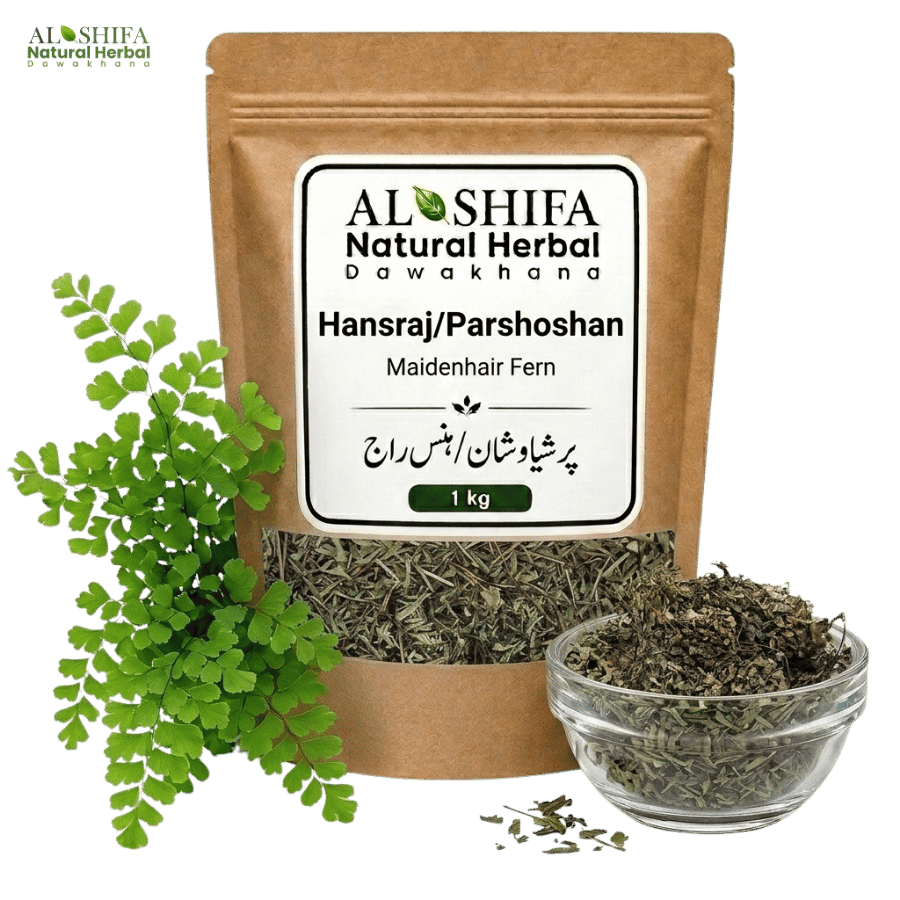
Parshiyaushan (Maidenhair Fern) is a traditional botanical ingredient also known as Parshoshan and Hansraj. Its dried fronds and slender stalks have historically been included in Unani preparations associated with throat comfort, seasonal respiratory care, and selected compound herbal formulations.
When choosing Parshiyaushan, correct botanical identification, cleanliness, appropriate drying, and sound raw-material condition are important quality considerations.
Key Features:
Important Note: Regional names may refer to different fern species, so botanical identity should be confirmed. Traditional use does not establish proven medical benefits. Seek professional advice before medicinal use, particularly during pregnancy, breastfeeding, or when taking prescription medicines.
Parshiyaushan (Maidenhair Fern) is a traditional botanical ingredient known in herbal markets by names such as Parshoshan, Parshiyaushan, and Hansraj. It is commonly associated with Adiantum capillus-veneris L., a delicate fern recognizable by its fine, dark stalks and small, fan-shaped leaflets.
Parshiyaushan has a longstanding place in Unani and other traditional herbal practices, particularly in preparations associated with throat comfort, seasonal respiratory care, and selected compound herbal formulations. Its historical importance should be distinguished from evidence of effectiveness in treating a medical condition.
For customers seeking Parshiyaushan, correct botanical identification and the condition of the dried material are particularly important. Common names can vary between regions, and the name “Maidenhair Fern” applies to more than one species.
Parshiyaushan is a fern-derived herbal raw material generally encountered as dried fronds or aerial parts. A frond is the leaf-bearing structure of a fern and includes its slender stalk and divided leaflets.
Unlike flowering herbs, ferns reproduce through spores rather than flowers and seeds. Maidenhair Fern is especially recognizable for its delicate foliage and fine, dark stalks.
Depending on harvesting, drying, and handling, dried material may contain:
Colour alone does not establish quality or authenticity. Botanical identity, dryness, cleanliness, and signs of deterioration should also be assessed.
English Name: Maidenhair Fern
Urdu Name: پرشیاوشان
Roman Name: Parshiyaushan
Scientific Name: Adiantum capillus-veneris L.
Family: Pteridaceae
Traditionally Used Part: Fronds or aerial parts
Product Type: Dried Botanical Raw Material
Adiantum capillus-veneris is an established Maidenhair Fern species. However, the identity of a particular commercial batch should be confirmed rather than inferred solely from the names Parshiyaushan or Hansraj. Botanical reference: Calflora
Traditional herbs often have several regional names and spelling variations. Parshiyaushan may be requested as Parshoshan, Persiawshan, or Hansraj, depending on local pronunciation and market practice.
These names help customers locate the herb, but they do not independently confirm its species.
For accurate identification, important details include:
Powdered material is harder to identify visually because its characteristic leaf and stalk structures are no longer intact.
Parshiyaushan is recognized in traditional herbal practice as an ingredient in selected simple and compound preparations.
Its historical use is particularly associated with:
Published research also describes a history of respiratory, urinary, and skin-related uses. These historical applications do not establish the dried herb as a clinically proven treatment. Research reference: UCL Discovery
One of the best-known traditional associations of Parshiyaushan is its inclusion in preparations intended for throat and respiratory comfort.
In traditional practice, it may be combined with other ingredients according to the purpose of the formulation and the guidance of a qualified practitioner.
Its role should be described carefully:
Parshiyaushan should not be advertised as a cure for asthma, pneumonia, tuberculosis, or respiratory infections. Persistent cough or breathing difficulty requires medical assessment.
Maidenhair Fern has also been described in historical urinary preparations.
However, this does not establish that ordinary dried Parshiyaushan:
People with kidney disease, urinary obstruction, or unexplained urinary symptoms should obtain medical advice before using herbal preparations.
Parshiyaushan is sometimes included in traditional external or hair-care preparations.
The fine, hair-like stalks of the plant are a botanical feature; they are not evidence that the herb stimulates hair growth.
It should not be presented as a proven treatment for baldness, dandruff, scalp infections, or persistent skin conditions. The safety of an external preparation depends on its ingredients, concentration, cleanliness, and method of application.
Avoid applying homemade preparations to the eyes, broken skin, or infected areas.
Researchers have investigated Maidenhair Fern extracts and their biological activity. However, laboratory findings and experimental preparations are different from evidence that an ordinary dried herb provides the same effects in people.
Important differences include:
Consequently, research on an extract should not be used to promise disease treatment from whole or powdered Parshiyaushan.
Different forms of Parshiyaushan should not automatically be treated as interchangeable.
Dried Fronds: Leaf-bearing fern material supplied whole or cut.
Powder: Dried material ground into a finer form, with fewer visible features available for identification.
Extract: A preparation made using an extraction process that may concentrate selected constituents.
The appropriate use and quantity depend on the actual preparation. Instructions for an extract should not be transferred directly to whole dried material.
For dried Parshiyaushan, useful quality checks include:
Correct Identity — Material from the intended botanical source.
Appropriate Plant Part — Fronds or aerial material consistent with the product specification.
Cleanliness — Minimal unnecessary soil, debris, and foreign plant material.
Suitable Dryness — Material free from excessive moisture.
Sound Condition — No visible mould, infestation, or significant deterioration.
Responsible Storage — Protection from moisture, contamination, and excessive heat.
Natural differences in colour, fragmentation, and leaf size may occur between batches. Such variation should be assessed alongside identity and overall condition.
Parshiyaushan is a traditional herbal raw material. Its use depends on the identified species, supplied plant part, preparation method, and intended formulation.
It may be included in practitioner-directed preparations where appropriate. There is no single quantity suitable for every product, person, or purpose.
For medicinal use, seek guidance from a qualified healthcare professional or registered practitioner who can consider:
Do not copy a dosage intended for another fern species or a concentrated extract.
Traditional use does not mean that every preparation is suitable for unrestricted consumption.
Obtain professional advice before medicinal use if you:
Reliable information on human safety, medicine interactions, and long-term use is limited. Do not assume that the absence of a documented interaction proves compatibility with every medicine.
Stop using the preparation if it causes an unexpected reaction. Seek urgent care for swelling, breathing difficulty, or another severe allergic symptom.
The safety of medicinal Parshiyaushan preparations during pregnancy and breastfeeding is not sufficiently established.
Avoid self-directed medicinal use during these periods. It should not be promoted for inducing menstruation, stimulating labour, or managing pregnancy complications.
Store dried Parshiyaushan in a clean, cool, dry place in a tightly closed container.
For better preservation:
Parshiyaushan is a traditional fern-derived ingredient for customers seeking Maidenhair Fern for appropriate herbal formulations.
When purchasing Parshiyaushan in Pakistan, consider the botanical identity, supplied plant part, condition of the dried material, and clarity of the product information.
For enquiries about Parshiyaushan at Al Shifa Natural Herbal Dawakhana, confirm the available form, pack weight, price, and batch details before ordering.
English Name: Maidenhair Fern
Urdu Name: پرشیاوشان
Roman Name: Parshiyaushan
Scientific Name: Adiantum capillus-veneris L.
Family: Pteridaceae
Traditionally Used Part: Fronds or aerial parts
Product Type: Traditional Botanical Raw Material
Important Note: Regional names may refer to different fern material. Confirm the botanical identity of the supplied product. Traditional use does not establish Parshiyaushan as a proven treatment or a substitute for medical care.
پرشیاوشان، جسے پرشوشاں اور ہنس راج کے ناموں سے بھی پکارا جاتا ہے، ایک فرن سے حاصل ہونے والا روایتی نباتاتی خام جزو ہے۔ اس پودے کی پہچان باریک، گہرے رنگ کی ڈنڈیوں اور چھوٹے، پنکھے جیسی شکل رکھنے والے پتوں سے ہوتی ہے۔ روایتی جڑی بوٹیوں کی تجارت میں اس کے خشک پتوں اور ڈنڈیوں پر مشتمل حصے استعمال کیے جاتے ہیں۔
طبِ یونانی اور مختلف روایتی طریقوں میں پرشیاوشان کو خصوصاً حلق کی آسودگی، سینے کی روایتی نگہداشت اور موسمی تیاریوں سے متعلق مرکبات میں شامل کیا جاتا رہا ہے۔ اس کی تاریخی اہمیت اپنی جگہ، تاہم روایتی استعمال کو کسی بیماری کے ثابت شدہ علاج کے برابر نہیں سمجھنا چاہیے۔
پرشیاوشان خریدتے وقت درست نباتاتی شناخت، مستعمل حصے، صفائی، مناسب خشکی اور خام مال کی حالت پر توجہ دینا ضروری ہے، کیونکہ علاقائی نام مختلف اقسام کے فرن کے لیے بھی استعمال ہو سکتے ہیں۔
پرشیاوشان ایک روایتی جڑی بوٹی ہے جو عموماً فرن کے خشک پتوں اور ان کی باریک ڈنڈیوں کی صورت میں دستیاب ہوتی ہے۔
فرن پھول دار پودوں سے مختلف ہوتے ہیں۔ ان میں افزائش کے لیے پھول اور بیجوں کے بجائے تخمک بنتے ہیں۔ پرشیاوشان سے منسوب پودے کے پتوں کی نازک ساخت اور باریک، سیاہی مائل ڈنڈیاں اس کی نمایاں ظاہری خصوصیات ہیں۔
خشک خام مال میں عموماً:
دیکھی جا سکتی ہے۔
برداشت، خشک کرنے، نقل و حمل اور ذخیرے کے مطابق ظاہری حالت میں فرق ہو سکتا ہے۔ صرف رنگ دیکھ کر خالص ہونے یا درست شناخت کا فیصلہ کرنا مناسب نہیں۔
پرشیاوشان عموماً اڈیانٹم کیپیلس وینیرس نامی فرن سے منسوب کی جاتی ہے۔ تاہم کسی مخصوص تجارتی کھیپ کی شناخت صرف معروف نام کی بنیاد پر یقینی قرار نہیں دینی چاہیے۔
اردو نام: پرشیاوشان
علاقائی نام: پرشوشاں، ہنس راج
پودے کی نوعیت: فرن
نباتاتی خاندان: ٹیریڈیسی
روایتی مستعمل حصہ: پتے اور ڈنڈیوں پر مشتمل بالائی حصے
قسم: خشک نباتاتی خام جزو
درست شناخت کے لیے پودے کی قسم، پتوں کی ساخت، ڈنڈیوں کی شکل اور فراہم کنندہ کی معلومات کو یکجا دیکھنا ضروری ہے۔
روایتی جڑی بوٹیوں کے نام علاقے اور زبان کے لحاظ سے بدل سکتے ہیں۔ اسی وجہ سے پرشیاوشان مختلف بازاروں میں پرشوشاں، پرشیاوشاں یا ہنس راج کے نام سے طلب کی جا سکتی ہے۔
یہ نام خریداری میں مدد دیتے ہیں، لیکن ہر جگہ ایک ہی نباتاتی قسم کی ضمانت نہیں ہوتے۔
خریداری سے پہلے معلوم کریں:
سفوف میں پتوں اور ڈنڈیوں کی شناختی خصوصیات کم نمایاں رہتی ہیں، اس لیے اس کی شناخت کے لیے فراہم کنندہ کی معتبر معلومات زیادہ اہم ہوتی ہیں۔
پرشیاوشان کو روایتی طبی طریقوں میں منتخب مفرد اور مرکب تیاریوں کے جزو کے طور پر استعمال کیا جاتا رہا ہے۔
اس کا تاریخی تعلق خصوصاً:
سے بیان کیا جاتا ہے۔
یہ استعمال روایتی طریقوں کی نمائندگی کرتے ہیں۔ ان سے کسی بیماری کے علاج، یقینی فائدے یا ہر شخص کے لیے محفوظ مقدار کا تعین نہیں ہوتا۔
پرشیاوشان کی معروف روایتی نسبت حلق اور سینے کی آسودگی کے لیے تیار کیے جانے والے مرکبات سے ہے۔
اسے دوسرے نباتاتی اجزاء کے ساتھ منتخب تیاریوں میں شامل کیا جاتا رہا ہے۔ کسی مرکب کی موزونیت اس کے تمام اجزاء، مقدار اور استعمال کرنے والے شخص کی کیفیت پر منحصر ہوتی ہے۔
اس حوالے سے چند باتیں ضروری ہیں:
پرشیاوشان کو دمہ، نمونیا، تپِ دق یا سانس کی نالی کے جراثیمی امراض کا ثابت شدہ علاج قرار دینا مناسب نہیں۔ مسلسل کھانسی یا سانس لینے میں دشواری کی صورت میں طبی معائنہ ضروری ہے۔
پرشیاوشان کو بعض تاریخی پیشاب سے متعلق تیاریوں میں بھی شامل کیا گیا ہے۔
تاہم اس روایتی نسبت سے یہ ثابت نہیں ہوتا کہ عام خشک پرشیاوشان:
گردے کی بیماری، پیشاب رکنے، پیشاب میں خون یا غیر واضح تکلیف کی صورت میں خود علاج کے بجائے مستند معالج سے رجوع کریں۔
پرشیاوشان بعض روایتی بیرونی اور بالوں کی نگہداشت سے متعلق تیاریوں میں بھی شامل کی جاتی رہی ہے۔
پودے کی بال جیسی باریک ڈنڈیاں اس کی ظاہری خصوصیت ہیں؛ انہیں بال اگانے کے فائدے کا ثبوت نہیں سمجھنا چاہیے۔
اسے:
کا ثابت شدہ علاج قرار دینا درست نہیں۔
بیرونی تیاری کی موزونیت اس کے اجزاء، ارتکاز، صفائی اور طریقۂ استعمال پر منحصر ہوتی ہے۔ غیر معلوم یا گھریلو تیار کردہ مرکبات آنکھوں، زخمی جلد یا متاثرہ حصوں پر استعمال نہ کریں۔
پرشیاوشان سے منسوب فرن کے عصاروں اور ان کی حیاتیاتی سرگرمیوں پر تحقیق کی گئی ہے۔ تاہم تجربہ گاہ میں کسی سرگرمی کا مشاہدہ، انسانوں میں عام خشک جڑی بوٹی کے مؤثر علاج ہونے کا ثبوت نہیں ہوتا۔
تحقیق کو سمجھتے وقت درج ذیل فرق اہم ہیں:
اسی لیے کسی عصارے پر ہونے والی تحقیق کی بنیاد پر مکمل جڑی بوٹی یا سفوف سے یقینی طبی نتائج کا وعدہ نہیں کرنا چاہیے۔
پرشیاوشان کی مختلف شکلیں ایک دوسرے کے برابر نہیں ہوتیں۔
مکمل یا کٹی ہوئی خشک جڑی بوٹی: خشک پتے اور ان سے متعلق باریک ڈنڈیاں، جن کی ظاہری ساخت کسی حد تک پہچانی جا سکتی ہے۔
سفوف: خشک خام مال کو پیس کر تیار کی گئی شکل، جس میں شناختی ساخت کم نمایاں ہوتی ہے۔
عصارہ: مخصوص طریقے سے حاصل کی گئی تیاری، جس میں بعض نباتاتی اجزاء مرتکز ہو سکتے ہیں۔
ایک شکل کے لیے دی گئی مقدار یا ہدایات دوسری شکل پر خود سے لاگو نہیں کرنی چاہییں۔
خشک پرشیاوشان کے انتخاب میں درج ذیل امور قابلِ توجہ ہیں:
درست شناخت: مطلوبہ نباتاتی قسم سے حاصل شدہ خام مال۔
مناسب مستعمل حصہ: فراہم کی جانے والی شکل کے مطابق پتے اور متعلقہ بالائی حصے۔
صفائی: غیر ضروری مٹی، گرد، بیرونی مواد اور دوسری جڑی بوٹیوں کی آمیزش کم سے کم ہو۔
مناسب خشکی: خام مال میں غیر معمولی نمی نہ ہو۔
درست ظاہری حالت: پھپھوندی، کیڑوں یا نمایاں خرابی کے آثار موجود نہ ہوں۔
ذمہ دارانہ ذخیرہ: نمی، آلودگی اور شدید گرمی سے حفاظت کی گئی ہو۔
پتوں کے حجم، رنگ اور ٹوٹ پھوٹ میں قدرتی فرق ہو سکتا ہے۔ معیار کا فیصلہ تمام خصوصیات کو سامنے رکھ کر کرنا چاہیے۔
پرشیاوشان ایک روایتی نباتاتی خام جزو ہے۔ اس کا استعمال نباتاتی شناخت، مستعمل حصے، تیاری کی شکل اور مطلوبہ مقصد کے مطابق ہونا چاہیے۔
طبی استعمال کے لیے کوئی ایک مقدار ہر شخص اور ہر تیاری پر یکساں لاگو نہیں ہوتی۔
مستند معالج یا رجسٹرڈ طبیب سے رہنمائی لیتے وقت درج ذیل معلومات فراہم کریں:
کسی دوسری قسم کے فرن یا مرتکز عصارے کی مقدار کو عام خشک پرشیاوشان کے لیے استعمال نہ کریں۔
روایتی استعمال کا مطلب یہ نہیں کہ ہر شخص کے لیے ہر مقدار محفوظ ہے۔
طبی استعمال سے پہلے مشورہ کریں، خصوصاً اگر:
انسانوں میں طویل عرصے کے استعمال، محفوظ مقدار اور ادویات کے ساتھ باہمی اثرات کے بارے میں معتبر معلومات محدود ہیں۔ کسی باہمی اثر کی اطلاع نہ ملنے کو مکمل حفاظت کی ضمانت نہیں سمجھنا چاہیے۔
استعمال کے بعد غیر متوقع تکلیف یا حساسیت ہو تو تیاری کا استعمال روک دیں۔ شدید سوجن یا سانس میں دشواری کی صورت میں فوری طبی مدد حاصل کریں۔
حمل اور دودھ پلانے کے دوران پرشیاوشان کی طبی تیاریوں کی حفاظت کافی حد تک ثابت نہیں ہے۔
ان ادوار میں خود سے طبی استعمال نہ کریں۔ اسے ماہواری شروع کرنے، دردِ زہ پیدا کرنے یا حمل سے متعلق پیچیدگیوں کے علاج کے لیے استعمال نہیں کرنا چاہیے۔
پرشیاوشان کو صاف، ٹھنڈی اور خشک جگہ پر اچھی طرح بند برتن میں محفوظ رکھیں۔
بہتر حفاظت کے لیے:
پرشیاوشان مناسب روایتی نباتاتی تیاریوں کے لیے طلب کی جانے والی جڑی بوٹی ہے۔ پاکستان میں اسے پرشوشاں اور ہنس راج جیسے ناموں سے بھی تلاش کیا جا سکتا ہے۔
خریداری کے وقت صرف معروف نام کے بجائے درست نباتاتی شناخت، فراہم کیے جانے والے حصے، خشکی، صفائی اور خام مال کی حالت کو اہمیت دیں۔
الشفاء نیچرل ہربل دواخانہ سے پرشیاوشان کے متعلق معلومات حاصل کرتے وقت دستیاب شکل، پیکٹ کا وزن، قیمت اور خام مال کی شناخت کی تصدیق کر لیں۔
اردو نام: پرشیاوشان
علاقائی نام: پرشوشاں، ہنس راج
پودے کی نوعیت: فرن
نباتاتی خاندان: ٹیریڈیسی
روایتی مستعمل حصہ: پتے اور ڈنڈیوں پر مشتمل بالائی حصے
قسم: خشک روایتی نباتاتی خام جزو
اہم وضاحت: علاقائی نام مختلف نباتاتی اقسام کے لیے استعمال ہو سکتے ہیں، اس لیے فراہم کردہ پرشیاوشان کی درست شناخت ضروری ہے۔ روایتی استعمال کسی بیماری کے ثابت شدہ علاج یا مستند طبی نگہداشت کا متبادل نہیں۔