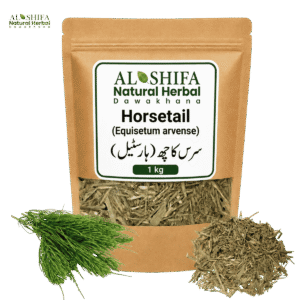
سرس گاچھ/ ہارسٹیل
Price range: ₨ 350 through ₨ 6,000

Naushadar Thikri, also known as Naushadar, Ammonium Chloride or Sal Ammoniac, is a traditional inorganic chemical raw material commonly available in white to off-white crystalline or compact form. It has historically been used in selected Unani formulations associated with digestive comfort, appetite, abdominal fullness, throat and seasonal wellness.
Al Shifa Naushadar Thikri is carefully handled with attention to correct identity, cleanliness, characteristic crystalline appearance, proper storage and responsible safety information.
Key Features:
Important Safety Note: Naushadar Thikri is not an herb, ordinary edible salt or nutritional supplement. Avoid excessive or unsupervised internal use, deliberate dust inhalation and heating fumes. Raw material should not be treated as equivalent to pharmaceutical- or food-grade ammonium chloride. Medicinal use should follow qualified professional guidance.
Naushadar Thikri, commonly known as Naushadar, Sal Ammoniac or Ammonium Chloride, is a traditional inorganic chemical raw material with the chemical formula NH₄Cl. It generally appears as a white to off-white crystalline, solid or compact material and has a distinctly salty, sharp taste.
Naushadar has a long history of use in Unani and other traditional systems, where it has appeared in specialized formulations associated with digestive comfort, appetite, abdominal fullness, throat and respiratory wellness, and selected external preparations.
However, Naushadar Thikri is not an herb, nutritional mineral supplement or ordinary edible salt. Concentrated or excessive internal use can be harmful, and it should not be self-prescribed medicinally without appropriate professional guidance.
Al Shifa Naushadar Thikri is supplied as a specialized traditional raw material with emphasis on correct identity, cleanliness, appropriate storage and responsible handling.
Naushadar Thikri is primarily ammonium chloride, an inorganic chloride salt composed of ammonium and chloride ions.
Its chemical formula is:
NH₄Cl
Depending on its source and processing, commercial material may appear as:
The word Thikri in traditional trade generally refers to its solid, compact or piece-like physical form.
English Name: Ammonium Chloride / Sal Ammoniac
Urdu Name: نوشادر ٹھیکری / نوشادر
Roman Name: Naushadar Thikri / Naushadar
Chemical Formula: NH₄Cl
Material Type: Inorganic Ammonium Salt
Product Type: Specialized Traditional Chemical Raw Material
Naushadar Thikri should not be grouped with ordinary medicinal herbs.
It is:
It is an inorganic chemical salt that requires appropriate identification and controlled use.
Naushadar has historically appeared in selected Unani and traditional formulations.
Traditional literature and practice have associated it with preparations intended for:
These are descriptions of historical and traditional use and should not be interpreted as proof that raw Naushadar treats diagnosed medical conditions.
Naushadar has historically been included in certain compound digestive preparations.
Its traditional use has been associated with:
It should not be presented as a proven treatment for ulcers, acid reflux disease, gastritis, inflammatory bowel disease, liver disease, intestinal infections or other diagnosed digestive disorders.
Naushadar also appears historically in selected preparations associated with:
Modern pharmaceutical ammonium chloride has also been used in certain formulated products, including some expectorant preparations.
However, this does not mean that raw Naushadar Thikri should be directly swallowed or used as a homemade treatment for cough or respiratory disease.
Raw material and properly manufactured pharmaceutical products are not equivalent.
This distinction is extremely important.
Raw Naushadar Thikri is a chemical raw material.
A pharmaceutical-grade ammonium chloride preparation is manufactured to defined specifications and used in a controlled formulation.
A finished medicine may contain a carefully measured quantity together with other ingredients and professional manufacturing controls.
Therefore:
Raw Naushadar ≠ Finished Medicine
The presence of ammonium chloride in a regulated medicine does not establish that raw Naushadar is safe to self-dose.
Ammonium chloride has specialized uses in some food-manufacturing contexts in certain countries.
This does not mean that every Naushadar sold as a traditional raw material is automatically food-grade.
Industrial, laboratory, technical, traditional and pharmaceutical grades can have different purity specifications and intended uses.
Never assume an unidentified raw product is suitable for food simply because the chemical name is the same.
Excessive ammonium chloride intake can disturb the body’s normal acid-base and electrolyte balance.
For this reason, raw Naushadar should not be casually consumed or self-dosed.
Do not:
There is no universal self-treatment dosage appropriate for every raw Naushadar product.
Ammonium chloride can contribute to acidification within the body when absorbed and metabolized.
Inappropriate or excessive exposure can therefore affect normal acid-base balance.
This is especially important in individuals with conditions that reduce the body’s ability to regulate acids and electrolytes.
Medicinal use should not be undertaken simply because Naushadar has a long traditional history.
The kidneys play an important role in maintaining electrolyte and acid-base balance.
People with:
should not self-medicate with Naushadar.
Professional medical guidance is important before any medicinal internal use.
Ammonium handling within the body is closely related to normal metabolic processes.
People with significant liver disease should avoid medicinal self-use of concentrated ammonium chloride unless specifically advised by an appropriate healthcare professional.
Raw Naushadar should not be promoted as a treatment for liver disease.
People with serious heart disease, significant electrolyte abnormalities or complex cardiovascular medication regimens should obtain medical advice before medicinal use.
Naushadar should not be promoted as a treatment for blood pressure, heart disease or circulation disorders.
Excessive or inappropriate ammonium chloride exposure may cause unwanted effects such as:
Severe or persistent symptoms require prompt medical evaluation.
Repeated medicinal use without clear indication and professional guidance should be avoided.
Long-term or excessive intake may increase the risk of disturbances in:
People using it medicinally should not assume that absence of immediate symptoms means unrestricted long-term use is safe.
Medicinal use of raw Naushadar during pregnancy should not be undertaken without professional healthcare guidance.
Traditional use does not establish safety during pregnancy.
Do not use it as a home method to influence menstruation, labour, miscarriage or pregnancy termination.
Medicinal or concentrated use during breastfeeding should preferably occur only under qualified professional guidance.
The intended dose, product grade and reason for use all matter.
Do not give raw Naushadar Thikri medicinally to infants or young children without qualified medical guidance.
Solid pieces should also be kept away from children because of accidental ingestion and choking risks.
People taking regular medicines should seek professional advice before medicinal use, particularly if they are being treated for:
The effect of a chemical salt cannot be assessed solely from its traditional reputation.
Normal brief handling of intact material should still be followed by good hygiene.
Avoid unnecessary contact with:
Wash hands after handling, particularly before eating or touching the face.
Fine ammonium chloride dust can irritate the respiratory tract.
Avoid:
If dust causes persistent coughing, throat irritation or breathing difficulty, move to fresh air and seek medical advice if symptoms are significant or persistent.
Ammonium chloride dust or particles may irritate the eyes.
If material enters the eyes:
Persistent pain, redness or visual disturbance requires medical assessment.
Naushadar should not be heated or burned casually as a home remedy.
When strongly heated, ammonium chloride can decompose and produce irritating gases, including ammonia and hydrogen chloride.
Do not deliberately inhale vapours or fumes produced by heating Naushadar.
Use only in processes designed for the material and with appropriate professional controls.
Because Naushadar is a chemical salt, it should not be randomly combined with household chemicals, cleaning products, strong acids, strong alkalis or unknown substances.
Uncontrolled chemical mixtures may produce irritating fumes or unexpected reactions.
Ammonium chloride is used in various industrial and technical applications.
Industrial-grade material should never automatically be considered suitable for medicinal, cosmetic or food use.
Product identity and grade matter.
At Al Shifa Natural Herbal Dawakhana, Naushadar Thikri is handled as a specialized traditional raw material with attention to:
Correct Identity – Material corresponding to ammonium chloride.
Characteristic Appearance – Appropriate crystalline or compact form.
Cleanliness – Careful handling and storage.
Proper Dryness – Protection from excessive moisture.
Clear Labelling – Identification as a chemical raw material.
Responsible Storage – Kept appropriately sealed and protected from contamination.
Al Shifa Natural Herbal Dawakhana, established in 1999, supplies traditional herbs, minerals and specialized raw materials throughout Pakistan.
For materials such as Naushadar Thikri, correct identification and responsible information are especially important.
Our focus includes:
The appropriate use of Naushadar depends on the product grade, formulation, intended purpose and professional instructions.
Because it is a concentrated inorganic salt rather than an ordinary herb, a universal self-treatment dosage should not be assigned to raw Naushadar Thikri.
For medicinal internal use, consult a qualified healthcare or traditional medicine practitioner familiar with the ingredient.
Do not assume that raw material, pharmaceutical-grade ammonium chloride, food-grade ammonium chloride and industrial material are interchangeable.
Naushadar Thikri is ammonium chloride, a chemical salt requiring responsible handling.
Do not use raw Naushadar as a self-treatment for:
The historical use of Naushadar does not make unrestricted raw consumption safe.
If a large or unknown quantity is accidentally swallowed, especially by a child, obtain prompt professional medical or poison-control advice.
Do not deliberately induce vomiting unless instructed by a healthcare professional.
Provide the product name Ammonium Chloride to medical personnel if evaluation is required.
Store Naushadar Thikri in a tightly closed, clearly labelled container in a cool and dry place.
For responsible storage:
Never transfer Naushadar into an unlabelled food or medicine container where it could be mistaken for ordinary salt or another household substance.
Naushadar Thikri, also known as Naushadar, Ammonium Chloride or Sal Ammoniac, is a traditional inorganic chemical raw material historically used in selected Unani and specialized formulations.
It is commonly recognized by its white to off-white crystalline or compact appearance and should be distinguished from ordinary edible salt and herbal ingredients.
Customers searching for Naushadar Thikri Pakistan, Ammonium Chloride Pakistan, Naushadar Pakistan, pure Naushadar, original Naushadar Thikri, Naushadar Lahore, Naushadar Thikri price in Pakistan, Ammonium Chloride price in Pakistan, buy Naushadar Pakistan or Naushadar online Pakistan can choose Al Shifa Natural Herbal Dawakhana for carefully handled traditional raw material.
Since 1999, Al Shifa Natural Herbal Dawakhana has focused on supplying traditional ingredients with attention to identity, cleanliness, proper storage, responsible handling and accurate product information.
Product Name: Naushadar Thikri
English Name: Ammonium Chloride / Sal Ammoniac
Urdu Name: نوشادر ٹھیکری / نوشادر
Roman Name: Naushadar Thikri / Naushadar
Chemical Formula: NH₄Cl
Material Type: Inorganic Ammonium Salt
Product Type: Specialized Traditional Chemical Raw Material
Important Note: Naushadar Thikri is not an ordinary edible salt or herbal supplement. Avoid unsupervised medicinal dosing, excessive intake, deliberate dust inhalation and heating fumes. Internal medicinal use should follow qualified professional guidance.
نوشادر ٹھیکری ایک معروف روایتی غیر نامیاتی کیمیائی نمک ہے جو عموماً سفید یا سفیدی مائل قلمی، ٹھوس یا ڈلی نما شکل میں پایا جاتا ہے۔ طب یونانی اور بعض دیگر قدیم روایتی طریقہ ہائے علاج میں نوشادر کا ذکر مختلف مرکب تیاریوں میں ملتا ہے۔
روایتی طور پر اسے ہاضمے کی آسودگی، بھوک، پیٹ کے بھاری پن، ریاح سے متعلق مرکبات، حلق کی نگہداشت، موسمی صحت اور سینے سے متعلق بعض مخصوص تیاریوں میں شامل کیا جاتا رہا ہے۔
تاہم نوشادر ٹھیکری جڑی بوٹی، غذائی معدنی جزو یا عام خوردنی نمک نہیں ہے۔ زیادہ مقدار، غلط طریقے یا مسلسل اندرونی استعمال سے جسم کے نمکیاتی اور تیزابی و قلیائی توازن پر اثر پڑ سکتا ہے۔ اسی لیے اسے خود سے طبی مقدار میں استعمال کرنا مناسب نہیں۔
الشفاء نیچرل ہربل دواخانہ نوشادر ٹھیکری کو خصوصی روایتی کیمیائی خام جزو کے طور پر پیش کرتا ہے، جس میں درست شناخت، صفائی، مناسب ذخیرہ اور ذمہ دارانہ استعمال کو اہمیت دی جاتی ہے۔
نوشادر ٹھیکری بنیادی طور پر امونیم کلورائیڈ نامی غیر نامیاتی نمک ہے۔
یہ امونیم اور کلورائیڈ کے اجزاء پر مشتمل ہوتا ہے اور اپنی تیاری اور شکل کے مطابق مختلف صورتوں میں دستیاب ہو سکتا ہے، مثلاً:
روایتی تجارت میں ٹھیکری کا لفظ عموماً اس کی ٹھوس، چپٹی یا ٹکڑے دار شکل کی طرف اشارہ کرتا ہے۔
نام: نوشادر ٹھیکری
اردو نام: نوشادر ٹھیکری / نوشادر
رومن نام: نوشادر ٹھیکری / نوشادر
نوعیت: غیر نامیاتی کیمیائی نمک
بنیادی ترکیب: امونیم کلورائیڈ
مصنوعات کی قسم: خصوصی روایتی کیمیائی خام جزو
نوشادر ٹھیکری کو عام جڑی بوٹیوں کے ساتھ ایک ہی نوعیت کا مادہ نہیں سمجھنا چاہیے۔
یہ:
بلکہ ایک غیر نامیاتی کیمیائی نمک ہے۔
اس لیے اس کا استعمال اور ذخیرہ عام جڑی بوٹیوں سے مختلف احتیاط کا تقاضا کرتا ہے۔
نوشادر کا ذکر طب یونانی اور بعض دوسری قدیم طبی روایات میں مخصوص مرکب تیاریوں کے جزو کے طور پر ملتا ہے۔
روایتی طور پر اسے ایسے مرکبات میں شامل کیا جاتا رہا ہے جو متعلق ہوں:
یہ تمام استعمال روایتی طبی تصورات کی وضاحت ہیں۔ انہیں کسی تشخیص شدہ بیماری کا ثابت شدہ علاج نہیں سمجھنا چاہیے۔
نوشادر کو بعض قدیم ہاضم مرکبات میں شامل کیا جاتا رہا ہے۔
روایتی طور پر اس کا تعلق:
سے جوڑا جاتا رہا ہے۔
تاہم اسے معدے کے زخم، دائمی تیزابیت، معدے کی سوزش، آنتوں کی سوزش، آنتوں کے انفیکشن، جگر کی بیماری یا دوسری تشخیص شدہ ہاضم بیماریوں کا ثابت شدہ علاج نہیں سمجھنا چاہیے۔
نوشادر کا ذکر بعض روایتی مرکبات میں حلق، سینے اور موسمی نگہداشت کے حوالے سے بھی ملتا ہے۔
تاریخی طور پر اسے ایسی تیاریوں میں شامل کیا گیا ہے جو متعلق رہی ہیں:
مخصوص تیار شدہ ادویات میں امونیم کلورائیڈ کا استعمال ہونا اس بات کی اجازت نہیں دیتا کہ خام نوشادر ٹھیکری کو براہ راست کھانسی یا سانس کی بیماری کے گھریلو علاج کے طور پر کھایا جائے۔
یہ فرق سمجھنا انتہائی ضروری ہے۔
خام نوشادر ٹھیکری ایک کیمیائی خام مادہ ہے۔
دوسری طرف مناسب معیار کے مطابق تیار کردہ دوا میں کسی جزو کی مقدار متعین، تیاری قابو شدہ اور دوسرے اجزاء کے ساتھ تناسب مخصوص ہو سکتا ہے۔
اس لیے خام نوشادر اور تیار شدہ دوا کو ایک جیسا نہیں سمجھنا چاہیے۔
کسی تیار شدہ دوا میں امونیم کلورائیڈ کی موجودگی خام نوشادر کی خود سے مقدار مقرر کرکے استعمال کرنے کو محفوظ ثابت نہیں کرتی۔
نوشادر مختلف مقاصد کے لیے مختلف معیار میں تیار کیا جا سکتا ہے۔
کسی مادے کا کیمیائی نام ایک جیسا ہونا اس بات کی ضمانت نہیں کہ ہر دستیاب قسم:
صنعتی، فنی، تجربہ گاہی، روایتی اور ادویاتی معیار کے مواد میں فرق ہو سکتا ہے۔
نامعلوم معیار کے نوشادر کو خوردنی سمجھ کر استعمال نہیں کرنا چاہیے۔
نوشادر ٹھیکری کو عام نمک کی طرح استعمال نہیں کرنا چاہیے۔
زیادہ یا غیر مناسب مقدار جسم کے قدرتی نمکیاتی اور تیزابی و قلیائی توازن کو متاثر کر سکتی ہے۔
خام نوشادر کو اپنی طرف سے:
خام نوشادر کے لیے ایسی کوئی ایک عمومی طبی مقدار مقرر نہیں کی جا سکتی جو ہر فرد اور ہر خام مال کے لیے یکساں طور پر مناسب ہو۔
امونیم کلورائیڈ جسم میں جذب ہونے اور اس کے بعد ہونے والے قدرتی حیاتیاتی عمل کے ذریعے جسم کے تیزابی و قلیائی توازن پر اثر انداز ہو سکتا ہے۔
زیادہ یا نامناسب مقدار سے اس توازن میں خرابی پیدا ہونے کا خطرہ بڑھ سکتا ہے۔
یہ معاملہ ان افراد میں خاص طور پر اہم ہے جن کے جسم میں تیزاب، نمکیات اور پانی کے توازن کو برقرار رکھنے کی صلاحیت کسی بیماری کی وجہ سے متاثر ہو۔
گردے جسم میں پانی، نمکیات اور تیزابی و قلیائی توازن برقرار رکھنے میں اہم کردار ادا کرتے ہیں۔
ایسے افراد جنہیں:
ہو، انہیں نوشادر کا طبی استعمال خود سے نہیں کرنا چاہیے۔
جسم میں امونیم سے متعلق مادوں کی تبدیلی اور اخراج میں معمول کے حیاتیاتی عمل اہم ہوتے ہیں۔
جگر کی نمایاں بیماری رکھنے والے افراد کو نوشادر کی مرتکز یا طبی مقدار مستند طبی رہنمائی کے بغیر استعمال نہیں کرنی چاہیے۔
نوشادر کو جگر کی بیماری کا علاج قرار نہیں دینا چاہیے۔
دل کی سنگین بیماری، جسمانی نمکیات کی خرابی یا پیچیدہ ادویات استعمال کرنے والے افراد کو نوشادر کے طبی استعمال سے پہلے معالج سے مشورہ کرنا چاہیے۔
اسے:
کا ثابت شدہ علاج نہیں سمجھنا چاہیے۔
زیادہ یا غیر مناسب مقدار میں نوشادر لینے سے ناپسندیدہ علامات پیدا ہو سکتی ہیں، مثلاً:
شدید، مسلسل یا غیر معمولی علامات کی صورت میں فوری طبی معائنہ ضروری ہے۔
نوشادر کا بار بار، زیادہ مقدار میں یا طویل عرصے تک طبی استعمال مستند رہنمائی کے بغیر مناسب نہیں۔
مسلسل غیر ضروری استعمال جسم کے:
پر منفی اثر ڈال سکتا ہے۔
فوری علامات ظاہر نہ ہونے کا مطلب یہ نہیں کہ طویل عرصے تک غیر محدود استعمال محفوظ ہے۔
حمل کے دوران خام نوشادر کی طبی یا مرتکز مقدار مستند معالج کی ہدایت کے بغیر استعمال نہ کریں۔
روایتی استعمال حمل کے دوران حفاظت کا ثبوت نہیں ہے۔
اسے ماہواری شروع کرنے، زچگی شروع کرنے، حمل ضائع کرنے یا حمل ختم کرنے کے گھریلو طریقے کے طور پر استعمال نہیں کرنا چاہیے۔
دودھ پلانے کے دوران نوشادر کی مرتکز یا طبی مقدار کا استعمال مستند طبی رہنمائی کے بغیر نہ کرنا بہتر ہے۔
اس معاملے میں استعمال کی وجہ، مقدار اور خام مال کا معیار اہمیت رکھتے ہیں۔
شیر خوار اور چھوٹے بچوں کو خام نوشادر ٹھیکری طبی مقصد کے لیے اپنی طرف سے نہ دیں۔
ٹھوس ٹکڑوں کو بھی بچوں کی پہنچ سے دور رکھیں کیونکہ:
کا خطرہ ہو سکتا ہے۔
اگر آپ باقاعدہ ادویات استعمال کرتے ہیں تو نوشادر کی طبی مقدار لینے سے پہلے مستند معالج سے رہنمائی حاصل کریں، خصوصاً اگر علاج متعلق ہو:
کسی کیمیائی نمک کی حفاظت کا فیصلہ صرف اس کی روایتی شہرت کی بنیاد پر نہیں کیا جا سکتا۔
نوشادر کی باریک گرد آنکھوں، حلق اور سانس کی نالی میں جلن پیدا کر سکتی ہے۔
اس لیے:
اگر گرد کی وجہ سے مسلسل کھانسی، حلق میں شدید جلن یا سانس لینے میں دشواری ہو تو تازہ ہوا میں جائیں اور علامات برقرار رہنے کی صورت میں طبی مشورہ حاصل کریں۔
نوشادر کے ذرات یا گرد آنکھوں میں جلن پیدا کر سکتے ہیں۔
اگر آنکھ میں چلا جائے تو:
درد، شدید سرخی یا نظر میں تبدیلی برقرار رہے تو طبی معائنہ کروائیں۔
نوشادر کو بلا ضرورت:
کے ساتھ براہ راست رابطے میں نہ لائیں۔
اسے سنبھالنے کے بعد ہاتھ اچھی طرح دھوئیں، خصوصاً کھانا کھانے یا چہرہ چھونے سے پہلے۔
نوشادر کو گھریلو علاج کے طور پر بلا ضرورت گرم یا جلانا مناسب نہیں۔
زیادہ حرارت پر یہ ٹوٹ کر تیز اور جلن پیدا کرنے والی گیسیں خارج کر سکتا ہے۔
ان بخارات کو جان بوجھ کر سانس کے ذریعے اندر نہ لیں۔
گھر میں نوشادر کو گرم کرکے اس کے بخارات سونگھنے کو سانس یا حلق کی بیماری کا علاج نہ سمجھیں۔
نوشادر ایک کیمیائی نمک ہے، اس لیے اسے بلا مقصد:
کے ساتھ نہ ملائیں۔
غیر قابو شدہ کیمیائی آمیزش سے جلن پیدا کرنے والی گیسیں یا دوسرے غیر متوقع خطرات پیدا ہو سکتے ہیں۔
امونیم کلورائیڈ کے مختلف صنعتی اور فنی استعمال بھی ہوتے ہیں۔
صنعتی استعمال کے لیے تیار کیا گیا مادہ خود بخود:
استعمال کے لیے مناسب نہیں ہو جاتا۔
خام مال کا معیار اور مطلوبہ استعمال ہمیشہ اہم ہیں۔
الشفاء نیچرل ہربل دواخانہ میں نوشادر ٹھیکری کے معاملے میں درج ذیل خصوصیات کو اہمیت دی جاتی ہے:
درست شناخت: امونیم کلورائیڈ سے مطابقت رکھنے والا خام مادہ۔
مخصوص ظاہری حالت: مناسب قلمی، ٹھوس یا ٹھیکری نما شکل۔
صفائی: ذمہ دارانہ طریقے سے سنبھالا اور محفوظ کیا گیا مواد۔
مناسب خشکی: ضرورت سے زیادہ نمی سے حفاظت۔
واضح شناخت: عام نمک اور دوسری اشیا سے واضح علیحدگی۔
ذمہ دارانہ ذخیرہ: آلودگی اور غیر ضروری نمائش سے محفوظ رکھنا۔
الشفاء نیچرل ہربل دواخانہ سنہ ۱۹۹۹ سے روایتی جڑی بوٹیوں، معدنی اور دیگر مخصوص خام اجزاء کی فراہمی سے وابستہ ہے۔
نوشادر جیسے کیمیائی خام اجزاء کے معاملے میں درست شناخت اور ذمہ دارانہ معلومات خصوصی اہمیت رکھتی ہیں۔
ہماری توجہ درج ذیل امور پر رہتی ہے:
نوشادر ٹھیکری کے استعمال کا مناسب طریقہ اس کے معیار، تیاری، مطلوبہ مقصد اور ماہر کی ہدایت پر منحصر ہوتا ہے۔
چونکہ یہ عام جڑی بوٹی کے بجائے ایک مرتکز غیر نامیاتی نمک ہے، اس لیے خام نوشادر کے لیے ہر شخص کو دی جانے والی ایک عمومی خود علاج مقدار مقرر کرنا مناسب نہیں۔
طبی اندرونی استعمال کے لیے مستند معالج کی رہنمائی حاصل کریں۔
خام نوشادر، ادویاتی معیار کے نوشادر، خوردنی معیار کے نوشادر اور صنعتی نوشادر کو ایک دوسرے کے برابر نہ سمجھیں۔
نوشادر ٹھیکری ایک روایتی کیمیائی خام جزو ہے۔ اسے خود سے:
کا علاج سمجھ کر استعمال نہ کریں۔
اس کا قدیم طبی استعمال خام نوشادر کے غیر محدود استعمال کو محفوظ ثابت نہیں کرتا۔
اگر نوشادر کی زیادہ یا نامعلوم مقدار حادثاتی طور پر نگل لی جائے، خصوصاً کسی بچے نے، تو فوری طبی یا زہر سے متعلق ہنگامی رہنمائی حاصل کریں۔
طبی ہدایت کے بغیر قے کروانے کی کوشش نہ کریں۔
طبی عملے کو واضح طور پر بتائیں کہ نگلا گیا مادہ امونیم کلورائیڈ یعنی نوشادر ہے۔
نوشادر ٹھیکری کو اچھی طرح بند، واضح نام والے برتن میں ٹھنڈی اور خشک جگہ پر محفوظ رکھیں۔
ذخیرے کے دوران:
اسے عام نمک، چینی یا دوا کے خالی برتن میں بغیر واضح نام کے نہ رکھیں، کیونکہ غلطی سے استعمال ہونے کا خطرہ پیدا ہو سکتا ہے۔
نوشادر ٹھیکری ایک سفید سے سفیدی مائل قلمی یا ٹھوس روایتی کیمیائی خام مادہ ہے جس کی بنیادی شناخت امونیم کلورائیڈ کے طور پر کی جاتی ہے۔
طب یونانی اور دوسری روایتی طبی روایات میں اسے بعض ہاضم، بھوک، پیٹ کے بھاری پن، حلق، موسمی اور سینے سے متعلق مرکبات میں شامل کیا جاتا رہا ہے۔
یہ عام جڑی بوٹی یا خوردنی نمک نہیں ہے اور اس کا طبی استعمال ذمہ دارانہ رہنمائی کے تحت ہونا چاہیے۔
اگر آپ نوشادر ٹھیکری، نوشادر، خالص نوشادر، اصل نوشادر، طب یونانی نوشادر، نوشادر کے فوائد، نوشادر کے استعمال، نوشادر پاکستان، نوشادر ٹھیکری پاکستان، نوشادر لاہور، نوشادر کی قیمت، نوشادر ٹھیکری کی قیمت، نوشادر کی قیمت پاکستان، نوشادر آن لائن یا نوشادر ٹھیکری خریدیں تلاش کر رہے ہیں تو الشفاء نیچرل ہربل دواخانہ احتیاط سے سنبھالا گیا روایتی خام مال فراہم کرتا ہے۔
سنہ ۱۹۹۹ سے الشفاء نیچرل ہربل دواخانہ روایتی خام اجزاء کی فراہمی میں شناخت، صفائی، مناسب ذخیرے، ذمہ دارانہ سنبھال اور درست معلومات کو بنیادی اہمیت دیتا آ رہا ہے۔
نام: نوشادر ٹھیکری
اردو نام: نوشادر ٹھیکری / نوشادر
رومن نام: نوشادر ٹھیکری / نوشادر
بنیادی ترکیب: امونیم کلورائیڈ
نوعیت: غیر نامیاتی کیمیائی نمک
مصنوعات کی قسم: خصوصی روایتی کیمیائی خام جزو
روایتی استعمال: ہاضم، بھوک، پیٹ، حلق، موسمی اور منتخب مرکب تیاریوں میں
اہم حفاظتی نوٹ: نوشادر عام خوردنی نمک یا جڑی بوٹی نہیں ہے۔ زیادہ یا خود سے مقرر کردہ طبی مقدار، گرد کو سانس میں لینا اور گرم کرکے بخارات سونگھنا نقصان دہ ہو سکتا ہے۔ اندرونی طبی استعمال مستند معالج کی رہنمائی میں کریں۔