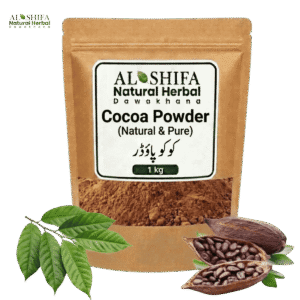
کوکو پاوڈر
Price range: ₨ 120 through ₨ 1,800


Kafoor (Camphor) is a strongly aromatic crystalline substance traditionally valued for its distinctive fragrance, cooling sensory character, and external aromatic applications.
How to Use: Use only according to the intended purpose and directions provided with the product.
Important Note: Do not ingest ordinary camphor. Keep away from children, eyes, sensitive areas, heat, and open flames.
Kafoor (Camphor) is a strongly aromatic crystalline substance traditionally obtained from the wood of the Camphor Tree (Cinnamomum camphora), a member of the Lauraceae family. Known in Urdu as کافور, it is recognized for its distinctive penetrating fragrance, cooling sensory character, and long history of use in traditional aromatic, household, topical, and personal-care preparations.
Natural camphor has historically been obtained from camphor-rich plant material through distillation followed by purification and crystallization. However, camphor available commercially today may be either plant-derived natural camphor or synthetically manufactured camphor, so the source of a specific product should be confirmed before making claims such as “natural camphor.”
Good-quality camphor is recognized by its characteristic strong aroma and crystalline appearance. Because camphor is a concentrated aromatic substance, it should be handled carefully and used only in an appropriate manner.
English Name: Camphor
Urdu Name: کافور
Roman Name: Kafoor / Kafur
Traditional Botanical Source: Camphor Tree
Scientific Name: Cinnamomum camphora (L.) J.Presl
Family: Lauraceae
Traditional Source Material: Wood and other camphor-rich plant material
Primary Constituent: Camphor
Product Form: Crystalline Solid
Character: Strongly Aromatic
The botanical information above describes natural plant-derived camphor from Cinnamomum camphora. Synthetic camphor is also widely manufactured commercially and should not be represented as botanically derived unless its source has been verified.
Camphor is a volatile aromatic compound with a characteristic penetrating fragrance. At room temperature, it generally appears as a white or colorless crystalline solid and gradually releases its aroma into the surrounding air because of its volatile nature.
Its strong aroma and characteristic cooling sensation have contributed to its traditional use in numerous topical and aromatic preparations.
Camphor itself is a concentrated compound rather than an ordinary dried herb, seed, root, or food ingredient.
Traditionally, natural camphor is obtained from camphor-containing plant material, particularly from the camphor tree.
The botanical material may undergo distillation to release volatile constituents. Camphor is subsequently separated and purified into its characteristic crystalline form.
The exact manufacturing process, purity, source, and grade can differ between products.
Therefore:
Natural Camphor ≠ Synthetic Camphor ≠ Camphor Essential Oil ≠ Camphorated Oil
These products should not automatically be considered interchangeable.
An important distinction should be made when describing commercial camphor.
Natural camphor is obtained from botanical sources such as Cinnamomum camphora through appropriate extraction, distillation, and purification processes.
Synthetic camphor is manufactured industrially, commonly using chemical processes beginning with terpene-related raw materials.
Both may contain camphor as their principal chemical substance, but their origin is different.
A commercial product should therefore only be marketed as natural, plant-derived, or obtained from the camphor tree when its sourcing information verifies this.
Camphor is particularly recognizable because of its:
Its fragrance can become noticeable even without direct application because camphor gradually volatilizes at ordinary temperatures.
For this reason, the container should remain properly closed when the product is not being used.
Camphor is traditionally recognized for producing a cooling sensation when used appropriately in topical formulations.
This cooling feeling is a sensory effect and should not be confused with medically lowering body temperature.
Camphor should therefore not be promoted as a treatment for fever, heatstroke, inflammation, infection, or other medical conditions simply because it produces a cooling sensation.
Camphor has a long history of aromatic use in different cultures.
Its distinctive fragrance has traditionally made it suitable for incorporation into various aromatic preparations and household practices.
Depending on the intended purpose and appropriate product grade, camphor may be associated with:
The correct method of use depends on the grade, formulation, concentration, and intended application.
Camphor has historically been incorporated into external preparations such as balms, ointments, oils, and rubs.
Importantly, this does not mean that concentrated camphor crystals should be applied directly and freely to the skin.
Finished topical products containing camphor are formulated at controlled concentrations. Raw camphor should only be incorporated into an appropriate preparation according to established formulation guidance.
Camphor is commonly associated with external preparations containing oils, waxes, or balm bases.
When used in such products, the amount of camphor matters. A properly formulated finished product is different from applying concentrated crystalline camphor directly to the body.
Camphor-containing products should always be used according to their intended purpose and directions.
Camphor requires particular safety attention because ordinary camphor should not be treated as a culinary herb, spice, or general food ingredient.
Swallowing camphor can cause serious poisoning, and relatively small amounts may be dangerous, particularly for children.
Do not consume ordinary camphor crystals, camphor oil, or products containing camphor unless a specific product is explicitly manufactured, regulated, and labeled for an appropriate permitted use.
Never assume that camphor sold for aromatic, household, cosmetic, or traditional external purposes is suitable for ingestion.
Camphor poisoning can be serious and may develop rapidly.
Ingestion can potentially cause symptoms including:
If camphor is accidentally swallowed, especially by a child, urgent medical or poison-control advice should be obtained immediately rather than waiting for symptoms to develop.
Do not induce vomiting unless specifically instructed by an appropriate medical professional.
Even when used externally, concentrated camphor should be handled responsibly.
Avoid applying raw or highly concentrated camphor to:
Use only in an appropriately formulated product and according to its directions.
Extra caution is essential around infants and young children.
Camphor-containing products should be kept securely out of children’s reach. Do not allow children to handle or swallow camphor crystals.
Products containing camphor should not be applied to infants or young children unless the specific product is clearly intended for their age group and its directions permit such use.
Pregnant or breastfeeding individuals should use concentrated camphor preparations cautiously.
Because exposure depends on concentration, route of use, area of application, and product formulation, medicinal-style or extensive use should be discussed with an appropriately qualified healthcare professional.
Camphor-containing products should also be kept away from areas where an infant could directly ingest or contact the product during breastfeeding.
Camphor may cause irritation in some individuals, particularly when used in excessive concentrations.
Possible sensitivity may include:
If significant irritation develops, discontinue use and wash the affected area appropriately.
Camphor crystals should not be confused with camphor essential oil.
An essential oil distilled from a plant is a complex mixture of volatile compounds, whereas purified camphor is primarily an isolated crystalline compound.
Likewise, “camphorated oil” generally refers to a preparation in which camphor has been incorporated into another suitable oil or base.
These forms may have different concentrations and safety considerations.
Because of its strong volatile fragrance, camphor has traditionally been used in household aromatic applications.
However, it should be used in a well-considered manner:
People with respiratory sensitivity should avoid deliberately inhaling highly concentrated camphor vapors.
Camphor is flammable and must be kept away from:
Do not heat camphor in an unsafe manner or place it directly near an ignition source.
This is particularly important when camphor is being used for fragrance or household purposes.
Quality camphor should be evaluated according to its intended grade and verified source.
Important considerations include:
For plant-derived products, botanical sourcing should also be appropriately documented.
Claims such as:
should only be made when supported by appropriate sourcing, manufacturing, testing, certification, or regulatory information.
In particular, “food grade” should never be assumed to mean that unrestricted ingestion is safe. Intended use and product-specific directions remain essential.
The correct use of camphor depends entirely on the product grade and intended application.
For raw camphor sold for external, aromatic, or household use:
For topical preparations, use only at an appropriate concentration according to reliable formulation guidance.
Camphor is volatile and requires proper storage.
Because camphor gradually volatilizes, improper storage may result in noticeable loss of material over time.
Product Name: Kafoor / Camphor
English Name: Camphor
Urdu Name: کافور
Roman Name: Kafoor / Kafur
Traditional Botanical Source: Camphor Tree
Scientific Name: Cinnamomum camphora (L.) J.Presl
Family: Lauraceae
Traditional Source Material: Camphor-rich wood and plant material
Primary Compound: Camphor
Appearance: White to colorless crystalline solid
Aroma: Strong, penetrating and characteristic
Product Category: Aromatic Botanical-Derived Material
Typical Use: Appropriate external, aromatic and household preparations
Internal Use: Not recommended for ordinary camphor products
Storage: Cool, dry place in a tightly closed container away from heat and flames
Camphor is different from an ordinary raw herb because the commercial product is generally a concentrated crystalline substance. Its source, purity, grade, concentration, and intended use are therefore particularly important.
Natural camphor derived from Cinnamomum camphora should also be distinguished from synthetic camphor and from camphor-containing oils or finished topical preparations.
Clear identification helps ensure that the product is used for its intended purpose and that inappropriate internal or concentrated topical use is avoided.
Kafoor (Camphor) is a concentrated aromatic substance and should be handled carefully. Ordinary camphor is not intended for unrestricted internal consumption, and swallowing camphor can cause serious poisoning, including seizures.
Keep camphor securely away from children and pets, avoid eyes and sensitive areas, and keep it away from flames and excessive heat.
Traditional references to cooling, respiratory comfort, pain relief, or other uses should not be interpreted as evidence that raw camphor treats fever, respiratory disease, pain disorders, infections, or any other medical condition.
Use the product only according to its verified grade, intended purpose, formulation, and label directions.
کافور ایک معروف خوشبودار قدرتی مادہ ہے جو اپنی مخصوص ٹھنڈی خوشبو، جلد پر ٹھنڈک کے احساس اور بیرونی استعمال کی خصوصیات کی وجہ سے پاکستان اور ہندوستان میں خاص اہمیت رکھتا ہے۔ دیسی حکمت، یونانی طب، ہربل ادویات، خوشبودار تیلوں، جلد کی نگہداشت اور مالش کے مختلف روغنوں میں کافور کو استعمال کیا جاتا ہے۔
قدرتی کافور ایک مخصوص درخت کی لکڑی اور دوسرے حصوں سے حاصل کیا جاتا ہے۔ اس کی خوشبو تیز، تازگی بخش اور پہچان میں آسان ہوتی ہے۔ کافور کو خاص طور پر پٹھوں کے درد، جوڑوں کے درد، کمر درد، جلد کی خارش اور بند ناک میں عارضی آرام فراہم کرنے والی بیرونی ادویات میں اہمیت حاصل ہے۔
کافور قدرتی اور مصنوعی دونوں صورتوں میں دستیاب ہے۔ طبی استعمال کے لیے اس کی درست قسم، خالص ہونے کی سطح اور استعمال کا طریقہ اہم ہیں۔
اردو نام: کافور، کپور
پنجابی نام: کافور، کپور
ہندی نام: کپور، کافور
فارسی نام: کافور
عربی نام: کافور
انگریزی نام: کیمفر، کیمفر کرسٹلز
سائنسی نام: سینامومم کیمفورا
خاندان: لوریسی، دارچینی اور کافور کے درختوں کا خاندان
اہم معلومات: کافور حاصل کرنے والے درخت کا سائنسی نام سینامومم کیمفورا ہے، جبکہ خالص کافور ایک مخصوص خوشبودار کیمیائی مادہ ہے۔ بازار میں دستیاب کافور کی قدرتی یا مصنوعی قسم کی پہچان الگ اہمیت رکھتی ہے۔
کافور سفید یا شفاف، ٹھوس اور خوشبودار مادہ ہے جو چھوٹے ٹکڑوں، دانوں، کرسٹل یا گولیوں کی شکل میں ملتا ہے۔
اس کی مخصوص خوشبو اور جلد پر ٹھنڈک کا احساس اس کی نمایاں خصوصیات ہیں۔
اہم خصوصیات:
قسم: خوشبودار قدرتی یا مصنوعی مادہ
رنگ: سفید یا شفاف
شکل: کرسٹل، دانے، ٹکڑے یا گولیاں
خوشبو: تیز، ٹھنڈی اور مخصوص
ذائقے کی نوعیت: تیز اور مخصوص
اہم جز: کافور
قدرتی ذریعہ: کافور کا درخت
اہم استعمال: بیرونی ادویات، مالش کے روغن، جلد کی نگہداشت اور خوشبودار اشیاء
کافور کا درخت بنیادی طور پر مشرقی ایشیا کے علاقوں سے تعلق رکھتا ہے۔ یہ چین، جاپان، تائیوان اور دوسرے گرم اور مرطوب علاقوں میں پایا جاتا ہے۔
کافور کا درخت بڑا، سدا بہار اور خوشبودار ہوتا ہے۔ اس کے پتوں اور لکڑی میں خوشبودار اجزاء موجود ہوتے ہیں۔
قدرتی کافور درخت کے مخصوص حصوں سے حاصل کیا جاتا ہے، جبکہ مصنوعی کافور کیمیائی طریقوں سے بنایا جاتا ہے۔
پاکستان میں کافور زیادہ تر تجارتی شکل میں دستیاب ہوتا ہے۔
برصغیر کی یونانی طب اور مفردات میں کافور کو عموما سرد اور خشک مزاج کا مادہ بیان کیا جاتا ہے۔
مزاج: سرد درجہ سوم، خشک درجہ سوم
یہ درجہ بندی معروف یونانی حکیمی بیان کے مطابق ہے۔ مختلف مفردات کی کتب میں درجات میں فرق مل سکتا ہے۔
ٹھنڈک کا احساس پیدا کرنا
مخصوص خوشبودار خاصیت
بیرونی مالش میں استعمال
پٹھوں اور جوڑوں کے درد میں عارضی آرام
جلد کی خارش میں عارضی سکون
بند ناک کے لیے مخصوص بیرونی ادویات میں استعمال
خوشبودار روغنوں میں اہمیت
جلد کی بیرونی نگہداشت میں استعمال
کافور کو جوڑوں کے درد کی مختلف بیرونی ادویات میں استعمال کیا جاتا ہے۔
اس کی خاصیت جلد پر ٹھنڈک کا احساس پیدا کرتی ہے، جس سے درد والے حصے میں عارضی آرام محسوس ہوتا ہے۔
اہم فوائد:
جوڑوں کے معمولی درد میں عارضی آرام
گھٹنوں کے درد کی بیرونی ادویات میں استعمال
جسمانی کھنچاؤ کے لیے مالش کے روغنوں میں استعمال
درد والی جگہ پر ٹھنڈک کا احساس
جسمانی تھکاوٹ کے بعد مالش کی ادویات میں استعمال
کافور پٹھوں کے درد اور کمر درد کے لیے استعمال ہونے والے مختلف بام، مرہم اور روغنوں میں شامل کیا جاتا ہے۔
اہم فوائد:
کمر کے معمولی درد میں عارضی آرام
پٹھوں کے کھنچاؤ میں بیرونی استعمال
کندھوں اور گردن کے درد کی مالش میں استعمال
جسمانی تھکاوٹ کے بعد آرام کا احساس
مالش کے روغنوں کی خوشبو میں اضافہ
کافور مخصوص بیرونی بام اور مرہم میں شامل کیا جاتا ہے جنہیں سردرد کے دوران استعمال کیا جاتا ہے۔
اس کی ٹھنڈی خوشبو اور جلد پر پیدا ہونے والا احساس عارضی سکون فراہم کرتا ہے۔
سردرد کے لیے تیار شدہ بام کو اس کی ہدایات کے مطابق استعمال کیا جاتا ہے۔
کافور بند ناک کے احساس میں عارضی آرام کے لیے بنائے گئے مخصوص بیرونی بام میں شامل ہوتا ہے۔
اس کی خوشبو ناک میں ٹھنڈک اور کھلے پن کا احساس پیدا کرتی ہے۔
کافور کو براہ راست ناک کے اندر نہیں لگایا جاتا اور نہ ہی اسے گرم پانی میں ڈال کر براہ راست بھاپ لینے کی ہدایت دی جاتی ہے۔
کافور کم مقدار میں مخصوص جلدی ادویات میں شامل کیا جاتا ہے۔
یہ جلد پر ٹھنڈک کا احساس پیدا کرتا ہے اور معمولی خارش میں عارضی آرام فراہم کرتا ہے۔
اہم استعمال:
معمولی خارش کے لیے مخصوص بیرونی ادویات
جلد کی ٹھنڈک کے لیے مرہم
جلد پر عارضی سکون فراہم کرنے والے بام
خوشبودار بیرونی روغن
کافور اپنی خوشبو اور ٹھنڈک کی وجہ سے مالش کے مخصوص روغنوں میں اہمیت رکھتا ہے۔
پٹھوں کی تھکاوٹ، جسمانی کھنچاؤ اور روزمرہ مشقت کے بعد استعمال ہونے والے بام میں اسے شامل کیا جاتا ہے۔
کافور کا بنیادی طبی استعمال بیرونی ادویات میں ہے۔ مردانہ جراثیم، منی بڑھانے، عضو خاص میں سختی، مردانہ ٹائمنگ، جنسی کمزوری یا لیکوریا کے لیے اسے استعمال کرنے کی طبی بنیاد موجود نہیں۔
کافور کو جسم کے حساس حصوں پر براہ راست لگانے کے بجائے صرف اس مقصد کے لیے بنائی گئی محفوظ بیرونی ادویات میں استعمال کیا جاتا ہے۔
کافور کی خوشبو کی وجہ سے اسے مخصوص بیرونی روغنوں اور خوشبودار اشیاء میں شامل کیا جاتا ہے۔
بالوں کی نگہداشت کے بعض روغنوں میں بھی کافور شامل ہوتا ہے، لیکن خالص کافور کو براہ راست سر کی جلد پر نہیں لگایا جاتا۔
کافور غذائی بیج، پھل یا خوراک نہیں بلکہ ایک مخصوص خوشبودار مادہ ہے۔ اس کا استعمال کھانے کے لیے نہیں ہے۔
| غذائی جز | مقدار |
|---|---|
| کیلوریز | غذائی استعمال کے لیے مقرر نہیں |
| پروٹین | موجود نہیں |
| کاربوہائیڈریٹس | غذائی جز کے طور پر موجود نہیں |
| قدرتی شکر | موجود نہیں |
| چکنائی | غذائی چکنائی نہیں |
| غذائی فائبر | موجود نہیں |
| کیلشیم | موجود نہیں |
| آئرن | موجود نہیں |
| میگنیشیم | موجود نہیں |
| پوٹاشیم | موجود نہیں |
| سوڈیم | موجود نہیں |
| وٹامن اے | موجود نہیں |
| وٹامن سی | موجود نہیں |
| وٹامن ڈی | موجود نہیں |
| وٹامن ای | موجود نہیں |
اہم معلومات: کافور میں کاربن، ہائیڈروجن اور آکسیجن موجود ہوتے ہیں، لیکن یہ غذائی توانائی حاصل کرنے کے لیے استعمال نہیں کیا جاتا۔ اسے کھانے سے زہریلے اثرات اور دورے پڑ سکتے ہیں۔
کافور ایک مخصوص خوشبودار نامیاتی مرکب ہے۔
اس کا کیمیائی فارمولا سی ٹین ایچ سکسٹین او ہے، یعنی اس کے ایک سالمے میں 10 کاربن، 16 ہائیڈروجن اور ایک آکسیجن کا ایٹم ہوتا ہے۔
یہ اس مادے کا بنیادی جز ہے جو اس کی مخصوص خوشبو اور ٹھنڈک کے احساس سے وابستہ ہے۔
کافور کے درخت کے پتوں اور لکڑی سے حاصل ہونے والے مختلف خوشبودار تیلوں میں کافور کے ساتھ دوسرے اجزاء بھی پائے جا سکتے ہیں۔
اولیک تیزاب، لینولیک تیزاب، الفا لینولینک تیزاب اور ایروسک تیزاب مختلف قدرتی روغنوں میں پائے جاتے ہیں۔ یہ خالص کافور کے بنیادی اجزاء نہیں ہیں۔
پاکستانی دیسی حکمت میں کافور کو اپنی خوشبو، ٹھنڈک اور بیرونی استعمال کی خصوصیات کی وجہ سے اہمیت دی جاتی ہے۔
اہم حکیمی استعمال:
جوڑوں کے درد کے لیے بیرونی ادویات
پٹھوں کے درد کے لیے مالش کے روغن
کمر درد کے لیے مخصوص بام
سردرد کے لیے بیرونی مرہم
جلد کی معمولی خارش کے لیے مخصوص ادویات
بند ناک کے احساس میں آرام کے لیے بیرونی بام
خوشبودار روغنوں میں استعمال
جسمانی تھکاوٹ کے لیے مالش کی ادویات
کافور کی اندرونی خوراک خود سے مقرر نہیں کی جاتی۔ یہ مادہ نگلنے پر زہریلا ثابت ہو سکتا ہے، حتی کہ کم مقدار بھی خاص طور پر بچوں کے لیے خطرناک ہے۔
کتاب المفردات کے کسی مخصوص مستند ایڈیشن سے کافور کی محفوظ اندرونی مقدار کی تصدیق موجود نہیں، اس لیے کتاب کے نام سے کوئی غیر مصدقہ خوراک درج نہیں کی گئی۔
مقدار استعمال: کافور والی تیار شدہ بیرونی دوا کو اس کی درج شدہ مقدار اور طریقے کے مطابق استعمال کریں۔ خالص کافور کی اندرونی خوراک استعمال نہ کریں۔
کافور مخصوص تیار شدہ بام میں شامل کیا جاتا ہے جو پٹھوں اور جوڑوں کے معمولی درد میں عارضی آرام کے لیے استعمال کیے جاتے ہیں۔
کافور مخصوص مقدار میں جلد کی خارش کے لیے تیار شدہ مرہم میں استعمال کیا جاتا ہے۔
کافور سینے پر لگائے جانے والے مخصوص بام میں شامل ہوتا ہے۔ اسے صرف دوا کی ہدایات کے مطابق استعمال کیا جاتا ہے۔
کافور کی مخصوص خوشبو کی وجہ سے اسے خوشبودار اشیاء میں بھی استعمال کیا جاتا ہے۔
اچھے کافور کی پہچان اس کی مخصوص خوشبو، صاف حالت، سفید یا شفاف رنگت اور درست قسم سے ہوتی ہے۔
الشفاء نیچرل ہربل دواخانہ میں درج ذیل باتوں کو اہمیت دی جاتی ہے:
کافور کی درست پہچان
صاف اور اچھی حالت
سفید یا شفاف رنگت
مخصوص تازہ خوشبو
غیر ضروری ملاوٹ سے پاک ہونے کو اہمیت
صاف اور اچھی پیکنگ
نمی اور گرمی سے حفاظت
الشفاء نیچرل ہربل دواخانہ 1999 سے جڑی بوٹیوں، بیجوں اور ان سے حاصل ہونے والے روغنوں کی سپلائی کر رہا ہے۔
الشفاء میں خوشبودار قدرتی اشیاء اور دوسرے ہربل اجزاء کے انتخاب کے دوران درست پہچان، صاف حالت، معیار اور اچھی پیکنگ کو اہمیت دی جاتی ہے۔
کافور کے انتخاب میں اس کی اصل قسم، مخصوص خوشبو، رنگت اور صاف حالت اہم ہیں۔
کافور کو ٹھنڈی، خشک اور روشنی سے محفوظ جگہ پر کسی جار میں اچھی طرح پیک کر کے رکھیں۔
کافور آہستہ آہستہ ہوا میں بخارات کی صورت میں منتقل ہوتا ہے، اس لیے جار کا ڈھکن اچھی طرح بند رکھیں۔ اسے گرمی، آگ اور بچوں کی پہنچ سے دور رکھیں۔
کافور بیرونی ادویات میں مخصوص مقدار کے ساتھ استعمال کیا جاتا ہے۔ خالص کافور نگلنا خطرناک ہے اور اس سے زہریلے اثرات اور دورے پڑ سکتے ہیں۔
اسے آنکھوں، منہ، ناک کے اندر، زخمی جلد اور حساس حصوں پر براہ راست نہ لگائیں۔ بچوں کے لیے استعمال میں خاص احتیاط ضروری ہے۔ طبی استعمال مستند معالج سے پوچھ کر کریں۔
کافور ایک مخصوص خوشبودار مادہ ہے جسے دیسی حکمت اور جدید بیرونی ادویات میں اہمیت حاصل ہے۔ اس کی ٹھنڈی خوشبو اور جلد پر ٹھنڈک کا احساس اسے مالش کے بام، جوڑوں اور پٹھوں کے معمولی درد کی ادویات، جلد کی خارش کے مرہم اور بند ناک کے لیے مخصوص بیرونی بام میں مفید جز بناتے ہیں۔
کافور کی درست قسم، خالص ہونے کی سطح اور استعمال کا طریقہ اس کی پہچان کے اہم حصے ہیں۔
الشفاء نیچرل ہربل دواخانہ میں کافور کے انتخاب کے دوران صاف حالت، مخصوص خوشبو، درست پہچان، معیار اور اچھی پیکنگ کو اہمیت دی جاتی ہے۔