ترپھلہ پاؤڈر
Price range: ₨ 250 through ₨ 3,500
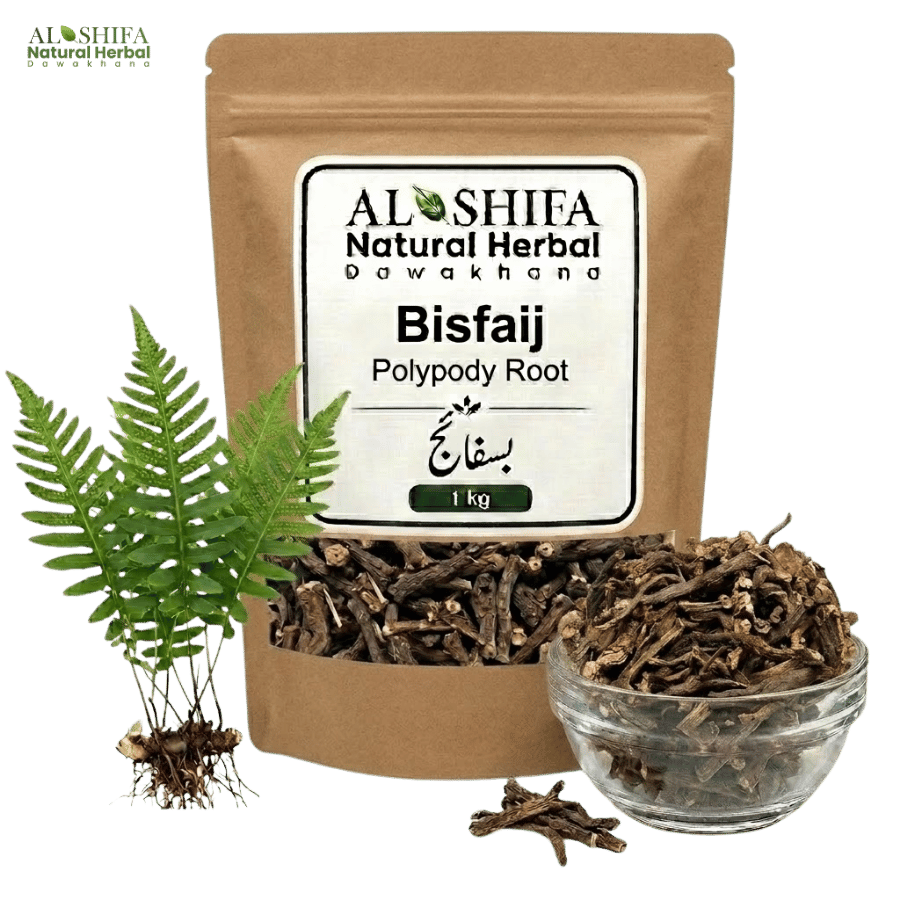
Bisfaij (Polypody Root), also known as Bisfayej, is a traditional botanical ingredient commonly associated with Polypodium vulgare L. Although sold as a root, its traditionally used part is the underground rhizome. It has a history of use in Unani formulations and preparations associated with occasional constipation.
When selecting Bisfaij, correct botanical identity, cleanliness, appropriate drying, and sound rhizome condition are important quality considerations.
Key Features:
Important Note: Bisfaij is not intended for unrestricted daily laxative use. Persistent constipation, severe abdominal pain, vomiting, or blood in the stool requires medical assessment. Seek professional guidance before medicinal use, particularly during pregnancy, breastfeeding, for children, or when taking prescription medicines.
Bisfaij (Polypody Root), also spelled Bisfayej, is a traditional botanical ingredient commonly associated with Polypodium vulgare L., a fern belonging to the Polypodiaceae family. Although commonly called a root in herbal markets, its traditionally used underground part is more accurately described as a rhizome.
Bisfaij has a longstanding place in Unani herbal practice. European herbal documentation also recognizes Polypody rhizome in the context of traditional use, including occasional constipation. Such recognition relates to specified preparations and does not establish every commercial Bisfaij product as a clinically proven treatment. European Medicines Agency herbal reference
For customers seeking Bisfaij, correct botanical identity, confirmation of the rhizome, cleanliness, appropriate drying, and sound raw-material condition are important purchasing considerations.
Bisfaij is the market name used for the underground material of Polypody fern. It may be supplied as whole or cut dried rhizome, or as powder for appropriate traditional formulations.
A rhizome is an underground stem from which roots and new growth develop. This explains why the familiar commercial name “Polypody Root” differs from the more precise botanical description.
The supplied form should be clearly identified as:
These forms should not automatically share the same preparation instructions or quantity of use.
English Name: Polypody Root
Urdu Name: بسفائج
Roman Name: Bisfaij
Scientific Name: Polypodium vulgare L.
Family: Polypodiaceae
Traditionally Used Part: Rhizome
Product Type: Traditional Botanical Raw Material
The scientific name describes the commonly associated source plant. The identity of a particular commercial batch should still be confirmed through reliable supplier information or botanical examination.
“Root” is a familiar market term, but “rhizome” identifies the traditionally used plant structure more accurately.
True roots and rhizomes have different botanical functions:
Roots: Help anchor the plant and absorb water and nutrients.
Rhizomes: Stem structures that can produce roots and new shoots.
Accurate product descriptions should preserve the familiar name while clearly stating the actual plant part. This helps customers and practitioners select the intended ingredient.
Bisfaij should not be confused with Maidenhair Fern, commonly sold as Parshiyaushan. Although both are fern-derived ingredients, they come from different plants and have different traditional applications.
Likewise, products made from other fern species are not automatically equivalent to Polypodium vulgare rhizome.
When reviewing a product or research claim, confirm:
Shared words such as “fern” or “Polypody” do not establish interchangeability.
Bisfaij is recognized as an ingredient in selected Unani formulations. Its historical role should be understood within the preparation in which it was used, rather than treated as a universal benefit of the raw material.
A traditional compound preparation may contain several ingredients, each contributing to the overall formulation. Information about that compound does not establish the effects of Bisfaij taken alone.
Its suitability depends on the intended purpose, preparation method, quantity, and individual health circumstances.
Polypody rhizome has a documented traditional association with occasional constipation. However, ordinary dried Bisfaij should not be presented as a guaranteed laxative or a product suitable for unrestricted daily use.
Traditional-use documentation differs from strong clinical evidence. It also does not mean that a commercial raw-material product has been assessed or approved as a medicine.
Constipation that persists, recurs frequently, or accompanies other concerning symptoms requires assessment rather than repeated self-treatment.
Seek medical advice for constipation accompanied by:
A traditional association with bowel function does not establish Bisfaij as a treatment for every digestive complaint.
It should not be promoted as a proven remedy for:
The cause of symptoms matters. A botanical ingredient should not delay appropriate investigation or replace prescribed treatment.
The composition of botanical material can vary according to its source, maturity, harvesting, drying, processing, and storage.
Whole rhizome, powdered rhizome, and concentrated extracts should therefore not be assumed to contain identical amounts of plant constituents.
Without suitable analytical information, a commercial Bisfaij product should not be described as standardized or equivalent to an isolated compound.
Research findings should be interpreted according to the material and method actually studied.
Important distinctions include:
Experimental activity does not establish that ordinary dried Bisfaij produces the same result in people. Research should explain scientific interest rather than support promises of guaranteed disease treatment.
Whole or Cut Rhizome: Dried material retaining some visible structural features.
Rhizome Powder: Ground material in which visual identification becomes more difficult.
Processed Preparation: Material prepared through a specified method.
Extract: A preparation obtained through extraction, potentially concentrating selected constituents.
Instructions intended for a particular extract or medicinal preparation should not be transferred directly to whole rhizome or powder.
When selecting Bisfaij, useful quality checks include:
Correct Botanical Identity — Material from the intended Polypody species.
Correct Plant Part — Rhizome material consistent with the product specification.
Clear Product Form — Accurate identification of whole, cut, powdered, or extracted material.
Cleanliness — Minimal unnecessary soil, stones, and foreign plant matter.
Appropriate Dryness — No unusual dampness or excessive moisture.
Sound Condition — No visible mould, infestation, or significant deterioration.
Reliable Information — Clear supplier details and relevant batch specifications.
Natural differences in size, colour, and fragmentation may occur. Appearance alone cannot establish purity, medicinal safety, or composition.
Bisfaij is a traditional botanical raw material. Medicinal use should follow guidance from a qualified healthcare professional or registered practitioner familiar with the rhizome and the intended preparation.
There is no single self-use quantity suitable for every product and person.
Professional guidance should account for:
Do not assume that larger quantities provide better results or that instructions for another fern species apply to Bisfaij.
Do not treat Bisfaij as an unrestricted daily bowel-cleansing ingredient.
Obtain professional advice before medicinal use if you:
Do not self-treat severe abdominal pain, vomiting, or suspected intestinal obstruction with a bowel-directed herbal preparation.
Stop using a preparation if it causes an unexpected reaction. Seek urgent care for severe allergic symptoms, including swelling or breathing difficulty.
Do not assume that traditional use establishes safety during pregnancy or breastfeeding.
Avoid self-directed medicinal use during these periods unless a qualified healthcare professional has assessed the specific product and circumstances.
Bisfaij should not be promoted for inducing menstruation, stimulating labour, or managing pregnancy complications.
Store Bisfaij in a clean, cool, dry place in a tightly closed container.
For better preservation:
Follow any storage and expiry instructions supplied with the product.
Bisfaij is a traditional rhizome ingredient for customers seeking Polypody Root for appropriate herbal formulations.
When buying Bisfaij in Pakistan, confirm the botanical source, supplied plant part, available form, pack weight, and condition of the material.
For enquiries at Al Shifa Natural Herbal Dawakhana, request current availability, price, and product specifications before ordering.
English Name: Polypody Root
Urdu Name: بسفائج
Roman Name: Bisfaij
Scientific Name: Polypodium vulgare L.
Family: Polypodiaceae
Traditionally Used Part: Rhizome
Product Type: Traditional Botanical Raw Material
Important Note: Although commonly called Polypody Root, the traditionally used material is the rhizome. Traditional use does not establish every commercial product as a proven treatment or a substitute for medical care.
بسفائج ایک فرن سے حاصل ہونے والا روایتی نباتاتی خام جزو ہے، جسے جڑی بوٹیوں کے بازار میں عموماً جڑ کہا جاتا ہے۔ تاہم اس کا روایتی مستعمل حصہ نباتاتی طور پر زیرِ زمین تنا ہے، جس سے باریک جڑیں اور نئی بڑھوتری پیدا ہوتی ہیں۔
بسفائج کی معروف نباتاتی نسبت پولی پوڈیم ولگیرے نامی فرن سے ہے۔ طبِ یونانی میں اسے منتخب مرکبات میں استعمال کیا جاتا رہا ہے، جبکہ اس کے زیرِ زمین تنے کا روایتی ذکر کبھی کبھار ہونے والی قبض کے حوالے سے بھی ملتا ہے۔
یہ تاریخی استعمال عام تجارتی خام مال کے یقینی فائدے، ہر شخص کے لیے محفوظ مقدار یا کسی بیماری کے ثابت شدہ علاج کی ضمانت نہیں ہے۔
بسفائج خریدتے وقت درست نباتاتی شناخت، مستعمل حصے کی تصدیق، صفائی، مناسب خشکی اور خام مال کی حالت کو بنیادی اہمیت دینی چاہیے۔
بسفائج اس فرن کے زیرِ زمین تنے سے حاصل ہونے والا خام مال ہے جسے روایتی جڑی بوٹیوں کی تجارت میں اس نام سے پہچانا جاتا ہے۔
یہ عموماً درج ذیل شکلوں میں فراہم کیا جا سکتا ہے:
فراہم کردہ شکل واضح ہونی چاہیے، کیونکہ مکمل خام مال، سفوف اور عصارے کی ترکیب اور استعمال کی ہدایات ایک جیسی نہیں ہوتیں۔
بسفائج عموماً پولی پوڈیم ولگیرے نامی فرن سے منسوب کی جاتی ہے۔ کسی مخصوص تجارتی کھیپ کی شناخت معتبر فراہم کنندہ کی معلومات یا نباتاتی جانچ سے تصدیق شدہ ہونی چاہیے۔
اردو نام: بسفائج
پودے کی نوعیت: فرن
نباتاتی خاندان: پولی پوڈیسی
روایتی مستعمل حصہ: زیرِ زمین تنا
تجارتی پہچان: عموماً جڑ کے نام سے فروخت ہونے والا خام مال
قسم: خشک روایتی نباتاتی خام جزو
معروف نام خریداری میں مدد دیتا ہے، لیکن اکیلا نام درست نباتاتی شناخت کی مکمل ضمانت نہیں ہوتا۔
بسفائج کے لیے جڑ کا لفظ بازار میں عام ہے، تاہم زیرِ زمین تنا زیادہ درست نباتاتی وضاحت ہے۔
حقیقی جڑیں: پودے کو زمین میں قائم رکھنے اور پانی و غذائی اجزاء جذب کرنے میں مدد دیتی ہیں۔
زیرِ زمین تنا: ایسی ساخت ہے جس سے جڑیں اور نئی کونپلیں پیدا ہو سکتی ہیں۔
دونوں زمین کے نیچے موجود ہوتے ہیں، لیکن نباتاتی طور پر الگ حصے ہیں۔ درست معلومات میں معروف تجارتی نام کے ساتھ اصل مستعمل حصے کی وضاحت بھی ضروری ہے۔
بسفائج اور پرشیاوشان دونوں فرن سے حاصل ہونے والے اجزاء ہیں، مگر انہیں ایک ہی جڑی بوٹی نہیں سمجھنا چاہیے۔
ان کے درمیان:
کا فرق ہوتا ہے۔
اسی طرح کسی دوسری قسم کے فرن کو بسفائج کے برابر قرار دینے سے پہلے درست شناخت ضروری ہے۔ صرف فرن ہونے کی وجہ سے مختلف نباتاتی اجزاء ایک دوسرے کا متبادل نہیں بن جاتے۔
بسفائج کو طبِ یونانی کے منتخب مرکبات میں جگہ حاصل رہی ہے۔ اس کی تاریخی اہمیت متعلقہ نسخے، مقدار اور طریقۂ تیاری کے ساتھ سمجھنی چاہیے۔
کسی مرکب میں متعدد اجزاء شامل ہو سکتے ہیں۔ ایسے مرکب سے متعلق معلومات، بسفائج اکیلی استعمال کرنے کے اثرات ثابت نہیں کرتیں۔
اس کی موزونیت کا انحصار:
پر ہوتا ہے۔
بسفائج کے زیرِ زمین تنے کا روایتی تعلق کبھی کبھار ہونے والی قبض سے بیان کیا گیا ہے۔ تاہم اسے یقینی قبض کشا یا روزانہ غیر محدود استعمال کی تیاری نہیں سمجھنا چاہیے۔
روایتی استعمال کی دستاویزات اور مضبوط انسانی طبی شواہد الگ امور ہیں۔ کسی مستند ماخذ میں ذکر ہونے سے ہر تجارتی خام مال کو بطور دوا منظور شدہ بھی نہیں سمجھا جا سکتا۔
قبض مسلسل رہے، بار بار ہو یا معمول کی اجابت میں واضح تبدیلی آئے تو وجہ معلوم کرنا ضروری ہے۔
خصوصاً طبی مشورہ حاصل کریں اگر قبض کے ساتھ:
موجود ہو۔
اجابت سے متعلق روایتی نسبت، بسفائج کو ہر قسم کی ہاضم تکلیف کا علاج نہیں بناتی۔
اسے بلا ثبوت:
کا ثابت شدہ علاج قرار نہیں دینا چاہیے۔
علامات کی اصل وجہ اہم ہوتی ہے۔ نباتاتی تیاری کے استعمال سے ضروری معائنہ یا تجویز کردہ علاج میں تاخیر نہیں ہونی چاہیے۔
نباتاتی خام مال کی ترکیب مختلف حالات کے مطابق بدل سکتی ہے۔
اس پر اثر انداز ہونے والے امور میں شامل ہیں:
مکمل زیرِ زمین تنا، اس کا سفوف اور مرتکز عصارہ یکساں مقدار میں اجزاء رکھنے والے مادے نہیں سمجھے جا سکتے۔
مناسب تجزیاتی معلومات کے بغیر کسی تجارتی بسفائج کو مقررہ ترکیب والا یا الگ کیے گئے جزو کے برابر قرار دینا درست نہیں۔
تحقیق کو سمجھتے وقت اصل میں آزمائے گئے مادے کی شناخت ضروری ہے۔
اہم فرق یہ ہیں:
تجرباتی سرگرمی سے یہ ثابت نہیں ہوتا کہ عام خشک بسفائج انسانوں میں وہی نتیجہ فراہم کرتی ہے۔
تحقیق سائنسی دلچسپی واضح کر سکتی ہے، لیکن اس کی بنیاد پر بیماری کے یقینی علاج کا وعدہ نہیں کرنا چاہیے۔
مکمل یا کٹا ہوا زیرِ زمین تنا: خشک مادہ جس میں بعض ظاہری شناختی خصوصیات برقرار رہتی ہیں۔
سفوف: پیسا ہوا خام مال، جس کی شناخت صرف ظاہری شکل سے زیادہ مشکل ہوتی ہے۔
مخصوص تیاری: ایسا مادہ جسے واضح طریقے سے تیار کیا گیا ہو۔
عصارہ: استخراج سے حاصل ہونے والی تیاری، جس میں منتخب نباتاتی اجزاء مرتکز ہو سکتے ہیں۔
کسی مخصوص عصارے یا دوائی کی مقدار کو مکمل خام مال یا سفوف کے لیے خود سے استعمال نہ کریں۔
خریداری کے وقت درج ذیل باتوں پر توجہ دیں:
درست نباتاتی شناخت: مطلوبہ نوع سے حاصل شدہ خام مال۔
صحیح مستعمل حصہ: زیرِ زمین تنا جو فراہم کردہ معلومات کے مطابق ہو۔
واضح شکل: مکمل، کٹا ہوا، سفوف شدہ یا عصارے کی صورت کی درست معلومات۔
صفائی: غیر ضروری مٹی، کنکر اور بیرونی نباتاتی مواد کم سے کم ہو۔
مناسب خشکی: غیر معمولی نمی یا گیلا پن موجود نہ ہو۔
درست حالت: پھپھوندی، کیڑوں یا نمایاں خرابی کے آثار نہ ہوں۔
معتبر تفصیلات: فراہم کنندہ اور متعلقہ کھیپ کی معلومات واضح ہوں۔
حجم، رنگ اور ٹوٹ پھوٹ میں قدرتی فرق ہو سکتا ہے۔ صرف ظاہری شکل سے خالص ہونے، طبی حفاظت یا ترکیب کی مکمل تصدیق نہیں ہوتی۔
بسفائج ایک روایتی نباتاتی خام جزو ہے۔ طبی استعمال ایسے مستند معالج یا رجسٹرڈ طبیب کی رہنمائی میں ہونا چاہیے جو اس کے مستعمل حصے اور مطلوبہ تیاری سے واقف ہو۔
ہر شخص اور ہر شکل کے لیے کوئی ایک عمومی مقدار موزوں نہیں ہوتی۔
رہنمائی میں درج ذیل امور کو سامنے رکھنا چاہیے:
زیادہ مقدار کو زیادہ فائدے کے برابر نہ سمجھیں۔ کسی دوسری قسم کے فرن کی ہدایات بسفائج پر لاگو نہ کریں۔
بسفائج کو روزانہ بے حد استعمال ہونے والی آنتوں کی صفائی کی تیاری کے طور پر نہیں لینا چاہیے۔
طبی استعمال سے پہلے مشورہ کریں، خصوصاً اگر:
شدید پیٹ درد، قے یا آنتوں کی بندش کے شبہے میں خود سے قبض کشا نباتاتی تیاری استعمال نہ کریں۔
غیر متوقع تکلیف یا حساسیت ہو تو استعمال روک دیں۔ شدید سوجن یا سانس لینے میں دشواری کی صورت میں فوری طبی مدد حاصل کریں۔
روایتی استعمال کو حمل اور دودھ پلانے کے دوران حفاظت کی ضمانت نہیں سمجھنا چاہیے۔
ان ادوار میں خود سے طبی استعمال سے گریز کریں، جب تک مستند معالج مخصوص تیاری اور انفرادی حالات کا جائزہ نہ لے۔
بسفائج کو ماہواری شروع کرنے، دردِ زہ پیدا کرنے یا حمل سے متعلق پیچیدگیوں کے علاج کے لیے پیش نہیں کرنا چاہیے۔
بسفائج کو صاف، ٹھنڈی اور خشک جگہ پر اچھی طرح بند برتن میں محفوظ رکھیں۔
بہتر حفاظت کے لیے:
پیکٹ پر محفوظ رکھنے اور مدتِ استعمال کی ہدایات موجود ہوں تو ان کی پابندی کریں۔
بسفائج مناسب روایتی نباتاتی مرکبات کے لیے طلب کیا جانے والا خام جزو ہے۔
پاکستان میں خریداری کے وقت نباتاتی ماخذ، زیرِ زمین تنے کی شناخت، دستیاب شکل، پیکٹ کے وزن اور خام مال کی حالت کی تصدیق کریں۔
الشفاء نیچرل ہربل دواخانہ سے بسفائج کے متعلق معلومات حاصل کرتے وقت موجودہ دستیابی، قیمت اور خام مال کی تفصیلات معلوم کر لیں۔
اردو نام: بسفائج
پودے کی نوعیت: فرن
نباتاتی خاندان: پولی پوڈیسی
روایتی مستعمل حصہ: زیرِ زمین تنا
تجارتی پہچان: عموماً جڑ کے نام سے فروخت ہونے والا خام مال
قسم: خشک روایتی نباتاتی خام جزو
اہم وضاحت: بسفائج کو عام طور پر جڑ کہا جاتا ہے، مگر اس کا روایتی مستعمل حصہ زیرِ زمین تنا ہے۔ روایتی استعمال ہر تجارتی تیاری کو ثابت شدہ علاج یا مستند طبی نگہداشت کا متبادل نہیں بناتا۔