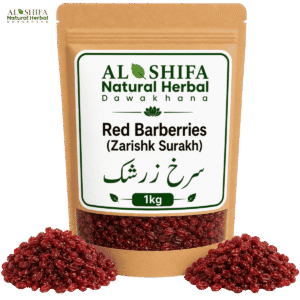
سرخ زرشک
Price range: ₨ 1,500 through ₨ 6,000
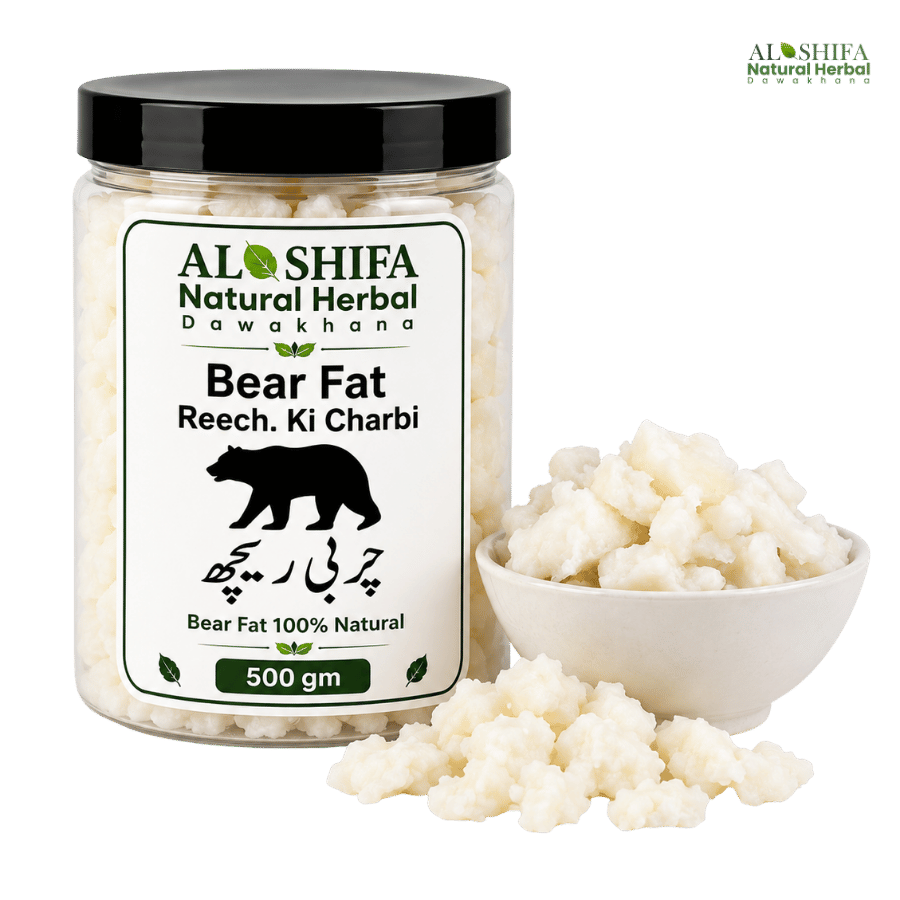
Bear Fat / Reech Ki Charbi is a traditional animal-derived fatty material historically associated with external massage, skin conditioning, hair care, and scalp massage. Its rich, oily texture provides lubrication during massage and can help keep dry skin and hair feeling soft and conditioned.
How to Use: Apply a small amount to clean, healthy external skin or hair and massage gently according to the directions supplied with the product.
Storage: Keep in a cool, dry place away from direct sunlight, excessive heat, moisture, and contamination. Keep the container securely closed.
Important Note: Genuine bear-derived material may be subject to wildlife-protection and trade laws. It should only be sold or used where its source and legality are verified. This product should not be considered a proven treatment for hair loss, baldness, arthritis, chronic pain, paralysis, nerve disorders, or other medical conditions.
Bear Fat / Reech Ki Charbi – چربی ریچھ refers to rendered animal fat traditionally associated with bears and historically mentioned in folk and traditional practices for external application, massage, skin conditioning, and hair care in some regions.
Bear fat is primarily composed of lipids, including varying proportions of unsaturated and saturated fatty acids. Its exact composition can differ according to the bear species, diet, season, body condition, anatomical source of the fat, and processing method.
Because bears are wildlife species and their hunting, possession, trade, and use may be prohibited or strictly regulated, any genuine bear-derived product should only be possessed, sold, or used where it is legally permitted and supported by appropriate wildlife documentation. Products marketed under the traditional name “Bear Fat” may also be herbal or synthetic substitutes, so the actual ingredient declaration should always take priority over the traditional product name.
Product Name: Bear Fat
Urdu Name: چربی ریچھ
Roman Name: Reech Ki Charbi
Common English Names: Bear Fat / Rendered Bear Fat
Product Category: Traditional Animal-Derived Topical Material
Source: Bear adipose tissue, only where legally and ethically sourced
Product Form: Semi-Solid Fat / Rendered Fat
Traditional Application: External Use
Traditional Uses: Massage, Skin Conditioning & Hair Care
Bear fat is the fatty tissue naturally stored in the body of a bear. When animal fat is separated and processed through controlled heating or another suitable rendering method, a more uniform fatty material can be obtained.
Historically, rendered animal fats were used in different cultures before modern cosmetic oils, creams, and lotions became widely available.
Bear fat has similarly been mentioned in traditional practices as an external preparation.
Its historical use should not, however, be interpreted as evidence that it can treat a particular medical condition.
Like other animal fats, bear fat consists primarily of triglycerides containing different fatty acids.
Depending on the species, season, diet, and other biological factors, these may include varying proportions of:
The precise fatty-acid profile cannot be assumed for an individual commercial product without laboratory analysis.
Bear fat has historically been used externally in some folk traditions.
Traditional applications have included:
These are historical or traditional uses rather than established medical indications.
A product should not be claimed to cure joint disease, arthritis, nerve disorders, baldness, paralysis, chronic pain, or other medical conditions without appropriate product-specific clinical evidence and authorization.
Fat-based preparations can provide lubrication during massage.
When applied to suitable intact skin, an oily or fatty preparation may:
Massage itself can create temporary warmth and increased superficial blood flow to the skin.
These temporary effects should not be confused with treatment of an underlying muscle, joint, or neurological disease.
Animal fats contain lipids that can form an occlusive or emollient layer over the skin.
This may temporarily help:
The actual cosmetic effect depends on the purity, processing, freshness, and composition of the material.
Modern cosmetic formulations can often provide similar emollient functions without requiring wildlife-derived ingredients.
Bear fat has a historical reputation in some cultures as a traditional hair and scalp preparation.
It has been applied externally with the intention of:
A fatty preparation can coat hair fibers and temporarily change their softness, shine, and manageability.
However, this cosmetic coating effect is different from changing the biological rate of hair growth.
Bear fat has historically been promoted as a remedy for hair growth and baldness.
There is not sufficient reliable clinical evidence to establish ordinary bear fat as a proven treatment for male-pattern baldness, female-pattern hair loss, alopecia areata, or other causes of hair loss.
Hair loss can result from many factors, including:
Persistent or sudden hair loss should be appropriately evaluated rather than treated solely with traditional fats or oils.
It is important to distinguish between hair conditioning and hair growth.
Applying fat or oil to hair may:
These effects occur mainly on the existing hair shaft.
They do not necessarily mean that the product stimulates new hair follicles or reverses baldness.
Traditional animal fats are sometimes promoted for:
Massage with an oily preparation may temporarily provide warmth, relaxation, and a soothing sensation.
However, bear fat itself should not be represented as a proven treatment for arthritis, inflammatory joint disease, spinal problems, fractures, or chronic musculoskeletal conditions.
Persistent pain, swelling, weakness, or restricted movement may require professional assessment.
Massage generates friction and increases superficial skin stimulation.
For this reason, applying a fatty preparation while massaging may create a feeling of warmth.
The warmth can be influenced by:
Temporary warmth should not be interpreted as evidence that the product is repairing joints, nerves, muscles, or bones.
Traditional knowledge can provide useful historical information about how natural materials were used by different communities.
However, traditional use and scientifically established medical effectiveness are different concepts.
When describing Bear Fat commercially, it is more appropriate to use wording such as:
rather than making guaranteed disease-treatment claims.
Bears play important ecological roles, and many bear populations are protected or subject to strict wildlife-management laws.
The commercial use of bear-derived materials can contribute to concerns involving:
For these reasons, genuine bear-derived products require particular caution.
The legality of possessing, selling, importing, exporting, or commercially using bear-derived material varies by species and jurisdiction.
Before selling or distributing genuine bear fat, the supplier should be able to demonstrate that the material is legally sourced and that all applicable wildlife, trade, veterinary, import/export, and commercial requirements have been met.
If lawful origin cannot be verified, the material should not be marketed as genuine bear fat.
Products marketed as “Bear Fat” may not necessarily contain material obtained from a bear.
Depending on the market, products bearing traditional names may contain:
For this reason, product identity should be determined from its verified ingredients and traceability documentation, not merely its name.
For users primarily seeking a traditional massage, skin-conditioning, or hair-conditioning product, numerous plant-based alternatives are available.
Depending on the intended formulation, alternatives can include oils such as:
Plant-based alternatives may provide useful lubrication and emollient properties without the conservation and wildlife-trade concerns associated with bear-derived ingredients.
Animal-derived fats can deteriorate or become contaminated if they are not properly processed and stored.
Appropriate commercial processing should address:
Unverified homemade or illegally sourced animal material may present additional quality and hygiene concerns.
Fats can oxidize during storage, particularly when exposed to:
Oxidation can produce an unpleasant rancid odor and deterioration in product quality.
A strong rancid smell or significant unexpected change in appearance should be treated as a sign that the product may no longer be suitable for use.
Unless a legally compliant finished product is specifically manufactured and labelled otherwise, traditional bear-fat preparations should be regarded as external-use materials only.
Do not:
Follow the instructions supplied with the actual finished product.
Animal-derived or mixed topical preparations can cause irritation or sensitivity in some individuals.
Before wider application, test a small amount on a limited area of healthy skin.
Discontinue use if you experience:
Severe reactions require appropriate medical attention.
Do not apply an unverified traditional fat preparation to:
Damaged skin can be more susceptible to infection and irritation.
Medical wounds and skin diseases require appropriate treatment rather than unverified animal-fat preparations.
When using any oily product on the scalp:
People with persistent dandruff, scalp inflammation, infection, or unexplained hair loss should consider professional evaluation.
If the product is legally sourced and intended for topical use, follow the manufacturer’s specific storage instructions.
General considerations include:
Animal fats can deteriorate if improperly stored, so product-specific storage instructions are particularly important.
Do not use the product if it develops:
Where authenticity or safety is uncertain, the product should not be used.
Bear Fat / Reech Ki Charbi – چربی ریچھ has historically been associated with external personal-care practices.
Claims such as “guaranteed hair regrowth,” “cures baldness,” “cures arthritis,” “repairs nerves,” “heals fractures,” “permanently eliminates joint pain,” or “treats paralysis” should not be made without reliable product-specific clinical evidence and appropriate authorization.
Product Name: Bear Fat
Urdu Name: چربی ریچھ
Roman Name: Reech Ki Charbi
Common Name: Bear Fat / Rendered Bear Fat
Source: Bear adipose tissue, only where lawful and verifiably sourced
Product Category: Traditional Animal-Derived Topical Material
Product Form: Fat / Semi-Solid Rendered Fat
Traditional Uses: External Massage, Skin Conditioning, Hair Conditioning and Scalp Massage
Application: External Use Only
Storage: Follow the finished product’s instructions and protect from excessive heat, sunlight, moisture, and contamination.
Bear Fat / Reech Ki Charbi – چربی ریچھ has a history of traditional external use for massage, skin conditioning, and hair care. As a lipid-rich material, a properly processed fat can provide lubrication during massage and temporarily soften or condition the skin and hair.
However, the use of genuine bear-derived material raises important wildlife conservation, animal-welfare, legality, traceability, and authenticity concerns. A product should only be marketed as genuine Bear Fat when its species, lawful origin, and commercial legality are appropriately verified. Where the product is actually a plant-based or mixed traditional formulation, its true ingredients should be clearly disclosed rather than presenting it as wildlife-derived.
Important Note: This material should not be considered a proven treatment for baldness, arthritis, chronic pain, nerve disease, paralysis, fractures, or other medical conditions. Use only a legally sourced, hygienically processed product intended for external application.
چربی ریچھ ایک روایتی حیوانی چربی ہے جس کا ذکر بعض علاقوں کی قدیم اور لوک روایات میں بیرونی مالش، جلد کی نگہداشت، بالوں کی نرمی اور سر کی مالش کے لیے ملتا ہے۔ حیوانی چربی بنیادی طور پر مختلف قدرتی روغنی اجزاء پر مشتمل ہوتی ہے اور اس کی اصل ساخت جانور کی قسم، خوراک، موسم، جسمانی حالت اور چربی حاصل کرنے کے مقام کے مطابق مختلف ہو سکتی ہے۔
ریچھ جنگلی حیات میں شامل ہے اور مختلف اقسام کے ریچھوں کے شکار، خرید و فروخت، قبضے یا ان سے حاصل شدہ اجزاء کے تجارتی استعمال پر مختلف ممالک اور علاقوں میں قانونی پابندیاں یا سخت ضابطے موجود ہو سکتے ہیں۔ اس لیے حقیقی ریچھ سے حاصل شدہ چربی صرف اسی صورت میں استعمال یا فروخت کی جانی چاہیے جب اس کا حصول اور تجارت مکمل طور پر قانونی اور قابلِ تصدیق ہو۔
چربی ریچھ کے روایتی نام سے بعض ایسی مصنوعات بھی دستیاب ہو سکتی ہیں جو حقیقت میں نباتاتی روغن، دوسری چکنائیوں یا مختلف اجزاء کا مرکب ہوں۔ اس لیے پروڈکٹ کے نام کے بجائے اس کے اصل اور واضح طور پر درج اجزاء کو بنیادی حیثیت دینی چاہیے۔
پروڈکٹ کا نام: چربی ریچھ
عام نام: ریچھ کی چربی
روایتی نام: چربی ریچھ
ماخذ: ریچھ کے جسم کی چربی، صرف قانونی اور قابلِ تصدیق حصول کی صورت میں
پروڈکٹ کی قسم: روایتی حیوانی بیرونی استعمال کی چربی
شکل: نیم ٹھوس یا تیار شدہ چربی
استعمال: صرف بیرونی
روایتی استعمال: جسمانی مالش، جلد کی نگہداشت، بالوں کی نگہداشت اور سر کی مالش
ریچھ کے جسم میں قدرتی طور پر ذخیرہ ہونے والی چربی کو عمومی طور پر ریچھ کی چربی کہا جاتا ہے۔
قدیم زمانے میں مختلف جانوروں سے حاصل ہونے والی چربی کو صاف اور تیار کرکے جلد اور بالوں پر استعمال کیا جاتا تھا۔ اس دور میں جدید کریمیں، لوشن اور نباتاتی روغن آج کی طرح آسانی سے دستیاب نہیں تھے۔
اسی طرح بعض علاقوں میں ریچھ کی چربی بھی روایتی طور پر بیرونی استعمال کے لیے معروف رہی ہے۔
تاہم کسی چیز کا تاریخی یا روایتی استعمال اس بات کا ثبوت نہیں کہ وہ کسی بیماری کا یقینی علاج بھی ہے۔
دیگر حیوانی چربیوں کی طرح ریچھ کی چربی بھی بنیادی طور پر مختلف روغنی اجزاء پر مشتمل ہوتی ہے۔
اس میں مختلف مقدار میں پائے جانے والے روغنی اجزاء کا انحصار متعدد عوامل پر ہو سکتا ہے، مثلاً:
اس لیے کسی مخصوص پروڈکٹ میں موجود روغنی اجزاء کی درست مقدار لیبارٹری تجزیے کے بغیر مقرر نہیں کی جا سکتی۔
چربی ریچھ کو بعض روایتی طریقوں میں بیرونی طور پر استعمال کیا جاتا رہا ہے۔
اس کے روایتی استعمال میں شامل ہیں:
یہ تمام استعمال روایتی نوعیت کے ہیں اور انہیں کسی بیماری کے طبی طور پر ثابت شدہ علاج کے طور پر بیان نہیں کرنا چاہیے۔
چربی پر مبنی اشیاء جلد پر پھسلن پیدا کرتی ہیں جس سے مالش کے دوران ہاتھ آسانی سے حرکت کر سکتے ہیں۔
مناسب اور صحت مند جلد پر استعمال کرنے سے یہ:
مالش کی وجہ سے جلد پر عارضی گرمائش اور سطحی دورانِ خون میں وقتی اضافہ بھی محسوس ہو سکتا ہے۔
اسے کسی اندرونی بیماری کے علاج یا پٹھوں اور جوڑوں کی مستقل مرمت کا ثبوت نہیں سمجھنا چاہیے۔
حیوانی چربی میں موجود روغنی اجزاء جلد پر ایک نرم اور چکنی تہہ بنا سکتے ہیں۔
اس سے عارضی طور پر:
ان اثرات کا انحصار چربی کی صفائی، تازگی، معیار اور اصل ساخت پر ہوتا ہے۔
قدیم طور پر حیوانی چربیوں کو خشک اور کھردری جلد پر لگایا جاتا رہا ہے۔
چربی جلد پر ایک روغنی تہہ بنا کر جلد کی سطح کو عارضی طور پر نرم رکھنے میں مدد دے سکتی ہے۔
تاہم اگر جلد کی خشکی بہت زیادہ ہو، مسلسل خارش ہو، زخم بن رہے ہوں یا جلد میں سوزش موجود ہو تو اس کی کوئی طبی وجہ بھی ہو سکتی ہے جس کے لیے مناسب معائنہ ضروری ہے۔
چربی ریچھ کا ذکر بعض روایتی طریقوں میں بالوں کی نگہداشت کے حوالے سے بھی ملتا ہے۔
اسے روایتی طور پر درج ذیل مقاصد کے لیے استعمال کیا جاتا رہا ہے:
روغنی مادہ بالوں کی بیرونی سطح پر تہہ بنا کر انہیں عارضی طور پر نرم، چمکدار اور سنبھالنے میں آسان بنا سکتا ہے۔
بالوں پر کسی چربی یا روغن کا استعمال موجودہ بالوں کو نرم اور چمکدار بنا سکتا ہے۔
اس سے:
لیکن ان ظاہری اثرات کا مطلب یہ نہیں کہ نئی جڑیں پیدا ہو رہی ہیں یا گنج پن ختم ہو رہا ہے۔
بالوں کی ظاہری نگہداشت اور بالوں کی نئی افزائش دو مختلف چیزیں ہیں۔
چربی ریچھ کو بعض روایتی حوالوں میں بالوں کی افزائش اور گنج پن کے لیے بھی استعمال کیا جاتا رہا ہے۔
تاہم عام ریچھ کی چربی کو گنج پن یا مختلف اقسام کے بال جھڑنے کا ثابت شدہ علاج قرار دینے کے لیے کافی قابلِ اعتماد طبی ثبوت موجود نہیں ہیں۔
بال جھڑنے کی بہت سی وجوہات ہو سکتی ہیں، مثلاً:
اگر بال اچانک یا بہت زیادہ جھڑ رہے ہوں تو اصل وجہ معلوم کرنا زیادہ اہم ہے۔
چربی ریچھ کو روایتی طور پر سر کی مالش کے لیے بھی استعمال کیا گیا ہے۔
مالش کے دوران انگلیوں کی نرم حرکت سے:
سر کی مالش نرمی سے کرنی چاہیے اور ناخنوں سے جلد کو زخمی کرنے سے گریز کرنا چاہیے۔
قدیم اور روایتی طریقوں میں حیوانی چربیوں کو بعض اوقات:
کے لیے استعمال کیا جاتا رہا ہے۔
تیل یا چربی کے ساتھ مالش کرنے سے عارضی طور پر گرمائش، سکون اور نرمی محسوس ہو سکتی ہے۔
تاہم چربی ریچھ کو گٹھیا، جوڑوں کی سوزش، ہڈیوں، اعصاب یا پٹھوں کی بیماریوں کا ثابت شدہ علاج نہیں سمجھنا چاہیے۔
مالش کے دوران ہاتھوں کی حرکت اور رگڑ سے جلد پر عارضی گرمائش پیدا ہو سکتی ہے۔
اس احساس پر درج ذیل عوامل اثر انداز ہو سکتے ہیں:
اس عارضی گرمائش کا مطلب یہ نہیں کہ چربی ہڈی، جوڑ، پٹھے یا اعصاب کی کسی بیماری کو ٹھیک کر رہی ہے۔
قدیم روایات ہمیں یہ بتا سکتی ہیں کہ مختلف علاقوں اور زمانوں میں قدرتی اشیاء کو کس طرح استعمال کیا جاتا تھا۔
تاہم روایتی استعمال اور طبی طور پر ثابت شدہ علاج ایک ہی چیز نہیں ہیں۔
چربی ریچھ کے بارے میں زیادہ مناسب الفاظ یہ ہیں:
اسے کسی بیماری کے یقینی علاج کے طور پر پیش نہیں کرنا چاہیے۔
ریچھ قدرتی ماحول اور جنگلی حیات کا اہم حصہ ہیں اور دنیا کے مختلف علاقوں میں ریچھوں کی متعدد اقسام قانونی تحفظ کے تحت آتی ہیں۔
ریچھ یا دوسرے جنگلی جانوروں سے حاصل ہونے والی مصنوعات کی غیر قانونی تجارت سے درج ذیل مسائل پیدا ہو سکتے ہیں:
اس لیے جنگلی حیات سے حاصل ہونے والی کسی بھی چیز کے قانونی ماخذ کی تصدیق انتہائی اہم ہے۔
ریچھ سے حاصل شدہ چربی کے قبضے، فروخت، خریداری، درآمد، برآمد یا تجارتی استعمال کے قوانین علاقے اور ریچھ کی قسم کے مطابق مختلف ہو سکتے ہیں۔
اگر کسی پروڈکٹ میں حقیقتاً ریچھ سے حاصل شدہ چربی موجود ہو تو اس کے فراہم کنندہ کے پاس اس کے قانونی حصول اور قابلِ تصدیق ماخذ سے متعلق ضروری دستاویزات ہونی چاہئیں۔
اگر قانونی ماخذ کی تصدیق ممکن نہ ہو تو ایسی چیز کو حقیقی ریچھ کی چربی کے طور پر فروخت یا استعمال نہیں کرنا چاہیے۔
صرف پروڈکٹ پر چربی ریچھ لکھا ہونا اس بات کی ضمانت نہیں کہ اس میں واقعی ریچھ سے حاصل شدہ چربی موجود ہے۔
روایتی نام سے فروخت ہونے والی مصنوعات میں مختلف اجزاء ہو سکتے ہیں، مثلاً:
اسی لیے پروڈکٹ کی اصل شناخت اس کے نام کے بجائے اس کے تصدیق شدہ اجزاء اور ماخذ سے ہونی چاہیے۔
اگر مقصد صرف جسمانی مالش، جلد کو نرم رکھنا یا بالوں کی نگہداشت ہو تو مختلف نباتاتی روغن بھی استعمال کیے جا سکتے ہیں۔
مثلاً:
یہ نباتاتی متبادل جلد اور بالوں کو چکنا رکھنے اور مالش میں آسانی فراہم کرنے کے لیے استعمال کیے جا سکتے ہیں اور ان میں جنگلی حیات سے متعلق مسائل بھی نہیں ہوتے۔
حیوانی چربی اگر مناسب طریقے سے تیار، صاف اور محفوظ نہ کی جائے تو اس کا معیار خراب ہو سکتا ہے۔
معیاری تیاری میں درج ذیل امور اہم ہیں:
نامعلوم یا غیر قانونی ذریعے سے حاصل شدہ حیوانی چربی میں معیار اور صفائی سے متعلق اضافی خدشات ہو سکتے ہیں۔
قدرتی چربی وقت کے ساتھ خراب ہو سکتی ہے، خصوصاً اگر اسے مناسب طریقے سے محفوظ نہ کیا جائے۔
اسے درج ذیل عوامل متاثر کر سکتے ہیں:
خراب چربی میں تیز اور ناگوار باسی بو پیدا ہو سکتی ہے۔
اگر پروڈکٹ کی بو یا ظاہری حالت میں نمایاں غیر معمولی تبدیلی آئے تو اسے استعمال نہیں کرنا چاہیے۔
جب تک کسی قانونی اور باقاعدہ تیار شدہ پروڈکٹ پر واضح طور پر دوسری ہدایات موجود نہ ہوں، چربی ریچھ کو صرف بیرونی استعمال کے لیے سمجھنا چاہیے۔
اسے:
ہمیشہ اصل پروڈکٹ پر درج ہدایات کو ترجیح دیں۔
حیوانی یا مخلوط بیرونی مصنوعات بعض افراد میں جلدی حساسیت پیدا کر سکتی ہیں۔
زیادہ مقدار استعمال کرنے سے پہلے تھوڑی سی مقدار صحت مند جلد کے ایک چھوٹے حصے پر لگا کر آزمائش کرنا بہتر ہے۔
درج ذیل علامات ظاہر ہونے پر استعمال بند کر دیں:
شدید حساسیت کی صورت میں مستند معالج سے رجوع کریں۔
چربی ریچھ یا کسی نامعلوم روایتی حیوانی چربی کو درج ذیل جگہوں پر استعمال نہ کریں:
زخمی جلد میں جراثیم اور دوسرے نقصان دہ اجزاء داخل ہونے کا خطرہ زیادہ ہو سکتا ہے۔
اگر کسی بیرونی روغنی پروڈکٹ کو سر پر استعمال کیا جائے تو:
اگر سر کی جلد میں مسلسل خارش، زخم، سوزش یا بہت زیادہ بال جھڑنے کا مسئلہ ہو تو مناسب طبی معائنہ کروانا بہتر ہے۔
اگر پروڈکٹ قانونی اور بیرونی استعمال کے لیے مناسب طور پر تیار کی گئی ہو تو اس پر درج محفوظ رکھنے کی ہدایات پر عمل کریں۔
عمومی طور پر:
درج ذیل علامات کی صورت میں پروڈکٹ استعمال نہ کریں:
اگر پروڈکٹ کی اصلیت یا حفاظت کے بارے میں شبہ ہو تو اسے استعمال کرنے سے گریز کریں۔
چربی ریچھ تاریخی طور پر بعض علاقوں میں بیرونی ذاتی نگہداشت کے لیے استعمال کی جاتی رہی ہے۔
بال دوبارہ اگانے، گنج پن ختم کرنے، گٹھیا ختم کرنے، اعصاب کی مرمت، فالج کے علاج، ہڈی جوڑنے یا دائمی درد کو مستقل ختم کرنے جیسے دعوے مناسب اور قابلِ اعتماد طبی ثبوت کے بغیر نہیں کیے جانے چاہئیں۔
پروڈکٹ کا نام: چربی ریچھ
عام نام: ریچھ کی چربی
روایتی نام: چربی ریچھ
ماخذ: ریچھ کی جسمانی چربی، صرف قانونی اور قابلِ تصدیق حصول کی صورت میں
پروڈکٹ کی قسم: روایتی حیوانی بیرونی استعمال کی چربی
شکل: نیم ٹھوس یا تیار شدہ چربی
روایتی استعمال: جسمانی مالش، جلد کی نگہداشت، بالوں کی نگہداشت اور سر کی مالش
استعمال: صرف بیرونی
محفوظ رکھنے کا طریقہ: پروڈکٹ پر درج ہدایات کے مطابق محفوظ کریں اور زیادہ گرمی، براہِ راست دھوپ، نمی اور آلودگی سے بچائیں۔
چربی ریچھ کا ذکر تاریخی طور پر جسمانی مالش، جلد اور بالوں کی بیرونی نگہداشت میں ملتا ہے۔ چربی کی روغنی ساخت مالش کے دوران رگڑ کم کرنے اور جلد یا بالوں کو عارضی طور پر نرم اور چکنا محسوس کرانے میں مدد دے سکتی ہے۔
تاہم حقیقی ریچھ سے حاصل شدہ مصنوعات کے ساتھ جنگلی حیات کے تحفظ، قانونی حیثیت، جانوروں کی فلاح، اصل ماخذ اور صفائی سے متعلق اہم مسائل وابستہ ہو سکتے ہیں۔ کسی بھی پروڈکٹ کو حقیقی ریچھ کی چربی صرف اسی صورت میں کہا جانا چاہیے جب اس کا قانونی اور قابلِ تصدیق ماخذ موجود ہو۔ اگر پروڈکٹ دراصل نباتاتی روغن یا مختلف اجزاء کا آمیزہ ہے تو اس کے اصل اجزاء واضح طور پر درج کیے جانے چاہئیں۔
اہم نوٹ: چربی ریچھ کو گنج پن، جوڑوں کی بیماری، دائمی درد، اعصابی بیماری، فالج، ہڈیوں کے مسائل یا کسی دوسری بیماری کا ثابت شدہ علاج نہیں سمجھنا چاہیے۔ صرف قانونی، صاف اور بیرونی استعمال کے لیے مناسب طور پر تیار کردہ پروڈکٹ استعمال کریں۔