گوارگم
Price range: ₨ 170 through ₨ 1,500
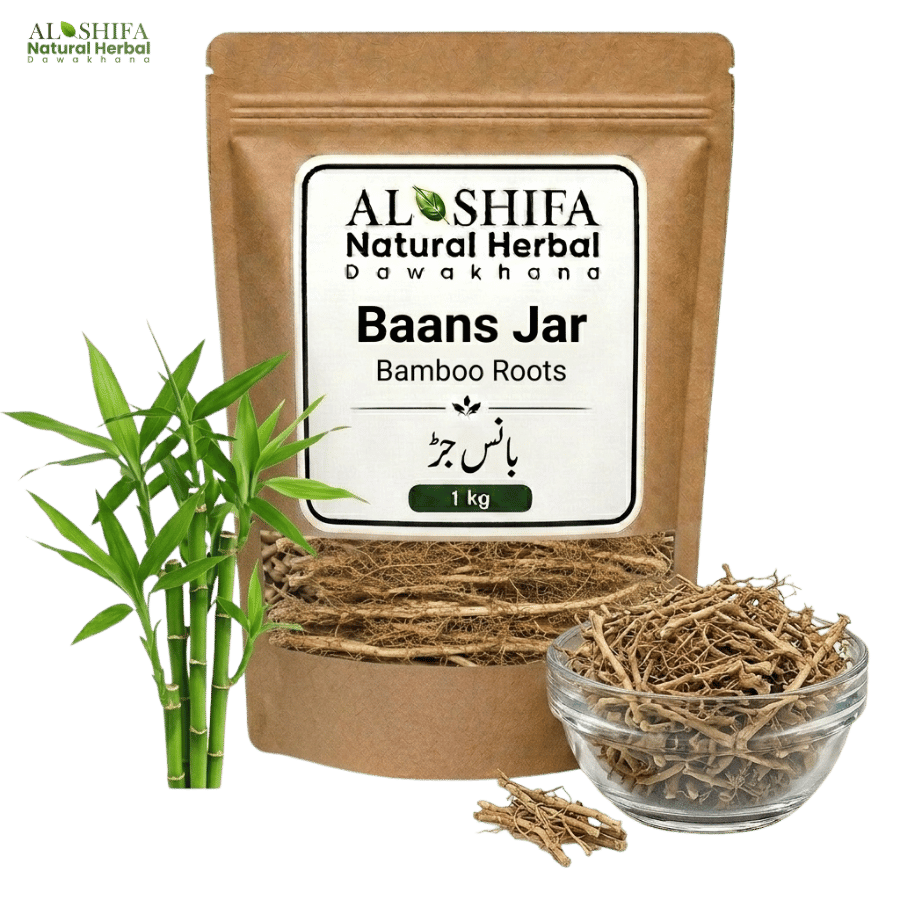
Baans Jar (Bamboo Roots) is a bamboo-derived botanical raw material. Bamboo belongs to the grass family, Poaceae, and includes many species, so the source species should be confirmed for accurate product identification.
When selecting Baans Jar, correct plant-part identification, cleanliness, appropriate drying, and sound material condition are important quality considerations. True roots should be distinguished from underground stems, known as rhizomes.
Key Features:
Important Note: Bamboo Roots should not be assumed edible or suitable for medicinal use without confirmed identity and appropriate safety information. Seek professional guidance before use.
Baans Jar (Bamboo Roots) is the market name for root material obtained from a bamboo plant. Bamboo belongs to the grass family, Poaceae, and includes many different species. Consequently, the name “Bamboo Roots” identifies a general type of material rather than one confirmed botanical species. Botanical reference: Royal Botanic Gardens, Kew
For customers seeking Baans Jar as a traditional botanical ingredient, correct species identification, confirmation of the supplied plant part, cleanliness, appropriate drying, and sound raw-material condition are important considerations.
The botanical source should be established before assigning a scientific name, describing species-specific traditional uses, or recommending medicinal preparation.
“Baans” means bamboo, while “Jar” refers to the root. Baans Jar is therefore requested in herbal markets as Bamboo Roots.
However, bamboo has both true roots and underground stems called rhizomes. Material collected from below ground may contain either or both, depending on how it was harvested and prepared.
The product specification should clarify whether the supplied material consists of:
This distinction matters because underground origin alone does not make every piece a root.
English Name: Bamboo Roots
Urdu Name: بانس جڑ
Roman Name: Baans Jar
Scientific Name: Requires confirmation of the source species
Family: Poaceae
Plant Part: Roots; confirm whether rhizome material is included
Product Type: Botanical Raw Material
A single scientific name cannot reliably be assigned from the common name Baans Jar alone. Supplier records or botanical examination should establish the source species.
Bamboo roots help anchor the plant and absorb water and nutrients. Rhizomes are underground stems that produce roots and new shoots.
Although both occur below ground, they are botanically different structures. Bamboo’s underground growth system includes rhizomes from which roots and above-ground stems develop. Plant-structure reference: University of Maryland Extension
For accurate product information, the supplied material should be described according to its actual identity.
This becomes especially important when the material is powdered, because its original structural features are harder to inspect.
Several bamboo-derived materials are sold for different purposes. They should not be treated as interchangeable.
Bamboo Roots: The root material covered by this product name.
Bamboo Rhizomes: Underground stems, distinct from true roots.
Bamboo Shoots: Young developing growth, supplied separately from roots.
Bamboo Leaves: The foliage of the plant.
Tabasheer or Banslochan: A separate bamboo-associated material traditionally obtained from deposits inside the stems.
Information about edible shoots, leaf extracts, or Banslochan should not automatically be applied to Baans Jar.
In particular, the use of certain bamboo shoots as food does not establish that bamboo roots are edible.
Different bamboo species and plant parts appear in regional traditional practices. However, such information must be connected to the correct species, plant part, and preparation.
Without those details, a broad statement about “bamboo benefits” is insufficient to establish an appropriate use for a commercial root product.
For Baans Jar, responsible traditional-use information should identify:
Until this information is available, specific medicinal benefits should remain unassigned.
Bamboo Roots should not be promoted as a proven treatment for diabetes, kidney disease, respiratory infections, infertility, or other diagnosed conditions.
Likewise, claims about bone strength, hair growth, or skin health should not be inferred merely because another bamboo-derived product contains a particular constituent.
A botanical raw material is not automatically a standardized supplement. Its composition and suitability require evidence specific to the product.
Research on bamboo may involve leaves, shoots, stem material, extracts, or isolated compounds from particular species.
Such findings do not establish the composition or effects of unidentified Bamboo Roots.
Before making a constituent claim, relevant evidence should confirm:
Baans Jar should not be described as “silica-rich,” “standardized,” or equivalent to a concentrated bamboo extract without suitable supporting information.
Whole or Cut Material: Root or rhizome pieces retaining some visible structural features.
Powder: Ground material in which visual identification becomes more difficult.
Processed Preparation: Material subjected to a specified preparation method.
Extract: A preparation produced through extraction, potentially concentrating selected constituents.
These forms should have separate specifications and instructions. Grinding or boiling unidentified material does not establish its safety or medicinal suitability.
When selecting Baans Jar, useful quality checks include:
Confirmed Botanical Source — Identification of the bamboo species.
Correct Plant Part — Clear distinction between roots and rhizomes.
Cleanliness — Removal of unnecessary soil, stones, and foreign plant matter.
Appropriate Dryness — No unusual dampness or excessive moisture.
Sound Condition — No visible mould, infestation, or significant deterioration.
Clear Product Form — Accurate identification of whole, cut, powdered, or processed material.
Traceable Information — Reliable supplier details and relevant batch specifications.
Underground plant material needs particular attention to cleaning and handling because it is harvested in contact with soil.
Appearance alone cannot confirm purity, botanical identity, or medicinal safety.
An oral medicinal preparation or dosage should not be recommended until the botanical species and supplied plant part have been established.
For practitioner-directed use, a qualified healthcare professional or registered practitioner should review:
Do not use instructions intended for bamboo shoots, leaves, Banslochan, or another bamboo species.
Do not assume that Bamboo Roots are suitable for unrestricted consumption simply because bamboo is a familiar plant.
When product-specific safety information is unavailable, avoid self-directed medicinal use, particularly:
The absence of documented medicine interactions does not prove compatibility with every treatment.
Stop using a preparation if an unexpected reaction occurs and seek appropriate medical advice.
Store dried Baans Jar in a clean, cool, dry place in a tightly closed container.
For better preservation:
Follow any storage and expiry instructions supplied with the product.
Baans Jar is a bamboo-derived botanical raw material for customers seeking correctly identified root material.
When buying Bamboo Roots in Pakistan, confirm the source species, supplied plant part, available form, pack weight, and condition of the material.
For enquiries at Al Shifa Natural Herbal Dawakhana, request current availability, price, and botanical specifications before ordering.
English Name: Bamboo Roots
Urdu Name: بانس جڑ
Roman Name: Baans Jar
Scientific Name: Requires species confirmation
Family: Poaceae
Plant Part: Roots; verify any rhizome content
Product Type: Botanical Raw Material
Important Note: Bamboo includes many species, and roots are different from rhizomes, shoots, leaves, and Banslochan. Confirm the identity of the supplied material before medicinal use or assigning a scientific name.
بانس جڑ، بانس کے پودے سے حاصل ہونے والی جڑوں کا معروف تجارتی نام ہے۔ بانس گھاس کے نباتاتی خاندان سے تعلق رکھتا ہے اور اس کی بہت سی انواع پائی جاتی ہیں۔ اس لیے صرف بانس جڑ کا نام کسی ایک مخصوص نباتاتی نوع کی شناخت نہیں کرتا۔
بطور نباتاتی خام جزو بانس جڑ خریدتے وقت ماخذ کی درست شناخت، فراہم کردہ حصے کی تصدیق، صفائی، مناسب خشکی اور خام مال کی حالت کو بنیادی اہمیت دینی چاہیے۔
کسی مخصوص سائنسی نام، طبی استعمال یا مقدار کا تعین کرنے سے پہلے یہ معلوم ہونا ضروری ہے کہ خام مال بانس کی کس نوع سے حاصل ہوا ہے اور اس میں حقیقی جڑیں ہیں یا زیرِ زمین تنا بھی شامل ہے۔
بانس جڑ سے مراد عموماً بانس کے پودے کی جڑوں سے حاصل کردہ خام مال ہے۔ تاہم بانس کے زیرِ زمین حصوں میں حقیقی جڑوں کے ساتھ زیرِ زمین تنے بھی ہوتے ہیں۔
برداشت اور تیاری کے طریقے کے مطابق فراہم کردہ مادے میں درج ذیل شامل ہو سکتے ہیں:
زمین کے نیچے سے حاصل ہونے والا ہر حصہ نباتاتی طور پر جڑ نہیں ہوتا۔ اسی لیے مستعمل حصے کی درست وضاحت ضروری ہے۔
بانس ایک ہی نوع کا نام نہیں، بلکہ گھاس کے خاندان سے تعلق رکھنے والے متعدد پودوں کا عمومی نام ہے۔
اردو نام: بانس جڑ
ماخذ: بانس کا پودا
نباتاتی خاندان: گھاس کا خاندان
مستعمل حصہ: جڑ؛ زیرِ زمین تنے کی موجودگی کی تصدیق ضروری ہے
مخصوص نباتاتی نوع: ماخذ کی تصدیق کے بعد متعین ہوگی
قسم: نباتاتی خام جزو
صرف تجارتی نام کی بنیاد پر کوئی ایک سائنسی نام مقرر کرنا درست نہیں۔ اس کے لیے فراہم کنندہ کی معتبر معلومات یا نباتاتی جانچ درکار ہوتی ہے۔
بانس کی حقیقی جڑیں پودے کو زمین میں قائم رکھنے اور پانی و غذائی اجزاء جذب کرنے میں مدد دیتی ہیں۔
زیرِ زمین تنا ایک الگ نباتاتی ساخت ہے، جس سے نئی جڑیں اور کونپلیں پیدا ہوتی ہیں۔
اگرچہ دونوں حصے زمین کے نیچے موجود ہوتے ہیں، ان کی شناخت اور ساخت مختلف ہوتی ہے۔ اس لیے جڑ کے نام سے فروخت ہونے والے خام مال میں زیرِ زمین تنے کے ٹکڑوں کی موجودگی واضح ہونی چاہیے۔
سفوف کی شکل میں اصل ساخت پہچاننا زیادہ مشکل ہوتا ہے، اس لیے معتبر ماخذ کی معلومات مزید اہم ہو جاتی ہیں۔
بانس سے حاصل ہونے والے مختلف اجزاء الگ خصوصیات اور مقاصد رکھتے ہیں۔
بانس جڑ: پودے کی حقیقی جڑوں سے حاصل ہونے والا خام مال۔
زیرِ زمین تنا: زمین کے اندر بڑھنے والا تنا، جو حقیقی جڑ سے مختلف ہوتا ہے۔
بانس کی کونپلیں: پودے کی نئی بڑھوتری۔
بانس کے پتے: پودے کی پتیاں۔
طباشیر یا بنسلوچن: بانس کے تنوں کے اندر بننے والے مخصوص ذخائر سے متعلق الگ روایتی مادہ۔
کونپلوں، پتوں یا طباشیر سے متعلق معلومات کو بانس جڑ پر خودبخود لاگو نہیں کرنا چاہیے۔ بعض کونپلوں کا بطور غذا استعمال، جڑوں کے کھانے کے قابل ہونے کا ثبوت نہیں ہے۔
مختلف علاقوں کے روایتی طریقوں میں بانس کی بعض انواع اور ان کے مختلف حصوں کا ذکر ملتا ہے۔ تاہم ہر استعمال کو متعلقہ نوع، مستعمل حصے اور تیاری کے طریقے کے ساتھ سمجھنا ضروری ہے۔
بانس کے عمومی فوائد کا بیان کسی نامعلوم تجارتی جڑ کے استعمال کی کافی بنیاد نہیں بنتا۔
درست روایتی معلومات میں یہ واضح ہونا چاہیے:
ان تفصیلات کے بغیر مخصوص طبی فوائد منسوب کرنا مناسب نہیں۔
بانس جڑ کو بلا ثبوت:
کا ثابت شدہ علاج قرار نہیں دینا چاہیے۔
اسی طرح ہڈیوں کی مضبوطی، بالوں کی افزائش یا جلد کی صحت کے دعوے صرف اس وجہ سے درست نہیں ہو جاتے کہ بانس سے حاصل ہونے والے کسی دوسرے مادے میں مخصوص اجزاء پائے جاتے ہیں۔
نباتاتی خام مال کی ترکیب اور موزونیت کے لیے اسی مادے سے متعلق شواہد ضروری ہیں۔
بانس سے متعلق تحقیق مختلف انواع کے پتوں، کونپلوں، تنوں، عصاروں یا الگ کیے گئے اجزاء پر مشتمل ہو سکتی ہے۔
ایسی تحقیق سے نامعلوم نوع کی بانس جڑ کی ترکیب یا اثرات ثابت نہیں ہوتے۔
کسی جزو کی موجودگی کا دعویٰ کرنے سے پہلے یہ معلوم ہونا چاہیے:
مناسب ثبوت کے بغیر بانس جڑ کو سلیکا سے بھرپور یا کسی مرتکز بانس عصارے کے برابر قرار نہیں دینا چاہیے۔
مکمل یا کٹا ہوا خام مال: جڑ یا زیرِ زمین تنے کے ٹکڑے، جن میں بعض ظاہری شناختی خصوصیات برقرار رہتی ہیں۔
سفوف: پیسا ہوا مادہ، جس میں اصل ساخت کی شناخت زیادہ مشکل ہوتی ہے۔
مخصوص تیاری: ایسا مادہ جسے واضح طریقے سے تیار کیا گیا ہو۔
عصارہ: استخراج سے حاصل ہونے والی تیاری، جس میں منتخب اجزاء مرتکز ہو سکتے ہیں۔
ان شکلوں کی معلومات اور استعمال کی ہدایات الگ ہونی چاہییں۔ نامعلوم خام مال کو پیسنے یا ابالنے سے اس کی حفاظت ثابت نہیں ہوتی۔
خریداری کے وقت درج ذیل امور پر توجہ دیں:
درست ماخذ: بانس کی متعلقہ نوع کی تصدیق۔
صحیح مستعمل حصہ: حقیقی جڑ اور زیرِ زمین تنے میں واضح فرق۔
صفائی: غیر ضروری مٹی، کنکر اور بیرونی نباتاتی مواد کم سے کم ہو۔
مناسب خشکی: غیر معمولی نمی یا گیلا پن موجود نہ ہو۔
درست حالت: پھپھوندی، کیڑوں یا نمایاں خرابی کے آثار نہ ہوں۔
واضح شکل: مکمل، کٹی ہوئی، سفوف شدہ یا تیار شدہ ہونے کی درست معلومات۔
معتبر تفصیلات: فراہم کنندہ اور خام مال کی شناخت سے متعلق قابلِ اعتماد معلومات۔
زیرِ زمین خام مال کی صفائی اور سنبھال پر خصوصی توجہ ضروری ہے، کیونکہ برداشت کے وقت اس کا مٹی سے براہِ راست تعلق ہوتا ہے۔
صرف ظاہری شکل سے خالص ہونے، درست شناخت یا طبی حفاظت کی مکمل تصدیق نہیں کی جا سکتی۔
بانس کی نوع اور فراہم کردہ حصے کی شناخت کے بغیر خوراک کے طور پر طبی استعمال یا مقدار تجویز نہیں کرنی چاہیے۔
مستند معالج یا رجسٹرڈ طبیب کی رہنمائی میں استعمال سے پہلے درج ذیل امور واضح ہونے چاہییں:
بانس کی کونپلوں، پتوں، طباشیر یا کسی دوسری نوع کی ہدایات کو اس خام مال پر لاگو نہ کریں۔
بانس ایک معروف پودا ہے، لیکن اس سے حاصل ہونے والی ہر جڑ کو بے حد استعمال کے لیے محفوظ نہیں سمجھنا چاہیے۔
خام مال سے متعلق حفاظتی معلومات دستیاب نہ ہوں تو خود سے طبی استعمال سے گریز کریں، خصوصاً:
ادویات کے ساتھ باہمی اثرات کی اطلاع نہ ملنے کو ہر علاج کے ساتھ مطابقت کا ثبوت نہیں سمجھنا چاہیے۔
کسی تیاری کے استعمال کے بعد غیر متوقع تکلیف ہو تو استعمال روک کر طبی مشورہ حاصل کریں۔
خشک بانس جڑ کو صاف، ٹھنڈی اور خشک جگہ پر اچھی طرح بند برتن میں محفوظ رکھیں۔
بہتر حفاظت کے لیے:
پیکٹ پر محفوظ رکھنے اور مدتِ استعمال کی ہدایات موجود ہوں تو ان کی پابندی کریں۔
بانس جڑ ایسے صارفین کے لیے نباتاتی خام مال ہے جو درست شناخت شدہ بانس کی جڑ تلاش کر رہے ہیں۔
پاکستان میں خریداری کے وقت بانس کی نوع، فراہم کردہ حصے، دستیاب شکل، پیکٹ کے وزن اور خام مال کی حالت کی تصدیق کریں۔
الشفاء نیچرل ہربل دواخانہ سے بانس جڑ کے متعلق معلومات حاصل کرتے وقت موجودہ دستیابی، قیمت اور نباتاتی ماخذ کی تفصیلات معلوم کر لیں۔
اردو نام: بانس جڑ
ماخذ: بانس کا پودا
نباتاتی خاندان: گھاس کا خاندان
مستعمل حصہ: جڑ؛ زیرِ زمین تنے کی آمیزش کی تصدیق ضروری ہے
مخصوص نباتاتی نوع: ماخذ کی تصدیق درکار ہے
قسم: نباتاتی خام جزو
اہم وضاحت: بانس کی بہت سی انواع ہیں۔ جڑیں، زیرِ زمین تنے، کونپلیں، پتے اور طباشیر الگ مواد ہیں۔ طبی استعمال یا مخصوص سائنسی نام مقرر کرنے سے پہلے فراہم کردہ خام مال کی درست شناخت ضروری ہے۔