کوکا بٹر
Price range: ₨ 1,200 through ₨ 8,000
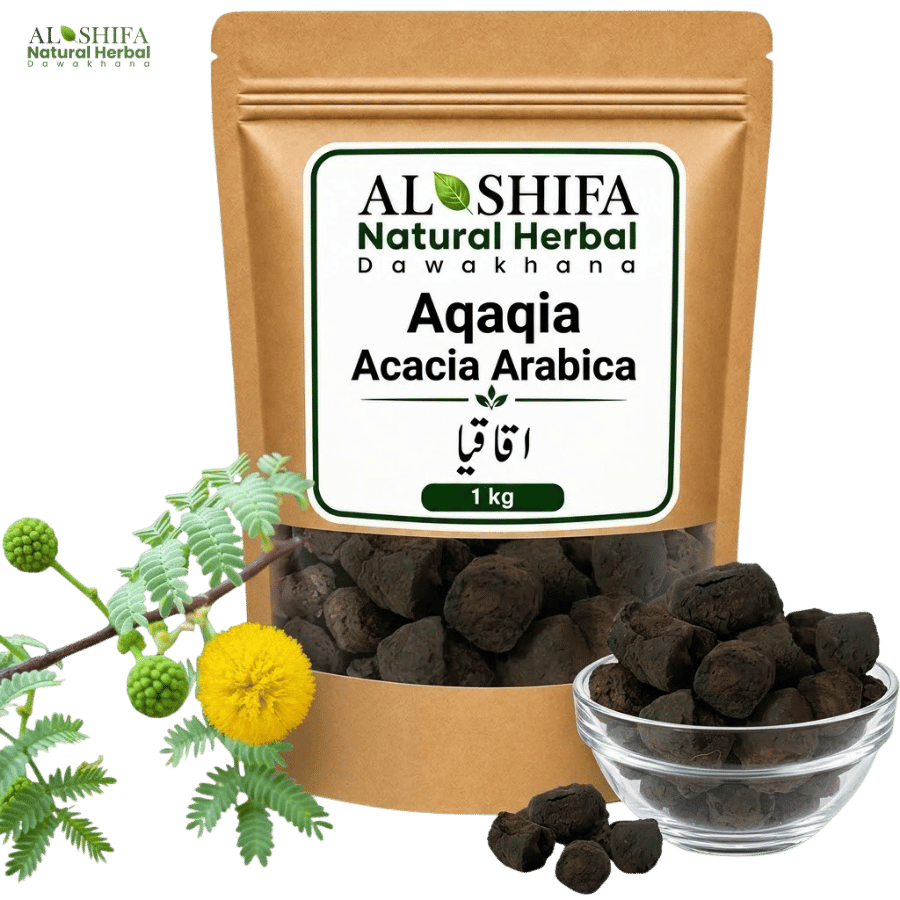
Aqaqia, commonly known as Acacia Arabica, is a traditional herbal material associated with Vachellia nilotica, also historically known as Acacia nilotica. It is valued mainly for its natural astringent properties and has traditionally been used in oral-care, gum-care, external and selected digestive herbal preparations.
Al Shifa Aqaqia is carefully selected with attention to its traditional identity, natural appearance, cleanliness, proper dryness and responsible storage.
Key Features:
Usage: Suitable for selected traditional oral-care, external and herbal preparations according to the exact plant part and intended application.
Important Note: Aqaqia is associated with Vachellia nilotica, but its bark, pods, leaves, seeds and gum are different materials. It should not be confused with Gond Kikar, Gum Arabic or Acacia catechu. Concentrated internal use should be approached responsibly.
Aqaqia, commonly associated with Acacia arabica, is a traditional plant material obtained from the well-known Kikar/Babul tree. The plant is now widely classified botanically as Vachellia nilotica, while the older scientific name Acacia nilotica and the trade name Acacia arabica remain commonly used in herbal and traditional medicine markets.
Aqaqia has a long history in Unani, Ayurvedic and South Asian herbal practice. Different parts of the Kikar/Babul tree have traditionally been used in preparations associated with oral and gum care, skin care, digestive comfort and astringent applications.
A major characteristic of many Acacia nilotica materials is their natural content of tannins, which contribute to their strong astringent nature. However, the exact composition depends greatly on which plant part is supplied.
At Al Shifa Natural Herbal Dawakhana, Aqaqia is selected with attention to its traditional identity, characteristic appearance, cleanliness, proper dryness and responsible storage.
Aqaqia is a traditional herbal material associated with the Kikar or Babul tree.
This thorny tree is widely recognised across South Asia and other warm regions.
It may produce:
Different plant parts have different compositions and uses.
For this reason, the exact plant part supplied as Aqaqia should be considered when determining its traditional application.
English Name: Acacia Arabica / Babul / Kikar
Urdu Name: اقاقیا
Roman Name: Aqaqia / Aqaqiya
Accepted Scientific Name: Vachellia nilotica (L.) P.J.H.Hurter & Mabb.
Common Older Name: Acacia nilotica (L.) Delile
Traditional Trade Name: Acacia arabica
Plant Family: Fabaceae
Product Type: Traditional Herbal Raw Material
Botanical classification of many plants previously placed in the genus Acacia has changed.
The plant historically called Acacia nilotica is now commonly classified as Vachellia nilotica.
The name Acacia arabica is also widely encountered in older herbal, Unani, Ayurvedic and commercial references.
Therefore:
Acacia arabica / Acacia nilotica → commonly associated with Vachellia nilotica
Older names remain useful for identifying the herb in traditional trade.
The same tree may be known by different regional and traditional names.
Common names include:
However, the word Aqaqia in traditional trade can sometimes refer to a particular preparation or plant material rather than every part of the tree.
For accurate use, the exact supplied material should be identified.
The Kikar/Babul tree provides several useful plant materials.
These include:
Bark: Naturally rich in astringent compounds.
Pods: Traditionally used in selected herbal preparations.
Leaves: Used in selected external and traditional formulations.
Gum: A separate exudate obtained from the tree.
Seeds: Different in composition from bark, pods and gum.
Therefore:
Bark ≠ Pod ≠ Leaf ≠ Seed ≠ Gum
They should not automatically be substituted for one another.
Aqaqia has long been valued for its astringent character.
Traditional herbal systems have included Acacia-derived materials in preparations associated with:
Its exact traditional role depends on the plant part and preparation.
Astringency is the dry, tightening sensation produced by certain plant compounds, particularly tannins.
Acacia bark and selected other parts can naturally contain substantial amounts of tannin-type compounds.
This explains why Aqaqia has historically been included in many tightening and drying herbal preparations.
However:
Astringent Effect ≠ Treatment for Every Disease
Astringency is a property of the material, not proof of a cure.
Depending on the plant part, Vachellia nilotica can naturally contain compounds such as:
The concentration of these substances can differ greatly between bark, pods, leaves, seeds and extracts.
Tannins are especially important when discussing the traditional astringent character of Acacia materials.
They can interact with proteins and create a tightening sensation on tissues.
This property explains traditional use in selected:
Very concentrated tannin-rich products should still be used responsibly.
Acacia-derived plant materials have a long history in traditional oral-care preparations.
Their astringent nature has been associated with:
However:
Aqaqia ≠ Treatment for Gum Disease
Bleeding gums, persistent swelling, tooth pain, loose teeth or oral infection require appropriate dental assessment.
Kikar/Babul branches have historically been used in some regions for tooth-cleaning sticks.
However, Aqaqia raw material and a prepared Miswak stick are not automatically the same product.
Therefore:
Aqaqia ≠ Automatically Miswak
The plant part and preparation should be identified.
Tannin-rich Acacia materials have traditionally been included in selected digestive preparations, particularly where an astringent herbal ingredient was desired.
However, Aqaqia should not be promoted as a guaranteed treatment for:
Persistent digestive symptoms require appropriate medical assessment.
If diarrhoea occurs, replacing lost fluids and electrolytes is particularly important.
Severe or persistent diarrhoea, blood in stool, high fever, dehydration or symptoms in a young child require medical attention.
An astringent herb should not replace appropriate hydration or medical care.
Aqaqia has also been used in selected external herbal preparations because of its drying and astringent character.
It may be incorporated into traditional:
However, it should not be presented as a proven cure for skin infections, eczema, psoriasis or fungal diseases.
Strong astringent plant materials may feel excessively drying on sensitive skin.
Avoid application to:
Discontinue use if significant redness, burning or irritation develops.
This is an important product distinction.
Aqaqia: Traditional Acacia-derived herbal material.
Gond Kikar: Gum exudate obtained from the Kikar/Babul tree.
Therefore:
Aqaqia ≠ Gond Kikar
Even when both come from related or the same botanical source, the plant materials and their properties are different.
The commercial term Gum Arabic is mainly associated with gum from selected Acacia-related species, especially Senegalia senegal and Vachellia seyal.
Therefore:
Aqaqia ≠ Automatically Gum Arabic
and
Acacia arabica ≠ Senegalia senegal
Common trade terminology should not replace botanical identification.
Another important distinction involves Acacia catechu, now commonly classified as Senegalia catechu.
It is associated with products such as Khair/Katha.
This is different from Vachellia nilotica.
Therefore:
Acacia arabica / Vachellia nilotica ≠ Acacia catechu / Senegalia catechu
They should not be treated as the same herbal material.
Aqaqia may be supplied in several forms.
Whole/Cut Material: Dried plant material with minimal processing.
Powder: Finely ground material.
Extract: Concentrated preparation produced through an extraction process.
Therefore:
Whole Material ≠ Powder ≠ Extract
Research performed on a concentrated extract should not automatically be applied to ordinary dried material.
Aqaqia extracts can differ according to:
Equal weight does not necessarily mean equal strength.
Vachellia nilotica and its extracts have been investigated in experimental research for several biological effects.
However:
Aqaqia ≠ Diabetes Medicine
Experimental or preliminary research should not be interpreted as proof that ordinary Aqaqia can treat diabetes or replace prescribed glucose-lowering medicines.
Plant extracts containing tannins and polyphenols are sometimes studied for metabolic effects.
This does not establish Aqaqia as a cholesterol medicine.
Therefore:
Aqaqia ≠ Guaranteed Cholesterol Treatment
Laboratory research may investigate plant extracts for antimicrobial activity.
However:
Laboratory Antimicrobial Activity ≠ Proven Treatment of Human Infection
Aqaqia should not replace antibiotics or other appropriate treatment for bacterial infections.
Traditional internal use depends strongly on:
Because tannin-rich preparations can be strongly astringent, excessive internal use should be avoided.
Tannins can bind with certain substances in the digestive tract.
Highly tannin-rich preparations may potentially affect the absorption of some medicines, minerals or nutrients when taken at the same time.
For regular medicinal use, appropriate spacing or professional guidance may be useful.
Normal dietary exposure and concentrated medicinal use are different.
Reliable safety information for concentrated Aqaqia preparations during pregnancy and breastfeeding is limited.
Unsupervised medicinal use should therefore be avoided during pregnancy and breastfeeding.
Concentrated Aqaqia preparations should not be given to young children without suitable professional guidance.
Persistent diarrhoea or dehydration in children requires medical attention rather than reliance on astringent herbs.
People with chronic digestive disease, significant nutritional deficiencies or those taking regular medicines should use concentrated tannin-rich herbal preparations carefully.
Professional guidance is appropriate when long-term internal use is intended.
At Al Shifa Natural Herbal Dawakhana, Aqaqia is selected with attention to:
Traditional Identity – Material consistent with recognised Aqaqia characteristics.
Natural Appearance – Appropriate colour, texture and physical characteristics.
Cleanliness – Careful selection to reduce unwanted foreign material.
Proper Dryness – Material appropriately dried for storage.
Responsible Handling – Clean handling during selection and packing.
Proper Storage – Protection from moisture, insects and contamination.
Al Shifa Natural Herbal Dawakhana, established in 1999, supplies carefully selected herbs and specialised traditional natural materials throughout Pakistan.
Our focus for Aqaqia includes:
Aqaqia may be used as a traditional botanical raw material in suitable oral-care, external and selected herbal formulations according to the exact plant part and intended preparation.
Because different parts of Vachellia nilotica are not interchangeable, use should be based on correct identification of the supplied material.
For internal medicinal use, especially concentrated or long-term use, appropriate professional guidance is recommended.
Aqaqia is a traditional Acacia-derived herbal material and its exact properties depend strongly on the botanical source and plant part supplied.
Important distinctions include:
Store Aqaqia in a cool, clean and dry place.
For best quality:
Aqaqia / Acacia Arabica – اقاقیا is a traditional Acacia-derived herbal material associated with Vachellia nilotica, historically known as Acacia nilotica and widely referred to in older trade as Acacia arabica. It is particularly valued for its natural astringent character and its traditional use in oral, gum-care, external and selected digestive formulations.
Because the Kikar/Babul tree provides several different plant materials, correct identification of the bark, pod, leaf, seed or gum is important. Aqaqia should also be distinguished from Gond Kikar, Gum Arabic and Acacia catechu.
Customers searching for Aqaqia, Aqaqiya, Acacia Arabica, Acacia Nilotica, Vachellia Nilotica, Babul, Babool, Kikar, Aqaqia Herb, Acacia Arabica Herb, Vachellia Nilotica Herb, Aqaqia Pakistan, Acacia Arabica Pakistan, Vachellia Nilotica Pakistan, Aqaqia Lahore, Acacia Arabica Lahore, Aqaqia price in Pakistan, Acacia Arabica price in Pakistan, buy Aqaqia Pakistan, buy Acacia Arabica Pakistan or Aqaqia online Pakistan can choose Al Shifa Natural Herbal Dawakhana for carefully selected traditional botanical material.
Since 1999, Al Shifa Natural Herbal Dawakhana has focused on supplying herbs and specialised natural materials with attention to correct identity, quality selection, cleanliness, proper drying, responsible information and suitable storage.
Product Name: Aqaqia
English Name: Acacia Arabica / Babul / Kikar
Urdu Name: اقاقیا
Roman Name: Aqaqia / Aqaqiya
Accepted Scientific Name: Vachellia nilotica (L.) P.J.H.Hurter & Mabb.
Older Botanical Name: Acacia nilotica (L.) Delile
Traditional Trade Name: Acacia arabica
Plant Family: Fabaceae
Product Type: Traditional Herbal Raw Material
Traditional Use: Oral-care, gum-care, external astringent and selected digestive herbal preparations
Important Note: Aqaqia is associated with Vachellia nilotica, but the exact plant part should be identified because bark, pods, leaves, seeds and gum are different materials. It should not be confused with Gond Kikar, commercial Gum Arabic or Acacia catechu, and traditional use should not be interpreted as proven treatment for disease.
اقاقیا کیکر یا ببول کی پھلیوں سے حاصل کیا جانے والا گاڑھا خشک جوہر ہے۔ حکمت میں اسے خاص اہمیت حاصل ہے اور اسے اپنی قابض اور خشک کرنے والی خصوصیات کی وجہ سے مختلف حکیمی ادویات میں استعمال کیا جاتا ہے۔
اقاقیا خاص طور پر دست، پیچش، آنتوں کی کمزوری، مسوڑھوں کی کمزوری، منہ کے چھالوں، زیادہ خون بہنے اور خواتین کے سیلان کی بیماری میں استعمال کیا جاتا ہے۔ بیرونی طور پر بھی اسے جلد، مسوڑھوں اور زخموں کی دیکھ بھال کے لیے استعمال کیا جاتا ہے۔
اقاقیا کیکر یا ببول کے درخت سے حاصل ہونے والی پھلیوں کا گاڑھا خشک جوہر ہے۔
اسے تیار کرنے کے لیے پھلیوں سے حاصل شدہ رس کو گاڑھا کرکے خشک کیا جاتا ہے۔ خشک ہونے کے بعد اقاقیا سخت، گہری بھوری یا تقریباً سیاہ رنگت اختیار کرتا ہے۔
اس کا ذائقہ تیز کسیلا ہوتا ہے۔ یہی کسیلا پن اس میں موجود قابض اجزا کی ایک خاص پہچان ہے۔
اقاقیا کو ٹکڑوں، خشک جوہر اور سفوف کی شکل میں حکیمی ادویات میں استعمال کیا جاتا ہے۔
اقاقیا اور گوند کیکر ایک چیز نہیں ہیں۔
اقاقیا کیکر یا ببول کی پھلیوں سے حاصل کیا جانے والا خشک جوہر ہے، جبکہ گوند کیکر درخت کے تنے اور شاخوں سے نکلنے والی قدرتی گوند ہے۔
دونوں ایک ہی درخت سے حاصل ہوتے ہیں لیکن ان کی شکل، قدرتی اجزا اور طبی استعمال الگ ہیں۔
اسی لیے اقاقیا خریدتے وقت اسے گوند کیکر سمجھنا درست نہیں۔
حکمت کی کتبِ مفردات میں اقاقیا کا مزاج سرد و خشک درجہ دوم بیان کیا گیا ہے۔
اس کی قابض، خشک کرنے والی اور خون کے بہاؤ کو کم کرنے والی خصوصیات بھی اسی مزاج کے مطابق بیان کی جاتی ہیں۔
حکمت میں سرد و خشک مزاج رکھنے والا اقاقیا خاص طور پر ایسی ادویات میں استعمال کیا جاتا ہے جہاں زیادہ رطوبت، ڈھیلا پن اور اخراج کو کم کرنا مقصود ہو۔
اقاقیا میں ٹینن کی اچھی مقدار پائی جاتی ہے، جو اس کے کسیلے ذائقے اور قابض خاصیت کی بڑی وجہ ہے۔
اس کے علاوہ اس میں قدرتی حفاظتی اجزا، فلیونوئڈ، سیپونن، قدرتی شکر، سٹیرول اور دوسرے فعال اجزا پائے جاتے ہیں۔
اقاقیا کے انہی قدرتی اجزا پر جراثیم، جسمانی سوزش، زخموں اور جسم میں پیدا ہونے والے نقصان دہ آزاد ذرات کے خلاف اثرات کے حوالے سے تحقیق کی گئی ہے۔
اقاقیا اپنی قابض خاصیت کی وجہ سے دست کی بیماری میں استعمال کیا جاتا ہے۔
حکمت میں اسے آنتوں سے زیادہ پانی اور رطوبت کے اخراج کو کم کرنے والی ادویات میں شامل کیا جاتا ہے۔
اس کا کسیلا پن آنتوں کی ڈھیلی حالت میں فائدہ مند سمجھا جاتا ہے۔
اقاقیا پیچش کی بیماری کے لیے حکیمی ادویات میں استعمال کیا جاتا ہے۔
خاص طور پر آنتوں کی کمزوری اور بار بار پتلے پاخانے آنے کی حالت میں قابض ادویات کے ساتھ اقاقیا شامل کیا جاتا ہے۔
خون والے دست کی بیماری کے حکیمی نسخوں میں بھی اقاقیا استعمال کیا جاتا ہے۔
اقاقیا آنتوں کی کمزوری اور زیادہ رطوبت کے اخراج میں استعمال کیا جاتا ہے۔
اس کی قابض خاصیت آنتوں کو سکیڑنے اور زیادہ اخراج کو کم کرنے کے لیے حکیمی ادویات میں اہم سمجھی جاتی ہے۔
اقاقیا کو حکمت میں خون کے زیادہ بہاؤ کو کم کرنے والی دوا کے طور پر استعمال کیا جاتا ہے۔
اس کی قابض خاصیت کی وجہ سے اسے خون کے زیادہ اخراج کے لیے استعمال ہونے والی حکیمی ادویات میں شامل کیا جاتا ہے۔
اس مقصد کے لیے اس کا اندرونی اور بیرونی استعمال نسخے کے مطابق رکھا جاتا ہے۔
اقاقیا خواتین کے سیلان کی بیماری میں استعمال کیا جاتا ہے۔
اس کی قابض اور خشک کرنے والی خصوصیات کی وجہ سے اسے زیادہ رطوبت کے اخراج کو کم کرنے والی حکیمی ادویات میں شامل کیا جاتا ہے۔
اس بیماری میں اندرونی استعمال کی مقدار معالج سے چیک کروائیں۔
اقاقیا کمزور اور نرم مسوڑھوں کے لیے استعمال کیا جاتا ہے۔
اس کی قابض خاصیت مسوڑھوں کو مضبوط رکھنے اور منہ کی صفائی میں فائدہ مند سمجھی جاتی ہے۔
اسے منہ اور مسوڑھوں کے لیے استعمال ہونے والے سفوف اور حکیمی ادویات میں شامل کیا جاتا ہے۔
مسوڑھوں سے خون آنے کی بیماری میں اقاقیا بیرونی طور پر استعمال کیا جاتا ہے۔
اس کی قابض خاصیت مسوڑھوں کے ڈھیلے پن اور خون کے اخراج کو کم کرنے کے لیے فائدہ مند سمجھی جاتی ہے۔
اقاقیا منہ کے چھالوں اور منہ کے اندر زیادہ رطوبت کی شکایت میں استعمال کیا جاتا ہے۔
اس کی قابض خاصیت کی وجہ سے اسے منہ کی صفائی کے لیے استعمال ہونے والی حکیمی ادویات میں شامل کیا جاتا ہے۔
اقاقیا گلے اور منہ کی صفائی کے لیے بھی استعمال کیا جاتا ہے۔
اس کے کسیلے اجزا منہ اور گلے کی نرم سطح پر قابض اثر رکھتے ہیں، اسی لیے اسے غراروں اور منہ کی صفائی کے نسخوں میں شامل کیا جاتا ہے۔
اقاقیا بیرونی طور پر زخموں کی صفائی اور خشک رکھنے کے لیے استعمال کیا جاتا ہے۔
اس کی قابض اور خشک کرنے والی خصوصیات کی وجہ سے اسے بیرونی حکیمی ادویات میں شامل کیا جاتا ہے۔
اقاقیا کے قدرتی اجزا پر زخم بھرنے کے عمل کے حوالے سے بھی تحقیق کی گئی ہے۔
اقاقیا جلد کی بیرونی صفائی اور زیادہ رطوبت والی جلد کے لیے استعمال کیا جاتا ہے۔
اس کی قابض خاصیت جلد کو سکیڑنے اور زیادہ نمی کو کم کرنے میں فائدہ مند ہوتی ہے۔
حساس جلد پر پہلی بار استعمال سے پہلے تھوڑی مقدار آزمائیں۔
اقاقیا زیادہ پسینہ آنے کی شکایت میں بیرونی طور پر استعمال کیا جاتا ہے۔
اس کی خشک کرنے والی اور قابض خاصیت کی وجہ سے اسے جلد پر لگائے جانے والے حکیمی نسخوں میں شامل کیا جاتا ہے۔
اقاقیا کی سب سے نمایاں طبی خاصیت اس کا قابض ہونا ہے۔
اس میں موجود ٹینن جسم کی نرم سطحوں پر سکڑاؤ پیدا کرتے ہیں۔ اسی وجہ سے اسے دست، زیادہ رطوبت، مسوڑھوں کی کمزوری اور بیرونی جلد کے نسخوں میں استعمال کیا جاتا ہے۔
اقاقیا میں قدرتی حفاظتی اجزا پائے جاتے ہیں۔
ان اجزا پر جسم میں پیدا ہونے والے نقصان دہ آزاد ذرات کے خلاف اثرات کے حوالے سے تحقیق کی گئی ہے۔
اقاقیا میں موجود قدرتی اجزا اس کی طبی اہمیت میں اضافہ کرتے ہیں۔
اقاقیا کے قدرتی اجزا پر جراثیم کے خلاف اثرات کے حوالے سے تحقیق کی گئی ہے۔
اس میں موجود ٹینن اور دوسرے قدرتی اجزا اس خاصیت میں اہم کردار رکھتے ہیں۔
اچھا اقاقیا گہری بھوری سے تقریباً سیاہ رنگت کا خشک اور سخت جوہر ہوتا ہے۔
اس کا ذائقہ واضح طور پر کسیلا ہوتا ہے۔ خشک اقاقیا ٹکڑوں یا سفوف کی شکل میں ملتا ہے۔
اچھی اقاقیا صاف، مناسب طور پر خشک، اپنی قدرتی رنگت والی اور غیر ضروری ملاوٹ سے پاک ہوتی ہے۔
اقاقیا خشک سخت ٹکڑوں اور سفوف کی شکل میں ملتا ہے۔
حکیمی ادویات میں اسے باریک کرکے دوسری مناسب جڑی بوٹیوں اور اجزا کے ساتھ شامل کیا جاتا ہے۔
بیرونی استعمال کے لیے بھی اس کا سفوف نسخے کے مطابق استعمال کیا جاتا ہے۔
اقاقیا کو سفوف اور حکیمی مرکب ادویات میں استعمال کیا جاتا ہے۔
منہ، مسوڑھوں اور جلد کے لیے اسے بیرونی نسخوں میں بھی شامل کیا جاتا ہے۔
دست، پیچش، خواتین کے سیلان کی بیماری یا خون کے زیادہ اخراج کے لیے اندرونی مقدار معالج سے چیک کروائیں۔
اقاقیا بہت زیادہ مقدار میں استعمال کرنے سے قبض، معدے کی بے آرامی اور آنتوں میں زیادہ خشکی پیدا کر سکتا ہے۔
اس کی قابض خاصیت کی وجہ سے پہلے سے سخت قبض رکھنے والے افراد زیادہ مقدار استعمال نہ کریں۔
جسم کو موافق نہ آنے پر استعمال بند کر دیں۔
قبض کی بیماری رکھنے والے افراد اقاقیا کی زیادہ مقدار استعمال نہ کریں۔
معدہ اور آنتوں کے امراض میں مسلسل اندرونی استعمال کے لیے مقدار معالج سے چیک کروائیں۔
حاملہ خواتین، دودھ پلانے والی خواتین اور بچوں کے لیے اندرونی مقدار بھی معالج سے چیک کروائیں۔
اقاقیا کیکر یا ببول کی پھلیوں سے حاصل ہونے والا گاڑھا خشک جوہر ہے۔
اس میں ٹینن، فلیونوئڈ، سیپونن اور دوسرے قدرتی اجزا پائے جاتے ہیں۔
حکمت میں اقاقیا اپنی قابض اور خشک کرنے والی خاصیت کی وجہ سے دست، پیچش، زیادہ رطوبت، خواتین کے سیلان، مسوڑھوں کی کمزوری اور زیادہ خون بہنے کے لیے استعمال کیا جاتا ہے۔
کتبِ مفردات میں اس کا مزاج سرد و خشک درجہ دوم بیان کیا گیا ہے۔
اقاقیا اور گوند کیکر الگ چیزیں ہیں، اس لیے طبی استعمال کے لیے درست چیز کی شناخت ضروری ہے۔
الشفاء نیچرل ہربل دواخانہ میں اقاقیا کے لیے درج ذیل باتوں کو اہمیت دی جاتی ہے:
درست شناخت: کیکر یا ببول کی پھلیوں سے حاصل ہونے والے اصل اقاقیا کی شناخت کو اہمیت دی جاتی ہے۔
قدرتی رنگت: گہری بھوری سے سیاہ قدرتی رنگت کو دیکھا جاتا ہے۔
خاص کسیلا ذائقہ: اقاقیا کے اپنے قدرتی کسیلے ذائقے کو اہمیت دی جاتی ہے۔
صاف حالت: مٹی، گرد، کنکر اور غیر ضروری اجزا سے پاک اقاقیا کو اہمیت دی جاتی ہے۔
مناسب خشکی: اچھی طرح خشک اقاقیا کو اہمیت دی جاتی ہے تاکہ نمی کی وجہ سے خراب نہ ہو۔
اچھی حالت: پھپھوندی، خراب بو اور نمی والے اقاقیا سے بچا جاتا ہے۔
غیر ضروری ملاوٹ سے پاک: دوسری گوند، رنگ اور غیر ضروری اجزا کی ملاوٹ سے پاک ہونے کو اہمیت دی جاتی ہے۔
الشفاء نیچرل ہربل دواخانہ سنہ ۱۹۹۹ سے قدرتی جڑی بوٹیوں، بیجوں، پھلیوں، جڑوں اور حکمت میں استعمال ہونے والے اجزا کی سپلائی کر رہا ہے۔
ہم اقاقیا میں درست شناخت، قدرتی رنگت، خاص کسیلا ذائقہ، صاف حالت، مناسب خشکی اور غیر ضروری ملاوٹ سے پاک ہونے کو اہمیت دیتے ہیں۔
اچھے اقاقیا کی پہچان اس کی گہری قدرتی رنگت، خاص کسیلے ذائقے، صاف حالت، مناسب خشکی اور اچھی پیکنگ سے کی جاتی ہے۔
اقاقیا کو ٹھنڈی، خشک اور روشنی سے محفوظ جگہ پر کسی جار میں اچھی طرح پیک کر کے رکھیں۔
اسے نمی، پانی، تیز دھوپ اور زیادہ گرمی سے بچائیں۔
اقاقیا کو گوند کیکر یا گوند عربی نہ سمجھیں۔ حکمت میں اقاقیا سے مراد کیکر یا ببول کی پھلیوں سے حاصل ہونے والا گاڑھا خشک جوہر ہے۔
اس کی قابض خاصیت کافی نمایاں ہوتی ہے، اس لیے زیادہ مقدار قبض اور آنتوں میں خشکی پیدا کر سکتی ہے۔
کسی بیماری کے لیے مسلسل اندرونی استعمال میں مناسب مقدار معالج سے چیک کروائیں۔
اقاقیا کیکر یا ببول کی پھلیوں سے حاصل ہونے والا خشک گاڑھا جوہر ہے۔ حکمت کی کتبِ مفردات میں اس کا مزاج سرد و خشک درجہ دوم بیان کیا گیا ہے۔
اس میں ٹینن اور دوسرے قدرتی اجزا پائے جاتے ہیں جو اس کے کسیلے ذائقے اور قابض خاصیت کی بڑی وجہ ہیں۔ اقاقیا دست، پیچش، زیادہ رطوبت، خواتین کے سیلان، مسوڑھوں کی کمزوری، زیادہ خون بہنے اور بیرونی جلد کی دیکھ بھال کے لیے حکیمی ادویات میں استعمال کیا جاتا ہے۔
اچھا اقاقیا گہری بھوری سے سیاہ قدرتی رنگت، واضح کسیلے ذائقے، مناسب خشکی اور صاف حالت سے پہچانا جاتا ہے۔