روغن خشخاش
Price range: ₨ 850 through ₨ 6,500
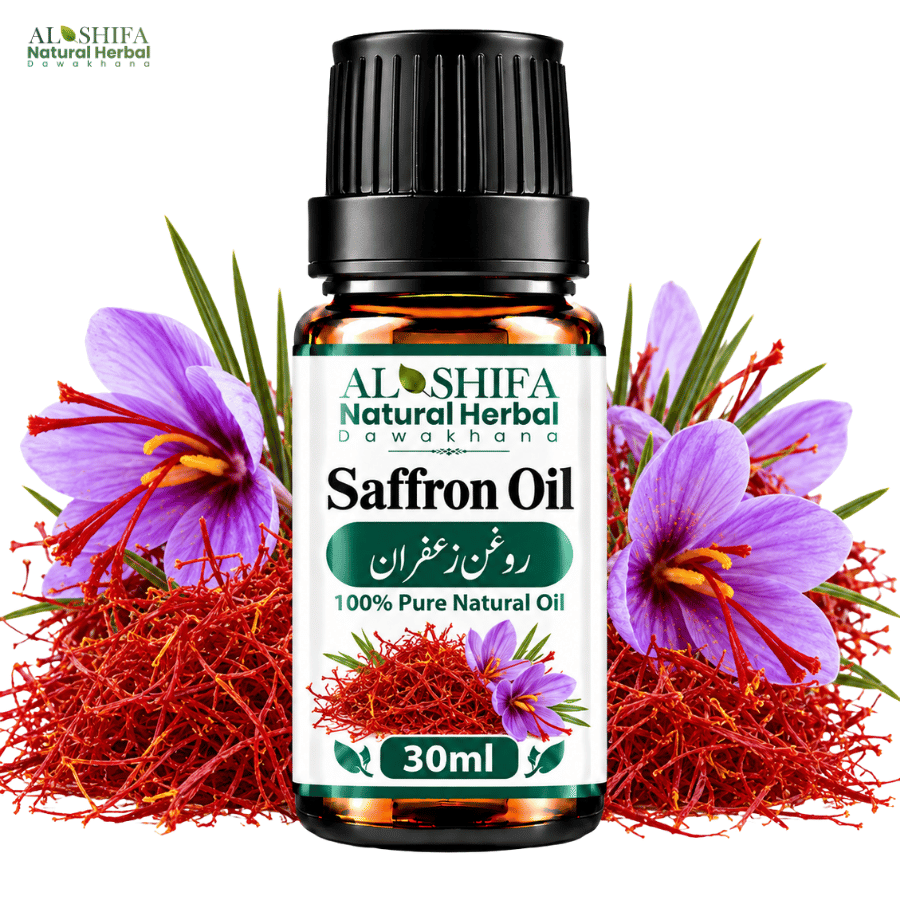
Saffron Oil / Zafran ka Tail / Roghan Zafraan is a pure natural botanical oil associated with the red stigmas of Crocus sativus. Its warm, sweet, earthy, hay-like, floral and slightly spicy character makes it suitable for facial care, skin and body care, massage formulations, hair care and premium botanical cosmetics.
Al Shifa Saffron Oil is carefully selected for botanical identity, characteristic saffron quality, freshness, purity and clean handling.
Key Features:
Usage: Apply a small suitable amount for cosmetic use or incorporate into compatible facial, skin, massage and hair-care formulations according to the product concentration.
Important Note: Pure Saffron Oil should not be confused with Kumkumadi Tailam, Safflower Oil or Saffron Fragrance Oil. Kumkumadi Tailam is a separate multi-ingredient Ayurvedic formulation containing saffron along with other ingredients.
Saffron Oil / Zafran ka Tail / Roghan Zafraan – روغن زعفران is an aromatic botanical oil associated with the prized red stigmas of Crocus sativus L., commonly known as Saffron. Saffron belongs to the Iridaceae family and is one of the world’s most valued aromatic botanical materials. Genuine saffron spice consists of the dried red stigmas of the flower.
Saffron is recognised for its distinctive warm, sweet, dry, hay-like, earthy, floral and slightly spicy aroma. Its characteristic colour, taste and fragrance are strongly associated with naturally occurring compounds including crocin, picrocrocin and safranal. Safranal is particularly important to saffron’s characteristic aroma.
Saffron-based oils are used in facial oils, skin and body care, massage formulations, hair-care products, botanical cosmetics and premium beauty formulations. However, commercial products sold as “Saffron Oil” can represent different preparations, including volatile saffron oil/extracts or saffron infused into a fixed carrier oil. The exact extraction method should therefore be confirmed before describing a specific commercial product as an essential oil.
At Al Shifa Natural Herbal Dawakhana, Saffron Oil is selected with attention to its botanical identity, characteristic saffron aroma, freshness, natural quality, clean handling and suitability for compatible cosmetic and personal-care applications.
Saffron Oil is an aromatic botanical oil associated with Crocus sativus stigmas.
The valuable red stigmas contain a complex combination of volatile and non-volatile constituents. Saffron contains more than 150 reported aroma-yielding and other compounds, while crocin, picrocrocin and safranal are among its best-known characteristic constituents.
It may be marketed under names such as:
Product Name: Saffron Oil 100% Pure Natural Oil / Zafran ka Tail / Roghan Zafraan – روغن زعفران
English Name: Saffron Oil / Saffron Botanical Oil
Urdu Name: روغن زعفران / زعفران کا تیل
Roman Name: Roghan Zafraan / Zafran ka Tail
Scientific Name: Crocus sativus L.
Plant Family: Iridaceae
Plant Part: Red Stigmas
Plant Type: Flowering Perennial Plant
Oil Type: Natural Saffron Botanical Oil; exact type depends on manufacturing method
Common Names: Saffron / Zafran / Kesar
Aroma: Warm, Sweet, Dry, Hay-Like, Earthy, Floral & Slightly Spicy
Primary Applications: Facial Care, Skin Care, Body Care, Massage, Hair Care & Cosmetic Formulations
Product Type: Pure Natural Botanical Oil
Crocus sativus is the flowering plant from which genuine saffron is obtained.
Each flower produces only a small number of red stigmas. These delicate stigmas are carefully harvested and dried to produce saffron.
The plant is recognised for:
The labour-intensive harvesting process and small quantity of saffron obtained from each flower contribute to its high value.
Commercial saffron consists primarily of the dried red stigmas of Crocus sativus.
These stigmas contain the compounds responsible for saffron’s distinctive:
The three compounds most commonly associated with these characteristics are:
Crocin – strongly associated with saffron’s colour.
Picrocrocin – contributes substantially to its characteristic bitter taste.
Safranal – one of the most important compounds associated with saffron’s distinctive aroma.
This distinction is important because saffron is not a conventional oil-rich seed like Almond, Sesame or Sunflower.
Commercial Saffron Oil may refer to different preparations depending on the manufacturer.
These can include:
Therefore, the term “100% Pure Natural Saffron Oil” should be connected to the actual manufacturing method and composition supplied for the product.
Saffron does contain volatile aromatic compounds, and scientific literature discusses Crocus sativus essential oil, with safranal recognised as an important component.
However, a commercial bottle labelled simply Saffron Oil should not automatically be assumed to be a steam-distilled essential oil.
If your product is a saffron infusion or oil-based extract, describing it as Pure Natural Saffron Oil is more appropriate than automatically labelling it “Saffron Essential Oil.”
Saffron has a highly distinctive aromatic profile.
Its fragrance can be described as:
The aroma differs substantially from ordinary floral essential oils such as Rose, Jasmine or Lavender.
Saffron contains numerous naturally occurring compounds.
The most recognised include:
Scientific reviews identify crocin, picrocrocin and safranal among the compounds most closely associated with saffron’s characteristic properties.
Safranal is one of saffron’s most important aromatic compounds.
It is strongly associated with the characteristic fragrance of dried saffron and is considered a major component of saffron’s volatile aromatic fraction.
Safranal contributes to the distinctive:
However:
Safranal ≠ Complete Saffron Oil
Saffron contains many additional volatile and non-volatile compounds.
Crocin is one of saffron’s characteristic carotenoid-derived compounds and is strongly associated with its intense natural colour.
It has also received considerable scientific attention for its biological properties.
However:
Crocin Research ≠ Evidence for the Same Effect from Every Saffron Oil
The concentration of crocin in an oil preparation depends heavily on how that product is manufactured.
Crocetin is another important saffron constituent and is chemically associated with saffron’s carotenoid system.
It has been widely investigated in scientific research, but findings involving isolated crocetin should not automatically be attributed to topical Saffron Oil.
Picrocrocin is particularly associated with saffron’s characteristic bitter taste and is a precursor involved in the development of saffron aroma compounds.
It is one of the important markers used when studying genuine saffron quality.
Saffron’s chemical profile can vary according to:
Therefore:
The chemical profile of raw saffron stigmas should not automatically be considered identical to the composition of every Saffron Oil.
Saffron-based oils have a particularly strong association with facial and beauty-care formulations.
Depending on its exact composition, Saffron Oil may be incorporated into:
Its premium botanical identity also makes saffron popular in luxury cosmetic products.
Saffron Oil may be incorporated into compatible skin and body-care formulations such as:
The suitability and concentration depend on the exact type of Saffron Oil being used.
If supplied in a suitable fixed-oil base, Saffron Oil can be incorporated into massage formulations.
A concentrated aromatic saffron preparation may instead require further dilution.
Therefore, usage should be based on the actual product specification rather than assuming that every Saffron Oil has the same concentration.
Saffron Oil may also be incorporated into compatible hair-care formulations.
Potential applications include:
Its role should be described according to its cosmetic formulation rather than as a proven treatment for hair loss or scalp diseases.
Saffron is valued in premium botanical cosmetics because of its distinctive identity, aroma and naturally occurring compounds.
Potential applications include:
Crocus sativus is extensively studied scientifically.
Research has investigated:
However, the research includes many different preparations: whole saffron, extracts, isolated compounds and experimental formulations. These should not all be treated as equivalent to topical Saffron Oil.
Correct interpretation of saffron research is particularly important.
Saffron Stigma Research ≠ Saffron Oil Research
Saffron Extract ≠ Saffron Oil
Crocin Research ≠ Proof of the Same Effect from Saffron Oil
Safranal Research ≠ Proof of the Same Effect from Complete Saffron Oil
Laboratory Activity ≠ Proven Clinical Treatment
Traditional Use ≠ Proven Medical Effect
These are not necessarily the same product.
Saffron Extract: Produced using a specified extraction medium and may concentrate selected saffron constituents.
Saffron Oil: May represent an aromatic oil, oil-based extract or saffron-infused carrier oil depending on the manufacturing method.
Therefore:
Saffron Oil ≠ Saffron Extract
The product specification should identify the preparation accurately.
If saffron stigmas are infused into a carrier oil, the resulting product is:
Saffron Infused Oil
This is different from a concentrated volatile aromatic oil obtained from saffron.
Therefore:
Saffron Volatile Oil ≠ Saffron Infused Carrier Oil
This distinction is important for product labelling and usage instructions.
Saffron Oil and Kumkumadi Tailam are not interchangeable names.
This is especially important for your proposed product title.
Saffron Oil / Roghan Zafraan: A product specifically based on saffron or Crocus sativus.
Kumkumadi Tailam: A classical Ayurvedic multi-ingredient facial oil formulation in which saffron is an important ingredient but not the only ingredient.
A published analysis of a classical Kumkumadi Taila formulation describes saffron together with ingredients including sandalwood, red sandalwood, lotus materials, liquorice, vetiver, goat milk and sesame oil.
Therefore:
Pure Saffron Oil ≠ Kumkumadi Tailam
For a product marketed as 100% Pure Natural Saffron Oil, I recommend keeping “Kumkumadi Tel” out of the primary product name unless your actual formulation is genuinely Kumkumadi Tailam.
Another important distinction is:
Natural Saffron Oil: Botanical preparation derived from genuine Crocus sativus material.
Saffron Fragrance Oil: A fragrance composition designed to reproduce a saffron-like aroma and may contain synthetic or blended aromatic materials.
Therefore:
Natural Saffron Oil ≠ Saffron Fragrance Oil
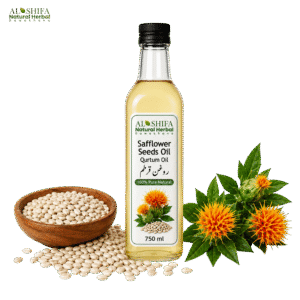
Saffron should also not be confused with Safflower.
Saffron: Crocus sativus, family Iridaceae.
Safflower: Carthamus tinctorius, family Asteraceae.
They are completely different plants.
Safflower is sometimes encountered as an adulterant or substitute in saffron products because of its coloured flower material.
Therefore:
Saffron Oil ≠ Safflower Oil
As with any concentrated botanical cosmetic material, appropriate topical use is important.
For first-time use:
If the product is a concentrated aromatic extract rather than a ready-to-use carrier oil, appropriate dilution may be necessary.
Saffron has a history of culinary and herbal use, but concentrated botanical preparations should not be treated the same as normal culinary quantities.
During pregnancy or breastfeeding:
Keep concentrated botanical oils securely away from young children.
A cosmetic Saffron Oil should not automatically be considered suitable for consumption.
Unless the individual product is specifically manufactured and labelled for food use:
Culinary Saffron ≠ Cosmetic Saffron Oil
Cosmetic Grade ≠ Food Grade
At Al Shifa Natural Herbal Dawakhana, Saffron Oil is selected with attention to:
Botanical Identity – Crocus sativus.
Botanical Material – Genuine saffron stigma-derived material.
Natural Character – Characteristic saffron aroma and botanical profile.
Facial Care – Suitable for compatible facial oil formulations.
Skin Care – Suitable for compatible botanical skincare products.
Massage Applications – Suitable according to the concentration and oil base.
Hair Care – Suitable for compatible cosmetic hair formulations.
Cosmetic Applications – Suitable for appropriately formulated beauty products.
Responsible Information – Research on saffron extracts or isolated compounds is not presented as proof of disease treatment by Saffron Oil.
Clean Handling – Carefully handled during packing.
Protective Packaging – Helps protect the botanical oil from unnecessary light, heat and air exposure.
Al Shifa Natural Herbal Dawakhana, established in 1999, supplies carefully selected herbal oils, essential oils and botanical products throughout Pakistan.
Our focus for Saffron Oil includes:
For Facial Care: Apply a small amount according to the product concentration or incorporate into a compatible facial oil formulation.
For Skin Care: Use a suitable amount in compatible skincare, beauty oil, cream or lotion formulations.
For Massage: Use directly only if the product is formulated as a ready-to-use fixed oil; concentrated aromatic preparations should be appropriately diluted.
For Hair Care: Use in compatible hair oils, scalp formulations and botanical hair-care products.
For Cosmetics: Incorporate at a suitable concentration according to the complete cosmetic formulation.
Saffron Oil / Zafran ka Tail / Roghan Zafraan – روغن زعفران should be botanically associated with Crocus sativus L., whose genuine saffron material consists of the dried red stigmas.
Saffron contains characteristic compounds including crocin, crocetin, picrocrocin and safranal, but their presence and concentration in an oil preparation depend strongly on its extraction and manufacturing method.
The product should not be confused with Safflower Oil, synthetic Saffron Fragrance Oil or Kumkumadi Tailam.
For best quality:
Saffron Oil 100% Pure Natural Oil / Zafran ka Tail / Roghan Zafraan – روغن زعفران is a premium botanical oil associated with the prized stigmas of Crocus sativus. Its distinctive warm, sweet, earthy, dry, hay-like and slightly floral aroma makes it suitable for facial care, skin and body care, massage formulations, hair care and premium botanical cosmetics.
Customers searching for Saffron Oil, Zafran Oil, Zafran ka Tail, Roghan Zafraan, Crocus sativus Oil, Pure Saffron Oil, Natural Saffron Oil, Saffron Oil for Face, Saffron Oil for Skin, Saffron Oil for Massage, Saffron Oil for Hair, Saffron Oil for Cosmetics, Saffron Oil Pakistan, Roghan Zafraan Pakistan, Saffron Oil Lahore, Saffron Oil price in Pakistan or buy Saffron Oil online Pakistan can choose Al Shifa Natural Herbal Dawakhana for carefully selected quality.
Since 1999, Al Shifa Natural Herbal Dawakhana has focused on supplying herbal oils and botanical products with attention to botanical identity, quality, freshness, clean handling, responsible product information, protective packaging and proper storage.
Product Name: Saffron Oil 100% Pure Natural Oil / Zafran ka Tail / Roghan Zafraan – روغن زعفران
English Name: Saffron Oil / Saffron Botanical Oil
Urdu Name: روغن زعفران / زعفران کا تیل
Roman Name: Roghan Zafraan / Zafran ka Tail
Scientific Name: Crocus sativus L.
Plant Family: Iridaceae
Plant Part: Red Stigmas
Oil Type: Natural Botanical Saffron Oil; exact classification depends on extraction method
Common Names: Saffron / Zafran / Kesar
Aroma: Warm, Sweet, Dry, Hay-Like, Earthy, Floral & Slightly Spicy
Primary Applications: Facial Care, Skin & Body Care, Massage, Hair Care & Cosmetic Formulations
Product Type: 100% Pure Natural Botanical Oil
Important Note: Pure Saffron Oil should not automatically be labelled Kumkumadi Tel. Kumkumadi Tailam is a separate multi-ingredient Ayurvedic formulation containing saffron along with other botanical ingredients and an oil base. The exact extraction method of a commercial Saffron Oil should also be confirmed before classifying it as an essential oil, infused oil or oil-based extract.
روغن زعفران زعفران کے خوشبودار سرخ ریشوں سے تیار کیا جانے والا قدرتی روغن ہے۔ زعفران دنیا کی قیمتی جڑی بوٹیوں میں شمار ہوتا ہے اور اسے خوشبو، جلد کی دیکھ بھال، جسمانی مالش اور حکیمی ادویات میں استعمال کیا جاتا ہے۔
زعفران کا پودا چھوٹا ہوتا ہے اور اس پر خوبصورت جامنی رنگ کے پھول آتے ہیں۔ ہر پھول کے اندر سرخ رنگ کے باریک ریشے ہوتے ہیں جنہیں احتیاط سے الگ کر کے خشک کیا جاتا ہے۔ یہی سرخ ریشے اصل زعفران ہیں۔
بازار میں روغن زعفران کے نام سے ملنے والا قدرتی تیل زیادہ تر زعفران کے ریشوں کو کسی بنیادی روغن میں شامل کر کے تیار کیا جاتا ہے۔ زعفران کے ریشوں سے عام بیجوں کی طرح دبا کر تیل حاصل نہیں ہوتا۔ اسی لیے خالص قدرتی روغن زعفران کی اصل پہچان اس میں استعمال ہونے والے زعفران، بنیادی روغن اور بنانے کے طریقے سے کی جاتی ہے۔
اردو نام: زعفران، کیسر، روغن زعفران
پنجابی نام: زعفران، کیسر
ہندی نام: کیسر، زعفران، کم کم
فارسی نام: زعفران
عربی نام: زعفران
انگریزی نام: سیفرون، سیفرون آئل
سائنسی نام: کروکس سیٹیوس
خاندان: آئریڈیسی
استعمال ہونے والا حصہ: پھول کے سرخ ریشے
روغن کا نام: روغن زعفران، زعفران کا تیل، کیسر کا تیل
کم کمادی تیل اور سادہ روغن زعفران کو ایک ہی چیز سمجھنا درست نہیں۔
کم کمادی تیل ایک مشہور آیورویدک روغنی نسخہ ہے جس میں زعفران کے ساتھ کئی دوسری جڑی بوٹیاں اور بنیادی روغن شامل کیے جاتے ہیں۔
سادہ روغن زعفران میں زعفران کو بنیادی روغن میں شامل کر کے اس کے قدرتی اجزا روغن میں منتقل کیے جاتے ہیں۔
اگر بوتل پر کم کمادی تیل لکھا ہو تو اس کے اجزا کی فہرست ضرور دیکھیں، کیونکہ اس میں صرف زعفران نہیں بلکہ کئی دوسری جڑی بوٹیاں بھی شامل رہتی ہیں۔
زعفران ایک چھوٹا پھول دار پودا ہے۔
اس کے پھول خوبصورت جامنی یا بنفشی رنگ کے ہوتے ہیں۔
ہر پھول کے اندر تین نمایاں سرخ ریشے پائے جاتے ہیں۔
یہ سرخ ریشے ہاتھ سے الگ کیے جاتے ہیں۔
خشک ہونے کے بعد یہی ریشے زعفران کے طور پر استعمال کیے جاتے ہیں۔
زعفران کی خوشبو خاص، گرم، میٹھی، پھولوں جیسی اور ہلکی مٹی جیسی ہوتی ہے۔
اس کا ذائقہ خاص اور قدرے کڑوا ہوتا ہے۔
اصل زعفران کی اہم پہچان:
ہے۔
بہت شوخ مصنوعی رنگ، غیر فطری خوشبو یا فوری طور پر گہرا رنگ چھوڑنے والا مواد اصل زعفران کی اچھی پہچان نہیں ہے۔
اچھا زعفران:
اچھے روغن زعفران کے لیے صاف اور اچھی حالت والے اصل زعفران کے ریشوں کو اہمیت دی جاتی ہے۔
زعفران کے سرخ ریشوں کو صاف بنیادی روغن میں شامل کیا جاتا ہے۔
انہیں ایک خاص مدت تک روغن میں رکھا جاتا ہے تاکہ زعفران کے روغن میں شامل ہونے والے اجزا اور خوشبو بنیادی روغن میں شامل ہو جائیں۔
اس کے بعد روغن کو صاف کر کے محفوظ کیا جاتا ہے۔
بنیادی روغن کے طور پر روغن بادام، روغن تل، روغن جوجوبا یا دوسرے قدرتی روغن استعمال کیے جاتے ہیں۔
اس لیے روغن زعفران خریدتے وقت یہ دیکھنا اہم ہے کہ اس میں بنیادی روغن کون سا استعمال کیا گیا ہے۔
روغن زعفران کی خوشبو اس میں استعمال ہونے والے زعفران اور بنیادی روغن کے مطابق رہتی ہے۔
اس میں:
مہک محسوس ہوتی ہے۔
اگر اس میں بہت تیز مصنوعی عطر جیسی خوشبو ہو تو اجزا کی فہرست دیکھنا ضروری ہے۔
روغن زعفران کی رنگت ہلکی زرد، سنہری، نارنجی مائل یا زعفرانی رہتی ہے۔
اس کی رنگت بنیادی روغن، زعفران کی مقدار اور بنانے کے طریقے کے مطابق رہتی ہے۔
بہت شوخ سرخ یا غیر فطری نارنجی رنگ غیر ضروری رنگ کی موجودگی کی نشانی ہو سکتا ہے۔
پاکستانی اور برصغیر کی معروف حکیمی کتب مفردات میں زعفران کا مزاج گرم اور خشک مانا جاتا ہے۔
زعفران کو حکمت میں گرم و خشک جڑی بوٹی شمار کیا جاتا ہے۔
روغن زعفران کا الگ مزاج اس میں استعمال ہونے والے بنیادی روغن سے بھی جڑا رہتا ہے، اس لیے زعفران کے ریشوں کا مزاج اور تیار روغن زعفران کا درجہ ایک جیسا مقرر نہیں کیا جاتا۔
زعفران حکمت میں ایک قیمتی جڑی بوٹی کے طور پر استعمال کیا جاتا ہے۔
زعفران کو مختلف حکیمی ادویات میں:
میں شامل کیا جاتا ہے۔
زعفران کی خوراک بہت کم رکھی جاتی ہے۔ بیماری کے لیے زعفران یا اس سے تیار ادویات کا اندرونی استعمال معالج سے پوچھ کر کریں۔
زعفران میں کئی خاص قدرتی اجزا پائے جاتے ہیں، جن میں:
نمایاں ہیں۔
کروسین زعفران کی خاص رنگت میں اہم جگہ رکھتا ہے۔
پائیکروکروسین اس کے خاص ذائقے میں اہم جگہ رکھتا ہے۔
سیفرانال زعفران کی نمایاں خوشبو میں اہم جگہ رکھتا ہے۔
تیل میں زعفران شامل کرنے پر ان تمام اجزا کی مقدار خشک زعفران جیسی نہیں رہتی۔
روغن زعفران کو بیرونی طور پر:
میں استعمال کیا جاتا ہے۔
روغن زعفران چہرے کی روغنی دیکھ بھال میں مشہور ہے۔
اسے رات کے وقت صاف جلد پر بہت کم مقدار میں لگایا جاتا ہے۔
چند قطرے انگلیوں پر لے کر چہرے پر نرم ہاتھ سے پھیلائے جاتے ہیں۔
آنکھوں کے بالکل قریب روغن نہ لگائیں۔
چکنی یا حساس جلد پر پہلے تھوڑی مقدار آزمائیں۔
خشک جلد پر روغن زعفران نرم مالش کے لیے استعمال کیا جاتا ہے۔
اگر اس کا بنیادی روغن بادام، تل یا جوجوبا ہو تو یہ جلد کو روغنی نرمی فراہم کرتا ہے۔
اسے ہاتھوں، بازوؤں، ٹانگوں اور خشک جسمانی حصوں پر کم مقدار میں لگایا جاتا ہے۔
روغن زعفران کو حسن و آرائش کے روغنی آمیزوں میں بے رونق جلد کی دیکھ بھال کے لیے استعمال کیا جاتا ہے۔
چہرے پر کم مقدار میں نرم مالش جلد کو روغنی نرمی اور تازہ دکھائی دینے والی شکل دیتی ہے۔
جلد کے امراض یا مسلسل رنگت کی تبدیلی میں معالج سے چیک کروائیں۔
چہرے کی مالش کے لیے روغن زعفران کی تھوڑی مقدار انگلیوں پر لیں۔
چہرے پر نرم ہاتھ سے پھیلائیں۔
زیادہ زور سے رگڑنے سے گریز کریں۔
چہرے پر پہلی بار استعمال سے پہلے جلد کے چھوٹے حصے پر آزمائیں۔
روغن زعفران کو ہاتھوں اور پاؤں کی روغنی دیکھ بھال میں استعمال کیا جاتا ہے۔
خشک ہاتھوں، انگلیوں، پاؤں اور ایڑیوں پر تھوڑی مقدار لگا کر نرم مالش کی جاتی ہے۔
اس کا بنیادی روغن جلد کو نرمی فراہم کرتا ہے جبکہ زعفران اپنی خاص خوشبو اور رنگت روغن کو دیتا ہے۔
خشک کہنیوں اور گھٹنوں کی روغنی دیکھ بھال کے لیے روغن زعفران استعمال کیا جاتا ہے۔
رات کے وقت تھوڑی مقدار لگا کر نرم مالش کی جاتی ہے۔
کٹی، زخمی یا جلی ہوئی جلد پر نہ لگائیں۔
روغن زعفران کو جسمانی مالش میں استعمال کیا جاتا ہے۔
اس کی خاص زعفرانی خوشبو اور بنیادی روغن کی نرمی اسے جسمانی مالش کے لیے پسند کیا جاتا ہے۔
کندھوں، بازوؤں، ٹانگوں، ہاتھوں اور پاؤں پر نرم ہاتھ سے مالش کی جاتی ہے۔
جسمانی تھکن کے بعد روغن زعفران کو مالش کے لیے استعمال کیا جاتا ہے۔
اس کی گرم، ہلکی میٹھی اور زعفرانی خوشبو جسمانی مالش کو خوشگوار بناتی ہے۔
اسے جسم کے مطلوبہ حصے پر تھوڑی مقدار میں لگا کر نرم ہاتھ سے مالش کی جاتی ہے۔
روغن زعفران کو بالوں کے روغنی آمیزوں میں شامل کیا جاتا ہے۔
اسے روغن ناریل، روغن بادام یا روغن جوجوبا کے ساتھ استعمال کیا جاتا ہے۔
بالوں کی لمبائی پر تھوڑی مقدار لگانے سے روغنی نرمی اور خوشبو ملتی ہے۔
روغن زعفران کو سر کی جلد کی نرم مالش میں استعمال کیا جاتا ہے۔
اس میں استعمال ہونے والا بنیادی روغن سر کی جلد کو روغنی نرمی فراہم کرتا ہے۔
سر کی جلد کے امراض میں طبی استعمال معالج سے پوچھ کر کریں۔
اگر روغن زعفران صرف جلد کی دیکھ بھال کے لیے تیار کیا گیا ہو تو اسے ہونٹوں کے اندر یا منہ میں نہ لگائیں۔
ہونٹوں کے لیے صرف وہ زعفرانی روغن استعمال کریں جس پر ہونٹوں کے استعمال کی واضح ہدایت موجود ہو۔
زعفران اپنی خاص گرم، میٹھی اور مصالحہ دار خوشبو کی وجہ سے خوشبودار جسمانی روغنوں میں بھی استعمال کیا جاتا ہے۔
روغن زعفران کو خوشبودار جسمانی مالش اور جلد کی دیکھ بھال والے آمیزوں میں شامل کیا جاتا ہے۔
روغن زعفران کو:
کے ساتھ جلد، بالوں اور جسمانی مالش کے روغنی آمیزوں میں استعمال کیا جاتا ہے۔
زعفران پھول کے خشک سرخ ریشے ہیں۔
روغن زعفران ان ریشوں کو کسی بنیادی روغن میں شامل کر کے تیار کیا جانے والا تیل ہے۔
خشک زعفران میں موجود تمام اجزا تیار روغن میں اسی مقدار میں موجود نہیں ہوتے۔
اسی لیے خشک زعفران اور روغن زعفران کی مقدار اور استعمال ایک جیسا نہیں رکھا جاتا۔
روغن زعفران اور زعفران کا خوشبودار جوہر الگ شکلیں ہیں۔
روغن زعفران میں زعفران کے ریشے کسی بنیادی روغن میں شامل کیے جاتے ہیں۔
خوشبو سازی کے لیے تیار زعفرانی خوشبو میں بنانے کا طریقہ اور اجزا الگ ہو سکتے ہیں۔
جلد کے استعمال کے لیے خریدتے وقت بوتل پر مکمل اجزا دیکھیں۔
کم کمادی تیل کئی جڑی بوٹیوں پر مشتمل روغنی نسخہ ہے۔
اس میں زعفران اہم جڑی بوٹی کے طور پر شامل رہتا ہے، لیکن اس کے ساتھ دوسری جڑی بوٹیاں بھی شامل کی جاتی ہیں۔
سادہ روغن زعفران میں بنیادی توجہ زعفران اور اس کے بنیادی روغن پر ہوتی ہے۔
اسی لیے کم کمادی تیل خریدتے وقت اس میں شامل تمام جڑی بوٹیوں اور بنیادی روغن کی فہرست دیکھیں۔
اصل روغن زعفران کے لیے زعفران کا سائنسی نام کروکس سیٹیوس دیکھیں۔
اس میں استعمال ہونے والے بنیادی روغن کی معلومات بھی واضح ہونی چاہئیں۔
اس کی رنگت قدرتی زرد، سنہری یا زعفرانی رہتی ہے۔
خوشبو نرم، گرم، زعفرانی اور ہلکی مصالحہ دار رہتی ہے۔
بہت تیز مصنوعی خوشبو اور غیر فطری شوخ سرخ رنگ اصل زعفران والے روغن کی اچھی پہچان نہیں ہے۔
روغن زعفران کی چند بوندیں صاف جلد پر لگائیں۔
نرم ہاتھ سے جلد پر پھیلائیں۔
چہرے کے لیے بہت کم مقدار استعمال کریں۔
پہلی بار استعمال سے پہلے جلد کے چھوٹے حصے پر آزمائیں۔
خارش، سرخی، سوجن یا جلن پیدا ہو تو استعمال بند کریں۔
حساس جلد والے افراد پہلی بار روغن زعفران استعمال کرنے سے پہلے جلد کے چھوٹے حصے پر تھوڑی مقدار آزمائیں۔
اگر روغن میں دوسری جڑی بوٹیاں، خوشبو یا دوسرے روغن شامل ہوں تو ان کی فہرست بھی دیکھیں۔
خارش، سرخی، سوجن یا جلن پیدا ہو تو استعمال بند کریں۔
جلدی امراض میں طبی استعمال معالج سے پوچھ کر کریں۔
روغن زعفران کو آنکھوں، منہ، ناک کے اندرونی حصے اور جسم کے حساس حصوں پر نہ لگائیں۔
کھلے زخم، کٹی یا جلی ہوئی جلد پر استعمال نہ کریں۔
استعمال کے بعد ہاتھ اچھی طرح دھوئیں۔
زعفران کھانے اور حکیمی ادویات میں کم مقدار میں استعمال کیا جاتا ہے، لیکن جلد اور جسمانی مالش کے لیے تیار روغن زعفران کو خوراک نہ سمجھیں۔
صرف وہ زعفرانی تیل خوراک میں استعمال کریں جس پر واضح طور پر کھانے کے قابل ہونے کی ہدایت موجود ہو۔
کسی بیماری کے لیے اندرونی طبی استعمال معالج سے پوچھ کر کریں۔
زعفران کی زیادہ اندرونی مقدار حمل کے دوران خود سے استعمال نہ کریں۔
حمل میں زعفران یا زعفران سے تیار ادویات کا اندرونی طبی استعمال معالج سے پوچھ کر کریں۔
جلد پر استعمال سے پہلے روغن میں شامل تمام اجزا دیکھیں۔
دودھ پلانے کے دوران زعفران سے تیار روغن کو چھاتی یا ایسی جگہ نہ لگائیں جہاں سے بچے کے منہ تک پہنچے۔
اندرونی طبی استعمال معالج سے پوچھ کر کریں۔
بچوں کو جلد کی دیکھ بھال کے لیے تیار روغن زعفران خود سے نہ پلائیں۔
بچوں کی جلد پر استعمال سے پہلے روغن میں شامل تمام اجزا دیکھیں۔
بچوں کے لیے طبی استعمال معالج سے پوچھ کر کریں۔
روغن بچوں کی پہنچ سے دور رکھیں۔
اصل زعفران: کروکس سیٹیوس کے صاف اور اچھی حالت والے سرخ ریشے استعمال کیے گئے ہوں۔
اچھے ریشے: گہرے سرخ، خوشبودار اور غیر ضروری رنگ سے پاک زعفران کو اہمیت دی گئی ہو۔
بنیادی روغن: روغن میں استعمال ہونے والے بنیادی تیل کی معلومات واضح ہوں۔
قدرتی خوشبو: زعفران کی اپنی گرم، نرم، ہلکی میٹھی اور مصالحہ دار خوشبو رکھتا ہو۔
قدرتی رنگت: زرد، سنہری، نارنجی مائل یا زعفرانی قدرتی رنگت رکھتا ہو۔
صاف روغن: پانی، گرد اور غیر ضروری ذرات سے پاک ہو۔
تازگی: باسی یا خراب بو نہ رکھتا ہو۔
غیر ضروری ملاوٹ سے پاک: غیر ضروری رنگ اور مصنوعی خوشبو کی ملاوٹ سے پاک ہونے کو اہمیت دی گئی ہو۔
روغن زعفران زعفران یعنی کروکس سیٹیوس کے سرخ ریشوں کو قدرتی بنیادی روغن میں شامل کر کے تیار کیا جانے والا روغن ہے۔
زعفران میں کروسین، کروسیٹن، پائیکروکروسین اور سیفرانال جیسے قدرتی اجزا پائے جاتے ہیں۔
روغن زعفران کو چہرے، خشک جلد، ہاتھوں، پاؤں، جسمانی مالش، بالوں اور سر کی جلد کی روغنی دیکھ بھال میں استعمال کیا جاتا ہے۔
خشک زعفران، سادہ روغن زعفران اور کم کمادی تیل ایک جیسی شکلیں نہیں ہیں۔ کم کمادی تیل میں زعفران کے ساتھ دوسری جڑی بوٹیاں بھی شامل ہوتی ہیں۔
جلد کے لیے تیار روغن زعفران کو خود سے نہ پئیں۔ خوراک کے لیے صرف وہ روغن استعمال کریں جس پر کھانے کے قابل ہونے کی واضح ہدایت موجود ہو۔
الشفاء نیچرل ہربل دواخانہ میں روغن زعفران کے لیے درج ذیل باتوں کو اہمیت دی جاتی ہے:
اصل زعفران: کروکس سیٹیوس کے اصل سرخ ریشوں کو اہمیت دی جاتی ہے۔
اچھے زعفرانی ریشے: صاف، گہرے سرخ، خوشبودار اور اچھی حالت والے ریشوں کو اہمیت دی جاتی ہے۔
اچھا بنیادی روغن: صاف اور اچھی حالت والے قدرتی بنیادی روغن کو اہمیت دی جاتی ہے۔
قدرتی خوشبو: زعفران کی اپنی گرم، نرم اور خاص خوشبو کو اہمیت دی جاتی ہے۔
قدرتی رنگت: زرد، سنہری یا زعفرانی قدرتی رنگت کو دیکھا جاتا ہے۔
صاف روغن: پانی، گرد اور غیر ضروری ذرات سے پاک روغن کو اہمیت دی جاتی ہے۔
تازگی: باسی یا خراب بو والے روغن سے بچا جاتا ہے۔
غیر ضروری ملاوٹ سے پاک: غیر ضروری رنگ، مصنوعی خوشبو اور کم معیار کے روغن کی ملاوٹ سے پاک ہونے کو اہمیت دی جاتی ہے۔
الشفاء نیچرل ہربل دواخانہ سنہ ۱۹۹۹ سے قدرتی جڑی بوٹیوں، پھولوں، پتوں، جڑوں، بیجوں اور ان سے حاصل ہونے والے روغنوں کی سپلائی کر رہا ہے۔
ہم روغن زعفران میں اصل کروکس سیٹیوس کے سرخ ریشوں، صاف بنیادی روغن، قدرتی رنگت، مخصوص زعفرانی خوشبو، تازگی اور غیر ضروری ملاوٹ سے پاک ہونے کو اہمیت دیتے ہیں۔
اچھے روغن زعفران کی پہچان اس میں استعمال ہونے والے اصل زعفران، قدرتی زعفرانی رنگت، مخصوص خوشبو، صاف حالت اور بنیادی روغن کی واضح معلومات سے کی جاتی ہے۔
روغن زعفران کو ٹھنڈی، خشک اور روشنی سے محفوظ جگہ پر کسی جار میں اچھی طرح پیک کر کے رکھیں۔
تیز دھوپ اور زیادہ گرمی سے بچائیں۔
استعمال کے بعد ڈھکن اچھی طرح بند کریں۔
پانی سے محفوظ رکھیں۔
باسی یا خراب بو پیدا ہونے پر استعمال نہ کریں۔
بچوں کی پہنچ سے دور رکھیں۔
روغن زعفران خریدتے وقت کروکس سیٹیوس، استعمال ہونے والے بنیادی روغن اور مکمل اجزا کی معلومات دیکھیں۔
کم کمادی تیل کو سادہ روغن زعفران نہ سمجھیں کیونکہ اس میں کئی دوسری جڑی بوٹیاں شامل رہتی ہیں۔
پہلی بار جلد پر استعمال سے پہلے چھوٹے حصے پر تھوڑی مقدار آزمائیں۔
خارش، سرخی، سوجن یا جلن پیدا ہو تو استعمال بند کریں۔
آنکھوں، منہ، ناک کے اندرونی حصے اور کھلے زخموں پر نہ لگائیں۔
جلد کی دیکھ بھال کے لیے تیار روغن خود سے نہ پئیں۔
کسی بیماری کے لیے اندرونی طبی استعمال معالج سے پوچھ کر کریں۔
روغن زعفران زعفران یعنی کروکس سیٹیوس کے قیمتی سرخ ریشوں سے تیار کیا جانے والا قدرتی روغن ہے۔
زعفران کے سرخ ریشوں کو بنیادی روغن میں شامل کر کے ان کی خوشبو، رنگت اور روغن میں شامل ہونے والے قدرتی اجزا حاصل کیے جاتے ہیں۔
پاکستانی اور برصغیر کی معروف حکیمی کتب مفردات میں زعفران کو گرم و خشک مانا جاتا ہے۔ تیار روغن زعفران کا الگ درجہ اس میں استعمال ہونے والے بنیادی روغن سے بھی جڑا رہتا ہے، اس لیے تیار روغن کے لیے خود سے الگ حکیمی درجہ مقرر نہیں کیا جاتا۔
روغن زعفران کو چہرے، خشک اور بے رونق جلد، ہاتھوں، پاؤں، کہنیوں، گھٹنوں، جسمانی مالش، بالوں اور سر کی جلد کی روغنی دیکھ بھال میں استعمال کیا جاتا ہے۔
اچھے روغن زعفران کی پہچان اصل کروکس سیٹیوس کے سرخ ریشوں، صاف بنیادی روغن، قدرتی زعفرانی رنگت، خاص خوشبو، تازگی اور غیر ضروری ملاوٹ سے پاک ہونے سے کی جاتی ہے۔