روغن بلسان
₨ 3,500
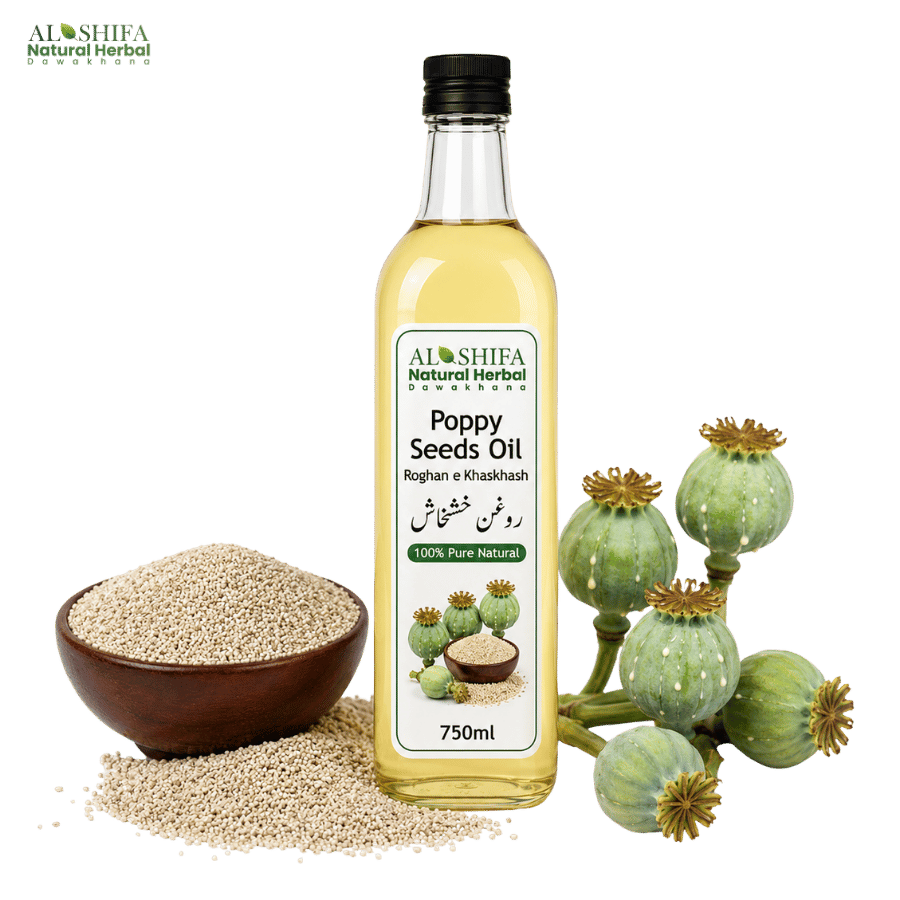
Poppy Seed Oil / Roghan-e-Khashkhash is a natural vegetable oil obtained from mature poppy seeds. Naturally rich in unsaturated fatty acids, particularly linoleic acid, it is traditionally valued for skin conditioning, hair and scalp care, body massage, and culinary use when specifically produced as food-grade oil.
How to Use: For external use, apply a small amount to the skin, hair, or scalp and massage gently. For dietary use, only use oil specifically manufactured and labelled as food-grade and follow the product directions.
Storage: Keep tightly closed in a cool, dry place away from direct sunlight, excessive heat, and moisture.
Important Note: Poppy seed oil is different from poppy latex, opium, and opioid preparations. It should not be considered a sedative, painkiller, sleeping medicine, or treatment for any medical condition.
Poppy Seed Oil / Roghan-e-Khashkhash – روغن خشخاش is a natural vegetable oil obtained from the mature seeds of the poppy plant, most commonly Papaver somniferum. Poppy seeds have a long history of culinary use in many cultures, while the oil extracted from them has traditionally been valued for food preparation, skin conditioning, hair care, scalp massage, and general personal care.
Poppy seed oil is naturally rich in unsaturated fatty acids, particularly linoleic acid, with smaller amounts of oleic, palmitic, and stearic acids. Its exact composition varies according to the seed variety, growing conditions, extraction method, refining, and storage.
Food-grade poppy seed oil should be distinguished from other preparations obtained from the poppy plant. The culinary oil is produced from mature seeds and is not the same as opium, poppy latex, or medicinal opioid preparations.
Product Name: Poppy Seed Oil
Urdu Name: روغن خشخاش
Roman Name: Roghan-e-Khashkhash / Roghan Khashkhash
Common English Names: Poppy Seed Oil / Poppy Oil
Botanical Name: Papaver somniferum L.
Plant Family: Papaveraceae
Plant Part Used: Mature Seeds
Product Type: Natural Vegetable Seed Oil
Product Form: Oil
Common Uses: Culinary Use When Food-Grade, Skin Conditioning, Hair Care, Scalp Care & Body Massage
Poppy seed oil is the fatty oil obtained from mature poppy seeds.
The seeds naturally contain oil that can be extracted through mechanical pressing or other appropriate food or cosmetic manufacturing processes.
Depending on processing, the finished oil can vary in:
Cold-pressed and refined poppy seed oils can therefore have noticeably different characteristics.
An important distinction should be made between mature poppy seeds and poppy latex.
The characteristic opioid alkaloids associated with the poppy plant are primarily associated with other parts of the plant and its latex rather than the fatty oil naturally contained inside mature seeds.
However, seeds can sometimes acquire surface contamination during harvesting and processing. This is why proper sourcing, cleaning, food processing, and regulatory compliance are particularly important for edible poppy seed products.
Poppy seed oil should never be confused with opium or concentrated opioid preparations.
Poppy seed oil is particularly valued for its high proportion of unsaturated fatty acids.
Depending on the product, it can naturally contain:
Linoleic acid commonly represents a substantial proportion of poppy seed oil.
The exact percentages should only be stated when supported by analysis of the specific product.
Linoleic acid is an essential polyunsaturated fatty acid.
The human body requires essential fatty acids as part of normal nutrition but cannot manufacture sufficient linoleic acid itself, so it must be obtained through food.
Food-grade poppy seed oil can provide linoleic acid as part of dietary fat intake.
As with all edible oils, however, it should be consumed in appropriate quantities within an overall balanced diet.
Poppy seed oil also naturally contains oleic acid in varying amounts.
Oleic acid is a monounsaturated fatty acid found naturally in many plant-derived oils.
The relative balance between linoleic, oleic, and other fatty acids can differ according to the poppy variety, geographic origin, environmental conditions, and processing.
In addition to fatty acids, poppy seed oil can contain varying quantities of naturally occurring lipid-soluble plant constituents.
These may include:
Their concentrations vary considerably according to processing and refining.
Specific nutritional quantities should only be claimed when supported by appropriate product testing.
When specifically manufactured and labelled as food-grade, poppy seed oil may be used as an edible vegetable oil.
Depending on its flavor and processing, it can be incorporated into:
Cold-pressed poppy seed oil is often valued for its characteristic mild, nutty or seed-like flavor.
Cooking recommendations should always follow the instructions for the specific oil.
Poppy seed oil is primarily a source of dietary fat.
Its nutritional characteristics are mainly related to its naturally occurring fatty-acid profile, particularly its unsaturated fatty acids.
Dietary fats:
Poppy seed oil is calorie-dense like other edible oils, so portion size remains important.
Food-grade poppy seed oil can provide unsaturated fats as part of a varied diet.
Replacing some foods high in saturated fats with appropriate sources of unsaturated fats can form part of a balanced dietary pattern.
However, simply adding large quantities of oil to the diet does not automatically improve health.
Overall diet quality, total calorie intake, physical activity, and individual health conditions remain important.
Because poppy seed oil contains unsaturated fatty acids, it may be incorporated into a heart-conscious dietary pattern when appropriate.
A balanced dietary approach should also emphasize:
Poppy seed oil should not be regarded as a treatment for high cholesterol, hypertension, blocked arteries, or cardiovascular disease.
Poppy seed oil can also be used externally as an emollient oil.
Its fatty-acid-rich texture may help:
The oil may be used alone when suitable or incorporated into cosmetic preparations.
Oil-based products can help form an emollient layer over the skin surface.
When applied appropriately, poppy seed oil may help dry skin feel:
It does not, however, treat every cause of persistent dry, itchy, inflamed, or cracked skin.
Persistent skin problems should be appropriately evaluated.
Poppy seed oil may be included in facial and body-care formulations.
Its natural lipid content makes it suitable for use in:
Individual skin responses vary. People with sensitive or acne-prone skin should initially test a small amount.
Poppy seed oil can provide useful lubrication during external massage.
Its smooth texture may:
Any relaxation or warmth felt during massage is primarily associated with the physical massage process and should not be interpreted as evidence that the oil treats an underlying disease.
Poppy and poppy-derived materials have historically been associated with relaxation in traditional practices. However, this requires careful wording because mature seed oil is fundamentally different from opioid-containing poppy preparations.
Ordinary poppy seed oil should not be described as a sedative, sleeping medicine, painkiller, or treatment for anxiety.
External massage with an oil may itself provide a relaxing experience, but this is not equivalent to a pharmacological sedative effect.
Poppy seed oil may be used as part of a traditional hair-care routine.
Applied to the hair shaft, it may:
These are primarily cosmetic and conditioning effects.
Poppy seed oil may also be applied in small quantities for scalp conditioning and massage.
It can:
Avoid applying oil to infected, severely inflamed, or wounded scalp areas.
Poppy seed oil is sometimes promoted traditionally for stronger or healthier-looking hair.
However, there is insufficient clinical evidence to claim that ordinary topical poppy seed oil can reliably:
It is more appropriate to describe it as a hair-conditioning and scalp-care oil.
Poppy seed oil has been used in different traditional personal-care practices.
Traditional external applications may include:
Traditional use provides historical context but does not establish treatment of a medical condition.
Poppy seed oil can also serve as a carrier oil in suitable cosmetic or massage formulations.
Carrier oils can help:
Any concentrated essential oil added to a carrier oil must be diluted appropriately according to its own safety requirements.
Poppy seed oil may naturally contain tocopherols and other compounds with antioxidant properties.
These compounds can contribute to the oil’s natural composition and oxidative stability.
However, antioxidant content should not be translated into unsupported claims that the oil can:
Such medical claims require substantially stronger evidence.
Plant-derived oils can contain naturally occurring phytosterols, and poppy seed oil is no exception.
Phytosterols are naturally found in:
The amount present in a specific poppy seed oil depends on its source and processing.
Only consume poppy seed oil when the specific product is clearly intended and labelled for food use.
Depending on the product, it may be:
Follow the manufacturer’s serving and cooking recommendations.
For external skin conditioning:
Discontinue use if persistent irritation occurs.
For hair and scalp care:
The required amount varies according to hair length, thickness, and dryness.
Before regular external use, particularly on sensitive skin, apply a small amount to a limited area.
Stop using the product if you experience:
Seek medical attention for a severe allergic reaction.
Poppy seed allergy is possible.
Individuals with a known allergy to poppy seeds should exercise caution with poppy seed oil, particularly minimally refined products that may retain traces of seed proteins.
People with a history of serious food allergies should seek appropriate professional advice before consumption.
Normal culinary use of appropriately processed food products differs from medicinal or concentrated use.
Pregnant or breastfeeding individuals should avoid assuming that all poppy-derived products are interchangeable or safe simply because they originate from seeds.
Only appropriately manufactured food-grade products should be consumed, and medicinal use of poppy-derived preparations should not be undertaken without professional guidance.
Poppy seeds can contain trace surface residues of poppy alkaloids depending on harvesting and processing.
Because of this, consumption of certain poppy seed foods has historically been relevant to some drug-testing situations.
Proper processing can reduce contamination, but individuals subject to sensitive opioid testing should be aware that poppy-derived foods may require additional caution.
The relevance to a particular refined oil depends on its sourcing and processing.
The quality of poppy seed oil depends on:
For edible products, appropriate food-grade processing and regulatory compliance are particularly important.
Cold pressing is a mechanical method used to obtain oil from seeds with relatively limited heat exposure.
When genuinely cold-pressed, poppy seed oil may retain more of its characteristic:
A product should only be described as cold-pressed when this accurately reflects its manufacturing method.
Refining can alter the oil’s:
Refined and cold-pressed oils therefore should not automatically be assumed to have identical properties.
Depending on seed variety and processing, poppy seed oil may range from:
Cold-pressed products may have more noticeable natural color than highly refined oils.
Minor natural variation does not necessarily indicate poor quality.
Food-grade poppy seed oil may have a mild, pleasant, seed-like or slightly nutty flavor.
The exact sensory characteristics depend on the raw seeds and manufacturing process.
A strongly rancid, unpleasant, or abnormal odor may indicate deterioration.
To help preserve the quality of poppy seed oil:
Do not use the oil if it develops:
Minor natural variation in color or clarity can occur according to processing.
Poppy Seed Oil / Roghan-e-Khashkhash – روغن خشخاش is a versatile natural seed-derived oil with culinary and personal-care applications when appropriately processed.
Product Name: Poppy Seed Oil
Urdu Name: روغن خشخاش
Roman Name: Roghan-e-Khashkhash / Roghan Khashkhash
Common English Name: Poppy Seed Oil / Poppy Oil
Botanical Name: Papaver somniferum L.
Plant Family: Papaveraceae
Plant Part Used: Mature Seeds
Product Type: Natural Vegetable Seed Oil
Form: Oil
Typical Color: Pale Yellow to Golden Yellow
Common Uses: Culinary Use When Food-Grade, Skin Conditioning, Hair Care, Scalp Massage & Body Massage
Storage: Keep tightly closed in a cool, dry place away from direct sunlight, excessive heat, and moisture.
Poppy Seed Oil / Roghan-e-Khashkhash – روغن خشخاش is obtained from mature poppy seeds and is valued primarily for its naturally occurring unsaturated fatty acids. Properly manufactured food-grade oil may be incorporated into suitable culinary preparations, while cosmetic preparations can be used for skin conditioning, hair care, scalp massage, and body massage.
The oil should be clearly distinguished from poppy latex, opium, and opioid medicines. Proper seed sourcing and processing are especially important because poppy seeds can sometimes carry trace surface residues from other parts of the plant.
Important Note: Only appropriately processed and legally compliant food-grade poppy seed oil should be consumed. Poppy seed oil should not be regarded as a sedative, painkiller, sleeping medicine, or treatment for anxiety, insomnia, heart disease, hair loss, or other medical conditions. Local regulations concerning poppy-derived products should always be followed.
روغن خشخاش خشخاش کے پختہ بیجوں سے حاصل کیا جانے والا ایک قدرتی نباتاتی روغن ہے۔ خشخاش کے بیج مختلف علاقوں میں طویل عرصے سے غذائی استعمال میں آتے رہے ہیں، جبکہ ان سے حاصل ہونے والا روغن روایتی طور پر جلد کی نگہداشت، بالوں کی دیکھ بھال، سر کی مالش، جسمانی مالش اور عمومی ذاتی نگہداشت کے لیے بھی استعمال کیا جاتا ہے۔
روغن خشخاش میں قدرتی طور پر غیر سیر شدہ روغنی تیزاب نمایاں مقدار میں پائے جاتے ہیں، جن میں خصوصاً لینولیک روغنی تیزاب شامل ہے۔ اس کے علاوہ اولیک، پالمیٹک اور سٹیئرک روغنی تیزاب بھی مختلف مقدار میں موجود ہو سکتے ہیں۔ روغن کی اصل ترکیب بیجوں کی قسم، معیار، کاشت، روغن نکالنے کے طریقے، صفائی اور محفوظ رکھنے کے حالات کے مطابق مختلف ہو سکتی ہے۔
پروڈکٹ کا نام: روغن خشخاش
عام نام: خشخاش کے بیجوں کا روغن
ماخذ: خشخاش کے پختہ بیج
استعمال ہونے والا حصہ: پختہ بیج
پروڈکٹ کی قسم: قدرتی نباتاتی بیجوں کا روغن
شکل: مائع روغن
عمومی رنگ: ہلکے زرد سے سنہری زرد تک
عام استعمال: خوردنی معیار کی صورت میں غذائی استعمال، جلد کی نگہداشت، بالوں کی نگہداشت، سر کی مالش اور جسمانی مالش
روغن خشخاش، خشخاش کے پختہ بیجوں میں قدرتی طور پر موجود روغنی مادے کو نکال کر حاصل کیا جاتا ہے۔
بیجوں سے روغن مختلف مناسب طریقوں سے حاصل کیا جا سکتا ہے۔ تیاری کے طریقے کے مطابق تیار شدہ روغن کی:
میں فرق ہو سکتا ہے۔
کم عمل کاری والے اور زیادہ صاف شدہ روغن کی خصوصیات بھی ایک دوسرے سے مختلف ہو سکتی ہیں۔
خشخاش کے پختہ بیجوں سے حاصل ہونے والے روغن اور خشخاش کے پودے کے دوسرے اجزاء میں واضح فرق سمجھنا ضروری ہے۔
پختہ بیجوں کے اندر موجود قدرتی چکنائی سے روغن حاصل کیا جاتا ہے۔ پودے کے دوسرے حصوں اور ان سے حاصل ہونے والے نشہ آور مادوں کو اس روغن کے برابر نہیں سمجھنا چاہیے۔
البتہ فصل کی کٹائی اور بیج جمع کرنے کے دوران بیجوں کی سطح پر پودے کے دوسرے حصوں کے معمولی آثار آ سکتے ہیں۔ اسی لیے خوردنی استعمال کے لیے مناسب صفائی، معیاری تیاری اور قابلِ اعتماد ذریعہ بہت اہم ہے۔
روغن خشخاش کی نمایاں خصوصیات میں اس کے قدرتی روغنی اجزاء شامل ہیں۔
اس میں مختلف مقدار میں:
موجود ہو سکتے ہیں۔
عام طور پر لینولیک روغنی تیزاب اس روغن کے اہم روغنی اجزاء میں شامل ہوتا ہے۔
کسی مخصوص پروڈکٹ میں ان اجزاء کی درست مقدار جاننے کے لیے مناسب تجزیہ ضروری ہے۔
لینولیک روغنی تیزاب ایک ضروری غیر سیر شدہ روغنی جزو ہے۔
انسانی جسم اسے اپنی ضرورت کے مطابق کافی مقدار میں خود تیار نہیں کر سکتا، اس لیے اسے غذا سے حاصل کیا جاتا ہے۔
خوردنی معیار کا روغن خشخاش متوازن غذا میں اس روغنی جزو کا ایک ذریعہ بن سکتا ہے۔
تاہم دوسرے خوردنی روغنوں کی طرح اسے بھی مناسب مقدار میں استعمال کرنا چاہیے۔
روغن خشخاش میں اولیک روغنی تیزاب بھی قدرتی طور پر موجود ہو سکتا ہے۔
یہ ایک غیر سیر شدہ روغنی جزو ہے جو بہت سے نباتاتی روغنوں میں پایا جاتا ہے۔
خشخاش کی قسم، کاشت کے علاقے اور تیاری کے طریقے کے مطابق اس کی مقدار مختلف ہو سکتی ہے۔
روغن خشخاش میں روغنی تیزابوں کے علاوہ مختلف قدرتی نباتاتی اجزاء بھی موجود ہو سکتے ہیں۔
ان میں:
شامل ہو سکتے ہیں۔
ان اجزاء کی مقدار روغن کی صفائی اور تیاری کے طریقے سے متاثر ہو سکتی ہے۔
اگر روغن خشخاش باقاعدہ خوردنی معیار کے مطابق تیار کیا گیا ہو تو اسے مناسب مقدار میں غذا میں استعمال کیا جا سکتا ہے۔
اسے پروڈکٹ کی نوعیت کے مطابق:
میں شامل کیا جا سکتا ہے۔
کھانے میں استعمال کے لیے ہمیشہ پروڈکٹ کی اصل ہدایات کو ترجیح دیں۔
روغن خشخاش بنیادی طور پر قدرتی چکنائی کا ذریعہ ہے۔
غذائی چکنائی جسم میں:
دوسرے روغنوں کی طرح روغن خشخاش بھی توانائی سے بھرپور ہوتا ہے، اس لیے مناسب مقدار اہم ہے۔
خوردنی معیار کا روغن خشخاش قدرتی طور پر غیر سیر شدہ روغنی اجزاء فراہم کر سکتا ہے۔
متوازن غذا میں زیادہ سیر شدہ چکنائی رکھنے والی بعض غذاؤں کی جگہ مناسب مقدار میں غیر سیر شدہ چکنائی کے ذرائع شامل کرنا بہتر غذائی انتخاب ہو سکتا ہے۔
تاہم صرف خوراک میں زیادہ روغن شامل کرنا صحت بہتر بنانے کی ضمانت نہیں۔
مجموعی غذائی معیار، جسمانی سرگرمی اور روزمرہ طرزِ زندگی بھی اہم ہیں۔
غیر سیر شدہ روغنی اجزاء کی موجودگی کی وجہ سے خوردنی روغن خشخاش کو مناسب مقدار میں متوازن غذائی طرز کا حصہ بنایا جا سکتا ہے۔
ایک بہتر غذائی طرز میں عام طور پر:
شامل کیے جاتے ہیں۔
روغن خشخاش کو دل کی بیماری، بلند فشار خون، خون میں زیادہ چکنائی یا بند شریانوں کا علاج نہیں سمجھنا چاہیے۔
روغن خشخاش اپنی قدرتی روغنی ساخت کی وجہ سے بیرونی جلدی نگہداشت کے لیے بھی استعمال کیا جا سکتا ہے۔
مناسب مقدار میں استعمال کرنے سے یہ:
ہر شخص کی جلد مختلف ہوتی ہے، اس لیے پہلی مرتبہ استعمال کرتے وقت تھوڑی مقدار آزمانا بہتر ہے۔
روغنی مصنوعات جلد کی سطح پر ایک نرم تہہ بنانے میں مدد دے سکتی ہیں۔
روغن خشخاش کا مناسب بیرونی استعمال خشک جلد کو:
محسوس کرانے میں مدد دے سکتا ہے۔
اگر جلد مسلسل بہت زیادہ خشک، پھٹی ہوئی، خارش زدہ یا سوزش کا شکار ہو تو اصل وجہ معلوم کرنا ضروری ہے۔
روغن خشخاش کو مختلف ذاتی نگہداشتی مصنوعات میں بھی شامل کیا جا سکتا ہے۔
مثلاً:
حساس یا دانوں والی جلد رکھنے والے افراد کو پورے چہرے پر استعمال کرنے سے پہلے جلد کے چھوٹے حصے پر آزمائش کرنا بہتر ہے۔
روغن خشخاش کی روغنی ساخت اسے جسمانی مالش کے لیے بھی موزوں بنا سکتی ہے۔
مالش کے دوران یہ:
مالش کے دوران حاصل ہونے والا سکون بنیادی طور پر مالش کے عمل سے بھی پیدا ہوتا ہے۔
خشخاش کا نام روایتی طور پر سکون اور آرام سے بھی منسوب کیا جاتا رہا ہے، لیکن پختہ بیجوں سے حاصل ہونے والے عام روغن کو پودے کے دوسرے اجزاء سے الگ سمجھنا ضروری ہے۔
عام روغن خشخاش کو نیند آور دوا، درد ختم کرنے والی دوا یا بے چینی کے علاج کے طور پر پیش کرنا مناسب نہیں۔
البتہ روغن کے ساتھ ہلکی جسمانی یا سر کی مالش ایک آرام دہ تجربہ فراہم کر سکتی ہے۔
روغن خشخاش کو روایتی طور پر سر کی مالش کے لیے بھی استعمال کیا جاتا ہے۔
سر کی جلد پر مناسب مقدار میں لگانے سے یہ:
شدید خارش، انفیکشن یا زخم کی صورت میں متاثرہ حصے پر روغن نہ لگائیں۔
روغن خشخاش کو بالوں کی روایتی نگہداشت میں بھی استعمال کیا جا سکتا ہے۔
بالوں پر مناسب مقدار میں لگانے سے یہ:
یہ بنیادی طور پر موجودہ بالوں کی بیرونی نگہداشت سے متعلق اثرات ہیں۔
روغن خشخاش کو بعض روایتی طریقوں میں بالوں کی مضبوطی اور نگہداشت کے حوالے سے استعمال کیا جاتا ہے۔
تاہم عام روغن خشخاش کے بارے میں یہ دعویٰ کرنا مناسب نہیں کہ یہ لازماً:
اسے زیادہ مناسب طور پر بالوں اور سر کی جلد کی نگہداشت کے روغن کے طور پر استعمال کیا جا سکتا ہے۔
بالوں کی سطح پر روغن کی ہلکی تہہ بالوں کے درمیان رگڑ کم کرنے میں مدد دے سکتی ہے۔
اس سے بال عارضی طور پر:
محسوس ہو سکتے ہیں۔
یہ ظاہری نگہداشت کے اثرات ہیں اور انہیں بالوں کی نئی افزائش کا ثبوت نہیں سمجھنا چاہیے۔
روغن خشخاش کو مختلف روایتی طریقوں میں بیرونی جسمانی نگہداشت کے لیے بھی استعمال کیا جاتا رہا ہے۔
اس کے روایتی بیرونی استعمال میں:
شامل ہو سکتے ہیں۔
روایتی استعمال کو کسی طبی بیماری کے ثابت شدہ علاج کے برابر نہیں سمجھنا چاہیے۔
روغن خشخاش کو مناسب بیرونی مصنوعات میں دوسرے نباتاتی روغنوں کے ساتھ ملا کر بھی استعمال کیا جا سکتا ہے۔
یہ مختلف آمیزوں میں:
کے لیے بنیادی روغن کے طور پر استعمال ہو سکتا ہے۔
کسی مرتکز خوشبودار روغن کو شامل کرتے وقت اس کی محفوظ مقدار کا خیال رکھنا ضروری ہے۔
روغن خشخاش میں قدرتی طور پر کچھ ایسے نباتاتی اجزاء موجود ہو سکتے ہیں جو مانع تکسید خصوصیات رکھتے ہیں۔
یہ اجزاء روغن کی قدرتی ساخت کا حصہ ہو سکتے ہیں۔
تاہم ان کی موجودگی کا مطلب یہ نہیں کہ روغن:
ایسے طبی دعووں کے لیے مضبوط اور مخصوص طبی شواہد ضروری ہوتے ہیں۔
روغن خشخاش میں قدرتی طور پر نباتاتی سٹیرول بھی موجود ہو سکتے ہیں۔
یہ اجزاء بہت سی نباتاتی غذاؤں میں پائے جاتے ہیں، مثلاً:
کسی مخصوص روغن میں ان کی اصل مقدار تیاری اور صفائی کے طریقے کے مطابق مختلف ہو سکتی ہے۔
صرف وہ روغن خشخاش کھانے کے لیے استعمال کریں جو واضح طور پر خوردنی معیار کے مطابق تیار کیا گیا ہو۔
پروڈکٹ کی ہدایات کے مطابق اسے:
مقدار اور پکانے کے طریقے کے لیے اصل پیکنگ پر درج ہدایات پر عمل کریں۔
بیرونی جلدی نگہداشت کے لیے:
بالوں اور سر کی نگہداشت کے لیے:
مقدار بالوں کی لمبائی، گھنے پن اور خشکی کے مطابق رکھی جا سکتی ہے۔
بیرونی استعمال سے پہلے جلد کے ایک چھوٹے اور صحت مند حصے پر تھوڑی مقدار لگا کر آزمائش کرنا بہتر ہے۔
درج ذیل علامات ظاہر ہونے پر استعمال بند کر دیں:
شدید ردعمل کی صورت میں طبی مدد حاصل کریں۔
کچھ افراد کو خشخاش کے بیجوں سے حساسیت ہو سکتی ہے۔
ایسے افراد کو روغن خشخاش استعمال کرتے وقت خصوصی احتیاط کرنی چاہیے، خصوصاً اگر روغن کم عمل کاری والا ہو۔
شدید غذائی حساسیت کی سابقہ تاریخ رکھنے والے افراد خوردنی استعمال سے پہلے مستند معالج سے مشورہ کریں۔
عام غذائی استعمال اور کسی نباتاتی مادے کے مرتکز یا دوائی کے طور پر استعمال میں فرق ہوتا ہے۔
حاملہ اور دودھ پلانے والی خواتین کو صرف مناسب طور پر تیار کردہ خوردنی مصنوعات ہی غذا کے طور پر استعمال کرنی چاہئیں۔
خشخاش سے حاصل ہونے والی مختلف مصنوعات کو ایک جیسا نہ سمجھیں اور دوائی کے طور پر کسی مرتکز تیاری کا استعمال مستند معالج کے مشورے کے بغیر نہ کریں۔
خوردنی روغن خشخاش کے لیے خام مال اور تیاری کا معیار خاص اہمیت رکھتا ہے۔
معیار پر اثر انداز ہونے والے عوامل میں شامل ہیں:
خوردنی استعمال کے لیے ہمیشہ قابلِ اعتماد اور مناسب طور پر تیار کردہ پروڈکٹ کو ترجیح دیں۔
خشخاش کے بیجوں سے دباؤ کے ذریعے کم حرارت میں روغن حاصل کیا جا سکتا ہے۔
اس طریقے سے تیار کردہ روغن میں:
زیادہ نمایاں رہ سکتی ہیں۔
کسی پروڈکٹ کو کم حرارت پر نکالا ہوا صرف اسی صورت میں کہنا چاہیے جب وہ حقیقتاً اسی طریقے سے تیار کیا گیا ہو۔
مزید صفائی کے مراحل سے گزارا گیا روغن اپنی قدرتی حالت کے مقابلے میں مختلف ہو سکتا ہے۔
صفائی کے عمل سے:
میں تبدیلی آ سکتی ہے۔
کم عمل کاری والے اور زیادہ صاف شدہ روغن کو لازماً ایک جیسا نہیں سمجھنا چاہیے۔
روغن خشخاش کا رنگ بیجوں اور تیاری کے طریقے کے مطابق مختلف ہو سکتا ہے۔
یہ عموماً:
نظر آ سکتا ہے۔
قدرتی روغن میں رنگ کا معمولی فرق لازماً خراب معیار کی علامت نہیں ہوتا۔
خوردنی معیار کے روغن خشخاش میں عموماً ہلکی بیجوں جیسی یا قدرے خوش ذائقہ قدرتی کیفیت ہو سکتی ہے۔
اصل خوشبو اور ذائقہ بیجوں اور تیاری کے طریقے کے مطابق مختلف ہو سکتے ہیں۔
اگر روغن میں شدید باسی، سڑی ہوئی یا غیر معمولی ناگوار بو پیدا ہو جائے تو اسے استعمال نہ کریں۔
روغن خشخاش کے معیار کو برقرار رکھنے کے لیے:
درج ذیل علامات کی صورت میں روغن استعمال نہ کریں:
قدرتی روغن میں معمولی رنگ یا شفافیت کا فرق لازماً خرابی کی علامت نہیں۔
روغن خشخاش خشخاش کے پختہ بیجوں سے حاصل ہونے والا قدرتی نباتاتی روغن ہے۔
پروڈکٹ کا نام: روغن خشخاش
عام نام: خشخاش کے بیجوں کا روغن
ماخذ: خشخاش کے پختہ بیج
استعمال ہونے والا حصہ: پختہ بیج
پروڈکٹ کی قسم: قدرتی نباتاتی بیجوں کا روغن
شکل: مائع روغن
عمومی رنگ: ہلکے زرد سے سنہری زرد تک
عام استعمال: خوردنی معیار کی صورت میں غذائی استعمال، جلد کی نگہداشت، بالوں کی نگہداشت، سر کی مالش اور جسمانی مالش
محفوظ رکھنے کا طریقہ: ٹھنڈی اور خشک جگہ پر اچھی طرح بند کرکے رکھیں اور براہِ راست دھوپ، زیادہ گرمی اور نمی سے محفوظ رکھیں۔
روغن خشخاش خشخاش کے پختہ بیجوں سے حاصل ہونے والا قدرتی روغن ہے جو اپنی غیر سیر شدہ روغنی ساخت کی وجہ سے غذائی اور بیرونی نگہداشت میں استعمال کیا جاتا ہے۔ مناسب طور پر تیار کردہ خوردنی روغن کو متوازن غذا میں شامل کیا جا سکتا ہے، جبکہ بیرونی استعمال کے لیے موزوں روغن جلد کی نرمی، بالوں کی نگہداشت، سر کی مالش اور جسمانی مالش میں استعمال کیا جا سکتا ہے۔
اہم نوٹ: صرف مناسب طور پر تیار کردہ اور واضح طور پر خوردنی قرار دیا گیا روغن خشخاش ہی خوراک میں استعمال کریں۔ اسے نیند آور دوا، درد کش دوا، نشہ آور مادہ یا بے خوابی، بے چینی، دل کی بیماری، بالوں کے جھڑنے یا کسی دوسری طبی کیفیت کا علاج نہ سمجھیں۔ خشخاش سے متعلق مصنوعات کے استعمال اور فروخت میں مقامی قوانین اور ضوابط کی پابندی ضروری ہے۔