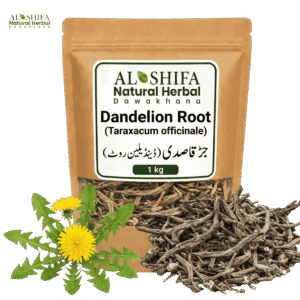
جڑقاصدی/ڈینڈیلین روٹ
Price range: ₨ 800 through ₨ 7,800
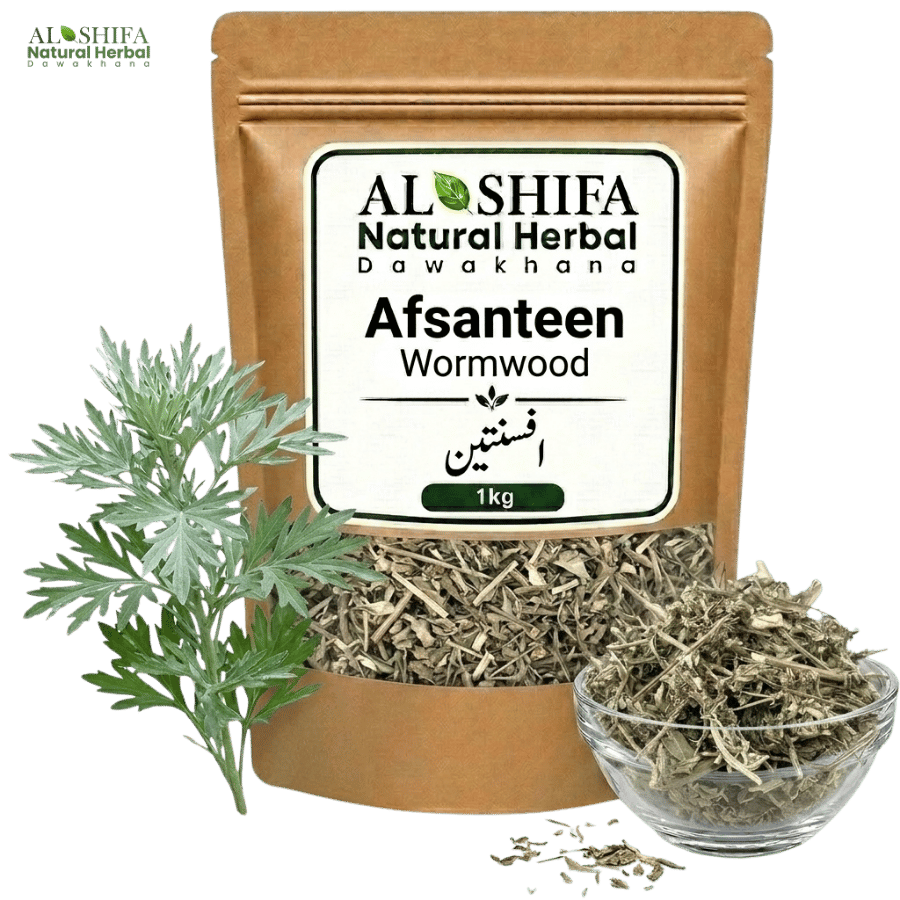
Afsanteen, commonly known as Wormwood, is a strongly aromatic and naturally bitter traditional herb obtained from Artemisia absinthium. It has traditionally been used in digestive, appetite-related, bitter tonic and selected Unani herbal preparations.
Al Shifa Afsanteen is carefully selected with attention to its botanical identity, characteristic bitter nature, natural aroma, cleanliness, proper dryness and responsible storage.
Key Features:
Usage: Use in suitable traditional herbal formulations under appropriate professional guidance; avoid excessive or prolonged internal use.
Important Note: Afsanteen is a potent bitter herb and is different from Artemisia annua. Wormwood Essential Oil may contain concentrated thujone and should not be casually taken internally. Avoid unsupervised medicinal use during pregnancy and use particular caution in people with seizure disorders.
Afsanteen, commonly known as Wormwood, is a strongly aromatic and intensely bitter traditional herb obtained from Artemisia absinthium L., a perennial plant belonging to the Asteraceae family. In Urdu and Unani herbal practice, it is widely known as افسنطین.
Wormwood has a long history of use in Unani, European, Middle Eastern and other traditional herbal systems. It has traditionally appeared in preparations associated with digestive comfort, appetite, bitter herbal tonics and selected gastrointestinal formulations.
One of the most recognizable features of Afsanteen is its powerful bitter taste. This natural bitterness is an important part of its traditional identity and explains its historical use as a digestive bitter.
However, Wormwood is not an ordinary culinary herb. It naturally contains biologically active aromatic compounds, and its concentrated essential oil can contain thujone, a constituent requiring particular safety consideration.
At Al Shifa Natural Herbal Dawakhana, Afsanteen is carefully selected with attention to its botanical identity, characteristic bitter nature, natural aroma, cleanliness, proper dryness and responsible storage.
Afsanteen is the dried herbal material obtained from:
Artemisia absinthium L.
The plant is naturally aromatic and is recognized by its:
The aerial portions of the plant are commonly used as herbal raw material.
Product Name: Afsanteen
English Name: Wormwood / Common Wormwood
Urdu Name: افسنطین
Roman Name: Afsanteen / Afsantin
Scientific Name: Artemisia absinthium L.
Plant Family: Asteraceae
Plant Part: Dried Aerial Parts / Leaves & Flowering Tops
Common Form: Whole / Cut Dried Herb
Product Type: Potent Bitter Herb / Traditional Herbal Raw Material
Dried Afsanteen generally has:
Appearance may vary according to:
Natural variation does not automatically indicate poor quality.
Carefully selected Afsanteen should generally have:
Correct botanical identity is particularly important because the Artemisia genus contains many different species.
Afsanteen has historically been valued as a strong bitter herb.
It has traditionally appeared in preparations associated with:
These uses describe historical herbal practice.
They do not establish Wormwood as a proven treatment for specific diseases.
Afsanteen is particularly recognized for its strong bitter taste.
Bitter herbs have historically been used before or around meals in traditional systems because bitter taste can stimulate sensory and digestive responses.
This explains the traditional association of Wormwood with:
However:
Bitter Taste ≠ Treatment of Digestive Disease
Persistent loss of appetite, abdominal pain or unexplained digestive problems require appropriate medical evaluation.
Wormwood has historically been included in bitter preparations intended to support appetite.
This does not mean that it treats every cause of poor appetite.
Reduced appetite may result from:
Persistent or unexplained appetite loss should be properly evaluated.
Traditional herbal systems have used Afsanteen in selected preparations associated with:
However, it should not replace medical assessment for persistent:
The English name Wormwood and its historical use have led to widespread claims that the herb can eliminate intestinal worms and parasites.
Wormwood has indeed appeared in traditional parasite-related formulations.
However:
Traditional Anthelmintic Use ≠ Proven Self-Treatment for Parasitic Infection
Different parasites require different treatments.
A suspected intestinal parasite infection may require:
Using concentrated Wormwood preparations without supervision can create unnecessary toxicity risks.
Laboratory or historical information about Wormwood should not be interpreted as proof that ordinary dried Afsanteen can reliably eliminate a diagnosed parasitic infection.
This is especially important for:
Professional assessment is appropriate when parasitic infection is suspected.
Afsanteen naturally contains several groups of botanical compounds, including:
The exact chemical composition varies according to:
Whole dried herb and concentrated essential oil do not contain these compounds at the same concentration.
Thujone is a naturally occurring aromatic compound found in varying amounts in several plants, including Wormwood.
It is particularly important when discussing concentrated Wormwood essential oil.
High exposure to thujone can affect the nervous system and may increase the risk of serious adverse effects, including seizures.
Therefore:
Natural Compound ≠ Automatically Safe Compound
The amount of thujone can vary significantly depending on the plant material and preparation.
This is one of the most important safety distinctions.
Dried Afsanteen / Wormwood Herb:
Traditional dried aerial plant material.
Wormwood Essential Oil:
Highly concentrated volatile oil obtained from the plant.
The essential oil can concentrate biologically active aromatic compounds, including thujone.
Therefore:
Dried Herb ≠ Essential Oil
Safety information for traditional dried herb should not be used to justify casual internal use of concentrated Wormwood essential oil.
Concentrated Wormwood essential oil should not be casually swallowed or added to drinks for self-treatment.
Essential oils can contain highly concentrated constituents compared with ordinary herbal infusions.
Internal exposure can create substantially different risks.
Afsanteen may be supplied as:
Whole/Cut Herb:
Traditional dried herbal material.
Powder:
Finely ground Wormwood.
Extract:
A concentrated preparation produced using a particular extraction method.
Essential Oil:
Highly concentrated volatile aromatic fraction.
Therefore:
Whole Herb ≠ Powder ≠ Extract ≠ Essential Oil
Research or safety information for one form cannot automatically be applied to another.
Wormwood has historically appeared in bitter formulations associated with digestion and general hepatobiliary wellness.
However, this does not establish Wormwood as a treatment for:
People with liver or gallbladder disease should seek appropriate medical guidance rather than self-treating with strong bitter herbs.
Wormwood and its constituents have been investigated in laboratory studies for antimicrobial and other biological activities.
However:
Laboratory Activity ≠ Proven Treatment of Human Infection
Experimental findings involving concentrated extracts or isolated compounds should not be converted into claims that ordinary Wormwood treats bacterial, fungal or viral diseases.
Compounds from Artemisia plants are sometimes discussed online in relation to cancer research.
It is important not to confuse:
Experimental activity involving a plant compound does not establish dried Afsanteen as a cancer treatment.
Therefore:
Laboratory Research ≠ Cancer Therapy
Afsanteen or Common Wormwood is:
Artemisia absinthium
Another well-known Artemisia species is:
Artemisia annua, commonly called Sweet Wormwood or Sweet Annie.
They are different species.
Therefore:
Artemisia absinthium ≠ Artemisia annua
Information about artemisinin, which is associated with Artemisia annua, should not automatically be applied to Afsanteen / Artemisia absinthium.
Artemisinin is a specific compound historically derived from Artemisia annua, not ordinary Afsanteen / Artemisia absinthium.
Therefore, Afsanteen should not be promoted as though it were equivalent to:
Suspected malaria requires proper diagnosis and appropriate medical treatment.
Afsanteen is a potent bitter herb and should not be treated as an unrestricted everyday beverage or food ingredient.
Excessive or inappropriate use may cause adverse effects such as:
Concentrated preparations create additional concerns.
Long-term unsupervised medicinal use should be avoided.
Because thujone can affect the nervous system, people with a history of:
should use particular caution and should not self-medicate with Wormwood preparations.
Concentrated Wormwood essential oil presents greater concern.
Afsanteen should not be used medicinally during pregnancy without appropriate professional guidance.
Wormwood has historically been associated with uterine and menstrual effects, making unsupervised internal use particularly inappropriate during pregnancy.
It should not be used to:
Such use can be dangerous.
Reliable safety information for medicinal Wormwood use during breastfeeding is limited.
Because of its potent bitter and aromatic constituents, unsupervised medicinal use should be avoided unless specifically advised by an appropriately qualified healthcare professional.
Afsanteen is not an ordinary children’s herb.
Strong Wormwood preparations and Wormwood essential oil should not be given casually to children.
If a child is suspected of having intestinal worms or another infection, appropriate diagnosis and treatment are safer than unsupervised use of potent herbal preparations.
Wormwood belongs to the Asteraceae family.
People with sensitivity to related plants may have a greater possibility of allergic reactions.
Related plants include:
Discontinue use if an allergic reaction occurs.
Professional guidance is particularly appropriate for people with:
Strong herbal preparations can interact with individual medical circumstances.
At Al Shifa Natural Herbal Dawakhana, Afsanteen is selected with attention to:
Botanical Identity – Material consistent with Artemisia absinthium.
Characteristic Bitterness – Naturally recognizable bitter herbal character.
Natural Aroma – Characteristic Wormwood fragrance.
Proper Dryness – Carefully dried before storage and packing.
Cleanliness – Selected to minimize dust and unnecessary foreign matter.
Natural Appearance – Characteristic grey-green herbal material.
Responsible Handling – Carefully handled during sorting and packing.
Responsible Storage – Protected from moisture and unsuitable storage conditions.
Al Shifa Natural Herbal Dawakhana, established in 1999, supplies traditional herbs and natural raw materials throughout Pakistan.
Our focus for Afsanteen includes:
Afsanteen may appear in:
Because of its strong bitter character and biologically active constituents, medicinal internal use should be appropriately guided rather than excessive or prolonged.
Concentrated Wormwood Essential Oil should not be substituted for the dried herb or casually taken internally.
Afsanteen is a potent bitter herb obtained from Artemisia absinthium and should not be treated as an ordinary culinary herb or unrestricted daily beverage.
Important distinctions include:
Store Afsanteen in a cool, dry and clean place in a tightly closed container.
For responsible storage:
Do not use material showing visible mould, excessive moisture, significant insect contamination or an abnormal spoiled smell.
Afsanteen, commonly known as Wormwood, is a strongly bitter and aromatic traditional herb obtained from Artemisia absinthium.
It has historically been used in Unani and traditional herbal preparations associated with digestion, appetite, bitter tonics and selected gastrointestinal formulations.
Customers searching for Afsanteen, Afsantin, Wormwood, Common Wormwood, Artemisia Absinthium, Wormwood Herb, Afsanteen benefits, Afsanteen uses, Wormwood benefits, Wormwood uses, Artemisia Absinthium benefits, Artemisia Absinthium uses, Afsanteen for digestion, Wormwood bitter herb, Afsanteen Unani, pure Afsanteen, original Afsanteen, dried Wormwood, Afsanteen Pakistan, Wormwood Pakistan, Artemisia Absinthium Pakistan, Afsanteen Lahore, Afsanteen price in Pakistan, Wormwood price in Pakistan, buy Afsanteen Pakistan, buy Wormwood Pakistan or Afsanteen online Pakistan can choose Al Shifa Natural Herbal Dawakhana for carefully selected herbal raw material.
Since 1999, Al Shifa Natural Herbal Dawakhana has focused on supplying herbs and natural raw materials with attention to botanical identity, characteristic appearance, cleanliness, proper drying, careful handling, responsible storage and clear safety information.
Product Name: Afsanteen
English Name: Wormwood / Common Wormwood
Urdu Name: افسنطین
Roman Name: Afsanteen / Afsantin
Scientific Name: Artemisia absinthium L.
Plant Part: Dried Aerial Parts / Leaves & Flowering Tops
Product Type: Potent Bitter Herb / Traditional Herbal Raw Material
Traditional Use: Digestive bitters, appetite-related preparations, gastrointestinal wellness and selected Unani formulations
Important Note: Afsanteen is a potent bitter herb and is different from Artemisia annua. Its essential oil may contain concentrated thujone and should not be casually taken internally. Unsupervised use during pregnancy, in people with seizure disorders or for prolonged periods should be avoided.
افسنطین ایک خوشبودار اور بہت کڑوی جڑی بوٹی ہے جو طبِ یونانی میں اہم مفرد کے طور پر استعمال کی جاتی ہے۔ اس کے پتے اور پھول دار نرم شاخیں طبی استعمال میں زیادہ مشہور ہیں۔ اس کی خاص پہچان تیز خوشبو، سبزی مائل خاکستری رنگت اور بہت کڑوا ذائقہ ہے۔
طبِ یونانی میں افسنطین کو خاص طور پر ہاضمے کے امراض، بھوک کی کمی کی بیماری، معدے کے امراض، پیٹ میں گیس کی بیماری اور پیٹ کے کیڑوں کی بیماری کے لیے استعمال ہونے والی حکیمی ادویات میں شامل کیا جاتا ہے۔
افسنطین میں تھوجون، ابسنتھن، اینابسنتھن، کافور، سینیول، فلیوونائڈز اور قدرتی خوشبودار روغنی اجزاء پائے جاتے ہیں۔ اس کا بہت کڑوا ذائقہ اس میں موجود کڑوے نباتاتی اجزاء کی وجہ سے ہوتا ہے۔
افسنطین عام غذائی جڑی بوٹی نہیں ہے۔ اس میں تھوجون جیسے طاقتور اجزاء موجود ہو سکتے ہیں، اس لیے اندرونی استعمال میں مقدار اور مدت کا خیال رکھنا ضروری ہے۔
الشفاء نیچرل ہربل دواخانہ میں افسنطین منتخب کرتے وقت درست نباتاتی شناخت، قدرتی سبزی مائل خاکستری رنگت، خاص خوشبو، نمایاں کڑوا ذائقہ، مناسب خشک حالت، صفائی اور غیر ضروری ملاوٹ سے پاک ہونے کو اہمیت دی جاتی ہے۔
افسنطین ایک خوشبودار اور کڑوی جڑی بوٹی ہے۔
اس کے پتے باریک تقسیم شدہ اور سبزی مائل خاکستری ہوتے ہیں۔ پھول چھوٹے اور زرد رنگ کے ہو سکتے ہیں۔
اس کی عام پہچان یہ ہے:
نام: افسنطین
معروف نام: افسنطین
نباتاتی نام: آرٹیمیسیا ابسنتھیم
خاندان: ایسٹریسی خاندان
استعمال ہونے والا حصہ: پتے، پھول اور نرم اوپری شاخیں
قسم: خوشبودار اور کڑوی جڑی بوٹی
عام شکل: خشک پتے، پھول اور باریک شاخیں
عام رنگت: سبزی مائل خاکستری
ذائقہ: بہت کڑوا
بو: تیز، خاص اور خوشبودار
خاص پہچان: بہت کڑوا ذائقہ، خاص خوشبو اور سبزی مائل خاکستری پتے
افسنطین ایک جھاڑی نما خوشبودار پودا ہے۔
اس کی اہم نشانیاں یہ ہیں:
پاکستان میں رائج حکیمی اور مفردات کی کتابوں میں افسنطین کا مزاج گرم و خشک بیان کیا جاتا ہے۔
اسے کڑوی اور خوشبودار جڑی بوٹیوں میں شمار کیا جاتا ہے۔
طبِ یونانی میں اسے خاص طور پر معدے، ہاضمے اور پیٹ کے لیے استعمال ہونے والی حکیمی ادویات میں شامل کیا جاتا ہے۔
اچھی افسنطین منتخب کرتے وقت درج ذیل باتیں دیکھی جاتی ہیں:
افسنطین میں کئی طاقتور قدرتی اجزاء پائے جاتے ہیں، جن میں اہم ہیں:
تھوجون افسنطین کے خوشبودار روغنی اجزاء میں شامل ایک طاقتور قدرتی جز ہے۔
زیادہ مقدار میں تھوجون اعصابی نظام پر نقصان دہ اثر ڈال سکتا ہے۔
اس کی زیادہ مقدار سے:
پیدا ہو سکتے ہیں۔
اسی وجہ سے افسنطین یا اس کے روغن کی اندرونی مقدار خود سے زیادہ نہیں کرنی چاہیے۔
ابسنتھن افسنطین کے نمایاں کڑوے اجزاء میں شامل ہے۔
یہ افسنطین کے بہت کڑوے ذائقے کی اہم وجہ ہے۔
کڑوے اجزاء کی وجہ سے افسنطین کو ہاضمے اور بھوک کے لیے استعمال ہونے والی حکیمی ادویات میں شامل کیا جاتا ہے۔
طبِ یونانی میں افسنطین کو درج ذیل حالتوں کے لیے استعمال ہونے والی حکیمی ادویات میں شامل کیا جاتا ہے:
اس کے طاقتور اجزاء کی وجہ سے اندرونی استعمال میں مقدار کا خیال رکھنا ضروری ہے۔
افسنطین کا ذائقہ بہت کڑوا ہوتا ہے۔
کڑوی جڑی بوٹیوں کو بھوک کی کمی کی بیماری کے لیے استعمال ہونے والی حکیمی ادویات میں شامل کیا جاتا ہے۔
اگر بھوک کی کمی کی بیماری مسلسل موجود رہے، وزن تیزی سے کم ہو یا شدید کمزوری محسوس ہو تو معالج سے چیک کروائیں۔
افسنطین کو ہاضمے کے امراض کے لیے استعمال ہونے والی حکیمی ادویات میں شامل کیا جاتا ہے۔
اس کے کڑوے اجزاء ہاضمے کے قدرتی عمل کو متحرک کرنے میں مدد دے سکتے ہیں۔
اگر ہاضمے کے امراض مسلسل موجود رہیں تو معالج سے چیک کروائیں۔
افسنطین کو بدہضمی کی بیماری کے لیے استعمال ہونے والی حکیمی ادویات میں شامل کیا جاتا ہے۔
اس کے کڑوے اور خوشبودار اجزاء کھانے کے بعد معدے میں بھاری پن کے احساس میں مدد دے سکتے ہیں۔
اگر بدہضمی کی بیماری بار بار ہو تو معالج سے چیک کروائیں۔
طبِ یونانی میں افسنطین کو معدے کے امراض کے لیے استعمال ہونے والی حکیمی ادویات میں شامل کیا جاتا ہے۔
اس کا بہت زیادہ یا گاڑھا استعمال حساس معدے میں جلن اور بے آرامی پیدا کر سکتا ہے۔
اگر معدے کے امراض کے ساتھ شدید درد، مسلسل قے یا خون آنے کی علامات ہوں تو معالج سے چیک کروائیں۔
افسنطین کے خوشبودار اور کڑوے اجزاء کی وجہ سے اسے پیٹ میں گیس کی بیماری کے لیے استعمال ہونے والی حکیمی ادویات میں شامل کیا جاتا ہے۔
اگر پیٹ میں گیس کی بیماری مسلسل موجود رہے تو خوراک اور ہاضمے کی حالت بھی دیکھنا ضروری ہے۔
افسنطین کو پیٹ پھولنے کی بیماری کے لیے استعمال ہونے والے حکیمی مرکبات میں شامل کیا جاتا ہے۔
اگر پیٹ پھولنے کی بیماری کے ساتھ شدید درد، مسلسل قبض یا قے ہو تو معالج سے چیک کروائیں۔
افسنطین کو پیٹ کے کیڑوں کی بیماری کے لیے استعمال ہونے والی حکیمی ادویات میں شامل کیا جاتا ہے۔
اس کے قدرتی اجزاء پر آنتوں کے کیڑوں کے حوالے سے تحقیق بھی کی گئی ہے۔
پیٹ کے کیڑوں کی بیماری میں افسنطین یا اس کا روغن خود سے زیادہ مقدار میں استعمال نہ کریں۔
بچوں میں پیٹ کے کیڑوں کی بیماری کے لیے خود سے افسنطین نہ دیں۔
طبِ یونانی میں افسنطین کو جگر کے امراض کے لیے استعمال ہونے والی حکیمی ادویات میں شامل کیا جاتا ہے۔
تاہم جگر کی بیماری میں افسنطین کا اندرونی استعمال خود سے کرنا مناسب نہیں، کیونکہ اس کے طاقتور اجزاء جسم میں جگر کے ذریعے بدلے جاتے ہیں۔
اگر جگر کی بیماری موجود ہو تو معالج سے مناسب طریقہ معلوم کریں۔
طبِ یونانی میں افسنطین کو ماہواری کے امراض کے لیے استعمال ہونے والی حکیمی ادویات میں شامل کیا جاتا ہے۔
افسنطین رحم پر اثر ڈال سکتا ہے، اس لیے حمل کے دوران اس کا اندرونی استعمال نہیں کرنا چاہیے۔
ماہواری کے امراض میں خود سے زیادہ مقدار استعمال نہ کریں۔
افسنطین کے قدرتی اجزاء پر جراثیم اور پھپھوندی کے حوالے سے تحقیق کی گئی ہے۔
اسے جلد کے امراض کے لیے استعمال ہونے والے بیرونی حکیمی مرکبات میں شامل کیا جا سکتا ہے۔
حساس جلد پر استعمال سے پہلے چھوٹے حصے پر آزمائیں۔
افسنطین کو جلد کی خارش کی بیماری کے لیے استعمال ہونے والے بیرونی حکیمی مرکبات میں شامل کیا جاتا ہے۔
اگر جلد کی خارش کی بیماری کے ساتھ زخم، پیپ یا شدید سرخی ہو تو معالج سے چیک کروائیں۔
خشک افسنطین اور روغن افسنطین ایک جیسی طاقت نہیں رکھتے۔
خشک افسنطین میں پودے کے کئی اجزاء موجود ہوتے ہیں۔
روغن افسنطین میں خوشبودار اجزاء زیادہ طاقتور شکل میں موجود ہوتے ہیں۔
روغن افسنطین کو خشک جڑی بوٹی کی مقدار کے برابر استعمال نہیں کیا جا سکتا۔
روغن افسنطین کو خود سے پینا مناسب نہیں۔
مکمل افسنطین:
خشک پتوں، پھولوں اور نرم شاخوں میں قدرتی رنگت، خوشبو اور شناخت دیکھنا آسان ہوتا ہے۔
افسنطین کا سفوف:
خشک جڑی بوٹی کو پیس کر سفوف بنایا جا سکتا ہے۔
سفوف میں ظاہری شناخت مشکل ہو جاتی ہے، اس لیے درست شناخت والی صاف افسنطین اہم ہے۔
افسنطین اور اسطوخودوس دونوں خوشبودار جڑی بوٹیاں ہیں، لیکن دونوں الگ پودے ہیں۔
افسنطین کا ذائقہ بہت کڑوا ہوتا ہے جبکہ اسطوخودوس اپنی نرم پھولوں جیسی خوشبو کے لیے زیادہ مشہور ہے۔
افسنطین کو زیادہ تر ہاضمے اور بھوک کے لیے استعمال ہونے والی حکیمی ادویات میں شامل کیا جاتا ہے جبکہ اسطوخودوس کو نیند کے امراض اور اعصابی امراض کے لیے استعمال ہونے والی حکیمی ادویات میں بھی شامل کیا جاتا ہے۔
افسنطین اور پودینہ دونوں خوشبودار پودے ہیں لیکن ان کا ذائقہ، قدرتی اجزاء اور نباتاتی شناخت الگ ہے۔
افسنطین بہت زیادہ کڑوا ہوتا ہے جبکہ پودینہ تازہ اور خوشبودار ذائقہ رکھتا ہے۔
دونوں کو ایک ہی جڑی بوٹی نہ سمجھیں۔
افسنطین کا بہت کڑوا اور طاقتور استعمال حساس معدے میں جلن بڑھا سکتا ہے۔
اگر معدے کے السر کی بیماری موجود ہو تو افسنطین کا اندرونی استعمال خود سے نہ کریں۔
معدے کے السر کی بیماری میں معالج سے مناسب طریقہ معلوم کریں۔
مرگی کی بیماری والے افراد افسنطین کا اندرونی استعمال خود سے نہ کریں۔
افسنطین میں موجود تھوجون زیادہ مقدار میں اعصابی نظام کو متاثر کرکے دورے پیدا کر سکتا ہے۔
مرگی کی بیماری کی ادویات خود سے بند یا تبدیل نہ کریں۔
اگر اعصابی امراض موجود ہوں تو افسنطین کا اندرونی استعمال احتیاط سے کیا جاتا ہے۔
خاص طور پر دوروں یا شدید جسمانی کپکپی والے اعصابی امراض میں خود سے استعمال نہ کریں۔
اگر گردوں کی بیماری موجود ہو تو افسنطین کا اندرونی استعمال خود سے نہ کریں۔
گردوں کی بیماری کی ادویات خود سے بند یا تبدیل نہ کریں۔
خواتین میں افسنطین کا اندرونی استعمال خاص احتیاط چاہتا ہے۔
اگر ماہواری کے امراض موجود ہوں تو مقدار خود سے مقرر نہ کریں۔
حمل کے امکان میں افسنطین کا اندرونی استعمال نہ کریں۔
حمل کے دوران افسنطین کا اندرونی استعمال نہیں کرنا چاہیے۔
افسنطین رحم کی حرکت پر اثر ڈال سکتا ہے اور اس میں تھوجون جیسے طاقتور اجزاء موجود ہوتے ہیں۔
حاملہ خواتین افسنطین، اس کا سفوف، گاڑھا جوشاندہ یا روغن خود سے استعمال نہ کریں۔
دودھ پلانے کے دوران افسنطین کا اندرونی استعمال خود سے نہ کریں۔
اس کے طاقتور اجزاء دودھ پلانے والے بچے کے لیے مناسب نہیں ہو سکتے۔
اگر طبی مقصد کے لیے استعمال کی ضرورت ہو تو معالج سے مناسب طریقہ معلوم کریں۔
بچوں کو افسنطین خود سے اندرونی طور پر نہ دیں۔
خاص طور پر افسنطین کا روغن بچوں کو نہ پلائیں۔
اگر بچے کو پیٹ کے کیڑوں کی بیماری، ہاضمے کے امراض یا بھوک کی کمی کی بیماری ہو تو معالج سے چیک کروائیں۔
بزرگ افراد میں افسنطین کا اندرونی استعمال احتیاط سے کیا جاتا ہے۔
اگر جگر کی بیماری، گردوں کی بیماری، مرگی کی بیماری، اعصابی امراض یا معدے کے امراض موجود ہوں تو خود سے استعمال نہ کریں۔
افسنطین کے طاقتور اجزاء کئی ادویات کے اثرات میں مداخلت کر سکتے ہیں۔
خاص احتیاط ضروری ہے اگر:
ادویات خود سے بند یا تبدیل نہ کریں۔
افسنطین سے حساس افراد میں الرجی کی بیماری پیدا ہو سکتی ہے۔
خاص طور پر اسی نباتاتی خاندان کی جڑی بوٹیوں سے الرجی کی بیماری رکھنے والے افراد احتیاط کریں۔
علامات میں شامل ہو سکتی ہیں:
ایسی علامات پیدا ہوں تو استعمال بند کریں اور معالج سے چیک کروائیں۔
افسنطین کی زیادہ مقدار نقصان دہ ہو سکتی ہے۔
زیادہ استعمال سے:
پیدا ہو سکتے ہیں۔
ایسی علامات پیدا ہوں تو مزید افسنطین استعمال نہ کریں اور معالج سے چیک کروائیں۔
افسنطین کا مسلسل اور زیادہ اندرونی استعمال خود سے نہ کریں۔
اس میں تھوجون جیسے طاقتور اجزاء موجود ہو سکتے ہیں۔
اگر اسے بھوک کی کمی کی بیماری، ہاضمے کے امراض، معدے کے امراض یا پیٹ کے کیڑوں کی بیماری کے لیے بار بار استعمال کرنا پڑ رہا ہو تو معالج سے چیک کروائیں۔
افسنطین بہت کڑوی اور گرم و خشک جڑی بوٹی ہے۔
استعمال کے مقصد کے مطابق اس کے ساتھ مناسب مفردات شامل کیے جا سکتے ہیں۔
ہاضمے کے امراض اور پیٹ میں گیس کی بیماری میں:
استعمال کیے جا سکتے ہیں۔
مناسب مصلح اور بدل مستند حکیم سے معلوم کریں۔
افسنطین طاقتور اور بہت کڑوی جڑی بوٹی ہے، اس لیے اس کی اندرونی مقدار عمر، جسمانی حالت، بیماری اور استعمال کی شکل کے مطابق مقرر کی جاتی ہے۔
اسے حکیمی استعمال میں:
میں شامل کیا جاتا ہے۔
اس کی اندرونی مقدار خود سے زیادہ نہ کریں۔
افسنطین کے روغن کو خشک جڑی بوٹی کی جگہ خود سے استعمال نہ کریں اور روغن کو خود سے نہ پئیں۔
افسنطین ایک طاقتور، خوشبودار اور بہت کڑوی جڑی بوٹی ہے۔
اسے طبِ یونانی میں بھوک کی کمی کی بیماری، ہاضمے کے امراض، معدے کے امراض، پیٹ میں گیس کی بیماری، پیٹ پھولنے کی بیماری اور پیٹ کے کیڑوں کی بیماری کے لیے استعمال ہونے والی حکیمی ادویات میں شامل کیا جاتا ہے۔
افسنطین میں تھوجون جیسے طاقتور اجزاء موجود ہو سکتے ہیں۔ اس لیے اس کی مقدار خود سے زیادہ نہ کریں اور مسلسل طویل عرصے تک استعمال نہ کریں۔
حمل، مرگی کی بیماری، اعصابی امراض، جگر کی بیماری اور گردوں کی بیماری میں افسنطین کا اندرونی استعمال خود سے نہ کریں۔
الشفاء نیچرل ہربل دواخانہ میں افسنطین منتخب کرتے وقت درج ذیل باتوں کا خیال رکھا جاتا ہے:
درست نباتاتی شناخت: اصل افسنطین کو اہمیت دی جاتی ہے۔
قدرتی رنگت: سبزی مائل خاکستری قدرتی رنگت دیکھی جاتی ہے۔
خاص خوشبو: افسنطین کی قدرتی تیز خوشبو واضح ہونی چاہیے۔
کڑوا ذائقہ: اس کا نمایاں کڑوا ذائقہ شناخت کی اہم نشانی ہے۔
صاف حالت: مٹی، گرد اور غیر ضروری اجزاء سے پاک جڑی بوٹی کو اہمیت دی جاتی ہے۔
مناسب خشک حالت: غیر ضروری نمی سے پاک افسنطین منتخب کی جاتی ہے۔
کیڑوں سے پاک: کیڑے لگے ہوئے حصے شامل نہیں کیے جاتے۔
پھپھوندی سے پاک: پھپھوندی یا خراب بو والی جڑی بوٹی استعمال نہیں کی جاتی۔
الشفاء نیچرل ہربل دواخانہ سنہ ۱۹۹۹ سے قدرتی جڑی بوٹیوں، بیجوں، پھولوں، جڑوں، روغنیات اور حکیمی مفردات کی سپلائی کر رہا ہے۔
ہم افسنطین کی درست نباتاتی شناخت، قدرتی سبزی مائل خاکستری رنگت، خاص خوشبو، نمایاں کڑوا ذائقہ، صاف حالت، مناسب خشک حالت اور غیر ضروری ملاوٹ سے پاک ہونے کو اہمیت دیتے ہیں۔
افسنطین جیسی طاقتور جڑی بوٹی میں درست شناخت، صفائی اور قدرتی خوشبو خاص اہمیت رکھتی ہیں۔
افسنطین کو ٹھنڈی، خشک اور صاف جگہ پر کسی جار میں اچھی طرح پیک کر کے رکھیں۔
افسنطین پاکستان میں حکیمی مفرد کے طور پر استعمال ہونے والی معروف کڑوی اور خوشبودار جڑی بوٹی ہے۔
طبِ یونانی میں اسے خاص طور پر بھوک کی کمی کی بیماری، ہاضمے کے امراض، معدے کے امراض، پیٹ میں گیس کی بیماری، پیٹ پھولنے کی بیماری اور پیٹ کے کیڑوں کی بیماری کے لیے استعمال ہونے والی حکیمی ادویات میں شامل کیا جاتا ہے۔
اگر آپ افسنطین، خالص افسنطین، اصل افسنطین، افسنطین کے فوائد، افسنطین کے استعمال، افسنطین پاکستان، افسنطین لاہور، افسنطین کی قیمت، افسنطین آن لائن یا افسنطین خریدیں تلاش کر رہے ہیں تو الشفاء نیچرل ہربل دواخانہ درست نباتاتی شناخت، قدرتی رنگت، خاص خوشبو، صاف حالت، مناسب خشک حالت اور غیر ضروری ملاوٹ سے پاک افسنطین کو اہمیت دیتا ہے۔
نام: افسنطین
معروف نام: افسنطین
نباتاتی نام: آرٹیمیسیا ابسنتھیم
خاندان: ایسٹریسی خاندان
استعمال ہونے والا حصہ: پتے، پھول اور نرم اوپری شاخیں
قسم: خوشبودار اور بہت کڑوی جڑی بوٹی
مزاج: گرم و خشک
عام شکل: خشک پتے، پھول اور باریک شاخیں
عام رنگت: سبزی مائل خاکستری
ذائقہ: بہت کڑوا
بو: تیز، خاص اور خوشبودار
اہم قدرتی اجزاء: تھوجون، ابسنتھن، اینابسنتھن، کافور، سینیول، پائینین، فلیوونائڈز، فینولک اجزاء، ٹینن اور قدرتی خوشبودار روغنی اجزاء۔
اہم استعمال: بھوک کی کمی کی بیماری، ہاضمے کے امراض، معدے کے امراض، پیٹ میں گیس کی بیماری، پیٹ پھولنے کی بیماری اور پیٹ کے کیڑوں کی بیماری کے لیے استعمال ہونے والی حکیمی ادویات میں شامل کیا جاتا ہے۔
اہم احتیاط: افسنطین میں تھوجون جیسے طاقتور اجزاء موجود ہو سکتے ہیں۔ حمل، مرگی کی بیماری، اعصابی امراض، جگر کی بیماری اور گردوں کی بیماری میں اندرونی استعمال خود سے نہ کریں۔ افسنطین کا روغن خود سے نہ پئیں۔