
Gum-Arabic, Gond Kikar
Contact for Price
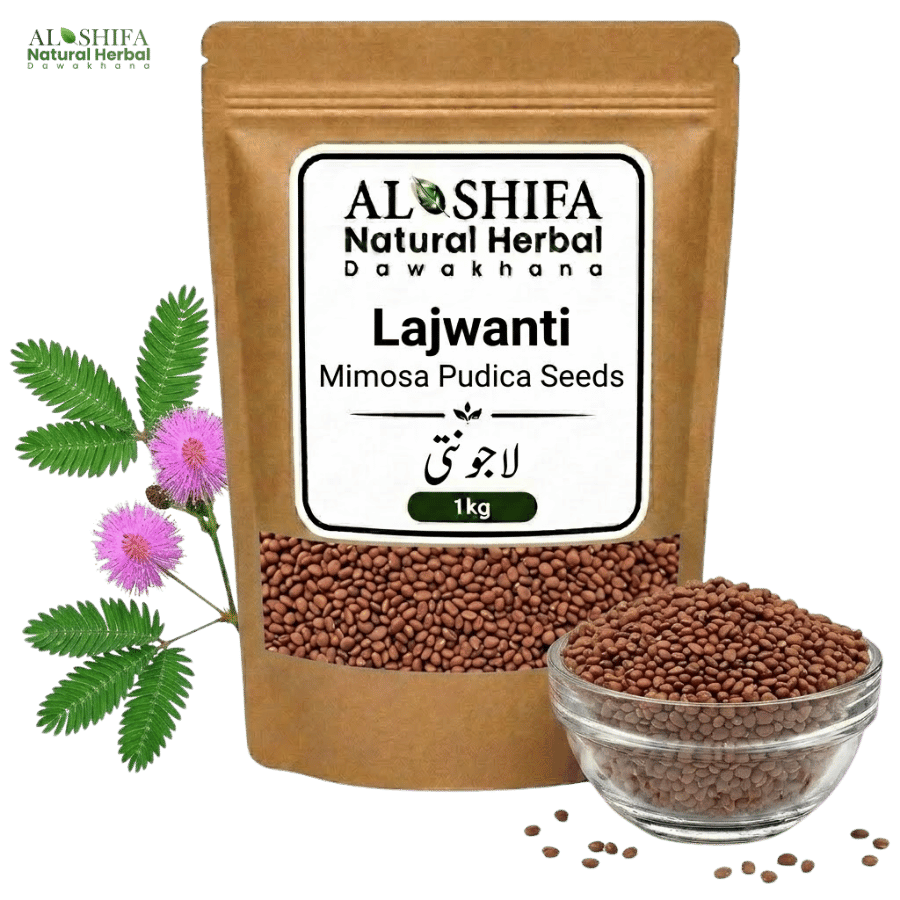
Lajwanti, also known as Chui Mui Beej, Sensitive Plant Seeds or Mimosa Pudica Seeds, is a traditional botanical raw material obtained from Mimosa pudica. It has a long history of use in Unani and South Asian herbal practice, particularly in selected astringent, digestive, bowel-related, restorative, male wellness and female wellness formulations.
Al Shifa Lajwanti Seeds are carefully selected with attention to their natural seed appearance, cleanliness, proper maturity, dryness and responsible storage.
Key Features:
Important Note: Lajwanti seeds are different from the root, leaves and whole plant of Mimosa pudica. Traditional digestive and reproductive-wellness uses do not establish them as a treatment for infertility, sexual disorders, infections or intestinal parasites. Medicinal internal use should follow qualified professional guidance.
Lajwanti, also known as Chui Mui, Touch-Me-Not Plant or Sensitive Plant, is a well-known traditional herb botanically identified as Mimosa pudica. The plant is famous for its unusual sensitive leaves, which fold inward when touched or disturbed.
The seeds of Lajwanti are a distinct botanical raw material collected from the mature seed pods of the plant. In Unani, Ayurvedic and South Asian herbal traditions, different parts of Mimosa pudica, including its seeds, roots, leaves and whole plant, have historically appeared in different preparations.
Lajwanti seeds have traditionally been included in selected digestive, bowel-related, astringent, restorative and male and female wellness formulations. Their traditional reputation should be understood within the context of herbal practice rather than as proof of treatment for a particular disease.
At Al Shifa Natural Herbal Dawakhana, Lajwanti seeds are carefully selected with attention to their traditional identity, natural seed appearance, cleanliness, proper dryness and responsible storage.
Lajwanti seeds are the mature dried seeds obtained from Mimosa pudica, a small creeping or spreading plant belonging to the pea family.
The plant develops small pods after flowering. When mature and dry, these pods contain the seeds used as traditional botanical material.
Lajwanti seeds may be supplied as:
Natural differences in seed colour, size and appearance can occur according to maturity, growing conditions, harvesting and storage.
English Name: Mimosa Pudica Seeds / Sensitive Plant Seeds / Touch-Me-Not Seeds
Urdu Name: لاجونتی / چھوئی موئی کے بیج
Roman Name: Lajwanti / Chui Mui Beej / Lajwanti Beej
Scientific Name: Mimosa pudica L.
Plant Family: Fabaceae
Plant Part: Seeds
Common Form: Whole Dried Seeds / Seed Powder
Product Type: Traditional Botanical Raw Material
Mimosa pudica is easily recognized because of the rapid movement of its leaves.
When touched, shaken or otherwise disturbed, the small leaflets fold inward and the leaf stalk may droop. After some time, the leaves gradually reopen.
This natural response is one of the main reasons the plant is commonly known as:
This leaf movement is a natural plant response and is unrelated to the medicinal properties traditionally associated with the seeds.
Good-quality Lajwanti seeds should retain the natural characteristics expected from properly harvested and dried seed material.
Common quality features include:
Natural seeds do not need to be completely identical in colour, size or shape.
Lajwanti has a long history of use in South Asian traditional herbal systems.
The seeds and other parts of the plant have appeared in preparations associated with:
These are traditional uses and should not be interpreted as guaranteed medical effects.
Lajwanti has traditionally been regarded as an astringent botanical material.
Astringent herbs are traditionally selected in certain formulations where a drying or tightening characteristic is desired.
This explains the historical inclusion of Lajwanti in some digestive, bowel-related and reproductive-wellness preparations.
Astringency itself does not establish that the herb treats infection, inflammation or another underlying disease.
Lajwanti has historically appeared in selected preparations intended for digestive and bowel wellness.
Traditional formulations may include the seeds or other parts of the plant when an astringent botanical ingredient is desired.
However, persistent bowel problems can have many different causes.
Severe or recurring symptoms should not be managed only with traditional herbal products without identifying the underlying cause.
Traditional astringent herbs may appear in formulations used for temporary loose bowel patterns.
This should not be interpreted as evidence that Lajwanti seeds treat infectious or chronic diarrhoea.
Seek appropriate medical care when diarrhoea is:
Adequate fluids and electrolyte replacement are especially important.
Children and older adults may become dehydrated more quickly.
Lajwanti seeds have also appeared in selected traditional restorative formulations.
In herbal practice, restorative preparations are generally intended to support overall wellbeing during periods of temporary weakness or physical tiredness.
This traditional role should not be interpreted as treatment for chronic fatigue, anaemia, hormonal disorders or another underlying medical condition.
Persistent unexplained weakness should be properly evaluated.
Lajwanti seeds have a traditional reputation in selected male wellness formulations.
They may appear in compound herbal preparations traditionally associated with:
Traditional use does not establish that Lajwanti seeds can treat:
Persistent reproductive or sexual-health concerns require appropriate professional evaluation.
Some traditional preparations associate Lajwanti with male reproductive and seminal wellness.
Such historical use should be described carefully.
Semen quality and male fertility depend on many factors, including sperm concentration, movement, structure, hormones, age, nutrition, heat exposure, smoking, infection, certain medicines and other medical conditions.
Lajwanti seeds should therefore not be promoted as a guaranteed sperm booster or fertility treatment.
Lajwanti has also appeared in selected traditional women’s formulations where astringent botanical materials were desired.
Traditional practice may associate preparations containing Lajwanti with certain menstrual or vaginal concerns.
However, these uses do not establish that Lajwanti seeds treat:
Persistent or unusual symptoms should be appropriately evaluated.
Traditional astringent herbs should not be used simply to suppress unexplained vaginal discharge.
Medical evaluation is particularly important when discharge is associated with:
Internal vaginal use of unverified homemade herbal preparations is not recommended.
Traditional references may associate astringent plants with bleeding-related preparations.
However, heavy or unusual bleeding can have many different causes.
Seek appropriate medical advice when bleeding is unusually heavy, persistent, recurrent or accompanied by severe pain, dizziness, weakness or other concerning symptoms.
Different parts of Mimosa pudica have historically appeared in selected traditional preparations related to urinary wellness.
This traditional use should not be interpreted as evidence that Lajwanti seeds treat urinary tract infections, kidney stones, kidney disease or other urinary conditions.
Burning urination, blood in urine, fever, severe back or side pain or persistent urinary symptoms require appropriate medical evaluation.
Different parts of Mimosa pudica should not automatically be treated as interchangeable.
Seeds: Used as a distinct botanical material in selected traditional formulations.
Root: Has its own history of use in traditional preparations.
Leaves: Used separately in certain traditional applications.
Whole Plant: May be processed in formulations different from seed-only products.
A traditional use or research finding involving the root, leaves or whole plant should not automatically be attributed to the seeds.
Lajwanti seeds contain naturally occurring plant constituents.
Their exact composition can vary according to:
The presence of natural plant compounds does not by itself prove a particular medical benefit.
Mimosa pudica seeds are known for their ability to develop a mucilage-like coating when exposed to water.
Mucilage is a natural plant material that can absorb water and form a slippery or gel-like layer.
This physical characteristic has contributed to interest in Mimosa pudica seeds for different applications.
However, the presence of mucilage should not be interpreted as evidence that the seeds “clean the intestines,” remove toxins or eliminate parasites.
Mimosa pudica seed products are sometimes promoted commercially as intestinal cleansers or parasite-removal products.
Such claims should be treated cautiously.
A gel-like seed material seen in the stool is not proof that parasites have been removed.
Suspected intestinal parasites should be properly diagnosed, and proven antiparasitic treatment should not be replaced by unverified herbal cleansing claims.
Lajwanti seeds should therefore not be advertised as a guaranteed parasite cleanse or detox product.
Mimosa pudica and extracts prepared from different parts of the plant have been investigated experimentally for various biological properties.
However:
For this reason, ordinary dried Lajwanti seeds should not be presented as proven treatment for a medical condition based only on experimental research.
Lajwanti seeds may be supplied in several forms.
Whole Seeds:
The natural seed structure remains visible, making basic identification easier.
Seed Powder:
Powder may be convenient for compound formulations, but visual identification becomes more difficult after grinding.
Mucilage Preparations:
When the seeds are exposed to liquid, their natural mucilage may become more noticeable.
Extracts:
Extracts are concentrated preparations whose composition and strength depend on the extraction process.
Whole seeds, powder, mucilage and concentrated extracts should not automatically be considered equivalent.
Lajwanti seeds are traditional medicinal botanical material rather than an ordinary everyday food.
For medicinal internal use, suitability may depend on:
A single universal medicinal amount should not be assumed for everyone.
Reliable safety information for medicinal amounts of Lajwanti seeds during pregnancy is limited.
Pregnant women should avoid self-prescribing Lajwanti seeds or concentrated preparations containing Mimosa pudica unless specifically advised by an appropriately qualified healthcare professional.
Traditional reproductive use does not automatically establish safety during pregnancy.
There is insufficient reliable information to establish the safety of medicinal amounts of Lajwanti seeds during breastfeeding.
Breastfeeding women should seek professional guidance before medicinal internal use.
Lajwanti seeds should not be routinely given medicinally to infants or young children without appropriate professional guidance.
Children with persistent diarrhoea, weakness, urinary symptoms or other ongoing health concerns should receive appropriate medical assessment rather than relying only on herbal preparations.
Natural seeds and herbal materials can occasionally cause sensitivity.
Discontinue use and seek appropriate advice if significant:
develops after use.
People with chronic medical conditions or those taking regular medicines should seek appropriate professional guidance before using Lajwanti seeds medicinally.
This is particularly important when the seeds are being combined with several other herbal ingredients.
Natural botanical products can still have biological effects and should be used responsibly.
At Al Shifa Natural Herbal Dawakhana, Lajwanti seeds are selected with attention to:
Traditional Identity – Seed material consistent with Mimosa pudica.
Natural Appearance – Characteristic mature seed structure and colour.
Proper Dryness – Appropriately dried for responsible storage.
Cleanliness – Selected to reduce unnecessary plant debris and foreign material.
No Visible Mould – Checked for obvious moisture-related deterioration.
Responsible Storage – Protected from excessive moisture, insects and contamination.
Al Shifa Natural Herbal Dawakhana, established in 1999, supplies carefully selected traditional herbs, seeds and natural raw materials throughout Pakistan.
Our focus includes:
Lajwanti seeds have traditionally been used as an ingredient in selected herbal formulations.
Depending on traditional practice, they may be supplied or used as:
For medicinal internal use, the preparation method, amount and duration should be determined according to the intended formulation and qualified professional guidance.
Lajwanti seeds are a traditional botanical raw material.
Their historical use should not be interpreted as proof that they can treat or cure:
Traditional use and established medical treatment are different.
Persistent, severe or unexplained symptoms should be evaluated by an appropriately qualified healthcare professional.
Store Lajwanti seeds in a cool, dry and clean place in a tightly closed container.
For better storage:
Do not use seeds showing visible mould, excessive moisture, insect infestation or an unusual spoiled smell.
Lajwanti, also known as Chui Mui Beej, Sensitive Plant Seeds or Mimosa Pudica Seeds, is a traditional botanical raw material obtained from Mimosa pudica. The seeds have historically appeared in selected astringent, digestive, bowel-related, restorative, male wellness and female wellness formulations.
The seeds are different from the root, leaves and whole plant of Mimosa pudica. Correct identification is therefore important when purchasing Lajwanti for traditional herbal preparations.
Customers searching for Lajwanti seeds Pakistan, Chui Mui Beej Pakistan, Mimosa Pudica Seeds Pakistan, pure Lajwanti seeds, original Lajwanti Beej, Lajwanti benefits, Lajwanti seed uses, Chui Mui seed benefits, Lajwanti Lahore, Lajwanti price in Pakistan, Mimosa Pudica Seeds price in Pakistan, buy Lajwanti seeds Pakistan or Lajwanti seeds online Pakistan can choose Al Shifa Natural Herbal Dawakhana for carefully selected traditional seed material.
Since 1999, Al Shifa Natural Herbal Dawakhana has focused on supplying traditional herbs and natural raw materials with attention to identity, cleanliness, natural quality, proper dryness, responsible storage and clear product information.
Product Name: Lajwanti / Chui Mui Beej
English Name: Mimosa Pudica Seeds / Sensitive Plant Seeds
Urdu Name: لاجونتی / چھوئی موئی کے بیج
Roman Name: Lajwanti / Chui Mui Beej / Lajwanti Beej
Scientific Name: Mimosa pudica L.
Plant Family: Fabaceae
Plant Part: Seeds
Common Form: Whole Dried Seeds / Seed Powder
Product Type: Traditional Botanical Raw Material
Traditional Use: Selected astringent, digestive, bowel-related, restorative, male wellness and female wellness formulations
Important Note: Lajwanti seeds are different from the root, leaves and whole plant of Mimosa pudica. Traditional reproductive, digestive and astringent uses do not establish the seeds as a treatment for infertility, sexual disorders, chronic diarrhoea, infections or intestinal parasites. Medicinal internal use should follow qualified professional guidance.
لاجونتی ایک مشہور روایتی جڑی بوٹی ہے جسے چھوئی موئی بھی کہا جاتا ہے۔ اس پودے کی سب سے خاص پہچان یہ ہے کہ اس کے پتوں کو چھونے، ہلانے یا جھٹکا لگنے پر پتے عارضی طور پر سمٹ جاتے ہیں۔ اس کے خشک بیج بھی طب یونانی اور دوسرے روایتی طبی طریقوں میں استعمال کیے جاتے رہے ہیں۔
لاجونتی کے بیج چھوٹے، سخت اور عموماً بھورے سے گہری بھوری رنگت کے ہوتے ہیں۔ یہ بیج پودے کی چھوٹی پھلیوں میں بنتے ہیں اور مکمل پختگی کے بعد جمع کرکے خشک کیے جاتے ہیں۔
طب یونانی اور روایتی طبی طریقوں میں لاجونتی کے بیجوں کو خاص طور پر نظامِ ہاضمہ سے متعلق بعض نسخوں، مردانہ و تولیدی صحت سے متعلق بعض مرکبات، پیشاب سے متعلق بعض روایتی تیاریوں اور مختلف دیسی طبی ادویات میں شامل کیا جاتا رہا ہے۔
الشفاء نیچرل ہربل دواخانہ میں لاجونتی کے بیج کو ان کی درست پہچان، قدرتی رنگت، ظاہری حالت، صفائی اور اچھی طرح خشک ہونے کو دیکھ کر منتخب کیا جاتا ہے۔ انہیں نمی اور دوسری غیر ضروری چیزوں سے محفوظ رکھنے کے لیے صحیح طریقے سے محفوظ کیا جاتا ہے۔
لاجونتی ایک چھوٹا نباتاتی پودا ہے جس کی شاخوں پر باریک پتے اور چھوٹے گلابی سے جامنی مائل پھول آتے ہیں۔
اس پودے کی سب سے مشہور خاصیت اس کے حساس پتے ہیں۔ چھونے یا حرکت ہونے پر اس کے پتے تیزی سے سمٹ جاتے ہیں اور کچھ وقت کے بعد دوبارہ اپنی عام حالت میں آ جاتے ہیں۔
پھولوں کے بعد پودے پر چھوٹی پھلیاں بنتی ہیں جن کے اندر بیج موجود ہوتے ہیں۔ انہی پختہ اور خشک بیجوں کو لاجونتی کے بیج یا چھوئی موئی کے بیج کہا جاتا ہے۔
خشک لاجونتی کے بیجوں کی رنگت مختلف ہو سکتی ہے، مثلاً:
ان کی رنگت اور ساخت پودے کی قسم، پودا کہاں اگا ہو، موسم، بیج کی پختگی، جمع کرنے کے وقت، خشک کرنے کے طریقے اور محفوظ رکھنے کی حالت کے مطابق مختلف ہو سکتی ہے۔
ضرورت کے مطابق لاجونتی کے بیج کو:
کی شکل میں رکھا یا طبی مرکبات میں شامل کیا جا سکتا ہے۔
نام: لاجونتی
دوسرا معروف نام: چھوئی موئی
ایک اور معروف نام: لاج وَنتی
عام نام: چھوئی موئی کے بیج
ماخذ: لاجونتی یا چھوئی موئی کا پودا
خاندان: دالوں والا خاندان
استعمال ہونے والا حصہ: خشک پختہ بیج
عام شکل: چھوٹے، سخت اور خشک بیج
عام رنگت: بھوری سے گہری بھوری
قسم: دیسی طب یونانی کی ادویات میں استعمال ہونے والے خشک بیج
لاجونتی کی درست پہچان ضروری ہے کیونکہ بازار میں مختلف پودوں کے چھوٹے خشک بیج ظاہری طور پر ایک دوسرے سے ملتے جلتے محسوس ہو سکتے ہیں۔ اس لیے صرف بیج کے رنگ یا جسامت کی بنیاد پر شناخت نہیں کرنی چاہیے۔
اچھے لاجونتی کے بیجوں میں ان کی قدرتی رنگت، اصل ساخت اور خشک ظاہری حالت موجود رہتی ہے۔
اچھے لاجونتی کے بیج کی عام نشانیاں یہ ہو سکتی ہیں:
اگر لاجونتی کے بیجوں میں بہت زیادہ نمی، پھپھوندی، کیڑے یا غیر معمولی خراب بو محسوس ہو تو انہیں استعمال نہ کریں۔
لاجونتی کے بیج اور پوری لاجونتی جڑی بوٹی ایک ہی پودے سے حاصل ہوتے ہیں، لیکن دونوں ایک چیز نہیں ہیں۔
لاجونتی کے بیج:
یہ پودے کی پختہ پھلیوں کے اندر بننے والے چھوٹے خشک بیج ہیں۔
پوری لاجونتی جڑی بوٹی:
اس میں پودے کے پتے، نرم شاخیں، تنا اور بعض اوقات دوسرے بالائی حصے شامل ہو سکتے ہیں۔
روایتی طبی طریقوں میں لاجونتی کے مختلف حصوں کے استعمال الگ الگ ملتے ہیں، اس لیے بیج کے استعمال کو پوری جڑی بوٹی کے ہر استعمال کے برابر نہیں سمجھنا چاہیے۔
لاجونتی اور اس کے مختلف حصوں کا استعمال طب یونانی اور دوسرے روایتی طبی طریقوں میں ہوتا آ رہا ہے۔
اس کے بیجوں کو مختلف علاقوں میں:
میں شامل کیا جاتا رہا ہے۔
یہ استعمال طب یونانی اور دوسری روایتی طبی معلومات پر مبنی ہیں۔ انہیں کسی بیماری کا یقینی یا ثابت شدہ علاج نہیں سمجھنا چاہیے۔
لاجونتی کے مختلف حصوں کا ذکر نظامِ ہاضمہ سے متعلق بعض روایتی طبی طریقوں میں ملتا ہے۔
خصوصاً دست اور آنتوں سے متعلق بعض پرانے نسخوں میں اس پودے کے استعمال کا ذکر موجود ہے۔
لیکن دست اور نظامِ ہاضمہ کی خرابی کی بہت سی وجوہات ہو سکتی ہیں، مثلاً:
اس لیے شدید یا مسلسل دست، پیٹ میں شدید درد یا پاخانے میں خون آنے کی صورت میں صرف لاجونتی پر انحصار نہیں کرنا چاہیے۔
لاجونتی کے بیجوں کی ایک اہم قدرتی خصوصیت ان میں موجود لعاب دار مادہ ہے۔
بیج مناسب نمی یا پانی کے رابطے میں آنے پر اپنے اردگرد لعاب دار تہہ پیدا کر سکتے ہیں۔
یہ لعاب دار مادہ قدرتی نباتاتی ریشوں اور پیچیدہ نشاستہ نما اجزاء پر مشتمل ہوتا ہے۔ جدید تحقیق میں لاجونتی کے بیجوں سے حاصل ہونے والے اس لعاب دار مادے کی ساخت اور مختلف استعمالات کا بھی مطالعہ کیا گیا ہے۔
تاہم بیج میں لعاب دار مادہ موجود ہونے کا مطلب یہ نہیں کہ اسے ہر قسم کی معدے یا آنتوں کی بیماری کا علاج سمجھا جائے۔
لاجونتی کے بیجوں کا ذکر مردانہ صحت سے متعلق بعض طب یونانی اور روایتی نسخوں میں بھی ملتا ہے۔
انہیں بعض مرکبات میں:
سے متعلق روایتی مقاصد کے لیے شامل کیا جاتا رہا ہے۔
یہ استعمال روایتی طبی معلومات پر مبنی ہیں۔ لاجونتی کے بیج کو مردانہ بانجھ پن، نامردی، جنسی کمزوری یا کسی مخصوص تولیدی بیماری کا خود سے ثابت شدہ علاج نہیں سمجھنا چاہیے۔
لاجونتی کے مختلف حصوں کا ذکر بعض روایتی طبی طریقوں میں تولیدی صحت سے متعلق بھی ملتا ہے۔
تاہم تولیدی صحت سے متعلق مسائل کی بہت سی وجوہات ہو سکتی ہیں، اس لیے صرف روایتی استعمال کی بنیاد پر لاجونتی کے بیج کو کسی تولیدی بیماری کا یقینی علاج نہیں سمجھنا چاہیے۔
اگر مسئلہ مسلسل ہو تو اصل وجہ معلوم کرنے کے لیے مستند معالج سے معائنہ کروانا ضروری ہے۔
لاجونتی کا ذکر پیشاب اور پیشاب کی نالی سے متعلق بعض روایتی طبی نسخوں میں بھی ملتا ہے۔
لیکن پیشاب میں جلن، بار بار پیشاب آنا، پیشاب میں خون، شدید درد یا پیشاب کی نالی کی بیماری کی کئی مختلف وجوہات ہو سکتی ہیں۔
اگر ایسی علامات مسلسل برقرار رہیں تو خود سے جڑی بوٹی استعمال کرنے کے بجائے مستند معالج سے معائنہ کروائیں۔
لاجونتی کے مختلف حصوں میں کئی قسم کے قدرتی نباتاتی اجزاء پائے جانے کی اطلاعات موجود ہیں۔
ان میں مختلف مقدار میں:
شامل ہو سکتے ہیں۔
اس کے بیجوں میں ایک خاص قسم کا لعاب دار نباتاتی مادہ بھی پایا جاتا ہے۔
ان اجزاء کی مقدار مختلف ہو سکتی ہے اور اس پر کئی چیزیں اثر انداز ہوتی ہیں، مثلاً:
اسی لیے مختلف جگہوں سے حاصل ہونے والے لاجونتی کے بیجوں کی رنگت، ساخت اور نباتاتی اجزاء بالکل ایک جیسے ہونا ضروری نہیں۔
لاجونتی کے بیج مکمل یا سفوف کی شکل میں دستیاب ہو سکتے ہیں۔
مکمل خشک لاجونتی کے بیج:
ان میں قدرتی رنگت، بیج کی ساخت، صفائی اور ظاہری معیار کو دیکھنا نسبتاً آسان ہوتا ہے۔
لاجونتی کے بیج کا سفوف:
سفوف کو مختلف مرکبات میں شامل کرنا آسان ہوتا ہے، لیکن پیسنے کے بعد اصل بیج کی ظاہری شناخت مشکل ہو جاتی ہے۔
دونوں صورتوں میں اہم باتیں یہ ہیں:
لاجونتی کے مختلف حصوں کا ذکر خواتین اور تولیدی صحت سے متعلق بعض روایتی طبی نسخوں میں بھی ملتا ہے، لیکن اسے خود سے کسی اندرونی بیماری کے علاج کے لیے استعمال نہیں کرنا چاہیے۔
اگر کسی خاتون کو:
ہو تو پہلے اس کی اصل وجہ معلوم کرنا ضروری ہے۔
حمل کے دوران لاجونتی کے بیج یا اس کے دوسرے حصوں کو دوا کے طور پر کھانے یا پینے کے لیے خود سے استعمال نہ کریں۔
لاجونتی کے بعض اجزاء اور مختلف حصوں کے تولیدی نظام پر ممکنہ اثرات کے بارے میں تجرباتی تحقیق موجود ہے، جبکہ حاملہ خواتین میں اس کے محفوظ طبی استعمال سے متعلق قابل اعتماد انسانی معلومات کافی نہیں ہیں۔
صرف یہ سمجھ کر کہ یہ قدرتی جڑی بوٹی ہے، حمل کے دوران اسے محفوظ نہیں سمجھنا چاہیے۔
اگر حمل کے دوران کسی طبی مسئلے کے لیے اس کا استعمال مقصود ہو تو پہلے مستند معالج سے مشورہ کریں۔
دودھ پلانے والی خواتین کو لاجونتی کے بیجوں کا اندرونی طبی استعمال خود سے شروع نہیں کرنا چاہیے۔
دودھ پلانے کے دوران اس کے محفوظ طبی استعمال کے بارے میں قابل اعتماد انسانی معلومات محدود ہیں، اس لیے دوا کے طور پر استعمال سے پہلے مستند معالج سے مشورہ کرنا بہتر ہے۔
شیر خوار اور چھوٹے بچوں کو لاجونتی کے بیج خود سے نہ دیں۔
بچوں میں دست، پیٹ کی خرابی، پیشاب کی شکایت یا دوسری بیماری کی اصل وجہ معلوم کرنا زیادہ اہم ہے۔
خاص طور پر مسلسل دست، قے، بخار یا کمزوری کی صورت میں بچے کو پانی اور ضروری نمکیات کی کمی ہو سکتی ہے، اس لیے بچوں کے معالج سے مشورہ کریں۔
لاجونتی کے بیجوں کے اندرونی استعمال کے دوسری ادویات کے ساتھ ممکنہ اثرات کے بارے میں مکمل جدید انسانی معلومات موجود نہیں ہیں۔
اگر کوئی شخص پہلے سے مستقل دوا استعمال کر رہا ہو، خصوصاً خون میں شکر، بلڈ پریشر یا کسی دوسری اہم بیماری کی دوا، تو لاجونتی کو دوا کے طور پر استعمال کرنے سے پہلے مستند معالج سے مشورہ کرنا بہتر ہے۔
لاجونتی کے بیجوں کی محفوظ اندرونی مقدار کے بارے میں جدید انسانی معلومات محدود ہیں۔
اسے صرف قدرتی بیج سمجھ کر زیادہ مقدار یا طویل عرصے تک خود سے استعمال نہیں کرنا چاہیے۔
اگر استعمال کے بعد:
محسوس ہو تو استعمال بند کر دیں اور ضرورت کے مطابق مستند معالج سے مشورہ کریں۔
لاجونتی ایک روایتی نباتاتی مادہ ہے۔ قدرتی ہونے کا مطلب یہ نہیں کہ اسے ہر شخص، ہر بیماری یا ہر مقدار میں محفوظ سمجھا جائے۔
اسے خود سے درج ذیل مسائل کا ثابت شدہ علاج نہ سمجھیں:
لاجونتی کے بہت سے استعمال طب یونانی اور دوسری روایتی طبی معلومات پر مبنی ہیں، جبکہ خاص طور پر اس کے بیجوں کے طبی استعمال کی حفاظت اور مؤثریت سے متعلق جدید انسانی تحقیق محدود ہے۔
اگر علامات شدید ہوں، بار بار ہوں یا مسلسل برقرار رہیں تو مستند معالج سے معائنہ کروائیں۔
الشفاء نیچرل ہربل دواخانہ میں لاجونتی کے بیج منتخب کرتے وقت درج ذیل باتوں کا خیال رکھا جاتا ہے:
درست پہچان: اصل لاجونتی یا چھوئی موئی کے پختہ خشک بیج ہوں اور دوسرے ملتے جلتے بیجوں سے الگ پہچانے جائیں۔
قدرتی رنگت: بیجوں میں ان کی قدرتی بھوری سے گہری بھوری رنگت موجود ہو۔
قدرتی ساخت: بیجوں کی اصل سخت ظاہری ساخت برقرار ہو۔
اچھی طرح خشک: غیر ضروری نمی موجود نہ ہو۔
صاف ستھرے: مٹی، گرد، ریت، کنکر، تنکے اور دوسری غیر ضروری چیزوں سے پاک صاف ہوں۔
پھپھوندی سے پاک: خراب ہونے یا پھپھوندی کی واضح نشانیاں موجود نہ ہوں۔
صحیح طریقے سے محفوظ: نمی، بہت زیادہ گرمی، کیڑوں اور آلودگی سے محفوظ رکھے گئے ہوں۔
الشفاء نیچرل ہربل دواخانہ سنہ ۱۹۹۹ سے قدرتی جڑی بوٹیوں کی سپلائی کر رہا ہے۔
ہماری توجہ درج ذیل باتوں پر رہتی ہے:
لاجونتی کے بیج کو طب یونانی اور دوسرے روایتی طریقوں میں مختلف مرکبات میں شامل کیا جاتا ہے، خصوصاً:
میں ان کا ذکر ملتا ہے۔
لیکن لاجونتی کے بیجوں کی مناسب مقدار استعمال کی شکل، مقصد، عمر اور صحت کی حالت کے مطابق مختلف ہو سکتی ہے۔ اسی لیے یہاں خود سے کھانے یا پینے کی کوئی مقدار تجویز نہیں کی جا رہی۔
اگر انہیں دوا کے طور پر اندرونی استعمال کے لیے لینا ہو تو پہلے مستند معالج سے مناسب مقدار، مدت اور طریقہ استعمال معلوم کریں۔
لاجونتی کے بیج کو ٹھنڈی، خشک اور صاف ستھری جگہ پر اچھی طرح کسی جار میں پیک کر کے رکھیں۔
بہتر معیار برقرار رکھنے کے لیے:
اگر لاجونتی کے بیجوں میں پھپھوندی، بہت زیادہ نمی، کیڑے یا غیر معمولی خراب بو محسوس ہو تو انہیں استعمال نہ کریں۔
لاجونتی کے بیج چھوئی موئی کے پودے سے حاصل ہونے والے چھوٹے خشک بیج ہیں۔ انہیں طب یونانی اور مختلف دیسی طبی مرکبات میں خصوصاً نظامِ ہاضمہ، مردانہ صحت، تولیدی صحت، پیشاب سے متعلق بعض روایتی نسخوں اور مختلف دیسی طبی مرکبات میں شامل کیا جاتا رہا ہے۔
اگر آپ لاجونتی، لاجونتی کے بیج، چھوئی موئی، چھوئی موئی کے بیج، خالص لاجونتی، اصل لاجونتی، لاجونتی کے فوائد، لاجونتی کے استعمال، لاجونتی بیج کے فوائد، لاجونتی پاکستان، لاجونتی لاہور، لاجونتی کی قیمت، لاجونتی کی قیمت پاکستان، لاجونتی آن لائن یا لاجونتی خریدیں تلاش کر رہے ہیں تو الشفاء نیچرل ہربل دواخانہ احتیاط سے منتخب، صاف ستھرے اور اچھی طرح محفوظ کیے گئے لاجونتی کے بیج فراہم کرتا ہے۔
سنہ ۱۹۹۹ سے الشفاء نیچرل ہربل دواخانہ قدرتی جڑی بوٹیوں کی سپلائی میں درست پہچان، صفائی، قدرتی معیار، مناسب خشک حالت، صحیح طریقے سے محفوظ رکھنے اور آسان و ذمہ دارانہ معلومات کو اہمیت دیتا آ رہا ہے۔
نام: لاجونتی
دوسرا معروف نام: چھوئی موئی
عام نام: چھوئی موئی کے بیج
ماخذ: لاجونتی یا چھوئی موئی کا پودا
خاندان: دالوں والا خاندان
استعمال ہونے والا حصہ: خشک پختہ بیج
عام شکل: چھوٹے، سخت اور خشک بیج
عام رنگت: بھوری سے گہری بھوری
عام دیسی طبی استعمال: نظامِ ہاضمہ، دست، مردانہ صحت، تولیدی صحت اور پیشاب سے متعلق بعض طب یونانی اور روایتی طبی مرکبات
اہم نوٹ: لاجونتی کے بیج چھوئی موئی کے پودے سے حاصل ہوتے ہیں اور ان میں قدرتی لعاب دار مادہ بھی پایا جاتا ہے۔ ان کے بہت سے طبی استعمال طب یونانی اور دوسری روایتی معلومات پر مبنی ہیں، جبکہ بیجوں کے اندرونی طبی استعمال کی حفاظت اور مؤثریت سے متعلق جدید انسانی تحقیق محدود ہے۔ حمل، دودھ پلانے کے دوران اور بچوں میں انہیں خود سے دوا کے طور پر استعمال نہ کریں۔ کھانے یا پینے کے لیے استعمال سے پہلے مستند معالج سے مشورہ کرنا بہتر ہے۔