میٹھا سوڈا
Price range: ₨ 200 through ₨ 1,430
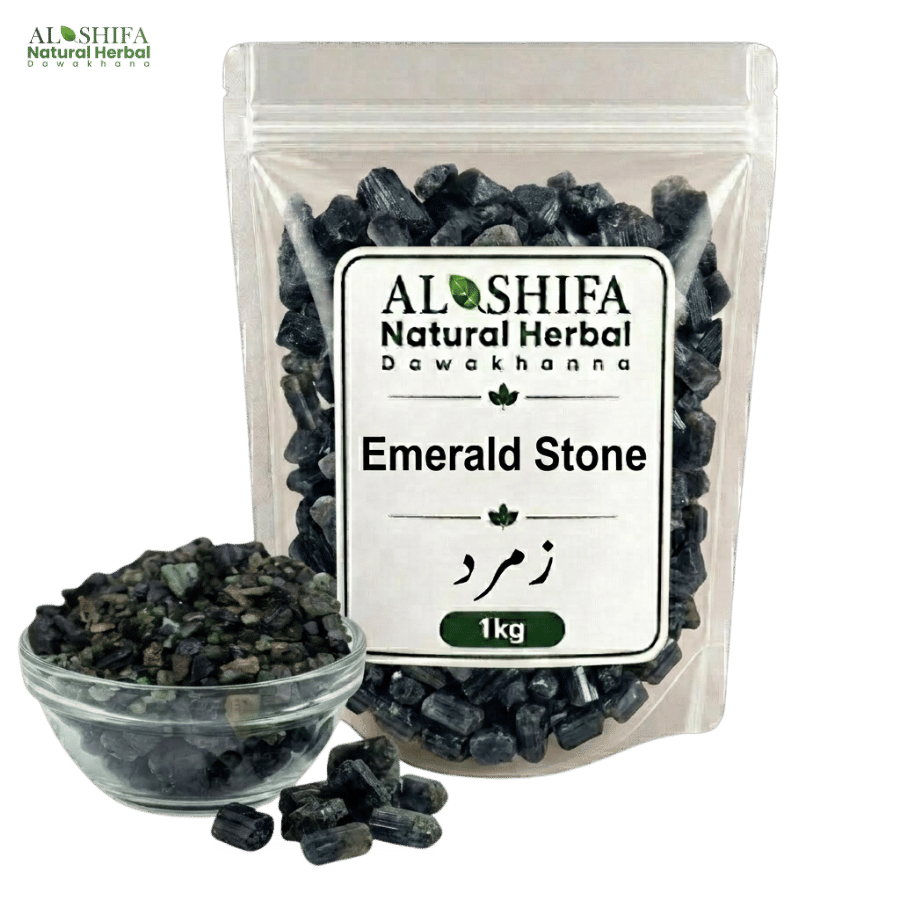
Zamurd, commonly known as Emerald Stone. is a precious green gemstone belonging to the beryl mineral family. It is valued for its distinctive green colour, natural beauty and traditional use in rings, jewellery, pendants, ornaments and gemstone collections.
Al Shifa Zamurd is carefully selected with attention to its traditional gemstone identity, characteristic green appearance, physical condition, natural features, cleanliness and responsible storage.
Key Features:
Usage: Suitable for rings, pendants, jewellery, ornaments and gemstone collections. Cutting, polishing and mounting should be carried out by an appropriately equipped gemstone professional.
Important Note: Zamurd is a precious gemstone, not a medicine or dietary supplement. Natural, synthetic, treated and imitation Emeralds can look similar, while natural Emerald may also be oil or resin treated. Appearance alone cannot confirm authenticity, treatment status or geographic origin. Avoid grinding the stone for internal use.
Zamurd, commonly known in English as Emerald Stone or زمرد, is a precious green gemstone belonging to the beryl mineral family. It is valued for its distinctive green colour, rarity, beauty and long history of use in rings, jewellery, pendants, ornaments and gemstone collections.
Emerald is a variety of the mineral beryl. Its green colour is mainly associated with small amounts of chromium and/or vanadium present within the crystal structure.
For centuries, Zamurd has been valued across South Asia, the Middle East, Central Asia, Europe and many other regions. It has been used in royal jewellery, rings, necklaces, decorative objects and personal ornaments.
Different cultures have also associated Zamurd with prosperity, wisdom, confidence, protection and personal well-being. These beliefs form part of its traditional and cultural history but should be distinguished from scientifically established medical effects.
At Al Shifa Natural Herbal Dawakhana, Zamurd is selected with attention to its traditional gemstone identity, characteristic green appearance, physical condition, cleanliness and responsible storage.
Zamurd is the traditional Urdu and regional name for the gemstone known internationally as Emerald.
Emerald belongs to the beryl mineral group.
The basic chemical formula of beryl is:
Be₃Al₂Si₆O₁₈
This means Emerald is a beryllium aluminium silicate mineral.
Its famous green colour develops when suitable trace elements, especially chromium and/or vanadium, are present.
English Name: Emerald Stone / Emerald
Urdu Name: زمرد
Roman Name: Zamurd / Zumurrud
Mineral Name: Emerald
Mineral Group: Beryl
Chemical Formula: Be₃Al₂Si₆O₁₈
Mineral Class: Silicate Mineral
Mohs Hardness: Approximately 7.5–8
Product Type: Precious Gemstone / Natural Ornamental Mineral Material
Zamurd is a naturally occurring geological mineral.
It does not come from:
Therefore:
Zamurd ≠ Herbal Raw Material
It should be classified as a precious gemstone rather than a medicinal herb.
Natural Emerald commonly has:
High-quality Emerald can be strongly transparent, while other natural stones may contain clearly visible inclusions.
Emerald is especially valued for its green colour.
Natural shades may include:
Colour is one of the most important factors affecting the appearance and commercial value of Emerald.
However:
Dark Green Colour Alone ≠ Proof of Genuine Emerald
Imitation and synthetic materials can also display attractive green colours.
The green colour of Emerald is generally associated with trace amounts of chromium, vanadium or a combination of both.
These elements influence the way the crystal absorbs and reflects light.
The exact chemistry can vary according to geological origin.
Emerald and Green Beryl belong to the same mineral family.
Both are varieties of beryl.
However, gemological classification generally reserves the name Emerald for beryl showing a sufficiently characteristic green colour associated mainly with chromium and/or vanadium.
Paler green material may be described as Green Beryl.
Therefore:
Emerald and Green Beryl are closely related, but the trade terms are not always interchangeable.
Natural Emerald commonly contains internal features known as inclusions.
These may include:
A combination of inclusions in Emerald is sometimes traditionally described as jardin, meaning a garden-like internal appearance.
Inclusions are common in natural Emerald and do not automatically mean the stone is fake.
Some inclusions are expected in natural Emerald.
However, the amount, position and nature of inclusions can affect:
A heavily fractured stone may be more vulnerable to damage than a cleaner stone.
Therefore:
Natural Inclusion ≠ Automatically Poor Quality
Quality must be evaluated as a combination of colour, clarity, cut, condition, treatment and overall appearance.
Emerald can also be produced in laboratories.
Natural Emerald:
Formed through geological processes within the earth.
Synthetic Emerald:
Created in a laboratory with essentially the same basic mineral composition and crystal structure as natural Emerald.
Synthetic Emerald is therefore different from simple glass or plastic imitation.
However:
Natural Emerald ≠ Synthetic Emerald
Professional gemological examination may be required to distinguish them reliably.
A laboratory-grown Emerald can possess the mineral characteristics of Emerald.
Glass or resin imitation does not.
Therefore:
Synthetic Emerald ≠ Glass Imitation
The distinction is important when assessing authenticity and value.
Materials sold to resemble Emerald can include:
Colour alone is not enough to establish identity.
Emerald frequently contains surface-reaching fractures.
For centuries, oils have been used to improve the apparent clarity of some stones.
Modern treatments may include:
The amount and type of treatment can affect gemstone value.
Therefore:
Natural Emerald ≠ Untreated Emerald
A natural stone may still have undergone clarity enhancement.
An oiled Emerald is generally a natural Emerald whose fractures have been filled or treated with oil to reduce their visibility.
Oil treatment does not automatically mean the stone is synthetic or fake.
However, treatment should be distinguished from completely untreated material.
Some Emeralds are treated with resin or polymer materials.
These treatments can improve apparent clarity and sometimes durability.
The presence and extent of filling can influence commercial value.
Professional laboratory examination is preferable when treatment status is important.
Green glass can visually resemble Emerald, especially in inexpensive jewellery.
However, glass has different physical and optical properties.
Therefore:
Green Glass ≠ Emerald
Professional testing can identify differences more reliably than colour alone.
Peridot is another naturally green gemstone.
However, it belongs to a completely different mineral group.
Emerald: Beryl family.
Peridot: Olivine mineral.
Therefore:
Emerald ≠ Peridot
Green Tourmaline may also resemble certain Emerald colours.
However, Tourmaline has a different chemical composition and crystal structure.
Therefore:
Green Tourmaline ≠ Emerald
Jade is another famous green ornamental stone.
However, Jade and Emerald are completely different mineral materials.
Jade generally refers to Jadeite or Nephrite.
Emerald belongs to the Beryl family.
Therefore:
Emerald ≠ Jade
Colombia is one of the world’s most famous sources of high-quality Emerald.
Colombian Emeralds are often associated with attractive rich green colours.
However:
Green Colour Alone Cannot Confirm Colombian Origin
Reliable geographic origin determination generally requires professional gemological examination and supporting evidence.
Zambia is another internationally important source of Emerald.
Zambian Emeralds can display attractive green to bluish-green colours.
As with other geographic descriptions:
Appearance Alone ≠ Verified Zambian Origin
Pakistan is known for natural Emerald deposits, particularly those associated with the Swat Valley region.
Swat Emeralds are recognised in the international gemstone trade.
However, a stone described as Pakistani or Swat Emerald should not have its geographic origin considered proven merely because of its colour or seller description.
Reliable provenance or professional gemological evaluation is preferable when origin matters.
Swat Zamurd / Swat Emerald refers to Emerald associated with deposits in the Swat region of Pakistan.
Such stones may vary naturally in:
The name describes geographic origin rather than a separate mineral species.
A famous geographic origin can influence market demand.
However, a stone should still be evaluated individually.
Quality can depend on:
Therefore:
Famous Origin ≠ Automatically Superior Individual Stone
Zamurd has historically been valued for:
Its rich green colour has made it one of the world’s most recognised precious gemstones.
Emerald is especially popular in rings.
The stone may be:
Because many natural Emeralds contain fractures and inclusions, jewellery should be protected from hard impacts.
The famous rectangular Emerald Cut was developed in part to suit the characteristics of Emerald.
It commonly has:
However:
Emerald Cut ≠ Proof the Stone is Emerald
Many other gemstones can also be fashioned in an Emerald cut.
Different traditions have associated Zamurd with ideas such as:
These beliefs are part of historical and cultural traditions.
However:
Traditional Belief ≠ Scientifically Proven Medical Effect
Emerald is sometimes promoted as a healing crystal.
Claims may associate it with:
There is not sufficient scientific evidence to establish wearing Emerald as a medical treatment for these conditions.
Therefore:
Wearing Zamurd ≠ Medical Treatment
Traditional gemstone literature may associate Emerald with eyesight.
However, wearing an Emerald stone has not been established as a treatment for:
Eye problems require appropriate professional assessment.
A meaningful gemstone or piece of jewellery may provide personal or emotional comfort.
This personal experience should not be confused with evidence that Emerald itself treats:
Zamurd should not be presented as a proven treatment for:
Medical conditions require appropriate diagnosis and treatment.
Ornamental Emerald should not automatically be placed in drinking water.
Natural, synthetic or treated stones may contain:
Therefore:
Ornamental Zamurd ≠ Drinking-Water Ingredient
Zamurd may be available in several forms.
Raw Emerald:
Natural uncut mineral crystal or rough material.
Cut Emerald:
Stone shaped for jewellery.
Faceted Emerald:
Gemstone cut with polished facets.
Mounted Emerald:
Finished stone set into jewellery.
These forms differ mainly in physical processing.
A whole ornamental Emerald is different from ground mineral powder.
Emerald is a beryllium-containing silicate mineral.
Grinding or cutting mineral material can generate fine dust.
Therefore:
Zamurd should not be casually ground into powder for internal medicinal use.
Gemstone cutting and polishing should be carried out with suitable professional equipment and dust controls.
Appropriate precautions can include:
Do not grind Emerald into powder for self-medication.
Although Emerald contains beryllium as part of its mineral crystal structure, it should never be considered a nutritional source of beryllium.
Therefore:
Emerald Stone ≠ Mineral Supplement
Professional gemstone examination may consider:
Laboratory testing may also help determine whether a stone is:
Simple scratch, light or visual tests found online cannot reliably authenticate every Emerald.
Some home tests can also damage valuable gemstones.
Professional gemological evaluation is preferable when authenticity, treatment or origin has significant financial importance.
The value of Zamurd can vary greatly.
Important factors include:
For natural Emerald, a rich attractive green colour is especially important.
Size is only one factor.
A smaller stone with better:
may be more valuable than a larger lower-quality stone.
Therefore:
Large Size ≠ Automatically High Quality
Emerald requires careful handling because natural fractures can make some stones vulnerable despite their relatively high hardness.
Protect Zamurd from:
A soft cloth and gentle cleaning are generally preferable.
Because many Emeralds are oil or resin treated, harsh cleaning methods should be avoided unless treatment status is known.
Ultrasonic and steam cleaners may be unsuitable for fracture-filled Emeralds.
At Al Shifa Natural Herbal Dawakhana, Zamurd is selected with attention to:
Traditional Identity – Material consistent with Emerald/Zamurd.
Characteristic Green Appearance – Appropriate gemstone colour and appearance.
Physical Condition – Attention to visible damage and stone condition.
Natural Features – Consideration of inclusions and characteristic internal appearance.
Cleanliness – Clean handling of gemstone material.
Responsible Storage – Protection from impacts, chemicals and unnecessary damage.
Al Shifa Natural Herbal Dawakhana, established in 1999, supplies herbs, minerals, stones and specialised traditional natural materials throughout Pakistan.
Our focus for Zamurd includes:
For Jewellery:
Zamurd may be professionally cut, polished and mounted in rings, pendants, earrings, necklaces and other suitable jewellery.
For Collections:
Natural rough or polished Emerald may be kept as part of gemstone and mineral collections.
For Traditional Use:
Zamurd may be worn or kept according to personal, cultural and traditional preferences.
Do not grind Emerald into powder for self-medication or use ornamental stones to prepare drinking water.
Zamurd / Emerald is a precious beryl gemstone and is not an herbal medicine or nutritional supplement.
Important distinctions include:
Store Zamurd in a clean, dry and protected place.
For best condition:
Zamurd, commonly known as Emerald Stone or زمرد, is a precious green gemstone belonging to the beryl mineral family. It is valued for its characteristic green colour, beauty, rarity and traditional use in rings, jewellery, pendants and gemstone collections.
Natural Emerald is a beryllium aluminium silicate mineral whose green colour is mainly associated with chromium and/or vanadium. Natural stones commonly contain inclusions, and many commercial Emeralds receive oil or other clarity-enhancing treatments.
Customers searching for Zamurd, Zumurrud, Emerald Stone, Zamurd Stone, Natural Emerald, Natural Zamurd, Emerald Gemstone, Zamurd Gemstone, Green Emerald, Original Zamurd, Pure Zamurd Stone, Natural Zamurd Stone, Swat Zamurd, Swat Emerald, Pakistani Emerald, Colombian Emerald, Zambian Emerald, Zamurd Stone for Ring, Zamurd Ring Stone, Emerald Stone for Ring, Zamurd Pakistan, Emerald Stone Pakistan, Zamurd Lahore, Emerald Lahore, Zamurd price in Pakistan, Emerald Stone price in Pakistan, Swat Zamurd price in Pakistan, original Zamurd price in Pakistan, buy Zamurd Pakistan, buy Emerald Stone Pakistan or Zamurd online Pakistan can choose Al Shifa Natural Herbal Dawakhana for carefully selected traditional gemstone material.
Since 1999, Al Shifa Natural Herbal Dawakhana has focused on supplying herbs, minerals and traditional natural materials with attention to correct identity, characteristic appearance, clean handling, responsible information and proper storage.
Product Name: Zamurd
English Name: Emerald Stone / Emerald
Urdu Name: زمرد
Roman Name: Zamurd / Zumurrud
Mineral Name: Emerald
Mineral Group: Beryl
Chemical Formula: Be₃Al₂Si₆O₁₈
Mineral Class: Silicate Mineral
Product Type: Precious Gemstone / Natural Ornamental Mineral Material
Traditional Use: Rings, jewellery, pendants, ornaments, gemstone collections and cultural applications
Important Note: Zamurd is an Emerald gemstone, not a medicine or dietary supplement. Natural, synthetic, treated and imitation green stones can look similar, while natural Emerald is also commonly clarity enhanced with oil or other fillers. Appearance alone cannot confirm authenticity, treatment status or geographic origin, and traditional healing beliefs should not be presented as scientifically proven medical effects.
زمرد ایک مشہور اور قیمتی قدرتی معدنی پتھر ہے۔
زمرد بنیادی طور پر بیرل نامی معدنی پتھر کی سبز قسم ہے۔ اس کا بڑا حصہ بیریلیم، ایلومینیم اور سلیکا سے بنے معدنی مادے پر مشتمل ہوتا ہے۔ قدرتی زمرد میں کرومیم یا وینیڈیم کی معمولی مقدار اس کی خوبصورت سبز یا نیلگوں سبز رنگت پیدا کرتی ہے۔
زمرد کی خاص پہچان اس کی سبز رنگت، شیشے جیسی چمک اور اندر نظر آنے والی قدرتی باریک لکیریں، دھندلے حصے، چھوٹے بلور اور جال جیسے نشان ہیں۔ ہر زمرد ایک جیسا نہیں ہوتا۔ قدرتی پتھر میں رنگ اور اندرونی نشانوں کی تبدیلی اس کی قدرتی خاصیت ہے۔
زمرد کو حکمت کی کتابوں میں بھی ایک معدنی مفرد کے طور پر بیان کیا جاتا ہے۔
الشفاء نیچرل ہربل دواخانہ میں زمرد منتخب کرتے وقت اصل معدنی شناخت، قدرتی ساخت، رنگت، شفافیت، سختی، تراش، پالش، ظاہری صفائی اور مصنوعی نقل سے الگ پہچان کو اہمیت دی جاتی ہے۔
زمرد قدرتی طور پر زمین اور چٹانوں میں بننے والا قیمتی معدنی پتھر ہے۔
یہ بیرل نامی معدنی خاندان کی سبز یا نیلگوں سبز قسم ہے۔
زمرد خاص قسم کی چٹانوں، معدنی محلول اور زمین کے اندر موجود زیادہ گرمی اور دباؤ کے ملاپ سے بنتا ہے۔
زمرد بننے کے لیے بیریلیم، ایلومینیم، سلیکان اور آکسیجن کے ساتھ کرومیم یا وینیڈیم جیسے اجزا کا ایک جگہ موجود ہونا ضروری ہوتا ہے۔
زمین کے اندر طویل عرصے تک جاری رہنے والے اس قدرتی عمل سے زمرد کے بلور بن سکتے ہیں۔
نام: زمرد
معروف نام: سنگ زمرد
فارسی نام: زمرد
عربی نام: زمرد
انگریزی نام: ایمرلڈ
اصل: قدرتی معدنی پتھر
قسم: بیرل معدنی خاندان کی سبز قسم
بنیادی معدنی مادہ: بیریلیم، ایلومینیم اور سلیکا پر مشتمل بیرل
معدنی خاندان: بیرل
عام شکل: چھ کونوں والا قدرتی بلور، بے ترتیب پتھر، کٹا ہوا نگینہ یا پالش شدہ ٹکڑا
عام رنگت: ہلکی سبز، شوخ سبز، گہری سبز اور نیلگوں سبز
خاص پہچان: سبز رنگت، شیشے جیسی چمک اور اندر موجود قدرتی لکیریں اور نشان
استعمال: نگینے، انگوٹھیاں، لاکٹ، زیورات، آرائشی اشیا اور حکمت میں طبی استعمال کے طور پر ذکر
زمرد زمین کے اندر طویل قدرتی عمل سے بنتا ہے۔
اس کی تشکیل اس وقت ہوتی ہے جب بیریلیم رکھنے والے معدنی اجزا کرومیم یا وینیڈیم رکھنے والی چٹانوں اور گرم معدنی محلول کے ساتھ ملتے ہیں۔
یہ معدنی محلول چٹانوں کی چھوٹی دراڑوں، سوراخوں اور خالی جگہوں میں داخل ہو جاتا ہے۔ وقت کے ساتھ معدنی اجزا جمع ہو کر زمرد کے بلور بنا سکتے ہیں۔
اس عمل سے:
بن سکتے ہیں۔
اسی وجہ سے قدرتی زمرد کے دو ٹکڑے مکمل طور پر ایک جیسے ہونا ضروری نہیں۔
زمرد کا بنیادی حصہ بیرل نامی معدنی مادہ ہوتا ہے۔
بیرل بیریلیم، ایلومینیم، سلیکان اور آکسیجن سے بنا ہوتا ہے۔ کرومیم یا وینیڈیم کی معمولی مقدار بیرل کو سبز یا نیلگوں سبز رنگ دے کر زمرد بناتی ہے۔
زمرد شفاف، نیم شفاف یا کم شفاف ہو سکتا ہے۔ اس کے اندر باریک دراڑیں، چھوٹے بلور، دھندلے حصے اور قدرتی لکیریں نظر آ سکتی ہیں۔
تیل، کیمیکل، تیز گرمی، اچانک درجۂ حرارت کی تبدیلی اور سخت ضرب سے متاثر ہو سکتا ہے۔
اچھا زمرد منتخب کرتے وقت:
صرف سبز رنگ دیکھ کر زمرد کے اصل یا نقلی ہونے کا فیصلہ نہیں کرنا چاہیے۔
بازار میں مصنوعی زمرد، سبز شیشہ، دوسرے سبز پتھر اور تیل یا رال سے بھرا ہوا زمرد بھی فروخت ہوتا ہے۔ ماہر کے لیے بھی کچھ تبدیلیوں کی شناخت لیبارٹری جانچ کے بغیر مشکل ہو سکتی ہے۔
زمرد سبز رنگ کی مختلف قدرتی حالتوں میں پایا جاتا ہے۔
اس میں:
رنگ دیکھے جا سکتے ہیں۔
ایک ہی پتھر میں ہلکے اور گہرے رنگ بھی موجود ہو سکتے ہیں۔ اعلیٰ معیار کے زمرد میں خوبصورت سبز رنگ، مناسب شفافیت اور اچھی تراش کو اہم سمجھا جاتا ہے۔
گہرا سبز زمرد اپنی بھرپور اور شوخ سبز رنگت کی وجہ سے مشہور ہے۔
اچھے گہرے سبز زمرد میں رنگ خوبصورت اور واضح ہوتا ہے، لیکن پتھر اتنا گہرا نہیں ہونا چاہیے کہ روشنی میں تقریباً سیاہ دکھائی دینے لگے۔
ہلکا سبز زمرد نرم، ہلکی یا قدرے زردی مائل سبز رنگت رکھ سکتا ہے۔
بہت ہلکے سبز بیرل کو ہر جگہ زمرد نہیں کہا جاتا۔ کسی سبز بیرل کو زمرد قرار دینے کے لیے اس کی رنگت میں مناسب گہرائی اور تیزی ہونا ضروری سمجھی جاتی ہے۔
نیلگوں سبز زمرد میں سبز رنگ کے ساتھ ہلکی نیلی رنگت بھی نظر آتی ہے۔
یہ رنگ قدرتی طور پر موجود کرومیم، وینیڈیم اور دوسرے معدنی اجزا کی وجہ سے پیدا ہو سکتا ہے۔
ٹریپچ زمرد ایک خاص قسم کا قدرتی زمرد ہے۔
اس کے اندر مرکز سے باہر کی طرف پھیلی ہوئی چھ شعاعیں یا ستارے جیسا قدرتی نقش دکھائی دے سکتا ہے۔ یہ نقش زمرد کی قدرتی بناوٹ اور اس میں شامل دوسرے معدنی مادوں کی وجہ سے بنتا ہے۔
کولمبین زمرد کولمبیا سے نکلنے والے زمرد کو کہا جاتا ہے۔
یہ اپنی شوخ سبز یا ہلکی نیلگوں سبز رنگت کی وجہ سے مشہور ہے۔ اس میں قدرتی اندرونی لکیریں، چھوٹے بلور اور جال جیسے نشان موجود ہو سکتے ہیں۔
صرف کولمبین نام لکھا ہونے سے زمرد کا اصل کولمبیا کا ہونا ثابت نہیں ہوتا۔ مہنگا پتھر خریدتے وقت معتبر لیبارٹری کی رپورٹ دیکھنا بہتر ہے۔
زیمبین زمرد افریقی ملک زیمبیا سے نکلنے والے زمرد کو کہا جاتا ہے۔
اس کی رنگت عموماً سبز سے گہری سبز یا نیلگوں سبز ہو سکتی ہے۔ اس میں قدرتی اندرونی نشان اور باریک لکیریں موجود ہو سکتی ہیں۔
پنج شیر زمرد افغانستان کی وادیٔ پنج شیر سے منسوب ہے۔
یہ خوبصورت سبز اور نیلگوں سبز رنگت میں پایا جا سکتا ہے۔ صرف پنج شیر نام کی بنیاد پر پتھر کی اصل جگہ یا معیار کا فیصلہ نہیں کرنا چاہیے۔
زمرد اور سبز بیرل ایک ہی معدنی خاندان سے تعلق رکھتے ہیں۔
دونوں بیرل کی سبز قسمیں ہیں، لیکن گہرے، شوخ اور مناسب سبز رنگ والے پتھر کو زمرد کہا جاتا ہے۔ بہت ہلکے سبز رنگ والے پتھر کو سبز بیرل کہا جا سکتا ہے۔
رنگ کی گہرائی اور معیار کا درست فیصلہ تربیت یافتہ ماہر یا لیبارٹری کرتی ہے۔
زمرد اور پیریڈوٹ دو الگ معدنی پتھر ہیں۔
زمرد:
پیریڈوٹ:
زمرد اور سبز شیشہ دیکھنے میں کبھی ملتے جلتے لگ سکتے ہیں۔
زمرد:
سبز شیشہ:
قیمتی یا مہنگا زمرد خریدتے وقت صرف دکاندار کے دعوے پر انحصار کرنے کے بجائے پتھروں کی شناخت کرنے والے ماہر سے چیک کروانا بہتر ہے۔
خاص طور پر مہنگے نگینے کے لیے معتبر پتھر جانچنے والے ادارے کی رپورٹ زیادہ قابلِ اعتماد طریقہ ہے۔
رپورٹ میں یہ بھی معلوم کروائیں کہ پتھر:
قدرتی زمرد میں باریک دراڑوں کو کم نمایاں کرنے کے لیے تیل بھرنے کا عمل عام ہے، اس لیے لیبارٹری رپورٹ میں اس عمل کی مقدار ضرور دیکھنی چاہیے۔
زمرد معدنی ہے، جڑی بوٹی نہیں۔
حکمت کی کتابوں میں زمرد کا مزاج سرد اور خشک بیان کیا گیا ہے۔
حکمت میں زمرد کا ذکر معدنی مفرد کے طور پر ملتا ہے۔
اس سے تیار کی جانے والی مخصوص حکیمی دوائیں:
میں شامل کی جاتی ہیں۔
زمرد کے بارے میں حکمت کی کتابوں میں کئی فائدے بیان کیے گئے ہیں۔
حکمت میں زمرد سے بنی مخصوص ادویات کو:
میں شامل کیا جاتا ہے۔
حکمت میں زمرد سے بنی مخصوص ادویات دل کی کمزوری اور خفقان کی بیماری میں استعمال کی جاتی ہیں۔
حکمت میں زمرد سے بنائی گئی مخصوص ادویات معدے کی کمزوری، معدے کی گیس اور قے کی بیماری میں استعمال ہوتی ہیں۔
حکمت کی پرانی کتابوں میں زمرد سے تیار مخصوص دواؤں کو زہریلے اثرات کے لیے بنائی جانے والی ادویات میں شامل کیا گیا ہے۔
حکمت میں زمرد سے بنائی گئی مخصوص ادویات آنکھوں کی بینائی اور آنکھوں کے امراض کے لیے استعمال ہوتی ہیں۔
حکمت میں زمرد کو دماغ کو طاقت اور سکون دینے والی مخصوص ادویات میں شامل کیا جاتا ہے۔
کشتہ زمرد:
حکمت میں زمرد سے تیار مخصوص مرکب دواؤں کو جگر کی کمزوری اور جگر کے امراض میں شامل کیا جاتا ہے۔
جگر کے امراض میں کشتہ زمرد خود سے استعمال نہ کریں۔ غلط تیار شدہ یا آلودہ کشتہ جگر کو نقصان پہنچا سکتا ہے۔
گردوں کے امراض میں کشتہ زمرد خود سے استعمال نہ کریں۔
معدنی کشتوں کا غلط استعمال گردوں پر بوجھ ڈال سکتا ہے۔ گردوں کی کمزوری، پتھری یا دوسری بیماری کی صورت میں مستند ماہر حکیم سے مشورہ کریں۔
کشتہ زمرد کی مقدار اس کی تیاری، معیار، نسخے، مریض کی عمر، جسمانی حالت اور بیماری کے مطابق مختلف ہو سکتی ہے۔
اس کی مقدار خود سے مقرر نہ کریں۔ صرف مستند تجربہ کار حکیم کی نگرانی میں، رجسٹرڈ اور لیبارٹری سے چیک ہوا کشتہ استعمال کریں۔
زمرد ایک قدرتی معدنی پتھر ہے۔
عام زیورات والے زمرد کو پیس کر اندرونی طور پر استعمال نہ کریں۔
زمرد یا اس سے تیار کشتہ کسی بیماری میں مستند حکیم کے مشورے کے بغیر استعمال نہ کریں۔
الشفاء نیچرل ہربل دواخانہ میں زمرد منتخب کرتے وقت درج ذیل باتوں کو اہمیت دی جاتی ہے:
اچھا زمرد: مضبوط اور اچھی حالت والا پتھر منتخب کیا جاتا ہے۔
قدرتی ساخت: قدرتی رنگت، اندرونی لکیروں، چھوٹے بلوروں اور نشانوں کو اہمیت دی جاتی ہے۔
درست شناخت: سبز شیشے، مصنوعی زمرد، سبز بیرل اور دوسری نقلی چیزوں سے الگ شناخت کو اہمیت دی جاتی ہے۔
رنگت کی پہچان: قدرتی اور مصنوعی طور پر بدلی ہوئی رنگت کو سمجھنا ضروری ہے۔
تیل یا رال کی پہچان: زمرد کی دراڑوں میں بھرے گئے تیل یا رال کی مقدار معلوم کرنا ضروری ہے۔
مناسب تراش اور پالش: ایسی تراش اور پالش کو اہمیت دی جاتی ہے جس سے پتھر کی قدرتی رنگت اور خوبصورتی واضح رہے۔
الشفاء نیچرل ہربل دواخانہ سنہ ۱۹۹۹ سے جڑی بوٹیوں، معدنی مفردات، روغنوں اور قدرتی مصنوعات کی سپلائی کر رہا ہے۔
زمرد میں اصل معدنی شناخت، اچھی حالت، قدرتی ساخت، مناسب تراش، پالش اور مصنوعی نقل سے الگ پہچان کو اہمیت دی جاتی ہے۔
زمرد خریدتے وقت صرف خوبصورت سبز رنگ کے بجائے پتھر کی اصل ساخت، قدرتی رنگت، شفافیت، اندرونی نشان اور درست شناخت زیادہ اہم ہے۔
زمرد کے چھوٹے ٹکڑوں یا حکیمی استعمال کے لیے جار میں اچھی طرح پیک کرکے رکھیں۔
پالش شدہ زمرد کو تیز گرمی، اچانک درجۂ حرارت کی تبدیلی، تیل، خوشبو، صابن، کیمیکل، تیزاب اور سخت ضرب سے محفوظ رکھیں۔
زمرد کو نرم کپڑے اور ہلکے نیم گرم پانی سے احتیاط کے ساتھ صاف کریں۔ اسے بھاپ یا الٹراسونک مشین سے صاف نہ کریں، کیونکہ اس کی اندرونی دراڑیں بڑھ سکتی ہیں یا ان میں بھرا ہوا تیل نکل سکتا ہے۔
نام: زمرد
معروف نام: سنگ زمرد
فارسی نام: زمرد
عربی نام: زمرد
انگریزی نام: ایمرلڈ
اصل: قدرتی معدنی پتھر
قسم: بیرل معدنی خاندان کی سبز قسم
بنیادی معدنی مادہ: بیریلیم، ایلومینیم اور سلیکا پر مشتمل بیرل
معدنی خاندان: بیرل
عام شکل: چھ کونوں والا قدرتی بلور، پالش شدہ ٹکڑا یا نگینہ
عام رنگت: ہلکی سبز، شوخ سبز، گہری سبز اور نیلگوں سبز
خاص پہچان: سبز رنگت، شیشے جیسی چمک، قدرتی لکیریں اور اندرونی نشان
سختی: موہس پیمانے پر عام طور پر ساڑھے سات سے آٹھ
اہم احتیاط: زیورات والے عام زمرد کو پیس کر اندرونی طور پر استعمال نہ کریں۔ بیماری کے علاج کے لیے کشتہ زمرد کی مقدار خود سے مقرر نہ کریں اور مستند ماہر حکیم سے رابطہ کریں۔