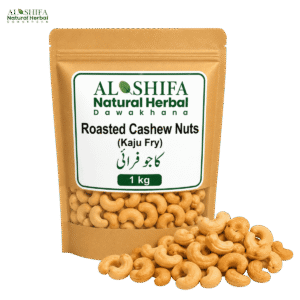
کاجو فرائی
Price range: ₨ 1,500 through ₨ 6,000
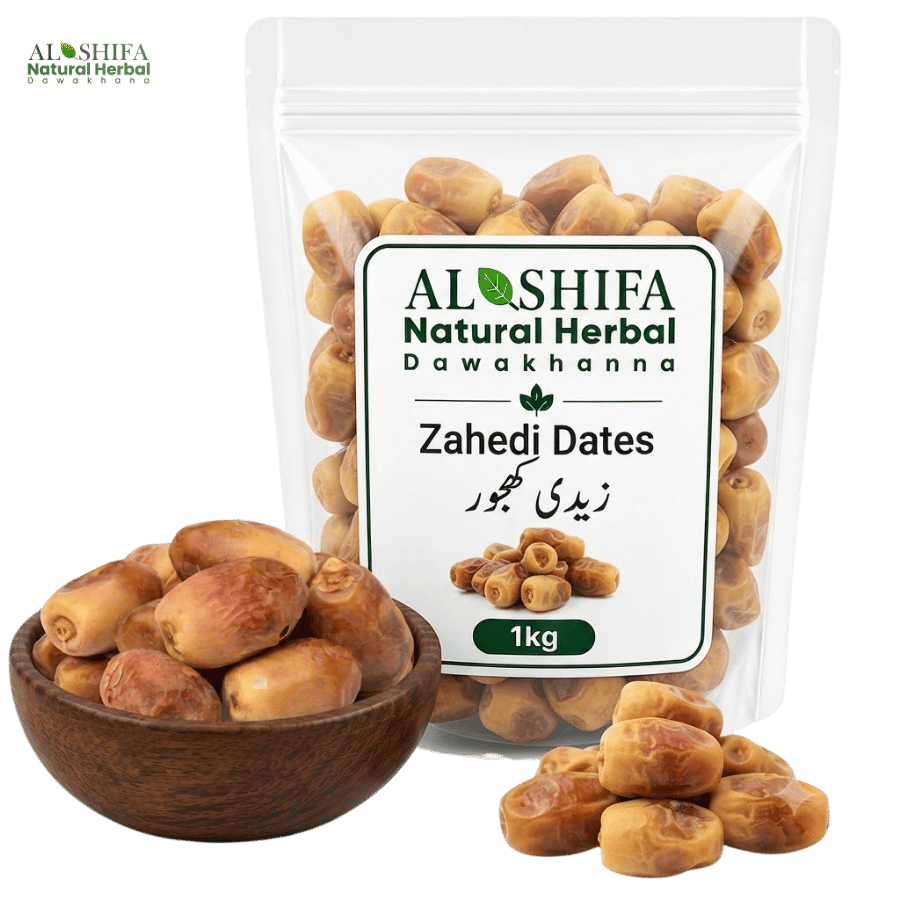
Zahedi Dates / Zahidi Dates are premium semi-dry dates from Phoenix dactylifera, known for their golden-yellow to light brown appearance, firm chewy texture and naturally sweet, pleasant taste. Their lower moisture and firmer texture distinguish them from softer date varieties and make them ideal for everyday snacking, dry-fruit mixes, breakfasts and desserts.
Al Shifa Zahedi Dates are carefully selected for fruit quality, characteristic Zahedi appearance, firm semi-dry texture, natural taste, freshness, clean handling and proper packaging.
Key Features:
Usage: Enjoy directly as a snack or serve with nuts, milk, yogurt, oats, breakfast cereals and desserts. Remove the pit before chopping or blending where necessary.
Important Note: Zahedi is a distinct semi-dry date cultivar and should not be confused with Mazafati, Ajwa, Medjool or fully dried dates. Claims regarding origin, organic certification, no added sugar or preservatives should match the actual product specification.
Zahedi Dates / زیدی کھجور are a well-known date variety from the date palm Phoenix dactylifera L., belonging to the Arecaceae family. Zahedi is generally recognized as a semi-dry date variety, valued for its firm, pleasantly chewy texture, naturally sweet flavor and characteristic golden-yellow to light brown or amber appearance.
Compared with very soft date varieties such as Mazafati, Zahedi dates generally contain less moisture and have a firmer bite. Their comparatively dry texture makes them convenient for direct eating, dry-fruit mixes, breakfast foods, snacks and desserts, while also supporting easier storage than many high-moisture date varieties.
Dates naturally provide carbohydrates and fruit sugars, along with dietary fiber and minerals such as potassium. The exact nutritional composition varies according to growing conditions, maturity, moisture level, processing and individual batch.
Al Shifa Zahedi Dates are carefully selected for fruit quality, characteristic Zahedi appearance, firm texture, natural taste, freshness, clean handling and proper packaging.
Zahedi is a recognized commercial cultivar of Phoenix dactylifera.
The variety is generally characterized by:
Zahedi is a date cultivar, not a separate botanical species.
Product Name: Zahedi Dates
English Name: Zahedi Dates / Zahidi Dates
Urdu Name: زیدی کھجور
Roman Name: Zahedi Khajoor / Zahidi Khajoor
Scientific Name: Phoenix dactylifera L.
Plant Family: Arecaceae
Plant Part: Ripe Fruit
Variety / Cultivar: Zahedi (Zahidi)
Product Type: Semi-Dry Whole Dates
Processing: Harvested, Sorted & Packed; Exact Post-Harvest Processing Depends on Supplier Specification
Appearance: Golden-Yellow, Amber to Light Brown
Texture: Firm, Semi-Dry & Chewy
Taste: Naturally Sweet, Mild & Pleasant
Primary Uses: Direct Eating, Snacks, Dry-Fruit Mixes, Breakfast Foods & Desserts
Zahedi dates are produced by the date palm, Phoenix dactylifera, one of the world’s most important cultivated fruit palms.
Date cultivars can differ considerably in:
Zahedi is particularly recognized for its semi-dry character and lighter golden-to-brown appearance.
Dates are often commercially described according to their texture and moisture characteristics as soft, semi-dry or dry.
Zahedi generally falls into the semi-dry category.
This means its texture is typically firmer and less moist than soft varieties, while the flesh remains pleasantly chewy rather than completely dry or hard.
Natural differences can occur from one harvest or batch to another.
Mature Zahedi dates commonly develop shades ranging from:
Their flesh is typically firm and chewy, making them noticeably different from the soft, moist texture associated with varieties such as Mazafati.
Color alone, however, should not be used as the only method of identifying a date cultivar.
Zahedi dates have a naturally sweet flavor produced by the sugars present in ripe date fruit.
Depending on maturity and batch, their flavor may be perceived as:
No added sweetener should be assumed unless the actual product specification confirms the formulation.
Zahedi dates naturally provide:
The precise nutritional values depend on the individual fruit, moisture content and batch.
Dates are naturally rich in carbohydrates and naturally occurring fruit sugars.
Therefore:
Dates ≠ Sugar-Free Food
Even plain dates without added sweeteners naturally contain sugar.
Claims such as “No Added Sugar” should only be used when the finished product specification confirms that no sugar, glucose syrup or other sweetener has been added.
Zahedi and Mazafati are different date varieties.
Zahedi Dates: Generally semi-dry, firmer, chewy and golden-to-light-brown.
Mazafati Dates: Generally soft, moist, fleshy and dark brown to nearly black.
Therefore:
Zahedi ≠ Mazafati
Both belong to Phoenix dactylifera, but their cultivar characteristics differ considerably.
Ajwa is another distinct date cultivar with its own characteristic appearance, texture and commercial identity.
Zahedi dates should not be marketed as Ajwa based simply on similarities in nutritional composition.
Zahedi ≠ Ajwa
Medjool dates are generally known for their comparatively large size and soft, fleshy, chewy texture.
Zahedi dates tend to be firmer and more semi-dry.
Therefore:
Zahedi ≠ Medjool
Cultivar names should accurately reflect the supplied fruit.
Zahedi is generally classified as a semi-dry date, whereas Chuara refers to a considerably dried date product.
Therefore:
Semi-Dry Zahedi Dates ≠ Fully Dried Dates / Chuara
The moisture content and texture of the finished products differ.
Zahedi Dates can be enjoyed in several ways:
Their firm texture makes them particularly convenient for dry-fruit combinations and everyday snacking.
Zahedi dates naturally provide carbohydrates and sugars and are therefore an energy-dense fruit.
They can be included as part of a balanced diet when a naturally sweet fruit snack is desired.
This nutritional characteristic should not be converted into claims that dates treat weakness, fatigue, anemia or other medical conditions.
Whole dates naturally contain dietary fiber.
Including fruit and other fiber-containing foods contributes to overall dietary fiber intake.
However, Zahedi Dates should not be marketed as a treatment for constipation, digestive disorders or other gastrointestinal conditions.
Dates naturally provide potassium and smaller quantities of other minerals.
The actual amount varies between batches and varieties.
Claims such as “high in potassium,” “rich in iron” or “excellent source of minerals” should only be used when supported by nutritional analysis and applicable food-labeling criteria.
Research involving dates may study:
These preparations are not nutritionally identical.
Therefore, findings from a concentrated date extract or another cultivar should not automatically be presented as established benefits of ordinary Zahedi Dates.
Al Shifa Natural Herbal selects Zahedi Dates with attention to:
For Al Shifa Zahedi Dates, Premium Quality refers to careful selection based on characteristic fruit appearance, texture, taste, cleanliness and overall quality.
It does not automatically mean:
These claims require confirmation from the actual product specification.
Zahedi Dates can be enjoyed directly or combined with:
Check each fruit and remove the pit before chopping, blending or adding to recipes where necessary.
Although dates are nutritious whole fruits, they naturally contain concentrated carbohydrates and sugars.
People monitoring their carbohydrate intake, particularly those managing diabetes or following a medically prescribed diet, should consider portion size according to their individual dietary plan.
Store Zahedi Dates:
Because Zahedi is generally less moist than very soft date varieties, its storage characteristics differ from high-moisture dates, but appropriate packaging and storage remain important.
Al Shifa Natural Herbal offers Zahedi Dates / زیدی کھجور, carefully selected for their characteristic semi-dry texture, golden-to-brown appearance, naturally sweet taste and premium fruit quality.
Customers searching for Zahedi Dates in Pakistan, Zahidi Dates Pakistan, Zahedi Khajoor, زیدی کھجور, semi-dry dates Pakistan, Zahedi Dates Lahore, Zahedi Dates price in Pakistan or buy Zahedi Dates online in Pakistan can choose Al Shifa for quality-focused selection, clean handling and proper packaging.
Product Name: Zahedi Dates
English Name: Zahedi Dates / Zahidi Dates
Urdu Name: زیدی کھجور
Roman Name: Zahedi Khajoor / Zahidi Khajoor
Scientific Name: Phoenix dactylifera L.
Plant Family: Arecaceae
Plant Part: Ripe Fruit
Variety / Cultivar: Zahedi (Zahidi)
Product Type: Semi-Dry Whole Dates
Processing: Harvested, Sorted & Packed; Exact Post-Harvest Processing Depends on Supplier Specification
Appearance: Golden-Yellow, Amber to Light Brown
Texture: Firm, Semi-Dry & Chewy
Taste: Naturally Sweet, Mild & Pleasant
Primary Uses: Direct Eating, Snacks, Dry-Fruit Mixes, Breakfast Foods & Desserts
Important Note: Zahedi is a distinct semi-dry date cultivar and should not be confused with Mazafati, Ajwa, Medjool or fully dried dates. Claims regarding geographical origin, organic certification, no added sugar, preservatives or a specific commercial grade should only be made when confirmed by the actual product specification.
الشفاء زیدی کھجور ایران کی معروف کھجوروں میں سے ایک ہے جو اپنے سنہری بھورے رنگ، قدرتی مٹھاس، خوشگوار ذائقے اور نیم خشک ساخت کی وجہ سے پسند کی جاتی ہے۔ زیدی کھجور کو ایران میں زاہدی کھجور بھی کہا جاتا ہے اور یہ خاص طور پر ان لوگوں کے لیے بہترین انتخاب ہے جو نرم اور زیادہ رسیلی کھجور کے بجائے قدرے مضبوط گودے والی کھجور پسند کرتے ہیں۔
زیدی کھجور میں قدرتی طور پر کاربوہائیڈریٹس، غذائی ریشہ، پوٹاشیم، میگنیشیم اور دوسرے غذائی اجزا موجود ہوتے ہیں۔ اسے روزمرہ غذا، ناشتے، افطار، سفر اور خشک میوہ جات کے ساتھ استعمال کیا جاتا ہے۔
اس کھجور کی خاص خوبی یہ ہے کہ اس میں نمی نسبتاً کم ہوتی ہے، جس کی وجہ سے یہ نرم مظافتی کھجور کے مقابلے میں زیادہ مضبوط ساخت رکھتی ہے اور درست طریقے سے محفوظ کرنے پر اچھی مدت تک اپنی کوالٹی برقرار رکھ سکتی ہے۔
الشفاء زیدی کھجور میں اچھی کوالٹی، قدرتی رنگت، صاف گودے، خوشگوار ذائقے، تازگی اور عمدہ پیکنگ کو اہمیت دی جاتی ہے۔
اردو نام: زیدی کھجور، زاہدی کھجور، ایرانی زیدی کھجور
پنجابی نام: زیدی کھجور، زاہدی کھجور
ہندی نام: زاہدی کھجور، زیدی کھجور
فارسی نام: خرمای زاهدی، خرمای زاہدی
عربی نام: تمر الزاهدي، التمر الزاهدي
انگریزی نام: زاہدی ڈیٹس، زاہدی ڈیٹ پام، ایرانی زاہدی ڈیٹس
سائنسی نام: فینکس ڈیکٹیلیفیرا
خاندان: اریکیسی
استعمال ہونے والا حصہ: کھجور کے درخت کا پکا ہوا پھل
پراڈکٹ کی قسم: نیم خشک کھجور
نمایاں غذائی اجزا: قدرتی شکر، غذائی ریشہ، پوٹاشیم، میگنیشیم اور پولی فینولز
کوالٹی: پریمیم ایرانی زیدی کھجور
زیدی کھجور، کھجور کے درخت کی ایک معروف قسم ہے جسے ایران اور عراق سمیت مشرق وسطیٰ کے مختلف علاقوں میں کاشت کیا جاتا ہے۔
یہ کھجور اپنی منفرد رنگت، نیم خشک گودے اور خوشگوار مٹھاس کی وجہ سے دوسری کھجوروں سے الگ پہچانی جاتی ہے۔
اس کی نمایاں خصوصیات:
زیدی کھجور کو براہ راست کھانے کے علاوہ مختلف میٹھے پکوانوں میں بھی استعمال کیا جاتا ہے۔
زیدی کھجور کی رنگت عموماً سنہری زرد، سنہری بھوری یا ہلکی بھوری ہوتی ہے۔
پختگی، فصل اور خشک ہونے کے درجے کے مطابق رنگت میں فرق آ سکتا ہے۔
اس کی شکل عموماً بیضوی یا قدرے لمبوتری ہوتی ہے اور اندر ایک سخت گٹھلی موجود ہوتی ہے۔
اچھی زیدی کھجور کی قدرتی رنگت اور صاف ساخت اس کی نمایاں خصوصیات ہیں۔
زیدی کھجور کا ذائقہ قدرتی طور پر میٹھا اور خوشگوار ہوتا ہے۔
اس کا گودا مظافتی جیسی نرم کھجوروں کے مقابلے میں زیادہ مضبوط ہوتا ہے۔
اسے چبانے سے قدرتی مٹھاس اور کھجور کا مخصوص ذائقہ محسوس ہوتا ہے۔
ذائقے میں فرق کھجور کی پختگی، نمی اور فصل کے مطابق آ سکتا ہے۔
زیدی کھجور کو نیم خشک کھجوروں میں شمار کیا جاتا ہے۔
اس میں نرم اور رسیلی کھجوروں کے مقابلے میں نمی کم ہوتی ہے۔
کم نمی کی وجہ سے:
تاہم اس کی اصل مدت استعمال پیکنگ، نمی، درجہ حرارت اور تازگی پر منحصر ہے۔
زیدی کھجور میں قدرتی طور پر مختلف غذائی اجزا پائے جاتے ہیں، جن میں:
شامل ہیں۔
ان اجزا کی مقدار فصل، پختگی، نمی اور کھجور کی کوالٹی کے مطابق مختلف ہوتی ہے۔
زیدی کھجور قدرتی کاربوہائیڈریٹس اور شکر فراہم کرتی ہے۔
یہ غذائی اجزا جسم کو توانائی فراہم کرتے ہیں اور روزمرہ جسمانی سرگرمیوں کے لیے فائدہ مند غذا کا حصہ بنتے ہیں۔
اسے ناشتے، سفر اور جسمانی سرگرمی کے بعد استعمال کیا جا سکتا ہے۔
زیدی کھجور میں موجود قدرتی شکر، کاربوہائیڈریٹس اور معدنی اجزا اسے توانائی سے بھرپور غذا بناتے ہیں۔
اسے دودھ، دہی، بادام، اخروٹ اور دوسری غذاؤں کے ساتھ استعمال کرکے غذائیت سے بھرپور ناشتہ تیار کیا جا سکتا ہے۔
زیدی کھجور میں غذائی ریشہ موجود ہوتا ہے۔
غذائی ریشہ آنتوں کے معمول کے افعال اور پاخانے کی باقاعدگی کے لیے فائدہ مند ہے۔
روزمرہ غذا میں کھجور کے ساتھ سبزیاں، پھل اور پانی شامل کرنا ہاضمے کے لیے اچھا غذائی معمول ہے۔
زیدی کھجور میں موجود غذائی ریشہ پاخانے کی باقاعدگی برقرار رکھنے میں کردار ادا کرتا ہے۔
قبض سے بچاؤ کے لیے مناسب پانی، روزمرہ جسمانی سرگرمی اور ریشہ دار غذا بھی اہم ہیں۔
شدید یا مسلسل قبض کی صورت میں اصل وجہ معلوم کرنا ضروری ہے۔
زیدی کھجور میں پوٹاشیم موجود ہوتا ہے۔
پوٹاشیم جسم میں پٹھوں، اعصاب اور بلڈ پریشر کے معمول کے نظام کے لیے ضروری معدنی جز ہے۔
کھجور کو متوازن غذا کا حصہ بنانا دل کی صحت کے لیے اچھے غذائی معمول میں شامل ہو سکتا ہے۔
پوٹاشیم جسم میں پانی اور نمکیات کے توازن اور بلڈ پریشر کے معمول کے افعال میں کردار ادا کرتا ہے۔
زیدی کھجور پوٹاشیم کی کچھ مقدار فراہم کرتی ہے۔
تاہم اسے بلڈ پریشر کی دوا کا متبادل نہیں سمجھنا چاہیے۔
زیدی کھجور میں پوٹاشیم اور میگنیشیم موجود ہوتے ہیں۔
یہ معدنی اجزا پٹھوں کے معمول کے کام اور جسمانی افعال کے لیے ضروری ہیں۔
ورزش اور روزمرہ سرگرمیوں کے ساتھ متوازن غذا میں کھجور شامل کی جا سکتی ہے۔
پوٹاشیم اور میگنیشیم اعصابی نظام کے معمول کے افعال میں کردار ادا کرتے ہیں۔
زیدی کھجور ان معدنی اجزا کی کچھ مقدار فراہم کرتی ہے۔
زیدی کھجور میں قدرتی پولی فینولز اور دوسرے پودوں کے مرکبات موجود ہوتے ہیں۔
ان مرکبات میں اینٹی آکسیڈنٹ سرگرمی پائی جاتی ہے۔
کھجور کو مختلف پھلوں، سبزیوں اور دوسری غذاؤں کے ساتھ استعمال کرنا غذائی تنوع کے لیے فائدہ مند ہے۔
زیدی کھجور میں میگنیشیم، فاسفورس اور کیلشیم جیسے معدنی اجزا کی کچھ مقدار موجود ہوتی ہے۔
یہ اجزا ہڈیوں کے معمول کے افعال کے لیے ضروری ہیں۔
ہڈیوں کی صحت کے لیے کیلشیم، وٹامن ڈی، پروٹین اور جسمانی سرگرمی بھی ضروری ہیں۔
زیدی کھجور میں آئرن کی تھوڑی مقدار موجود ہو سکتی ہے۔
لیکن اسے آئرن کی کمی یا خون کی کمی کے مکمل علاج کے طور پر استعمال نہیں کرنا چاہیے۔
خون کی کمی میں اصل وجہ معلوم کرنا اور ضرورت کے مطابق علاج کرنا ضروری ہے۔
زیدی کھجور افطار کے لیے ایک اچھا انتخاب ہے۔
اس میں موجود قدرتی شکر اور کاربوہائیڈریٹس جسم کو توانائی فراہم کرتے ہیں۔
افطار میں اسے پانی اور دوسری متوازن غذاؤں کے ساتھ استعمال کریں۔
زیدی کھجور کو سحری میں دودھ، دہی، دلیے اور خشک میوہ جات کے ساتھ استعمال کیا جا سکتا ہے۔
اس طرح ناشتے یا سحری میں مختلف غذائی اجزا شامل کیے جا سکتے ہیں۔
زیدی کھجور کو روزمرہ ناشتے میں مختلف طریقوں سے شامل کیا جا سکتا ہے۔
مثلاً:
ورزش کے بعد جسم کو کاربوہائیڈریٹس، پانی اور دوسری غذائیت کی ضرورت ہوتی ہے۔
زیدی کھجور قدرتی کاربوہائیڈریٹس فراہم کرتی ہے۔
اسے دودھ، دہی یا پروٹین والی غذا کے ساتھ استعمال کیا جا سکتا ہے۔
زیدی کھجور کی نیم خشک ساخت اسے سفر کے لیے ایک اچھا غذائی انتخاب بناتی ہے۔
اسے صاف اور بند پیکنگ میں ساتھ رکھا جا سکتا ہے۔
گرم موسم میں زیادہ دیر گاڑی یا دھوپ میں رکھنے سے گریز کریں۔
زیدی کھجور کو عمر کے مطابق بچوں کی غذا میں شامل کیا جا سکتا ہے۔
بچوں کو کھلانے سے پہلے:
زیدی کھجور قدرے مضبوط گودے والی ہوتی ہے۔
جن بزرگ افراد کو چبانے میں دشواری ہو وہ اسے نرم کرکے یا چھوٹے ٹکڑوں میں استعمال کر سکتے ہیں۔
مقدار ان کی غذائی ضرورت اور شوگر کی سطح کے مطابق رکھیں۔
زیدی کھجور ایک غذائی پھل ہے اور حمل کے دوران متوازن غذا میں شامل کی جا سکتی ہے۔
اگر حمل میں شوگر کا مسئلہ ہو تو کھجور کی مقدار معالج یا ماہر غذائیت کے مشورے سے رکھیں۔
زیدی کھجور قدرتی کاربوہائیڈریٹس اور معدنی اجزا فراہم کرتی ہے۔
دودھ پلانے والی خواتین اسے اپنی متوازن غذا میں شامل کر سکتی ہیں۔
زیدی کھجور میں قدرتی شکر موجود ہوتی ہے۔
قدرتی مٹھاس کا مطلب یہ نہیں کہ زیدی کھجور شوگر فری ہے۔
ذیابیطس کے مریض:
زیدی کھجور توانائی فراہم کرنے والی غذا ہے۔
اس میں قدرتی شکر اور کاربوہائیڈریٹس موجود ہوتے ہیں، اس لیے زیادہ مقدار روزانہ کیلوریز بڑھا سکتی ہے۔
وزن کم یا زیادہ کرنے والے افراد اپنی غذائی ضرورت کے مطابق مقدار رکھیں۔
زیدی کھجور میں پوٹاشیم موجود ہوتا ہے۔
جن افراد کو گردوں کی بیماری کی وجہ سے پوٹاشیم محدود رکھنے کی ہدایت دی گئی ہو وہ کھجور کی مقدار معالج یا ماہر غذائیت سے پوچھ کر رکھیں۔
زیدی کھجور کو مختلف طریقوں سے استعمال کریں:
زیدی اور مظافتی دونوں ایران کی معروف کھجوریں ہیں، لیکن ان کی ساخت مختلف ہوتی ہے۔
زیدی کھجور:
مظافتی کھجور:
دونوں غذائیت فراہم کرتی ہیں، لیکن ذائقے اور ساخت میں فرق ہے۔
زیدی اور عجوہ کھجور کی الگ اقسام ہیں۔
عجوہ کھجور خاص طور پر مدینہ منورہ سے وابستہ ہے جبکہ زیدی کھجور ایران اور عراق میں معروف ہے۔
ان کی رنگت، شکل، گودے کی ساخت اور ذائقہ مختلف ہوتے ہیں۔
مبروم کھجور عموماً لمبوتری شکل اور چبانے والی ساخت کی وجہ سے معروف ہے۔
زیدی کھجور کی رنگت اکثر سنہری بھوری ہوتی ہے اور اس کا گودا نیم خشک ہوتا ہے۔
دونوں کی شکل اور ذائقے میں فرق پایا جاتا ہے۔
سکری کھجور عموماً اپنی نمایاں مٹھاس اور سنہری رنگت کی وجہ سے معروف ہے۔
زیدی کھجور بھی سنہری یا بھوری ہو سکتی ہے، لیکن اس کی نیم خشک ساخت اور مخصوص ذائقہ اسے الگ بناتے ہیں۔
صرف رنگت دیکھ کر دونوں اقسام کا فیصلہ نہیں کرنا چاہیے۔
اچھی زیدی کھجور کے لیے درج ذیل خصوصیات دیکھیں:
کھجور کی رنگت اور ساخت میں فصل اور پختگی کے مطابق فرق آ سکتا ہے۔
کبھی کھجور کی سطح پر قدرتی شکر کے باریک ذرات ظاہر ہو سکتے ہیں۔
یہ ہر صورت میں پھپھوندی نہیں ہوتی۔
لیکن اگر کھجور پر روئیں دار تہہ، خراب بو، غیر معمولی نمی یا خمیر جیسی بو ہو تو اسے استعمال نہ کریں۔
زیدی کھجور میں نمی نسبتاً کم ہوتی ہے، لیکن اسے بھی صاف اور درست ماحول میں محفوظ رکھنا ضروری ہے۔
الشفاء نیچرل ہربل دواخانہ میں زیدی کھجور کے لیے درج ذیل باتوں کو اہمیت دی جاتی ہے:
صحیح قسم: اصلی زیدی یا زاہدی کھجور کی پہچان کو اہمیت دی جاتی ہے۔
قدرتی رنگت: سنہری زرد سے بھوری قدرتی رنگت کو اہمیت دی جاتی ہے۔
اچھی ساخت: نیم خشک اور اچھی پختگی والے گودے کو اہمیت دی جاتی ہے۔
خوشگوار ذائقہ: قدرتی مٹھاس اور تازگی کو اہمیت دی جاتی ہے۔
صفائی: گرد، کیڑوں اور پھپھوندی سے پاک کھجور کو اہمیت دی جاتی ہے۔
اچھی پیکنگ: صاف اور بند پیکنگ کو اہمیت دی جاتی ہے۔
الشفاء نیچرل ہربل دواخانہ سنہ 1999 سے قدرتی جڑی بوٹیوں، خشک میوہ جات، کھجوروں اور غذائی اشیا کی سپلائی کر رہا ہے۔
ہم زیدی کھجور میں:
کو اہمیت دیتے ہیں۔
الشفاء زیدی کھجور روزمرہ غذا، ناشتے، افطار، سفر اور قدرتی مٹھاس کے لیے ایک عمدہ انتخاب ہے۔
زیدی کھجور میں قدرتی شکر موجود ہوتی ہے۔
ذیابیطس کے مریض مقدار کا خیال رکھیں۔
گردوں کی بیماری میں پوٹاشیم کی پابندی ہو تو معالج سے پوچھ کر استعمال کریں۔
بچوں کو دینے سے پہلے گٹھلی نکالیں۔
خراب بو، پھپھوندی یا غیر معمولی خمیر والی کھجور استعمال نہ کریں۔
زیادہ گرمی اور نمی سے محفوظ رکھیں۔
پراڈکٹ نام: الشفاء زیدی کھجور
اردو نام: زیدی کھجور، زاہدی کھجور
فارسی نام: خرمای زاهدی
عربی نام: تمر الزاهدي
انگریزی نام: زاہدی ڈیٹس
سائنسی نام: فینکس ڈیکٹیلیفیرا
خاندان: اریکیسی
اصل شہرت: ایران اور عراق
رنگت: سنہری زرد سے بھوری
ذائقہ: قدرتی میٹھا
ساخت: نیم خشک اور قدرے مضبوط گودا
نمایاں غذائی اجزا: قدرتی شکر، غذائی ریشہ، پوٹاشیم، میگنیشیم اور پولی فینولز
استعمال: براہ راست کھانے، ناشتے، افطار، سفر، دودھ، دہی اور میٹھے پکوانوں میں
محفوظ رکھنے کا طریقہ: ٹھنڈی، خشک اور روشنی سے محفوظ جگہ پر بند پیکنگ میں رکھیں؛ گرم موسم میں ریفریجریٹر بہتر ہے
کوالٹی: پریمیم زیدی کھجور
برانڈ: الشفاء نیچرل ہربل دواخانہ