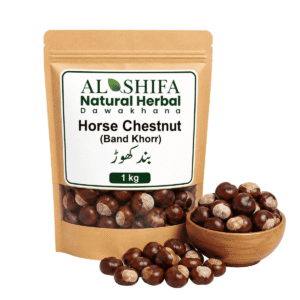
بند کھوڑ
Price range: ₨ 300 through ₨ 4,400
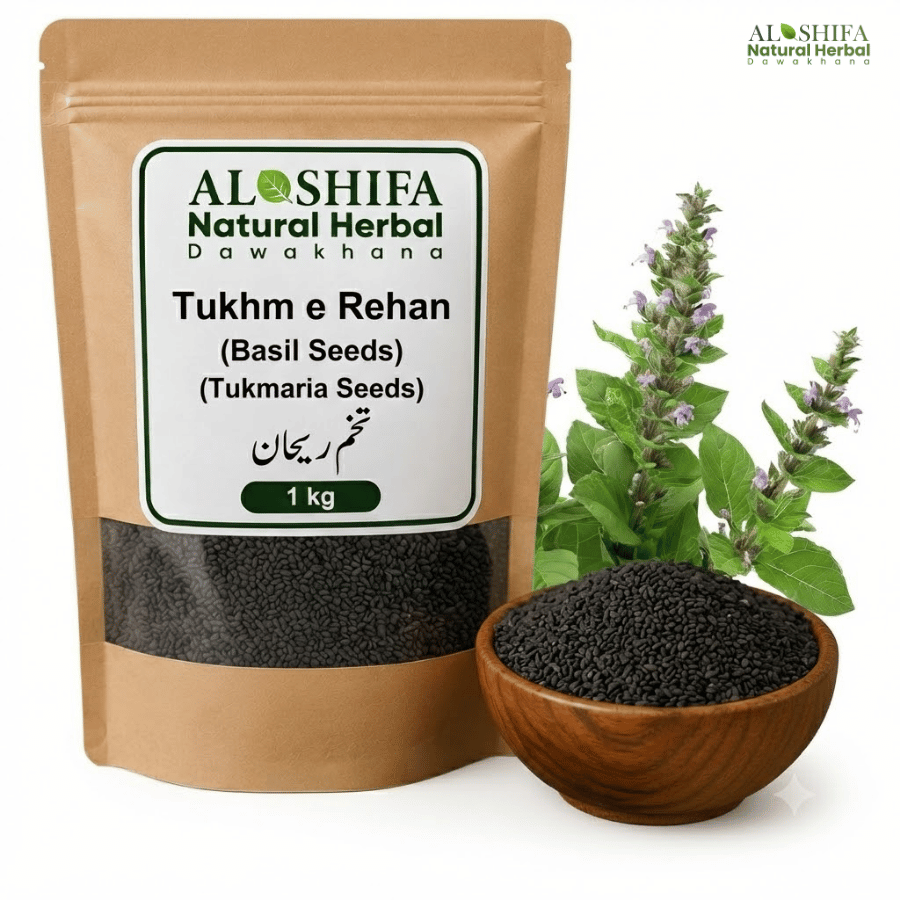
Tukhm-e-Rehan / Tukmaria Seeds are natural Basil Seeds (Ocimum basilicum L.) known for forming a soft, gel-like coating when soaked. Traditionally used in falooda, sharbat, milk drinks, desserts, and refreshing beverages.
How to Use: Soak in sufficient clean water until fully swollen, then add to your preferred drink or dessert.
Storage: Keep in a cool, dry place away from sunlight and moisture.
Important Note: Soak properly before consumption, as the seeds expand significantly in water.
Tukhm-e-Rehan / Tukmaria Seeds – تخم ریحان are small, naturally mucilaginous seeds traditionally valued across South Asia, the Middle East, and parts of Asia for use in refreshing drinks, desserts, and traditional food preparations. They are commonly known as Basil Seeds, Sweet Basil Seeds, Sabja Seeds, Tukmaria, or Tukhm-e-Rehan and are obtained from Sweet Basil (Ocimum basilicum L.), a member of the Lamiaceae family.
One of the most distinctive characteristics of Tukmaria Seeds is their ability to absorb water and develop a soft, translucent, gel-like coating around each seed. This makes properly soaked basil seeds a popular ingredient in beverages, milk-based drinks, traditional summer refreshments, desserts, and other culinary preparations.
Naturally containing dietary fiber, mucilage-forming polysaccharides, plant protein, fatty acids, minerals, phenolic compounds, and other botanical constituents, Tukhm-e-Rehan can be incorporated into a varied and balanced diet.
Tukhm-e-Rehan are valued for their characteristic appearance, rapid hydration, and gel-forming ability.
Product Name: Tukhm-e-Rehan / Tukmaria Seeds
English Name: Basil Seeds / Sweet Basil Seeds
Urdu Name: تخم ریحان
Roman Names: Tukhm-e-Rehan / Tukhm Rehan / Tukmaria / Tukmaria Seeds
Other Common Names: Sabja Seeds / Basil Seeds / Sweet Basil Seeds / Falooda Seeds
Botanical Name: Ocimum basilicum L.
Family: Lamiaceae
Plant Part: Seeds
Product Category: Edible Seeds / Culinary Seeds / Botanical Food Ingredient
Form: Whole Dried Seeds
Typical Appearance: Small, dark-colored seeds that develop a translucent mucilaginous coating after soaking
Tukmaria Seeds are the edible seeds commonly obtained from sweet basil, botanically known as Ocimum basilicum L.
Although basil is widely recognized for its aromatic leaves, its seeds also have a long history of culinary use.
When dry, the seeds are small, hard, and generally dark brown to black in appearance. After contact with water, they rapidly absorb moisture and form a distinctive translucent gel-like layer around the seed.
This hydration characteristic is one of the main reasons Tukmaria Seeds are traditionally used in cooling drinks and desserts.
Several names are commonly used for this product depending on region and language.
These include:
In South Asian markets, Tukmaria and Sabja Seeds are particularly common names.
Because the term “basil” can refer to multiple species and varieties, reliable botanical identification remains important when sourcing seeds for food use.
Sweet basil belongs to the Lamiaceae family, a large botanical family containing many familiar aromatic plants.
Botanical Name: Ocimum basilicum L.
Genus: Ocimum
Family: Lamiaceae
Plant Type: Aromatic Herb
Plant Part Used: Seeds
The plant produces small seeds following flowering and successful seed development.
The most recognizable property of Tukmaria Seeds is their ability to develop a gel-like outer layer after soaking.
When the seeds are placed in water, hydrophilic components present around the seed surface absorb water and swell.
This creates a translucent mucilaginous coating around the darker central seed.
This natural process:
The gel is naturally formed by the seed and does not require artificial thickening agents.
Tukhm-e-Rehan Seeds naturally contain a combination of nutritional and botanical constituents.
Depending on the variety, growing conditions, processing, and analytical method, these may include:
The exact nutritional composition can vary between batches and sources.
Basil seeds are naturally valued for their dietary fiber content.
Dietary fiber is an important component of a balanced diet and contributes to normal digestive function.
The fiber and mucilage present in soaked Tukmaria Seeds also contribute to their characteristic texture.
However, the seeds should not be presented as a treatment for constipation, irritable bowel syndrome, inflammatory bowel disease, or other digestive disorders.
Basil seeds naturally contain lipids with unsaturated fatty acids.
Alpha-linolenic acid, a plant-based omega-three fatty acid, is among the fatty acids reported in basil seeds, although the exact fatty-acid composition varies according to the seed variety, growing conditions, origin, processing, and analytical method.
This nutritional characteristic can contribute to the overall value of basil seeds as part of a varied diet.
It should not be interpreted as evidence that ordinary servings can treat cardiovascular or inflammatory diseases.
Tukmaria Seeds naturally contain plant protein.
Protein contributes to normal dietary nutrition and is an important component of a balanced eating pattern.
The exact amount available in a serving depends on the quantity consumed and the composition of the particular batch.
Basil seeds should therefore be considered one component of a varied diet rather than a replacement for a nutritionally balanced range of protein sources.
Basil seeds can naturally contain minerals such as:
The precise amount depends on the botanical source, soil, climate, harvesting, processing, and serving size.
Specific claims such as “high in calcium” or “excellent source of iron” should only be used when supported by appropriate nutritional testing for the actual product.
Basil seeds naturally contain different phenolic and other botanical constituents.
These compounds have been investigated scientifically for various biological properties, including antioxidant activity in laboratory settings.
However, laboratory antioxidant activity should not be converted into claims that Tukmaria Seeds can prevent cancer, reverse aging, treat inflammation, or cure chronic diseases.
It is more accurate to describe them as seeds that naturally contain a variety of plant compounds.
Tukhm-e-Rehan has a long-established place in traditional food and beverage culture.
The hydrated seeds are commonly incorporated into:
Their relatively mild flavor allows them to combine easily with many other ingredients without dominating the overall taste.
Tukmaria Seeds are especially well known as a traditional ingredient in Falooda.
After soaking, their translucent outer coating and dark center create the distinctive appearance commonly associated with traditional falooda beverages.
They also add a soft, slightly gelatinous texture that complements milk, rose-flavored preparations, syrups, and other falooda ingredients.
Across South Asia, soaked Tukhm-e-Rehan Seeds are popularly added to drinks during warm weather.
Their hydrated texture makes them particularly suitable for cold beverages.
A drink containing soaked seeds can contribute to daily fluid intake, but the seeds should not be described as medically lowering body temperature or treating heat-related illness.
In hot weather, adequate water intake and appropriate protection from excessive heat remain essential.
Tukmaria Seeds absorb a considerable amount of water and swell during soaking.
When incorporated into a properly prepared beverage, they can form part of a hydration-focused dietary routine.
However, it is important to understand that the seeds themselves do not replace adequate water intake.
People should continue drinking sufficient fluids according to their individual needs, environment, physical activity, and health circumstances.
Because basil seeds naturally contain dietary fiber and mucilage, they may be included in a diet designed to provide adequate fiber.
Dietary fiber contributes to normal digestive function.
For people who are not accustomed to fiber-rich foods, introducing large amounts suddenly may result in:
Starting with a moderate quantity and consuming sufficient fluids may improve tolerance.
When soaked, basil seeds absorb water and increase substantially in volume.
Their dietary fiber and hydrated texture may contribute to a feeling of fullness when included as part of a meal or beverage.
However, Tukmaria Seeds are not a weight-loss medicine and should not be promoted as a guaranteed method for burning fat or producing rapid weight loss.
Healthy weight management depends on overall energy intake, diet quality, physical activity, sleep, medical factors, and long-term habits.
Basil seeds, their fiber, and related preparations have attracted scientific interest in relation to glucose and metabolic health.
However, research findings should not be translated into claims that ordinary Tukmaria Seeds can treat diabetes or replace prescribed diabetes management.
People with diabetes should consider the complete beverage or food in which the seeds are consumed.
For example, adding Tukmaria Seeds to a drink containing large amounts of sugar or syrup does not make the entire beverage low in sugar.
Seeds containing fiber and unsaturated fatty acids can form part of a varied dietary pattern.
Tukmaria Seeds may therefore be incorporated alongside:
However, they should not be described as a treatment for high cholesterol, high blood pressure, blocked arteries, or heart disease.
Tukmaria Seeds and chia seeds are sometimes confused because both develop a gel-like coating after contact with water.
However, they come from different plants.
Tukmaria / Basil Seeds: Ocimum basilicum
Chia Seeds: Salvia hispanica
Although both belong to the Lamiaceae family, they are botanically distinct products and should not be treated as identical.
Tukmaria Seeds generally hydrate quickly and develop a prominent translucent coating around the dark central seed.
Tukmaria Seeds are generally consumed after being properly soaked in water.
Soaking:
Using an adequate amount of water is important because the seeds increase considerably in volume during hydration.
A simple preparation method is:
Preparation time can vary depending on water temperature, seed quality, and quantity.
Because Tukmaria Seeds absorb water and expand, consuming a large quantity completely dry immediately before or without adequate fluid is not advisable.
Proper soaking before consumption is a practical way to allow the seeds to expand before they are eaten.
People with known swallowing difficulties should be particularly cautious with foods that swell after contact with liquid and should seek appropriate professional advice if needed.
Properly soaked Tukhm-e-Rehan Seeds can be used in:
Add hydrated seeds to sharbat, falooda, rose drinks, or other traditional beverages.
Mix soaked seeds into lemon water for additional texture.
Add to milk-based beverages according to preference.
Mix hydrated seeds into fruit or yogurt-based smoothies.
Stir into yogurt after soaking.
Use in puddings and chilled desserts.
Combine with fruit-based drinks or bowls.
Their mild taste makes them versatile for numerous culinary preparations.
Traditional Tukmaria drinks may contain sugar, syrups, honey, or other sweeteners.
The nutritional quality of the finished beverage depends on all of its ingredients.
For a less sweet preparation, the quantity of added sugar or syrup can be reduced according to personal preference and dietary requirements.
Remember that honey and natural syrups also contribute sugars and calories.
Tukmaria Seeds are commonly sold and consumed whole.
Grinding changes the structure of the seed and its behavior in water.
Ground material also has a larger surface area exposed to air, moisture, and environmental conditions, which may affect storage stability.
For traditional beverage use, whole seeds are generally the preferred form.
Because Tukhm-e-Rehan is a natural agricultural product, some variation between batches is normal.
Differences can result from:
Minor differences in seed size, shade, hydration rate, and appearance do not necessarily indicate poor quality.
Good-quality Tukmaria Seeds should generally be:
After soaking, good seeds typically develop their characteristic translucent mucilaginous coating.
Because Tukmaria Seeds are used in foods and beverages, good hygiene is important.
Always:
Most people can incorporate edible basil seeds into normal food quantities, but additional caution may be appropriate in certain circumstances.
Because the seeds swell considerably in water, people with swallowing difficulties should avoid consuming them dry.
Large amounts of fiber may cause bloating, gas, or bowel changes, particularly when introduced suddenly.
People using glucose-lowering medicines should maintain their prescribed management plan and discuss significant dietary changes with an appropriate healthcare professional when necessary.
Anyone taking regular medicines should seek professional advice before using unusually large or concentrated amounts of any botanical product.
Using basil seeds as a food ingredient is different from taking unusually large or concentrated amounts for medicinal purposes.
Reliable safety information for high-dose medicinal use during pregnancy and breastfeeding is limited.
Pregnant or breastfeeding individuals should therefore avoid self-prescribing unusually concentrated quantities and seek professional advice if intending regular medicinal-style use.
Tukmaria Seeds may appear in traditional foods and beverages, but their ability to swell makes appropriate preparation particularly important for children.
Seeds should be properly soaked before serving, and serving size should be appropriate for the child’s age and ability to swallow safely.
Young children or children with swallowing difficulties require particular caution.
As with any food or botanical ingredient, individual sensitivity is possible.
Stop consuming the product and seek appropriate medical attention if symptoms such as:
develop after consumption.
Severe breathing difficulty or rapidly increasing swelling requires urgent medical attention.
To maintain the quality of Tukhm-e-Rehan Seeds:
Moisture control is particularly important for dried seeds.
Do not use the seeds if you notice:
When product quality is uncertain, avoid consumption.
Tukhm-e-Rehan / Tukmaria Seeds – تخم ریحان are a versatile traditional food ingredient with a distinctive ability to form a soft gel-like coating when soaked.
Product Name: Tukhm-e-Rehan / Tukmaria Seeds
English Name: Basil Seeds / Sweet Basil Seeds
Urdu Name: تخم ریحان
Roman Name: Tukhm-e-Rehan / Tukmaria
Other Names: Sabja Seeds / Falooda Seeds
Botanical Name: Ocimum basilicum L.
Family: Lamiaceae
Plant Part: Seeds
Product Type: Edible Botanical Seeds
Product Category: Culinary Seeds / Natural Food Ingredient
Form: Whole Dried Seeds
Appearance: Small dark seeds that develop a translucent gel-like coating when soaked
Common Uses: Falooda, sharbat, milk drinks, lemon beverages, smoothies, yogurt, puddings, desserts, and other food preparations
Preparation: Soak thoroughly in sufficient clean drinking water until the seeds develop their characteristic translucent coating before adding to food or beverages.
Storage: Keep tightly sealed in a cool, dry place away from direct sunlight, heat, moisture, insects, and contamination.
Tukhm-e-Rehan / Tukmaria Seeds – تخم ریحان combine traditional culinary heritage with convenient modern use. Their naturally mucilaginous character, mild taste, dietary fiber, and versatility make them particularly suitable for refreshing beverages, falooda, desserts, yogurt preparations, and other everyday foods.
When properly soaked, the seeds develop their characteristic soft translucent coating and can easily be incorporated into a varied and balanced diet.
Important Medical Note: Tukhm-e-Rehan / Tukmaria Seeds are a food ingredient, not a medicine. They are not intended to diagnose, treat, cure, or prevent diabetes, obesity, high cholesterol, digestive disease, heart disease, or any other medical condition. Properly soak the seeds before consumption, particularly because they expand substantially in water. Individuals with swallowing difficulties, significant medical conditions, pregnancy or breastfeeding concerns, or those planning unusually large medicinal-style quantities should seek appropriate professional guidance.
تخم ریحان چھوٹے، قدرتی اور لعاب دار بیج ہیں جو برصغیر، مشرقِ وسطیٰ اور ایشیا کے مختلف علاقوں میں روایتی طور پر مشروبات، فالودہ، شربت اور مختلف غذائی تیاریوں میں استعمال کیے جاتے ہیں۔ انہیں عام طور پر تخم ریحان، تخم ملنگا، سبزہ کے بیج اور ریحان کے بیج جیسے ناموں سے بھی جانا جاتا ہے۔
یہ بیج اوسی مم بیسیلیکم نامی خوشبودار پودے سے حاصل ہوتے ہیں جو لیمیسی نباتاتی خاندان سے تعلق رکھتا ہے۔
تخم ریحان کی سب سے نمایاں خصوصیت پانی جذب کرنے کی صلاحیت ہے۔ پانی میں بھگونے کے کچھ دیر بعد ہر بیج کے گرد ایک نرم، شفاف اور لعاب دار تہہ بن جاتی ہے۔ یہی خصوصیت انہیں فالودہ، شربت، دودھ والے مشروبات، لیموں پانی، پھلوں کے مشروبات اور مختلف میٹھے پکوانوں کے لیے موزوں بناتی ہے۔
نام: تخم ریحان
دیگر معروف نام: تخم ملنگا، سبزہ کے بیج، ریحان کے بیج، فالودہ کے بیج
نباتاتی نام: اوسی مم بیسیلیکم
نباتاتی خاندان: لیمیسی
استعمال ہونے والا حصہ: بیج
قسم: خوردنی نباتاتی بیج
شکل: مکمل خشک بیج
ظاہری حالت: چھوٹے گہرے رنگ کے بیج جو پانی میں بھگونے کے بعد اپنے گرد شفاف لعاب دار تہہ بنا لیتے ہیں
تخم ریحان ایک خوشبودار نباتاتی پودے کے بیج ہیں۔ اگرچہ ریحان کا پودا اپنے خوشبودار پتوں کی وجہ سے زیادہ معروف ہے، اس کے بیج بھی طویل عرصے سے روایتی غذائی استعمال کا حصہ رہے ہیں۔
خشک حالت میں یہ بیج:
نظر آتے ہیں۔
پانی میں ڈالنے کے بعد یہ نمی جذب کرتے ہیں اور ان کے گرد شفاف لعاب دار تہہ بننا شروع ہو جاتی ہے۔ اس عمل سے بیج کا حجم بڑھ جاتا ہے اور اس کی ساخت نرم ہو جاتی ہے۔
مختلف علاقوں میں تخم ریحان کو مختلف ناموں سے پکارا جاتا ہے۔
عام ناموں میں شامل ہیں:
مختلف علاقوں میں ناموں کا استعمال مختلف ہو سکتا ہے، اس لیے اصل نباتاتی شناخت اور معیاری خام مال کا انتخاب اہم ہے۔
تخم ریحان کی سب سے دلچسپ قدرتی خصوصیات میں سے ایک اس کی پانی جذب کرنے کی صلاحیت ہے۔
بیج کی بیرونی سطح کے گرد موجود پانی دوست اجزاء نمی جذب کرکے پھول جاتے ہیں اور ایک نرم شفاف لعاب دار تہہ بنا لیتے ہیں۔
اس قدرتی عمل کے نتیجے میں:
یہ لعاب بیج کی قدرتی خصوصیت ہے اور اس کے لیے کسی مصنوعی گاڑھا کرنے والے مادے کی ضرورت نہیں ہوتی۔
تخم ریحان میں قدرتی طور پر مختلف غذائی اور نباتاتی اجزاء پائے جاتے ہیں۔
ان میں شامل ہو سکتے ہیں:
ان اجزاء کی صحیح مقدار بیج کی قسم، زمین، موسم، جغرافیائی مقام، فصل، صفائی، ذخیرہ اور تجزیاتی طریقے کے مطابق مختلف ہو سکتی ہے۔
تخم ریحان قدرتی طور پر غذائی ریشہ فراہم کرتے ہیں۔
غذائی ریشہ متوازن غذا کا ایک اہم حصہ ہے اور معمول کے نظامِ ہاضمہ میں اپنا کردار ادا کرتا ہے۔
تخم ریحان میں موجود ریشہ اور لعاب پانی جذب کرنے کے بعد ان کی مخصوص نرم ساخت پیدا کرنے میں بھی مدد دیتے ہیں۔
تاہم انہیں قبض، آنتوں کی بیماری یا کسی دوسری ہاضمے کی بیماری کی دوا کے طور پر استعمال نہیں کرنا چاہیے۔
تخم ریحان میں قدرتی طور پر مختلف روغنی اجزاء بھی موجود ہوتے ہیں۔
ان میں غیر سیر شدہ چکنائیوں کے ساتھ الفا لینولینک تیزاب بھی پایا جا سکتا ہے، جو نباتاتی ذرائع میں موجود ایک اہم روغنی تیزاب ہے۔
اس کے علاوہ لینولیک تیزاب اور دوسرے روغنی اجزاء بھی مختلف مقدار میں موجود ہو سکتے ہیں۔
ان کی مقدار بیج کی قسم، معیار، جغرافیائی مقام اور فصل کے مطابق مختلف ہو سکتی ہے۔
تخم ریحان میں قدرتی طور پر نباتاتی لحمیات بھی موجود ہوتے ہیں۔
لحمیات متوازن غذا کا اہم حصہ ہیں اور جسم کی معمول کی غذائی ضروریات میں اپنا کردار ادا کرتے ہیں۔
تاہم تخم ریحان کو مکمل غذائی متبادل یا روزانہ درکار تمام لحمیات کا واحد ذریعہ نہیں سمجھنا چاہیے۔
انہیں مختلف غذائی ذرائع کے ساتھ متوازن غذا میں شامل کرنا زیادہ مناسب ہے۔
تخم ریحان میں قدرتی طور پر مختلف معدنی اجزاء بھی پائے جا سکتے ہیں، مثلاً:
ان کی اصل مقدار زمین، موسم، بیج کی قسم، فصل، صفائی اور مقدارِ استعمال کے مطابق مختلف ہو سکتی ہے۔
کسی مخصوص معدنی جزو کی بہت زیادہ مقدار کا دعویٰ اسی وقت مناسب ہے جب اصل پروڈکٹ کا باقاعدہ غذائی تجزیہ موجود ہو۔
تخم ریحان میں مختلف فینولک اور دوسرے قدرتی نباتاتی مرکبات بھی پائے جاتے ہیں۔
ان میں سے بعض مرکبات پر تجرباتی سطح پر ضدِ تکسیدی سرگرمی کے حوالے سے تحقیق کی گئی ہے۔
تاہم تجربہ گاہ میں کسی نباتاتی مرکب کی سرگرمی کا مطلب یہ نہیں کہ عام مقدار میں تخم ریحان کسی بیماری کو روکنے یا ختم کرنے کی صلاحیت رکھتے ہیں۔
انہیں قدرتی غذائی اور نباتاتی مرکبات رکھنے والے خوردنی بیج کے طور پر سمجھنا زیادہ مناسب ہے۔
تخم ریحان برصغیر کی روایتی غذائی ثقافت میں خاص مقام رکھتے ہیں۔
انہیں مختلف طریقوں سے استعمال کیا جاتا ہے، مثلاً:
ان کا ذائقہ نسبتاً ہلکا ہوتا ہے، اس لیے یہ دوسرے اجزاء کے اصل ذائقے کو بہت زیادہ متاثر کیے بغیر مختلف غذاؤں میں شامل کیے جا سکتے ہیں۔
تخم ریحان فالودہ کے معروف روایتی اجزاء میں شمار ہوتے ہیں۔
پانی میں بھگونے کے بعد ان کے گرد بننے والی شفاف تہہ اور درمیان میں موجود گہرا بیج فالودہ کو مخصوص ظاہری شکل فراہم کرتا ہے۔
ان کی نرم اور لعاب دار ساخت دودھ، گلاب، مختلف شربتوں اور دوسرے فالودہ اجزاء کے ساتھ اچھی طرح مل جاتی ہے۔
برصغیر میں تخم ریحان کو گرمیوں کے دوران مختلف ٹھنڈے مشروبات میں شامل کرنے کی روایت موجود ہے۔
بھگوئے ہوئے بیج:
میں آسانی سے شامل کیے جا سکتے ہیں۔
ایسے مشروبات روزمرہ مائع کی مقدار میں حصہ ڈال سکتے ہیں، لیکن تخم ریحان کو جسمانی درجہ حرارت کم کرنے یا گرمی سے پیدا ہونے والی طبی بیماری کا علاج نہیں سمجھنا چاہیے۔
تخم ریحان پانی جذب کرکے پھول جاتے ہیں، اس لیے انہیں مناسب مقدار میں پانی کے ساتھ تیار کرنا اہم ہے۔
بھگوئے ہوئے تخم ریحان کسی مشروب کا حصہ بن کر روزمرہ مائع کی مقدار میں حصہ ڈال سکتے ہیں۔
تاہم یہ مناسب مقدار میں صاف پانی پینے کا متبادل نہیں ہیں۔
گرم موسم، جسمانی سرگرمی اور انفرادی صحت کے مطابق مناسب مقدار میں پانی پینا ضروری ہے۔
تخم ریحان میں موجود غذائی ریشہ اور لعاب انہیں ریشہ فراہم کرنے والی غذا کا حصہ بنا سکتے ہیں۔
اگر کوئی شخص پہلے بہت کم غذائی ریشہ استعمال کرتا ہو اور اچانک زیادہ مقدار میں تخم ریحان استعمال کرنا شروع کر دے تو بعض اوقات:
محسوس ہو سکتی ہے۔
اسی لیے ابتدا میں مناسب مقدار استعمال کرنا اور کافی پانی پینا بہتر رہتا ہے۔
پانی میں بھگونے کے بعد تخم ریحان کا حجم بڑھ جاتا ہے۔
ان میں موجود غذائی ریشہ اور لعاب دار ساخت کھانے یا مشروب کے ساتھ استعمال ہونے پر پیٹ بھرنے کے احساس میں حصہ ڈال سکتی ہے۔
تاہم تخم ریحان وزن کم کرنے کی دوا نہیں ہیں اور انہیں چربی پگھلانے یا تیزی سے وزن کم کرنے کے یقینی طریقے کے طور پر پیش نہیں کرنا چاہیے۔
صحت مند جسمانی وزن کا تعلق مجموعی غذا، جسمانی سرگرمی، نیند، روزمرہ عادات اور انفرادی صحت سے ہوتا ہے۔
تخم ریحان کے ریشے اور مختلف نباتاتی اجزاء پر تحول اور خون میں شکر سے متعلق موضوعات کے حوالے سے تحقیق کی گئی ہے۔
تاہم عام تخم ریحان کو ذیابیطس کی دوا یا علاج نہیں سمجھنا چاہیے۔
ذیابیطس رکھنے والے افراد کو اس مکمل غذا یا مشروب پر بھی توجہ دینی چاہیے جس میں تخم ریحان شامل کیے جا رہے ہوں۔
مثلاً بہت زیادہ شکر یا میٹھے شربت میں تخم ریحان شامل کرنے سے وہ مشروب کم شکر والا نہیں بن جاتا۔
تخم ریحان کو متوازن غذا کے مختلف اجزاء کے ساتھ استعمال کیا جا سکتا ہے، مثلاً:
کسی ایک بیج کو مکمل صحت بخش غذا کا متبادل نہیں سمجھنا چاہیے۔
تخم ریحان اور چیا کے بیج بظاہر ایک جیسے محسوس ہو سکتے ہیں کیونکہ دونوں پانی جذب کرکے لعاب دار تہہ بنا سکتے ہیں۔
تاہم یہ دونوں الگ نباتاتی ذرائع سے حاصل ہوتے ہیں۔
تخم ریحان کا نباتاتی نام اوسی مم بیسیلیکم ہے، جبکہ چیا ایک مختلف پودے سے حاصل ہوتا ہے۔
اگرچہ دونوں ایک ہی بڑے نباتاتی خاندان سے تعلق رکھتے ہیں، لیکن یہ الگ بیج ہیں اور انہیں ایک ہی چیز نہیں سمجھنا چاہیے۔
تخم ریحان عموماً پانی میں نسبتاً جلد اپنی نمایاں شفاف تہہ بنا لیتے ہیں۔
تخم ریحان کو عام طور پر استعمال سے پہلے مناسب مقدار میں پانی میں بھگویا جاتا ہے۔
بھگونے سے:
چونکہ بیج پانی جذب کرکے کافی پھول سکتے ہیں، اس لیے انہیں مناسب مقدار میں پانی دینا ضروری ہے۔
عام طریقہ درج ذیل ہے:
۱۔ مطلوبہ مقدار میں تخم ریحان لیں۔
۲۔ انہیں صاف برتن میں ڈالیں۔
۳۔ مناسب مقدار میں صاف پینے کا پانی شامل کریں۔
۴۔ چمچ سے ہلکا سا ہلا دیں تاکہ بیج الگ الگ ہو جائیں۔
۵۔ کچھ دیر کے لیے بھگو کر رکھیں۔
۶۔ جب بیجوں کے گرد واضح شفاف لعاب دار تہہ بن جائے تو دوبارہ ہلکا سا ہلا دیں۔
۷۔ اب انہیں مطلوبہ مشروب یا غذا میں شامل کریں۔
بھگونے کا وقت پانی کے درجہ حرارت، بیج کے معیار اور مقدار کے مطابق مختلف ہو سکتا ہے۔
تخم ریحان پانی جذب کرکے پھولتے ہیں۔
اسی وجہ سے بڑی مقدار میں مکمل خشک بیج بغیر مناسب پانی کے براہِ راست نگلنا مناسب نہیں۔
پہلے سے بھگونے سے بیج استعمال سے پہلے ہی پانی جذب کرکے نرم ہو جاتے ہیں۔
جن افراد کو نگلنے میں دشواری ہو انہیں خاص طور پر احتیاط کرنی چاہیے۔
بھگوئے ہوئے تخم ریحان کو مختلف طریقوں سے استعمال کیا جا سکتا ہے۔
بھگوئے ہوئے بیج کو پسندیدہ شربت میں شامل کریں۔
فالودہ کی روایتی تیاری میں شامل کیے جا سکتے ہیں۔
لیموں اور پانی کے مشروب میں بھگوئے ہوئے تخم ریحان شامل کیے جا سکتے ہیں۔
دودھ یا دودھ سے تیار کردہ مختلف مشروبات میں استعمال کیے جا سکتے ہیں۔
پہلے سے بھگوئے ہوئے بیج دہی میں شامل کیے جا سکتے ہیں۔
مختلف پھلوں سے تیار کردہ مشروبات میں شامل کیے جا سکتے ہیں۔
کھیر، فالودہ اور دوسرے ٹھنڈے میٹھے پکوانوں میں استعمال کیے جا سکتے ہیں۔
تخم ریحان سے تیار کیے جانے والے بہت سے روایتی مشروبات میں شکر، شربت یا شہد شامل کیا جاتا ہے۔
تیار شدہ مشروب کی مجموعی غذائی خصوصیات اس میں شامل تمام اجزاء پر منحصر ہوتی ہیں۔
اگر کم میٹھا مشروب مطلوب ہو تو شکر اور شربت کی مقدار اپنی غذائی ضروریات کے مطابق کم رکھی جا سکتی ہے۔
شہد اور دوسرے قدرتی میٹھے اجزاء بھی شکر اور توانائی فراہم کرتے ہیں، اس لیے ان کا استعمال بھی مناسب مقدار میں ہونا چاہیے۔
تخم ریحان عام طور پر مکمل بیج کی صورت میں استعمال کیے جاتے ہیں۔
پیسنے سے بیج کی قدرتی ساخت تبدیل ہو جاتی ہے اور پانی کے ساتھ اس کا رویہ بھی مختلف ہو سکتا ہے۔
پسا ہوا مواد ہوا اور نمی کے زیادہ رابطے میں آتا ہے، اس لیے اس کی ذخیرہ کرنے کی خصوصیات بھی مکمل بیج سے مختلف ہو سکتی ہیں۔
روایتی مشروبات کے لیے مکمل تخم ریحان زیادہ موزوں ہوتے ہیں۔
تخم ریحان ایک قدرتی زرعی پیداوار ہیں، اس لیے مختلف فصلوں اور پیکنگ میں معمولی فرق ہو سکتا ہے۔
اس فرق کی وجوہات میں شامل ہیں:
اسی لیے مختلف پیکنگ میں بیج کے سائز، رنگ اور پانی جذب کرنے کی رفتار میں معمولی فرق قدرتی ہو سکتا ہے۔
معیاری تخم ریحان عام طور پر:
پانی میں بھگونے کے بعد معیاری بیج عام طور پر اپنی مخصوص شفاف لعاب دار تہہ بناتے ہیں۔
چونکہ تخم ریحان کھانے اور مشروبات میں استعمال کیے جاتے ہیں، اس لیے صفائی کا خیال رکھنا ضروری ہے۔
عام غذائی مقدار میں تخم ریحان بہت سے افراد کی غذا کا حصہ بن سکتے ہیں، تاہم بعض حالات میں اضافی احتیاط مناسب ہے۔
چونکہ تخم ریحان پانی جذب کرکے پھولتے ہیں، اس لیے نگلنے میں دشواری رکھنے والے افراد کو انہیں خشک حالت میں استعمال نہیں کرنا چاہیے۔
بہت زیادہ غذائی ریشہ اچانک استعمال کرنے سے بعض افراد میں گیس، پیٹ پھولنے یا پاخانے کی عادت میں تبدیلی ہو سکتی ہے۔
خون میں شکر کم کرنے والی ادویات استعمال کرنے والے افراد اپنی تجویز کردہ دوا اور غذائی منصوبہ جاری رکھیں اور غذا میں بڑی تبدیلی کی صورت میں مناسب رہنمائی حاصل کریں۔
باقاعدگی سے ادویات استعمال کرنے والے افراد کسی بھی نباتاتی غذائی جزو کو غیر معمولی یا بہت زیادہ مقدار میں استعمال کرنے سے پہلے مناسب مشورہ حاصل کریں۔
عام غذائی مقدار اور کسی نباتاتی جزو کی بہت زیادہ یا مرتکز مقدار میں فرق ہوتا ہے۔
حمل اور دودھ پلانے کے دوران تخم ریحان کی غیر معمولی یا بہت زیادہ مقدار کے باقاعدہ استعمال سے متعلق قابلِ اعتماد معلومات محدود ہو سکتی ہیں۔
اس لیے عام غذائی استعمال سے زیادہ مقدار لینے سے پہلے مناسب طبی رہنمائی حاصل کرنا بہتر ہے۔
تخم ریحان روایتی مشروبات اور غذاؤں میں استعمال کیے جاتے ہیں، لیکن بچوں کے لیے انہیں اچھی طرح بھگونا خاص طور پر اہم ہے۔
بچوں کو دیتے وقت:
چھوٹے بچوں اور نگلنے میں دشواری رکھنے والے بچوں کے لیے اضافی احتیاط ضروری ہے۔
کسی بھی خوردنی یا نباتاتی چیز کی طرح بعض افراد کو تخم ریحان سے بھی حساسیت ہو سکتی ہے۔
اگر استعمال کے بعد:
محسوس ہو تو استعمال بند کریں اور مناسب طبی مدد حاصل کریں۔
شدید سوجن یا سانس لینے میں دشواری کی صورت میں فوری طبی مدد ضروری ہے۔
تخم ریحان کے معیار کو برقرار رکھنے کے لیے:
خشک بیجوں کے لیے نمی سے حفاظت خاص طور پر اہم ہے۔
درج ذیل علامات کی صورت میں تخم ریحان استعمال نہ کریں:
اگر معیار کے بارے میں شک ہو تو استعمال سے گریز کریں۔
تخم ریحان ایک روایتی اور آسانی سے استعمال ہونے والا قدرتی غذائی جزو ہے جس کی پانی میں بھگونے کے بعد نرم اور لعاب دار ساخت اسے مختلف مشروبات اور میٹھے پکوانوں کے لیے منفرد بناتی ہے۔
نام: تخم ریحان
دیگر نام: تخم ملنگا، سبزہ کے بیج، ریحان کے بیج، فالودہ کے بیج
نباتاتی نام: اوسی مم بیسیلیکم
نباتاتی خاندان: لیمیسی
استعمال ہونے والا حصہ: بیج
قسم: خوردنی نباتاتی بیج
شکل: مکمل خشک بیج
ظاہری شکل: چھوٹے گہرے رنگ کے بیج جو پانی میں بھگونے کے بعد شفاف لعاب دار تہہ بناتے ہیں
عام استعمال: فالودہ، شربت، دودھ والے مشروبات، لیموں پانی، پھلوں کے مشروبات، دہی، کھیر اور دیگر میٹھے پکوان
تیاری: مناسب مقدار میں صاف پانی میں اچھی طرح بھگوئیں اور بیجوں کے گرد شفاف لعاب دار تہہ بننے کے بعد مطلوبہ غذا یا مشروب میں شامل کریں۔
ذخیرہ: ٹھنڈی، خشک اور صاف جگہ پر اچھی طرح بند کرکے رکھیں اور دھوپ، گرمی، نمی، کیڑوں اور آلودگی سے محفوظ رکھیں۔
تخم ریحان روایتی غذائی ثقافت اور جدید روزمرہ استعمال کا خوبصورت امتزاج ہیں۔ ان کی قدرتی لعاب دار خصوصیت، ہلکا ذائقہ، غذائی ریشہ اور مختلف غذاؤں کے ساتھ آسان استعمال انہیں فالودہ، شربت، دودھ والے مشروبات، لیموں پانی، دہی اور میٹھے پکوانوں کے لیے ایک موزوں قدرتی جزو بناتا ہے۔
استعمال سے پہلے انہیں مناسب مقدار میں صاف پانی میں اچھی طرح بھگونا بہتر ہے تاکہ بیج مکمل طور پر پانی جذب کرکے اپنی مخصوص نرم اور شفاف لعاب دار تہہ بنا لیں۔
اہم طبی نوٹ: تخم ریحان ایک خوردنی غذائی جزو ہیں، دوا نہیں۔ انہیں ذیابیطس، موٹاپے، بلند چکنائی، دل کی بیماری، قبض یا نظامِ ہاضمہ کی کسی بیماری کی تشخیص، علاج یا روک تھام کے لیے استعمال نہیں کرنا چاہیے۔ بیج پانی جذب کرکے پھولتے ہیں، اس لیے انہیں استعمال سے پہلے اچھی طرح بھگونا بہتر ہے۔ نگلنے میں دشواری رکھنے والے افراد، حاملہ یا دودھ پلانے والی خواتین، مستقل بیماری رکھنے والے افراد اور باقاعدہ ادویات استعمال کرنے والے افراد غیر معمولی یا بہت زیادہ مقدار کے استعمال سے پہلے مستند معالج سے رہنمائی حاصل کریں۔