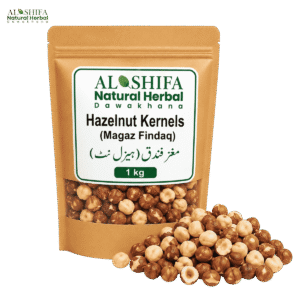
فندق / ہیزل نٹ
Price range: ₨ 1,500 through ₨ 6,000
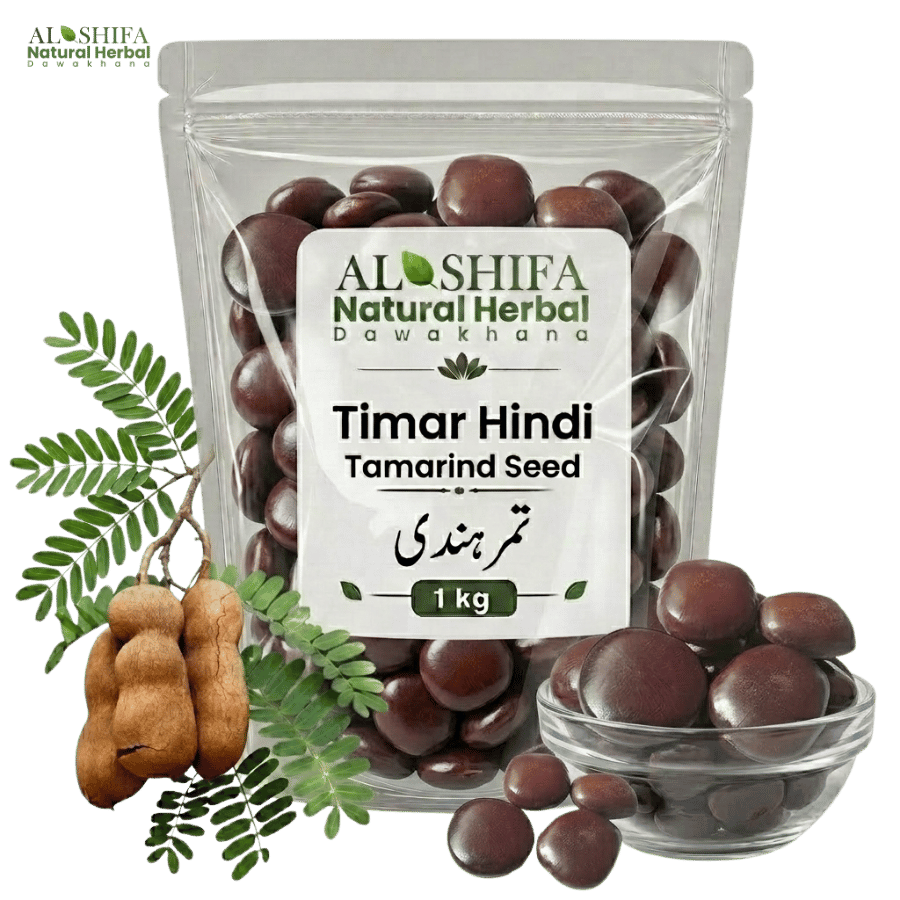
Timar Hindi (Tamarind Seeds) are the mature dried seeds of Tamarindus indica, traditionally used in Unani and other herbal practices. They have historically been included in preparations associated with digestive wellness, astringent support, general nourishment, oral-care traditions, and external skin care.
Al Shifa Tamarind Seeds are carefully selected with attention to seed maturity, natural appearance, cleanliness, proper drying, and overall raw-material quality.
Key Features:
Important Note: Tamarind Seeds are different from the familiar sour Tamarind fruit pulp. Whole dried seeds are extremely hard and should not be chewed directly. Appropriate processing depends on their intended use.
Timar Hindi (Tamarind Seeds) are the mature dried seeds obtained from the fruit of Tamarindus indica L., a well-known tropical tree widely cultivated across South Asia, the Middle East, Africa, and other warm regions. Tamarind is famous for its pleasantly sour fruit pulp, while its seeds are a separate traditional raw material with their own nutritional, herbal, and practical uses.
Tamarind Seeds have a long history of use in traditional practices, including selected Unani, Ayurvedic, nutritional, and external herbal preparations. Traditionally, they have been associated with digestive wellness, astringent preparations, general nourishment, oral-care practices, and external skin-care formulations.
Al Shifa Tamarind Seeds are carefully selected with attention to seed maturity, natural appearance, cleanliness, proper drying, and overall raw-material quality.
Tamarind Seeds are found inside the pods of the Tamarind tree. Once separated from the fruit pulp and properly dried, the seeds become hard, dense, and smooth.
They are generally:
Their size, colour, hardness, and appearance can vary naturally according to maturity, geographical origin, harvesting, and processing.
English Name: Tamarind Seeds
Urdu Name: تمر ہندی
Roman Name: Timar Hindi / Tamar Hindi / Imli Seeds
Scientific Name: Tamarindus indica L.
Family: Fabaceae
Plant Part: Seeds
Product Type: Dried Seeds / Traditional Herbal Raw Material
This distinction is important.
The familiar sour Tamarind used in chutneys, sauces, drinks, and cooking is primarily the fruit pulp surrounding the seeds.
Tamarind Pulp: Soft, sour fruit material commonly used as food and flavouring.
Tamarind Seeds: Hard seeds found inside the fruit, requiring separate processing depending on their intended use.
The nutritional composition, preparation, texture, and traditional applications of the seeds are different from those of the pulp.
Therefore, information about Tamarind pulp should not automatically be applied to Tamarind Seeds.
Tamarind Seeds have historically been used in different traditional systems and household preparations.
Traditional applications have included formulations associated with:
These uses represent historical practice and should not be interpreted as evidence that Tamarind Seeds independently treat a diagnosed medical condition.
Tamarind Seeds naturally contain a variety of plant nutrients and compounds.
Depending on processing and analytical method, these can include:
The seed kernel is particularly known for its natural polysaccharide content and has also attracted interest for various food and industrial applications.
The presence of these constituents does not by itself establish a medicinal effect.
Tamarind Seeds have traditionally appeared in selected preparations associated with digestive and intestinal wellbeing.
Historical applications may include:
Because Tamarind Seeds are naturally hard and differ significantly from the soft fruit pulp, they should not simply be eaten whole like ordinary edible seeds.
Persistent abdominal pain, vomiting, bleeding, unexplained weight loss, severe diarrhoea, constipation, or significant bowel changes require appropriate medical evaluation.
Tamarind Seeds contain naturally occurring tannin-related and phenolic compounds and have traditionally been valued in certain astringent preparations.
In traditional herbal terminology, an astringent preparation is generally associated with a tightening or drying effect on tissues.
However, this traditional characteristic should not be converted into claims that Tamarind Seeds can treat:
Such conditions may require specific medical diagnosis and treatment.
Tamarind Seeds have also appeared historically in selected traditional oral-care preparations.
Traditional use may relate to:
However, coarse Tamarind Seed powder can be abrasive.
It should not be aggressively rubbed onto teeth or gums, and Tamarind Seeds should not be promoted as a treatment for cavities, gum infection, periodontal disease, tooth abscess, or persistent oral pain.
Dental problems require appropriate professional assessment.
Processed Tamarind Seed material has historically been incorporated into selected external and cosmetic preparations.
Traditional applications may include:
Tamarind Seed should not be claimed to cure acne, eczema, psoriasis, pigmentation disorders, fungal infections, or other skin diseases.
Because individual sensitivity varies, a small patch test is advisable before applying a new Tamarind Seed preparation extensively to the skin.
Tamarind Seed kernels contain naturally occurring polysaccharides that have attracted significant food, pharmaceutical, cosmetic, and industrial interest.
Processed Tamarind Seed polysaccharide materials may be used for their functional properties such as thickening, binding, stabilizing, or formulation support.
However:
Whole Tamarind Seeds are not the same as purified Tamarind Seed polysaccharide.
Research on purified or specially processed seed fractions should not automatically be used to make medical claims about ordinary whole dried seeds.
Tamarind Seeds and their processed components have been studied for various biological and nutritional properties.
However, ordinary Tamarind Seeds should not be promoted as a medicine for:
Laboratory or extract-based research does not establish that whole dried Tamarind Seeds can treat these conditions in humans.
Individuals receiving treatment for metabolic conditions should continue their prescribed medicines, dietary management, and medical monitoring.
Different Tamarind Seed preparations should not automatically be considered equivalent.
Whole Tamarind Seeds: Hard dried seeds separated from the fruit.
Seed Kernel: Inner portion obtained after removal of the outer seed coat.
Tamarind Seed Powder: Ground material, which may be prepared from whole seeds or processed kernels depending on the product.
Seed Polysaccharide: A specially processed fraction obtained from the kernel.
Extract: A preparation designed to concentrate selected constituents.
Their composition, concentration, intended use, and safety considerations may differ considerably.
Whole dried Tamarind Seeds are extremely hard.
They should not be chewed directly because their hardness may pose a risk to teeth.
Their preparation depends on whether they are intended for:
For medicinal use, the appropriate preparation should be determined by a qualified practitioner rather than assuming that raw whole seeds are ready for direct consumption.
At Al Shifa Natural Herbal Dawakhana, Tamarind Seeds are selected with attention to:
Seed Identity – Material consistent with characteristic Tamarind Seeds.
Natural Appearance – Appropriate colour, hardness, shape, and physical characteristics.
Maturity – Properly developed mature seeds.
Cleanliness – Carefully handled to minimize unnecessary dirt and foreign matter.
Proper Drying – Appropriately dried for responsible storage.
Quality Selection – Material showing significant mould, infestation, moisture damage, or deterioration is avoided.
Al Shifa Natural Herbal Dawakhana, established in 1999, supplies carefully selected herbs, seeds, roots, fruits, peels, gums, resins, spices, powders, oils, and other traditional natural raw materials across Pakistan.
Our Tamarind Seeds are selected for customers seeking traditional Timar Hindi for appropriate Unani, herbal, nutritional, external, and compound traditional preparations.
We focus on identity, cleanliness, proper drying, natural quality, responsible storage, and accurate product information.
Tamarind Seeds are used in different ways depending on their intended traditional or processed application.
The appropriate method can vary according to:
Because whole Tamarind Seeds are exceptionally hard, they should not be chewed directly.
There is no single universal medicinal dosage suitable for every preparation.
For regular medicinal use, guidance from a qualified healthcare professional or registered practitioner is recommended.
Professional guidance is advisable before medicinal use during:
Avoid swallowing whole hard seeds, particularly in young children, because they may present a choking hazard.
Do not aggressively chew the hard seeds because of the possibility of dental damage.
Tamarind Seeds are a traditional botanical raw material and should not be presented as a proven treatment for:
Traditional use, laboratory research, and studies involving specialized extracts should not be confused with established clinical treatment using ordinary dried Tamarind Seeds.
Store Tamarind Seeds in a cool, clean, and dry place in a tightly closed container.
For better preservation:
Timar Hindi (Tamarind Seeds) are the mature dried seeds of Tamarindus indica, traditionally valued in herbal practices for their historical use in digestive, astringent, nutritional, oral-care, external skin-care, and compound herbal preparations.
Customers searching for Timar Hindi Pakistan, Tamarind Seeds Pakistan, Tamarindus indica Seeds Pakistan, pure Tamarind Seeds, original Tamarind Seeds, Timar Hindi Lahore, Tamarind Seeds benefits, Tamarind Seeds uses, Tamarind Seeds price in Pakistan, Timar Hindi price in Pakistan, buy Tamarind Seeds Pakistan, or Tamarind Seeds online Pakistan can choose Al Shifa Natural Herbal Dawakhana for carefully selected traditional raw material.
Since 1999, Al Shifa Natural Herbal Dawakhana has focused on providing traditional natural ingredients with attention to identity, cleanliness, appropriate drying, natural quality, responsible storage, and accurate product information.
Product Name: Timar Hindi / Tamarind Seed
English Name: Tamarind Seeds
Urdu Name: تمر ہندی
Roman Name: Timar Hindi / Tamar Hindi
Scientific Name: Tamarindus indica L.
Family: Fabaceae
Plant Part: Seeds
Product Type: Dried Seeds / Traditional Herbal Raw Material
Traditional Use: Digestive wellness, astringent preparations, general nourishment, oral-care traditions, external skin care, and selected herbal formulations
Important Note: Tamarind Seeds are different from the familiar sour Tamarind fruit pulp. Whole dried seeds are extremely hard and require appropriate processing according to their intended use.
تمر ہندی کے بیج املی کے معروف درخت کے پھل سے حاصل ہونے والے پختہ اور خشک بیج ہیں۔ املی کا کھٹا گودا برصغیر سمیت دنیا کے مختلف علاقوں میں بطور غذا، چٹنی، مشروب اور ذائقہ بڑھانے والے جزو کے طور پر مشہور ہے، جبکہ اس کے سخت بیج ایک الگ نباتاتی خام جزو ہیں جن کے اپنے روایتی، غذائی اور بیرونی استعمال رہے ہیں۔
طبِ یونانی، آیورویدی اور مختلف مقامی روایات میں تمر ہندی کے بیجوں کو نظامِ ہضم کی عمومی معاونت، قابض نوعیت کی روایتی تیاریوں، عمومی غذائیت، منہ اور مسوڑھوں کی روایتی نگہداشت، جلد کی بیرونی تیاریوں اور مختلف مرکب نسخوں میں استعمال کیا جاتا رہا ہے۔
الشفاء نیچرل ہربل دواخانہ میں تمر ہندی کے بیجوں کو پختگی، قدرتی ظاہری حالت، صفائی، مناسب خشکی اور مجموعی معیار کو مدنظر رکھتے ہوئے منتخب کیا جاتا ہے۔
تمر ہندی کے درخت پر پھلی نما پھل لگتے ہیں جن کے اندر کھٹا گودا اور سخت بیج موجود ہوتے ہیں۔
گودے سے علیحدہ کیے جانے اور مناسب طور پر خشک ہونے کے بعد یہ بیج سخت، گھنے اور ہموار ہو جاتے ہیں۔
تمر ہندی کے خشک بیج عموماً:
بیجوں کی جسامت، رنگ، سختی اور ظاہری شکل میں علاقے، پختگی، برداشت، خشک کرنے اور ذخیرہ کرنے کے طریقے کے مطابق قدرتی فرق ہو سکتا ہے۔
تمر ہندی کے بیج املی کے اسی معروف درخت سے حاصل ہوتے ہیں جس کا پھل برصغیر میں عام طور پر استعمال کیا جاتا ہے۔
معروف نام: تمر ہندی، املی کے بیج
مستعمل حصہ: پختہ خشک بیج
نباتاتی خاندان: پھلی دار پودوں کا خاندان
قسم: خشک نباتاتی بیج اور روایتی خام جزو
خام مال کی درست شناخت ضروری ہے کیونکہ املی کے گودے اور اس کے بیجوں کی خصوصیات اور استعمال ایک جیسے نہیں ہوتے۔
یہ فرق سمجھنا بہت ضروری ہے۔
املی کا گودا: پھل کا نرم اور کھٹا حصہ ہے جو عام طور پر چٹنیوں، سالن، مشروبات اور مختلف غذائی تیاریوں میں استعمال ہوتا ہے۔
تمر ہندی کے بیج: پھل کے اندر موجود انتہائی سخت بیج ہیں، جنہیں ان کے مطلوبہ استعمال کے مطابق الگ طریقے سے تیار کیا جاتا ہے۔
دونوں کی:
ایک دوسرے سے مختلف ہو سکتے ہیں۔
اس لیے املی کے گودے سے متعلق ہر فائدے یا خصوصیت کو اس کے بیجوں سے منسوب نہیں کرنا چاہیے۔
تمر ہندی کے بیجوں کا استعمال مختلف قدیم طبی اور گھریلو روایات میں ملتا ہے۔
روایتی طور پر انہیں ایسی تیاریوں میں شامل کیا جاتا رہا ہے جن کا تعلق:
سے رہا ہے۔
یہ تمام استعمال تاریخی اور روایتی نوعیت کے ہیں اور انہیں کسی تشخیص شدہ بیماری کا یقینی علاج نہیں سمجھنا چاہیے۔
تمر ہندی کے بیجوں میں قدرتی طور پر مختلف نباتاتی اجزاء پائے جاتے ہیں۔
ان میں مقدار اور تیاری کے مطابق:
شامل ہو سکتے ہیں۔
بیج کے اندرونی حصے میں مخصوص پیچیدہ شکریات بھی پائی جاتی ہیں جن کی وجہ سے اسے غذائی، حسن افزا اور مختلف صنعتی تیاریوں میں دلچسپی کا حامل خام جزو سمجھا جاتا ہے۔
کسی قدرتی جزو کی موجودگی بذاتِ خود کسی بیماری کے علاج کا ثبوت نہیں ہوتی۔
تمر ہندی کے بیجوں کو بعض روایتی تیاریوں میں نظامِ ہضم اور آنتوں کی عمومی آسودگی کے لیے استعمال کیا جاتا رہا ہے۔
تاریخی استعمال میں انہیں:
میں شامل کیا جاتا رہا ہے۔
تاہم تمر ہندی کے بیج نہایت سخت ہوتے ہیں، اس لیے انہیں عام نرم خوردنی بیجوں کی طرح براہِ راست چبانا مناسب نہیں۔
پیٹ میں مسلسل شدید درد، بار بار قے، پاخانے میں خون، غیر معمولی وزن میں کمی، مسلسل اسہال یا قبض کی صورت میں مناسب طبی معائنہ ضروری ہے۔
تمر ہندی کے بیجوں میں قدرتی طور پر بعض ایسے نباتاتی اجزاء پائے جاتے ہیں جن کی وجہ سے انہیں روایتی طور پر قابض نوعیت کی تیاریوں میں شامل کیا جاتا رہا ہے۔
طبِ قدیم میں قابض سے مراد عمومی طور پر ایسے اجزاء لیے جاتے ہیں جو بافتوں پر سکڑاؤ یا خشکی سے متعلق اثرات کے لیے معروف ہوں۔
اس روایتی خصوصیت کو یہ سمجھنا درست نہیں کہ تمر ہندی کے بیج:
کا ثابت شدہ علاج ہیں۔
ایسی علامات میں اصل وجہ کی تشخیص ضروری ہے۔
تمر ہندی کے بیج بعض قدیم منہ کی صفائی سے متعلق تیاریوں میں بھی استعمال ہوتے رہے ہیں۔
روایتی استعمال میں انہیں:
میں شامل کیا جاتا رہا ہے۔
تاہم موٹا یا کھردرا سفوف دانتوں اور مسوڑھوں پر سختی سے رگڑنا مناسب نہیں، کیونکہ اس سے دانتوں کی سطح یا حساس مسوڑھوں کو نقصان پہنچ سکتا ہے۔
تمر ہندی کے بیجوں کو دانتوں کے کیڑے، مسوڑھوں کے جراثیمی امراض، دانت کی جڑ کے پھوڑے یا مسلسل دانت کے درد کا علاج نہیں سمجھنا چاہیے۔
تمر ہندی کے بیجوں سے حاصل ہونے والے بعض تیار شدہ اجزاء کو روایتی حسن افزا اور جلد کی بیرونی تیاریوں میں استعمال کیا جاتا رہا ہے۔
روایتی استعمال میں یہ:
کا حصہ رہے ہیں۔
تاہم تمر ہندی کے بیجوں کو:
کا علاج قرار نہیں دینا چاہیے۔
حساس جلد رکھنے والے افراد کسی نئی بیرونی تیاری کو پہلے جلد کے محدود حصے پر آزما سکتے ہیں۔
تمر ہندی کے سخت بیرونی غلاف کے اندر ایک مخصوص دانہ موجود ہوتا ہے جس میں قدرتی پیچیدہ نباتاتی شکریات پائی جاتی ہیں۔
اس اندرونی حصے سے حاصل ہونے والے تیار شدہ اجزاء کو مختلف مقاصد کے لیے استعمال کیا جاتا ہے، جن میں:
شامل ہو سکتے ہیں۔
یہ بات ذہن میں رکھنا ضروری ہے کہ مکمل تمر ہندی کا بیج اور اس سے علیحدہ کرکے تیار کیا گیا مرتکز جزو ایک چیز نہیں ہیں۔
کسی خاص طور پر تیار شدہ جزو پر ہونے والی تحقیق کو عام خشک بیج پر براہِ راست لاگو نہیں کرنا چاہیے۔
تمر ہندی کے بیج اور ان سے حاصل کیے گئے مخصوص اجزاء پر مختلف تحقیقی مطالعات کیے گئے ہیں۔
تاہم عام خشک تمر ہندی کے بیج کو:
کی دوا قرار دینا مناسب نہیں۔
تجربہ گاہی تحقیق یا مرتکز عصاروں پر ہونے والے مطالعات کا مطلب یہ نہیں کہ عام خشک بیج انسانوں میں ان بیماریوں کا ثابت شدہ علاج ہیں۔
تمر ہندی کے بیج مختلف شکلوں میں استعمال کیے جا سکتے ہیں، لیکن ان تمام شکلوں کو ایک جیسا نہیں سمجھنا چاہیے۔
مکمل بیج: پھل سے حاصل ہونے والا پورا سخت اور خشک بیج۔
اندرونی دانہ: سخت بیرونی غلاف ہٹانے کے بعد حاصل ہونے والا اندرونی حصہ۔
سفوف: مناسب طریقے سے تیار شدہ بیج یا اس کے اندرونی حصے کو پیس کر حاصل ہونے والی شکل۔
مرتکز جزو: اندرونی دانے سے مخصوص طریقے سے علیحدہ کیا گیا کوئی خاص نباتاتی حصہ۔
عصارہ: ایسی تیار شدہ شکل جس میں منتخب قدرتی اجزاء کی مقدار عام خام بیج سے مختلف ہو سکتی ہے۔
ایک شکل سے متعلق معلومات کو بغیر تصدیق دوسری شکل پر لاگو نہیں کرنا چاہیے۔
مکمل خشک تمر ہندی کے بیج انتہائی سخت ہوتے ہیں۔
انہیں براہِ راست دانتوں سے توڑنے یا زور سے چبانے کی کوشش نہیں کرنی چاہیے، کیونکہ اس سے دانت کو نقصان پہنچنے کا امکان ہو سکتا ہے۔
چھوٹے بچوں کے لیے پورا سخت بیج حلق میں پھنسنے کا خطرہ بھی پیدا کر سکتا ہے۔
بیج کو کس طرح تیار کیا جائے، اس کا انحصار اس کے مطلوبہ استعمال پر ہوتا ہے، مثلاً:
طبی مقصد کے لیے استعمال کی صورت میں مستند معالج یا رجسٹرڈ طبیب سے رہنمائی حاصل کرنا مناسب ہے۔
الشفاء نیچرل ہربل دواخانہ میں تمر ہندی کے بیجوں کے انتخاب کے دوران درج ذیل امور کو اہمیت دی جاتی ہے:
قدرتی شناخت: املی کے بیجوں کی معروف ظاہری خصوصیات کے مطابق خام مال کا انتخاب۔
پختگی: مناسب طور پر تیار اور پختہ بیج۔
قدرتی ظاہری حالت: رنگ، سختی، شکل اور عمومی ساخت کا جائزہ۔
صفائی: غیر ضروری مٹی، گرد اور بیرونی مواد کو کم سے کم رکھنے کا خیال۔
مناسب خشکی: محفوظ ذخیرے کے لیے مناسب طور پر خشک بیج۔
معیار: پھپھوندی، کیڑوں، غیر معمولی نمی یا نمایاں خرابی والے بیجوں سے اجتناب۔
الشفاء نیچرل ہربل دواخانہ سنہ ۱۹۹۹ سے جڑی بوٹیوں، بیجوں، جڑوں، پھلوں، چھالوں، گوند، قدرتی رال، مصالحہ جات، سفوف، روغنی اجزاء اور دیگر روایتی خام اجزاء کی فراہمی سے وابستہ ہے۔
تمر ہندی کے بیجوں کے انتخاب میں ہم:
کو بنیادی اہمیت دیتے ہیں۔
تمر ہندی کے بیج مختلف روایتی اور تیار شدہ شکلوں میں استعمال ہوتے رہے ہیں۔
مناسب طریقۂ استعمال کا انحصار درج ذیل امور پر ہو سکتا ہے:
مکمل خشک بیج انتہائی سخت ہونے کی وجہ سے براہِ راست چبانے سے گریز کرنا چاہیے۔
طبی استعمال کے لیے ہر فرد اور ہر تیاری پر لاگو ہونے والی ایک ہی عمومی مقدار مقرر کرنا مناسب نہیں۔
مسلسل طبی استعمال کے لیے مستند معالج یا تجربہ کار رجسٹرڈ طبیب سے رہنمائی حاصل کریں۔
درج ذیل صورتوں میں طبی استعمال سے پہلے مستند معالج سے مشورہ کرنا مناسب ہے:
چھوٹے بچوں کو پورے سخت بیج نہ دیں کیونکہ حلق میں پھنسنے کا خطرہ ہو سکتا ہے۔
سخت بیج کو براہِ راست دانتوں سے توڑنے یا زور سے چبانے سے بھی اجتناب کریں۔
تمر ہندی کے بیج ایک روایتی نباتاتی خام جزو ہیں، لیکن انہیں:
کا یقینی یا ثابت شدہ علاج نہیں سمجھنا چاہیے۔
قدیم استعمال، تجربہ گاہی تحقیق اور مخصوص مرتکز اجزاء پر ہونے والے مطالعات کو عام خشک تمر ہندی کے بیج کے طبی اثرات کا حتمی ثبوت نہیں سمجھنا چاہیے۔
کسی مستند معالج کی تجویز کردہ دوا کو تمر ہندی یا کسی دوسری روایتی جڑی بوٹی کے حق میں خود سے بند نہیں کرنا چاہیے۔
تمر ہندی کے بیجوں کو صاف، ٹھنڈی اور خشک جگہ پر اچھی طرح بند برتن میں محفوظ رکھیں۔
بہتر حفاظت کے لیے:
تمر ہندی کے بیج املی کے درخت کے پختہ خشک بیج ہیں، جنہیں مختلف روایتی طریقوں میں نظامِ ہضم کی عمومی معاونت، قابض نوعیت کی تیاریوں، عمومی غذائیت، منہ اور مسوڑھوں کی روایتی نگہداشت، جلد کی بیرونی تیاریوں اور منتخب مرکب نسخوں میں استعمال کیا جاتا رہا ہے۔
اگر آپ تمر ہندی پاکستان، املی کے بیج، خالص تمر ہندی، اصل تمر ہندی، تمر ہندی لاہور، تمر ہندی کے فوائد، املی کے بیج کے فوائد، تمر ہندی کے استعمال، تمر ہندی کی قیمت، تمر ہندی کی قیمت پاکستان، املی کے بیج کی قیمت، تمر ہندی آن لائن یا تمر ہندی خریدیں تلاش کر رہے ہیں تو الشفاء نیچرل ہربل دواخانہ احتیاط سے منتخب روایتی خام اجزاء فراہم کرتا ہے۔
سنہ ۱۹۹۹ سے الشفاء نیچرل ہربل دواخانہ قدرتی اور روایتی خام اجزاء کی فراہمی میں شناخت، صفائی، مناسب خشکی، قدرتی معیار، محفوظ ذخیرے اور ذمہ دارانہ معلومات کو بنیادی اہمیت دیتا آ رہا ہے۔
نام: تمر ہندی
معروف نام: املی کے بیج
مستعمل حصہ: پختہ خشک بیج
نباتاتی خاندان: پھلی دار پودوں کا خاندان
قسم: خشک نباتاتی بیج اور روایتی خام جزو
روایتی استعمال: نظامِ ہضم کی عمومی معاونت، قابض نوعیت کی تیاریوں، عمومی غذائیت، منہ کی روایتی نگہداشت، جلد کی بیرونی تیاریوں اور منتخب مرکب نسخوں میں استعمال
اہم وضاحت: تمر ہندی کے بیج املی کے کھٹے گودے سے مختلف خام جزو ہیں۔ مکمل خشک بیج انتہائی سخت ہوتے ہیں، اس لیے انہیں براہِ راست چبانے کے بجائے مطلوبہ استعمال کے مطابق مناسب طور پر تیار کرنا ضروری ہے۔