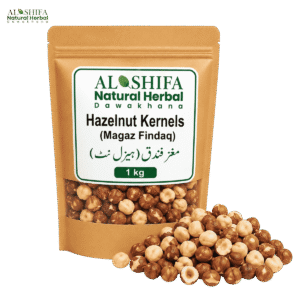
فندق / ہیزل نٹ
Price range: ₨ 1,500 through ₨ 6,000
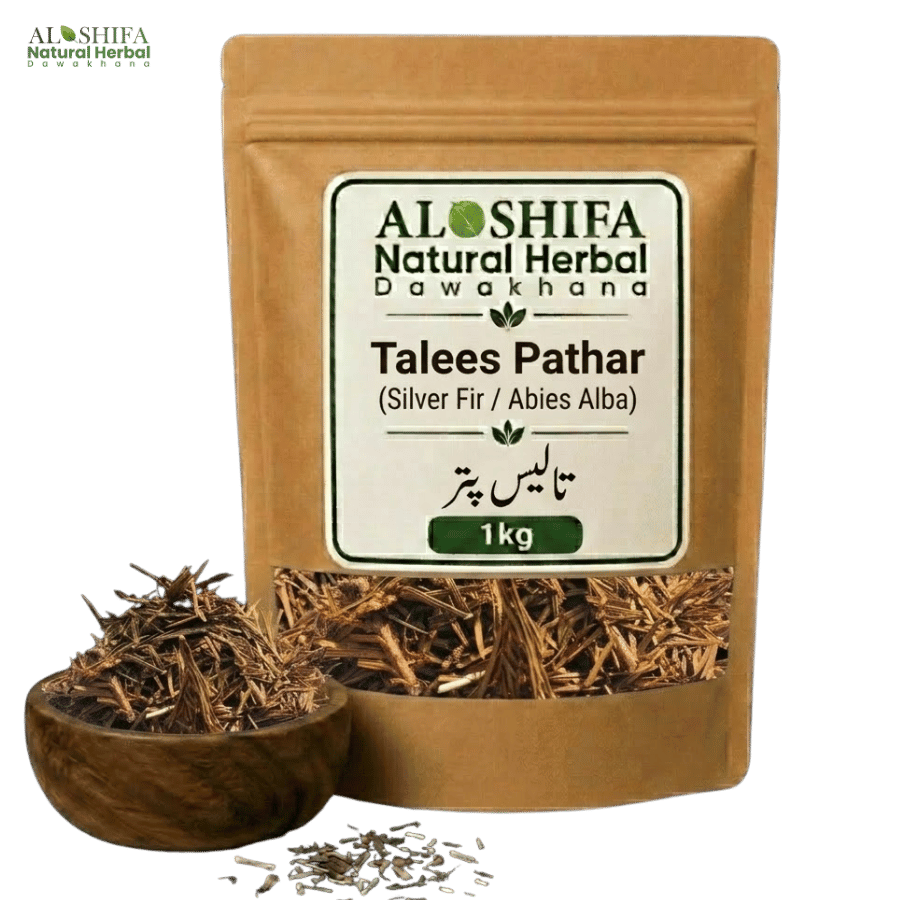
Talees Pathar (Zarnab) is a traditional aromatic botanical material commonly associated with Himalayan Silver Fir (Abies spectabilis, traditionally Abies webbiana), historically valued in respiratory, throat, digestive, and aromatic herbal preparations.
How to Use: Traditionally used in small quantities in herbal formulations, powders, or decoctions under appropriate professional guidance.
Important Note: Not an ordinary culinary herb. Botanical identification is important because the names Zarnab and Talees Pathar have historically been applied to different plants. Traditional uses are not established medical treatments.
Talees Pathar (تالیس پتر), also known as Zarnab (زرنب), is a traditional aromatic botanical material used in South Asian systems of herbal practice. For the product commonly sold as Talispatra/Talees Patar, an important botanical point needs to be clarified: authoritative Ayurvedic sources commonly identify it with Himalayan Silver Fir, Abies spectabilis, historically and widely referred to as Abies webbiana. An official Ayurvedic pharmacopoeial source lists Talispatra as Abies webbiana and records Zarnab as its Urdu/Unani name. Modern botanical databases commonly treat Abies webbiana as a synonym of Abies spectabilis.
Therefore, “Abies alba” should not automatically be used as the scientific name for traditional Talees Patar/Zarnab. Abies alba is European Silver Fir, a separate species. For a South Asian herbal product sold specifically as Talees Patar, the Abies spectabilis / Abies webbiana identification is generally more appropriate, subject to verification of the actual raw material.
Good-quality Talees Pathar consists traditionally of aromatic dried leaves or needle-like foliage obtained from the correctly identified fir tree. The material should retain its characteristic natural aroma and appearance and should be properly dried and protected from excessive moisture, insects, mold and foreign matter.
English Name: Himalayan Silver Fir / East Himalayan Fir
Urdu Name: زرنب / تالیس پتر
Roman Name: Talees Pathar / Talees Patar / Talispatra / Zarnab
Accepted Botanical Association: Abies spectabilis
Traditional Botanical Name: Abies webbiana
Family: Pinaceae
Commonly Used Part: Dried Leaves / Needles
Plant Type: Evergreen Coniferous Tree
Product Type: Traditional Aromatic Botanical Material
Talees Pathar is traditionally the dried aromatic foliage of a Himalayan fir tree.
The plant is a large evergreen conifer growing naturally at higher elevations of the Himalayan region. Its foliage consists of narrow, flattened, needle-like leaves. Traditional pharmacopoeial descriptions characterize the leaves as narrow and aromatic, with a resinous or turpentine-like odor and an astringent taste.
The leaves are the principal material traditionally recognized as Talispatra in many South Asian herbal references.
This product requires careful botanical naming because older herbal literature and modern botanical classification may use different names.
The traditional medicinal literature frequently uses:
Abies webbiana
while contemporary botanical sources commonly recognize the plant as:
Abies spectabilis
with Abies webbiana treated as a botanical synonym. The Indian medicinal-plant database maintained through the National Medicinal Plants Board ecosystem specifically lists Abies spectabilis and records Abies webbiana among its synonyms.
This is primarily a botanical nomenclature issue rather than evidence that the traditional material is necessarily a completely different herb.
The name Silver Fir can create confusion because several fir species are described using similar English common names.
Abies alba is the European Silver Fir, native primarily to Europe.
Traditional Himalayan Talispatra, however, is generally associated with Abies spectabilis / Abies webbiana.
Therefore:
Abies alba ≠ Abies spectabilis
and
European Silver Fir ≠ Automatically Traditional Talispatra
If your supplier has specifically authenticated the commercial material as Abies alba, it should be labeled accordingly. Otherwise, Abies alba should not be assigned merely because the English name “Silver Fir” appears on the product.
The name Zarnab requires additional caution.
Some official and traditional references associate Zarnab with Talispatra/Abies webbiana. However, historical Unani literature has also used Zarnab for other botanical sources. For example, published literature documents Himalayan Yew (Taxus wallichiana) as a source of Zarnab in some Unani traditions.
Historical literature has also documented substitution and disagreement over the identity of Talispatra itself.
Therefore:
Zarnab ≠ Guaranteed to be one botanical species in every traditional market
and
Talees Patar ≠ Automatically identifiable from the trade name alone
For commercial labeling, the actual supplied raw material should ideally be botanically authenticated.
When the product is genuine Himalayan Talispatra foliage, the dried material typically has characteristic fir-like features.
These may include:
According to pharmacopoeial descriptions, the leaves may be approximately one to several centimeters long and display pale lines on their lower surface.
Natural color and aroma can vary according to harvest, drying, storage and age.
Talees Pathar is valued partly for the characteristic aromatic constituents of its foliage.
Research on Abies webbiana foliage and related preparations has investigated different groups of naturally occurring compounds, including:
Research has even reported isolation of an aziridine-related alkaloid from Abies webbiana leaves.
The exact chemical profile, however, depends on the botanical species, plant part, geographic origin, harvest conditions and extraction method.
An important product distinction is:
Dried Leaves ≠ Powder ≠ Infusion ≠ Concentrated Extract ≠ Essential Oil
Essential oils are highly concentrated volatile preparations. Their composition, strength and safety considerations differ significantly from ordinary dried foliage.
Therefore, safety information or experimental results involving concentrated fir essential oil should not automatically be applied to ordinary dried Talees Pathar leaves.
Likewise, research involving concentrated extracts cannot automatically establish the effects of a traditional infusion.
Talispatra has a long history of traditional use in preparations associated with respiratory comfort.
Historical herbal literature has described the leaves in preparations traditionally used for:
Traditional literature has historically described Talispatra as expectorant-related and used it in preparations for cough and other respiratory complaints.
These descriptions document traditional practice, not proof that Talees Pathar treats respiratory disease.
Talees Pathar should not be presented as a proven treatment for:
Laboratory findings, traditional use and historical descriptions cannot replace appropriate clinical evidence.
Persistent cough, coughing blood, chest pain, high fever, wheezing or difficulty breathing requires appropriate medical evaluation.
Talispatra has also historically been associated with digestive preparations.
Traditional descriptions have included its use as a:
Historical literature describes dried Abies webbiana leaves as having carminative, stomachic, tonic and astringent traditional properties.
In practical terms, this means it has historically appeared in preparations intended for digestive comfort and post-meal wellbeing.
Traditional digestive use does not establish that Talees Pathar can treat:
Persistent or severe digestive symptoms should be medically evaluated.
The naturally resinous aroma of fir foliage has contributed to its traditional reputation as an aromatic botanical.
In traditional herbal terminology, Talees Pathar may be included in formulations intended to provide a warming, aromatic or stimulating character.
Such descriptions represent historical herbal concepts and should not be interpreted as measurable modern medical effects.
Historical herbal sources also mention preparations of Talispatra in connection with the mouth and throat.
Traditional forms have included powders, decoctions and compound preparations.
This does not establish that the herb can cure:
Persistent oral or throat problems require appropriate professional assessment.
Modern studies involving Abies webbiana, Abies spectabilis and related fir species have investigated several areas of biological activity.
Research areas have included:
However, research findings must be interpreted according to the actual preparation studied.
Scientific studies may investigate:
These forms are not interchangeable.
For example:
Antimicrobial activity in a laboratory ≠ proven treatment of human infection
Antioxidant activity ≠ proven prevention of chronic disease
Animal respiratory research ≠ established treatment of asthma
Traditional expectorant use ≠ proven treatment of pneumonia
The quality and type of evidence must always be considered.
Talees Pathar is a specialized traditional botanical material rather than an everyday culinary herb.
It should not be treated like common kitchen ingredients such as:
Although traditional formulations may use small quantities of the foliage, medicinal use should follow an appropriate traditional formulation or professional guidance.
The word Patar/Patra simply refers to a leaf in several South Asian languages and can sometimes create confusion with other aromatic leaves.
Talees Patar should not automatically be confused with:
These are botanically different materials.
Correct identification is particularly important when a product is intended for internal use.
A particularly important safety issue is confusion with Himalayan Yew (Taxus wallichiana).
Some historical Unani references have associated Zarnab or Talispatra-type trade material with Taxus wallichiana.
This distinction matters because Taxus species contain potent taxane-related compounds and can be toxic when improperly consumed.
Therefore, a commercial product should never assume that unidentified needle-like material is safe merely because it is sold under the name Zarnab or Talees Patar.
Botanical authentication is strongly advisable.
Talees Pathar should be used according to the directions of the specific formulation or under appropriate professional guidance.
Traditionally, dried foliage may be:
Because botanical identity and preparation can vary, a universal medicinal dosage should not be assumed for every product sold as Talees Pathar or Zarnab.
Pregnant women should avoid self-directed medicinal use of Talees Pathar/Zarnab.
This is particularly important because historical trade-name confusion means that products labeled Zarnab may not always represent the same botanical species.
Some historical sources involving yew-associated Zarnab describe significant toxicity concerns.
Therefore, medicinal use during pregnancy should occur only when the botanical identity is confirmed and an appropriately qualified healthcare professional has specifically advised its use.
Reliable information regarding the safety of medicinal quantities of Talees Pathar during breastfeeding is limited.
Breastfeeding women should therefore seek professional advice before using concentrated or medicinal preparations.
Traditional use alone should not be considered proof of safety for the nursing mother or infant.
Talees Pathar should not be given medicinally to infants or young children without appropriate professional guidance.
Children may be more sensitive to concentrated aromatic plant constituents, and an adult traditional quantity should never simply be reduced mathematically to create a children’s dose.
Keep the raw herb and concentrated preparations securely away from children.
People taking regular medication or living with chronic medical conditions should seek professional guidance before medicinal use.
Extra caution is appropriate when:
A traditional botanical product should not replace prescribed treatment.
High-quality Talees Pathar should be assessed according to:
For this particular herb, botanical authentication is more important than appearance alone because several needle-leaved species have historically entered traditional markets under overlapping names.
Claims such as:
should only be made when supported by appropriate documentation, testing or certification.
A natural fir aroma or needle-like appearance does not prove botanical identity, geographic origin or purity.
To preserve Talees Pathar:
Do not use material showing visible mold, abnormal moisture, insect infestation, deterioration or an unusual unpleasant odor.
Talees Pathar/Zarnab has a complicated history of botanical identification.
Official Ayurvedic material recognizes Talispatra as Abies webbiana, while modern medicinal-plant databases associate this name with Abies spectabilis.
At the same time, historical literature documents other materials—including Taxus wallichiana and several unrelated leaves—as substitutes or alternative sources under overlapping traditional names.
For a modern commercial product, the safest approach is therefore:
Traditional Name + Verified Botanical Species + Plant Part
rather than relying on the traditional name alone.
Product Name: Talees Pathar / Zarnab
English Name: Himalayan Silver Fir
Urdu Name: زرنب / تالیس پتر
Roman Name: Talees Pathar / Talees Patar / Talispatra / Zarnab
Accepted Botanical Association: Abies spectabilis
Traditional Botanical Name: Abies webbiana
Family: Pinaceae
Plant Part: Dried Leaves / Needles
Plant Type: Evergreen Himalayan Conifer
Product Type: Traditional Aromatic Botanical Material
Traditional Association: Respiratory comfort, digestive and aromatic herbal preparations
Culinary Status: Specialized traditional botanical rather than an ordinary culinary herb
Storage: Cool, dry and protected from moisture and direct sunlight
Talees Pathar / Zarnab (تالیس پتر / زرنب) is a traditional botanical material. Its historical associations with respiratory comfort, digestion, throat preparations and general herbal wellness represent traditional uses rather than established treatments for disease.
For traditional Himalayan Talispatra, Abies spectabilis (historically Abies webbiana) is generally a more appropriate botanical identification than Abies alba. Abies alba is European Silver Fir and should only be used on the product label if the actual supplied material has been verified as that species.
Particular care is required because Zarnab and Talispatra have historically been applied to more than one botanical source, including Himalayan Yew in some traditions. Correct botanical authentication is therefore strongly recommended before internal medicinal use. Pregnant or breastfeeding women, children, people with chronic medical conditions and individuals taking regular medicines should seek appropriate professional guidance before medicinal use.
زرنب، جسے تالیس پتر، تالیس پاتر یا تالیس پترا کے نام سے بھی جانا جاتا ہے، ایک روایتی خوشبودار نباتاتی مادہ ہے جو برصغیر کے قدیم نباتاتی طریقوں میں استعمال ہوتا آیا ہے۔ روایتی طور پر اس نام سے مراد ایک بلند قامت، ہمیشہ سرسبز رہنے والے پہاڑی درخت کے خشک، باریک اور سوئی نما پتے ہوتے ہیں۔
روایتی برصغیری حوالوں میں تالیس پتر کی نباتاتی شناخت عموماً ایبیز ویببیانا کے نام سے بیان کی گئی ہے، جبکہ جدید نباتاتی درجہ بندی میں اس سے منسوب مستند نام ایبیز سپیکٹابیلس زیادہ موزوں سمجھا جاتا ہے۔ یہ پائنی ایسی نباتاتی خاندان سے تعلق رکھنے والا ایک پہاڑی صنوبر نما درخت ہے۔
یہاں ایک اہم بات سمجھنا ضروری ہے کہ ایبیز البا ایک الگ یورپی نوع ہے، جسے یورپی سلور فر کہا جاتا ہے۔ اسے صرف سلور فر نام کی مماثلت کی وجہ سے روایتی تالیس پتر کا نباتاتی نام قرار دینا درست نہیں۔ اگر اصل خام مال کی باقاعدہ شناخت ایبیز البا کے طور پر ہوئی ہو تو الگ بات ہے، ورنہ روایتی تالیس پتر کے لیے ایبیز سپیکٹابیلس اور اس کا قدیم نام ایبیز ویببیانا زیادہ مناسب نباتاتی نسبت ہے۔
مصنوعات کا نام: زرنب / تالیس پتر
معروف نباتاتی نسبت: ایبیز سپیکٹابیلس
روایتی نباتاتی نام: ایبیز ویببیانا
نباتاتی خاندان: پائنی ایسی
استعمال ہونے والا حصہ: خشک پتے اور سوئی نما پتیاں
نبات کی قسم: ہمیشہ سرسبز رہنے والا پہاڑی درخت
مصنوعات کی نوعیت: روایتی خوشبودار نباتاتی مادہ
روایتی اہمیت: نظام تنفس، حلق، ہاضمہ اور خوشبودار نباتاتی تیاریوں میں تاریخی استعمال
تالیس پتر روایتی طور پر ایک پہاڑی فر درخت کے خشک خوشبودار پتوں کو کہا جاتا ہے۔
اس درخت کے پتے عام چوڑے پتوں کی طرح نہیں ہوتے بلکہ نسبتاً باریک، چپٹے اور سوئی نما ہوتے ہیں۔ خشک ہونے کے بعد بھی ان میں ایک مخصوص قدرتی، صمغی اور جنگلاتی خوشبو محسوس ہو سکتی ہے۔
روایتی نباتاتی طریقوں میں انہی پتوں کو مختلف مرکب تیاریوں، سفوف اور جوشاندوں میں استعمال کیا جاتا رہا ہے۔
اس نبات کی شناخت میں صرف نام یا ظاہری شکل پر انحصار کرنے کے بجائے اصل نباتاتی نوع اور استعمال ہونے والے حصے کی تصدیق زیادہ بہتر طریقہ ہے۔
زرنب اور تالیس پتر کے نام قدیم نباتاتی لٹریچر میں ہمیشہ ایک ہی انداز سے استعمال نہیں ہوئے۔
بعض روایتی حوالوں میں زرنب کو تالیس پتر اور ایبیز ویببیانا سے منسوب کیا گیا ہے، جبکہ بعض دوسرے تاریخی طریقوں میں زرنب کا نام دوسری سوئی نما نباتات کے لیے بھی استعمال ہوا ہے۔
اسی وجہ سے:
زرنب نام ہر علاقے میں لازماً ایک ہی نباتاتی نوع کی ضمانت نہیں دیتا۔
اگر مصنوعات اصل تالیس پتر کے طور پر فروخت کی جا رہی ہو تو خام مال کی نباتاتی شناخت خاص اہمیت رکھتی ہے۔
سلور فر ایک عام انگریزی مفہوم ہے جو مختلف فر درختوں کے لیے استعمال ہو سکتا ہے۔
ایبیز البا بنیادی طور پر یورپی سلور فر کی ایک الگ نباتاتی نوع ہے۔
دوسری طرف روایتی برصغیری تالیس پتر عموماً ایبیز سپیکٹابیلس سے منسوب کیا جاتا ہے، جس کا قدیم معروف نام ایبیز ویببیانا بھی ہے۔
لہٰذا:
ایبیز البا اور ایبیز سپیکٹابیلس ایک ہی نباتاتی نوع نہیں ہیں۔
اسی طرح صرف سلور فر نام دیکھ کر کسی خام مال کو روایتی تالیس پتر قرار نہیں دینا چاہیے۔
اصل تالیس پتر کے خشک پتوں میں عموماً درج ذیل خصوصیات دیکھی جا سکتی ہیں:
فصل، مقام، درخت کی عمر، خشک کرنے کے طریقے اور ذخیرہ کی مدت کے مطابق رنگ اور خوشبو میں قدرتی فرق ہو سکتا ہے۔
صرف خوشبو یا سوئی نما شکل سے نباتاتی شناخت کی مکمل تصدیق نہیں کی جا سکتی۔
تالیس پتر کی ایک نمایاں خصوصیت اس کی قدرتی خوشبو ہے۔
اس کے پتوں میں مختلف قدرتی نباتاتی مرکبات پائے جا سکتے ہیں، جن میں تحقیق کے مطابق درج ذیل گروہ شامل ہو سکتے ہیں:
ان اجزاء کی مقدار ہر خام مال میں ایک جیسی نہیں ہوتی۔
ان پر اثر انداز ہونے والے عوامل میں شامل ہیں:
اس لیے کسی تحقیقی عرق میں پائے جانے والے مرکبات کو عام خشک پتوں میں اسی مقدار میں موجود تصور نہیں کرنا چاہیے۔
تالیس پتر کے عام خشک پتوں کو اس کے مرتکز خوشبودار روغن کے برابر نہیں سمجھنا چاہیے۔
یہ تمام الگ الگ شکلیں ہیں:
خشک پتے، سفوف، جوشاندہ، نباتاتی عرق، مرتکز عرق اور خوشبودار روغن ایک جیسی مصنوعات نہیں ہیں۔
مرتکز روغن میں فراری اجزاء کی مقدار خشک پتوں کی نسبت بہت زیادہ ہو سکتی ہے، اس لیے اس کی مقدار اور حفاظتی احتیاط بھی مختلف ہوتی ہے۔
کسی مرتکز روغن پر ہونے والی تحقیق یا اس سے متعلق حفاظتی معلومات کو براہ راست عام خشک تالیس پتر پر لاگو نہیں کرنا چاہیے۔
تالیس پتر کا تاریخی استعمال خصوصاً نظام تنفس سے متعلق روایتی تیاریوں میں معروف رہا ہے۔
مختلف قدیم نباتاتی طریقوں میں اسے ایسے مرکبات میں شامل کیا جاتا رہا ہے جن کا مقصد عمومی طور پر:
ہوتا تھا۔
یہ تمام روایتی استعمالات ہیں، کسی بیماری کے ثابت شدہ علاج کے دعوے نہیں۔
قدیم نباتاتی طریقوں میں تالیس پتر کو کھانسی اور حلق سے متعلق بعض مرکبات میں استعمال کیا جاتا رہا ہے۔
اس کی قدرتی خوشبودار اور صمغی خصوصیات کی وجہ سے اسے مختلف روایتی سفوف اور جوشاندوں میں جگہ دی گئی۔
تاہم اس تاریخی استعمال کا مطلب یہ نہیں کہ تالیس پتر:
شدید یا مسلسل کھانسی، سانس لینے میں دشواری، سینے میں درد، خون والی کھانسی، تیز بخار یا مسلسل گھرگھراہٹ کی صورت میں طبی معائنہ ضروری ہے۔
تالیس پتر کو روایتی طور پر ہاضمے سے متعلق بعض خوشبودار مرکبات میں بھی استعمال کیا جاتا رہا ہے۔
قدیم نباتاتی استعمال میں اس کی نسبت ایسے مقاصد سے کی گئی ہے جیسے:
یہ روایتی استعمال کسی معدے یا آنتوں کی بیماری کے ثابت شدہ علاج کے برابر نہیں۔
تالیس پتر کو درج ذیل بیماریوں کے ثابت شدہ علاج کے طور پر پیش نہیں کرنا چاہیے:
مسلسل پیٹ درد، خون آنا، بار بار قے، غیر معمولی وزن میں کمی یا شدید ہاضمے کی علامات کی صورت میں مناسب طبی تشخیص ضروری ہے۔
تالیس پتر کی قدرتی صمغی اور جنگلاتی خوشبو کی وجہ سے اسے روایتی طور پر خوشبودار نباتاتی تیاریوں میں اہمیت دی گئی ہے۔
قدیم روایتی اصطلاحات میں اس کی تاثیر کو بعض اوقات گرم، خوشبودار یا محرک نوعیت سے بیان کیا جاتا ہے۔
یہ روایتی تصورات ہیں اور انہیں جدید طبی پیمائش یا کسی بیماری کے علاج کے برابر نہیں سمجھنا چاہیے۔
بعض قدیم طریقوں میں تالیس پتر کو منہ اور حلق سے متعلق مرکب تیاریوں میں بھی استعمال کیا جاتا رہا ہے۔
یہ استعمال سفوف، جوشاندے یا دوسرے مرکبات کی شکل میں ہو سکتا تھا۔
تاہم اس روایتی استعمال کو:
کا ثابت شدہ علاج نہیں سمجھنا چاہیے۔
تالیس پتر سے منسوب نباتاتی انواع اور ان کے مختلف اجزاء پر جدید دور میں متعدد تجرباتی تحقیقات کی گئی ہیں۔
تحقیق کے مختلف موضوعات میں شامل ہو سکتے ہیں:
لیکن ہر تحقیق کی نوعیت اور استعمال ہونے والی تیاری کو الگ سمجھنا ضروری ہے۔
تحقیق میں تالیس پتر یا اس سے متعلق نباتاتی مواد مختلف صورتوں میں استعمال ہو سکتا ہے:
ان تمام شکلوں کے نتائج کو ایک دوسرے پر براہ راست لاگو نہیں کیا جا سکتا۔
نباتاتی تحقیق کو درست انداز میں سمجھنا ضروری ہے۔
مثلاً:
تجربہ گاہ میں جراثیم کے خلاف سرگرمی انسانی انفیکشن کے علاج کا ثبوت نہیں۔
ضدِ تکسیدی سرگرمی دائمی بیماری سے یقینی حفاظت کا ثبوت نہیں۔
حیوانی تحقیق انسانوں میں ثابت شدہ فائدے کے برابر نہیں۔
نظام تنفس سے متعلق روایتی استعمال دمہ یا نمونیا کے علاج کا ثبوت نہیں۔
مرتکز عرق کے نتائج عام خشک پتوں کے نتائج کے برابر نہیں۔
کسی مخصوص بیماری کے علاج کا دعویٰ کرنے کے لیے مناسب انسانی طبی تحقیق ضروری ہوتی ہے۔
تالیس پتر ایک مخصوص روایتی نباتاتی مادہ ہے اور اسے عام باورچی خانے کے پتوں کے برابر نہیں سمجھنا چاہیے۔
یہ:
جیسی عام غذائی نباتات سے مختلف نوعیت رکھتا ہے۔
روایتی نسخوں میں اس کی تھوڑی مقدار استعمال ہو سکتی ہے، لیکن اسے عام سبزی، مصالحہ یا روزمرہ غذائی پتہ سمجھ کر بڑی مقدار میں استعمال کرنا مناسب نہیں۔
نام میں پتر کا لفظ آنے کی وجہ سے بعض اوقات اسے تیز پات کے ساتھ خلط ملط کیا جا سکتا ہے۔
تاہم:
تالیس پتر اور تیز پات الگ نباتاتی مواد ہیں۔
اسی طرح تالیس پتر کو دار چینی کے پتوں، یوکلپٹس کے پتوں یا عام صنوبر کی سوئیوں کے برابر بھی نہیں سمجھنا چاہیے۔
ان سب کی نباتاتی شناخت اور قدرتی کیمیائی ساخت مختلف ہے۔
زرنب کے نام سے متعلق سب سے اہم حفاظتی مسئلہ یہ ہے کہ بعض تاریخی حوالوں میں اس نام کو ہمالیائی یو نامی دوسری نبات سے بھی منسوب کیا گیا ہے۔
ہمالیائی یو کی معروف نباتاتی شناخت ٹیکسس والیچیانا ہے۔
یہ تالیس پتر سے منسوب ایبیز سپیکٹابیلس سے الگ نباتاتی نوع ہے۔
یہ فرق انتہائی اہم ہے کیونکہ ٹیکسس خاندان کی بعض نباتات میں طاقتور قدرتی مرکبات موجود ہوتے ہیں اور غلط یا غیر مناسب اندرونی استعمال نقصان دہ ہو سکتا ہے۔
لہٰذا:
صرف زرنب نام لکھا ہونا کسی نامعلوم سوئی نما نباتاتی مادے کے محفوظ ہونے کی ضمانت نہیں۔
اصل خام مال کی درست نباتاتی شناخت خاص طور پر اہم ہے۔
تالیس پتر کا روایتی استعمال مصنوعات کی نوعیت اور مخصوص نسخے کے مطابق کیا جانا چاہیے۔
روایتی طور پر خشک پتے:
علاجی مقدار کا انحصار اصل نباتاتی شناخت، استعمال ہونے والے حصے، تیاری اور فرد کی صحت پر ہوتا ہے۔
اس لیے ہر زرنب یا تالیس پتر مصنوعات کے لیے ایک ہی عمومی علاجی مقدار مقرر کرنا مناسب نہیں۔
حاملہ خواتین کو زرنب یا تالیس پتر کا خود سے علاجی استعمال نہیں کرنا چاہیے۔
یہ احتیاط اس لیے بھی زیادہ اہم ہے کہ تاریخی تجارت میں زرنب کے نام سے مختلف سوئی نما نباتات منسوب رہی ہیں۔
اگر اصل نباتاتی شناخت یقینی نہ ہو تو حمل کے دوران اندرونی استعمال سے گریز کرنا زیادہ محفوظ ہے۔
حمل کے دوران علاجی استعمال صرف درست شناخت اور مناسب طبی رہنمائی کے تحت ہونا چاہیے۔
دودھ پلانے کے دوران تالیس پتر کی علاجی مقدار کے محفوظ استعمال سے متعلق قابل اعتماد معلومات محدود ہیں۔
اس لیے دودھ پلانے والی خواتین کو خود سے مرتکز یا علاجی مقدار استعمال نہیں کرنی چاہیے۔
روایتی استعمال کو ماں اور بچے کے لیے مکمل حفاظت کا ثبوت نہیں سمجھنا چاہیے۔
تالیس پتر بچوں کی عام خوراک نہیں ہے۔
شیر خوار یا کم عمر بچوں کو مستند پیشہ ورانہ رہنمائی کے بغیر علاجی مقدار نہ دیں۔
خوشبودار نباتاتی مرکبات اور مرتکز تیاریوں کے لیے بچے بالغ افراد کی نسبت زیادہ حساس ہو سکتے ہیں۔
بالغ فرد کی مقدار کو صرف کم کرکے بچے کی مقدار مقرر کرنا مناسب طریقہ نہیں۔
جو افراد مستقل ادویات استعمال کر رہے ہوں یا کسی دائمی بیماری میں مبتلا ہوں انہیں تالیس پتر کے علاجی استعمال سے پہلے مناسب رہنمائی حاصل کرنی چاہیے۔
خصوصاً احتیاط ضروری ہے اگر:
روایتی نباتاتی مصنوعات تجویز کردہ طبی علاج کا متبادل نہیں ہیں۔
اچھے معیار کے تالیس پتر میں درج ذیل خصوصیات اہم ہیں:
اس نبات میں صرف ظاہری شکل پر انحصار کرنا مناسب نہیں کیونکہ مختلف سوئی نما نباتات ایک دوسرے سے ملتی جلتی نظر آ سکتی ہیں۔
درج ذیل دعوے صرف مناسب ثبوت، جانچ یا تصدیق کی موجودگی میں کیے جانے چاہئیں:
صرف قدرتی خوشبو یا سوئی نما شکل سے اصل نوع، جغرافیائی ماخذ یا خالص پن ثابت نہیں ہوتا۔
تالیس پتر کے معیار اور خوشبو کو برقرار رکھنے کے لیے:
اگر مصنوعات میں پھپھوندی، غیر معمولی نمی، کیڑے، خراب بو یا واضح خرابی محسوس ہو تو استعمال نہ کریں۔
زرنب اور تالیس پتر کی مصنوعات میں درست نباتاتی شناخت عام نباتاتی اشیاء کی نسبت زیادہ اہم ہے۔
اس کی بنیادی وجہ یہ ہے کہ تاریخی حوالوں اور مختلف علاقوں میں ان ناموں کے تحت ایک سے زیادہ سوئی نما نباتات کا ذکر ملتا ہے۔
روایتی تالیس پتر کو عموماً ایبیز سپیکٹابیلس سے منسوب کرنا زیادہ مناسب ہے، جبکہ اس کا معروف قدیم نباتاتی نام ایبیز ویببیانا ہے۔
دوسری طرف ایبیز البا یورپی سلور فر کی الگ نوع ہے۔
مزید یہ کہ زرنب نام بعض تاریخی حوالوں میں ہمالیائی یو سے بھی منسوب رہا ہے، اس لیے صرف روایتی نام کی بنیاد پر اندرونی استعمال کرنا مناسب نہیں۔
پیشہ ورانہ مصنوعات کے لیے بہتر طریقہ یہ ہے کہ:
روایتی نام، اصل نباتاتی نوع اور استعمال ہونے والا نباتاتی حصہ تینوں کی تصدیق کی جائے۔
مصنوعات کا نام: زرنب / تالیس پتر
معروف نباتاتی نسبت: ایبیز سپیکٹابیلس
روایتی نباتاتی نام: ایبیز ویببیانا
نباتاتی خاندان: پائنی ایسی
استعمال ہونے والا حصہ: خشک سوئی نما پتے
نبات کی قسم: ہمیشہ سرسبز رہنے والا پہاڑی درخت
مصنوعات کی نوعیت: روایتی خوشبودار نباتاتی مادہ
روایتی اہمیت: نظام تنفس، حلق، ہاضمہ اور خوشبودار نباتاتی تیاریوں میں تاریخی استعمال
غذائی حیثیت: عام روزمرہ غذائی پتہ نہیں
ذخیرہ: ٹھنڈی، خشک اور دھوپ سے محفوظ جگہ
زرنب / تالیس پتر ایک مخصوص روایتی خوشبودار نباتاتی مادہ ہے۔ نظام تنفس، کھانسی، حلق، ہاضمہ یا دوسری عمومی کیفیات سے متعلق اس کی شہرت کو روایتی استعمال کے طور پر سمجھنا چاہیے، کسی بیماری کے ثابت شدہ طبی علاج کے طور پر نہیں۔
روایتی برصغیری تالیس پتر کے لیے ایبیز سپیکٹابیلس، جس کا قدیم معروف نام ایبیز ویببیانا ہے، زیادہ مناسب نباتاتی نسبت ہے۔ ایبیز البا ایک الگ یورپی نوع ہے اور اسے اصل خام مال کی تصدیق کے بغیر تالیس پتر کا نباتاتی نام نہیں لکھنا چاہیے۔
خصوصاً زرنب نام کے ساتھ احتیاط ضروری ہے کیونکہ بعض تاریخی حوالوں میں اسے دوسری سوئی نما نباتات، بشمول ہمالیائی یو، سے بھی منسوب کیا گیا ہے۔ اس لیے اندرونی علاجی استعمال سے پہلے اصل خام مال کی نباتاتی شناخت کی تصدیق اہم ہے۔
حاملہ یا دودھ پلانے والی خواتین، بچے، دائمی بیماری رکھنے والے افراد اور مستقل ادویات استعمال کرنے والے افراد مستند پیشہ ورانہ رہنمائی کے بغیر اسے علاجی مقصد کے لیے استعمال نہ کریں۔