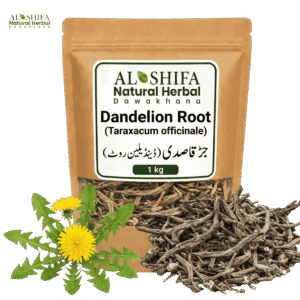
جڑقاصدی/ڈینڈیلین روٹ
Price range: ₨ 800 through ₨ 7,800

Soye (Dill Seeds) are aromatic culinary seeds obtained from Anethum graveolens, traditionally valued for their distinctive flavor and use in cooking, pickles, herbal infusions, and digestive preparations.
How to Use: Use whole or lightly crushed in pickles, savory dishes, spice blends, or traditional herbal infusions.
Important Note: Traditional wellness uses are not established medical treatments. Normal culinary use should be distinguished from concentrated or medicinal use.
Soye (سوئے), commonly known as Dill Seeds, are the dried aromatic fruits traditionally referred to as seeds of Anethum graveolens L., a well-known culinary and traditional botanical belonging to the Apiaceae family. Dill has been valued for centuries across South Asian, Middle Eastern, Mediterranean, and European food traditions for its distinctive warm aroma, mildly bitter taste, and use as both a culinary spice and traditional digestive botanical.
Dill seeds are commonly used in spice blends, pickles, savory dishes, herbal infusions, and traditional preparations. They naturally contain aromatic volatile compounds and other plant constituents that contribute to their characteristic fragrance and flavor.
Unlike highly concentrated dill essential oil or standardized herbal extracts, whole Dill Seeds are a traditional food and spice ingredient. Their culinary history should, however, be distinguished from medicinal claims about treating digestive or other diseases.
Good-quality Dill Seeds should be mature, properly dried, naturally aromatic, and carefully cleaned to minimize dust, damaged material, insects, excess moisture, and other foreign matter.
English Name: Dill Seeds
Urdu Name: سوئے
Roman Name: Soye / Sowa
Botanical Name: Anethum graveolens L.
Family: Apiaceae
Plant Part: Dried Fruits, commonly called Seeds
Product Type: Culinary Spice & Traditional Botanical
Dill is an aromatic herb that produces small, flattened, oval fruits after flowering. In everyday culinary and herbal terminology, these dried fruits are commonly called Dill Seeds.
Botanically, however, the commercial “seed” is technically the dried fruit of the plant.
This distinction does not affect normal culinary terminology, but it is useful for accurate botanical documentation.
Dill Seeds generally have:
Their aroma becomes particularly noticeable when the seeds are crushed or gently heated.
The botanical source of true Dill Seeds is Anethum graveolens, an aromatic member of the Apiaceae family.
This family also contains several familiar culinary plants and spices.
Different parts of the dill plant are used differently:
These products should not be treated as identical.
Dill Seeds and dill leaves come from the same plant but have noticeably different culinary characteristics.
Dill leaves tend to have a fresher, greener and more delicate aroma, whereas Dill Seeds generally provide a warmer, deeper, more concentrated spice character.
Therefore:
Dill Seeds ≠ Dill Leaves
Although both originate from Anethum graveolens, recipes may use them differently.
Another important distinction is between whole Dill Seeds and Dill Essential Oil.
Essential oil is a highly concentrated volatile fraction obtained through specialized extraction or distillation.
Therefore:
Whole Dill Seeds ≠ Dill Essential Oil
Essential oil safety, concentration, dosage, and topical-use considerations should never be directly transferred to ordinary culinary Dill Seeds.
Likewise, research performed on concentrated dill oil should not automatically be presented as evidence for the same effects from eating whole seeds.
One of the defining characteristics of Dill Seeds is their naturally aromatic volatile fraction.
Depending on botanical source, growing conditions, maturity, storage, and analytical method, dill fruit volatile oil may contain compounds such as:
Carvone is particularly important in contributing to the characteristic aroma of dill fruits.
The exact chemical profile can vary significantly according to plant variety, geographic source, harvest conditions, and storage.
In addition to volatile aromatic compounds, Dill Seeds naturally contain other plant components.
Depending on the sample and analytical method, these can include:
These constituents contribute to the nutritional and botanical characteristics of the seed material.
Their presence does not establish Dill Seeds as a treatment for a particular disease.
Dill Seeds have a long history as a culinary spice.
Their warm and aromatic flavor makes them suitable for a variety of preparations, including:
The seeds can be used whole or lightly crushed depending on the desired intensity of flavor.
Dill Seeds are particularly well known for their use in pickling.
Their distinctive aroma complements:
When added whole, they gradually release their characteristic flavor into the preparation.
The exact quantity depends on the recipe and desired flavor intensity.
Dill Seeds have a long history in traditional food and herbal practices as an aromatic ingredient used after or alongside meals.
Traditional preparations have associated them with:
These are traditional uses and should not be interpreted as proof that Dill Seeds treat gastrointestinal diseases.
Dill Seeds should not be advertised as a treatment for:
Persistent or severe digestive symptoms require appropriate medical evaluation.
Dill has historically been described as an aromatic or carminative botanical in various traditional systems.
A carminative traditionally refers to an aromatic plant used in preparations intended to provide comfort following meals, particularly where temporary fullness or gas is present.
This historical terminology does not establish a medical treatment claim.
Dill Seeds can therefore appropriately be described as traditionally valued in digestive and post-meal preparations, rather than as a cure for digestive disease.
Dill Seeds may be gently crushed and incorporated into traditional herbal infusions.
Crushing the seeds shortly before preparation can help release their natural aroma.
A traditional infusion may be prepared alone or with other culinary botanicals depending on regional practice.
Such beverages should be viewed primarily as traditional aromatic preparations rather than treatments for medical conditions.
Dill and dill-based preparations have historically appeared in some traditional practices associated with women’s wellbeing, including postpartum and lactation-related traditions.
These historical associations require caution.
Dill Seeds should not be claimed to:
Pregnancy, breastfeeding, menstrual, or fertility concerns should be addressed with appropriate healthcare guidance.
Dill has historically appeared in some traditional digestive preparations for children.
However, historical use does not mean concentrated preparations are appropriate for infants or young children without guidance.
Whole seeds can also present a choking concern for very young children.
Dill essential oil, concentrated extracts, and ordinary culinary Dill Seeds should never be treated as equivalent preparations.
Modern research has investigated Anethum graveolens for its phytochemical composition and various biological activities.
Areas of research include:
However, it is essential to distinguish between:
Evidence from one form should not automatically be transferred to another.
Dill contains phenolic and other naturally occurring plant compounds that have been investigated for antioxidant activity.
However:
Laboratory antioxidant activity does not equal proven disease prevention or treatment.
Such findings do not establish that ordinary Dill Seeds can prevent or cure:
Human clinical evidence is necessary for specific medical claims.
Dill extracts and volatile oils have also been studied in laboratory settings for activity against certain microorganisms.
This does not mean ordinary Dill Seeds can treat infections in humans.
Laboratory antimicrobial activity should not be converted into claims that Dill Seeds can replace:
Food safety and appropriate medical treatment remain necessary.
Dill preparations have been investigated in some studies for potential effects on metabolic markers.
However, ordinary culinary Dill Seeds should not be promoted as a replacement for diabetes medication, dietary management, or medical care.
People taking blood-glucose-lowering medication should be cautious about using large medicinal quantities or concentrated dill preparations alongside their prescribed treatment.
Normal culinary use is different from concentrated medicinal use.
As a whole botanical spice, Dill Seeds naturally contribute small amounts of nutrients and plant compounds when incorporated into food.
However, spices are generally consumed in relatively small quantities.
Therefore, Dill Seeds should not be promoted as a primary source for correcting deficiencies of:
A balanced overall diet remains more important for nutritional adequacy.
Dill Seeds can be used whole or ground.
Whole seeds generally:
Ground seeds:
For maximum freshness, whole seeds can be ground shortly before use.
Dill Seeds can be used according to culinary preference.
Common methods include:
For ordinary culinary use, follow the recipe according to taste.
For concentrated or medicinal use, appropriate professional guidance is preferable.
Dill used in normal food quantities is different from highly concentrated medicinal preparations.
Pregnant women should avoid assuming that large medicinal amounts of Dill Seeds, concentrated extracts, or dill essential oil are equivalent to ordinary culinary seasoning.
Because safety can depend on preparation and quantity, concentrated medicinal use during pregnancy should be discussed with an appropriate healthcare professional.
Dill has historical associations with breastfeeding traditions, but evidence for reliably increasing milk production is not sufficient to guarantee an effect.
Normal culinary use and concentrated medicinal preparations should be distinguished.
Breastfeeding women considering regular medicinal quantities should seek appropriate professional guidance, particularly if they or the infant have medical concerns.
People allergic to dill or related plants in the Apiaceae family may experience sensitivity.
Possible symptoms can include:
Anyone with a known significant allergy to related aromatic plants should use appropriate caution.
Severe swelling or breathing difficulty requires urgent medical attention.
Normal culinary quantities are generally different from concentrated medicinal exposure.
People taking regular medicines should seek appropriate advice before using large medicinal quantities or concentrated dill preparations, particularly when treatment involves:
Prescribed medication should not be stopped or changed because of a traditional botanical product.
Good-quality Dill Seeds should ideally have:
Loss of aroma may indicate prolonged storage or poor storage conditions.
Claims such as:
should only be made when supported by appropriate sourcing, certification, or testing.
A natural appearance alone does not establish these claims.
To preserve the natural aroma and quality of Dill Seeds:
Whole seeds generally maintain their aromatic character longer than pre-ground material.
Several aromatic seeds and fruits belonging to the Apiaceae family can appear superficially similar after drying.
Correct identification helps distinguish Dill Seeds from other culinary botanicals.
For authentic Dill Seeds, the accepted botanical association is:
Anethum graveolens L.
However, botanical source, cleanliness, storage, and processing remain important determinants of overall product quality.
Product Name: Soye / Dill Seeds
English Name: Dill Seeds
Urdu Name: سوئے
Roman Name: Soye / Sowa
Botanical Name: Anethum graveolens L.
Family: Apiaceae
Plant Part: Dried Fruits, commonly called Seeds
Product Type: Culinary Spice & Traditional Botanical
Appearance: Flat, brown to greyish-brown aromatic seeds
Flavor: Warm, aromatic and mildly bitter
Common Uses: Pickles, spice blends, savory dishes and traditional infusions
Storage: Cool, dry and protected from sunlight and moisture
Soye / Dill Seeds (سوئے) are traditional culinary and botanical seeds obtained from Anethum graveolens. References to digestive comfort, post-meal use, women’s traditional preparations, or other wellness applications describe historical and traditional practices rather than established treatments for disease.
Research performed on dill essential oil, concentrated extracts, isolated carvone, laboratory preparations, or animal models should not automatically be applied to ordinary whole Dill Seeds.
Dill Seeds should not replace medical treatment for digestive disorders, infections, diabetes, reproductive conditions, or other diseases. Normal culinary use should also be distinguished from concentrated medicinal use, particularly during pregnancy, breastfeeding, childhood, or alongside regular medication.
سوئے ایک معروف خوشبودار نباتاتی بیج ہے جسے صدیوں سے برصغیر، مشرقِ وسطیٰ، بحیرۂ روم کے علاقوں اور دنیا کے مختلف حصوں میں مصالحے، اچار، کھانوں اور روایتی نباتاتی تیاریوں میں استعمال کیا جاتا رہا ہے۔ اس کا معروف نباتاتی نام اینتھم گریویولینس ہے اور یہ ایپی ایسی نباتاتی خاندان سے تعلق رکھتا ہے۔
عام زبان میں اسے بیج کہا جاتا ہے، تاہم نباتاتی اعتبار سے جو حصہ سوئے کے بیج کے نام سے استعمال ہوتا ہے وہ دراصل پودے کا خشک پھل ہوتا ہے۔ اس کی مخصوص خوشبو، قدرے گرم اور ہلکا تلخ ذائقہ اسے کھانوں اور روایتی تیاریوں میں منفرد مقام دیتا ہے۔
سوئے کو روایتی طور پر خصوصاً کھانے کے بعد استعمال ہونے والی خوشبودار تیاریوں اور ہاضمے کے عمومی سکون سے متعلق روایتی طریقوں میں اہمیت حاصل رہی ہے۔
مصنوعات کا نام: سوئے
معروف نام: سوئے کے بیج
معروف نباتاتی نام: اینتھم گریویولینس
نباتاتی خاندان: ایپی ایسی
استعمال ہونے والا حصہ: خشک پھل، جسے عام طور پر بیج کہا جاتا ہے
مصنوعات کی نوعیت: غذائی مصالحہ اور روایتی نباتاتی مادہ
عمومی استعمال: کھانے، اچار، مصالحہ جات، خوشبودار آمیزے اور روایتی تیاریوں میں
سوئے ایک خوشبودار نبات کا خشک حصہ ہے۔ پودے پر پھول آنے کے بعد چھوٹے، چپٹے اور خوشبودار پھل بنتے ہیں جنہیں خشک کرنے کے بعد عام طور پر سوئے کے بیج کہا جاتا ہے۔
ان کی عام خصوصیات میں شامل ہیں:
بیجوں کو ہلکا سا کچلنے یا گرم کرنے سے ان کی قدرتی خوشبو زیادہ نمایاں ہو سکتی ہے۔
اصل سوئے کا معروف نباتاتی ماخذ اینتھم گریویولینس ہے۔
یہ ایپی ایسی خاندان کا ایک خوشبودار پودا ہے۔ اسی نباتاتی خاندان میں کئی دوسرے معروف خوشبودار اور غذائی پودے بھی شامل ہیں۔
سوئے کے مختلف حصے مختلف مقاصد کے لیے استعمال کیے جاتے ہیں۔
ان تمام مصنوعات کو ایک دوسرے کے برابر نہیں سمجھنا چاہیے۔
سوئے کے پتے اور بیج ایک ہی پودے سے حاصل ہوتے ہیں لیکن ان کا ذائقہ اور خوشبو مختلف ہو سکتی ہے۔
تازہ پتوں کی خوشبو عموماً:
ہوتی ہے۔
اس کے مقابلے میں خشک بیجوں کا ذائقہ اور خوشبو:
ہو سکتی ہے۔
اسی لیے کھانوں میں دونوں حصوں کا استعمال مختلف انداز سے کیا جاتا ہے۔
سوئے کے بیجوں سے حاصل کیا جانے والا مرتکز خوشبودار تیل عام بیجوں سے بہت مختلف ہوتا ہے۔
مرتکز تیل میں پودے کے خوشبودار اجزاء بہت زیادہ مقدار میں جمع ہوتے ہیں۔
لہٰذا:
سوئے کے عام بیج اور سوئے کا مرتکز خوشبودار تیل ایک چیز نہیں ہیں۔
مرتکز تیل کے استعمال، مقدار اور حفاظتی احتیاطوں کو عام غذائی بیجوں پر لاگو نہیں کرنا چاہیے۔
اسی طرح مرتکز تیل پر ہونے والی تحقیق کو عام بیج کھانے کے فوائد کا براہ راست ثبوت نہیں سمجھنا چاہیے۔
سوئے کے بیجوں کی نمایاں خصوصیت ان کی مخصوص قدرتی خوشبو ہے۔
ان میں مختلف قدرتی خوشبودار اجزاء پائے جا سکتے ہیں، جن میں نمایاں طور پر شامل ہیں:
خصوصاً کاروون سوئے کے بیجوں کی مخصوص خوشبو میں اہم کردار ادا کرتا ہے۔
ان اجزاء کی مقدار درج ذیل عوامل کے مطابق مختلف ہو سکتی ہے:
اسی لیے مختلف علاقوں کے سوئے کی خوشبو اور ذائقے میں معمولی فرق ممکن ہے۔
سوئے کے بیج قدرتی طور پر مختلف غذائی اور نباتاتی اجزاء رکھتے ہیں۔
ان میں شامل ہو سکتے ہیں:
تاہم مصالحے عموماً کھانے میں نسبتاً کم مقدار میں استعمال ہوتے ہیں۔
اس لیے سوئے کو کسی غذائی کمی کو پورا کرنے کا بنیادی ذریعہ نہیں سمجھنا چاہیے۔
سوئے کے بیج مختلف علاقوں کے کھانوں میں طویل عرصے سے استعمال ہوتے آئے ہیں۔
ان کا خوشبودار اور قدرے گرم ذائقہ انہیں مختلف غذائی تیاریوں کے لیے موزوں بناتا ہے۔
عام استعمال میں شامل ہیں:
ضرورت کے مطابق بیجوں کو پورا یا ہلکا کچل کر استعمال کیا جا سکتا ہے۔
سوئے کے بیج خاص طور پر مختلف اقسام کے اچار میں استعمال کیے جاتے ہیں۔
ان کی قدرتی خوشبو:
کے ذائقے میں اضافہ کر سکتی ہے۔
پورے بیج اچار میں ڈالنے سے ان کی خوشبو آہستہ آہستہ آمیزے میں شامل ہوتی رہتی ہے۔
مقدار کا انتخاب ذائقے اور ترکیب کے مطابق کیا جا سکتا ہے۔
سوئے کو طویل عرصے سے کھانے کے بعد استعمال ہونے والی روایتی خوشبودار تیاریوں میں اہمیت حاصل رہی ہے۔
اس کے روایتی استعمال کو درج ذیل مقاصد سے منسوب کیا جاتا رہا ہے:
یہ تمام روایتی استعمال ہیں اور انہیں ہاضمے کی بیماریوں کا ثابت شدہ علاج نہیں سمجھنا چاہیے۔
سوئے کو مختلف روایتی طریقوں میں باد شکن خوشبودار نبات کے طور پر بھی اہمیت دی جاتی رہی ہے۔
باد شکن سے مراد روایتی طور پر ایسے خوشبودار نباتاتی مادے ہوتے ہیں جنہیں کھانے کے بعد پیٹ کے عارضی بھاری پن اور گیس سے متعلق سکون کے لیے استعمال کیا جاتا ہے۔
اس روایتی اصطلاح کو کسی بیماری کے علاج کے دعوے کے طور پر نہیں سمجھنا چاہیے۔
سوئے کو زیادہ مناسب طور پر ہاضمے اور کھانے کے بعد استعمال ہونے والی روایتی خوشبودار تیاریوں میں معروف نباتاتی بیج کہا جا سکتا ہے۔
سوئے کے روایتی استعمال کا مطلب یہ نہیں کہ یہ درج ذیل مسائل کا ثابت شدہ علاج ہے:
مسلسل پیٹ درد، خون آنا، شدید قے، وزن میں غیر معمولی کمی یا طویل عرصے تک ہاضمے کی خرابی کی صورت میں مناسب طبی معائنہ ضروری ہے۔
سوئے کے بیجوں کو ہلکا سا کچل کر بعض علاقوں میں روایتی نباتاتی مشروب تیار کرنے کے لیے بھی استعمال کیا جاتا ہے۔
بیجوں کو استعمال سے کچھ دیر پہلے کچلنے سے ان کی قدرتی خوشبو زیادہ آسانی سے خارج ہو سکتی ہے۔
انہیں اکیلے یا دوسرے مناسب غذائی مصالحوں کے ساتھ استعمال کیا جا سکتا ہے۔
اس قسم کے مشروب کو روایتی خوشبودار تیاری سمجھنا زیادہ مناسب ہے، نہ کہ کسی بیماری کی دوا۔
سوئے اور اس سے تیار کردہ بعض روایتی تیاریوں کا خواتین کی عمومی نگہداشت سے متعلق تاریخی استعمال بھی ملتا ہے۔
بعض روایتی طریقوں میں اسے:
میں شامل کیا جاتا رہا ہے۔
تاہم اس تاریخی استعمال کا مطلب یہ نہیں کہ سوئے:
خواتین کی تولیدی صحت، حمل اور دودھ پلانے سے متعلق مسائل میں مناسب طبی رہنمائی ضروری ہے۔
سوئے کا ذکر بچوں کے ہاضمے سے متعلق بعض قدیم اور علاقائی تیاریوں میں بھی ملتا ہے۔
تاہم تاریخی استعمال کا مطلب یہ نہیں کہ ہر قسم کی سوئے کی تیاری شیر خوار یا کم عمر بچوں کے لیے مناسب ہے۔
خصوصاً:
کو ایک دوسرے کے برابر نہیں سمجھنا چاہیے۔
بہت چھوٹے بچوں کو پورے بیج دینا نگلنے میں رکاوٹ کا سبب بھی بن سکتا ہے۔
بچوں کے علاجی استعمال کے لیے مناسب پیشہ ورانہ رہنمائی بہتر ہے۔
اینتھم گریویولینس پر جدید تحقیق میں اس کی نباتاتی کیمیائی ساخت اور مختلف حیاتیاتی سرگرمیوں کا مطالعہ کیا گیا ہے۔
تحقیق کے موضوعات میں شامل ہو سکتے ہیں:
تاہم مختلف مصنوعات اور تحقیقی شکلوں میں واضح فرق رکھنا ضروری ہے۔
مثلاً:
یہ تمام ایک دوسرے کے برابر نہیں ہیں۔
سوئے میں مختلف فینولک اور دوسرے قدرتی نباتاتی مرکبات موجود ہوتے ہیں جن پر ضدِ تکسیدی سرگرمی کے حوالے سے تحقیق کی گئی ہے۔
تاہم:
تجربہ گاہ میں ضدِ تکسیدی سرگرمی کسی بیماری کے ثابت شدہ علاج کے برابر نہیں۔
ایسی تحقیق کی بنیاد پر یہ دعویٰ نہیں کرنا چاہیے کہ عام سوئے کے بیج:
کسی مخصوص بیماری کے علاج یا روک تھام کے دعوے کے لیے مناسب انسانی طبی تحقیق ضروری ہے۔
سوئے کے بعض مرتکز عرقیات اور خوشبودار تیلوں پر تجربہ گاہ میں مختلف جراثیم کے خلاف سرگرمی کا مطالعہ کیا گیا ہے۔
لیکن تجربہ گاہی سرگرمی کا مطلب یہ نہیں کہ عام سوئے کے بیج انسانی جسم کے انفیکشن کا علاج کر سکتے ہیں۔
انہیں:
کا متبادل نہیں سمجھنا چاہیے۔
سوئے کی بعض تیاریوں پر جسمانی استحالے اور خون میں شکر سے متعلق عوامل کے حوالے سے بھی تحقیق کی گئی ہے۔
لیکن عام غذائی سوئے کے بیجوں کو ذیابیطس کی دوا کا متبادل نہیں سمجھنا چاہیے۔
ذیابیطس کی ادویات لینے والے افراد اگر سوئے کی بڑی علاجی مقدار یا مرتکز تیاری باقاعدگی سے استعمال کرنا چاہتے ہوں تو مناسب طبی مشورہ حاصل کریں۔
عام مصالحے کے طور پر استعمال اور مرتکز علاجی استعمال ایک جیسے نہیں ہیں۔
سوئے کے بیج قدرتی طور پر مختلف غذائی اجزاء رکھتے ہیں، لیکن عام طور پر کھانے میں ان کی مقدار کم ہوتی ہے۔
اس لیے انہیں:
کو پورا کرنے کا بنیادی ذریعہ نہیں سمجھنا چاہیے۔
متوازن غذا مجموعی غذائیت کے لیے زیادہ اہم ہے۔
سوئے کو پورا یا پیس کر استعمال کیا جا سکتا ہے۔
پورے بیج:
پسے ہوئے بیج:
بہتر خوشبو کے لیے پورے بیجوں کو ضرورت کے وقت تازہ پیسنا یا کچلنا مفید ہو سکتا ہے۔
سوئے کے بیج ذائقے اور مطلوبہ ترکیب کے مطابق استعمال کیے جا سکتے ہیں۔
عام طریقوں میں شامل ہیں:
عام غذائی استعمال میں مقدار ترکیب اور ذائقے کے مطابق رکھی جا سکتی ہے۔
علاجی مقدار یا مرتکز تیاری کے لیے مناسب پیشہ ورانہ رہنمائی بہتر ہے۔
کھانے میں معمول کی مقدار میں استعمال ہونے والے سوئے اور بڑی علاجی مقدار میں استعمال ہونے والی مرتکز تیاریوں کو ایک جیسا نہیں سمجھنا چاہیے۔
حمل کے دوران عام غذائی مقدار سے کہیں زیادہ مقدار، مرتکز عرق یا خوشبودار تیل خود سے علاجی مقصد کے لیے استعمال نہ کرنا بہتر ہے۔
حاملہ خواتین اگر سوئے کو باقاعدہ علاجی مقدار میں استعمال کرنا چاہیں تو مستند طبی رہنمائی حاصل کریں۔
سوئے کو بعض روایتی طریقوں میں دودھ پلانے والی خواتین کی تیاریوں سے منسوب کیا جاتا رہا ہے۔
تاہم یہ دعویٰ نہیں کیا جا سکتا کہ سوئے ہر خاتون میں لازماً دودھ کی مقدار بڑھاتے ہیں۔
عام غذائی مقدار اور مرتکز علاجی تیاریوں کے درمیان فرق رکھنا ضروری ہے۔
دودھ پلانے کے دوران بڑی علاجی مقدار استعمال کرنے سے پہلے مناسب طبی رہنمائی بہتر ہے۔
جو افراد سوئے یا ایپی ایسی خاندان کے دوسرے پودوں سے حساس ہوں انہیں احتیاط کرنی چاہیے۔
ممکنہ حساسیت کی علامات میں شامل ہو سکتی ہیں:
شدید سوجن یا سانس لینے میں دشواری کی صورت میں فوری طبی مدد حاصل کریں۔
عام غذائی مقدار اور بڑی علاجی مقدار میں نمایاں فرق ہوتا ہے۔
مستقل ادویات استعمال کرنے والے افراد اگر سوئے کے بیجوں کی بڑی علاجی مقدار یا مرتکز تیاری باقاعدگی سے استعمال کرنا چاہیں تو مناسب طبی رہنمائی حاصل کریں، خصوصاً اگر ادویات:
کسی روایتی نباتاتی مصنوعات کی وجہ سے تجویز کردہ دوا خود سے بند یا تبدیل نہیں کرنی چاہیے۔
اچھے معیار کے سوئے کے بیجوں میں درج ذیل خصوصیات اہم ہیں:
بہت پرانے یا غلط طریقے سے محفوظ کیے گئے بیج اپنی قدرتی خوشبو کا بڑا حصہ کھو سکتے ہیں۔
درج ذیل دعوے صرف مناسب ثبوت یا تصدیق کی موجودگی میں کیے جانے چاہئیں:
صرف قدرتی شکل اور خوشبو سے ان تمام دعووں کی تصدیق نہیں کی جا سکتی۔
سوئے کے بیجوں کی قدرتی خوشبو اور معیار محفوظ رکھنے کے لیے:
پورے بیج عموماً پہلے سے پسے ہوئے بیجوں کے مقابلے میں اپنی خوشبو زیادہ عرصے تک برقرار رکھتے ہیں۔
ایپی ایسی خاندان کے کئی خشک خوشبودار بیج اور پھل ظاہری طور پر ایک دوسرے سے ملتے جلتے ہو سکتے ہیں۔
اس لیے درست نباتاتی شناخت مصنوعات کے معیار کے لیے اہم ہے۔
اصل سوئے کے بیجوں کی معروف نباتاتی شناخت:
اینتھم گریویولینس
ہے۔
تاہم صرف نباتاتی نام کافی نہیں، بلکہ صفائی، پختگی، خوشبو، مناسب خشک کرنا اور درست ذخیرہ بھی مجموعی معیار کے اہم حصے ہیں۔
مصنوعات کا نام: سوئے
معروف نام: سوئے کے بیج
معروف نباتاتی نام: اینتھم گریویولینس
نباتاتی خاندان: ایپی ایسی
استعمال ہونے والا حصہ: خشک پھل، جسے عام طور پر بیج کہا جاتا ہے
مصنوعات کی نوعیت: غذائی مصالحہ اور روایتی نباتاتی مادہ
ظاہری شکل: چپٹے، بھورے سے سرمئی مائل بھورے خوشبودار بیج
ذائقہ: خوشبودار، قدرے گرم اور ہلکا تلخ
عام استعمال: اچار، مصالحہ آمیزے، سبزیاں، دالیں اور روایتی خوشبودار مشروبات
ذخیرہ: ٹھنڈی، خشک، دھوپ اور نمی سے محفوظ جگہ
سوئے ایک معروف غذائی مصالحہ اور روایتی نباتاتی مادہ ہے جس کا نباتاتی ماخذ اینتھم گریویولینس ہے۔ ہاضمے کے سکون، کھانے کے بعد استعمال، خواتین کی بعض روایتی تیاریوں یا دوسرے عمومی مقاصد سے متعلق اس کے استعمال تاریخی اور روایتی معلومات ہیں اور انہیں کسی بیماری کا ثابت شدہ طبی علاج نہیں سمجھنا چاہیے۔
سوئے کے مرتکز خوشبودار تیل، مرتکز عرق، الگ کیے گئے کاروون یا دوسرے مرکبات، تجربہ گاہی تحقیق اور حیوانی مطالعات کے نتائج کو عام پورے سوئے کے بیجوں پر براہ راست لاگو نہیں کیا جا سکتا۔
عام غذائی استعمال کو بڑی علاجی مقدار سے الگ سمجھنا ضروری ہے۔ حاملہ یا دودھ پلانے والی خواتین، کم عمر بچے، دائمی بیماری رکھنے والے افراد اور مستقل ادویات استعمال کرنے والے افراد بڑی علاجی مقدار یا مرتکز تیاری استعمال کرنے سے پہلے مناسب طبی رہنمائی حاصل کریں۔