پریمیم فل کریم ملک پاوڈر
Price range: ₨ 150 through ₨ 3,000
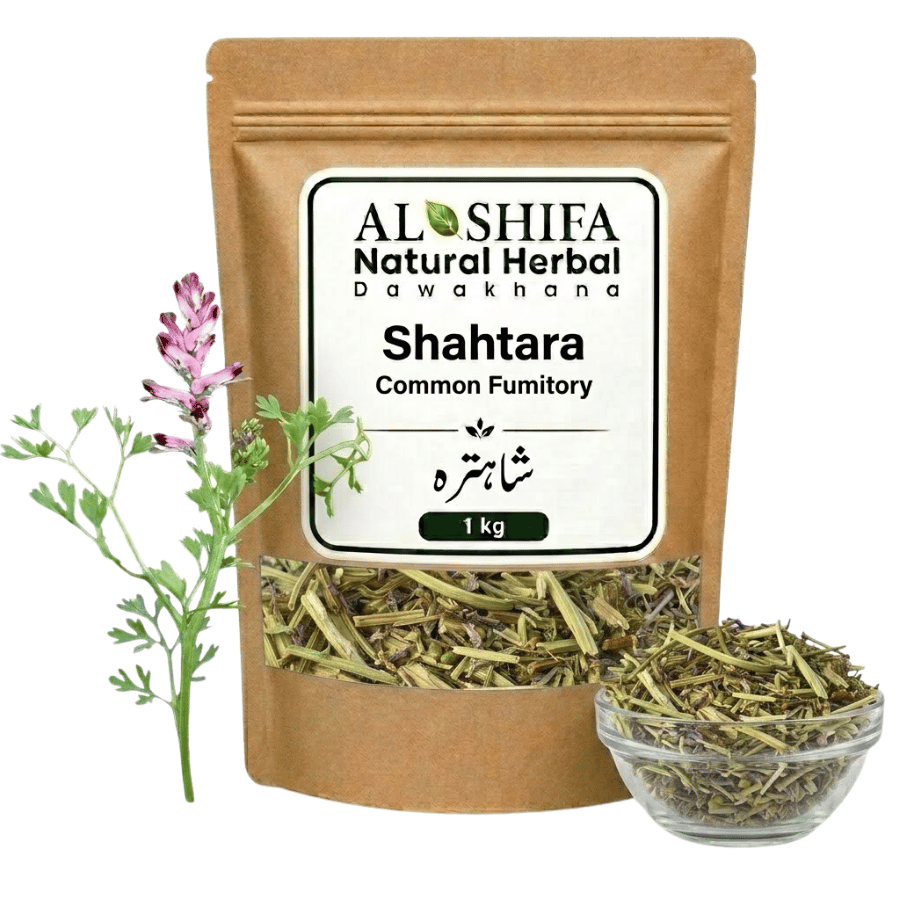
Shahtara, commonly known as Common Fumitory, is a traditional medicinal herb associated mainly with Fumaria officinalis. It has traditionally been used in digestive, liver-related, gallbladder-related, skin-wellness, cooling and selected Unani preparations.
Al Shifa Shahtara is carefully selected with attention to its traditional herbal identity, natural appearance, cleanliness, proper dryness and responsible storage.
Key Features:
Important Note: Shahtara is traditionally associated mainly with Fumaria officinalis, although related Fumaria species may occur under similar trade names. Traditional liver, skin or cleansing uses should not be considered proven treatment for liver, gallbladder or skin diseases.
Shahtara, commonly known as Common Fumitory, is a traditional medicinal herb associated mainly with Fumaria officinalis L., a delicate annual plant belonging to the Papaveraceae family. In Urdu and Unani herbal practice, it is widely known as شاہترہ.
Shahtara has a long history in Unani, Persian and regional herbal traditions. It has traditionally been included in preparations associated with digestive wellness, liver and gallbladder-related traditional formulations, appetite and digestive balance, skin-related herbal preparations and traditional cooling or cleansing formulations.
The herb contains naturally occurring plant compounds, including isoquinoline alkaloids, flavonoids and other phytochemicals. These compounds have attracted scientific interest, but research involving isolated constituents or concentrated extracts should not automatically be applied to ordinary dried Shahtara.
An important identification point is that the trade name Shahtara may sometimes be applied to related Fumaria species in different regions. Therefore, reliable botanical sourcing is important, particularly when a product is specifically sold as Fumaria officinalis.
At Al Shifa Natural Herbal Dawakhana, Shahtara is carefully selected with attention to its traditional herbal identity, natural appearance, cleanliness, proper dryness and responsible storage.
Shahtara is traditionally associated with:
Fumaria officinalis L.
Common Fumitory is a small annual herb with:
The aerial parts are commonly collected during the growing or flowering stage and dried for traditional herbal use.
Product Name: Shahtara
English Name: Common Fumitory / Fumitory
Urdu Name: شاہترہ
Roman Name: Shahtara / Shahtra / Shah Tara
Scientific Name: Fumaria officinalis L.
Plant Family: Papaveraceae
Plant Part: Aerial Parts / Whole Herb Above Ground
Common Form: Whole Dried Herb / Cut Herb / Powder
Product Type: Traditional Medicinal Herbal Raw Material
Dried Shahtara commonly contains a mixture of:
After drying, its colour may range from:
Small faded floral pieces may also remain visible.
Because Shahtara is a delicate herb, some broken material is normal.
Good-quality Shahtara should generally have:
Natural colour and appearance can vary according to harvesting, drying and storage.
The common and traditional name Shahtara can sometimes be used for more than one closely related Fumaria species.
This can vary according to:
For this reason:
Shahtara Trade Name ≠ Guaranteed Single Species in Every Market
When botanical precision is required, the scientific identity should be confirmed.
For this product, the intended botanical reference is Fumaria officinalis L.
The genus Fumaria contains several related species.
Although they may share similar appearance and traditional uses, they should not automatically be treated as chemically or medicinally identical.
Therefore:
Fumaria officinalis ≠ Every Fumaria Species
This distinction becomes particularly important when scientific research is used to describe a product.
Shahtara has a long history in traditional medicine.
It has traditionally been included in preparations associated with:
Its traditional reputation is especially associated with digestive, hepatobiliary and skin-related herbal preparations.
Shahtara has traditionally been used in preparations intended to support digestive comfort.
It may appear in formulations associated with:
These uses describe its traditional role rather than proving treatment for digestive disease.
Persistent abdominal pain, vomiting, blood in stool or unexplained digestive symptoms require appropriate medical assessment.
Shahtara is widely known in traditional Unani practice for inclusion in liver-related formulations.
It may appear in compound preparations intended for:
However:
Traditional Liver Use ≠ Proven Treatment for Liver Disease
Shahtara should not be presented as a cure for hepatitis, fatty liver disease, cirrhosis, jaundice or other liver disorders.
Common Fumitory has historically been associated with preparations relating to bile flow and digestive function.
This traditional association has also attracted modern interest.
However, a person with:
should seek medical assessment rather than relying on herbal self-treatment.
Shahtara has traditionally appeared in herbal preparations associated with skin wellness.
It may be included in traditional formulations used for:
This historical use does not establish that Shahtara treats eczema, psoriasis, infections, acne or other diagnosed skin diseases.
In Unani practice, Shahtara may be described as having a cooling traditional character.
This is part of traditional medical classification.
It does not mean the herb directly reduces body temperature or treats fever.
Therefore:
Traditional Cooling Character ≠ Fever Treatment
Persistent or high fever requires assessment according to its cause.
Shahtara is sometimes described in traditional herbal language as a “blood purifier” or cleansing herb.
This terminology reflects historical herbal concepts.
Modern medicine does not define herbs as literally cleaning or purifying the blood in this way.
The liver, kidneys, lungs and other body systems naturally perform important metabolic and elimination functions.
Therefore:
Traditional Cleansing Language ≠ Medical Detoxification
This distinction helps describe traditional use without making misleading claims.
Fumaria officinalis contains several naturally occurring plant compounds.
Reported constituent groups include:
The exact composition can vary according to:
Protopine is among the alkaloid-related compounds associated with Fumaria species.
Scientific research may investigate individual alkaloids or specially prepared extracts.
However:
Isolated Alkaloid ≠ Whole Dried Shahtara
The concentration and biological activity of an isolated compound can differ considerably from ordinary dried herbal material.
Shahtara may be supplied in several forms.
Whole Dried Herb:
Allows easier examination of natural plant identity and condition.
Cut Herb:
Smaller pieces of dried aerial material.
Powder:
Finely ground dried herb.
Extract:
A processed preparation that may concentrate selected compounds.
These forms are not automatically equivalent.
Therefore:
Whole Herb ≠ Powder ≠ Concentrated Extract
The amount and concentration of natural constituents can differ significantly.
Whole or coarsely cut Shahtara allows better examination of:
Once the herb is finely powdered, many visible identification characteristics are lost.
Reliable sourcing therefore becomes more important when purchasing powdered Shahtara.
Fumaria officinalis and its extracts have been investigated scientifically for several biological activities.
Research may examine areas related to:
However:
Laboratory Research ≠ Proven Human Treatment
and
Concentrated Extract Research ≠ Guaranteed Effect of Dried Shahtara
Traditional use and scientific evidence should therefore be described separately.
Traditional liver-related use should not be interpreted as evidence that Shahtara treats:
Abnormal liver tests or persistent symptoms require appropriate medical evaluation.
Jaundice means yellowing of the skin or eyes and can occur for many reasons.
Possible causes include problems involving:
Using Shahtara because it has a traditional liver reputation should not delay investigation of jaundice.
Because Fumitory has traditionally been associated with bile-related preparations, people with known gallstones or bile-duct disorders should use medicinal preparations cautiously.
Severe pain, fever, jaundice or vomiting can indicate a significant problem requiring medical attention.
Herbal stimulation of digestive or biliary function should not be attempted blindly when obstruction is possible.
Reliable modern safety information regarding medicinal amounts of Fumaria officinalis during pregnancy and breastfeeding is limited.
Pregnant or breastfeeding women should seek professional guidance before regular or concentrated medicinal use.
Concentrated extracts should not automatically be treated as equivalent to ordinary dried Shahtara.
Medicinal use in children should be age appropriate and responsibly guided.
The amount intended for an adult should not automatically be given to a child.
Persistent digestive, liver-related, skin or systemic symptoms in children require appropriate medical assessment.
People with chronic medical conditions or those taking regular medicines should seek appropriate guidance before frequent medicinal use of Shahtara.
Particular caution is appropriate when a person has:
A traditional herbal product should not automatically replace prescribed treatment.
Individual sensitivity to Shahtara or other herbal materials can occur.
Discontinue use if a preparation causes significant:
Serious allergic reactions require prompt medical attention.
At Al Shifa Natural Herbal Dawakhana, Shahtara is selected with attention to:
Traditional Herbal Identity – Material consistent with traditional Fumitory herb.
Botanical Reference – Product associated with Fumaria officinalis.
Correct Plant Material – Attention to dried aerial portions of the herb.
Natural Appearance – Characteristic fine stems, leaves and flowering material.
Proper Dryness – Maintained in a suitably dry condition.
Cleanliness – Selected to minimize dust, soil and unnecessary foreign matter.
Herb Condition – Checked for excessive moisture, mould, insects and deterioration.
Responsible Storage – Protected from moisture and unsuitable storage conditions.
Al Shifa Natural Herbal Dawakhana, established in 1999, supplies herbs and natural raw materials throughout Pakistan.
Our focus for Shahtara includes:
Shahtara has traditionally been included in:
The appropriate preparation and amount depend on the product form and individual circumstances.
Whole herb, powder and concentrated extracts can differ considerably.
For medicinal use, follow a recognized traditional formulation or guidance from an appropriately qualified practitioner.
Shahtara is traditionally associated mainly with Fumaria officinalis L., commonly known as Common Fumitory.
Important distinctions include:
Store Shahtara in a cool, dry and clean place in a tightly closed container.
For responsible storage:
Do not use material showing visible mould, excessive moisture, significant insect infestation, contamination or an unpleasant rotten or musty smell.
Shahtara, commonly known as Common Fumitory or Fumitory, is a traditional medicinal herb associated mainly with Fumaria officinalis L., known in Urdu as شاہترہ.
It has traditionally been used in digestive, liver-related, gallbladder-related, skin-wellness, cooling and selected Unani preparations.
Customers searching for Shahtara, Shahtra, Shah Tara, Common Fumitory, Fumitory, Fumitory Herb, Fumaria Officinalis, Fumaria Officinalis Herb, Dried Fumitory, Dried Shahtara, Whole Fumitory Herb, Pure Shahtara, Original Shahtara, Natural Shahtara, Pure Fumitory Herb, Shahtara benefits, Shahtara uses, Shahtra benefits, Fumitory benefits, Fumitory uses, Fumaria Officinalis benefits, Fumaria Officinalis uses, Shahtara for digestion, Shahtara traditional liver use, Shahtara for skin, Shahtara traditional uses, Shahtara Unani, Fumitory Unani, Shahtara Pakistan, Fumitory Pakistan, Fumaria Officinalis Pakistan, Pure Shahtara Pakistan, Original Shahtara Pakistan, Shahtara Lahore, Fumitory Lahore, Shahtara price in Pakistan, Fumitory price in Pakistan, Fumaria Officinalis price in Pakistan, buy Shahtara Pakistan, buy Fumitory Pakistan, Shahtara online Pakistan or Fumitory online Pakistan can choose Al Shifa Natural Herbal Dawakhana for carefully selected traditional herbal material.
Since 1999, Al Shifa Natural Herbal Dawakhana has focused on supplying herbs and natural raw materials with attention to identity, correct plant-part selection, cleanliness, proper drying, careful handling, responsible storage and clear product information.
Product Name: Shahtara
English Name: Common Fumitory / Fumitory
Urdu Name: شاہترہ
Roman Name: Shahtara / Shahtra / Shah Tara
Scientific Name: Fumaria officinalis L.
Plant Family: Papaveraceae
Plant Part: Aerial Parts / Whole Herb Above Ground
Product Type: Traditional Medicinal Herbal Raw Material
Traditional Use: Digestive, liver-related, gallbladder-related, skin-wellness, cooling and selected Unani preparations
Important Note: Shahtara is traditionally associated mainly with Fumaria officinalis, although related Fumaria species may occur under similar trade names. Traditional liver, skin and cleansing uses should not be considered proven treatment for liver, gallbladder or skin diseases, and jaundice or significant abdominal symptoms require appropriate medical assessment.
شاہترہ ایک معروف نباتاتی مفرد دوا ہے جو طبِ یونانی اور دیسی طبی ادویات میں خاص مقام رکھتی ہے۔ یہ ایک نرم، باریک شاخوں والی بوٹی ہے جس کے پتے چھوٹے اور کٹے ہوئے ہوتے ہیں جبکہ اس کے پھول عموماً ہلکے گلابی سے جامنی رنگ کے ہوتے ہیں۔
طبِ یونانی میں شاہترہ کو خاص طور پر جلد کے امراض، خارش کی بیماری، دانوں کی بیماری، جگر کے امراض، یرقان کی بیماری، قبض کی بیماری، بھوک کی کمی کی بیماری اور معدے کے امراض کے لیے بنائی جانے والی حکیمی ادویات میں شامل کیا جاتا ہے۔
شاہترہ کا ذائقہ کڑوا ہوتا ہے۔ اسے جوشاندے، عرق، سفوف اور مرکب حکیمی ادویات میں استعمال کیا جاتا ہے۔ پاکستان میں شاہترہ خاص طور پر جلد اور جگر کے لیے بنائی جانے والی حکیمی ادویات میں معروف ہے۔
الشفاء نیچرل ہربل دواخانہ میں شاہترہ منتخب کرتے وقت اس کی درست نباتاتی شناخت، قدرتی رنگت، صفائی، مناسب خشک حالت اور غیر ضروری ملاوٹ سے پاک ہونے کو اہمیت دی جاتی ہے۔
شاہترہ ایک چھوٹی اور نرم نباتات ہے جو کھیتوں، باغات اور کھلی زمین میں اگ سکتی ہے۔
اس کی شاخیں باریک ہوتی ہیں اور پتے چھوٹے، نرم اور کئی باریک حصوں میں تقسیم ہوتے ہیں۔ پھول چھوٹے اور عموماً ہلکے گلابی سے جامنی رنگ کے ہوتے ہیں۔
خشک شاہترہ کی عام پہچان یہ ہے:
نام: شاہترہ
معروف نام: شاہترہ، شاہترج
نباتاتی نام: فومیریا آفیشینالس
خاندان: پاپاوریسی خاندان
استعمال ہونے والا حصہ: خشک ہوائی نباتاتی حصے
قسم: کڑوی نباتاتی مفرد دوا
عام شکل: باریک شاخیں، چھوٹے کٹے ہوئے پتے اور پھول دار حصے
عام رنگت: سبز سے خاکی یا بھورا مائل سبز
ذائقہ: کڑوا
بو: ہلکی نباتاتی
شاہترہ نرم اور باریک شاخوں والا پودا ہے۔
اس کی اہم نشانیاں یہ ہیں:
حکیمی استعمال کے لیے درست شناخت والی صاف اور مناسب طور پر خشک شاہترہ منتخب کرنا ضروری ہے۔
پاکستان میں رائج حکیمی اور مفردات کی کتابوں میں شاہترہ کا مزاج سرد و خشک درجہ دوم بیان کیا جاتا ہے۔
طبِ یونانی میں شاہترہ کو خاص طور پر جلد، جگر اور معدے کے لیے بنائی جانے والی حکیمی ادویات میں شامل کیا جاتا ہے۔
اسے جلد کے امراض، خارش کی بیماری، دانوں کی بیماری، جگر کے امراض، یرقان کی بیماری اور معدے کے امراض کے حکیمی نسخوں میں اہمیت حاصل ہے۔
اچھا شاہترہ پہچاننے کے لیے درج ذیل باتیں دیکھی جاتی ہیں:
طبِ یونانی میں شاہترہ کے اہم افعال یہ بیان کیے جاتے ہیں:
جگر کے لیے استعمال: جگر کے امراض کے لیے بنائی جانے والی حکیمی ادویات میں شامل کیا جاتا ہے۔
جلد کے لیے استعمال: خارش، دانوں اور جلد کے امراض کے حکیمی نسخوں میں شامل کیا جاتا ہے۔
معدے کے لیے استعمال: معدے کے امراض، بدہضمی کی بیماری اور بھوک کی کمی کی بیماری کے لیے بنائی جانے والی حکیمی ادویات میں شامل کیا جاتا ہے۔
آنتوں کے لیے استعمال: قبض کی بیماری کے لیے بنائے جانے والے نرم حکیمی نسخوں میں شامل کیا جا سکتا ہے۔
شاہترہ کا معروف حکیمی استعمال جلد کے امراض کے لیے بنائی جانے والی ادویات میں ہے۔
اسے خاص طور پر خارش، جلد پر چھوٹے دانوں اور جلد کی بے آرامی کے لیے بنائے جانے والے حکیمی نسخوں میں شامل کیا جاتا ہے۔
اگر جلد کے امراض میں شدید سوجن، پیپ، تیز درد یا بخار موجود ہو تو معالج سے چیک کروائیں۔
شاہترہ کو خارش کی بیماری کے لیے بنائی جانے والی حکیمی ادویات میں شامل کیا جاتا ہے۔
اگر خارش کی بیماری مسلسل رہے، رات کو بہت زیادہ بڑھے، پورے گھر کے افراد میں پھیل رہی ہو یا جلد پر زخم بن جائیں تو معالج سے چیک کروائیں۔
شاہترہ کو جلد پر دانوں کی بیماری کے لیے بنائی جانے والی حکیمی ادویات میں شامل کیا جاتا ہے۔
خاص طور پر جلد کے لیے استعمال ہونے والے مرکب حکیمی نسخوں میں شاہترہ کو دوسرے مناسب نباتاتی مفردات کے ساتھ شامل کیا جاتا ہے۔
اگر دانوں کی بیماری شدید ہو، پیپ بن رہی ہو یا جلد پر گہرے نشان پڑ رہے ہوں تو معالج سے چیک کروائیں۔
شاہترہ کو کیل مہاسوں کی بیماری کے لیے بنائی جانے والی حکیمی ادویات میں بھی شامل کیا جا سکتا ہے۔
جلد کی صفائی، مناسب خوراک اور چکنی جلد کی مناسب دیکھ بھال بھی اہم ہے۔
شدید کیل مہاسوں کی بیماری میں معالج سے چیک کروائیں۔
شاہترہ کو جلد کی سوزش کی بیماری کے لیے بنائے جانے والے حکیمی نسخوں میں شامل کیا جا سکتا ہے۔
اگر جلد کی سوزش تیزی سے پھیل رہی ہو یا اس کے ساتھ شدید درد، پیپ یا بخار ہو تو معالج سے چیک کروائیں۔
شاہترہ کو پھوڑے پھنسیوں کی بیماری کے لیے بنائی جانے والی حکیمی ادویات میں شامل کیا جاتا ہے۔
اگر پھوڑا بہت بڑا، شدید درد والا یا بار بار بن رہا ہو تو معالج سے چیک کروائیں۔
طبِ یونانی میں شاہترہ کو جگر کے امراض کے لیے بنائی جانے والی حکیمی ادویات میں خاص اہمیت حاصل ہے۔
اسے جگر کے لیے بنائے جانے والے عرق، جوشاندے اور مرکب حکیمی ادویات میں شامل کیا جاتا ہے۔
اگر جگر کے امراض کی تشخیص موجود ہو تو مستقل ادویات خود سے بند نہ کریں۔
شاہترہ کو یرقان کی بیماری کے لیے بنائی جانے والی حکیمی ادویات میں شامل کیا جاتا ہے۔
یرقان کی بیماری میں آنکھوں اور جلد کا زرد ہونا، پیشاب کا رنگ گہرا ہونا اور جسمانی کمزوری جیسی علامات ہو سکتی ہیں۔
یرقان کی بیماری میں صرف شاہترہ استعمال کرنے کے بجائے معالج سے چیک کروائیں کیونکہ اصل وجہ معلوم کرنا ضروری ہے۔
شاہترہ کے کڑوے ذائقے کی وجہ سے اسے بھوک کی کمی کی بیماری کے لیے بنائی جانے والی حکیمی ادویات میں شامل کیا جا سکتا ہے۔
اگر بھوک کی کمی کی بیماری مسلسل موجود ہو اور ساتھ وزن تیزی سے کم ہو رہا ہو تو معالج سے چیک کروائیں۔
شاہترہ کو بدہضمی کی بیماری کے لیے بنائی جانے والی حکیمی ادویات میں شامل کیا جاتا ہے۔
اسے خاص طور پر کڑوے نباتاتی مفردات پر مشتمل ہاضم ادویات میں شامل کیا جا سکتا ہے۔
اگر بدہضمی کی بیماری مسلسل رہے، کھانے کے بعد شدید درد ہو یا بار بار قے آئے تو معالج سے چیک کروائیں۔
شاہترہ کو معدے کے امراض کے لیے بنائی جانے والی حکیمی ادویات میں شامل کیا جاتا ہے۔
اس کا کڑوا ذائقہ ہاضمے کے لیے استعمال ہونے والے کئی حکیمی نسخوں میں اہم سمجھا جاتا ہے۔
اگر معدے کے امراض میں شدید درد، خون کی قے یا کالے رنگ کا پاخانہ ہو تو معالج سے چیک کروائیں۔
شاہترہ کو قبض کی بیماری کے لیے بنائے جانے والے نرم حکیمی نسخوں میں شامل کیا جا سکتا ہے۔
یہ سناء مکی جیسی تیز مسہل مفرد دوا نہیں ہے۔
اگر قبض کی بیماری کئی ہفتوں سے موجود ہو یا پاخانے کے ساتھ خون آتا ہو تو معالج سے چیک کروائیں۔
قبض کے ساتھ ہونے والی بواسیر کی بیماری کے حکیمی نسخوں میں شاہترہ کو دوسرے مناسب مفردات کے ساتھ شامل کیا جا سکتا ہے۔
اگر بواسیر کی بیماری میں زیادہ خون آئے یا شدید درد ہو تو معالج سے چیک کروائیں۔
شاہترہ میں کئی قدرتی نباتاتی اجزاء پائے جاتے ہیں، جن میں شامل ہیں:
یہ اجزاء شاہترہ کے کڑوے ذائقے اور نباتاتی خصوصیات میں کردار ادا کرتے ہیں۔
پروٹوپین شاہترہ میں پائے جانے والے معروف نباتاتی اجزاء میں شامل ہے۔
شاہترہ میں اس کے ساتھ کئی دوسرے الکلائیڈ اور فینول والے اجزاء بھی پائے جاتے ہیں۔
ان اجزاء پر ہاضمے، جلد اور جسم کے کئی نظاموں پر ممکنہ اثرات کے حوالے سے تحقیق کی گئی ہے۔
شاہترہ میں قدرتی طور پر فومارک تیزاب بھی پایا جاتا ہے۔
یہ ایک قدرتی نباتاتی تیزابی جز ہے اور شاہترہ کی کیمیائی ساخت کا حصہ ہے۔
خشک پوری بوٹی میں یہ دوسرے نباتاتی اجزاء کے ساتھ موجود ہوتا ہے۔
مکمل شاہترہ:
مکمل خشک بوٹی میں اس کی باریک شاخیں، مخصوص کٹے ہوئے پتے، قدرتی رنگت اور صفائی دیکھنا آسان ہوتا ہے۔
شاہترہ کا سفوف:
پسا ہوا شاہترہ حکیمی ادویات میں شامل کرنا آسان ہوتا ہے، لیکن سفوف کی حالت میں اصل نباتاتی شناخت دیکھنا مشکل ہو جاتی ہے۔
ضرورت کے مطابق صاف خشک شاہترہ کو تازہ باریک کرنا بہتر ہے۔
شاہترہ کا عرق پاکستان میں معروف حکیمی مصنوعات میں شامل ہے۔
اسے خاص طور پر جلد کے امراض، خارش کی بیماری، جگر کے امراض اور ہاضمے کی بیماریوں کے لیے استعمال ہونے والی حکیمی ادویات میں شامل کیا جاتا ہے۔
عرق اور خشک بوٹی کی مقدار ایک جیسی نہیں ہوتی، اس لیے دونوں کو ایک ہی مقدار میں استعمال نہیں کرنا چاہیے۔
شاہترہ کو جوشاندے میں بھی شامل کیا جاتا ہے۔
اسے خاص طور پر جلد کے امراض، جگر کے امراض، بھوک کی کمی کی بیماری اور معدے کے امراض کے لیے بنائے جانے والے حکیمی جوشاندوں میں دوسرے مناسب مفردات کے ساتھ استعمال کیا جاتا ہے۔
بہت گاڑھا جوشاندہ یا بڑی مقدار خود سے استعمال نہ کریں۔
شاہترہ اور چرائتہ دونوں کڑوے نباتاتی مفرد ہیں، لیکن دونوں الگ نباتات ہیں۔
شاہترہ باریک شاخوں اور چھوٹے کٹے ہوئے پتوں والی بوٹی ہے۔
چرائتہ اپنی الگ نباتاتی ساخت اور بہت زیادہ کڑوے ذائقے کی وجہ سے پہچانا جاتا ہے۔
دونوں کو جگر، معدے اور جلد کے لیے بنائی جانے والی حکیمی ادویات میں جگہ مل سکتی ہے، لیکن دونوں کی شناخت ایک نہیں ہے۔
شاہترہ اور سناء مکی دونوں الگ نباتاتی مفرد ہیں۔
سناء مکی ایک واضح مسہل مفرد ہے جسے خاص طور پر قبض کی بیماری میں استعمال کیا جاتا ہے۔
شاہترہ کو زیادہ تر جلد، جگر اور ہاضمے کے لیے بنائی جانے والی حکیمی ادویات میں شامل کیا جاتا ہے۔
اس لیے دونوں کو ایک دوسرے کی جگہ استعمال نہیں کرنا چاہیے۔
خواتین شاہترہ کی بڑی طبی مقدار خود سے استعمال نہ کریں۔
اگر ماہواری کے امراض یا کوئی مستقل بیماری موجود ہو تو طبی مقدار مستند معالج سے معلوم کریں۔
حاملہ خواتین شاہترہ کی بڑی طبی مقدار خود سے استعمال نہ کریں۔
حمل کے دوران شاہترہ کے طبی استعمال کی حفاظت کے بارے میں معلومات محدود ہیں۔
اگر حمل کے دوران قبض کی بیماری، جلد کے امراض یا معدے کے امراض موجود ہوں تو مناسب دوا معالج سے معلوم کریں۔
دودھ پلانے والی خواتین شاہترہ کی بڑی طبی مقدار خود سے استعمال نہ کریں۔
دودھ پلانے کے دوران اس کے طبی استعمال کی حفاظت کے بارے میں معلومات محدود ہیں، اس لیے مناسب مقدار معالج سے معلوم کریں۔
بچوں کو شاہترہ کی بڑی طبی مقدار خود سے نہ دیں۔
اگر بچے میں جلد کے امراض، خارش کی بیماری، یرقان کی بیماری یا معدے کے امراض موجود ہوں تو پہلے معالج سے چیک کروائیں۔
بزرگ افراد میں شاہترہ کی طبی مقدار جسمانی حالت کے مطابق ہونی چاہیے۔
اگر دل کے امراض، جگر کی بیماری یا گردوں کی بیماری موجود ہو تو بڑی طبی مقدار خود سے استعمال نہ کریں۔
بلڈ پریشر کی بیماری والے افراد شاہترہ کی بڑی طبی مقدار خود سے استعمال نہ کریں۔
اگر بلڈ پریشر کی مستقل ادویات استعمال ہو رہی ہوں تو شاہترہ کے باقاعدہ طبی استعمال سے پہلے معالج کو بتائیں۔
دل کے امراض والے افراد شاہترہ کی بڑی طبی مقدار یا گاڑھے نباتاتی عرق خود سے استعمال نہ کریں۔
اگر دل کی مستقل ادویات استعمال ہو رہی ہوں تو معالج سے مناسب مقدار معلوم کریں۔
اگرچہ شاہترہ کو حکیمی ادویات میں جگر کے امراض کے لیے استعمال کیا جاتا ہے، لیکن جگر کی تشخیص شدہ بیماری میں اسے مستقل ادویات کا متبادل نہ بنائیں۔
جگر کی بیماری میں بڑی طبی مقدار خود سے استعمال نہ کریں اور معالج سے چیک کروائیں۔
گردوں کی بیماری والے افراد شاہترہ کی بڑی طبی مقدار خود سے استعمال نہ کریں۔
اگر گردوں کی بیماری کی مستقل ادویات استعمال ہو رہی ہوں تو مناسب مقدار معالج سے معلوم کریں۔
اگر کوئی شخص دل کے امراض، بلڈ پریشر کی بیماری، جگر کی بیماری یا گردوں کی بیماری کی مستقل ادویات استعمال کر رہا ہو تو شاہترہ کی بڑی طبی مقدار خود سے شروع نہ کرے۔
مستقل ادویات خود سے بند یا تبدیل نہ کریں۔
شاہترہ یا اس کے نباتاتی اجزاء سے حساس افراد میں جسمانی ردعمل پیدا ہو سکتا ہے۔
اگر استعمال کے بعد:
پیدا ہو تو استعمال بند کریں اور معالج سے چیک کروائیں۔
شاہترہ کی بہت زیادہ مقدار خود سے استعمال نہ کریں۔
زیادہ استعمال سے:
پیدا ہو سکتے ہیں۔
اگر علامات شدید یا مسلسل ہوں تو معالج سے چیک کروائیں۔
شاہترہ کے مصلح اور بدل کا انتخاب بیماری، جسمانی حالت اور حکیمی نسخے کے مطابق کیا جاتا ہے۔
جلد، جگر یا معدے کے لیے استعمال ہونے والا ہر نباتاتی مفرد شاہترہ کا مکمل بدل نہیں ہوتا۔
مناسب مصلح اور بدل مستند حکیم سے معلوم کریں۔
شاہترہ کو حکیمی ادویات میں:
استعمال کیا جاتا ہے۔
مقدار عمر، جسمانی حالت، بیماری اور استعمال کی شکل کے مطابق مقرر کی جاتی ہے۔
خشک شاہترہ، سفوف، جوشاندہ اور عرق کی مقدار ایک جیسی نہیں ہوتی۔
بچوں، حاملہ خواتین، دودھ پلانے والی خواتین، بزرگ افراد اور دل، جگر یا گردوں کی بیماری والے افراد طبی مقدار خود سے مقرر نہ کریں۔
شاہترہ ایک کڑوی نباتاتی مفرد دوا ہے جسے طبِ یونانی میں خاص طور پر جلد کے امراض، خارش کی بیماری، دانوں کی بیماری، جگر کے امراض، یرقان کی بیماری، بھوک کی کمی کی بیماری اور معدے کے امراض کے لیے بنائی جانے والی حکیمی ادویات میں شامل کیا جاتا ہے۔
یرقان کی بیماری، مسلسل شدید خارش، تیزی سے پھیلنے والی جلد کی سوزش یا جگر کی بیماری کی علامات موجود ہوں تو صرف شاہترہ پر انحصار نہ کریں اور معالج سے چیک کروائیں۔
الشفاء نیچرل ہربل دواخانہ میں شاہترہ منتخب کرتے وقت درج ذیل باتوں کا خیال رکھا جاتا ہے:
درست نباتاتی شناخت: اصل شاہترہ کی شناخت کو خاص اہمیت دی جاتی ہے۔
قدرتی رنگت: سبز سے خاکی یا بھورا مائل سبز قدرتی رنگت دیکھی جاتی ہے۔
اصل ساخت: باریک شاخوں اور مخصوص کٹے ہوئے پتوں کی ساخت کو اہمیت دی جاتی ہے۔
قدرتی کڑوا ذائقہ: شاہترہ کے مخصوص کڑوے ذائقے کو شناخت میں اہم سمجھا جاتا ہے۔
مناسب خشک حالت: بوٹی میں غیر ضروری نمی نہیں ہونی چاہیے۔
صاف ستھری حالت: مٹی، گرد، کیڑوں اور پھپھوندی سے پاک حالت کو اہمیت دی جاتی ہے۔
غیر ضروری ملاوٹ سے پاک: غیر ضروری گھاس اور مشابہ نباتاتی اجزاء کی ملاوٹ سے پاک مال منتخب کرنے کو اہمیت دی جاتی ہے۔
الشفاء نیچرل ہربل دواخانہ سنہ ۱۹۹۹ سے قدرتی جڑی بوٹیوں اور حکیمی مفردات کی سپلائی کر رہا ہے۔
ہم شاہترہ کی درست نباتاتی شناخت، قدرتی رنگت، اصل ساخت، صفائی اور مناسب خشک حالت کو اہمیت دیتے ہیں۔
خشک نباتاتی مفردات میں درست شناخت اور غیر ضروری ملاوٹ سے پاک ہونا معیار کی اہم نشانیاں ہیں۔
شاہترہ کو ٹھنڈی، خشک اور صاف جگہ پر کسی جار میں اچھی طرح پیک کر کے رکھیں۔
اگر شاہترہ میں پھپھوندی، کیڑے، غیر ضروری نمی یا خراب بو پیدا ہو جائے تو اسے استعمال نہ کریں۔
شاہترہ پاکستان میں جلد، جگر اور ہاضمے کے لیے استعمال ہونے والی معروف نباتاتی مفرد دوا ہے۔ اسے خاص طور پر جلد کے امراض، خارش کی بیماری، دانوں کی بیماری، جگر کے امراض، یرقان کی بیماری، بھوک کی کمی کی بیماری اور معدے کے امراض کے لیے بنائی جانے والی حکیمی ادویات، عرق اور جوشاندوں میں شامل کیا جاتا ہے۔
اگر آپ شاہترہ، شاہترج، خشک شاہترہ، خالص شاہترہ، اصل شاہترہ، شاہترہ کے فوائد، شاہترہ کے استعمال، شاہترہ پاکستان، شاہترہ لاہور، شاہترہ کی قیمت، شاہترہ آن لائن یا شاہترہ خریدیں تلاش کر رہے ہیں تو الشفاء نیچرل ہربل دواخانہ درست نباتاتی شناخت، قدرتی رنگت، صفائی اور مناسب خشک حالت کو اہمیت دیتا ہے۔
نام: شاہترہ
معروف نام: شاہترہ، شاہترج
نباتاتی نام: فومیریا آفیشینالس
خاندان: پاپاوریسی خاندان
استعمال ہونے والا حصہ: خشک ہوائی نباتاتی حصے
قسم: کڑوی نباتاتی مفرد دوا
مزاج: سرد و خشک درجہ دوم
عام شکل: باریک شاخیں، چھوٹے کٹے ہوئے پتے اور پھول دار حصے
عام رنگت: سبز سے خاکی یا بھورا مائل سبز
ذائقہ: کڑوا
بو: ہلکی نباتاتی
اہم قدرتی اجزاء: فومارین، پروٹوپین، فوماریلین، الکلائیڈ قسم کے نباتاتی اجزاء، فلیوونائڈز، فینول والے نباتاتی اجزاء، فومارک تیزاب اور نباتاتی ریشہ۔
اہم حکیمی استعمال: جلد کے امراض، خارش کی بیماری، دانوں کی بیماری، جگر کے امراض، یرقان کی بیماری، بھوک کی کمی کی بیماری اور معدے کے امراض کے لیے بنائی جانے والی حکیمی ادویات میں شامل کیا جاتا ہے۔
اہم احتیاط: بڑی طبی مقدار خود سے استعمال نہ کریں۔ حاملہ خواتین، دودھ پلانے والی خواتین، بچے اور دل، جگر یا گردوں کی بیماری والے افراد طبی مقدار مستند معالج سے معلوم کریں۔ یرقان کی بیماری یا جگر کے امراض کی واضح علامات کی صورت میں معالج سے چیک کروائیں۔