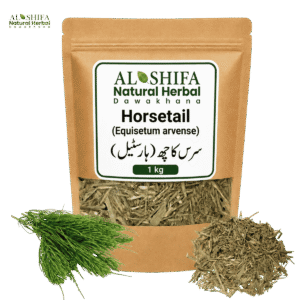
سرس گاچھ/ ہارسٹیل
Price range: ₨ 350 through ₨ 6,000

Oud Saleeb (Common Peony) is a traditionally valued botanical root associated with Paeonia officinalis, known for its distinctive natural character and long history of use in traditional herbal preparations.
How to Use: Use according to product directions or under appropriate professional guidance.
Important Note: Traditional uses do not represent treatment claims. Pregnant or breastfeeding women, children, and people taking regular medicines should seek professional guidance before medicinal use.
Oud Saleeb (عود صلیب) is a traditional herbal material commonly associated with the Common Peony (Paeonia officinalis), a perennial flowering plant belonging to the Paeoniaceae family. Peony has a long history of traditional use in European, Middle Eastern, Unani, and other herbal traditions, where its underground parts have been valued for their distinctive botanical character and inclusion in specialized herbal preparations.
In traditional herbal markets, the name Oud Saleeb may sometimes be applied to materials whose botanical identity varies by region or supplier. Therefore, the scientific identity of the actual raw material should be verified before making species-specific claims. Where the product is confirmed as Common Peony, Paeonia officinalis is an appropriate botanical identification.
Quality Oud Saleeb should be selected with particular attention to correct botanical identification, authentic plant material, cleanliness, proper drying, reliable sourcing, and suitable storage.
English Name: Common Peony
Urdu Name: عود صلیب
Roman Name: Oud Saleeb / Ood Saleeb
Scientific Name: Paeonia officinalis L.
Family: Paeoniaceae
Genus: Paeonia
Plant Type: Perennial Flowering Plant
Part Traditionally Used: Primarily Root / Underground Parts
Product Type: Dried Traditional Botanical Material
The traditional trade name Oud Saleeb does not by itself guarantee that every commercially available sample belongs to Paeonia officinalis.
Regional herbal markets may use traditional names differently, and closely related Paeonia species may sometimes be encountered in herbal trade.
Therefore:
Oud Saleeb trade name ≠ automatic confirmation of Paeonia officinalis
The scientific name should only appear as a definitive product identity when the supplied raw material has been botanically verified.
Common Peony is a perennial flowering plant belonging to the genus Paeonia. It develops underground roots and produces distinctive seasonal flowers.
Although peonies are widely recognized as ornamental plants, certain species also have a long history in traditional herbal systems.
For herbal purposes, the underground material is dried and may be supplied as whole pieces, sliced material, or powder depending on the preparation.
Common Peony used as a traditional botanical should not be confused with ornamental peony products, fragrance preparations, peony flowers, or concentrated extracts.
Peony species contain a variety of naturally occurring botanical compounds. The precise composition depends on the species, plant part, geographic origin, processing, storage, and extraction method.
Reported constituent groups in peony roots include:
Among peony-related compounds, paeoniflorin has received considerable scientific research interest.
However, its amount can vary substantially between species, plant materials, extracts, and processing methods.
Paeoniflorin is one of the better-known naturally occurring compounds associated with several medicinally used Paeonia species.
It has been investigated in laboratory and experimental studies involving various biological pathways.
However, an important distinction must be maintained between:
Findings involving purified paeoniflorin or concentrated extracts should not automatically be attributed to ordinary Oud Saleeb root.
Oud Saleeb has historically been valued in specialized traditional herbal preparations.
Depending on the traditional system and botanical identity, peony-related materials have been associated historically with preparations concerning:
These are historical and traditional associations, not evidence that Oud Saleeb prevents or treats a neurological, muscular, reproductive, or other medical disorder.
Oud Saleeb has historically been mentioned in some traditional herbal contexts involving the nervous system.
Older traditional literature may associate it with preparations intended for calmness, nervous comfort, or conditions historically described using terminology that does not directly correspond to modern medical diagnoses.
Such references should be interpreted carefully.
Oud Saleeb should not be represented as a proven treatment for:
In particular, seizures require proper medical evaluation and should never be managed by replacing prescribed treatment with an unverified herbal preparation.
One of the reasons peony has attracted historical interest is its association in some older traditions with epilepsy and convulsive conditions.
This is a historical use, not an established modern indication.
There is insufficient basis to recommend ordinary Oud Saleeb as a substitute for anti-seizure medicines or professional neurological care.
Anyone experiencing a first seizure, repeated seizures, loss of consciousness, prolonged convulsions, or unusual neurological symptoms requires appropriate medical assessment.
Peony-related botanicals have also historically been incorporated into preparations associated with muscular relaxation and general physical comfort.
This does not establish that Oud Saleeb treats:
Traditional comfort-related use should remain clearly separated from disease-treatment claims.
Different peony species and peony root preparations have historically been used in women’s herbal traditions.
However, it is especially important not to transfer the traditional uses of one Paeonia species or preparation to another.
For example, evidence or traditional practices involving other peony roots or standardized extracts cannot automatically be attributed to Paeonia officinalis.
Oud Saleeb should therefore not be marketed as a proven treatment for:
Persistent or severe reproductive symptoms require appropriate medical evaluation.
Peony species and their naturally occurring constituents have been studied in laboratory, animal, and pharmacological research.
Areas of experimental interest have included:
Such findings are useful for scientific investigation but do not establish that ordinary dried Common Peony root clinically treats corresponding diseases in humans.
Human clinical evidence, correct species identification, standardized preparations, and appropriate dosing are necessary before therapeutic conclusions can be made.
The genus Paeonia contains numerous species, and several have histories of medicinal use.
These may include different species and preparations with different chemical profiles.
Therefore:
Common Peony ≠ every medicinal Peony ≠ Peony extract ≠ isolated Paeoniflorin
A scientific study conducted on another Paeonia species should not automatically be presented as evidence for Paeonia officinalis.
Correct species identification is particularly important when preparing accurate herbal product information.
Oud Saleeb may potentially be available as:
These forms can differ substantially in concentration.
A standardized extract may deliver a much greater quantity of selected compounds than ordinary dried root powder.
Therefore, dosage information and research relating to one preparation should not automatically be applied to another.
Dried peony root material may vary naturally according to species, age, harvesting, processing, and storage.
Depending on preparation, it may appear as:
Natural differences in color and shape are expected and do not necessarily indicate a difference in quality.
However, visual appearance alone is not sufficient to confirm botanical species.
Depending on the traditional preparation, Oud Saleeb may be:
The appropriate method depends on the verified species, product form, concentration, and intended traditional application.
There is no single universal amount of Oud Saleeb appropriate for every product and every person.
The appropriate use depends on whether the material is:
For medicinal-style use, follow the directions supplied with the specific product or seek guidance from an appropriately qualified healthcare or herbal professional.
Do not use the dosage of a concentrated peony extract as though it were equivalent to ordinary dried root.
Reliable safety information for medicinal quantities of Paeonia officinalis during pregnancy and breastfeeding is limited.
Pregnant or breastfeeding individuals should avoid medicinal-style use unless specifically advised by an appropriately qualified healthcare professional.
This caution is particularly important because historical reproductive uses of different peony species should not be interpreted as evidence of safety during pregnancy.
Medicinal use in infants and young children should not be undertaken without professional guidance.
Traditional historical use does not establish an appropriate pediatric dose.
Keep dried botanical material, powders, and concentrated preparations securely out of reach of children.
People taking regular medicines should seek professional guidance before prolonged or medicinal-style use of Oud Saleeb.
This is particularly sensible for individuals using medicines for:
Potential interactions can vary according to species, preparation, concentration, amount, and other ingredients.
Prescribed medicines should never be stopped or replaced because of traditional claims associated with Oud Saleeb.
As with other botanical materials, individual sensitivity is possible.
Potential reactions may include:
Discontinue use if a significant reaction develops and seek medical guidance for severe symptoms.
Quality Oud Saleeb should be selected according to:
For powdered material, reliable identification before grinding is especially valuable because visual species identification becomes more difficult once the material has been powdered.
Statements such as:
should only be made when supported by appropriate testing, sourcing, certification, or quality-control documentation.
A traditional name or visual resemblance alone does not verify purity or species identity.
To maintain the quality of dried Oud Saleeb:
Do not use material showing visible mold, unusual moisture, insect infestation, or a clearly spoiled odor.
Product Name: Oud Saleeb / Common Peony
English Name: Common Peony
Urdu Name: عود صلیب
Roman Name: Oud Saleeb / Ood Saleeb
Scientific Name: Paeonia officinalis L.
Family: Paeoniaceae
Genus: Paeonia
Plant Type: Perennial Flowering Plant
Part Traditionally Used: Primarily Root / Underground Material
Product Type: Dried Traditional Botanical Material
Common Forms: Whole / Cut / Powdered Root
Traditional Association: Specialized herbal preparations and general traditional wellness
Storage: Cool and dry place protected from sunlight, moisture, insects, and contamination
Oud Saleeb is a traditional trade name, and traditional names can sometimes refer to different botanical materials in different regions.
Furthermore, several species of peony have their own distinct histories of medicinal use and cannot automatically be treated as interchangeable.
For a product specifically sold as Common Peony, the identity Paeonia officinalis should therefore be confirmed through reliable sourcing or botanical identification before species-specific claims are made.
Correct identification, authentic plant material, appropriate processing, and proper storage are more reliable indicators of quality than the traditional name alone.
Oud Saleeb / Common Peony is a traditional botanical material and is not intended to diagnose, treat, cure, or prevent any disease.
Historical references to nervous-system comfort, seizures, muscular relaxation, women’s wellness, pain, or other traditional uses describe its place in traditional herbal practice and should not be interpreted as evidence of proven medical treatment.
In particular, Oud Saleeb should not replace prescribed treatment for epilepsy, seizures, neurological disorders, reproductive conditions, chronic pain, or other diagnosed medical conditions.
Research involving other peony species, concentrated extracts, isolated paeoniflorin, laboratory models, or animals should not automatically be applied to ordinary dried Paeonia officinalis root.
Pregnant or breastfeeding individuals, children, people with chronic medical conditions, and those taking regular medicines should seek appropriate professional guidance before medicinal-style use.
عود صلیب ایک قدیم اور معروف روایتی نباتاتی مادہ ہے جسے عموماً عام پیونی سے منسوب کیا جاتا ہے۔ اس کی معروف سائنسی شناخت پیونیا آفیشینالس ہے اور اس کا تعلق پیونی ایسی خاندان سے ہے۔ یہ ایک بارہماسی پھول دار پودا ہے جس کے زیرِ زمین حصے، بالخصوص جڑ، مختلف قدیم روایتی طریقہ ہائے استعمال میں اہمیت رکھتے رہے ہیں۔
عود صلیب کا ذکر یونانی طب سمیت مختلف قدیم روایتی نظاموں میں ملتا ہے۔ روایتی طور پر اسے اعصابی سکون، جسمانی آرام اور بعض مخصوص مرکب تیاریوں سے منسوب کیا جاتا رہا ہے۔ تاہم ان روایتی حوالوں کو کسی بیماری کے ثابت شدہ علاج کے طور پر نہیں سمجھنا چاہیے۔
یہ بات بھی اہم ہے کہ عود صلیب ایک روایتی تجارتی نام ہے اور مختلف علاقوں یا بازاروں میں اس نام سے مختلف نباتاتی مواد فروخت ہونے کا امکان موجود ہو سکتا ہے۔ اس لیے اگر کسی مصنوعات کو خاص طور پر پیونیا آفیشینالس قرار دیا جائے تو اس کی اصل نباتاتی شناخت کی تصدیق ضروری ہے۔
مصنوعات کا نام: عود صلیب
معروف نام: عود صلیب، عام پیونی
سائنسی نام: پیونیا آفیشینالس
نباتاتی خاندان: پیونی ایسی
جنس: پیونیا
پودے کی نوعیت: بارہماسی پھول دار پودا
روایتی طور پر استعمال ہونے والا حصہ: بنیادی طور پر جڑ اور زیرِ زمین حصے
مصنوعات کی نوعیت: خشک روایتی نباتاتی مادہ
عام شکل: ثابت، کٹی ہوئی یا سفوف شدہ جڑ
عود صلیب سے منسوب عام پیونی ایک بارہماسی پودا ہے جو اپنی خوبصورت پھول دار ساخت کی وجہ سے بھی معروف ہے۔ تاہم روایتی استعمال کے لیے اس کے پھولوں کے بجائے بنیادی طور پر زیرِ زمین حصوں، خصوصاً جڑ، کو اہمیت دی جاتی رہی ہے۔
جڑ کو مناسب طریقے سے حاصل کرنے، صاف کرنے اور خشک کرنے کے بعد ثابت، کٹی ہوئی یا سفوف کی شکل میں استعمال کیا جا سکتا ہے۔
عام باغیچے میں اگائی جانے والی پیونی، پیونی کے پھول، خوشبو والی مصنوعات، مرتکز عرق اور روایتی طور پر استعمال ہونے والی خشک جڑ کو ایک ہی چیز نہیں سمجھنا چاہیے۔
عود صلیب کا روایتی نام مختلف علاقوں میں الگ انداز سے استعمال ہو سکتا ہے۔ اسی طرح پیونیا جنس میں متعدد انواع پائی جاتی ہیں اور ان سب کی کیمیائی ساخت اور روایتی استعمال مکمل طور پر ایک جیسے نہیں ہوتے۔
اس لیے:
عود صلیب کا تجارتی نام لازماً پیونیا آفیشینالس کی تصدیق نہیں کرتا۔
اگر مصنوعات کو خاص طور پر عام پیونی یا پیونیا آفیشینالس کے نام سے پیش کیا جا رہا ہو تو قابل اعتماد ماخذ اور درست نباتاتی شناخت کو اہمیت دینی چاہیے۔
پیونی کی مختلف انواع اور ان کی جڑوں میں متعدد قدرتی نباتاتی مرکبات پائے جاتے ہیں۔ ان کی مقدار پودے کی قسم، استعمال ہونے والے حصے، جغرافیائی ماخذ، عمر، خشک کرنے کے طریقے، ذخیرہ اور تیاری کی نوعیت کے مطابق مختلف ہو سکتی ہے۔
تحقیق میں پیونی سے متعلق جن قدرتی اجزاء کا ذکر ملتا ہے ان میں شامل ہیں:
کسی پودے میں کسی مخصوص قدرتی مرکب کی موجودگی بذاتِ خود کسی طبی فائدے یا بیماری کے علاج کا ثبوت نہیں ہوتی۔
پیونی سے منسوب معروف قدرتی مرکبات میں پیونی فلورین خاص طور پر قابل ذکر ہے۔
اس مرکب پر مختلف تجربہ گاہی اور ابتدائی سائنسی مطالعات کیے گئے ہیں اور مختلف حیاتیاتی عمل میں اس کے کردار کو سمجھنے کی کوشش کی گئی ہے۔
تاہم یہ فرق برقرار رکھنا ضروری ہے کہ:
ایک دوسرے کے برابر نہیں ہیں۔
خالص یا مرتکز پیونی فلورین پر ہونے والی تحقیق کو عام خشک عود صلیب کے اثرات کا ثبوت نہیں سمجھنا چاہیے۔
عود صلیب کا استعمال مختلف قدیم روایتی طریقوں میں کیا جاتا رہا ہے۔ مختلف علاقوں اور نظام ہائے طب میں اس سے منسوب استعمال بھی مختلف ہو سکتے ہیں۔
تاریخی طور پر اسے ایسی تیاریوں میں شامل کیا جاتا رہا ہے جو روایتی طور پر درج ذیل مقاصد سے وابستہ رہی ہیں:
یہ تمام استعمال روایتی اور تاریخی اہمیت کی وضاحت کرتے ہیں، کسی بیماری کے علاج کی ضمانت نہیں۔
قدیم روایتی مواد میں عود صلیب کا ذکر بعض ایسی تیاریوں میں ملتا ہے جنہیں اعصاب، سکون اور جسمانی آرام سے منسوب کیا جاتا رہا ہے۔
قدیم طبی اصطلاحات اور جدید طبی تشخیص ہمیشہ ایک دوسرے کے برابر نہیں ہوتیں، اس لیے پرانے حوالوں کو موجودہ بیماریوں پر براہ راست لاگو کرنا درست نہیں۔
عود صلیب کو درج ذیل بیماریوں یا کیفیات کا ثابت شدہ علاج نہیں سمجھنا چاہیے:
خاص طور پر دوروں یا مرگی کی صورت میں مستند طبی تشخیص اور باقاعدہ علاج نہایت ضروری ہے۔
پیونی سے متعلق بعض قدیم روایتی حوالوں میں دوروں اور تشنج جیسی کیفیات کا ذکر ملتا ہے۔ اسی تاریخی پس منظر کی وجہ سے عود صلیب کو بعض قدیم نسخوں میں خصوصی اہمیت حاصل رہی ہے۔
تاہم یہ صرف تاریخی استعمال ہے۔
اسے جدید دور میں مرگی یا دوروں کی دوا کا متبادل نہیں سمجھنا چاہیے اور نہ ہی اس کی بنیاد پر ڈاکٹر کی تجویز کردہ دوا بند کرنی چاہیے۔
اگر کسی شخص کو پہلی مرتبہ دورہ پڑے، بار بار دورے آئیں، طویل دورہ ہو، بے ہوشی ہو یا کوئی غیر معمولی اعصابی علامت ظاہر ہو تو فوری طبی معائنہ ضروری ہے۔
پیونی سے متعلق نباتاتی مواد کو بعض قدیم روایتی طریقوں میں عضلاتی سکون اور عمومی جسمانی راحت سے منسوب کیا جاتا رہا ہے۔
اس تاریخی استعمال کا مطلب یہ نہیں کہ عود صلیب:
روایتی جسمانی آرام اور کسی باقاعدہ طبی بیماری کے علاج میں واضح فرق رکھنا ضروری ہے۔
پیونی کی مختلف انواع کو خواتین سے متعلق بعض روایتی تیاریوں میں بھی استعمال کیا جاتا رہا ہے۔
یہاں ایک اہم بات یہ ہے کہ پیونی کی مختلف انواع کو ایک دوسرے کے برابر نہیں سمجھنا چاہیے۔
کسی دوسری قسم کی پیونی، کسی مخصوص عرق یا کسی مرکب نسخے کے روایتی استعمال کو براہ راست پیونیا آفیشینالس سے منسوب کرنا درست نہیں۔
عود صلیب کو درج ذیل کیفیات کا ثابت شدہ علاج نہیں سمجھنا چاہیے:
شدید، مسلسل یا غیر معمولی علامات کی صورت میں مناسب طبی معائنہ ضروری ہے۔
پیونی کی مختلف انواع اور ان میں موجود قدرتی اجزاء پر تجربہ گاہی، حیوانی اور ابتدائی سائنسی تحقیق کی گئی ہے۔
تحقیق میں مختلف موضوعات کا مطالعہ کیا گیا ہے، جن میں شامل ہو سکتے ہیں:
اس قسم کی تحقیق سائنسی اعتبار سے اہم ہو سکتی ہے، لیکن اس سے یہ ثابت نہیں ہوتا کہ عام خشک عود صلیب انسانوں میں متعلقہ بیماریوں کا علاج کرتا ہے۔
کسی طبی فائدے کی تصدیق کے لیے درست نباتاتی شناخت، معیاری تیاری، مناسب مقدار اور قابل اعتماد انسانی تحقیق ضروری ہوتی ہے۔
پیونیا جنس میں متعدد انواع شامل ہیں اور ان میں سے کئی کا روایتی استعمال مختلف علاقوں میں مختلف انداز سے کیا جاتا رہا ہے۔
ان انواع کے قدرتی اجزاء اور ان کی مقدار میں بھی فرق ہو سکتا ہے۔
اس لیے:
عام پیونی، دوسری طبی پیونی، پیونی کا مرتکز عرق اور الگ کیا گیا پیونی فلورین ایک دوسرے کے برابر نہیں ہیں۔
کسی دوسری پیونی پر ہونے والی تحقیق کو پیونیا آفیشینالس پر خودکار طور پر لاگو نہیں کرنا چاہیے۔
عود صلیب مختلف شکلوں میں دستیاب ہو سکتا ہے:
ان تمام اشکال میں قدرتی اجزاء کی مقدار مختلف ہو سکتی ہے۔
مرتکز عرق میں کسی مخصوص مرکب کی مقدار عام خشک جڑ کے مقابلے میں بہت زیادہ ہو سکتی ہے۔ اسی لیے مرتکز عرق کے لیے استعمال ہونے والی مقدار کو عام سفوف یا ثابت جڑ پر لاگو نہیں کرنا چاہیے۔
خشک عود صلیب کی ظاہری شکل پودے کی قسم، عمر، جغرافیائی ماخذ، کٹائی اور خشک کرنے کے طریقے کے مطابق مختلف ہو سکتی ہے۔
عام طور پر خشک جڑ میں درج ذیل خصوصیات دیکھی جا سکتی ہیں:
قدرتی رنگ اور شکل میں معمولی فرق ہونا لازماً خراب معیار کی علامت نہیں۔
صرف ظاہری شکل سے نباتاتی نوع کی مکمل تصدیق بھی ممکن نہیں ہوتی۔
عود صلیب کو روایتی طریقوں میں مختلف انداز سے استعمال کیا جاتا رہا ہے، مثلاً:
مناسب طریقۂ استعمال کا انحصار مصنوعات کی اصل شناخت، شکل، مقدار اور مطلوبہ روایتی استعمال پر ہوتا ہے۔
عود صلیب کی کوئی ایک مقدار ہر شخص اور ہر قسم کی مصنوعات کے لیے موزوں قرار نہیں دی جا سکتی۔
استعمال کا طریقہ اس بات پر منحصر ہے کہ مصنوعات:
علاجی انداز میں استعمال کے لیے مخصوص مصنوعات پر درج ہدایات پر عمل کریں یا مستند معالج سے مناسب رہنمائی حاصل کریں۔
مرتکز عرق کی مقدار کو عام خشک جڑ یا سفوف کی مقدار کے برابر نہ سمجھیں۔
حمل اور دودھ پلانے کے دوران پیونیا آفیشینالس کی علاجی مقدار کے محفوظ استعمال سے متعلق قابل اعتماد معلومات محدود ہیں۔
اس لیے حاملہ یا دودھ پلانے والی خواتین کو مستند طبی رہنمائی کے بغیر اس کا علاجی استعمال نہیں کرنا چاہیے۔
مختلف پیونی انواع کے خواتین سے متعلق تاریخی استعمال کو حمل کے دوران محفوظ ہونے کا ثبوت نہیں سمجھنا چاہیے۔
شیر خوار اور کم عمر بچوں میں عود صلیب کا علاجی استعمال مستند رہنمائی کے بغیر نہ کریں۔
قدیم روایتی استعمال بچوں کے لیے محفوظ مقدار کی تصدیق نہیں کرتا۔
ثابت جڑ، سفوف اور مرتکز تیاریوں کو بچوں کی پہنچ سے محفوظ رکھیں۔
جو افراد مستقل ادویات استعمال کرتے ہیں انہیں عود صلیب کے طویل یا علاجی استعمال سے پہلے مناسب طبی رہنمائی حاصل کرنی چاہیے۔
خصوصاً وہ افراد جو درج ذیل نوعیت کی ادویات استعمال کر رہے ہوں، اضافی احتیاط کریں:
ممکنہ باہمی اثرات پودے کی اصل قسم، مصنوعات کی شکل، مقدار، ارتکاز اور ساتھ موجود دوسرے اجزاء کے مطابق مختلف ہو سکتے ہیں۔
کسی روایتی دعوے کی بنیاد پر ڈاکٹر کی تجویز کردہ دوا بند یا تبدیل نہیں کرنی چاہیے۔
دیگر نباتاتی مواد کی طرح بعض افراد کو عود صلیب یا اس سے تیار شدہ مصنوعات سے انفرادی حساسیت ہو سکتی ہے۔
ممکنہ علامات میں شامل ہو سکتی ہیں:
واضح حساسیت پیدا ہونے کی صورت میں استعمال روک دیں۔ شدید الرجی، سانس میں دشواری یا جسم پر تیزی سے پھیلنے والی سوجن کی صورت میں فوری طبی مدد حاصل کریں۔
معیاری عود صلیب کے انتخاب میں درج ذیل عوامل اہم ہیں:
سفوف شدہ مصنوعات میں قابل اعتماد ماخذ کی اہمیت مزید بڑھ جاتی ہے کیونکہ پودے کو پیسنے کے بعد صرف ظاہری شکل سے اس کی شناخت کرنا مشکل ہو جاتا ہے۔
عود صلیب کے بارے میں درج ذیل دعوے صرف مناسب ثبوت کی موجودگی میں کیے جانے چاہئیں:
روایتی نام، رنگ، خوشبو یا ظاہری شکل بذاتِ خود ان دعوؤں کی تصدیق نہیں کرتے۔
عود صلیب کا معیار برقرار رکھنے کے لیے:
اگر مصنوعات میں پھپھوندی، غیر معمولی نمی، کیڑے یا خراب ہونے کی واضح علامات نظر آئیں تو استعمال نہ کریں۔
مصنوعات کا نام: عود صلیب
معروف نام: عام پیونی
رومن نام: عود صلیب
سائنسی نام: پیونیا آفیشینالس
نباتاتی خاندان: پیونی ایسی
جنس: پیونیا
پودے کی نوعیت: بارہماسی پھول دار پودا
روایتی طور پر استعمال ہونے والا حصہ: بنیادی طور پر جڑ اور زیرِ زمین حصے
مصنوعات کی نوعیت: خشک روایتی نباتاتی مادہ
عام شکل: ثابت، کٹی ہوئی یا سفوف شدہ جڑ
روایتی اہمیت: مخصوص روایتی تیاریوں اور عمومی جسمانی و اعصابی سکون سے متعلق تاریخی استعمال
ذخیرہ: ٹھنڈی، خشک اور نمی و آلودگی سے محفوظ جگہ
عود صلیب ایک روایتی تجارتی نام ہے اور مختلف علاقوں میں روایتی ناموں کا استعمال ہمیشہ یکساں نہیں ہوتا۔
اسی طرح پیونی کی مختلف انواع اپنی قدرتی کیمیائی ساخت اور روایتی استعمال کے اعتبار سے ایک دوسرے سے مختلف ہو سکتی ہیں۔
اس لیے کسی مصنوعات کو خاص طور پر پیونیا آفیشینالس قرار دینے سے پہلے اس کی نباتاتی شناخت کی مناسب تصدیق اہم ہے۔
درست نباتاتی شناخت، اصل جڑ، قابل اعتماد ماخذ، مناسب صفائی، صحیح خشک کرنے کا طریقہ اور محفوظ ذخیرہ معیار کے اہم عوامل ہیں۔
عود صلیب ایک روایتی نباتاتی مادہ ہے اور اسے کسی بیماری کی تشخیص، علاج یا روک تھام کا متبادل نہیں سمجھنا چاہیے۔
اعصابی سکون، دوروں، عضلاتی آرام، خواتین کی صحت یا دیگر استعمال سے متعلق قدیم حوالوں کو جدید طبی علاج کا ثبوت نہ سمجھیں۔
خصوصاً مرگی، دوروں، اعصابی بیماریوں، بانجھ پن، ہارمون سے متعلق مسائل، دائمی درد یا کسی دوسری تشخیص شدہ بیماری میں ڈاکٹر کی تجویز کردہ دوا یا علاج کو عود صلیب سے تبدیل نہیں کرنا چاہیے۔
دوسری اقسام کی پیونی، مرتکز عرق، الگ کیے گئے پیونی فلورین، حیوانی مطالعات یا تجربہ گاہی تحقیق کے نتائج کو عام خشک عود صلیب پر براہ راست لاگو نہیں کیا جا سکتا۔
حاملہ یا دودھ پلانے والی خواتین، بچے، دائمی طبی مسائل رکھنے والے افراد اور مستقل ادویات استعمال کرنے والے افراد علاجی استعمال سے پہلے مستند طبی رہنمائی حاصل کریں۔