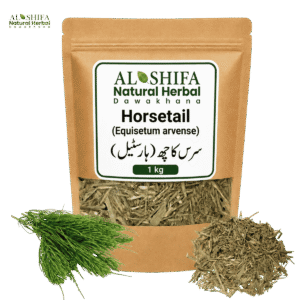
سرس گاچھ/ ہارسٹیل
Price range: ₨ 350 through ₨ 6,000
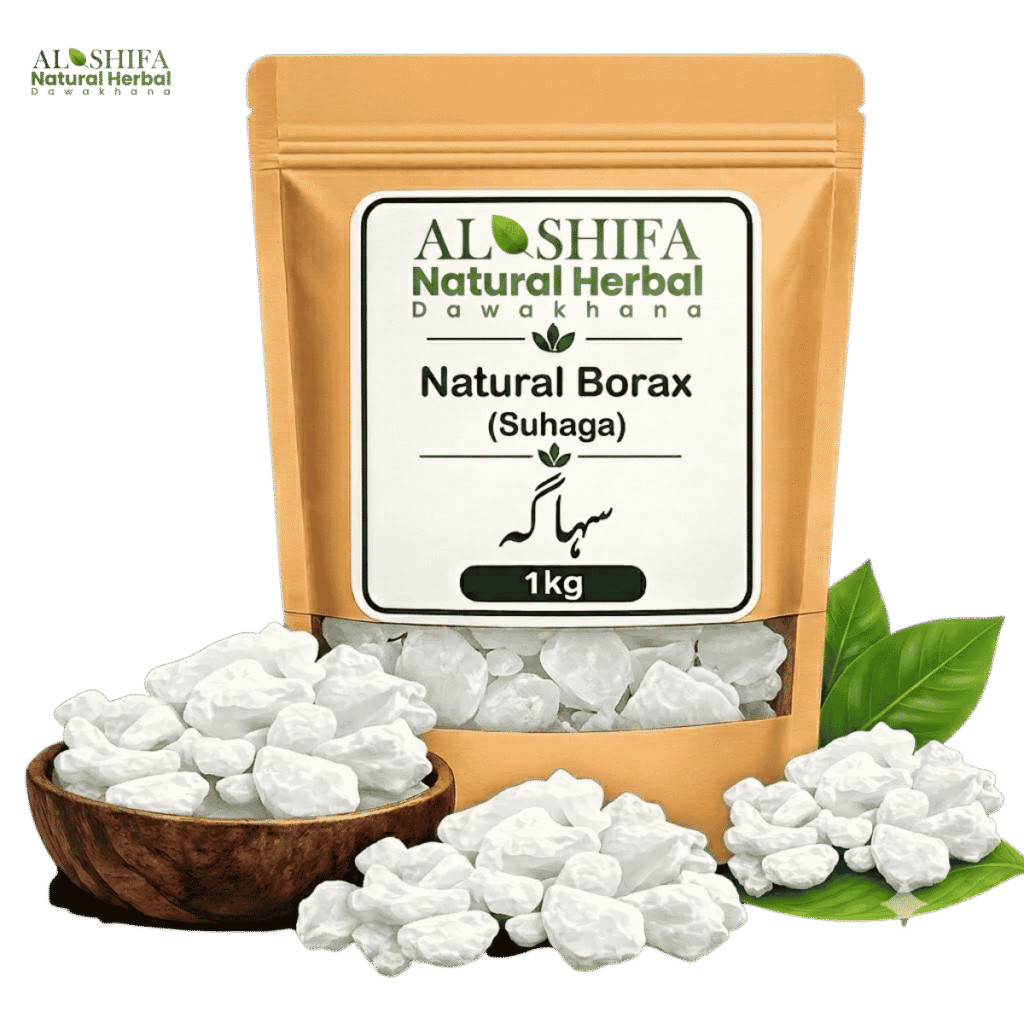
Al Shifa Natural Borax is carefully selected for mineral identity, characteristic crystalline appearance, cleanliness, physical quality, careful handling and proper packaging.
Key Features:
Usage: Suitable for lawful laboratory, industrial and specialized technical applications consistent with its verified chemical grade and safety specifications.
Important Note: Natural Borax is a chemical raw material, not an ordinary herbal medicine or dietary supplement. Do not consume or use for self-medication. Avoid inhaling dust and keep away from children. Exact chemical purity, hydration state and product grade require supplier verification.
Natural Borax (Suhaga) / Sodium Borate / سہاگہ is a naturally occurring inorganic mineral salt belonging to the borate mineral group. It is commonly known as Borax, Sodium Borate, Sodium Tetraborate, Suhaga or Tankan and has been recognized for centuries in traditional mineral trade, Unani and Ayurvedic literature, and various industrial and technical applications.
Natural borax is generally found as a white to colorless crystalline mineral, although its appearance may vary depending on mineral origin, hydration, processing and impurities. It is water-soluble and has characteristic alkaline properties.
The mineral commonly identified as borax is sodium tetraborate decahydrate, with the chemical formula Na₂B₄O₇·10H₂O. However, commercial products labeled Sodium Borate may contain different hydrated or processed forms, so the exact chemical identity should be confirmed through supplier specifications.
Al Shifa Natural Borax (Suhaga) is carefully selected for its characteristic mineral appearance, material quality, cleanliness, physical condition, careful handling and appropriate packaging.
Natural Borax is an inorganic borate mineral traditionally associated with sodium tetraborate.
The commonly recognized mineral form is:
Sodium Tetraborate Decahydrate — Na₂B₄O₇·10H₂O
Borax is not a plant, herb, seed, root or botanical extract. It is a mineral-derived chemical material containing sodium, boron, oxygen and water of crystallization.
In traditional South Asian terminology, it is widely called Suhaga.
Product Name: Natural Borax / Suhaga
English Name: Natural Borax / Sodium Borate
Urdu Name: سہاگہ / بوریکس
Roman Name: Suhaga / Sohaga
Common Chemical Name: Sodium Tetraborate Decahydrate
Chemical Formula: Na₂B₄O₇·10H₂O (Common Natural Borax Form)
Mineral Group: Borates
Chemical Class: Inorganic Borate Salt
Molar Mass: Approximately 381.37 g/mol (Decahydrate)
Appearance: White to Colorless Crystalline Material
Solubility: Soluble in Water
Characteristic Property: Alkaline in Aqueous Solution
Material Source: Natural Borate Mineral Deposits or Commercially Processed Borate Material
Product Type: Mineral / Chemical Raw Material
Primary Applications: Traditional Raw-Material Trade, Laboratory and Appropriate Industrial Applications
Natural borax commonly occurs in evaporite deposits associated with the concentration and evaporation of mineral-rich waters.
Such geological environments may contain different borate minerals.
Natural borax can be extracted and subsequently processed, refined, crystallized or graded according to its intended commercial application.
The word Natural refers to the mineral source but does not automatically establish that the finished material is unrefined, untreated or chemically pure.
Borax is generally recognized by several characteristic properties:
Its appearance may range from crystalline pieces to granular or powdered material, depending on processing.
Appearance alone cannot confirm borax purity or chemical grade.
The common decahydrate form of borax has the formula:
Na₂B₄O₇·10H₂O
Its composition includes:
Water of crystallization is incorporated into the mineral’s crystal structure.
This is different from ordinary moisture on the surface of a material.
Boron is a chemical element, while borax is a compound containing boron.
Boron: Chemical element B.
Borax: A sodium borate compound.
These are not interchangeable names for the same substance.
Although boron occurs naturally in the environment and in foods, this does not make borax suitable for consumption as a boron supplement.
Borax and boric acid are chemically different substances.
Borax: Sodium tetraborate, commonly encountered as a hydrated salt.
Boric Acid: H₃BO₃.
Both contain boron, but they have different chemical identities and properties.
Therefore:
Borax ≠ Boric Acid
They should not be substituted for one another without a suitable technical specification.
Borax is also different from baking soda.
Borax: Sodium borate compound.
Baking Soda: Sodium bicarbonate (NaHCO₃).
Both may appear as white powders, but they have different compositions and safety considerations.
Borax is not a substitute for baking soda in food preparation.
Washing soda is generally associated with sodium carbonate, commonly in a hydrated form.
Borax: Sodium tetraborate.
Washing Soda: Sodium carbonate.
Although both can be used in certain technical cleaning applications, their chemical identities are different.
Therefore:
Borax ≠ Washing Soda
Borax is available in different hydration states.
Borax Decahydrate: Na₂B₄O₇·10H₂O.
Borax Pentahydrate: Na₂B₄O₇·5H₂O.
Anhydrous Sodium Tetraborate: Na₂B₄O₇.
These forms differ in their water content, molar mass and certain physical properties.
A commercial product described only as Sodium Borate should not automatically be assumed to be the decahydrate.
The exact form should be confirmed through the product specification.
Suhaga has a long history in South Asian Pansar trade and traditional Unani and Ayurvedic literature.
Historical texts may refer to raw Suhaga and specially processed forms.
However, traditional descriptions should not be interpreted as modern evidence that raw borax is safe or effective for treating diseases.
A particularly important distinction exists between raw Suhaga and the traditional preparation known as Suhaga Biryani or processed Suhaga.
Raw Suhaga: Unprocessed or commercially supplied borax mineral material.
Suhaga Biryani: A traditionally processed form whose properties depend on the actual processing method.
These should not be treated as identical materials.
Traditional processing does not automatically establish that a borate preparation is safe for internal use.
Raw Suhaga ≠ Suhaga Biryani
Traditional literature may associate Suhaga with various specialized formulations.
However, historical references do not establish that raw borax can safely treat:
Such uses should not be promoted without appropriate clinical and regulatory evidence.
Depending on verified grade and applicable regulations, sodium borates have established uses in specialized industries.
These include:
The suitability of a particular product depends on its chemical specification, purity, hydration state and intended application.
Commercial borax can vary according to:
For this reason, Natural Borax should not automatically be described as pharmaceutical-grade, food-grade or laboratory-certified.
The phrase 100% Pure Borax should only be used when supported by reliable analytical documentation.
Natural origin or a white crystalline appearance does not establish:
A certificate of analysis can provide more meaningful information about chemical identity and purity.
Borax is a chemical substance that requires appropriate precautions.
Potential hazards include:
Borax and related borates are subject to chemical hazard classifications and restrictions in various jurisdictions.
It should not be treated as harmless simply because it occurs naturally.
Raw Natural Borax / Suhaga must not be consumed or used for self-medication.
Borax is not an ordinary dietary mineral supplement.
Ingestion can cause poisoning, and repeated or excessive exposure may present serious health risks.
Do not use raw Suhaga as a home remedy for digestive, urinary, sexual, reproductive, skin or other medical conditions.
Borate exposure raises particular concerns because of reproductive and developmental toxicity findings.
Pregnant or breastfeeding individuals should avoid unnecessary exposure to raw borax and should not use it medicinally without appropriate professional and regulatory oversight.
Borax should be kept out of children’s reach.
Children may be especially vulnerable to accidental ingestion or inappropriate exposure.
Do not use raw Suhaga in home remedies intended for infants or children.
When handling Natural Borax:
Al Shifa Natural Herbal emphasizes responsible material selection and handling.
Important quality considerations include:
Natural Borax should only be used for an appropriate, lawful application consistent with its verified chemical identity, hydration state, grade and safety documentation.
For technical or industrial applications, follow the relevant manufacturer’s instructions and safety data sheet.
Do not consume raw borax, add it to food or use it in unsupervised medicinal preparations.
Natural Borax / Suhaga is an inorganic borate mineral and chemical raw material, not an ordinary herbal medicine or dietary supplement.
The traditional name Suhaga does not confirm chemical purity, product grade or safety for human consumption.
Raw borax should not be confused with specially processed traditional preparations, and traditional processing does not independently establish medical safety.
Store Natural Borax:
Proper storage helps maintain the physical condition of the mineral material and reduces accidental exposure.
Al Shifa Natural Herbal offers Natural Borax (Suhaga) / Sodium Borate / سہاگہ as a traditional mineral and chemical raw-material product, selected with attention to characteristic appearance, material quality, cleanliness and careful packaging.
Customers searching for Natural Borax in Pakistan, Suhaga, Sodium Borate, Sodium Tetraborate, Borax Mineral, سہاگہ, Suhaga Lahore, Suhaga price in Pakistan or Natural Borax online Pakistan should verify the required chemical grade and intended application before purchase.
Product Name: Natural Borax / Suhaga
English Name: Natural Borax / Sodium Borate
Urdu Name: سہاگہ / بوریکس
Roman Name: Suhaga / Sohaga
Chemical Name: Sodium Tetraborate Decahydrate (Common Borax Form)
Chemical Formula: Na₂B₄O₇·10H₂O (Common Decahydrate Form; Verify Actual Product)
Mineral Group: Borates
Chemical Class: Inorganic Borate Salt
Botanical Name: Not Applicable
Appearance: White to Colorless Crystalline Material
Solubility: Water-Soluble
Characteristic Property: Alkaline in Aqueous Solution
Product Type: Traditional Mineral / Chemical Raw Material
Primary Applications: Grade-Appropriate Laboratory, Industrial and Technical Uses
Important Note: The commercial names Natural Borax, Sodium Borate and Suhaga do not independently establish exact hydration state, purity or product grade. Raw borax is not suitable for self-medication or direct consumption and should be handled according to chemical safety instructions.
سہاگہ ایک قدرتی معدنی نمک ہے جسے پاکستانی اور یونانی حکمت میں خاص اہمیت حاصل ہے۔ اسے سہاگہ، تنکار اور بوریکس کے ناموں سے جانا جاتا ہے۔ سہاگہ عموماً سفید رنگ کے قلمی دانوں یا سفوف کی شکل میں پایا جاتا ہے۔
پاکستان اور برصغیر کی حکیمی کتابوں میں سہاگہ کو مختلف مرکب ادویات میں شامل کیا جاتا ہے۔ خاص طور پر کھانسی، بلغم اور گلے کی شکایات کے قدیم حکیمی نسخوں میں اس کا استعمال مشہور ہے۔
سہاگہ کو قدرتی حالت کے علاوہ بھنے ہوئے سہاگے کی شکل میں بھی پہچانا جاتا ہے، جسے سہاگہ بریاں کہتے ہیں۔
اردو نام: سہاگہ، تنکار، بوریکس
پنجابی نام: سہاگہ، سوہاگا
ہندی نام: سہاگہ، ٹنکن
فارسی نام: تنکار، بورہ
عربی نام: بورق، تنکار
انگریزی نام: نیچرل بوریکس، سوڈیم بوریٹ
سائنسی نام: سوڈیم ٹیٹرا بوریٹ ڈیکاہائیڈریٹ
خاندان: بوریٹ معدنی نمکیات
سہاگہ ایک قدرتی معدنی مادہ ہے جو نمکیاتی جھیلوں اور معدنی ذخائر میں پایا جاتا ہے۔ اس کی رنگت عموماً سفید یا بے رنگ ہوتی ہے۔
سہاگہ پانی میں حل ہوتا ہے اور اس کی کوئی نمایاں خوشبو نہیں ہوتی۔ یہ قدرتی حالت میں قلمی دانوں اور سفید سفوف کی شکل میں دستیاب ہوتا ہے۔
سہاگہ کی بنیادی اقسام درج ذیل ہیں۔
1. خام سہاگہ: قدرتی یا صاف شدہ حالت میں موجود سہاگہ۔
2. سہاگہ بریاں: گرم کرکے بھنا ہوا سہاگہ، جسے حکمت میں ایک الگ شکل کے طور پر استعمال کیا جاتا ہے۔
3. سفوف سہاگہ: باریک پسا ہوا سہاگہ، جو مختلف غیر غذائی استعمالات میں بھی کام آتا ہے۔
پاکستان اور برصغیر میں رائج یونانی حکمت میں سہاگہ کو عموماً گرم اور خشک مزاج کی معدنی دوا سمجھا جاتا ہے۔
اس کے مزاج کا درجہ مختلف حکیمی کتابوں میں الگ بیان ہو سکتا ہے، اس لیے کسی خاص درجے کے لیے مستند مفردات کا حوالہ ضروری ہے۔
پاکستانی اور یونانی حکمت میں سہاگہ کے درج ذیل قدیم استعمالات بیان کیے جاتے ہیں۔
سہاگہ بریاں کو کھانسی کے لیے بننے والی قدیم حکیمی ادویات میں شامل کیا جاتا ہے۔ خاص طور پر بلغم والی کھانسی کے نسخوں میں اس کا استعمال مشہور ہے۔
حکمت میں سہاگہ کو بلغم سے وابستہ شکایات کے لیے بننے والی مرکب ادویات میں شامل کیا جاتا ہے۔
سہاگہ بریاں کا نام گلے کی خراش اور آواز بیٹھنے کے قدیم حکیمی نسخوں میں بھی آتا ہے۔
قدیم حکیمی طریقوں میں سہاگے کا استعمال منہ کی صفائی اور منہ کی شکایات کے لیے بھی بیان کیا جاتا ہے۔
حکمت کی بعض پرانی کتابوں میں سہاگے کو معدے کی شکایات کے لیے بننے والے نسخوں میں بھی شامل کیا گیا ہے۔
سہاگہ بریاں کو مختلف قدیم حکیمی نسخوں میں دوسرے اجزا کے ساتھ شامل کیا جاتا ہے۔
یہ سہاگے کے تاریخی حکیمی استعمالات ہیں، انہیں گھر میں خود سے آزمانے کی ہدایت نہیں سمجھنا چاہیے۔
سہاگہ بریاں بھنے ہوئے سہاگے کو کہتے ہیں۔ حکمت میں اس کی پہچان خام سہاگے سے الگ رکھی جاتی ہے۔
قدیم حکیمی نسخوں میں سہاگہ بریاں کو کھانسی، بلغم اور گلے کی شکایات کے لیے بننے والی ادویات میں شامل کیا جاتا ہے۔
بھوننے کے بعد بھی سہاگہ بوریٹ نمک ہی رہتا ہے۔ اس لیے اسے کھانے یا پینے کے لیے محفوظ نہیں سمجھنا چاہیے۔
سہاگہ دھاتوں کی صفائی اور جوڑائی کے کاموں میں استعمال ہوتا ہے۔
شیشہ بنانے کی صنعت میں سہاگہ ایک اہم معدنی مادہ ہے۔
برتنوں اور سرامک کی چمکدار تہہ بنانے میں بھی سہاگے کا استعمال کیا جاتا ہے۔
سہاگہ مختلف صنعتی صفائی کے کاموں میں استعمال ہوتا ہے۔
الشفاء نیچرل ہربل دواخانہ میں سہاگے کے انتخاب کے لیے درج ذیل خصوصیات کو اہمیت دی جاتی ہے۔
درست پہچان: سوڈیم بوریٹ کی درست معدنی پہچان کو اہمیت دی جاتی ہے۔
قدرتی رنگت: سفید یا بے رنگ قلمی حالت کو دیکھا جاتا ہے۔
صاف حالت: گرد، مٹی اور غیر ضروری ذرات سے پاک سہاگے کو اہمیت دی جاتی ہے۔
قلمی ساخت: سہاگے کی قدرتی قلمی شکل اور ظاہری حالت کو دیکھا جاتا ہے۔
غیر ضروری ملاوٹ سے پاک: غیر ضروری رنگ اور دوسرے معدنی نمکیات کی ملاوٹ سے پاک ہونے کو اہمیت دی جاتی ہے۔
معیار: سہاگے کی اصل قسم اور خالص ہونے کی تصدیق کے لیے کیمیائی جانچ اہم ہے۔
الشفاء نیچرل ہربل دواخانہ سنہ 1999 سے قدرتی جڑی بوٹیوں، معدنی اشیا اور حکیمی اجزا کی سپلائی کر رہا ہے۔
ہم سہاگے میں درست پہچان، صاف حالت، قدرتی رنگت، قلمی ساخت اور غیر ضروری ملاوٹ سے پاک ہونے کو اہمیت دیتے ہیں۔
اچھے سہاگے کی پہچان اس کی درست معدنی ساخت، صاف حالت اور مستند معیار کی جانچ سے ہوتی ہے۔
سہاگے کو ٹھنڈی، خشک اور روشنی سے محفوظ جگہ پر کسی جار میں اچھی طرح پیک کر کے رکھیں۔
پانی اور نمی سے محفوظ رکھیں۔
زیادہ گرمی اور تیز دھوپ سے دور رکھیں۔
استعمال کے بعد جار کا ڈھکن اچھی طرح بند کریں۔
کھانے پینے کی اشیا سے الگ رکھیں۔
بچوں کی پہنچ سے دور رکھیں۔
سہاگہ ایک معدنی بوریٹ نمک ہے۔ اسے خود سے کھانے، پینے، غرارے کرنے یا زخموں پر لگانے کے لیے استعمال نہ کریں۔ سہاگہ نگلنے سے زہریلے اثرات پیدا ہو سکتے ہیں اور زیادہ یا مسلسل استعمال گردوں اور تولیدی صحت کو نقصان پہنچا سکتا ہے۔
سہاگہ بریاں بھی ان خطرات سے پاک نہیں ہوتا۔ حکیمی ادویات کے لیے اس کی پہچان اور استعمال کے بارے میں مستند معالج سے پوچھیں۔
اہم معلومات: قدرتی سہاگہ اور صنعتی سہاگہ کی خالص حالت صرف رنگ دیکھ کر معلوم نہیں ہوتی۔ اس کے لیے مستند لیبارٹری جانچ ضروری ہے۔