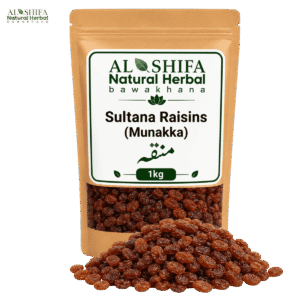
کشمش سندرخانی
Price range: ₨ 450 through ₨ 1,800
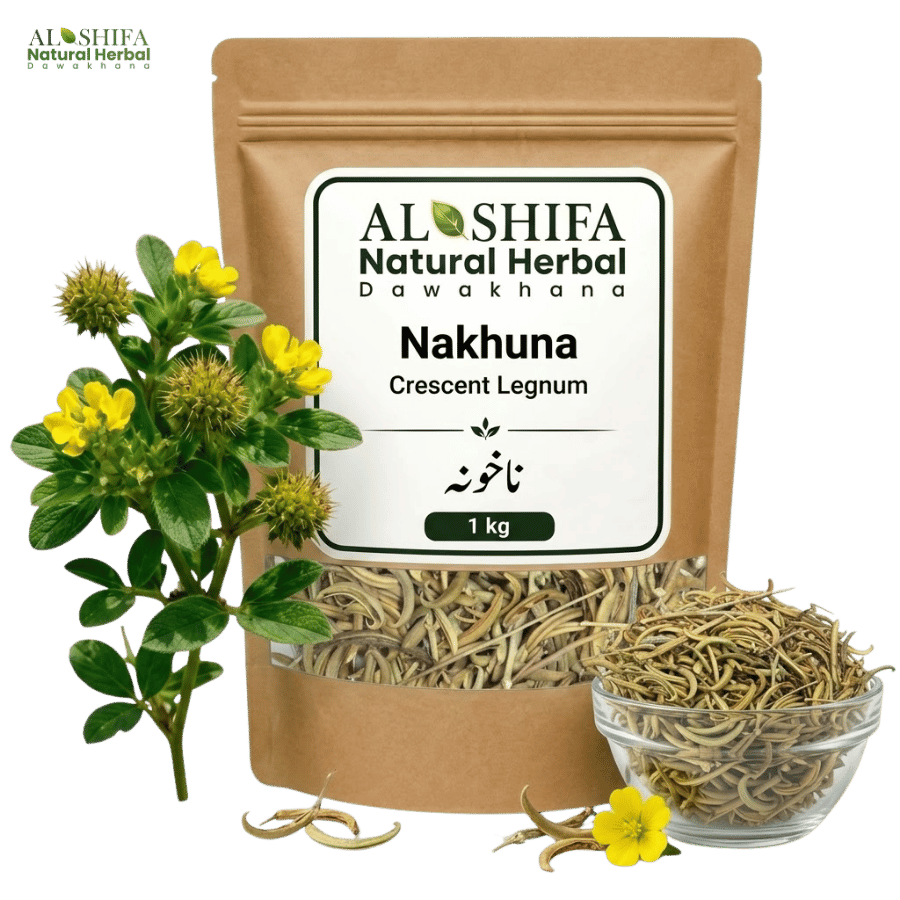
Nakhuna, commonly known as Crescent Legnum, is a traditional botanical raw material recognised by its distinctive curved, nail-like or crescent-shaped appearance. It has traditionally been used in selected body-care, joint-comfort, external and general herbal preparations.
Al Shifa Nakhuna is carefully selected with attention to its traditional identity, characteristic appearance, physical condition, cleanliness, proper dryness and responsible storage.
Key Features:
Usage: Use whole or in suitable traditional herbal preparations according to the intended application and qualified professional guidance.
Important Note: Nakhuna is a traditional herbal trade material whose exact botanical identity should be confirmed from the specific source. It should not automatically be confused with Bichhu Phal or Harpagophytum Devil’s Claw. Concentrated medicinal internal use requires appropriate professional guidance.
Nakhuna, commonly traded as Crescent Legnum, is a traditional herbal raw material recognised by its distinctive curved, nail-like or crescent-shaped appearance. The Urdu name ناخونہ is associated with this characteristic physical shape, which helps distinguish the material in traditional herbal trade.
Nakhuna has been known in Unani and regional herbal practice and is included in selected traditional formulations. As with many old herbal trade names, correct identification is particularly important because similar-looking botanical materials may be sold under related local names.
At Al Shifa Natural Herbal Dawakhana, Nakhuna is selected with attention to its traditional identity, characteristic crescent-like appearance, cleanliness, proper dryness, physical condition and responsible storage.
Nakhuna is a specialised traditional botanical material recognised mainly by its unusual curved form.
Its name is associated with an appearance resembling:
This characteristic appearance is useful for traditional identification, although shape alone should not be considered complete botanical confirmation.
English Name: Crescent Legnum
Urdu Name: ناخونہ
Roman Name: Nakhuna
Traditional Trade Name: Nakhuna / Nakhoona
Botanical Identity: Requires source-specific confirmation
Material Type: Dried Botanical Material
Product Type: Traditional Herbal Raw Material
The name Nakhuna is linked to the material’s characteristic nail-like appearance.
Traditional herbal names are frequently based on:
In this case, the curved physical form is one of the most recognisable characteristics associated with the name.
Nakhuna has been included in selected Unani and traditional herbal formulations.
Its traditional applications have been associated with preparations intended for:
These uses describe traditional practice and should not be interpreted as proof that Nakhuna treats specific diseases.
Nakhuna may appear in traditional formulations intended for body, muscle or joint comfort.
Such use may include compound herbal preparations rather than Nakhuna being used alone.
However:
Traditional Joint Use ≠ Arthritis Treatment
and
Traditional Body-Comfort Use ≠ Proven Painkiller
Persistent joint pain, swelling, injury or restricted movement requires appropriate medical assessment.
Nakhuna has also been associated with selected traditional external formulations.
Depending on the formulation, botanical materials may be incorporated into:
The safety and suitability of a finished preparation depend on all ingredients, concentration and method of use.
Like other dried plant materials, Nakhuna contains naturally occurring botanical constituents.
Their exact profile depends on the actual botanical species and plant part supplied.
This distinction is important because:
Traditional Trade Name ≠ Confirmed Chemical Composition
A chemical property should not be assigned to Nakhuna unless the botanical source and preparation have been properly identified.
Traditional herbal markets sometimes use one local name for materials obtained from different regional botanical sources.
For this reason:
Nakhuna Trade Name ≠ Automatic Species Confirmation
Scientific identification should be based on reliable botanical sourcing rather than the common name alone.
The crescent or nail-like shape is useful when examining Nakhuna.
However:
Characteristic Shape ≠ Complete Botanical Authentication
Similar-looking dried plant materials can occur in different species.
Source information, morphology and appropriate botanical verification are more reliable when exact species identification is required.
Several herbal materials can have claw-like, hooked or curved appearances.
For example, Bichhu Phal / Martynia fruit also develops a distinctive claw-like structure.
However:
Nakhuna ≠ Bichhu Phal
Similar shape or common naming should not be used to treat unrelated botanical products as identical.
Internationally, the name Devil’s Claw is commonly associated with Harpagophytum species.
Nakhuna should not automatically be identified as Harpagophytum simply because both names or materials may suggest a claw-like appearance.
Therefore:
Nakhuna ≠ Automatically Harpagophytum Devil’s Claw
Correct botanical identity should be confirmed separately.
Whole Nakhuna allows more of its characteristic physical appearance to remain visible.
Grinding it into powder:
Therefore:
Whole Nakhuna ≠ Nakhuna Powder
A concentrated botanical extract contains selected soluble constituents removed from the original plant material.
Therefore:
Whole Nakhuna ≠ Nakhuna Extract
Research performed on a concentrated extract should not automatically be applied to ordinary dried Nakhuna.
Historical use can provide useful information about how a botanical material has been used in traditional systems.
However:
Traditional Use ≠ Clinical Proof
Claims about treatment of specific diseases require appropriate evidence for the correctly identified botanical species and preparation.
Botanical materials used traditionally for body or joint comfort are sometimes described broadly as anti-inflammatory.
Such a claim cannot be reliably transferred to Nakhuna without confirming:
Therefore:
Traditional Body-Comfort Use ≠ Proven Anti-Inflammatory Medicine
Traditional external or body-care use should not be converted into a claim that Nakhuna is a proven analgesic.
Therefore:
Nakhuna ≠ Proven Pain Medicine
Persistent or severe pain requires identification of the underlying cause.
A botanical material should not be used internally simply because its traditional trade name is familiar.
For Nakhuna, correct identity is especially important before medicinal internal use.
Do not assume that:
Professional guidance is appropriate for medicinal internal use.
Reliable modern safety information cannot be assumed for a traditional material when the exact botanical identity is uncertain or variable.
For this reason, unsupervised medicinal internal use during pregnancy and breastfeeding should be avoided.
Nakhuna is not an ordinary children’s food or nutritional supplement.
Medicinal use in children should not be based solely on traditional naming or appearance.
Appropriate professional guidance is recommended.
Natural botanical materials can cause sensitivity in susceptible individuals.
External preparations should be used cautiously, particularly on sensitive or damaged skin.
Stop use if significant irritation or allergic symptoms develop.
People with chronic medical conditions or those taking regular medicines should seek qualified guidance before concentrated medicinal use.
When exact species identity or interaction information is limited, absence of a documented interaction should not automatically be interpreted as proof of safety.
At Al Shifa Natural Herbal Dawakhana, Nakhuna is selected with attention to:
Traditional Identity – Material consistent with the recognised traditional trade product.
Characteristic Appearance – Distinctive curved or crescent-like physical form.
Physical Condition – Carefully examined dried botanical material.
Cleanliness – Selected to reduce unnecessary foreign matter.
Proper Dryness – Suitable condition for responsible storage.
Product Distinction – Not automatically confused with other claw-shaped botanical materials.
Responsible Information – Traditional use clearly separated from proven medical treatment.
Proper Storage – Protected from moisture, excessive heat and contamination.
Al Shifa Natural Herbal Dawakhana, established in 1999, supplies herbs and specialised traditional botanical materials throughout Pakistan.
Our focus for Nakhuna includes:
The appropriate use of Nakhuna / Crescent Legnum depends on the exact botanical identity, intended preparation and method of application.
Before medicinal use, distinguish between:
These forms and products should not automatically be used interchangeably.
For internal medicinal use, follow qualified professional guidance, particularly where the exact botanical source and appropriate preparation need to be established.
For external preparations, avoid the eyes, highly sensitive tissues and severely damaged skin.
Nakhuna is a traditional herbal trade material recognised by its characteristic curved or crescent-like appearance. Exact botanical identity should be confirmed from the specific source rather than assumed from the common name alone.
Important distinctions include:
Store Nakhuna in a cool, clean and dry place.
For best quality:
Nakhuna / Crescent Legnum – ناخونہ is a specialised traditional herbal raw material recognised by its characteristic curved, nail-like or crescent-shaped appearance.
Nakhuna has a history of use in selected Unani and regional herbal formulations, particularly in traditional body-care, joint-comfort, external and general herbal preparations. These uses represent traditional practice rather than guaranteed treatment of specific diseases.
Because old herbal trade names can vary between regions and suppliers, correct product identification remains particularly important. Nakhuna should not automatically be confused with Bichhu Phal, Harpagophytum Devil’s Claw or other claw-shaped botanical materials solely because of similarities in appearance or common naming.
Customers searching for Nakhuna, Nakhoona, Crescent Legnum, Nakhuna Herb, Nakhuna Pakistan, Crescent Legnum Pakistan, Nakhuna Lahore, Nakhuna price in Pakistan, Crescent Legnum price in Pakistan, buy Nakhuna Pakistan, buy Crescent Legnum Pakistan or Nakhuna online Pakistan can choose Al Shifa Natural Herbal Dawakhana for carefully selected traditional herbal material.
Since 1999, Al Shifa Natural Herbal Dawakhana has focused on supplying herbs and specialised natural materials with attention to traditional identity, quality selection, cleanliness, proper dryness, responsible information, careful packing and proper storage.
Product Name: Nakhuna
English Name: Crescent Legnum
Urdu Name: ناخونہ
Roman Name: Nakhuna / Nakhoona
Botanical Identity: Source-specific confirmation required
Material Type: Dried Botanical Material
Product Type: Traditional Herbal Raw Material
Traditional Use: Selected body-care, joint-comfort, external and general traditional herbal formulations
Important Note: Nakhuna is a traditional trade material whose exact botanical identity should be confirmed from the supplied source. It should not automatically be confused with Bichhu Phal, Harpagophytum Devil’s Claw or other similarly named claw-shaped herbs. Medicinal internal use requires correct identification and appropriate professional guidance.
ناخونہ ایک خوشبودار جڑی بوٹی کا چھوٹا پھل ہے جس کا تعلق پھلی دار پودوں کے خاندان سے ہے۔ اس پودے کے پتے عموماً تین چھوٹے پتوں پر مشتمل ہوتے ہیں اور اس پر زرد یا سفید رنگ کے چھوٹے پھول آتے ہیں۔ پھولوں کے بعد چھوٹی پھلیاں بنتی ہیں جن میں بیج موجود ہوتے ہیں۔
ناخونہ حکمت میں خاص طور پر سوجن، جسمانی درد، پیٹ کی گیس، رحم کی سوجن، جگر و تلی کی سوجن اور جسم کے مختلف حصوں پر بیرونی استعمال کے لیے مشہور ہے۔
اس کے خشک حصوں میں ایک خاص میٹھی خوشبو پائی جاتی ہے جو خشک ہونے کے بعد زیادہ نمایاں ہو جاتی ہے۔
اردو: ناخونہ، اسپنگ، اسپرج
پنجابی: سنجی، بن میتھی
ہندی: بن میتھی، سنجی
فارسی: ناخنک
عربی: اکلیل الملک
انگریزی نام: کریسنٹ لگنم، یلو سویٹ کلوور، سویٹ کلوور
سائنسی نام: میلی لوٹس آفیشینالس
خاندان: پھلی دار پودوں کا خاندان
ناخونہ ایک نرم شاخوں والی جڑی بوٹی ہے۔
اس کے پتے تین حصوں میں تقسیم ہوتے ہیں۔
پتوں کے کناروں پر چھوٹے دندانے موجود ہوتے ہیں۔
پھول چھوٹے اور عموماً زرد رنگ کے ہوتے ہیں۔
پھولوں کے بعد چھوٹی پھلیاں بنتی ہیں جن میں بیج موجود ہوتے ہیں۔
اس کا پھل حکیمی استعمال میں خاص اہمیت رکھتا ہے۔
خشک ناخونہ میں خاص میٹھی اور گھاس جیسی خوشبو محسوس ہوتی ہے۔
پاکستانی اور یونانی حکمت کی کتبِ مفردات میں ناخونہ کا مزاج گرم و خشک درجہ اول بیان کیا جاتا ہے۔
حکمت میں ناخونہ کو سوجن نرم کرنے، جسمانی درد، پیٹ کی گیس، پیشاب کی روانی اور خواتین کے ماہانہ نظام کے لیے استعمال کیا جاتا ہے۔
اس کا بیرونی استعمال جسم کے سوجے ہوئے حصوں اور درد والی جگہوں پر بھی مشہور ہے۔
ناخونہ حکمت میں سوجن کے لیے مشہور جڑی بوٹی ہے۔
اس کا لیپ یا گرم پانی میں تیار کیا گیا استعمال جسم کے سوجے ہوئے حصوں پر کیا جاتا ہے۔
اسے سوجن کے لیے تیار ہونے والی حکیمی ادویات میں بھی شامل کیا جاتا ہے۔
ناخونہ جسمانی درد کے لیے بیرونی طور پر استعمال کیا جاتا ہے۔
اس کا گرم لیپ یا بھاپ جسم کے درد والے حصوں پر استعمال کی جاتی ہے۔
پٹھوں کے کھنچاؤ اور جسمانی تھکن میں بھی اس کا بیرونی استعمال کیا جاتا ہے۔
ناخونہ جوڑوں کے درد اور سوجن کے لیے تیار ہونے والی حکیمی ادویات میں شامل کیا جاتا ہے۔
اس کا لیپ درد والی جگہ پر بیرونی طور پر استعمال کیا جاتا ہے۔
جوڑوں کے امراض میں مسلسل اندرونی استعمال معالج سے پوچھ کر کریں۔
ناخونہ کو پٹھوں کے کھنچاؤ اور جسمانی درد میں گرم لیپ اور بھاپ کے لیے استعمال کیا جاتا ہے۔
اس کی گرم اور خشک حکیمی خصوصیات کی وجہ سے اسے جسمانی مالش اور بیرونی حکیمی ادویات میں شامل کیا جاتا ہے۔
ورزش یا جسمانی محنت کے بعد ہونے والے کھنچاؤ میں بھی اس کا بیرونی استعمال مشہور ہے۔
حکمت میں ناخونہ کو جگر کی سوجن کے لیے استعمال کیا جاتا ہے۔
اسے دوسری مناسب حکیمی ادویات کے ساتھ شامل کیا جاتا ہے۔
جگر کے امراض میں ناخونہ کا اندرونی استعمال معالج سے پوچھ کر کریں۔
ناخونہ کو حکمت میں تلی کی سوجن کے لیے بھی استعمال کیا جاتا ہے۔
اس کا استعمال اندرونی اور بیرونی دونوں طریقوں سے حکیمی نسخوں میں شامل کیا گیا ہے۔
تلی کے امراض میں مقدار معالج سے پوچھ کر رکھیں۔
ناخونہ کو معدے کی سوجن اور پیٹ کی بے آرامی کے لیے حکیمی ادویات میں شامل کیا جاتا ہے۔
اسے پیٹ پر بیرونی لیپ کے طور پر بھی استعمال کیا جاتا ہے۔
معدے کے امراض میں مسلسل اندرونی استعمال معالج سے پوچھ کر کریں۔
ناخونہ پیٹ کی گیس کے لیے حکمت میں استعمال کیا جاتا ہے۔
اس کے چھوٹے پھل کو پیٹ کی گیس اور ہاضمے کی بے آرامی کے لیے مفید سمجھا جاتا ہے۔
اسے ہاضمے کے لیے تیار ہونے والی حکیمی ادویات میں شامل کیا جاتا ہے۔
ناخونہ کو آنتوں کی صحت کے لیے بھی حکمت میں استعمال کیا جاتا ہے۔
اس کے جوشاندے کو پرانے حکیمی طریقوں میں آنتوں کے لیے استعمال کیا جاتا ہے۔
آنتوں کے امراض میں اندرونی مقدار معالج سے پوچھ کر رکھیں۔
حکمت میں ناخونہ رحم کی سوجن کے لیے استعمال ہونے والی معروف جڑی بوٹیوں میں شامل ہے۔
اسے خواتین کے لیے تیار ہونے والی حکیمی ادویات اور بیرونی استعمال میں شامل کیا جاتا ہے۔
رحم کے امراض میں استعمال معالج سے پوچھ کر کریں۔
ناخونہ کو حکمت میں خواتین کے ماہانہ نظام کے لیے استعمال کیا جاتا ہے۔
اسے ماہانہ دنوں کی بے قاعدگی کے لیے تیار ہونے والی حکیمی ادویات میں شامل کیا جاتا ہے۔
اس مقصد کے لیے اندرونی مقدار معالج سے پوچھ کر رکھیں۔
قدیم حکیمی استعمال میں ناخونہ خصیوں کی سوجن اور درد کے لیے بھی استعمال کیا جاتا ہے۔
اسے بیرونی لیپ میں دوسری مناسب جڑی بوٹیوں کے ساتھ شامل کیا جاتا ہے۔
خصیوں کے امراض میں اصل وجہ معالج سے چیک کروائیں۔
ناخونہ کو حکمت میں مقعد کی سوجن اور بواسیر کی بیماری کے لیے بیرونی ادویات میں شامل کیا جاتا ہے۔
اس کا گرم پانی اور لیپ بیرونی استعمال میں رکھا جاتا ہے۔
بواسیر کی بیماری میں اندرونی استعمال معالج سے پوچھ کر کریں۔
حکمت میں ناخونہ کو پیشاب کی روانی کے لیے استعمال کیا جاتا ہے۔
اسے پیشاب کے نظام کے لیے تیار ہونے والی حکیمی ادویات میں شامل کیا جاتا ہے۔
گردے یا پیشاب کے امراض میں مقدار معالج سے پوچھ کر رکھیں۔
ناخونہ کا بیرونی استعمال جسمانی چوٹ، نیل اور سوجن والی جگہ پر کیا جاتا ہے۔
اس کا لیپ متاثرہ جگہ پر لگایا جاتا ہے۔
کھلی یا گہری چوٹ پر اپنی طرف سے جڑی بوٹی لگانے کے بجائے مناسب صفائی کا خیال رکھیں۔
ناخونہ کے پودے کے مختلف حصے جلد اور زخم کی دیکھ بھال کے لیے استعمال کیے جاتے ہیں۔
اسے بیرونی لیپ اور دوسری جڑی بوٹیوں کے ساتھ جلد پر لگانے والی ادویات میں شامل کیا جاتا ہے۔
حساس جلد پر پہلی بار استعمال سے پہلے تھوڑی مقدار آزمائیں۔
ناخونہ میں خوشبودار قدرتی اجزا، فلیونوئڈز اور کومارین پائی جاتی ہے۔
کومارین اس جڑی بوٹی کی خاص میٹھی خوشبو سے جڑا اہم قدرتی جز ہے۔
پودے کو خشک کرنے کے بعد اس کی خاص خوشبو زیادہ نمایاں محسوس ہوتی ہے۔
اس کے مختلف حصوں میں قدرتی روغنی اور دوسرے پودوں والے اجزا بھی پائے جاتے ہیں۔
کومارین ناخونہ میں پایا جانے والا قدرتی خوشبودار جز ہے۔
یہ خشک ناخونہ کی خاص میٹھی اور خوشبودار بو کی بڑی وجہ ہے۔
کومارین والی جڑی بوٹیوں کو مناسب مقدار میں استعمال کرنا ضروری ہے۔
زیادہ مقدار یا لمبے عرصے کے اندرونی استعمال سے پہلے معالج سے پوچھیں۔
ناخونہ کے پتے تین چھوٹے پتوں پر مشتمل ہوتے ہیں۔
پتوں کے کناروں پر باریک دندانے ہوتے ہیں۔
اس کے پھول چھوٹے اور زرد رنگ کے ہو سکتے ہیں۔
پھل چھوٹی پھلی کی شکل کا ہوتا ہے۔
خشک جڑی بوٹی میں خاص میٹھی خوشبو محسوس ہوتی ہے۔
پھلی کے اندر چھوٹے بیج موجود ہوتے ہیں۔
اچھا ناخونہ صاف اور اچھی طرح خشک ہونا چاہیے۔
اس میں پودے کی اپنی خاص خوشبو موجود ہو۔
پھل اپنی اصل شکل میں ہوں۔
قدرتی سبزی مائل، زردی مائل یا بھوری رنگت برقرار ہو۔
اس میں نمی یا پھپھوندی نہ ہو۔
اس میں کیڑے نہ لگے ہوں۔
مٹی، گرد اور دوسری جڑی بوٹیوں کی ملاوٹ کم سے کم ہو۔
حکیمی مراجع میں ناخونہ کو اکلیل الملک کے نام سے بھی بیان کیا گیا ہے۔
اس نام کے ساتھ میلی لوٹس کی قریبی اقسام بھی طبی کتابوں میں سامنے آتی ہیں۔
اسی وجہ سے ناخونہ خریدتے وقت اصل پودے اور مستعمل حصے کی درست شناخت بہت اہم ہے۔
الشفاء میں درست شناخت اور صاف حالت کو خاص اہمیت دی جاتی ہے۔
ناخونہ کے پودے کو شکل اور خوشبو کی وجہ سے بن میتھی بھی کہا جاتا ہے۔
یہ عام کھانے والی میتھی سے الگ جڑی بوٹی ہے۔
دونوں پھلی دار پودوں کے خاندان سے تعلق رکھتے ہیں، لیکن ان کی شناخت اور طبی استعمال ایک جیسے نہیں ہیں۔
اس لیے عام میتھی کو ناخونہ کی جگہ استعمال نہیں کیا جاتا۔
ناخونہ ثابت خشک پھل، کٹی ہوئی جڑی بوٹی اور سفوف کی شکل میں ملتا ہے۔
حکیمی نسخے کے مطابق اس کا مناسب حصہ منتخب کیا جاتا ہے۔
بیرونی استعمال میں اس کا جوشاندہ، گرم لیپ اور بھاپ بھی استعمال کی جاتی ہے۔
اندرونی مقدار معالج سے پوچھ کر رکھیں۔
ناخونہ کا استعمال حکیمی نسخے اور ضرورت کے مطابق رکھا جاتا ہے۔
بیرونی استعمال میں اس کا لیپ، گرم پانی یا بھاپ استعمال کی جاتی ہے۔
اندرونی استعمال میں مقدار کم رکھی جاتی ہے اور معالج سے پوچھ کر کریں۔
ایک ہی مقدار ہر عمر اور ہر جسمانی حالت کے لیے مناسب نہیں ہوتی۔
زیادہ مقدار میں ناخونہ کا اندرونی استعمال معدے کی بے آرامی، سر درد یا چکر جیسی کیفیت پیدا کر سکتا ہے۔
ناخونہ میں کومارین پائی جاتی ہے، اس لیے بہت زیادہ مقدار اور لمبے عرصے تک اپنی طرف سے استعمال نہ کریں۔
جلد پر حساسیت یا جلن محسوس ہو تو بیرونی استعمال بند کر دیں۔
ناخونہ میں کومارین پائی جاتی ہے۔
خون پتلا کرنے والی ادویات استعمال کرنے والے افراد ناخونہ کا اندرونی استعمال معالج سے پوچھ کر کریں۔
طبی مقدار اپنی طرف سے زیادہ نہ کریں۔
جگر کے امراض والے افراد ناخونہ کی زیادہ مقدار اپنی طرف سے استعمال نہ کریں۔
اگر جگر کی بیماری کی دوا پہلے سے استعمال ہو رہی ہو تو ناخونہ کا اندرونی استعمال معالج سے پوچھ کر کریں۔
ناخونہ کو حکمت میں ماہانہ نظام کے لیے استعمال کیا جاتا ہے۔
اس لیے حاملہ خواتین ناخونہ کی طبی مقدار اپنی طرف سے استعمال نہ کریں۔
حمل کے دوران استعمال معالج سے پوچھ کر کریں۔
دودھ پلانے کے دوران ناخونہ کے مسلسل اندرونی استعمال سے پہلے مقدار معالج سے پوچھیں۔
زیادہ مقدار اپنی طرف سے استعمال نہ کریں۔
بچوں میں ناخونہ کی طبی مقدار عمر اور جسمانی حالت کے مطابق رکھی جاتی ہے۔
بچوں کو اندرونی طور پر دینے سے پہلے معالج سے پوچھیں۔
ناخونہ پھلی دار خاندان کی خوشبودار جڑی بوٹی ہے اور حکیمی مراجع میں اسے اکلیل الملک کے نام سے بھی بیان کیا جاتا ہے۔
پاکستانی اور یونانی طبی ماخذ میں اس کا مزاج گرم و خشک درجہ اول بیان کیا جاتا ہے۔
اسے حکمت میں سوجن، جسمانی درد، پیٹ کی گیس، جگر، تلی، معدے اور رحم کی سوجن کے لیے استعمال کیا جاتا ہے۔
اس کا بیرونی استعمال لیپ، گرم پانی اور بھاپ کی صورت میں بھی مشہور ہے۔
ناخونہ میں کومارین سمیت کئی قدرتی اجزا پائے جاتے ہیں، اس لیے اندرونی مقدار مناسب رکھنا ضروری ہے۔
الشفاء نیچرل ہربل دواخانہ میں ناخونہ کے لیے درج ذیل باتوں کو اہمیت دی جاتی ہے:
اچھا ناخونہ: صاف، مکمل اور اچھی حالت والے خشک حصوں کو اہمیت دی جاتی ہے۔
درست شناخت: اصل ناخونہ اور اس سے ملتی جلتی جڑی بوٹیوں میں درست پہچان کو خاص اہمیت دی جاتی ہے۔
قدرتی خوشبو: ناخونہ کی اپنی خاص میٹھی اور خوشبودار بو کو اہمیت دی جاتی ہے۔
قدرتی رنگت: سبزی مائل، زردی مائل یا قدرتی بھوری رنگت کو دیکھا جاتا ہے۔
مناسب خشکی: اچھی طرح خشک اور نمی سے پاک ناخونہ کو اہمیت دی جاتی ہے۔
صاف حالت: مٹی، گرد اور غیر ضروری اجزا سے پاک ہونے کو اہمیت دی جاتی ہے۔
تازگی: باسی، سڑی ہوئی یا پھپھوندی والی بو سے پاک ہونے کو اہمیت دی جاتی ہے۔
کیڑوں سے پاک: کیڑے لگے اور اندر سے خراب حصوں سے بچا جاتا ہے۔
غیر ضروری ملاوٹ سے پاک: دوسری جڑی بوٹیوں اور غیر ضروری اجزا کی ملاوٹ سے پاک ہونے کو اہمیت دی جاتی ہے۔
الشفاء نیچرل ہربل دواخانہ سنہ ۱۹۹۹ سے قدرتی جڑی بوٹیوں، بیجوں، پھلوں، جڑوں اور پودوں کے مختلف حصوں کی سپلائی کر رہا ہے۔
ہم ناخونہ میں درست شناخت، قدرتی خوشبو، مناسب خشکی، صاف حالت، قدرتی رنگت، تازگی اور غیر ضروری ملاوٹ سے پاک ہونے کو اہمیت دیتے ہیں۔
اچھے ناخونہ کی پہچان اس کی درست شناخت، خاص خوشبو، قدرتی رنگت، مناسب خشکی، صاف حالت اور اچھی پیکنگ سے کی جاتی ہے۔
ناخونہ کو ٹھنڈی، خشک اور روشنی سے محفوظ جگہ پر کسی جار میں اچھی طرح پیک کر کے رکھیں۔
اسے نمی، پانی، تیز دھوپ اور زیادہ گرمی سے بچائیں۔
ناخونہ نکالتے وقت صاف اور خشک چمچ استعمال کریں۔
ناخونہ کی مختلف قریبی اقسام بازار میں ایک جیسے نام سے مل سکتی ہیں، اس لیے درست شناخت بہت اہم ہے۔
خون پتلا کرنے والی ادویات استعمال کرنے والے افراد ناخونہ کا اندرونی استعمال معالج سے پوچھ کر کریں۔
حمل کے دوران ناخونہ کی طبی مقدار اپنی طرف سے استعمال نہ کریں۔
زیادہ مقدار اور لمبے عرصے کے اندرونی استعمال سے بچیں۔
ناخونہ ایک خوشبودار پھلی دار جڑی بوٹی ہے جسے حکمت میں اکلیل الملک کے نام سے بھی بیان کیا جاتا ہے۔
پاکستانی اور یونانی طبی ماخذ میں اس کا مزاج گرم و خشک درجہ اول درج ہے۔
اسے سوجن، جسمانی درد، پیٹ کی گیس، جگر، تلی، معدے اور رحم کی سوجن کے لیے حکیمی ادویات میں استعمال کیا جاتا ہے۔
اس میں کومارین سمیت کئی قدرتی اجزا پائے جاتے ہیں اور خشک ہونے کے بعد اس کی خاص میٹھی خوشبو نمایاں ہوتی ہے۔
اچھے ناخونہ کی پہچان درست شناخت، خاص قدرتی خوشبو، مناسب خشکی، صاف حالت، قدرتی رنگت اور غیر ضروری ملاوٹ سے پاک ہونے کی بنیاد پر کی جاتی ہے۔