الشفاء، مثانہ پتھری کیپسول
Original price was: ₨ 15,000.₨ 14,000Current price is: ₨ 14,000.

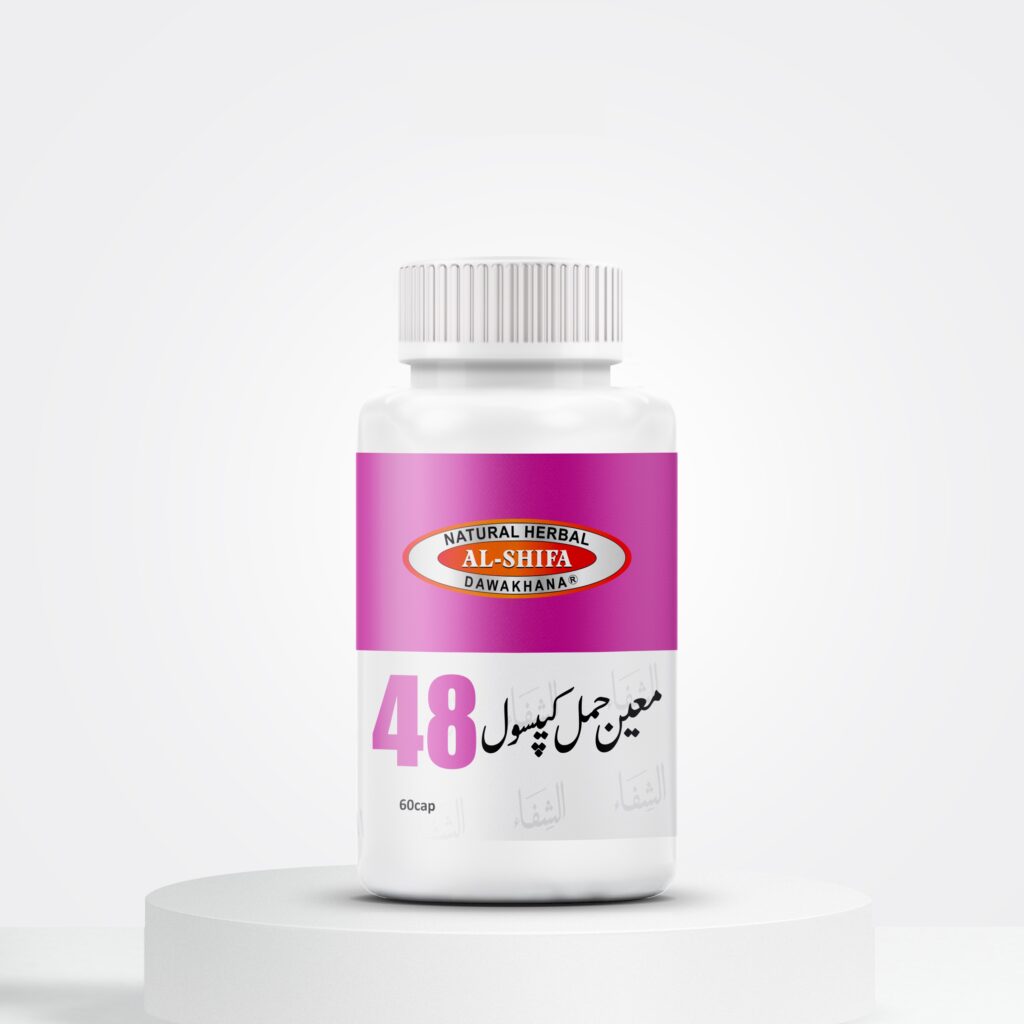
Al Shifa Moin e Hamal Capsules – Herbal Female Fertility, Ovulation & Reproductive Wellness Support
Al Shifa Moin e Hamal Capsules are a traditional Unani herbal formulation developed for women's reproductive wellness, fertility-related concerns, menstrual health, uterine wellness, and overall female vitality. Traditionally associated with concerns involving difficulty conceiving, irregular ovulation, reduced ovarian function, delayed or missed menstrual periods, uterine discomfort, leucorrhea, and general physical weakness. Presented by Al Shifa Natural Herbal Dawakhana.
Key Benefits:
Dosage: 1 capsule in the morning and 1 capsule at night, one hour after meals with water.
Course Duration: 1 Month
Brand: Al Shifa Natural Herbal – Trusted Since 1999
Home Delivery: Available Across Pakistan.
Al Shifa Moin e Hamal Capsules are a traditional herbal formulation developed for women’s reproductive wellness, menstrual health, female vitality, and fertility-related concerns. In traditional Unani practice, the formulation is associated with concerns involving difficulty conceiving, irregular ovulation, reduced ovarian function, menstrual irregularities, uterine discomfort, and general reproductive weakness.
Presented by Al Shifa Natural Herbal, Moin e Hamal Capsules draw on 25 years of practical experience in traditional herbal and Unani care.
The formulation focuses on female fertility wellness, ovulation-related concerns, irregular menstrual cycles, reproductive health, uterine wellness, leucorrhea concerns, and overall female vitality.
Traditionally used in Unani medicine for women’s reproductive health and concerns involving difficulty becoming pregnant.
Traditionally associated with fertility-related concerns in women who experience difficulty achieving pregnancy.
Focused on women’s reproductive concerns involving irregular ovulation or the absence of normal egg release.
Traditionally associated with reproductive wellness concerns involving reduced ovarian activity and irregular menstrual function.
Traditionally valued for women’s menstrual wellbeing and concerns involving irregular or unpredictable monthly periods.
Focused on reproductive wellness concerns involving delayed menstruation, missed periods, and changes in menstrual timing.
Traditionally associated with women’s uterine health, reproductive comfort, and general reproductive wellbeing.
Focused on traditional reproductive wellness concerns involving uterine discomfort. Suspected uterine inflammation or infection requires medical diagnosis and appropriate treatment.
Traditionally associated with women’s intimate wellness and concerns involving excessive vaginal discharge.
Traditionally valued for women’s reproductive wellbeing during hormonal and menstrual changes.
Focused on women’s general reproductive wellness and physical vitality.
Traditionally associated with general body weakness, tiredness, and reduced physical stamina.
Traditionally valued for general physical wellness concerns involving lower backache and muscular fatigue.
Focused on tiredness and reduced physical comfort associated with menstrual health concerns.
A traditional herbal formulation intended for women’s reproductive wellbeing, physical strength, and general female vitality.
Female fertility refers to the biological ability to conceive and achieve pregnancy.
Pregnancy depends on several coordinated reproductive processes, including ovulation, fertilization, fallopian tube function, and implantation within the uterus.
Difficulties involving any of these processes may affect the likelihood of pregnancy.
Female infertility refers to difficulty achieving pregnancy because of factors affecting the female reproductive system.
Infertility is generally evaluated when pregnancy has not occurred after 12 months of regular unprotected intercourse, or after 6 months when the woman is aged 35 or older.
Earlier assessment may be appropriate when menstrual periods are absent, reproductive conditions are known, or other significant concerns exist.
Infertility may involve female factors, male factors, both partners, or unexplained causes.
Primary infertility refers to difficulty achieving a first pregnancy.
Secondary infertility refers to difficulty becoming pregnant after a previous pregnancy.
Both conditions may involve hormonal, anatomical, reproductive, or male-factor causes.
Ovulation is the process through which an ovary releases an egg during the menstrual cycle.
The released egg enters the fallopian tube, where fertilization may occur if sperm are present.
Ovulation is an important part of natural conception.
Irregular ovulation occurs when eggs are released unpredictably or less frequently than expected.
Anovulation refers to a menstrual cycle in which an egg is not released.
Women with anovulation may experience irregular periods, absent periods, or occasionally bleeding that appears relatively regular.
Ovulation can be assessed using medical history, hormone testing, ultrasound, and other appropriate investigations.
Ovarian reserve refers to the remaining quantity of eggs in the ovaries.
Egg quantity and quality change naturally with age.
Low ovarian reserve is different from anovulation, and a low AMH result alone does not determine whether natural pregnancy is possible.
Herbal formulation has been established to restore depleted egg numbers.
The menstrual cycle is controlled by hormonal changes involving the brain, ovaries, and uterus.
Menstrual irregularities may affect the predictability of ovulation and the timing of conception.
Menstrual bleeding does not have to last five to eight days to be normal. Bleeding lasting approximately two to seven days can fall within the normal range.
Amenorrhea refers to the absence of menstrual periods.
When menstruation has not begun by the expected age.
When menstrual periods stop after previously occurring.
The uterus plays an essential role in implantation, fetal development, and pregnancy.
Certain uterine conditions may affect conception or pregnancy outcomes.
Inflammation involving the uterus or reproductive tract may occur because of infection or other medical conditions.
Endometriosis is a condition in which tissue similar to the uterine lining grows outside the uterus.
Endometriosis may affect fertility through inflammation, adhesions, or changes involving reproductive structures.
The fallopian tubes provide the pathway through which eggs travel from the ovaries toward the uterus.
Fertilization usually occurs within a fallopian tube.
Blocked fallopian tubes may interfere with fertilization or increase the risk of ectopic pregnancy.
Ovarian cysts are fluid-filled sacs that develop in or on an ovary.
Many ovarian cysts are harmless and resolve without treatment.
Not every ovarian cyst causes infertility.
PCOS is a hormonal condition that may affect ovulation and menstrual regularity.
PCOS is a common cause of ovulatory infertility, and treatment depends on individual circumstances.
Female reproductive function involves several hormones working together.
Fertilization occurs when a sperm successfully combines with an egg.
The fertilized egg then begins dividing as it travels toward the uterus.
Successful implantation depends on embryo development and a receptive uterine environment.
Recurrent pregnancy loss refers to repeated pregnancy losses and requires individualized medical evaluation.
Pregnancy loss is not automatically caused by uterine weakness or vaginal discharge.
Al Shifa Moin e Hamal Capsules have not been established as a treatment to prevent miscarriage or maintain pregnancy.
Leucorrhea, commonly called Likoria, refers to vaginal discharge that may be normal or abnormal depending on its characteristics.
Normal vaginal discharge does not cause infertility.
However, certain untreated reproductive tract infections may affect the cervix, uterus, or fallopian tubes and can interfere with fertility.
Women experiencing menstrual or reproductive concerns may also report physical discomfort.
These symptoms may arise from several causes and should not automatically be attributed to infertility.
Adequate nutrition is important for general health and reproductive wellbeing.
Women planning pregnancy are generally advised to obtain adequate folic acid before conception.
Both very low and very high body weight may affect hormonal function and ovulation.
Maintaining a suitable body weight may support reproductive health.
Infertility may involve the male partner, the female partner, or both.
Male reproductive factors are an important part of fertility assessment.
Semen analysis should be interpreted using current laboratory reference standards rather than outdated fixed values.
Oligozoospermia refers to a lower-than-expected sperm concentration.
Azoospermia refers to the absence of sperm in the ejaculate.
It may occur because of sperm production problems or reproductive tract obstruction.
Appropriate specialist evaluation is important.
Sperm motility describes how sperm move.
Sperm morphology describes sperm shape and structure.
Both are considered during fertility assessment, together with sperm concentration and other findings.
The fertile window refers to the days during which intercourse is most likely to result in pregnancy.
It generally includes the five days before ovulation and the day of ovulation.
Not every woman experiences noticeable ovulation symptoms.
Intercourse every one to two days during the fertile window can help maximize the likelihood of conception.
Long periods of abstinence are not generally necessary, and remaining in a particular position after intercourse has not been shown to improve pregnancy rates.
In traditional Unani medicine, women’s fertility and reproductive wellbeing are discussed in connection with menstrual regularity, ovulation, uterine health, and general physical vitality.
Traditional Unani formulations have historically been used for concerns involving difficulty conceiving, irregular menstrual cycles, reproductive weakness, and women’s overall wellbeing.
Al Shifa Moin e Hamal Capsules are presented within this traditional herbal wellness approach.
Include vegetables, fruits, whole grains, protein sources, and nutrient-rich foods.
Women planning pregnancy should obtain appropriate folic acid according to medical guidance.
Avoid extreme dieting and work toward a healthy, sustainable body weight.
Tracking menstrual periods may help identify cycle patterns and possible ovulation timing.
Knowing the approximate timing of ovulation may help couples plan intercourse.
Moderate exercise supports general health and wellbeing.
Smoking and certain substances may negatively affect reproductive health.
Healthy preconception habits are important for both partners.
Persistent abnormal vaginal discharge, pelvic pain, or other infection symptoms require appropriate medical evaluation.
Adequate sleep and stress management support overall wellbeing.
Fertility assessment should consider both male and female reproductive factors.
Women experiencing absent periods, known reproductive disorders, repeated pregnancy losses, or persistent difficulty conceiving should obtain individualized medical care.
Al Shifa Natural Herbal – Trusted Since 1999
Al Shifa Moin e Hamal Capsules are part of our traditional herbal product range, developed for women interested in reproductive wellness, menstrual health, and general female vitality.
Product Name: Al Shifa Moin e Hamal Capsules
Alternative English Name: Al Shifa Female Fertility Wellness Capsules
Product Category: Traditional Herbal Female Fertility, Ovulation & Reproductive Wellness Support
Product Form: Capsules
Formulation Type: Traditional Herbal Formula
Traditional Wellness Focus: Female Fertility Wellness, Difficulty Conceiving, Ovulation-Related Concerns, Irregular Menstrual Cycles, Uterine Wellness, Leucorrhea Concerns, General Physical Weakness & Female Vitality
Dosage: 1 Capsule in the Morning and 1 Capsule at Night, One Hour After Meals With Water
Course Duration: 1 Month
Brand: Al Shifa Natural Herbal
Brand Heritage: Trusted Since 1999
Home Delivery: Available Across Pakistan
Al Shifa Natural Herbal Dawakhana.
الشفاء، معین حمل کیپسول۔
Al Shifa, Moin e Hamal Capsules.
فوائد : معین حمل کیپسول، حمل کی تکمیل نہ پانا بچہ دانی کی سوزش، انڈوں کا نہ ہونا یا کم ہونا اس کے لیے کامیاب دواء۔
مقدارخوراک : ایک کیپسول صبح ایک کیپسول رات کھانے کے ایک گھنٹہ بعد پانی کیساتھ استعمال کریں۔
دواء برائے ایک ماہ۔
ہوم ڈلیوری آل پاکستان
مشورہ کیلئے رابطہ کر سکتے ہیں۔
حمل کی تکمیل نہ پانا بچہ دانی کی سوزش، انڈوں کا نہ ہونا یاں کم ہونا، اسکے ساتھ لیکوریا کی شکایت ہونا، خواتین کے حمل ٹھرانے کیلئے سو فیصد کامیاب دوا ہے، ہزاروں خواتین اس دوا کے استعمال سے شفاء پا چُکی ہیں خواتین میں بے اولادی کی ایک بڑی وجہ حیض کی بندش بھی ہے۔ مخصوص ایام میں دو یا تین دن بلیڈنگ ہونے کے بعد خون بند ہوجاتا ہے، یا پھر مہینوں غائب رہتا ہے۔ حالانکہ نارمل پیریڈز پانچ سے آٹھ دن تک ہونے چاہئیں۔
یہ مرض ایک لمبا عرصہ مسلسل لیکوریا رہنے کی وجہ سے ہوجاتا ہے۔ بعض اوقات دماغی پریشانی کی وجہ سے بھی ڈس مینوریا کا یہ مسلہ پیدا ہوجاتا ہے، مسلسل لیکوریا ہونے کی وجہ سے اعضائے رئیسہ پہ بہت اثر پڑتا ہے اور دل دماغ جگر گردے و اعصاب سبھی کمزور ہوجاتے ہیں۔
ایسی خواتین کمردر، سردرد جسم میں سستی، موٹاپا، خون کی کمی، لو بلڈپر یشر، لیکن دوران حمل بلڈپریشر چھ ماہ تک مسلسل ہائی رہتا ہے۔ اور یہ گردوں کی کمزوری کی وجہ سے ہوجاتا ہے بعض اوقات ہائی بلڈپریشر کی وجہ سے گردے فیل بھی ہوجاتے ہیں ایسی خواتین میں اکثریت کا حمل تین سے چار ماہ میں گرجاتا ہے اور صفائی کرانی پڑتی ہے۔
بانجھ پن مردانہ و زنانہ معلومات وجوہات
بچہ پیدا کرنے کی صلاحیت میں کمی یا بچہ پیدا کرنے کی صلاحیت کا نہ ہونا، بانجھ پن کی تعریف اس طرح کی جاتی ہے کہ ایک سال کے عرصے تک نارمل مباشرت ہوتے رہنے کے باوجود اور مانع حمل ادویات استعمال کئے بغیرحمل قرار نہ پانا ہے۔
بانجھ پن کا شکار مرد بھی ہو سکتا ہے اور عورت بھی اس مرض میں مبتلا ہو سکتی ہے۔ بانجھ پن ابتدائی اور ثانوی دو طرح کا ہوتاہے۔ ابتدائی بانجھ پن (پرائمری انفرٹیلیٹی) سے مراد وہ مریض ہیں جن میں پہلے کبھی حمل نہیں ہوا اور ثانوی بانجھ پن (سیکنڈری انفرٹیلیٹی) سے مراد وہ مریض جن کے ہاں پہلے حمل واقع ہو چکا ہو جبکہ ایک اور اصطلاح سٹرلٹی (سٹرلٹی) سے مراد بچہ پیدا کرنے کی صلاحیت کا مرد یا عورت میں مکمل طور پر ختم ہو جانا ہے۔
ماضی میں بانجھ پن کے شکار جوڑوں میں بچہ پیدا ہونے کی صلاحیت کم ہوتی تھی مگر آج جدید دور میں مناسب تشخیص اور علاج سے 85 فیصد جوڑے بچہ پیدا ہونے کی اُمید کرسکتے ہیں۔ بانچھ پن میں مبتلا جوڑوں کو بہت زیادہ پریشانی اور دباؤ کا سامنا کرنا پڑتا ہے۔
عورت کے لیے تو بانجھ پن گالی بن جاتی ہے۔ ایسے جوڑے جن کے ہاں بچہ پیدا نہ ہوا ہوسارے کا سارا قصور عورت کا ہی بن جاتا ہے اور بچہ نہ پیدا کرنے پر طعنے ملتے رہتے ہیں اور لعنت ملامت ہوتی رہتی ہے۔ حالانکہ بانجھ پن کا شکار مرد بھی ہو سکتے ہیں۔ بانجھ پن کی 40 فیصد وجوہات مردوں میں پائی جاتی ہیں اور آج کل تو بہت جلد اس کی تشخیص ہو سکتی ہے کہ بانجھ پن کا شکار کو ن ہے مرد یا عورت۔
حمل کے لیے شرائط
Conditions For Pregnancy.
مرد اور عورت دونوں کا تندرست ہونا بہت ضروری ہے۔ مرد کو سرعت انزال اور ضعف باہ کا مریض نہیں ہونا چاہئے۔ مرد کی طرف سے اس کے مادہ منویہ (سمن) نارمل اور مناسب جرثومہ کم منویہ (سپرمیٹوزون) پیدا ہونے کی ضرورت ہوتی ہے۔
سپرم کی صورت حال کچھ اس طرح سے ہونی چاہئے کم ازکم 72 گھنٹے کے پرہیز کے بعد مرد میں (حاصل ہونے والے) مادہ منویہ کا تجزیہ کرنے پر مادہ منویہ کی مقدار 1.5 ملی لیٹر سے 5ملی لٹر تک، ایک 1ملی لٹر مادہ منویہ میں 20ملین یا اس سے زائد سپرم 50سے 60فیصد تک حرکت کرنے والے (موٹیلیٹی) اور 60 فیصد سے زائد نارمل شکل و صورت والے سپرم ہونے چاہئیں مر د کو سپرم کی تعداد میں کمی (الیگواسپرمیا) یعنی سپرم کی تعداد کا ایک ملی لیٹر میں 20ملین سے کم ہونا یا مادہ منویہ میں سپرم کا موجود نہ ہونا (ازوسپرمیا) کا مریض نہیں ہونا چاہئیے۔
عورت کو بھی صحت مند اور توانا ہونا چاہئیے عورت کو ورم رحم، سیلان الرحم، ماہواری کی بے قاعدگی، ہارمونز کے توازن میں خرابی، ماہواری یا حیض کی بندش، یا حیض کی تنگی وغیرہ کا شکار نہ ہونا چاہئیے۔عورت کی طرف سے اس کی میض یا اووری (اووری) سے ایک مکمل نمو یافتہ اور صحت مند بیضہ (انڈے) پیدا ہو کر اسے قاذف نالی (یوٹیرن ٹیوب) میں پہنچنے کی ضرورت ہوتی ہے۔
عورت میں بیضہ خارج ہونے کے عمل کو عمل تبویض (اولیشن) کہتے ہیں۔ہر ماہ بیضہ ایک یا دوسری اووری سے خارج ہو کر قاذف نالیوں (فیلوپین ٹیوب) میں پہنچتا ہے۔ بیضہ خارج ہونے پر عورت کچھ اس طرح کے احساسات کا تجربہ کرتی ہے۔ جسم کادرجہ حرارت (ون،زیرو،ایف) تک بڑھ جاتا ہے۔
اگر حمل قرار نہ پائے تو ماہواری آنے تک 13سے 14دن تک بڑھتا رہتا ہے۔ چھاتیوں میں بھراؤ اور وزنی پن محسوس کرتی ہے۔ مہبلی (وجائنل) رطوبت کم ہوجاتی ہیں۔ معمولی سا محیطی اوڈیما (پری فیرل اوڈیما) جسکے ساتھ وزن میں معمولی سا اضافہ محسوس ہوتا ہے۔
ایسی علامات ان عورتوں میں نہیں پائی جاتی جوبیضہ خارج نہیں کرتی ہیں۔ بیضہ خارج ہونے پر عورت کے رحم کے منہ میں لگے ہونے بلغم کا پلگ پروجیسٹرون (پروجیسٹرون) ہارمون کے اثر سے چمکدار اور نرم مخاط میں تبدیل ہوجاتا ہے۔
ایسا ہو نا ضروری ہوتا ہے تاکہ سپرم آسانی سے رحم کے منہ میں داخل ہو سکے۔ حمل ہونے کے لیے یہ ضروری ہے کہ صحبت اس وقت کی جائے جب بیضہ خارج ہو چکا ہو پھر سپرم اور بیضہ کا کامیابی سے ملاپ ہونا چاہئیے اور سپرم کو اس قابل ہو نا چاہئے کہ وہ بیضہ کی بیرونی جھلی کو اپنے خامروں سے توڑ کر بیضہ میں داخل ہو سکے جب بیضہ بار آور (فرٹلائز) ہو چکا ہو تو اسی دوران نسوانی جنسی ہارمونز(ایسٹروجن)اور پروجیسٹرون کے زیر اثر رحم کی اندرونی جھلی بطانہ رحم (اینڈومیٹریوم) کی لائنگ مکمل ہو چکی ہو۔
تاکہ بار آور بیضہ رحم میں پہنچ کر آسانی سے دھنس (امپلانٹ) ہو سکے اور یہاں تقریباف 9ماہ اور دس دن اپنی نشوونما جاری رکھے بیضہ کا رحم کے اندر صحیح طرح امپلانٹ نہ ہونے سے ضائع ہو جاتے ہیں۔ اب بانجھ پن کے اسباب کی طرف آتے ہیں۔ بانجھ پن کے مردوں اور عورتوں میں علیحدہ علیحدہ اسباب ہوتے ہیں۔
عورتوں میں بانجھ پن کے اسباب
Causes of Infertility in Females.
عورتوں میں 60 فیصد اسباب بانجھ پن کا سبب بنتے ہیں۔ جس میں سے 30 فیصد اسباب عمل تبویض نہ ہونا یعنی بیضہ خارج نہ ہونا (انویلیشن) اور 30فیصد عورت کے تو لیدی اعضاء کی ساختی، تشریحی خرابیاں (اناٹومیک ڈیفیکٹس) شامل ہیں۔ بیضہ کی خارج ہونے کی سب سے عام وجہ پیچوٹری گلینڈ (پیچوٹری گلینڈ) کے اگلے حصے (اڈینو ہائپوفائسس) سے گونیڈوٹرافک ( گونیڈوٹرافک) ہارمونز کا کم خارج ہونا ہے۔
ایسی ماہواری جس میں بیضہ نہ ہو (انووولیٹری سائیکل) کی شناخت عورت میں پیشاب میں (پریگنیڈیول) کی شناخت سے ہوسکتی ہے۔ جو کہ پروجیسٹرون میٹا بولزم کی پیدا وارہوتی ہے۔ عام طور پر بیضہ خارج ہو نے کے وقت عورت کے خون میں پروجیسٹرون کے ارتکاز میں اضافہ ہو جاتا ہے۔
حیضی دور کے بعد کے حصے میں پیشاب میں پریگنے نی ڈول کا اضافہ نہ ہونا بیضہ خارج نہ ہونے کو ظاہر کرتا ہے۔ اس کے بعد زنانہ بانچھ پن کی ایک اور عام وجہ ورم درون رحم (اینڈومیٹریوسس) ہے اور اس کے بعد پیدا ہونے والی تبدیلیاں عورت کے تولیدی اعضاء کی تشریحی ساخت میں خرابی پیدا کرتی ہیں۔
اینڈومیٹری اوسس میں رحم کے اندر کی طرح کی ساخت جہاں سے حیض خارج ہوتا ہے رحم کے باہر پیٹرو میں بھی پیدا ہو جاتی ہے۔ حیض کے دوران رحم کی اندرونی اینڈومیٹریم کے چھوٹے چھوٹے ٹکڑے قاذف نالیوں سے گذر کر پیٹرومیں آسکتے ہیں۔ پیٹرو میں اس ساخت پر نسوانی جنسی ہارمونز کے وہی اثرات ہوتے ہیں۔
جو رحم کی اندر کی ساخت پر ہوتے۔ رحم میں تو حیض جاری ہو نے کا ایک قدرتی راستہ ہوتا ہے مگرپیٹرو میں چونکہ خون خارج ہونے کا کوئی راستہ نہیں ہوتا اس لئے خون اندرہی جمع ہوتا رہتا ہے۔ پیٹرو میں جریان خون درد کا سبب بنتا ہے اس سے پیٹرو کے اعضاء میں لیفی ساخت (فائبروسس) بننے کو تحریک ملتی ہے۔
اور یہ اوریزکا مکمل (انکیس) بندکرتا ہے اور بیضہ خارج نہیں ہونے دیتا اینڈو میٹری اوسس کے نتیجے میں پیٹرو کے اعضاء میں باہمی چپکاؤ (آڈیشن) واقع ہو جاتا ہے اور قاذف نالیاں بند ہو جاتی ہیں۔ بعض عورتوں میں کسی پیلوک انفلے میٹری ڈزیز (پی آئی ڈی) یا سوزاک وغیرہ کے نتیجے میں قاذف نالیاں بند ہو جاتی ہیں۔
انفکشن رحم کے منہ میں لگے ہوئے لیسدار بلغم کی پیدائش کو بھی تحریک دیتا ہے جس کے نتیجے میں سپرم رحم کے منہ میں داخل نہیں ہو پاتے یہ بھی قابل غور بات ہے کہ بہت زیادہ کم عمر اور بہت زیادہ عمر والی خواتین میں بھی حمل قرار نہیں پاتا اگر ویجائنہ کی پی ایچ (پی ایچ) بہت کم ہو تو بھی سپرم ایسے ماحول میں زندہ نہیں رہ پاتے اور حمل قرار نہیں پاتا اسکے علاوہ ایسی کریمیں، جیلی اور لبریکنٹس جو سپرم کو ہلاک کردیں۔
ورم رحم (میٹرائٹس) یا رحم کی لیفی رسولیاں (فائبرائڈز) کی موجودگی مبیضی کیسے (اوویرین سسٹ) کی وجہ سے ایک یا دونوں اووریز متاثر ہو سکتی ہیں۔ جس کی وجہ سے وہ ہارمونز کا توازن برقرار نہیں رکھ پاتی جو کہ ایک فولیکل کے میچور ہونے اور رحم کی اندرونی لائنگ کے لیے ضروری ہوتے ہیں اور ایک متاثرہ اووری ایک صحت مند بیضے کو قاذف نالی میں خارج کرنے میں ناکام رہتی ہے۔
اسکے علاوہ دباؤ (سٹریس) غذا کی کمی ،وزن کی کمی، وزن کی زیادتی کی وجہ سے ہارمونز کا توازن قائم نہیں رہتا جس سے رحم کی اندرونی لائنگ اور فم رحم کی بلغم متاثر ہوتی ہے۔ مانع حمل (کونٹرسپٹوس) بھی ہارمون کے قدرتی توازن کو غیر متوازن کردیتی ہیں۔ اور ماہواری کو بے قاعدہ کردیتی ہیں۔ ان ادویات کو چھوڑنے کے کافی عرصے بعد تک بھی ماہواری بے قاعدہ رہ سکتی ہے۔
انٹرایوٹرائن ڈیواسز (آئی یو ڈی) رحم اور قاذف نالیوں میں سوزش اور سیلان الرحم کا سبب بنتی ہیں۔ جسکے نتیجے میں ورم کے ٹھیک ہونے کے بعد سکارنگ (سکارنگ) کی وجہ سے نالیاں بند ہوسکتی ہیں۔سگریٹ نوشی بھی تولیدی نظام کے نارمل فعل کو خراب کر سکتی ہے اس سے تولیدی اعضاء میں خون کی سپلائی کی کمی اور قاذف نالیوں کے اندر لگے ہوئے بال نما ابھار (سیلیا) کی حرکت متاثر ہوتی ہے ان بال نما ابھاروں کی حرکت سے بیضہ کو قاذف نالیوں میں حرکت کرنے اور آگے جانے میں مدد ملتی ہے۔
بواسیر الرحم (پولپس) یاکسی جراحی کے نتیجے میں رحم کی خرابی، رحم نہ ہونا، رحم کا میلان خلفی (ریٹوورشن) بھی بانچھ کا سبب بنتے ہیں۔ کیفین کا لگا تار استعمال تھائرائیڈ گلینڈ کے فعل میں کمی غذائی اجزاء مثلاً وٹامن بی 12، ای، اے، بی 2، بی 6 (زنک) فولک ایسڈ ضروری امینوترشے میگنیشیم کی کمی جو فرٹیلٹی کے لیے ضروری ہیں۔
دباؤ نہ صرف ہارمونز کے توازن کو خراب کرتا ہے بلکہ قاذف نالیوں کے سکڑنے کا سبب بھی بنتا ہے جس سے بیضے کو ان نالیوں سے گذرنے میں رکاوٹ پیدا ہوتی ہے اور پیٹرو میں خون کی سپلائی کی وجہ سے رحم کی اندرونی لائنگ بھی متاثر ہوتی ہے اور وجائنہ کے سکڑنے سے سیکس کاعمل بھی متاثر ہوتا ہے۔
مردوں میں بانجھ پن کے اسباب
Causes of Infertility in Males.
مردوں میں تولیدمادہ منویہ کے مسائل 40 فیصد سے زائد بانجھ پن کی وجوہات کا سبب بنتے ہیں سپرمیٹوجینیسز سپرم بننے یا سپرم کی نشوونما کو کہتے ہیں۔ عورتوں کے بیضہ (اووم، انڈہ، بیضہ دانی) سے بالکل مختلف جو کہ ہر ماہ عورتوں میں وقفے سے اووریز سے خارج ہوتا رہتا ہے۔
سپرم خصیوں کی بشرہ جرثومیہ (جرمنل ایپیتھیلیل) سے لگاتار تیار ہوتے رہتے ہیں۔ جرمینل ایپی تھیلیل سے سپرم اغدیدیوس (ایپیڈرمس) میں خارج کرد ئیے جاتے ہیں جہاں پر انزال سے پہلے سپرم میں میچوریشن ہوتی ہے ۔ سپرم کی نسل تیار ہو نے میں تقریباً 73دن لگتے ہیں۔ اس لیے سپرم کی ابنارمل تعداد ان واقعات کاریفلیکشن ہوتی ہے۔
جو سپرم اکھٹا کرنے سے پہلے 73دن میں واقع ہوتے ہوں۔سپرم کی پیداوار میں تبدیلی کا مشاہدہ کرنے کے لیے کم از کم 73دن کی ضرورت ہوتی ہے۔ سپرم کی پیداوار تھرموریگولیٹڈ (تھرمورگولیٹڈ) ہے یعنی حرارت سے کنٹرول ہوتی ہے ۔خصیوں کے اندر حرارت خصیوں کی تھیلی صفن (سکروٹم) کے پھیلنے اور سکڑنے سے کنٹرول ہوتی ہے۔
سپرم کی پیدائش تقریباً (1،او، ایف) پر ہوتی ہے۔خصیوں کے لیے بیرونی حرارتی صدمہ سپرم کی پیدائش میں کمی کا سبب بن سکتا ہے مثلا بہت زیادہ گرم ہاتھ خصیوں کے اوپر بڑی دیر تک بیٹھے رہنا جس سے حرارت وہاں جمع ہوتی ہے۔ اور منتشر نہیں ہوتی ٹائٹ زیر جامہ پہننا جس سے خصیوں کی حرارت بڑھ جائے خصیے زیادہ دیر تک سامنے پیٹرو کی طرف رہیں۔
خصیوں کو پہنچنے والے صدمے (انفکشن ورم خصیہ ارکائٹس) کن پیڑے (ممپس) ورم البربخ (ایپیڈائڈیمائٹس) خفاء الخصتین (کریپٹوزوک) یعنی پیدائشی طور پر یہ خصیوں کا پیٹ میں رہ جانا دوالی الصفن (ویری کلرڈ کیمیکلز) سے ایکسپوز ہونا، ہارمون کے توازن میں خرابی، تیز بخار کیفین بھنگ (ماری جوانا) الکوحل کا استعمال وغیرہ وزن بہت زیادہ ہونا بہت کم ہونا۔ ماحولیاتی فیکٹرز (اثرات) ریڈی ایشن پوائزنگ سے خصیے فیل ہوجاتے ہیں۔
سیسہ اور کیڈ میم پوائزنگ کیمو تھراپی ادویات کا استعمال اینا بولک سٹیرائیڈز، سمی ٹی ڈین، سپائیر ونو لیکٹون سے سپرمیٹو جینیسز کاعمل متاثر ہوتا ہے۔ فینی ٹوئن ایف ایس ایچ ہارمون کا درجہ کم کرتی ہے۔ سلفاسیلازین اور نائیٹرو فیورنٹوئن سے سپرم کی حرکت متاثر ہوتی ہے۔ کسی جراہی ہرنیا وغیرہ کے اپریشن کے بعد خصیوں میں خون کی سپلائی کی خرابی صحبت کے وقت لبریکنٹس کا استعمال سے سپرم ہلا ک ہوجاتے ہیں۔
جس طرح عورتوں میں اووریز کے کیسے جہاں سے بیضہ خارج ہوتا ہے ایف ایس ایچ اور ایل ایچ ہارمونز کو رسپونڈ کرتے ہیں اسی طرح مردوں میں خلیات (لیڈنگ سیلس) اور خصیوں کی جرمینل ایپی تھلیل بھی (گوناڈوٹروفنز) کی تحریک کو رسپونڈ کرتے ہیں بعض مردوں میں جرمینل ایپی تھلیل میں فائبروسس ہوجاتا ہے اور سپرم کی پیداوار متاثر ہوتی ہے۔ اور بعض مردوں میں (لیڈنگ) خلیات سے ہارمون ٹسٹوسٹی ران کی تراوش کم ہوجاتی ہے۔ جس سے بھی سپرم بننے کا عمل متاثر ہوتا ہے۔
اولیگو سپر میا کے مریضوں میں گو نیڈوٹروفن کی پیمائش ہونی چا ہیئے۔ تاکہ خصیوں کے فیل ہونے کا پتہ چلایا جاسکے۔خصیوں کے ناکام ہونے میں شکوک و شبہات خصیوں کی بائی اوپسی ( بائیوپسی) سے دور ہوسکتے ہیں۔ غدہ قدامیہ کی سوزش ماد منویہ کو خصیوں سے لانے والی نالیوں میں رکاوٹ ،پس خرام (ریٹروگریڈ) انزال جس میں مادہ منویہ پیچھے کی طرف مثانے میں خارج ہوجائے بھی مردانہ بانچھ پن کا سبب بنتے ہیں۔
مرد اور عورت دونوں اینٹی سپرم اینٹی باڈیز پیدا کرتے ہیں اگر عورت اینٹی سپرم اینٹی باڈیز پیدا کرے تو سپرم فم رحم کی بلغم میں بے حرکت ہو جاتے ہیں اگر مرد اینٹی سپرم اینٹی باڈیز پیدا کرے جو کہ 3سے 20فیصد بانچھ پن کا شکار مرد کرتے ہیں تو سپرم اکٹھے (ایگلوٹینیٹ) ہوجاتے ہیں اور فم رحم کی بلغم میں داخل نہیں ہو پاتے ناکام ہوجاتے ہیں اینٹی سپرم اینٹی باڈیز کی تشخیص سپرم کے تجزئیے کے ایک حصے کے طور پر دونوں پارٹنرز کے امنیاتی (امیونولوجک) مطالعے سے ہو سکتی ہے۔
مردوں میں ابھی تک اینٹی سپرم اینٹی باڈیز کا کوئی موثر علاج نہیں ہے اس کے علاج میں سپرم کو بلاواسطہ فم رحم یا رحم میں داخل کیا جاتا ہے۔ مردوں میں بھی دباؤ (سٹریس) کے نتیجے میں تولیدی اعضاء میں خون کی سپلائی متاثر ہوتی ہے ۔جس میں نارمل جنسی فعل میں کمی اور جنسی پرفارمنس ٹھیک نہیں رہتی ۔
چند جوڑوں میں ان کے بانجھ پن کے لیے کوئی بھی حیاتیاتی تشریح نہیں طبیبوں کو مریضوں کے وزن اور لائف سٹائل کو ضرور مدِنظر رکھنا چاہیے۔اور مردوں اور عورتوں میں کاز تلاش کرکے علاج کرنا چاہئیے۔
غذائی تد بیریں
DIET PLANS.
وجائنہ اور فم رحم کی پی ایچ کو نارمل رکھنے کے لیے کھاری (الکلائن) غذاؤں کا مناسب استعمال کرنا چاہئے۔
وجائنہ میں تیزابیت کی زیادتی سپرم کو ہلاک کردیتی ہے۔
زیادہ تر خوراکیں مثلا پھل، سبزیاں، دودھ وغیرہ الکلائن ہیں۔
گوشت، مچھلی تما م اناج پنیر انڈے بیج وغیرہ تیزابی ہیں چائے، کافی اور الکوحل سارے نظام کو تیزابی کرتے ہیں۔ اپنے وزن کو مناسب رکھنے کی کوشش کریں۔ بہت زیادہ ورزش اور ڈائٹنگ سے وزن کم ہوجاتا ہے اورعمل تبویض رُک سکتی ہے۔
ضروری امنیو ترشوں پر مبنی اغذیہ کا استعمال کریں۔غیر ریفائنڈ سبزیاں، بیجوں کا تیل میوے (نٹس) بیج، پھلیاں، مٹر، چربیلی مچھلی ایوننگ پرائمروز آئل، السی کا تیل، تخم گاؤزبان کا تیل وغیرہ اسکے اچھے ذرائع ہیں۔ وٹامن ای (ای) جو کہ فرٹیلی کے لیے بہت ضروری ہے اسلئے ایسی غذائیں کھائیں جو وٹامن ای مہیا کریں۔
نٹس، بیج دودھ اور دودھ وغیرہ کی مصنوعات، چنوں وغیرہ میں وٹامن ای (ای) موجود ہوتا ہے، اسکے علاوہ اناج، چنے، سبز پتوں والی سبزیاں، سویابین وغیرہ میں وٹامن ای موجود ہوتا ہے۔ اسی طرح پروٹین پر مشتمل اغذیہ، وٹامن اے، سی اور وٹامن بی نمکیات خاص طور پر زنک، آئرن، میگنیشیئم وغیرہ کا استعمال کریں۔
کافی اور الکوحل جو کہ مذکورہ غذائی اجزاء کے فوڈ سپلیمنٹ بھی استعمال کئے جاسکتے ہیں۔غیر ضروری ادویات جیسے بھنگ (ماری جوانا) جو کہ سپرم کی تعداد کم کرنے والی جانی جاتی ہے سے پرہیز کریں۔
چر بیلی اغذیہ، الکوحل، تمباکو نوشی، نشہ آور ادویات وغیرہ سے پرہیز کریں۔ مراقبہ (میڈیٹیشن) مشاورت، نفسیاتی طریقہ علاج او ر سکون پہنچانے والی ورزشیں، یوگا، ہیپنوتھراپی سے فائدہ ہوسکتا ہے۔
ٹھنڈے غسل سپرم کی کم پیداوار میں مدد گار ہو سکتے ہیں مگر عورتوں میں حیض کی پرابلمز پیدا کر سکتے ہیں واضح طور پر حمل ہونے کا وقت عمل تبویض کے قریب ہوتا ہے اس ہفتے میں صرف 2یا 3 دفعہ پیار کریں زیادتی سے قوت میں کمی اور سپرم کی تعداد میں کمی ہوجاتی ہے۔
عام طور پر کوشش کریں کہ عمل تبویض (اوولیشن) تک پرہیز رہے اس سے نہ صرف انرجی میں اضافہ ہوتا ہے بلکہ سپرم کی تعداد میں بھی اضافہ ہوتا ہے۔ اور عین وقت پر سپرم کے بیضے سے ملنے پر حمل کے چانسز بھی زیادہ ہوتے ہیں۔ مردوں کو اپنے خصیے ٹھنڈے رکھنے چاہئے۔
بانجھ پن سے نمٹنے کے لیے اپنی مدد آپ کیا ہوسکتی ہے۔
مرد اور عورت جس قدر ہو سکے اپنی صحت کو ٹھیک رکھنے کی کوشش کریں۔ پرانے انفکشنز کا مکمل علاج کروانا چاہئے۔ عورتوں کو ورم رحم، سیلان الرحم، حیض کی بندش، حیض کی باقاعدگی وغیرہ کا علاج کروانا چاہیے۔
مردوں کو ان تمام اسباب سے حتی الامکان اپنے آپ کو بچانا چاہئیے جو سپرم بننے کے عمل کو متاثر کرتے ہیں کہ تاکہ سپرم کی تعداد میں اس قدر اضافہ ہو سکے کہ حمل ہو جائے۔ ریگولر ورزش کریں مگر حد سے نہ بڑھیں کہ ہارمونز غیر متوازن ہو جائیں اگر آپ ٹنس، تھکاوٹ محسوس کرتے ہیں۔ اپنے آپ کو بیمار محسوس کرتے ہیں۔ یا یوں سمجھ رہے ہوں کہ آپ کی صحت گر رہی ہے تو اپنے طبیب سے ملیں مرد اورعورتیں بانجھ پن کے اسباب کو سمجھیں اور اسباب سے دور رہیں۔
جہاں تک بانجھ پن کا تعلق دباؤ یا کسی نفسیاتی وجہ سے ہے تو اسکا علاج کروائیں۔ ڈھیلے کپڑے پہنیں ٹائٹ انڈر پینٹ کی نسبت باکسر شورٹس پہنیں گرم باتھ اور برقی کمبل سے پرہیز کریں۔ عورتیں کو اس بات کا یقین کرلینا چاہئے کہ ماہواری ریگولر ہے یعنی ہر ماہ وقت پر آتی ہے تا کہ وہ اپنے مردوں کو بتا سکیں کہ عمل تبویض کب متوقع ہے۔
عام طور پر حیض آنے سے 14 دن پہلے عمل تبویض ہوتا ہے۔ مگر یہ شرط ان عورتوں کے لیے ہے جن کی ماہواری ریگولر ہے اور تقریباًدَور 28 دن کا ہو۔اور عمل تبویض پرصحبت کر کے بہترین نتائج حاصل کئے جاسکتے ہیں۔ جب بیضہ قاذف نالیوں میں آتا ہے تو بیضہ 48 گھنٹوں تک زندہ رہ سکتا ہے اگرچہ حمل ہونے کے زیادہ چانسز پہلے 24 گھنٹوں میں ہوتے ہیں۔
سپرم بیضہ سے زیادہ دیر تک زندہ رہ سکتا ہے۔ مناسب ماحول ملے تو تین تقریبادن تک۔تاہم زیادہ ترسپرم بیضے میں دھنسے اور آسے بار آور کرنے کے قابل صرف پہلے دو دنوں کے درمیان ہوتے ہیں اس دوران کسی بھی وقت بار آور ی ہو سکتی ہے۔۔ سپرم کو اس چیز کی ضرورت ہوتی ہے کہ وہ وجائنہ میں بہت آگے جاکر خارج ہوں اور وہاں کم ازکم 1/2 گھنٹے تک موجود رہیں اس کے لیے قضیب کو وجائنہ میں بہت اندر تک پے نی ٹریٹ کرنا چائیے اور عورتوں کے لیے یہ بہترین ہے کہ بعد صحبت فوراً سیدھا کھڑا ہونے ،چلنے پھرنے ، پانی استعمال کرنے، پیشاب کرنے سے پرہیز کریں۔
بعد صحبت گھٹنے اوپر کر کے اور ٹانگیں اکھٹی کر کے سیدھے۔ لیٹے رہیں یہ سپرم کا ویجائنہ میں سفر شروع کرنے کے لیے ساز گار طریقہ ہے۔
بانچھ پن یا بے اولادی کا طب یونانی یا قدرتی ادویات سے علاج۔