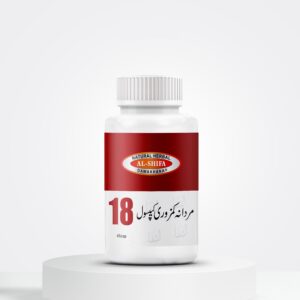

الشفاء قبض کُشاء کیپسول۔
Original price was: ₨ 4,200.₨ 3,400Current price is: ₨ 3,400.

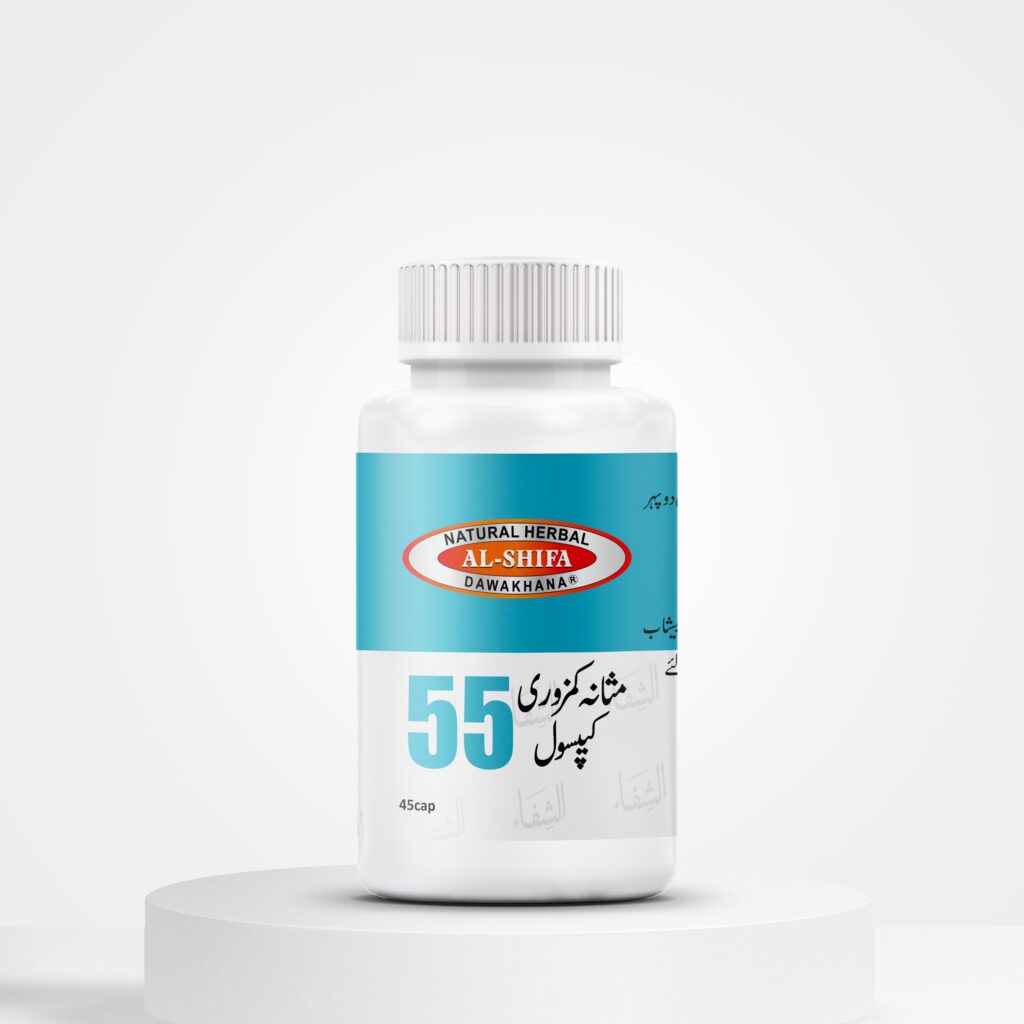
Al Shifa Bladder Weakness Capsules – Herbal Bladder Health, Frequent Urination & Urinary Control Support
Al Shifa Bladder Weakness Capsules are a traditional herbal formulation developed to support bladder health, urinary comfort, normal urine flow, and overall urinary tract wellbeing. Traditionally used for concerns involving frequent urination, burning urination, urine dribbling, weak or split urinary streams, difficulty passing urine, nighttime urination, and incomplete bladder emptying.
Key Benefits:
Dosage: 1 capsule in the morning, 1 capsule in the afternoon, and 1 capsule at night, one hour after meals with water.
Course Duration: 15 Days
Brand: Al Shifa Natural Herbal – Trusted Since 1999
Home Delivery: Available Across Pakistan.
Al Shifa Bladder Weakness Capsules are a traditional herbal formulation developed to support bladder health, urinary comfort, normal urination, and overall urinary tract wellbeing. This formulation is traditionally used for individuals experiencing frequent urination, burning sensations while passing urine, weak urinary flow, urine dribbling, difficulty emptying the bladder, and nighttime urinary discomfort.
Presented by Al Shifa Natural Herbal, Bladder Weakness Capsules draw on 25 years of practical experience in traditional herbal care.
The formulation focuses on bladder weakness, frequent urination, urinary urgency, burning urination, post-urination dribbling, weak or interrupted urine flow, difficulty passing urine, nighttime urination, and incomplete bladder emptying.
Traditionally used for individuals experiencing bladder-related weakness, reduced urinary comfort, and difficulty maintaining normal urination patterns.
The formulation is developed for general bladder wellness and everyday urinary comfort.
Traditionally associated with concerns involving repeated urination throughout the day and difficulty maintaining comfortable intervals between bathroom visits.
Traditionally valued for urinary discomfort involving burning or irritation while passing urine.
Burning urination may also occur with urinary tract infections and other conditions requiring medical evaluation.
Traditionally used for concerns involving urine passing slowly, in small quantities, or drop by drop.
Focused on urinary concerns involving drops of urine leaking after completing urination.
Traditionally associated with concerns involving reduced urine flow, a weak urinary stream, and difficulty passing urine comfortably.
Traditionally used for concerns involving an irregular, divided, or spraying urinary stream.
Focused on concerns involving urinary hesitation and difficulty beginning the flow of urine.
Traditionally associated with difficulty passing urine without applying pressure or physical effort.
Traditionally used for concerns involving the sensation that the bladder has not emptied completely after urination.
Focused on the uncomfortable feeling that a small quantity of urine remains inside the bladder after using the bathroom.
Traditionally associated with concerns involving repeated bathroom visits during the night.
Developed for general urinary wellness concerns that may interfere with comfortable, uninterrupted sleep.
Traditionally valued for urinary flow concerns and general bladder-related discomfort.
A traditional herbal formulation focused on bladder wellness, urinary comfort, normal urination patterns, and everyday urinary wellbeing.
The urinary bladder is a muscular organ responsible for storing urine until it is released through urination.
Normal bladder function involves coordination between the bladder muscles, urinary sphincters, nerves, and urinary passage.
The term bladder weakness is commonly used to describe several urinary complaints, including frequent urination, difficulty controlling urine, weak urine flow, and incomplete bladder emptying.
Frequent urination refers to needing to pass urine more often than usual.
It may occur during the day, at night, or both.
The underlying cause determines the most appropriate management.
Burning urination, also known as dysuria, refers to pain, burning, or irritation while passing urine.
Burning accompanied by fever, back pain, or blood in the urine requires prompt medical assessment.
Urine dribbling refers to urine passing in small drops rather than as a normal, continuous stream.
Dribbling can be associated with urinary obstruction, bladder muscle problems, or other urinary conditions.
Post-urination dribbling refers to a small amount of urine leaking after a person believes urination has finished.
A weak urinary stream refers to urine passing with reduced force or slower flow than usual.
A persistent weak stream should be evaluated, especially when accompanied by incomplete emptying.
A split urine stream occurs when urine flows in two or more directions instead of forming a single continuous stream.
Urinary hesitancy refers to difficulty beginning urination even when the bladder feels full.
Urinary hesitancy can occur with prostate enlargement, urinary obstruction, bladder dysfunction, or certain medications.
Straining means applying pressure or physical effort to pass urine.
Incomplete bladder emptying refers to the bladder not releasing all its stored urine during urination, or a persistent sensation that urine remains.
Nocturia refers to waking from sleep to pass urine.
In men, urinary symptoms may sometimes be associated with changes in the prostate gland.
These symptoms may occur with benign prostate enlargement, inflammation, or other conditions.
Bladder Weakness Capsules are a traditional herbal wellness product.
Healthy bladder control depends on coordinated activity between the bladder, pelvic floor muscles, urinary sphincters, and nervous system.
Drink sufficient water throughout the day according to individual health needs.
Reducing excessive tea, coffee, and energy drinks may help individuals whose urinary symptoms are aggravated by caffeine.
Avoid repeatedly delaying urination for excessively long periods.
Limiting large fluid intake close to bedtime may help reduce nighttime bathroom visits.
Individuals with diabetes should follow their recommended diabetes care plan.
Repeatedly forcing urine out may indicate an underlying urinary problem.
Constipation may worsen certain bladder symptoms.
Appropriate pelvic floor exercises can support urinary control in selected individuals.
Regular physical activity supports general health and wellbeing.
Frequent urination, burning, weak flow, or incomplete emptying may require testing for infection, obstruction, diabetes, or other urinary conditions.
Al Shifa Natural Herbal – Trusted Since 1999
Al Shifa Bladder Weakness Capsules are part of our traditional herbal product range, developed for individuals seeking complementary urinary wellness support.
Traditional Label Directions:
Take each capsule one hour after meals with water.
Course Duration: 15 Days
Product Name: Al Shifa Bladder Weakness Capsules
Product Category: Traditional Herbal Bladder Health, Frequent Urination & Urinary Comfort Support
Product Form: Capsules
Formulation Type: Traditional Herbal Formula
Traditional Wellness Focus: Bladder Weakness, Frequent Urination, Burning Urination, Urine Dribbling, Post-Urination Leakage, Weak Urinary Stream, Split Urine Flow, Urinary Hesitancy, Straining, Nighttime Urination & Incomplete Bladder Emptying
Dosage: 1 Capsule in the Morning, 1 Capsule in the Afternoon and 1 Capsule at Night, One Hour After Meals With Water
Course Duration: 15 Days
Brand: Al Shifa Natural Herbal
Brand Heritage: Trusted Since 1999
Home Delivery: Available Across Pakistan
Al Shifa Natural Herbal Dawakhana.
الشفاء، مثانہ کمزوری کیپسول۔
Al Shifa, Bladder Weakness Capsules.
فوائد : مثانے کی کمزوری کی وجہ سے بار بار پیشاب آنے کی تکلیف، پیشاب جلن کیساتھ آنا یا قطرہ قطرہ پیشاب آنا، پیشاب کرنے کے بعد پیشاب کے قطرے آنا، پیشاب کو باہر آنے کے لئے دباؤ ڈالنا یا زور لگانا، پیشاب کی دھار کمزور یا پھٹی ہوئی ہونا، رات کو نیند کے دوران پیشاب کی وجہ سے پریشانی، پیشاب کھل کر اور پورا نہیں آتا، ایسے محصوص ہوتا جیسے تھوڑا قطرہ اندر رہ گیا ہے، ان تمام مسائل کےلیے مفید دواء۔
مقدارخوراک : ایک کیپسول صبح، ایک کیپسول دوپہر، ایک کیپسول رات، کھانے کے ایک گھنٹہ بعد پانی کیساتھ استعمال کریں۔
دوا برائے 15 یوم۔
ہوم ڈلیوری آل پاکستان۔
مشورہ کیلئے رابطہ کر سکتے ہیں۔
وجوھات مثانہ کمزوری
اس مرض میں مثانہ اس قدر کمزور ہو۔ جاتا ہے کہ اسکو خالی کرنے کی طاقت بہت کم ہو جاتی ہے۔
مثانہ کے عضلاتی ریشوں کے کمزور ہو جانے سے اکثر یہ بیماری بوڑھے اشخاص کو ہو جایا کرتی ہے۔ لیکن مرض سوزاک یا ورم مثانہ کے سبب یا مثانہ میں سے پتھری نکالنے کی وجہ سے جوانوں میں بھی یہ مرض ہوجایا کرتا ہے۔
مگر عورتوں میں یہ بیماری بہت کم ہوا کرتی ہے۔دیر تک پیشاب روک رکھنے سے بھی یہ مرض ہو جایا کرتا ہے۔کبھی مباشرت کی کثرت سے یا ٹھنڈی چیزوں کی حد سے زیادہ استعمال کرنے سے مثانہ ضعف ہو جاتا ہے۔
علامات مثانہ کا کمزور ہونا
مثانہ کے کمزور ہو۔جانے کے سبب مریض نہ تو پیشاب کو روک سکتا ہے اور نہ ہی سارا خالی کر سکتا ہے۔بار بار پیشاب کی حاجت ہوتی ہے۔پیشاب دھار باندھ کر نہیں نکلتا لیکن جلدی نکل جاتا ہے۔ مریض کے کپڑے اکثر پیشاب بلا ارادہ نکلنے کے سبب کپڑے خراب ہوجاتے ہیں اور کچھ عرصہ بعد مثانہ پیشاب سے بھرا رہنے کے سبب بڑا ہو جاتا ہے۔اور اس میں سے پیشاب ٹپکتا رہتا ہے۔