فندق / ہیزل نٹ
Price range: ₨ 1,500 through ₨ 6,000
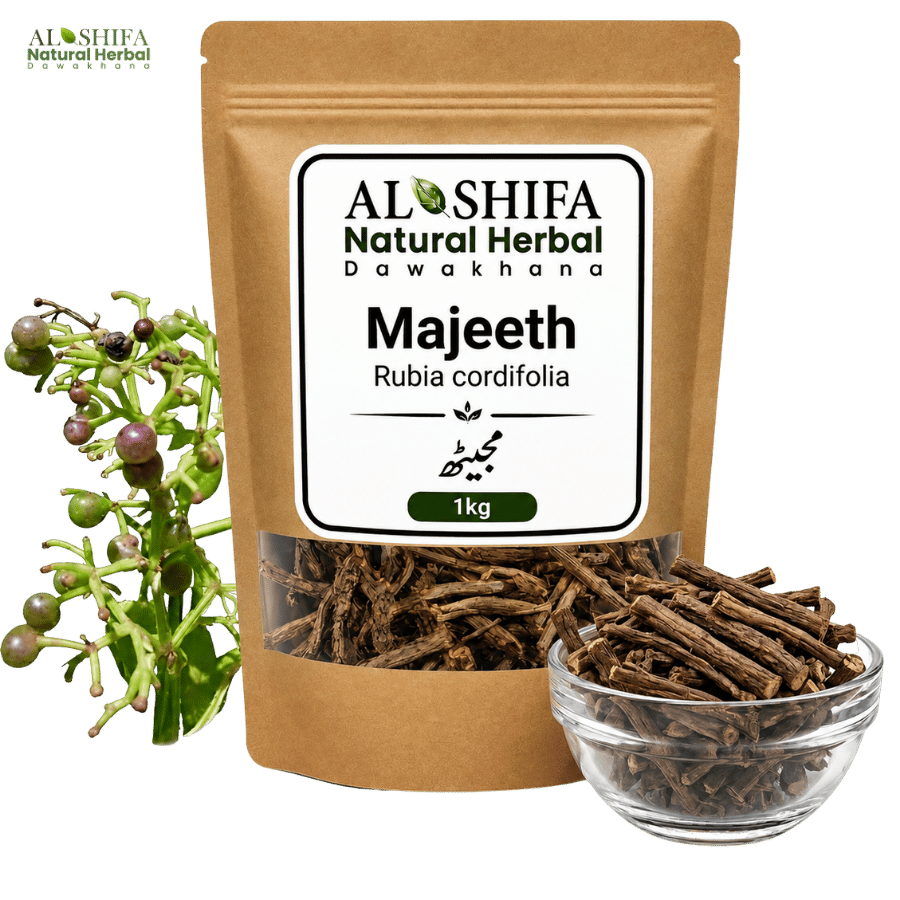
Majith, also known as Indian Madder or Manjistha, is the naturally dried root of Rubia cordifolia. Recognized by its characteristic reddish-brown colour, it has traditionally been used in herbal preparations, skin-care formulations, herbal oils, external pastes and natural colouring applications.
Al Shifa Majith is carefully selected for its correct identity, natural root colour, cleanliness and properly dried condition.
Key Features:
Important Note: Traditional use does not establish Majith as a treatment for any disease. For medicinal internal use, professional guidance is recommended.
Majith, also widely known as Indian Madder or Manjistha, is a traditional herbal material obtained mainly from the dried roots and underground parts of Rubia cordifolia. It has a long history of use in Unani, Ayurvedic and traditional herbal practices, particularly in preparations associated with skin care, natural colouring and general herbal wellness.
Majith is easily recognized by its characteristic reddish-brown to deep red root colour. The roots naturally contain colouring compounds that have also made the plant important as a traditional source of natural red dye.
At Al Shifa Natural Herbal Dawakhana, Majith is carefully selected for its correct identity, natural root colour, characteristic appearance, proper drying and cleanliness. The dried roots are stored under suitable conditions to help maintain their natural quality.
Majith is the dried root or underground portion of Rubia cordifolia, a climbing or spreading perennial herb belonging to the Rubiaceae family.
The plant develops long, slender roots that may appear:
depending on the age of the plant, growing conditions, drying method and storage.
After harvesting, the roots are cleaned and properly dried. Depending on the intended use, Majith may be available as:
The dried root is the most commonly recognized herbal-market form of Majith.
Product Name: Majith
English Name: Indian Madder
Other Common Name: Manjistha
Scientific Name: Rubia cordifolia L.
Family: Rubiaceae
Part Used: Root and underground parts
Common Form: Dried root, cut root or powder
Traditional Category: Herbal raw material and natural colouring plant
Good-quality Majith should retain the natural appearance and characteristic colour of properly dried Indian Madder root.
Common quality characteristics may include:
Roots that are excessively damp, mouldy, badly infested or have an unusual spoiled smell should not be used.
Majith has been known for centuries in traditional herbal systems.
It has historically been included in preparations associated with:
Traditional use does not mean that Majith has been proven to treat every condition for which it was historically recommended. Its traditional uses should therefore be distinguished from established medical treatment.
Majith is particularly well known for its historical association with skin-care preparations.
It has traditionally been included in herbal combinations prepared for:
Its natural reddish colouring compounds can also give herbal preparations a noticeable colour.
Majith should not be considered a proven treatment for eczema, psoriasis, fungal infections, severe acne, skin infections or other persistent skin diseases.
Majith may be included in different externally applied herbal preparations such as:
The method of preparation depends on the intended use and the other ingredients included in the formulation.
When using a new external preparation containing Majith, people with sensitive skin may prefer to test a small amount on a limited area first.
One of the distinctive characteristics of Majith is the natural reddish colour of its roots.
Indian Madder belongs to a group of plants historically valued as sources of natural colouring materials. Its roots contain naturally occurring coloured compounds that can produce shades ranging from red and reddish-brown to deeper warm tones, depending on the preparation method and material being coloured.
For this reason, Majith has historically been associated not only with herbal preparations but also with traditional natural dyeing.
The final colour can vary according to:
Natural variation between different batches is therefore normal.
Majith has an established place in traditional South Asian herbal practice.
Traditional practitioners have used the root alone or as part of compound preparations related to:
These uses are based largely on traditional practice. They should not be interpreted as evidence that Majith can diagnose, prevent or cure a specific disease.
Rubia cordifolia roots contain a variety of naturally occurring plant compounds, including coloured constituents responsible for the characteristic appearance of the root.
The amount and composition of these naturally occurring compounds can vary according to:
For this reason, the colour, aroma and appearance of natural Majith may vary slightly from batch to batch.
Majith may be supplied either as dried root pieces or as powder.
Whole or Cut Root:
The original structure, colour and physical condition of the root are easier to examine.
Powdered Majith:
Powder is more convenient for preparing herbal mixtures, external pastes and other formulations, but the original physical identity of the root is less visible after grinding.
Whichever form is selected, attention should be given to:
Majith may traditionally be incorporated into herbal oils and external pastes together with other suitable herbal ingredients.
Such preparations have historically been used as part of general skin and body-care routines.
The suitability of a formulation depends on the ingredients used, their concentration, the method of preparation and the individual using it.
A traditional herbal ingredient should not automatically be considered suitable for every person or every skin condition.
Natural herbal materials can cause irritation or sensitivity in some individuals.
When Majith or a preparation containing it is applied externally, discontinue use if significant:
develops.
If the reaction is severe or continues after stopping the product, seek medical advice.
Avoid applying herbal preparations to severely damaged, infected or inflamed skin without appropriate professional guidance.
Majith has a history of internal use in traditional herbal systems, but this does not mean that every raw Majith product is suitable for unsupervised consumption.
The appropriate preparation, amount and duration may depend on:
For medicinal internal use, advice from a suitably qualified healthcare or traditional medicine professional is recommended.
Pregnant or breastfeeding women should avoid unsupervised medicinal use of Majith.
Traditional use alone is not enough to establish the safety of concentrated preparations or medicinal amounts during pregnancy or breastfeeding.
If Majith is being considered for medicinal or extensive use during these periods, professional advice should be obtained first.
Medicinal use of Majith in infants and young children should not be started without professional guidance.
Keep dried roots and powders away from young children to prevent accidental swallowing, choking or contact of fine powder with the eyes and nose.
Majith is a traditional herbal raw material and should not be presented as a replacement for proper diagnosis or medical treatment.
Do not rely on Majith alone to treat:
Persistent symptoms should be assessed by an appropriate healthcare professional.
At Al Shifa Natural Herbal Dawakhana, Majith is selected with attention to:
Correct Identity: Properly identified Indian Madder root.
Natural Root Colour: Characteristic reddish-brown to deeper red-brown appearance.
Proper Drying: Roots are adequately dried to help protect them from unnecessary moisture and deterioration.
Cleanliness: Material is selected to minimize soil, stones, plant debris and other unwanted foreign matter.
Storage Quality: Dried Majith is protected from excessive moisture, heat, insects and contamination.
Al Shifa Natural Herbal Dawakhana has been associated with herbs and traditional herbal products since 1999.
Our focus includes:
Majith may be used in different traditional herbal preparations depending on the intended purpose.
Common forms include:
For external use, a small patch test is advisable before wider application, particularly for sensitive skin.
For medicinal internal use, the preparation and amount should be determined with guidance from a suitably qualified professional rather than relying on a universal self-use dose.
Store Majith in a cool, dry and clean place in a tightly closed container.
For better quality:
Do not use roots or powder showing visible mould, excessive moisture, insect infestation or an unusual spoiled smell.
Majith (Indian Madder / Manjistha) is the dried root of Rubia cordifolia, traditionally valued in South Asian herbal practice for skin-care preparations, external herbal applications, herbal oils, traditional formulations and natural colouring.
If you are looking for Majith, Manjistha, Indian Madder, Rubia cordifolia, Majith Root, Manjistha Root, Dried Indian Madder Root, Pure Majith, Original Majith, Majith Pakistan, Majith Lahore, Majith Price in Pakistan, Indian Madder Price in Pakistan, Majith Online Pakistan or Buy Majith in Pakistan, Al Shifa Natural Herbal Dawakhana provides carefully selected, properly dried and clean Majith.
Since 1999, Al Shifa Natural Herbal Dawakhana has focused on correct identification, cleanliness, natural quality, proper drying, suitable storage and responsible herbal information.
Product Name: Majith
English Name: Indian Madder
Other Name: Manjistha
Scientific Name: Rubia cordifolia L.
Family: Rubiaceae
Part Used: Root / Underground Parts
Common Form: Dried Root, Cut Root or Powder
Traditional Uses: Skin-care preparations, herbal oils, external herbal pastes, traditional herbal formulations and natural colouring
Important Note: Majith has a history of traditional herbal use, but medicinal internal use should not be started without appropriate professional guidance, especially during pregnancy, breastfeeding or in children.
مجیٹھ ایک مشہور جڑی بوٹی ہے جس کی جڑ کو روایتی طور پر مختلف جڑی بوٹیوں سے تیار ادویات، جلد کی دیکھ بھال، بیرونی استعمال کے لیپ، تیل اور قدرتی رنگ بنانے میں استعمال کیا جاتا رہا ہے۔
مجیٹھ کی خاص پہچان اس کی سرخی مائل بھوری جڑ ہے۔ اس کی جڑ میں قدرتی طور پر رنگ پیدا کرنے والے اجزاء موجود ہوتے ہیں، اسی وجہ سے اسے پرانے زمانے سے قدرتی سرخ رنگ حاصل کرنے کے لیے بھی استعمال کیا جاتا رہا ہے۔
الشفاء نیچرل ہربل دواخانہ میں مجیٹھ کو اس کی درست پہچان، جڑ کی قدرتی رنگت، ظاہری حالت، صفائی اور اچھی طرح خشک ہونے کو دیکھ کر منتخب کیا جاتا ہے۔ جڑوں کو صاف ستھری جگہ پر اچھی طرح خشک کر کے صحیح طریقے سے محفوظ کیا جاتا ہے تاکہ ان کا قدرتی معیار برقرار رہے۔
مجیٹھ ایک پھیلنے اور چڑھنے والی جڑی بوٹی ہے۔ اس کا زیادہ استعمال ہونے والا حصہ اس کی جڑ اور زمین کے اندر موجود حصے ہیں۔
مجیٹھ کی خشک جڑ کی رنگت مختلف ہو سکتی ہے، مثلاً:
جڑ کی رنگت پودے کی عمر، زمین، موسم، خشک کرنے کے طریقے اور محفوظ رکھنے کی حالت کے مطابق کچھ مختلف ہو سکتی ہے۔
جڑ کو حاصل کرنے کے بعد صاف کیا جاتا ہے اور اچھی طرح خشک کیا جاتا ہے۔ ضرورت کے مطابق اسے:
کی شکل میں استعمال کیا جا سکتا ہے۔
نام: مجیٹھ
دوسرا معروف نام: منجشٹھا
عام نام: مجیٹھ کی جڑ
رومن نام: مجیٹھ / منجشٹھا
خاندان: کافی خاندان
استعمال ہونے والا حصہ: جڑ اور زمین کے اندر موجود حصے
عام شکل: خشک جڑ، کٹی ہوئی جڑ یا پاؤڈر
قسم: جڑی بوٹیوں سے تیار ادویات اور قدرتی رنگ میں استعمال ہونے والی جڑ
اچھی مجیٹھ میں خشک ہونے کے بعد بھی جڑ کی قدرتی رنگت اور اصل ظاہری حالت موجود رہتی ہے۔
اچھی مجیٹھ کی عام نشانیاں یہ ہو سکتی ہیں:
اگر مجیٹھ میں بہت زیادہ نمی، پھپھوندی، کیڑے یا غیر معمولی خراب بو محسوس ہو تو اسے استعمال نہ کریں۔
مجیٹھ کا استعمال پرانے زمانے سے مختلف روایتی طریقوں میں ہوتا رہا ہے۔
اسے خاص طور پر:
میں شامل کیا جاتا رہا ہے۔
یہ استعمال پرانے روایتی طریقوں پر مبنی ہیں۔ انہیں کسی بیماری کے یقینی علاج کے طور پر نہیں سمجھنا چاہیے۔
مجیٹھ خاص طور پر جلد کی دیکھ بھال کے لیے تیار کی جانے والی مختلف جڑی بوٹیوں کی ادویات میں مشہور رہی ہے۔
اسے روایتی طور پر:
میں شامل کیا جاتا رہا ہے۔
مجیٹھ کی اپنی قدرتی سرخی مائل رنگت ہوتی ہے، اس لیے اس سے تیار ہونے والے بعض لیپ، پاؤڈر یا تیل کی رنگت بھی تبدیل ہو سکتی ہے۔
مجیٹھ کو ایگزیما، چنبل، فنگس، جلد کے انفیکشن، شدید مہاسوں یا دوسری جلدی بیماریوں کا ثابت شدہ علاج نہیں سمجھنا چاہیے۔
مجیٹھ کو مختلف بیرونی استعمال کی جڑی بوٹیوں سے تیار ادویات میں شامل کیا جا سکتا ہے، مثلاً:
اسے کس طریقے سے استعمال کرنا ہے، یہ اس بات پر منحصر ہوتا ہے کہ کون سی دوا تیار کی جا رہی ہے اور اس کے ساتھ کون سی دوسری جڑی بوٹیاں شامل کی گئی ہیں۔
مجیٹھ کی سب سے خاص پہچان اس کی جڑ کی قدرتی سرخی مائل رنگت ہے۔
اس کی جڑ میں قدرتی طور پر رنگ دینے والے اجزاء پائے جاتے ہیں۔ اسی وجہ سے مجیٹھ کو پرانے زمانے میں قدرتی رنگ بنانے کے لیے بھی استعمال کیا جاتا رہا ہے۔
اس سے حاصل ہونے والی رنگت مختلف حالات میں:
ہو سکتی ہے۔
حاصل ہونے والے رنگ میں فرق درج ذیل چیزوں کی وجہ سے ہو سکتا ہے:
اسی وجہ سے قدرتی مجیٹھ کی مختلف فصلوں کی رنگت میں کچھ فرق ہونا عام بات ہے۔
مجیٹھ کا استعمال مختلف روایتی جڑی بوٹیوں سے تیار ادویات میں کیا جاتا رہا ہے۔
اسے اکیلے یا دوسری مناسب جڑی بوٹیوں کے ساتھ ملا کر مختلف ادویات میں شامل کیا جا سکتا ہے، مثلاً:
کسی جڑی بوٹی کا پرانے زمانے سے استعمال ہونا اس بات کی ضمانت نہیں کہ وہ ہر بیماری کا علاج کرتی ہے یا ہر شخص کے لیے یکساں طور پر مناسب ہے۔
مجیٹھ کی جڑ میں قدرتی طور پر مختلف اجزاء موجود ہوتے ہیں، جن میں اس کی خاص سرخی مائل رنگت پیدا کرنے والے اجزاء بھی شامل ہیں۔
ان قدرتی اجزاء کی مقدار مختلف چیزوں کی وجہ سے کم یا زیادہ ہو سکتی ہے، مثلاً:
اسی وجہ سے مجیٹھ کی ہر فصل کی رنگت، خوشبو اور ظاہری حالت بالکل ایک جیسی ہونا ضروری نہیں۔
مجیٹھ مکمل خشک جڑ، کٹی ہوئی جڑ یا پاؤڈر کی شکل میں دستیاب ہو سکتی ہے۔
مکمل یا کٹی ہوئی جڑ:
اس میں جڑ کی اصل شکل، قدرتی رنگت اور ظاہری معیار کو دیکھنا نسبتاً آسان ہوتا ہے۔
مجیٹھ کا پاؤڈر:
پاؤڈر کو مختلف جڑی بوٹیوں سے تیار ادویات، لیپ اور بیرونی استعمال کی ادویات میں شامل کرنا آسان ہوتا ہے، لیکن پیسنے کے بعد جڑ کی اصل شکل نظر نہیں آتی۔
دونوں صورتوں میں اہم باتیں یہ ہیں:
مجیٹھ کو دوسری مناسب جڑی بوٹیوں کے ساتھ مختلف ادویات، تیل اور لیپ میں شامل کیا جاتا رہا ہے۔
ایسی ادویہ اور تیل عام طور پر جلد اور جسم کی بیرونی دیکھ بھال کے لیے استعمال ہوتی رہی ہیں۔
کسی بھی تیار دوا یا تیل کا اثر اس میں شامل دوسری جڑی بوٹیوں، تیار کرنے کے طریقے اور استعمال کرنے والے شخص کی جلد کے مطابق مختلف ہو سکتا ہے۔
صرف قدرتی یا جڑی بوٹیوں سے تیار ہونے کی وجہ سے کوئی دوا یا تیل ہر شخص کی جلد کے لیے لازماً مناسب نہیں ہوتا۔
بعض افراد کی جلد قدرتی جڑی بوٹیوں سے بھی حساس ہو سکتی ہے۔
مجیٹھ یا مجیٹھ سے تیار کوئی دوا جلد پر لگانے کے بعد اگر:
تو اس کا استعمال بند کر دیں۔
اگر تکلیف زیادہ ہو یا استعمال بند کرنے کے بعد بھی ختم نہ ہو تو ڈاکٹر سے رابطہ کریں۔
شدید زخمی، متاثرہ یا انفیکشن والی جلد پر خود سے مجیٹھ یا دوسری جڑی بوٹیاں استعمال نہ کریں۔
مجیٹھ کا روایتی طریقہ علاج میں کھانے یا پینے کے لیے بھی استعمال ملتا ہے، لیکن اس کا مطلب یہ نہیں کہ ہر قسم کی کچی یا خشک مجیٹھ کو خود سے کھانا محفوظ ہے۔
اس کا استعمال اس بات پر منحصر ہو سکتا ہے کہ:
اگر مجیٹھ کو دوا کے طور پر کھانے یا پینے کے لیے استعمال کرنا ہو تو مستند معالج سے مشورہ کرنا بہتر ہے۔
حمل کے دوران مجیٹھ کو دوا کے طور پر خود سے کھانے یا پینے کے لیے استعمال نہ کریں۔
صرف یہ بات کہ کسی جڑی بوٹی کا استعمال پرانے زمانے سے ہوتا آ رہا ہے، حمل کے دوران اس کے محفوظ ہونے کی ضمانت نہیں ہے۔
حمل کے دوران مجیٹھ کے زیادہ، مسلسل یا طبی استعمال سے پہلے ڈاکٹر یا مستند معالج سے مشورہ کریں۔
دودھ پلانے والی خواتین کو بھی مجیٹھ کا طبی یا زیادہ مقدار میں استعمال خود سے شروع نہیں کرنا چاہیے۔
اگر مجیٹھ کو کھانے، پینے یا کسی خاص طبی مقصد کے لیے استعمال کرنا ہو تو پہلے مستند ڈاکٹر یا معالج سے مشورہ کرنا بہتر ہے۔
شیر خوار اور چھوٹے بچوں کو مجیٹھ دوا کے طور پر خود سے نہ دیں۔
خشک جڑ اور پاؤڈر کو بچوں کی پہنچ سے دور رکھیں۔
خاص طور پر:
بچوں میں کسی خاص مقصد کے لیے استعمال سے پہلے مستند ڈاکٹر یا معالج سے مشورہ کریں۔
مجیٹھ ایک روایتی جڑی بوٹی ہے، لیکن اسے مناسب طبی تشخیص اور علاج کا متبادل نہیں سمجھنا چاہیے۔
مجیٹھ کو خود سے درج ذیل مسائل کا ثابت شدہ علاج نہ سمجھیں:
اگر جلد کا مسئلہ مسلسل بڑھ رہا ہو، زخم بن رہے ہوں، شدید خارش یا سوجن ہو یا علامات ختم نہ ہو رہی ہوں تو ڈاکٹر سے معائنہ کروائیں۔
الشفاء نیچرل ہربل دواخانہ میں مجیٹھ منتخب کرتے وقت درج ذیل باتوں کا خیال رکھا جاتا ہے:
درست پہچان: اصل مجیٹھ کی جڑ ہو۔
قدرتی رنگت: جڑ میں اس کی قدرتی سرخی مائل بھوری رنگت موجود ہو۔
اچھی طرح خشک: جڑ کو صاف ستھری جگہ پر اچھی طرح خشک کیا گیا ہو تاکہ اس میں غیر ضروری نمی باقی نہ رہے۔
صاف ستھری: مٹی، کنکر، تنکوں اور دوسری غیر ضروری چیزوں سے پاک صاف ہو۔
پھپھوندی سے پاک: جڑ پر پھپھوندی یا خراب ہونے کی نشانیاں موجود نہ ہوں۔
صحیح طریقے سے محفوظ: نمی، بہت زیادہ گرمی، کیڑوں اور خراب ہونے سے محفوظ رکھا گیا ہو۔
الشفاء نیچرل ہربل دواخانہ سنہ ۱۹۹۹ سے قدرتی جڑی بوٹیوں کی فراہمی کر رہا ہے۔
ہماری توجہ درج ذیل باتوں پر رہتی ہے:
مجیٹھ کو مختلف جڑی بوٹیوں سے تیار ادویات میں شامل کیا جا سکتا ہے، مثلاً:
جلد پر پہلی مرتبہ استعمال کرنے سے پہلے تھوڑی مقدار کسی چھوٹے حصے پر لگا کر دیکھ لینا بہتر ہے۔
اگر اسے دوا کے طور پر کھانے یا پینے کے لیے استعمال کرنا ہو تو مقدار اور طریقہ استعمال کسی مستند معالج سے معلوم کریں۔
مجیٹھ کو ٹھنڈی، خشک اور صاف ستھری جگہ پر اچھی طرح بند برتن میں رکھیں۔
بہتر معیار برقرار رکھنے کے لیے:
اگر جڑ یا پاؤڈر میں پھپھوندی، بہت زیادہ نمی، کیڑے یا خراب بو محسوس ہو تو اسے استعمال نہ کریں۔
مجیٹھ ایک معروف جڑی بوٹی ہے جس کی سرخی مائل جڑ کو پرانے زمانے سے جلد کی دیکھ بھال، جڑی بوٹیوں سے تیار ادویات، بیرونی استعمال کے لیپ، تیل، روایتی مرکبات اور قدرتی رنگ بنانے میں استعمال کیا جاتا رہا ہے۔
اگر آپ مجیٹھ، منجشٹھا، مجیٹھ کی جڑ، خشک مجیٹھ، خالص مجیٹھ، اصل مجیٹھ، سرخ مجیٹھ، مجیٹھ پاؤڈر، جلد کے لیے مجیٹھ، جڑی بوٹیوں کے لیے مجیٹھ، مجیٹھ پاکستان، مجیٹھ لاہور، مجیٹھ کی قیمت، مجیٹھ کی قیمت پاکستان، مجیٹھ آن لائن یا مجیٹھ خریدیں تلاش کر رہے ہیں تو الشفاء نیچرل ہربل دواخانہ احتیاط سے منتخب، صاف ستھری اور اچھی طرح خشک کی گئی مجیٹھ فراہم کرتا ہے۔
سنہ ۱۹۹۹ سے الشفاء نیچرل ہربل دواخانہ قدرتی جڑی بوٹیوں کی فراہمی میں درست پہچان، صفائی، قدرتی معیار، اچھی طرح خشک کرنے، صحیح طریقے سے محفوظ رکھنے اور آسان و ذمہ دارانہ معلومات کو اہمیت دیتا آ رہا ہے۔
نام: مجیٹھ
دوسرا نام: منجشٹھا
عام نام: مجیٹھ کی جڑ
رومن نام: مجیٹھ / منجشٹھا
استعمال ہونے والا حصہ: جڑ اور زمین کے اندر موجود حصے
عام شکل: خشک جڑ، کٹی ہوئی جڑ یا پاؤڈر
عام استعمال: جلد کی دیکھ بھال، جڑی بوٹیوں سے تیار ادویات، بیرونی استعمال کے لیپ، تیل، روایتی مرکبات اور قدرتی رنگ
اہم نوٹ: مجیٹھ کا استعمال روایتی جڑی بوٹیوں کے طریقوں میں ہوتا رہا ہے، لیکن اسے کسی بیماری کا یقینی علاج نہ سمجھیں۔ دوا کے طور پر کھانے یا پینے کے لیے استعمال کرنے سے پہلے مستند معالج سے مشورہ کرنا بہتر ہے۔