کشمش سندرخانی
Price range: ₨ 450 through ₨ 1,800
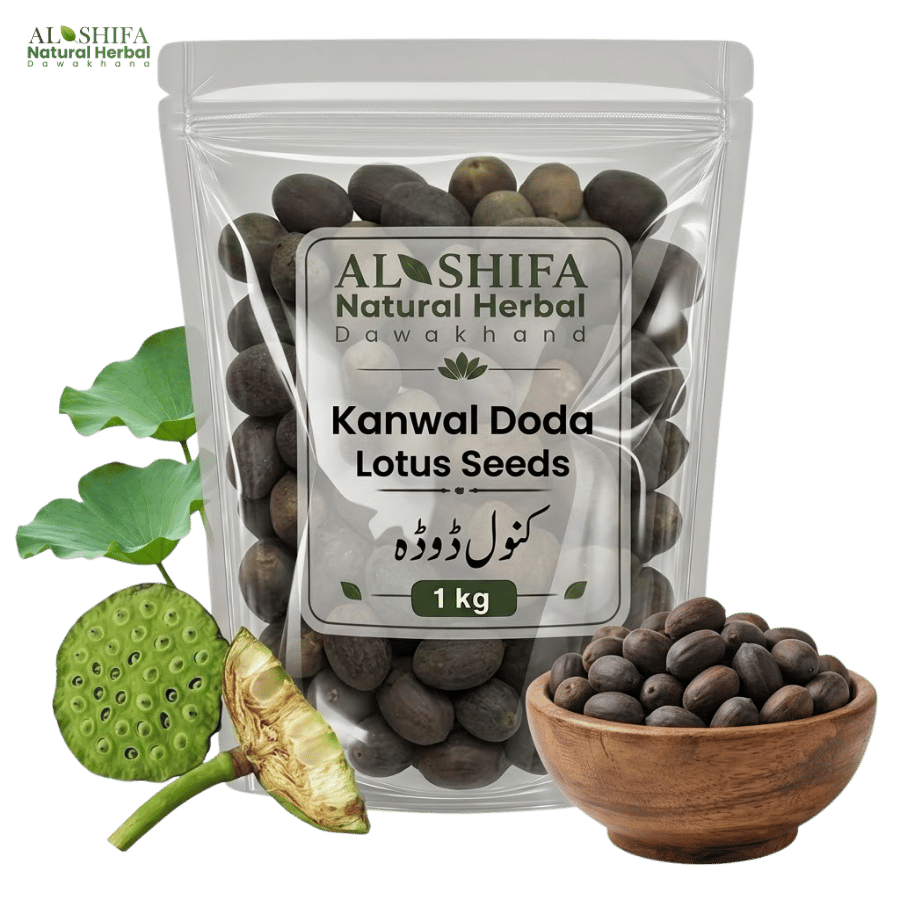
Kol Doday, also known as Kanwal Doda or Kanwal Katta, is a traditional lotus-derived herbal raw material associated with Nelumbo nucifera (Sacred Lotus). Lotus seeds and related seed-bearing material have traditionally been valued in Unani and South Asian practices for general nourishment, digestive wellness, restorative support, general vitality, and selected male and female wellness formulations.
Al Shifa Kol Doday is carefully selected with attention to traditional identity, natural appearance, maturity, cleanliness, proper dryness, and storage quality.
Key Features:
Important Note: Lotus seeds and the lotus seed pod are different plant structures. True Sacred Lotus should also not be confused with Makhana (Fox Nut), which comes from a different plant.
Kol Doday, traditionally known as Kanwal Doda or Kanwal Katta, is a lotus-derived herbal raw material used in Unani, Ayurvedic, and South Asian traditional practices. It is associated with the lotus plant Nelumbo nucifera, a well-known aquatic plant valued for its seeds and other plant parts in traditional herbal and nutritional preparations.
In traditional practice, lotus-derived seeds and seed-containing structures have been used in preparations associated with general nourishment, digestive wellness, restorative support, male and female wellness, and traditional strengthening formulations.
Al Shifa Kol Doday is carefully selected with attention to traditional identity, natural appearance, maturity, cleanliness, proper dryness, and storage quality.
Kol Doday is a regional market name associated with the dried seed-bearing portion or seeds of the lotus plant. Depending on regional terminology and the form sold, names such as Kanwal Doda, Kanwal Katta, Lotus Seeds, and Lotus Seed Pod may sometimes be used for closely related lotus materials.
The lotus plant produces distinctive seed heads containing individual seeds. After appropriate maturation and drying, the seeds or dried seed-bearing material may be incorporated into traditional preparations.
Because regional trade names can describe different forms of lotus material, it is important to distinguish between:
These materials come from the same plant but are not automatically interchangeable in every traditional formula.
Kol Doday / Kanwal Doda is commonly associated with:
Scientific Name: Nelumbo nucifera Gaertn.
Family: Nelumbonaceae
English Name: Sacred Lotus / Indian Lotus
Common Product Name: Lotus Seeds / Lotus Seed Pod
Traditional Names: Kol Doday / Kanwal Doda / Kanwal Katta
Product Type: Traditional Lotus-Derived Herbal Raw Material
Correct identification of the supplied plant part remains important because lotus flowers, seeds, seed heads, leaves, stamens, and rhizomes have different traditional uses.
Lotus has been valued throughout South and East Asia for centuries.
Different parts of the plant have historically been used as:
Lotus seeds in particular have a long history of nutritional and traditional herbal use.
Lotus seeds are naturally associated with important nutritional constituents.
Depending on processing and maturity, they can provide:
For this reason, lotus seeds have historically been valued not only as a traditional herbal ingredient but also as a nourishing food material in several Asian cultures.
Nutritional composition can vary according to seed maturity, variety, growing conditions, processing, and storage.
Kol Doday and lotus seeds have historically appeared in traditional strengthening and restorative formulations.
They may be incorporated into preparations intended to support:
Their nutritional nature makes them suitable for positioning as a traditional nourishing ingredient rather than as a stimulant or instant performance product.
They should not be presented as a proven treatment for physical weakness, chronic fatigue, nutritional deficiencies, or another medical condition.
Lotus seeds have also been traditionally used in preparations associated with digestive and intestinal wellbeing.
Historical uses include formulations intended to support:
Traditional use does not establish lotus seeds as a treatment for chronic diarrhoea, constipation, inflammatory bowel disease, irritable bowel syndrome, ulcers, or another gastrointestinal disorder.
Kanwal Doda and lotus-derived materials can appear in traditional Unani and herbal formulations associated with male wellness and restorative support.
Historically, they may be included in compound preparations intended for:
Such traditional use should not be interpreted as evidence that lotus seeds treat erectile dysfunction, infertility, low testosterone, premature ejaculation, semen disorders, or other reproductive conditions.
Male fertility or sexual-health concerns that persist should be appropriately evaluated rather than managed solely with traditional ingredients.
Lotus-derived ingredients have also been incorporated into selected traditional preparations for women.
Historical formulations may associate them with:
These historical uses do not mean Kanwal Doda can treat infertility, hormonal disorders, menstrual disease, PCOS, endometriosis, abnormal bleeding, or other gynaecological conditions.
Women who are pregnant, breastfeeding, trying to conceive under fertility treatment, or experiencing abnormal bleeding should seek appropriate professional guidance before medicinal use of concentrated traditional formulations.
Lotus seeds naturally contain a range of nutrients and phytochemicals.
Depending on the seed and processing method, these may include:
Some lotus seed preparations may also contain a green internal embryo or germ, which can differ in taste and chemical composition from the main seed kernel.
The presence of naturally occurring plant compounds should not be interpreted as proof that lotus seeds prevent or cure specific diseases.
A mature lotus seed may contain a small green embryo within the kernel.
In some traditional food preparations this portion is removed because it can contribute a distinctly bitter taste, while in certain traditional practices it may be treated as a separate herbal material.
Therefore, a whole lotus seed, a prepared lotus seed kernel, and the isolated internal embryo should not automatically be treated as identical ingredients.
Lotus Seeds should not automatically be confused with Makhana.
In South Asian markets, the term “lotus seeds” is sometimes loosely used for Makhana or fox nuts, but true Makhana is generally obtained from Euryale ferox, whereas the sacred lotus belongs to Nelumbo nucifera.
Therefore:
Kanwal / Sacred Lotus: Nelumbo nucifera
Makhana / Fox Nut: Euryale ferox
They are different plants and should be identified separately when botanical accuracy is important.
Another important distinction is between the lotus seed itself and the lotus seed pod.
The seed is the individual reproductive structure found inside the characteristic lotus seed head. The pod or seed head is the larger structure that holds multiple seeds.
If a product is sold primarily as dried pods rather than separated seeds, the product description and intended traditional use should reflect the actual supplied material.
This distinction is particularly important for herbal practitioners and customers purchasing ingredients for specific formulations.
At Al Shifa Natural Herbal Dawakhana, Kol Doday is selected with attention to:
Traditional Identity – Attention to the characteristic lotus-derived material expected under the traditional trade name.
Natural Appearance – Appropriate colour, structure, maturity, and overall appearance.
Cleanliness – Carefully handled to minimize unnecessary dust and foreign matter.
Proper Dryness – Adequate drying helps protect natural material during storage.
Quality Selection – Excessively damp, mouldy, insect-damaged, spoiled, or visibly deteriorated material is avoided.
Responsible Storage – Protection from moisture, excessive heat, insects, and contamination.
Al Shifa Natural Herbal Dawakhana, established in 1999, supplies carefully selected herbs, seeds, roots, fruits, flowers, gums, minerals, oils, and traditional herbal raw materials throughout Pakistan.
Our Kol Doday / Kanwal Doda is selected for customers and practitioners seeking lotus-derived material for traditional nutritional, restorative, and compound herbal preparations.
Whether you are searching for Kol Doday Pakistan, Lotus Seeds Pakistan, Kanwal Doda Pakistan, Kanwal Katta Pakistan, Kol Doday Lahore, Kanwal Doda price in Pakistan, Lotus Seeds price in Pakistan, pure Kanwal Doda, original Kol Doday, or Kanwal Doda online, Al Shifa focuses on identity, cleanliness, proper dryness, storage, and overall raw-material quality.
The appropriate method of use depends on the actual material supplied and the intended preparation.
Lotus-derived material may traditionally be incorporated into:
A dried lotus seed, seed kernel, seed pod, and other lotus plant parts should not automatically be used in the same quantity or manner.
For medicinal use, particularly as part of a compound Unani formulation, follow the guidance of an appropriately qualified healthcare professional or trained traditional practitioner.
Food-quality lotus seeds are used as foods in several cultures, but herbal raw materials intended for traditional formulations should still be used according to their identity, quality, and intended purpose.
Seek professional advice before medicinal use for:
Do not use material that appears mouldy, unusually damp, insect-damaged, rancid, or otherwise spoiled.
Kol Doday / Kanwal Doda is a traditional lotus-derived raw material and should not be regarded as a clinically proven treatment for infertility, sexual dysfunction, hormonal disorders, menstrual diseases, digestive diseases, diabetes, cardiovascular disease, or chronic weakness.
Traditional use provides historical context but does not replace diagnosis or appropriate medical treatment.
Store Kol Doday in a cool, clean, dry place.
For better preservation:
Proper storage is especially important for seeds and other natural plant materials because moisture can encourage spoilage and insect activity.
Kol Doday, also known as Kanwal Doda or Kanwal Katta, is a traditional lotus-derived herbal material associated with Nelumbo nucifera, the Sacred Lotus. Lotus seeds and related seed-bearing material have historically been valued in traditional systems for general nourishment, digestive wellness, restorative support, general vitality, and selected male and female wellness formulations.
Customers searching for Kol Doday in Pakistan, Kanwal Doda Pakistan, Kanwal Katta Pakistan, Lotus Seeds Pakistan, Kol Doday Lahore, Kanwal Doda price in Pakistan, Lotus Seeds price in Pakistan, pure Kol Doday, original Kanwal Doda, or Kanwal Doda online can choose Al Shifa Natural Herbal Dawakhana for carefully selected traditional raw material.
Since 1999, Al Shifa Natural Herbal Dawakhana has focused on supplying traditional herbal ingredients with attention to identity, cleanliness, natural quality, proper storage, and responsible product information.
Product Name: Kol Doday / Kanwal Doda / Kanwal Katta
English Name: Lotus Seeds / Lotus Seed Pod
Urdu Name: کول ڈوڈے / کنول ڈوڈہ / کنول کٹا
Roman Name: Kol Doday / Kanwal Doda / Kanwal Katta
Botanical Source: Nelumbo nucifera Gaertn.
Family: Nelumbonaceae
Product Type: Traditional Lotus-Derived Herbal Raw Material
Traditional Use: General nourishment, digestive wellness, restorative and strengthening preparations, and selected male and female wellness formulations
Important Note: Lotus seeds and lotus seed pods are different plant structures, and true Sacred Lotus should not automatically be confused with Makhana or Fox Nut.
کول ڈوڈے، جنہیں مختلف علاقوں میں کنول ڈوڈہ اور کنول کٹا بھی کہا جاتا ہے، کنول کے پودے سے حاصل ہونے والا ایک روایتی نباتاتی خام جزو ہے۔ کنول ایک معروف آبی پودا ہے جس کے بیج اور دیگر حصے صدیوں سے برصغیر اور ایشیا کے مختلف روایتی طریقہ ہائے علاج اور غذائی روایات میں استعمال ہوتے آئے ہیں۔
روایتی طور پر کنول کے بیج اور بیج رکھنے والے خشک حصوں کو عمومی غذائی تقویت، جسمانی بحالی، نظامِ ہضم کی عمومی نگہداشت، عمومی توانائی اور بعض مردانہ و نسوانی مرکبات میں شامل کیا جاتا رہا ہے۔
الشفاء نیچرل ہربل دواخانہ میں کول ڈوڈے کو روایتی شناخت، قدرتی ساخت، پختگی، صفائی، مناسب خشکی اور محفوظ ذخیرے کو مدنظر رکھتے ہوئے منتخب کیا جاتا ہے۔
کول ڈوڈے ایک علاقائی تجارتی نام ہے جو کنول کے خشک بیج دار حصے یا اس سے حاصل ہونے والے بیجوں کے لیے استعمال کیا جاتا ہے۔
مختلف علاقوں اور بازاروں میں اس سے متعلق خام مواد کو:
جیسے ناموں سے جانا جا سکتا ہے۔
کنول کے پھول کے بعد ایک مخصوص بیج دار حصہ بنتا ہے جس کے اندر متعدد بیج موجود ہوتے ہیں۔ پختگی کے بعد اس حصے اور بیجوں کو خشک کرکے مختلف روایتی اور غذائی تیاریوں میں استعمال کیا جاتا ہے۔
کنول کے بیج اور بیج رکھنے والا ڈوڈہ ایک ہی نباتاتی حصہ نہیں ہیں۔
بیج وہ انفرادی دانے ہیں جو ڈوڈے کے اندر موجود ہوتے ہیں، جبکہ ڈوڈہ وہ بڑی ساخت ہے جس میں متعدد بیج موجود ہوتے ہیں۔
بازار میں کول ڈوڈے یا کنول ڈوڈہ کے نام سے دستیاب خام مال کی صورت مختلف ہو سکتی ہے، مثلاً:
اسی لیے کسی مخصوص طبی نسخے میں استعمال سے پہلے یہ جاننا ضروری ہے کہ مطلوبہ جزو بیج ہے یا خشک ڈوڈہ۔
کنول کو ایشیا کی قدیم غذائی اور نباتاتی روایات میں خاص مقام حاصل ہے۔
اس پودے کے مختلف حصے صدیوں سے:
کے لیے استعمال ہوتے آئے ہیں۔
خصوصاً کنول کے بیج اپنی غذائی خصوصیات کی وجہ سے کئی ایشیائی معاشروں میں معروف رہے ہیں۔
کنول کے بیج قدرتی طور پر مختلف غذائی اجزاء فراہم کرتے ہیں۔
ان میں قدرتی طور پر مختلف مقداروں میں:
پائے جا سکتے ہیں۔
ان اجزاء کی مقدار پودے کی قسم، بیج کی پختگی، زمین، پانی، موسم، خشک کرنے کے طریقے اور ذخیرے کے مطابق مختلف ہو سکتی ہے۔
کنول کے بیجوں کو روایتی طور پر غذائیت بخش نباتاتی جزو سمجھا جاتا رہا ہے۔
انہیں ایسے مرکبات میں شامل کیا جاتا رہا ہے جن کا مقصد:
ہو۔
ان کا غذائی کردار انہیں تیز محرک یا فوری طاقت دینے والے جزو کے بجائے ایک روایتی غذائیت بخش خام جزو کے طور پر زیادہ موزوں بناتا ہے۔
کول ڈوڈے کو بعض روایتی تقویتی اور بحالی کے نسخوں میں شامل کیا جاتا رہا ہے۔
تاریخی طور پر اس کا استعمال ایسے مرکبات میں ملتا ہے جن کا مقصد:
ہو۔
تاہم اسے دائمی کمزوری، شدید تھکاوٹ، خون کی کمی، غذائی قلت یا کسی دوسری بیماری کا ثابت شدہ علاج نہیں سمجھنا چاہیے۔
کنول کے بیج اور ان سے متعلق بعض روایتی تیاریوں کو نظامِ ہضم اور آنتوں کی عمومی صحت کے لیے بھی استعمال کیا جاتا رہا ہے۔
تاریخی طور پر ان کا تعلق:
سے بیان کیا جاتا ہے۔
یہ روایتی استعمال قبض، دائمی اسہال، معدے کے زخم، آنتوں کی سوزش یا کسی دوسری ہاضمی بیماری کے یقینی علاج کا ثبوت نہیں ہے۔
کول ڈوڈے اور کنول سے حاصل ہونے والے بعض اجزاء کو روایتی طور پر مردانہ تقویتی مرکبات میں بھی شامل کیا جاتا رہا ہے۔
ان کا تاریخی استعمال ایسے نسخوں میں مل سکتا ہے جن کا مقصد:
ہو۔
تاہم اس روایتی استعمال کو مردانہ بانجھ پن، ضعفِ باہ، سرعت، ہارمونی کمی یا کسی مخصوص تولیدی بیماری کے ثابت شدہ علاج کے طور پر پیش کرنا درست نہیں۔
مستقل مردانہ یا تولیدی مسئلے کی صورت میں مناسب طبی تشخیص ضروری ہے۔
کنول سے حاصل ہونے والے اجزاء بعض روایتی نسوانی مرکبات میں بھی استعمال ہوتے رہے ہیں۔
تاریخی طور پر ان کا تعلق:
سے بیان کیا جاتا ہے۔
اس کا مطلب یہ نہیں کہ کول ڈوڈے بانجھ پن، ہارمونی بے ترتیبی، ماہواری کی بیماریوں، غیر معمولی خون بہنے یا دیگر نسوانی امراض کا علاج ہیں۔
حمل، دودھ پلانے کی مدت، تولیدی علاج یا غیر معمولی ماہواری کی صورت میں طبی استعمال سے پہلے مستند معالج کی رہنمائی حاصل کرنا بہتر ہے۔
کنول کے بیجوں میں قدرتی طور پر مختلف غذائی اور نباتاتی اجزاء موجود ہوتے ہیں۔
ان میں:
شامل ہو سکتے ہیں۔
ان قدرتی اجزاء کی موجودگی کنول کے بیجوں کی غذائی اہمیت میں حصہ ڈال سکتی ہے، لیکن انہیں کسی مخصوص بیماری کی روک تھام یا علاج کا ثبوت نہیں سمجھنا چاہیے۔
پختہ کنول کے بعض بیجوں کے اندر ایک چھوٹا سبز حصہ موجود ہو سکتا ہے۔
یہ حصہ مرکزی بیج کے مقابلے میں ذائقے میں زیادہ تلخ ہو سکتا ہے۔ بعض روایتی غذائی تیاریوں میں اسے نکال دیا جاتا ہے، جبکہ بعض قدیم نباتاتی روایات میں اسے الگ خام جزو سمجھا جاتا ہے۔
اسی لیے:
کو ہر روایتی نسخے میں ایک دوسرے کا مکمل متبادل نہیں سمجھنا چاہیے۔
کنول کے بیجوں کو مکھانے کے ساتھ خودکار طور پر ایک ہی چیز نہیں سمجھنا چاہیے۔
بازار میں بعض اوقات مکھانے کو بھی کنول کے بیج کہہ دیا جاتا ہے، لیکن نباتاتی اعتبار سے حقیقی کنول اور مکھانا مختلف پودوں سے حاصل ہوتے ہیں۔
دونوں کی ظاہری شکل، نباتاتی ماخذ، غذائی خصوصیات اور روایتی استعمال میں فرق ہو سکتا ہے۔
اسی لیے خریداری یا کسی مخصوص نسخے میں استعمال کے وقت درست خام جزو کی شناخت ضروری ہے۔
الشفاء نیچرل ہربل دواخانہ میں کول ڈوڈے کے انتخاب کے دوران درج ذیل خصوصیات کو اہمیت دی جاتی ہے:
روایتی شناخت: روایتی نام کے مطابق کنول سے حاصل ہونے والے مناسب خام جزو کا انتخاب۔
قدرتی ساخت: رنگت، شکل، پختگی اور مجموعی ظاہری حالت پر توجہ۔
صفائی: غیر ضروری گرد، مٹی اور بیرونی مواد کو کم سے کم رکھنے کی کوشش۔
مناسب خشکی: نمی سے محفوظ اور اچھی طرح خشک خام مواد۔
معیاری انتخاب: بہت زیادہ نم، خراب، پھپھوندی زدہ، کیڑوں سے شدید متاثر یا بظاہر خراب مواد سے گریز۔
محفوظ ذخیرہ: نمی، گرمی، کیڑوں اور آلودگی سے مناسب حفاظت۔
الشفاء نیچرل ہربل دواخانہ سنہ ۱۹۹۹ سے جڑی بوٹیوں، بیجوں، جڑوں، پھولوں، پھلوں، روغنی اجزاء اور دیگر روایتی خام اجزاء کی فراہمی سے وابستہ ہے۔
ہمارے کول ڈوڈے ایسے صارفین اور معالجین کے لیے منتخب کیے جاتے ہیں جو انہیں روایتی غذائی، تقویتی، بحالی اور مرکب نباتاتی تیاریوں میں استعمال کرنا چاہتے ہیں۔
ہم خام مواد کی شناخت، صفائی، قدرتی حالت، مناسب خشکی، محفوظ ذخیرے اور مجموعی معیار کو بنیادی اہمیت دیتے ہیں۔
کول ڈوڈے کے استعمال کا طریقہ اس بات پر منحصر ہے کہ دستیاب خام مواد:
روایتی طور پر اسے:
میں استعمال کیا جا سکتا ہے۔
بیج، بیج کے مغز اور خشک ڈوڈے کو ایک ہی مقدار یا ایک ہی طریقے سے استعمال کرنا ضروری نہیں۔
طبی استعمال کے لیے مستند معالج یا ماہر طبیب کی رہنمائی بہتر ہے۔
غذائی معیار کے کنول کے بیج کئی ثقافتوں میں بطور غذا استعمال ہوتے ہیں، تاہم روایتی طبی خام مواد کا استعمال اس کی صحیح شناخت، صفائی اور مقصد کے مطابق ہونا چاہیے۔
طبی یا مرتکز استعمال سے پہلے درج ذیل افراد مستند معالج سے مشورہ کریں:
پھپھوندی زدہ، بہت زیادہ نم، کیڑوں سے خراب، بدبودار یا بظاہر خراب خام مواد استعمال نہ کریں۔
کول ڈوڈے، کنول ڈوڈہ یا کنول کٹا ایک روایتی نباتاتی خام جزو ہے۔
اسے بانجھ پن، مردانہ کمزوری، جنسی مسائل، ہارمونی بے ترتیبی، ماہواری کے امراض، ذیابیطس، دل کی بیماری، معدے یا آنتوں کی بیماری اور دائمی جسمانی کمزوری کا ثابت شدہ علاج نہیں سمجھنا چاہیے۔
روایتی استعمال تاریخی معلومات فراہم کرتا ہے، لیکن کسی بیماری کی مناسب تشخیص اور ضروری طبی علاج کا متبادل نہیں ہے۔
کول ڈوڈے کو صاف، ٹھنڈی اور خشک جگہ پر محفوظ رکھیں۔
معیار برقرار رکھنے کے لیے:
قدرتی بیجوں اور خشک نباتاتی مواد میں نمی داخل ہونے سے معیار متاثر ہونے، پھپھوندی بننے یا کیڑوں کے حملے کا امکان بڑھ سکتا ہے۔
کول ڈوڈے، جنہیں کنول ڈوڈہ اور کنول کٹا بھی کہا جاتا ہے، کنول کے پودے سے حاصل ہونے والا ایک روایتی خام جزو ہے۔ کنول کے بیج اور بیج دار حصے روایتی طور پر غذائی تقویت، نظامِ ہضم کی عمومی نگہداشت، جسمانی بحالی، عمومی طاقت اور بعض مردانہ و نسوانی تقویتی مرکبات میں استعمال ہوتے رہے ہیں۔
اگر آپ کول ڈوڈے پاکستان، کنول ڈوڈہ پاکستان، کنول کٹا پاکستان، کنول کے بیج پاکستان، کول ڈوڈے لاہور، کنول ڈوڈہ کی قیمت، کول ڈوڈے کی قیمت پاکستان، خالص کول ڈوڈے، اصل کنول ڈوڈہ یا کول ڈوڈے آن لائن تلاش کر رہے ہیں تو الشفاء نیچرل ہربل دواخانہ احتیاط سے منتخب روایتی خام مواد فراہم کرتا ہے۔
سنہ ۱۹۹۹ سے الشفاء نیچرل ہربل دواخانہ روایتی نباتاتی اجزاء کی فراہمی میں شناخت، صفائی، قدرتی معیار، مناسب خشکی، محفوظ ذخیرے اور ذمہ دارانہ معلومات کو بنیادی اہمیت دیتا آ رہا ہے۔
نام: کول ڈوڈے
دیگر معروف نام: کنول ڈوڈہ / کنول کٹا
ماخذ: کنول کا پودا
قسم: روایتی کنول سے حاصل ہونے والا نباتاتی خام جزو
مستعمل حصہ: بیج یا بیج دار خشک حصہ، دستیاب شکل کے مطابق
روایتی استعمال: عمومی غذائی تقویت، نظامِ ہضم، جسمانی بحالی، عمومی طاقت اور بعض مردانہ و نسوانی مرکبات
اہم نوٹ: کنول کے بیج اور کنول کا بیج دار ڈوڈہ مختلف نباتاتی حصے ہیں، جبکہ مکھانا بھی حقیقی کنول کے بیج سے نباتاتی اعتبار سے مختلف ہے۔