سرخ زرشک
Price range: ₨ 1,500 through ₨ 6,000
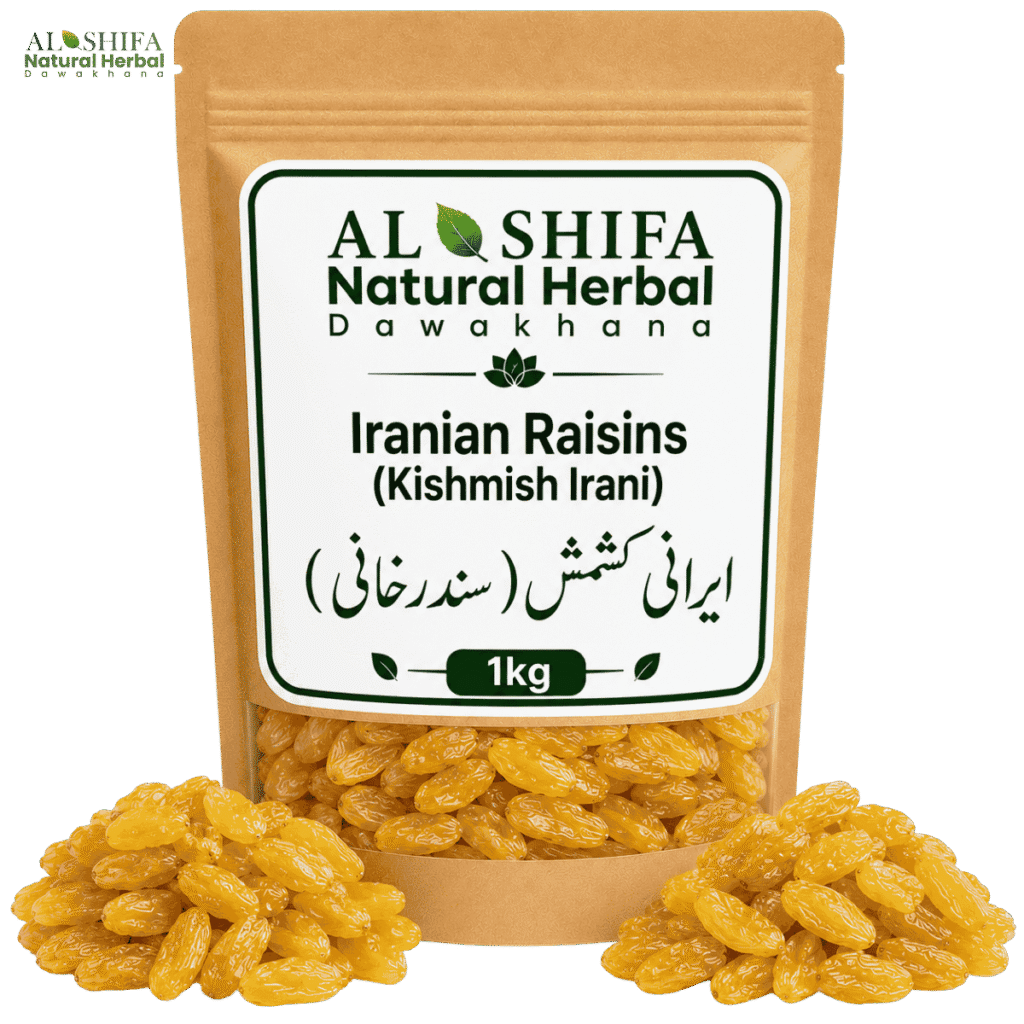
Iranian Raisins / Kishmish Irani are carefully selected dried grapes from Vitis vinifera L., valued for their naturally sweet fruity taste and pleasant soft-to-chewy texture. They naturally provide dietary fiber, fruit sugars, potassium and various naturally occurring plant compounds and are suitable for snacking, dry fruit mixes and everyday culinary use.
Al Shifa Iranian Raisins are carefully selected for fruit quality, characteristic natural sweetness, pleasant texture, freshness, cleanliness and clean handling.
Key Features:
Usage: Enjoy directly as a dried-fruit snack or add to dry fruit mixes, oatmeal, cereals, rice dishes, pilaf, desserts and suitable baking preparations.
Important Note: Iranian identifies the product's geographical origin, while Sundarkhani is a commercial designation. Seedless, Sun-Dried, No Added Sugar or Preservative Free claims should only be used when confirmed by the actual product specification.
Iranian Raisins, commonly known as Kishmish Irani / ایرانی کشمش, are dried grapes produced from fruits of Vitis vinifera L., a member of the Vitaceae family. Raisins are prepared by removing a substantial portion of the natural moisture from ripe grapes, creating a concentrated dried fruit with a naturally sweet taste, soft-to-chewy texture and characteristic grape flavor.
The commercial name Iranian Raisins indicates the geographical origin or trade style of the product rather than a separate botanical species. Different grape cultivars are grown and dried in Iran, and the exact cultivar, drying method, seed status and processing can vary between products.
The name Sundarkhani / Sandarkhani / سندرخانی may be used commercially for a particular raisin type or grade in regional dry-fruit markets. It should therefore be treated as a trade or varietal designation according to supplier specification, rather than automatically assigning a separate botanical species.
Al Shifa Iranian Raisins are carefully selected for fruit quality, characteristic natural sweetness, pleasant chewy texture, freshness, cleanliness and clean handling.
Iranian Raisins are ripe grapes that have been dried to reduce their natural moisture content.
They are commonly known as:
Drying concentrates the natural grape flavor and sugars, producing a convenient dried-fruit product suitable for direct consumption and a wide variety of foods.
Product Name: Iranian Raisins / Kishmish Irani / Sundarkhani
English Name: Iranian Raisins / Dried Grapes
Urdu Name: ایرانی کشمش / کشمش ایرانی / سندرخانی
Roman Name: Kishmish Irani / Kishmish Sundarkhani
Scientific Name: Vitis vinifera L.
Plant Family: Vitaceae
Plant Part: Fruit / Grape
Product Type: Dried Fruit / Dry Fruit
Product Form: Whole Dried Grapes
Geographical Designation: Iranian / Iran Origin — subject to supplier confirmation
Commercial Type: Sundarkhani / Sandarkhani — according to supplier specification
Processing: Dried/Dehydrated; exact drying and processing method according to product specification
Appearance: Golden, amber, light brown to darker brown depending on grape variety and processing
Taste: Naturally Sweet, Fruity & Characteristic Raisin Flavor
Texture: Soft to Chewy
Primary Applications: Snacking, Dry Fruit Mixes, Breakfast, Desserts, Baking, Rice Dishes & Traditional Foods
Raisins are produced from grapes belonging primarily to Vitis vinifera, the species responsible for a large proportion of cultivated table, dried and wine grapes worldwide.
Fresh grapes naturally contain considerable moisture. During raisin production, much of this water is removed.
This results in:
The word Iranian primarily describes the geographical or commercial origin of the raisins.
It does not represent a different botanical species.
Therefore:
Iranian Raisins = Raisins produced or sourced from Iran
but:
Iranian Raisins ≠ A Separate Botanical Species
The botanical species remains Vitis vinifera L. for conventional raisins derived from this grape species.
Actual Iranian origin should be confirmed through supplier documentation before making a definitive origin claim on commercial packaging.
Sundarkhani / Sandarkhani / سندرخانی is encountered as a commercial dry-fruit name for a raisin type or grade in regional markets.
Because commercial spellings and usage can vary, the term should be retained as the supplier’s trade, varietal or grade designation rather than being used as a substitute for the botanical name.
Therefore:
Sundarkhani = Commercial/Trade Raisin Designation
Botanical Identity = Vitis vinifera L.
If a specific grape cultivar is supplied under the Sundarkhani name, that cultivar should only be stated after confirmation from the supplier.
Iranian Raisins naturally provide a range of food constituents, including:
Exact nutritional composition varies according to grape cultivar, growing conditions, drying process, moisture content and final product preparation.
Grapes naturally contain sugars, particularly glucose and fructose.
During drying, water is removed while much of the natural fruit sugar remains. Raisins therefore have a more concentrated sweetness and greater sugar content by weight than fresh grapes.
This is a normal characteristic of dried fruit.
However:
Naturally Sweet ≠ Added Sugar
Whether additional sugar has been added can only be determined from the actual ingredient specification.
A No Added Sugar claim should therefore only be used when confirmed for the specific Al Shifa product.
Raisins naturally contain dietary fiber from the grape fruit.
Their concentrated dried-fruit form makes them a convenient ingredient for breakfast foods, dry fruit mixes and snacks.
Specific quantitative fiber claims should be based on the nutritional analysis of the finished product.
Raisins naturally provide potassium along with other minerals.
Because much of the fruit’s water is removed during drying, nutrients and natural sugars become more concentrated by weight compared with fresh grapes.
Exact mineral values should be taken from nutritional testing when specific quantities or percentage claims are required.
Grapes naturally contain various phenolic compounds, and dried raisins retain a range of naturally occurring plant compounds.
Their exact profile can vary significantly according to:
Whole raisins should not be treated as equivalent to standardized grape polyphenol extracts.
Botanically, both may belong to Vitis vinifera L.
The primary difference is commercial or geographical classification.
Iranian Raisins: Raisins associated with Iranian origin or Iranian commercial production.
Regular Raisins: A general term that does not identify a specific geographical source.
Therefore, the word “Iranian” describes origin rather than a separate species.
The terms raisin and sultana may overlap in international trade, but their use can vary by country.
Sultanas are generally associated with particular seedless grape types and processing styles.
Therefore:
Iranian Raisins ≠ Automatically Sultanas
The term Sultana should only be used when it accurately describes the supplied product.
Raisins should not automatically be called currants.
True dried currants used in the dried-fruit trade are generally associated with small dried grapes such as Zante currants, while the botanical black/red currants of the genus Ribes are entirely different fruits.
Therefore:
Raisins ≠ Botanical Blackcurrants or Redcurrants
Raisins may be produced from seeded or seedless grape cultivars.
The appearance of a raisin alone is not always sufficient to establish its seed status.
Therefore:
Iranian Raisins ≠ Automatically Seedless Raisins
Sundarkhani ≠ Automatically Seedless unless confirmed
A Seedless claim should match the actual product specification.
Raisin color depends on grape cultivar and processing.
Commercial raisins may appear:
Color alone does not identify the exact grape cultivar or drying method.
Raisins can be produced through several drying and processing techniques.
Depending on the commercial product, grapes may undergo natural drying or controlled dehydration and may receive specific processing treatments.
Therefore, Iranian Raisins should not automatically be labeled:
unless these characteristics are confirmed for the actual product.
Fresh grapes and raisins originate from the same fruit but differ considerably in moisture concentration.
Fresh Grapes: High-moisture, juicy fresh fruit.
Raisins: Dried grapes with lower moisture and concentrated natural sugars and energy by weight.
Therefore, equal weights of fresh grapes and raisins are not nutritionally equivalent.
Whole Iranian Raisins retain the natural dried fruit matrix.
Grape Extract is a processed preparation that may concentrate selected compounds.
Therefore:
Iranian Raisins ≠ Grape Extract
Research involving standardized grape or grape-seed extracts should not automatically be applied to ordinary raisins.
This distinction is particularly important.
Raisins: Whole dried grape fruit.
Grape Seed Extract: A concentrated preparation manufactured from grape seeds.
Grape Seed Oil: A fixed oil obtained from grape seeds.
These are separate products with different compositions and applications.
Iranian Raisins can be used in:
Their concentrated sweetness can complement both sweet and savory foods.
Raisins are widely used in rice-based and traditional recipes where their natural sweetness provides contrast with savory ingredients.
They may be combined with:
Preparation and quantity can be adjusted according to the recipe.
Iranian Raisins are a naturally sweet dried fruit and can form part of a balanced and varied diet.
They should not be advertised as a guaranteed treatment for anemia, constipation, high blood pressure, heart disease, digestive disorders, sexual weakness, weight gain or other medical conditions.
Claims based on grape-seed extract, isolated polyphenols or other concentrated grape preparations should not automatically be applied to ordinary dried raisins.
Because raisins contain concentrated naturally occurring fruit sugars, portion size may be important for people who need to monitor carbohydrate or sugar intake.
Individuals following a medically prescribed diet should follow the advice of their qualified healthcare professional or dietitian.
Raisins are small and chewy.
For young children, serve them in an age-appropriate manner and supervise eating to reduce choking risk.
For accurate labeling:
Iranian Raisins = Dried Grapes of Iranian origin when origin is verified.
Sundarkhani / سندرخانی = Commercial or trade designation according to supplier specification.
Iranian ≠ Separate Botanical Species.
Iranian Raisins ≠ Automatically Seedless.
Iranian Raisins ≠ Automatically Sultanas.
Raisins ≠ Fresh Grapes.
Raisins ≠ Grape Extract.
Raisins ≠ Grape Seed Extract.
Raisins ≠ Grape Seed Oil.
Naturally Sweet ≠ Automatically No Added Sugar.
Al Shifa Natural Herbal selects Iranian Raisins with attention to:
Direct Snacking: Enjoy Iranian Raisins in an appropriate portion as a dried-fruit snack.
Dry Fruit Mix: Combine with almonds, walnuts, pistachios and other suitable dried fruits.
Breakfast: Add to oatmeal, cereals, yogurt or breakfast bowls.
Rice & Pilaf: Use in suitable pulao, pilaf and traditional rice preparations.
Baking: Add to cakes, cookies, breads and other suitable baked foods.
Desserts: Use in traditional sweets, desserts and fruit preparations.
Iranian Raisins / Kishmish Irani / Sundarkhani are a dried grape food product, not a medicinal extract.
The terms Iranian and Sundarkhani should reflect the actual supplier specification. Claims such as Seedless, Organic, Sun-Dried, Shade-Dried, No Added Sugar, Unsulphured or Preservative Free should only be used when confirmed for the specific product.
Store Iranian Raisins in a clean, cool and dry place, protected from moisture, excessive heat and direct sunlight.
Keep the package tightly sealed after opening to help maintain natural flavor, texture and freshness.
Because dried fruit can absorb environmental moisture, avoid prolonged exposure to humid conditions.
Al Shifa Natural Herbal offers Iranian Raisins / Kishmish Irani / ایرانی کشمش / سندرخانی for customers looking for carefully selected dried grapes with a naturally sweet fruity taste and pleasant chewy texture for snacking, breakfast, dry fruit mixes, rice dishes, desserts and baking.
Customers searching for Iranian Raisins in Pakistan, Kishmish Irani, Sundarkhani Raisins, Sandarkhani Kishmish, Iranian Kishmish, Iranian Raisins Lahore, Iranian Raisins price in Pakistan, Kishmish Irani price in Pakistan or buy Iranian Raisins online in Pakistan should compare products according to origin, grape quality, seed status, drying method, processing, freshness and packaging.
Product Name: Iranian Raisins / Kishmish Irani / Sundarkhani
English Name: Iranian Raisins / Dried Iranian Grapes
Urdu Name: ایرانی کشمش / سندرخانی
Roman Name: Kishmish Irani / Kishmish Sundarkhani
Scientific Name: Vitis vinifera L.
Plant Family: Vitaceae
Plant Part: Fruit / Grape
Product Type: Dried Fruit / Dry Fruit
Product Form: Whole Dried Grapes
Origin: Iran — when verified by supplier
Commercial Type: Sundarkhani / Sandarkhani — according to supplier specification
Processing: Dried/Dehydrated; Exact Method According to Product Specification
Appearance: Golden, Amber, Light Brown to Darker Brown Depending on Variety & Processing
Taste: Naturally Sweet & Fruity
Texture: Soft to Chewy
Key Nutritional Components: Naturally Occurring Fruit Sugars, Dietary Fiber, Potassium, Copper, Organic Acids & Phenolic Compounds
Primary Applications: Snacking, Dry Fruit Mixes, Breakfast, Rice Dishes, Desserts & Baking
Important Note: Iranian identifies geographical/commercial origin and Sundarkhani is a trade or varietal designation according to supplier specification; neither represents a separate botanical species. Exact origin, cultivar, seed status and drying method should follow the actual product documentation.
ایرانی کشمش سندرخانی انگور کو خشک کرکے حاصل کیا جانے والا قدرتی میٹھا اور غذائیت سے بھرپور خشک پھل ہے۔ ایران انگور اور کشمش کی پیداوار کے لیے مشہور خطوں میں شمار ہوتا ہے اور ایرانی کشمش اپنی قدرتی مٹھاس، نرم و چبانے والی ساخت، مخصوص خوشبو اور بھرپور ذائقے کی وجہ سے پسند کی جاتی ہے۔
انگور کا معروف سائنسی نام وائٹس وینیفیرا ہے اور اس کا تعلق وائٹیسی خاندان سے ہے۔ انگور خشک ہونے کے دوران اپنا زیادہ تر پانی کھو دیتا ہے، جس کی وجہ سے اس کی قدرتی شکر، غذائی فائبر، پوٹاشیم، آئرن، کاپر اور مختلف قدرتی پولی فینولز وزن کے حساب سے زیادہ مرتکز ہو جاتے ہیں۔
سندرخانی بازار میں ایرانی کشمش کی ایک تجارتی یا مقامی شناخت کے طور پر استعمال ہو سکتا ہے۔ صرف سندرخانی نام کی بنیاد پر اسے انگور کی ایک الگ سائنسی قسم قرار نہیں دینا چاہیے، جب تک اصل انگور کی قسم کی باقاعدہ تصدیق موجود نہ ہو۔
اردو نام: ایرانی کشمش، کشمش سندرخانی، سندرخانی کشمش
پنجابی نام: کشمش، ایرانی کشمش
ہندی نام: کشمش، ایرانی کشمش
فارسی نام: کشمش ایرانی
عربی نام: زبيب إيراني، زبيب
انگریزی نام: ایرانی ریزنز، ڈرائیڈ گریپس
سائنسی نام: وائٹس وینیفیرا
خاندان: وائٹیسی
استعمال ہونے والا حصہ: انگور کا پکا ہوا خشک پھل
استعمال کی شکل: مکمل خشک انگور، کشمش، خشک میوہ جات کے آمیزے اور مختلف غذائی ترکیبیں
کشمش پکے ہوئے انگور سے پانی کی مقدار کم کرکے تیار کی جاتی ہے۔
انگور خشک ہونے کے بعد:
کشمش کوئی الگ پھل نہیں بلکہ خشک انگور ہے۔
ایران میں انگور کی مختلف اقسام کاشت کی جاتی ہیں اور ان سے مختلف رنگ، سائز اور ذائقے کی کشمش تیار ہوتی ہے۔
ایرانی کشمش:
رنگت میں مل سکتی ہے۔
اصل رنگ انگور کی قسم، خشک کرنے کے طریقے اور پراسیسنگ کے مطابق مختلف ہو سکتا ہے۔
سندرخانی نام پاکستانی اور علاقائی خشک میوہ جات کی تجارت میں ایرانی کشمش کی مخصوص تجارتی پہچان کے طور پر استعمال ہو سکتا ہے۔
یہ نام لازمی طور پر انگور کی الگ سائنسی قسم ثابت نہیں کرتا۔
اسی لیے اس پراڈکٹ کی سائنسی پہچان کے لیے بنیادی نام وائٹس وینیفیرا رکھنا زیادہ درست ہے، جبکہ سندرخانی کو اس کی تجارتی یا بازاری شناخت کے طور پر لکھا جا سکتا ہے۔
تازہ انگور: پانی زیادہ، رسیلا اور نسبتاً کم مرتکز مٹھاس والا ہوتا ہے۔
کشمش: پانی کم، قدرتی شکر اور کیلوریز وزن کے حساب سے زیادہ مرتکز اور ساخت زیادہ چبانے والی ہوتی ہے۔
انگور خشک ہونے کے بعد اس کی قدرتی شکر ختم نہیں ہوتی بلکہ پانی کم ہونے کی وجہ سے زیادہ مرتکز ہو جاتی ہے۔
اسی لیے تھوڑی مقدار میں کشمش بھی کافی توانائی فراہم کرتی ہے۔
اچھی ایرانی کشمش عموما:
ہوتی ہے۔
قدرتی خشک پھل ہونے کی وجہ سے تمام دانوں کا رنگ، سائز اور شکل بالکل ایک جیسی ہونا ضروری نہیں۔
کشمش میں قدرتی طور پر:
پائے جاتے ہیں۔
ان کی مقدار انگور کی قسم، فصل، خشک کرنے کے طریقے اور تیار شدہ کشمش کے مطابق مختلف ہو سکتی ہے۔
کشمش میں موجود مٹھاس بنیادی طور پر انگور کی اپنی قدرتی شکر سے حاصل ہوتی ہے۔
اس میں خاص طور پر:
موجود ہوتے ہیں۔
انگور خشک ہونے کے دوران پانی کم ہونے سے یہ قدرتی شکر زیادہ مرتکز ہو جاتی ہے۔
اسی وجہ سے کشمش توانائی سے بھرپور خشک پھل ہے۔
کشمش قدرتی کاربوہائیڈریٹس اور شکر کی وجہ سے جسم کو فوری غذائی توانائی فراہم کرتی ہے۔
اسے:
میں شامل کیا جا سکتا ہے۔
چونکہ کشمش میں شکر اور کیلوریز مرتکز ہوتی ہیں، اس لیے مقدار کا خیال رکھنا ضروری ہے۔
ایرانی کشمش میں غذائی فائبر موجود ہوتا ہے۔
فائبر:
کے لیے فائدہ مند ہے۔
روزمرہ متوازن خوراک میں کشمش دوسرے پھلوں، سبزیوں اور فائبر والی غذاؤں کے ساتھ شامل کی جا سکتی ہے۔
کشمش میں موجود غذائی فائبر آنتوں کی معمول کی حرکت کے لیے فائدہ مند ہے۔
اسے مقدار کے مطابق استعمال کرنا خوراک میں فائبر بڑھانے کا آسان طریقہ ہے۔
اگر روزمرہ خوراک میں فائبر کم ہو تو مقدار آہستہ آہستہ بڑھائیں اور پانی بھی مناسب مقدار میں پئیں۔
کشمش غذائی فائبر فراہم کرتی ہے، اس لیے اسے قبض والی غذا میں شامل کیا جا سکتا ہے۔
اسے رات کو پانی میں بھگو کر صبح نرم حالت میں بھی کھایا جا سکتا ہے۔
اگر قبض مسلسل رہے، خون آئے یا شدید پیٹ درد ہو تو معالج سے چیک کروائیں۔
ایرانی کشمش کو صاف پانی میں چند گھنٹے یا رات بھر بھگو کر استعمال کیا جا سکتا ہے۔
بھگونے سے کشمش:
کشمش کی غذائیت حاصل کرنے کے لیے اسے لازمی طور پر بھگونا ضروری نہیں۔
کشمش پوٹاشیم فراہم کرتی ہے۔
پوٹاشیم:
کے لیے اہم غذائی معدنی جز ہے۔
گردوں کی بیماری میں پوٹاشیم محدود رکھنے کی ہدایت ہو تو کشمش کی مقدار معالج یا ماہر غذائیت سے پوچھ کر رکھیں۔
کشمش میں آئرن موجود ہوتا ہے۔
آئرن خون میں ہیموگلوبن بنانے اور جسم میں آکسیجن کی منتقلی کے معمول کے عمل کے لیے اہم غذائی جز ہے۔
کشمش کو آئرن کی کمی کا واحد علاج نہ سمجھیں۔
اگر خون کی کمی ہو تو اس کی وجہ اور آئرن کی سطح معالج سے چیک کروائیں۔
کشمش میں کاپر بھی موجود ہوتا ہے۔
کاپر:
کے معمول کے افعال میں کردار رکھتا ہے۔
کشمش میں میگنیشیم اور فاسفورس موجود ہوتے ہیں۔
یہ معدنی اجزا:
کے لیے اہم غذائی کردار رکھتے ہیں۔
انگور اور کشمش میں مختلف قدرتی پولی فینولز موجود ہوتے ہیں۔
یہ پودوں کے قدرتی مرکبات ہیں جو جسم کے قدرتی اینٹی آکسیڈنٹ نظام سے غذائی طور پر وابستہ ہیں۔
ان مرکبات کی مقدار انگور کی قسم، رنگت اور خشک کرنے کے طریقے کے مطابق مختلف ہو سکتی ہے۔
ایرانی کشمش میں:
موجود ہوتے ہیں۔
یہ غذائی اجزا مکمل متوازن خوراک کے حصے کے طور پر دل کی معمول کی صحت کے لیے غذائی اہمیت رکھتے ہیں۔
کشمش میں پوٹاشیم، میگنیشیم اور قدرتی کاربوہائیڈریٹس موجود ہوتے ہیں۔
یہ غذائی اجزا پٹھوں کے معمول کے افعال اور جسمانی توانائی کے لیے اہم ہیں۔
کشمش میں:
جیسے معدنی اجزا موجود ہوتے ہیں۔
یہ مکمل متوازن خوراک کے حصے کے طور پر ہڈیوں کی معمول کی صحت کے لیے غذائی اہمیت رکھتے ہیں۔
کشمش میں کاپر اور مختلف قدرتی پولی فینولز موجود ہوتے ہیں۔
مختلف پھلوں، سبزیوں اور خشک میوہ جات پر مشتمل متوازن خوراک جلد کی معمول کی غذائی ضروریات کے لیے فائدہ مند ہے۔
کشمش میں غذائی فائبر موجود ہوتا ہے، لیکن یہ توانائی اور قدرتی شکر سے بھی بھرپور خشک پھل ہے۔
تازہ انگور کے مقابلے میں تھوڑی مقدار کی کشمش میں زیادہ پھل مرتکز ہوتا ہے۔
اس لیے وزن کے انتظام میں مقدار کا خیال رکھیں۔
کشمش کو پیکٹ سے مسلسل کھانے کے بجائے پہلے مطلوبہ مقدار الگ نکال لینا بہتر رہتا ہے۔
کشمش میں قدرتی شکر نمایاں مقدار میں موجود ہوتی ہے۔
خشک ہونے کی وجہ سے یہ شکر تازہ انگور کے مقابلے میں وزن کے حساب سے زیادہ مرتکز ہوتی ہے۔
شوگر کے مریض:
اگر شوگر قابو میں نہ ہو تو مقدار معالج یا ماہر غذائیت سے پوچھ کر رکھیں۔
پاکستانی بازار میں کشمش اور منقہ کے نام بعض اوقات ایک دوسرے کے قریب استعمال ہوتے ہیں، لیکن تجارتی طور پر دونوں میں فرق کیا جا سکتا ہے۔
کشمش: عموما چھوٹے یا درمیانے سائز کے خشک انگور۔
منقہ: عموما نسبتاً بڑے خشک انگور کے لیے استعمال ہونے والا نام، جس میں بعض اقسام میں بیج بھی موجود ہو سکتے ہیں۔
رنگ، سائز اور بیج کی موجودگی انگور کی قسم کے مطابق مختلف ہو سکتی ہے۔
ہر ایرانی کشمش لازمی طور پر سنہری کشمش نہیں ہوتی۔
ایرانی کشمش مختلف رنگوں میں دستیاب ہو سکتی ہے۔
سنہری کشمش کی رنگت خشک کرنے اور پراسیسنگ کے مخصوص طریقوں سے بھی وابستہ ہو سکتی ہے۔
اس لیے:
ایرانی کشمش اصل ملک یا تجارتی شناخت بتاتی ہے۔
سنہری کشمش بنیادی طور پر رنگت اور پراسیسنگ سے وابستہ نام ہے۔
پاکستان اور برصغیر میں رائج حکمت کی کتب مفردات میں انگور اور کشمش معروف غذائی اشیا ہیں۔
کشمش کے مزاج کے بیان میں قسم، مٹھاس اور بیج کی حالت کے مطابق فرق بیان کیا جا سکتا ہے۔ اسے عموما گرم اور تر مزاج سے منسوب کیا جاتا ہے۔
بلا مستند حوالہ کسی مخصوص ایرانی سندرخانی کشمش کے لیے مزاج کا قطعی درجہ مقرر نہیں کرنا چاہیے۔
پاکستان اور برصغیر کے غذائی اور حکیمی معمول میں کشمش ایک معروف غذائی جز ہے۔
اسے:
میں شامل کیا جاتا ہے۔
حکیمی دوا میں مقدار اور ترکیب عام غذائی استعمال سے مختلف ہو سکتی ہے۔
ایرانی کشمش کو:
میں شامل کیا جا سکتا ہے۔
اس کی قدرتی مٹھاس کی وجہ سے بعض غذاؤں میں الگ سے چینی شامل کرنے کی ضرورت کم ہو سکتی ہے۔
ایرانی کشمش کو:
کے ساتھ شامل کیا جا سکتا ہے۔
ایسا آمیزہ غذائیت اور کیلوریز دونوں میں بھرپور ہوتا ہے، اس لیے مقدار کا خیال رکھیں۔
کشمش کو:
میں استعمال کیا جا سکتا ہے۔
عمر کے مطابق کشمش بچوں کی غذا میں شامل کی جا سکتی ہے۔
چھوٹے بچوں کے لیے اسے:
خشک کشمش چھوٹے بچوں کے حلق میں پھنس سکتی ہے، اس لیے عمر کے مطابق شکل میں دیں۔
کشمش قدرتی شکر سے بھرپور اور چپچپی ہوتی ہے، اس لیے بچوں کے دانتوں کی صفائی کا بھی خیال رکھیں۔
اگر کوئی خاص غذائی پابندی نہ ہو تو کشمش عام غذائی مقدار میں متوازن خوراک کا حصہ بن سکتی ہے۔
یہ قدرتی کاربوہائیڈریٹس، فائبر، پوٹاشیم، آئرن اور کاپر سمیت مختلف غذائی اجزا فراہم کرتی ہے۔
حمل کی شوگر کی صورت میں کشمش کی مقدار معالج یا ماہر غذائیت سے پوچھ کر رکھیں۔
کشمش میں پوٹاشیم موجود ہوتا ہے۔
گردوں کی بیماری میں پوٹاشیم محدود رکھنے کی ہدایت ہو سکتی ہے۔
ایسی صورت میں ایرانی کشمش کی مقدار معالج یا ماہر غذائیت سے پوچھ کر رکھیں۔
کشمش قدرتی طور پر میٹھی اور چپچپی ہوتی ہے۔
اس کے چھوٹے ٹکڑے دانتوں کے درمیان رہ سکتے ہیں۔
اسی لیے کشمش کھانے کے بعد:
خاص طور پر بچوں میں یہ بات اہم ہے۔
کچھ تجارتی کشمش میں رنگت برقرار رکھنے کے لیے سلفر ڈائی آکسائیڈ یا سلفائٹس استعمال کیے جا سکتے ہیں۔
یہ خاص طور پر ہلکی یا سنہری رنگت والی بعض اقسام میں زیادہ اہم ہو سکتا ہے۔
سلفائٹس سے حساس افراد خریدتے وقت پیکنگ پر درج اجزا دیکھیں۔
قدرتی طور پر خشک کشمش کی رنگت وقت کے ساتھ گہری ہو سکتی ہے۔
زیادہ کشمش ایک ساتھ کھانے سے:
ہو سکتا ہے۔
مقدار اپنی مکمل خوراک اور جسمانی ضرورت کے مطابق رکھیں۔
اچھی ایرانی کشمش میں:
اہم ہیں۔
اگر کشمش میں:
موجود ہو تو اسے استعمال نہ کریں۔
ایرانی کشمش سندرخانی بنیادی طور پر خشک انگور ہے۔
انگور کا معروف سائنسی نام وائٹس وینیفیرا ہے اور اس کا تعلق وائٹیسی خاندان سے ہے۔
کشمش میں قدرتی شکر، غذائی فائبر، پوٹاشیم، آئرن، کاپر، میگنیشیم، فاسفورس اور مختلف قدرتی پولی فینولز موجود ہوتے ہیں۔
خشک ہونے کے بعد پانی کم ہو جاتا ہے، اس لیے قدرتی شکر اور کیلوریز تازہ انگور کے مقابلے میں وزن کے حساب سے زیادہ مرتکز ہوتی ہیں۔
سندرخانی کو تجارتی یا مقامی نام سمجھنا زیادہ درست ہے، جب تک مخصوص انگور کی الگ قسم کی تصدیق موجود نہ ہو۔
الشفاء نیچرل ہربل دواخانہ میں ایرانی کشمش سندرخانی کے لیے درج ذیل باتوں کو اہمیت دی جاتی ہے:
بھرے ہوئے دانے: اچھی حالت اور بھرپور ساخت والی کشمش اہم ہے۔
قدرتی رنگت: کشمش کی قسم کے مطابق قدرتی رنگت کو اہمیت دی جاتی ہے۔
قدرتی مٹھاس: انگور کی اپنی مخصوص میٹھی ذائقہ اہم ہے۔
قدرتی خوشبو: تازہ کشمش کی ہلکی پھل دار خوشبو اہم ہے۔
اچھی ساخت: نرم اور چبانے والی مگر غیر معمولی گیلی نہ ہونے والی ساخت اہم ہے۔
صاف حالت: گرد، مٹی اور غیر ضروری ذرات سے پاک ہونا اہم ہے۔
نمی سے حفاظت: غیر معمولی نمی اور پھپھوندی سے محفوظ ہونا اہم ہے۔
تازگی: سڑی ہوئی، باسی یا خمیر جیسی خراب بو سے پاک ہونا اہم ہے۔
الشفاء نیچرل ہربل دواخانہ سنہ 1999 سے قدرتی جڑی بوٹیوں، بیجوں، خشک میوہ جات اور غذائی اشیا کی سپلائی کر رہا ہے۔
ہم ایرانی کشمش سندرخانی میں بھرے ہوئے دانے، قدرتی رنگت، قدرتی مٹھاس، مخصوص پھل دار خوشبو، نرم و چبانے والی ساخت، صاف حالت، صحیح خشکی، نمی سے حفاظت، کیڑوں اور پھپھوندی سے پاک ہونے اور خراب بو سے پاک ہونے کو اہمیت دیتے ہیں۔
قدرتی خشک پھل ہونے کی وجہ سے کشمش کے دانوں کے سائز، شکل اور رنگت میں معمولی فرق ہو سکتا ہے۔
ایرانی کشمش سندرخانی کو ٹھنڈی، خشک اور روشنی سے محفوظ جگہ پر کسی جار میں اچھی طرح پیک کر کے رکھیں۔
تیز دھوپ اور زیادہ گرمی سے دور رکھیں۔
پانی اور غیر ضروری نمی سے محفوظ رکھیں۔
گیلے ہاتھ یا گیلا چمچ استعمال نہ کریں۔
استعمال کے بعد ڈھکن اچھی طرح بند کریں۔
زیادہ گرم موسم یا زیادہ عرصے کے لیے محفوظ کرنا ہو تو اسے ٹھنڈی جگہ پر رکھیں۔
بھگوئی ہوئی کشمش کو خشک کشمش کی طرح کمرے کے درجہ حرارت پر زیادہ دیر نہ رکھیں۔
بچوں کی پہنچ سے دور رکھیں۔
شوگر کے مریض کشمش میں موجود مرتکز قدرتی شکر کی وجہ سے مقدار کا خاص خیال رکھیں۔
گردوں کی بیماری اور پوٹاشیم کی پابندی کی صورت میں مقدار معالج یا ماہر غذائیت سے پوچھ کر رکھیں۔
چھوٹے بچوں کو خشک اور سخت کشمش عمر کے مطابق نرم کرکے دیں۔
زیادہ مقدار میں استعمال سے گیس، پیٹ پھولنے یا نرم پاخانے کی شکایت ہو سکتی ہے۔
سلفائٹس سے حساس افراد پیکنگ پر درج اجزا ضرور دیکھیں۔
پھپھوندی زدہ، غیر معمولی نم، کیڑے لگی یا خراب بو والی کشمش استعمال نہ کریں۔
ایرانی کشمش سندرخانی انگور کو خشک کرکے حاصل ہونے والا قدرتی میٹھا خشک پھل ہے۔
اس کا معروف سائنسی نام وائٹس وینیفیرا ہے اور اس کا تعلق وائٹیسی خاندان سے ہے۔
اس میں قدرتی شکر، غذائی فائبر، پوٹاشیم، آئرن، کاپر، میگنیشیم، فاسفورس اور مختلف قدرتی پولی فینولز پائے جاتے ہیں۔
کشمش خشک ہونے کی وجہ سے تازہ انگور کے مقابلے میں قدرتی شکر اور کیلوریز وزن کے حساب سے زیادہ مرتکز رکھتی ہے۔
اسے براہ راست، بھگو کر، اوٹس، دلیے، دہی، خشک میوہ جات کے آمیزے، پلاؤ، میٹھے چاول، کھیر اور بیکنگ میں استعمال کیا جا سکتا ہے۔
اچھی ایرانی کشمش سندرخانی کی پہچان بھرے ہوئے دانوں، قدرتی مٹھاس، مخصوص پھل دار خوشبو، نرم و چبانے والی ساخت، صاف حالت، صحیح خشکی اور پھپھوندی، کیڑوں اور خراب بو سے پاک ہونے سے کی جاتی ہے۔