تخم کرفس
Price range: ₨ 300 through ₨ 2,500
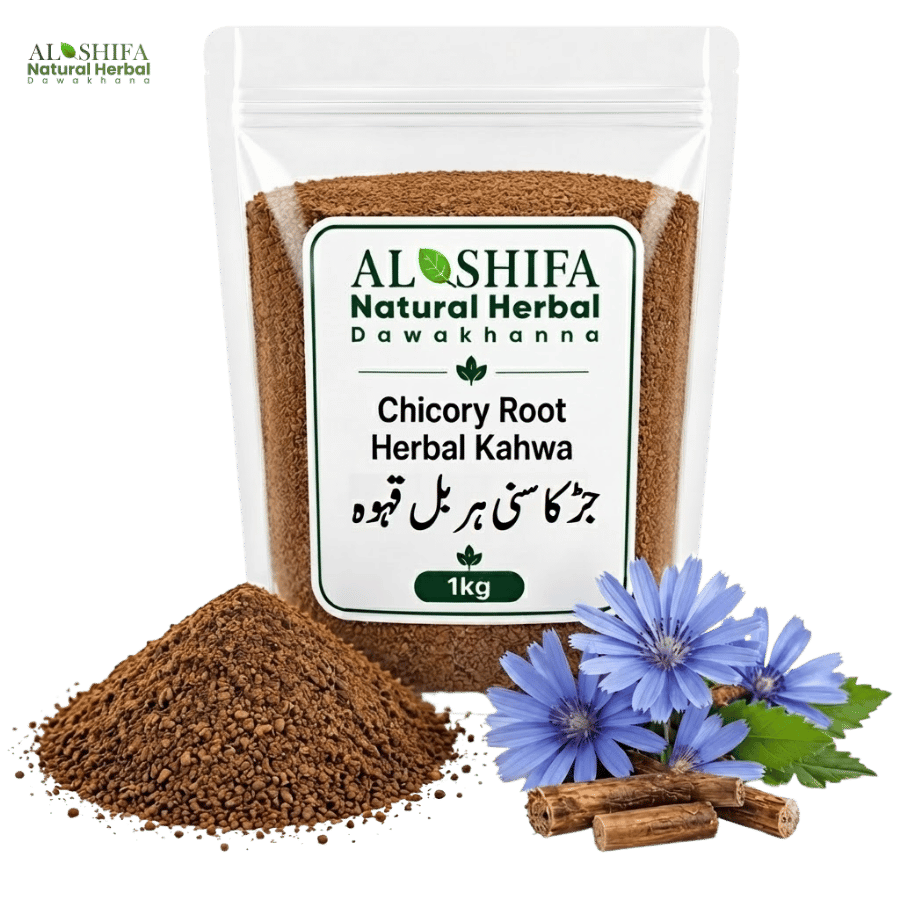
Chicory Root Herbal Kahwa is a traditional herbal infusion prepared from Chicory Root (Cichorium intybus), valued for its distinctive earthy taste and naturally occurring botanical compounds.
How to Use: Steep the recommended quantity in hot water according to the product directions, strain if required, and serve warm.
Important Note: This is a traditional herbal beverage and is not intended to diagnose, treat, cure, or prevent any medical condition.
Chicory Root Herbal Kahwa / جڑ کاسنی ہربل قہوہ is a naturally earthy, aromatic herbal beverage prepared from the dried root of the chicory plant (Cichorium intybus L.), a well-known member of the Asteraceae family. Chicory has a long history of use as a food plant, herbal ingredient, and roasted beverage substitute in different parts of the world.
Chicory root is particularly notable for its natural content of inulin, a type of soluble dietary fiber and fructan that acts as a prebiotic substrate for certain beneficial intestinal bacteria. The root also contains naturally occurring phenolic compounds and other botanical constituents. However, the amount of inulin and other compounds present in a prepared cup of Chicory Root Herbal Kahwa depends greatly on the root processing, roasting, quantity used, brewing method, and whether the solids are consumed or strained.
Unlike ordinary black or green tea, pure Chicory Root Herbal Kahwa is naturally caffeine-free. Its distinctive earthy, slightly bitter and roasted character makes it particularly suitable for people looking for a naturally caffeine-free herbal drink or an alternative to conventional caffeinated beverages.
Product Name: Chicory Root Herbal Kahwa
Urdu Name: جڑ کاسنی ہربل قہوہ
Common Name: Chicory Root Tea
Alternative Names: Chicory Root Herbal Tea / Chicory Root Infusion / Chicory Kahwa / Dried Chicory Root Tea
Botanical Name: Cichorium intybus L.
Plant Family: Asteraceae
Plant Part Used: Dried Root
Product Type: Herbal Root Infusion
Form: Dried Cut, Crushed or Coarsely Ground Root
Caffeine: Naturally Caffeine-Free when Pure
Flavor Profile: Earthy, Mildly Bitter, Woody and Slightly Roasted
Preparation: Herbal Infusion or Light Decoction
Chicory is a perennial herbaceous plant traditionally cultivated for both its leaves and roots. It produces attractive blue flowers and develops a thick root beneath the soil.
Different parts of the plant have different culinary uses. The leaves of certain varieties are consumed as vegetables, while the root may be:
The dried root used for herbal kahwa should therefore not be confused with fresh chicory leaves or leafy salad varieties.
Chicory root has been used for generations as a botanical beverage ingredient. In several cultures, roasted chicory became particularly popular as a coffee substitute or coffee extender because roasting gives the root a deeper, darker and more robust flavor.
Unroasted or lightly processed chicory root generally produces a more distinctly herbal, earthy and mildly bitter infusion.
The final flavor therefore depends substantially on whether the root is:
This is important when comparing different Chicory Root Herbal Kahwa products.
Pure chicory root does not naturally contain caffeine.
This makes Chicory Root Herbal Kahwa particularly suitable for people who want:
However, commercial beverages sometimes combine chicory with coffee, black tea, green tea or other ingredients containing caffeine.
Only pure chicory root preparations should automatically be considered naturally caffeine-free.
One of the most important nutritional characteristics of chicory root is its naturally occurring inulin.
Inulin is a type of carbohydrate belonging to a group known as fructans. Unlike ordinary digestible carbohydrates, much of inulin is not broken down and absorbed in the small intestine in the usual way.
Instead, it reaches the large intestine where it can be fermented by intestinal microorganisms.
For this reason, chicory-derived inulin is widely used in foods as:
Whole chicory root, purified chicory inulin, chicory extract and a strained cup of chicory kahwa should not be assumed to provide identical amounts of inulin.
A prebiotic is a substrate that is selectively utilized by microorganisms in the body and can contribute to a health benefit.
Chicory root inulin is one of the best-known dietary prebiotic fibers.
When it reaches the large intestine, certain intestinal microorganisms can ferment it. This may influence the composition and metabolic activity of the intestinal microbiota.
Chicory inulin is particularly associated with supporting populations of certain beneficial intestinal bacteria.
However, the prebiotic effects demonstrated using measured amounts of isolated or standardized chicory inulin should not automatically be attributed at the same magnitude to an ordinary cup of strained Chicory Root Herbal Kahwa.
Chicory root is commonly associated with digestive wellness primarily because of its natural fructan and inulin content.
Dietary inulin can contribute to:
The amount required to produce specific fiber-related effects may be substantially greater than the amount extracted into a lightly brewed cup of kahwa.
For this reason, Chicory Root Herbal Kahwa is best considered part of a balanced digestive wellness routine rather than a treatment for gastrointestinal disease.
Chicory-derived inulin has been studied for its effects on bowel function.
Dietary fiber and fermentable carbohydrates can influence:
However, an ordinary strained chicory beverage may contain considerably less fiber than whole chicory root or a measured inulin supplement.
People experiencing persistent constipation, diarrhea, blood in the stool or significant changes in bowel habits should seek appropriate medical assessment rather than relying only on herbal beverages.
The human digestive tract contains a large and diverse community of microorganisms collectively known as the gut microbiota.
Diet strongly influences this microbial community.
Chicory inulin is fermented by certain intestinal bacteria and can encourage changes in the microbial environment. This is one reason chicory root has become a widely recognized ingredient in prebiotic foods.
A healthy intestinal environment, however, depends on the overall diet rather than one ingredient alone.
A varied diet containing:
remains important for overall digestive health.
This distinction is especially important.
A whole botanical ingredient containing inulin along with various other natural plant constituents.
A concentrated fiber ingredient extracted and standardized from chicory root.
A water-based preparation in which only the compounds extracted during brewing are consumed, particularly if the solid root is strained out.
Therefore, clinical findings involving a specific daily dose of purified chicory inulin cannot automatically be translated into the same effect from one cup of chicory kahwa.
Chicory root contains naturally occurring phenolic compounds and other phytochemicals.
The plant has been studied for compounds including derivatives associated with:
The exact chemical profile varies according to:
Roasting can substantially alter the chemical and sensory profile of chicory root.
Chicory contains several botanical compounds that demonstrate antioxidant activity in laboratory testing.
These include various phenolic compounds naturally present in the plant.
It is important to distinguish between:
laboratory antioxidant activity and clinically proven treatment of disease.
The presence of antioxidant compounds does not mean that Chicory Root Herbal Kahwa can cure or prevent cancer, cardiovascular disease, liver disease or another medical condition.
It is more appropriate to consider it a botanical beverage that contributes variety to a plant-rich diet.
Chicory has a long history of traditional herbal use associated with the liver and digestive system.
Various experimental studies have also investigated chicory and its constituents in relation to liver function and oxidative processes.
However, traditional use and laboratory findings are not sufficient to establish ordinary Chicory Root Herbal Kahwa as a treatment for liver disease.
It should not be used as a replacement for medical care in conditions such as:
People with known liver disease should follow professional medical guidance.
Chicory has historically been used in herbal traditions for digestive and biliary wellness.
However, this does not mean that chicory kahwa should be used to self-treat gallstones or obstruction of the bile ducts.
People with:
should obtain medical advice before using concentrated herbal preparations intended to influence digestive or biliary function.
Chicory and chicory-derived inulin have been studied in relation to glucose metabolism and metabolic health.
Inulin is not digested like ordinary sugar and is widely used as a fiber ingredient in food products.
However, drinking Chicory Root Herbal Kahwa should not be considered a treatment for diabetes or a replacement for prescribed glucose-lowering medication.
People with diabetes should continue appropriate:
as advised by their healthcare professional.
Dietary fiber and prebiotic ingredients are increasingly studied in relation to overall metabolic health.
Chicory-derived inulin has been investigated in areas involving:
The results depend on the population studied, amount consumed, duration and form of chicory-derived ingredient.
An ordinary cup of herbal kahwa should not be expected to reproduce the effects of controlled studies using standardized quantities of purified inulin.
Chicory Root Herbal Kahwa is sometimes marketed as a weight-loss beverage, but this requires careful interpretation.
Pure chicory kahwa without sugar can be a relatively simple beverage choice and may replace higher-calorie sweetened drinks.
However, it does not independently cause meaningful fat loss.
Healthy weight management primarily depends on factors such as:
Chicory Root Herbal Kahwa can be part of such a lifestyle but should not be described as a guaranteed slimming treatment.
Roasted chicory root is particularly well known as a coffee substitute.
When roasted, chicory develops:
Unlike coffee beans, pure roasted chicory does not naturally contain caffeine.
This makes it useful for people who enjoy the experience of a dark, warm beverage but wish to reduce caffeine intake.
The flavor is not identical to coffee, however, and chicory retains its own distinctive earthy and slightly woody character.
Because Chicory Root Herbal Kahwa is prepared primarily with water, it contributes to daily fluid intake.
Pure chicory root is naturally caffeine-free, making it suitable as a warm beverage at different times of the day.
It may be enjoyed:
It should complement rather than completely replace ordinary drinking water.
Chicory Root Herbal Kahwa can be incorporated into an everyday botanical beverage routine alongside a balanced diet and healthy lifestyle.
A well-rounded wellness routine should also include:
No single herbal beverage can compensate for an otherwise poor diet or unhealthy lifestyle.
The taste of Chicory Root Herbal Kahwa depends greatly on whether the root is unroasted or roasted.
Generally produces an infusion that is:
Usually develops:
Natural variations are expected between batches.
Chicory root can be prepared either by steeping or by a short, gentle simmer depending on the cut and processing of the root.
Dried Chicory Root: Approximately 1–2 teaspoons
Water: Approximately 200–250 ml
The amount and brewing time may be adjusted according to the product form and desired strength.
Finely cut or lightly processed chicory root may also be prepared by infusion.
Coarser and harder root pieces may require gentle simmering for better extraction.
A small amount of honey may be added according to personal taste.
Honey can soften the naturally bitter character of chicory.
People controlling their sugar or calorie intake may prefer to drink the kahwa without added sweeteners.
Honey should not be given to children under one year of age.
Cinnamon may be combined with chicory root for a warmer aromatic flavor.
The combination can provide:
However, once additional herbs or spices are added, the beverage should be considered a blend and its overall properties depend on all ingredients.
A small amount of ginger may be added for a stronger, warmer taste.
This creates a more robust herbal beverage, particularly suitable for people who enjoy spicy herbal infusions.
People sensitive to strong spices should begin with a small quantity.
Chicory Root Herbal Kahwa may be enjoyed as part of:
It should primarily be regarded as a botanical food beverage rather than a medicine.
A typical serving can be prepared using approximately:
1–2 teaspoons of dried chicory root per 200–250 ml water.
The ideal quantity depends on:
People who have never consumed chicory root before may prefer to begin with a lighter preparation.
One of the most important practical considerations with chicory root is its inulin and fructan content.
Because these carbohydrates are fermented by intestinal bacteria, consuming significant quantities may cause:
These effects are particularly likely when a person suddenly consumes large quantities of inulin.
Gradually introducing chicory-containing foods may improve tolerance in some individuals.
Chicory root naturally contains fructans.
People who follow a low-FODMAP diet because of irritable bowel syndrome or similar digestive sensitivity may find chicory root poorly tolerated.
Possible symptoms can include:
People with known fructan sensitivity should therefore be particularly cautious with chicory root and chicory-derived inulin.
Chicory Root Herbal Kahwa may cause unwanted effects in some individuals, particularly when consumed in large quantities.
Possible effects include:
Begin with a modest amount if you are unfamiliar with chicory root.
Discontinue use if significant or unusual symptoms occur.
Chicory belongs to the Asteraceae family, which also includes several other plants.
People with known sensitivity to plants in this botanical family may have a greater possibility of reacting to chicory.
Particular caution may be appropriate for people with known allergies to related plants such as:
Cross-reactivity is not guaranteed, but people with significant plant allergies should use appropriate caution.
Seek immediate medical attention for serious allergic symptoms such as swelling, wheezing or difficulty breathing.
Food-level use and medicinal quantities of concentrated herbal preparations should not automatically be considered equivalent.
During pregnancy, avoid unnecessarily large or concentrated quantities of chicory root unless its suitability has been discussed with an appropriate healthcare professional.
Extra caution is appropriate with:
During breastfeeding, moderate food-level consumption and concentrated herbal preparations should also be distinguished.
If Chicory Root Herbal Kahwa contains additional herbs, the safety and suitability of each ingredient should be considered separately.
Avoid excessive consumption of concentrated multi-herb preparations without appropriate guidance.
People taking regular prescription medicines should be cautious about consuming concentrated botanical products in unusually large amounts.
Chicory kahwa should not be used as a reason to discontinue or reduce prescribed medicines for:
People with ongoing medical conditions should discuss frequent medicinal-level herbal use with an appropriate healthcare professional.
Chicory root and chicory leaves come from the same plant but have different culinary uses and nutritional profiles.
Commonly dried, roasted, extracted for inulin or used in beverages.
Used as leafy vegetables or salad greens in certain chicory varieties.
The properties of the leaves should therefore not automatically be attributed to the dried root beverage.
Chicory and dandelion are related botanical plants but are not the same.
Chicory is generally identified as Cichorium intybus, whereas dandelion belongs to a different botanical genus.
Both roots are sometimes:
Their botanical composition and flavor profiles differ, so the names should not be used interchangeably.
Chicory root and coffee beans are completely different botanical products.
Commercial chicory-coffee blends contain both products and therefore usually contain caffeine.
Good-quality dried chicory root generally has:
Appearance: Cut, crushed or coarsely ground dried root pieces
Color: Light tan to brown in unroasted material; darker brown when roasted
Aroma: Earthy and characteristic, becoming deeper and roasted after roasting
Taste: Earthy, mildly bitter and woody
Roasted Taste: Deeper, toasted and slightly coffee-like
Because chicory is an agricultural botanical material, some natural variation between batches is expected.
Chicory root can vary according to:
These factors can influence its:
Minor natural variation between batches is therefore normal.
Good-quality dried chicory root should generally have:
Roasted chicory should have a naturally darker appearance without an abnormal burnt or spoiled odor.
Our Chicory Root Herbal Kahwa / جڑ کاسنی ہربل قہوہ is selected and packed with attention to botanical quality, cleanliness, freshness and proper handling.
Our Chicory Root Herbal Kahwa is selected and packed with attention to:
Natural differences in root size, color and flavor may occur between batches because chicory is an agricultural product.
To help maintain the quality of Chicory Root Herbal Kahwa:
Product Name: Chicory Root Herbal Kahwa
Urdu Name: جڑ کاسنی ہربل قہوہ
Common Name: Chicory Root Tea
Alternative Names: Chicory Root Herbal Tea / Chicory Root Infusion / Chicory Kahwa
Botanical Name: Cichorium intybus L.
Plant Family: Asteraceae
Plant Part Used: Dried Root
Product Type: Herbal Root Infusion
Form: Dried Cut, Crushed or Coarsely Ground Root
Caffeine: Naturally Caffeine-Free when Pure
Flavor: Earthy, Mildly Bitter and Woody
Notable Natural Constituent: Inulin
Preparation: Herbal Infusion or Light Decoction
Storage: Cool, Dry and Moisture-Free Place
Our Premium Chicory Root Herbal Kahwa / جڑ کاسنی ہربل قہوہ is prepared from carefully selected, food-grade dried chicory root chosen for its characteristic natural aroma, appearance and botanical quality.
Chicory root is naturally notable for its inulin and fructan content, along with various naturally occurring phenolic and other botanical compounds. Inulin is a recognized prebiotic dietary fiber that can be fermented by certain beneficial intestinal bacteria. However, the amount obtained from a cup of kahwa depends on the quantity of root, processing and preparation method and should not be assumed to equal a measured dose of purified chicory inulin.
Pure Chicory Root Herbal Kahwa is naturally caffeine-free and offers an earthy, mildly bitter herbal alternative to ordinary tea and coffee. It may be enjoyed after meals, during the evening or as part of an everyday caffeine-free herbal beverage routine.
Our chicory root is carefully selected, cleaned and securely packed to help preserve its natural character, freshness, aroma and botanical quality.
Important Note: Chicory Root Herbal Kahwa is primarily a botanical food beverage and is not intended to diagnose, treat, cure or prevent any disease. Whole chicory root, purified chicory inulin, concentrated chicory extracts and ordinary strained chicory kahwa are different preparations and should not be considered nutritionally or therapeutically equivalent. Chicory contains fructans and may cause gas, bloating or digestive discomfort in sensitive individuals, particularly those with fructan sensitivity or irritable bowel syndrome.
جڑ کاسنی ہربل قہوہ کاسنی کے پودے کی خشک جڑ سے تیار کیا جانے والا ایک قدرتی، قدرے کڑوا، خوشبودار اور روایتی نباتاتی مشروب ہے۔ کاسنی ایک معروف جڑی بوٹی ہے جس کی جڑ اور پتے مختلف غذائی اور روایتی استعمالات میں شامل رہے ہیں۔ اس کی جڑ کو خشک کرکے، کاٹ کر، موٹا پیس کر یا بعض اوقات بھون کر گرم پانی میں تیار کیا جاتا ہے۔
خالص جڑ کاسنی میں قدرتی طور پر کیفین موجود نہیں ہوتی، اس لیے اس سے تیار قہوہ ان افراد کے لیے موزوں ہو سکتا ہے جو عام چائے یا کافی کا کیفین سے پاک متبادل چاہتے ہوں۔
جڑ کاسنی کی ایک نمایاں غذائی خصوصیت اس میں قدرتی طور پر موجود انولین ہے، جو ایک قسم کا حل پذیر غذائی ریشہ اور فریکٹان ہے۔ یہ آنتوں کے بعض مفید جراثیم کے لیے غذائی مادے کے طور پر کام کر سکتا ہے۔ اسی وجہ سے کاسنی کی جڑ کو ہاضمہ اور آنتوں کی عمومی تندرستی سے منسلک کیا جاتا ہے۔
تاہم پوری جڑ، خالص انولین، مرتکز عصارہ اور چھان کر تیار کیا گیا عام قہوہ ایک جیسی چیزیں نہیں ہیں۔ ان میں قدرتی اجزاء کی مقدار اور اثر مختلف ہو سکتا ہے۔
پروڈکٹ کا نام: جڑ کاسنی ہربل قہوہ
عام نام: کاسنی کی جڑ کی چائے
متبادل نام: جڑ کاسنی قہوہ، خشک جڑ کاسنی، کاسنی جڑ ہربل چائے
نباتاتی نام: سیچوریم اِنٹیبس
نباتاتی خاندان: سورج مکھی خاندان
استعمال ہونے والا حصہ: خشک جڑ
پروڈکٹ کی قسم: جڑ سے تیار ہونے والا نباتاتی مشروب
شکل: خشک کٹی، موٹی پسی یا بھنی ہوئی جڑ
کیفین: خالص حالت میں قدرتی طور پر کیفین سے پاک
ذائقہ: مٹی جیسا، قدرے کڑوا، لکڑی جیسا اور بھنی ہوئی شکل میں زیادہ گہرا
تیاری: گرم پانی میں دم دے کر یا ہلکا جوش دے کر
کاسنی ایک جڑی بوٹی نما پودا ہے جس کی جڑ زمین کے اندر نسبتاً موٹی اور لمبی ہو سکتی ہے۔ مختلف اقسام میں اس کے پتے بھی غذائی طور پر استعمال کیے جاتے ہیں، جبکہ جڑ کو خشک کرکے مختلف طریقوں سے استعمال کیا جا سکتا ہے۔
جڑ کاسنی کو روایتی طور پر:
بھنی ہوئی جڑ کا ذائقہ نسبتاً گہرا، بھنا ہوا اور کافی جیسا محسوس ہو سکتا ہے، جبکہ غیر بھنی جڑ زیادہ نباتاتی اور مٹی جیسا ذائقہ رکھتی ہے۔
خالص جڑ کاسنی میں قدرتی طور پر کیفین نہیں ہوتی۔
اسی لیے یہ ان افراد کے لیے ایک اچھا انتخاب ہو سکتی ہے جو:
اگر جڑ کاسنی کو کافی یا کسی کیفین والی چائے کے ساتھ ملایا گیا ہو تو تیار شدہ مشروب میں کیفین موجود ہو سکتی ہے۔
انولین ایک قسم کا قدرتی حل پذیر غذائی ریشہ ہے جو فریکٹانز کے گروہ سے تعلق رکھتا ہے۔
یہ عام شکر یا نشاستہ کی طرح چھوٹی آنت میں مکمل طور پر ہضم نہیں ہوتا بلکہ بڑی آنت تک پہنچ سکتا ہے، جہاں بعض آنتوں کے مفید جراثیم اسے خمیر کرتے ہیں۔
اسی وجہ سے انولین کو:
کے طور پر جانا جاتا ہے۔
پری بایوٹک ایسے غذائی اجزاء کو کہا جاتا ہے جو آنتوں کے بعض مفید جراثیم کے لیے خوراک کا کام کرتے ہیں۔
جڑ کاسنی میں موجود انولین اس حوالے سے معروف ہے۔
یہ آنتوں کے ماحول میں بعض مفید جراثیم کی افزائش اور سرگرمی کے لیے معاون غذائی مادہ بن سکتا ہے۔
تاہم یہ فرق بہت اہم ہے کہ:
ان سب میں انولین کی مقدار ایک جیسی نہیں ہوتی۔
اسی لیے خالص انولین پر ہونے والی تحقیق کے نتائج کو عام قہوہ پر براہِ راست لاگو نہیں کرنا چاہیے۔
جڑ کاسنی کو ہاضمہ اور آنتوں کی عمومی تندرستی سے جوڑنے کی بڑی وجہ اس میں موجود انولین اور فریکٹانز ہیں۔
یہ قدرتی اجزاء:
تاہم ہلکے قہوہ سے حاصل ہونے والی مقدار پوری جڑ یا خالص انولین کے مقابلے میں کم ہو سکتی ہے۔
کاسنی سے حاصل ہونے والا انولین بعض افراد میں آنتوں کی حرکت اور پاخانے کی باقاعدگی پر اثر انداز ہو سکتا ہے۔
اس کا تعلق:
سے ہو سکتا ہے۔
لیکن اگر کسی شخص کو:
ہو تو صرف ہربل قہوہ پر انحصار نہیں کرنا چاہیے۔
انسانی آنتوں میں بہت سے مختلف جراثیم قدرتی طور پر موجود ہوتے ہیں۔
غذا ان کی ترکیب اور سرگرمی پر اثر ڈالتی ہے۔
جڑ کاسنی میں موجود انولین بعض مفید آنتوں کے جراثیم کے لیے غذائی مادہ بن سکتا ہے، اسی لیے اسے آنتوں کی عمومی تندرستی سے جوڑا جاتا ہے۔
تاہم آنتوں کی صحت کے لیے مجموعی غذا بھی بہت اہم ہے۔
روزمرہ غذا میں شامل ہونا چاہیے:
یہ فرق سمجھنا ضروری ہے۔
یہ قدرتی مکمل نباتاتی جڑ ہے جس میں انولین کے ساتھ مختلف دوسرے نباتاتی اجزاء بھی موجود ہوتے ہیں۔
یہ جڑ سے الگ کرکے نسبتاً مرتکز شکل میں حاصل کیا جاتا ہے۔
یہ پانی میں تیار کیا جاتا ہے، جس میں صرف وہ اجزاء شامل ہوتے ہیں جو پانی میں مناسب حد تک منتقل ہو سکیں۔
اسی لیے عام قہوہ کو خالص انولین کے غذائی ضمیمے کے برابر نہیں سمجھنا چاہیے۔
جڑ کاسنی میں مختلف قدرتی فینولی مرکبات بھی پائے جا سکتے ہیں۔
ان میں شامل ہو سکتے ہیں:
ان کی اصل مقدار درج ذیل عوامل سے متاثر ہو سکتی ہے:
جڑ کاسنی میں بعض ایسے نباتاتی مرکبات موجود ہوتے ہیں جن میں ضدِ تکسیدی خصوصیات ہو سکتی ہیں۔
یہ پودے کے قدرتی کیمیائی اجزاء کا حصہ ہوتے ہیں۔
تاہم کسی نباتاتی جزو میں ضدِ تکسیدی خاصیت ہونے کا مطلب یہ نہیں کہ وہ:
اس لیے جڑ کاسنی کے قہوہ کو عمومی نباتاتی مشروب کے طور پر دیکھنا زیادہ مناسب ہے۔
کاسنی کا روایتی استعمال جگر اور نظامِ ہاضمہ سے بھی منسلک رہا ہے۔
تاہم روایتی استعمال کو جدید طبی علاج کے برابر نہیں سمجھنا چاہیے۔
جڑ کاسنی کا قہوہ کسی بھی صورت میں درج ذیل بیماریوں کا یقینی علاج نہیں ہے:
جگر کی بیماری میں مناسب طبی معائنہ ضروری ہے۔
کاسنی روایتی طور پر نظامِ ہاضمہ اور صفراوی افعال سے جوڑی جاتی رہی ہے۔
تاہم اگر کسی شخص کو:
ہو تو خود سے مرتکز جڑی بوٹیوں کا استعمال نہیں کرنا چاہیے۔
ایسی حالت میں مناسب طبی معائنہ ضروری ہے۔
جڑ کاسنی اور انولین پر خون میں شکر اور میٹابولزم کے حوالے سے تحقیق ہوئی ہے۔
انولین عام شکر کی طرح مکمل طور پر جذب نہیں ہوتا، اسی لیے اسے بعض غذائی مصنوعات میں ریشے کے طور پر بھی استعمال کیا جاتا ہے۔
تاہم جڑ کاسنی کا قہوہ ذیابیطس کا علاج نہیں ہے۔
ذیابیطس کے مریض درج ذیل امور جاری رکھیں:
جڑ کاسنی کے قہوہ کو بعض اوقات وزن کم کرنے والے مشروب کے طور پر پیش کیا جاتا ہے، لیکن یہ دعویٰ احتیاط سے سمجھنا چاہیے۔
بغیر شکر کا جڑ کاسنی قہوہ کم کیلوری والا گرم مشروب ہو سکتا ہے اور زیادہ میٹھے مشروبات کے متبادل کے طور پر استعمال کیا جا سکتا ہے۔
لیکن صرف یہ قہوہ پینے سے چربی خود بخود ختم نہیں ہوتی۔
صحت مند وزن کے لیے اہم عوامل ہیں:
بھنی ہوئی جڑ کاسنی کا استعمال دنیا کے مختلف علاقوں میں کافی کے متبادل یا کافی میں ملانے کے لیے کیا جاتا رہا ہے۔
بھوننے کے بعد جڑ میں:
پیدا ہو سکتا ہے۔
خالص جڑ کاسنی میں کیفین موجود نہیں ہوتی، اسی لیے یہ ان افراد کے لیے مفید متبادل ہو سکتی ہے جو کیفین کم کرنا چاہتے ہوں۔
جڑ کاسنی کا قہوہ پانی سے تیار ہونے والا مشروب ہے، اس لیے یہ روزانہ استعمال ہونے والے سیال میں حصہ ڈال سکتا ہے۔
اسے استعمال کیا جا سکتا ہے:
تاہم عام صاف پانی روزمرہ ہائیڈریشن کے لیے بنیادی مشروب رہنا چاہیے۔
جڑ کاسنی کا ذائقہ اس کے بھنے یا غیر بھنے ہونے کے مطابق مختلف ہو سکتا ہے۔
قدرتی جڑ ہونے کی وجہ سے مختلف بیچوں میں ذائقے میں معمولی فرق ہو سکتا ہے۔
خشک جڑ کاسنی: تقریباً ایک سے دو چائے کے چمچ
پانی: تقریباً دو سو سے ڈھائی سو ملی لیٹر
جڑ کے ٹکڑوں کے سائز اور بھنے ہونے کے مطابق وقت میں معمولی فرق ہو سکتا ہے۔
اگر جڑ باریک کٹی یا نسبتاً نرم ہو تو اسے صرف گرم پانی میں دم بھی دیا جا سکتا ہے۔
موٹی اور سخت جڑ کو ہلکا جوش دینا زیادہ مناسب ہو سکتا ہے۔
جڑ کاسنی کا قدرتی ذائقہ قدرے کڑوا ہو سکتا ہے۔
حسبِ ذائقہ تھوڑی مقدار میں شہد شامل کیا جا سکتا ہے۔
جو افراد:
رکھتے ہوں وہ بغیر میٹھے کے استعمال کریں۔
ایک سال سے کم عمر بچے کو شہد نہ دیں۔
دارچینی جڑ کاسنی کے ذائقے کو زیادہ خوشبودار اور گرم بنا سکتی ہے۔
اس امتزاج سے:
تاہم اضافی جڑی بوٹی شامل ہونے کے بعد تیار شدہ مشروب کے مجموعی خواص دونوں اجزاء کے مطابق ہوں گے۔
تھوڑی مقدار میں ادرک شامل کرنے سے قہوہ زیادہ تیز، گرم اور خوشبودار ہو سکتا ہے۔
جو افراد تیز مصالحوں سے حساس ہوں وہ کم مقدار سے آغاز کریں۔
جڑ کاسنی کے استعمال میں سب سے اہم بات اس میں موجود انولین اور فریکٹانز ہیں۔
یہ آنتوں میں خمیر ہو سکتے ہیں، جس کی وجہ سے بعض افراد میں:
ہو سکتے ہیں۔
زیادہ مقدار اچانک شروع کرنے سے یہ علامات زیادہ نمایاں ہو سکتی ہیں۔
جن افراد کو آنتوں کی حساسیت ہو، خصوصاً وہ لوگ جنہیں بعض خمیر ہونے والے کاربوہائیڈریٹس سے مسئلہ ہوتا ہو، ان میں جڑ کاسنی علامات بڑھا سکتی ہے۔
ممکنہ علامات:
ایسے افراد کم مقدار سے آغاز کریں یا اپنے غذائی منصوبے کے مطابق استعمال محدود رکھیں۔
بعض افراد میں جڑ کاسنی کے زیادہ استعمال سے درج ذیل مسائل ہو سکتے ہیں:
اگر پہلی مرتبہ استعمال کر رہے ہوں تو ہلکی مقدار سے آغاز کرنا بہتر ہے۔
کاسنی سورج مکھی خاندان سے تعلق رکھتی ہے۔
جن افراد کو اسی خاندان کے پودوں سے الرجی ہو انہیں احتیاط کرنی چاہیے، مثلاً:
ہر فرد میں الرجی لازماً نہیں ہوگی، لیکن حساس افراد میں امکان موجود ہو سکتا ہے۔
شدید الرجی کی علامات میں:
کی صورت میں فوری طبی مدد حاصل کریں۔
غذائی مقدار اور بہت زیادہ طبی مقدار کو ایک جیسا نہیں سمجھنا چاہیے۔
حمل کے دوران خصوصی احتیاط کریں اگر:
حاملہ خواتین غیر ضروری زیادہ مقدار سے گریز کریں۔
دودھ پلانے کے دوران بھی عام غذائی مقدار اور بہت زیادہ مرتکز نباتاتی تیاری میں فرق رکھنا چاہیے۔
اگر قہوہ میں دوسری جڑی بوٹیاں بھی شامل ہوں تو تمام اجزاء کی موزونیت الگ سے دیکھنا ضروری ہے۔
عام جڑ کاسنی قہوہ نسبتاً ہلکا نباتاتی مشروب ہے، لیکن بہت زیادہ یا مرتکز استعمال میں احتیاط ضروری ہے۔
خاص طور پر اگر ادویات استعمال ہو رہی ہوں:
اپنی تجویز کردہ دوا قہوہ کی وجہ سے خود سے بند یا کم نہ کریں۔
کاسنی کی جڑ اور پتے ایک ہی پودے سے حاصل ہو سکتے ہیں، لیکن دونوں کے غذائی خواص اور استعمال مختلف ہوتے ہیں۔
اسی لیے پتوں کے خواص کو براہِ راست جڑ کے قہوہ پر لاگو نہیں کرنا چاہیے۔
کاسنی اور ڈینڈیلین نباتاتی طور پر ایک دوسرے سے متعلق خاندان میں آ سکتے ہیں، لیکن دونوں الگ پودے ہیں۔
دونوں کی جڑیں:
لیکن ان کی نباتاتی شناخت اور قدرتی ترکیب مختلف ہوتی ہے۔
اگر دونوں کو ملا دیا جائے تو تیار شدہ مشروب میں کیفین موجود ہوگی۔
معیاری خشک جڑ کاسنی میں عمومی طور پر درج ذیل خصوصیات ہونی چاہئیں:
بھنی ہوئی جڑ قدرتی طور پر زیادہ گہرے رنگ کی ہو سکتی ہے۔
جڑ کاسنی کا رنگ، ذائقہ اور ساخت درج ذیل عوامل کے مطابق مختلف ہو سکتی ہے:
اسی لیے مختلف بیچوں میں معمولی فرق قدرتی بات ہے۔
ہمارا جڑ کاسنی ہربل قہوہ نباتاتی معیار، صفائی، تازگی اور قدرتی خصوصیات کو مدنظر رکھتے ہوئے منتخب اور پیک کیا جاتا ہے۔
جڑ کاسنی کو منتخب اور پیک کرتے وقت درج ذیل امور پر خصوصی توجہ دی جاتی ہے:
قدرتی زرعی پیداوار ہونے کی وجہ سے مختلف بیچوں میں رنگ، سائز اور ذائقے میں معمولی فرق ہو سکتا ہے۔
جڑ کاسنی کی تازگی اور معیار برقرار رکھنے کے لیے:
پروڈکٹ کا نام: جڑ کاسنی ہربل قہوہ
عام نام: کاسنی کی جڑ کی چائے
متبادل نام: جڑ کاسنی قہوہ، خشک جڑ کاسنی، کاسنی جڑ ہربل چائے
نباتاتی نام: سیچوریم اِنٹیبس
نباتاتی خاندان: سورج مکھی خاندان
استعمال ہونے والا حصہ: خشک جڑ
پروڈکٹ کی قسم: جڑ سے تیار ہونے والا نباتاتی مشروب
شکل: خشک کٹی، موٹی پسی یا بھنی جڑ
کیفین: خالص حالت میں قدرتی طور پر کیفین سے پاک
ذائقہ: مٹی جیسا، قدرے کڑوا اور لکڑی جیسا
نمایاں قدرتی جزو: انولین
تیاری: گرم پانی میں دم دے کر یا ہلکا جوش دے کر
ذخیرہ: ٹھنڈی، خشک اور نمی سے محفوظ جگہ
ہمارا اعلیٰ معیار کا جڑ کاسنی ہربل قہوہ احتیاط سے منتخب کی گئی خشک جڑ کاسنی سے تیار کیا جاتا ہے۔ یہ ایک قدرتی، قدرے کڑوا، مٹی جیسا اور خالص حالت میں کیفین سے پاک نباتاتی مشروب ہے۔
جڑ کاسنی قدرتی طور پر انولین اور فریکٹانز کا ذریعہ ہو سکتی ہے، جو آنتوں کے بعض مفید جراثیم کے لیے غذائی مادہ بن سکتے ہیں۔ اس کے علاوہ جڑ میں مختلف قدرتی فینولی اور دوسرے نباتاتی مرکبات بھی موجود ہو سکتے ہیں۔
خالص جڑ کاسنی کا قہوہ عام چائے اور کافی کا کیفین سے پاک متبادل بن سکتا ہے اور اسے کھانے کے بعد، شام میں یا سرد موسم میں گرم نباتاتی مشروب کے طور پر استعمال کیا جا سکتا ہے۔
جڑ کو احتیاط سے منتخب، صاف اور محفوظ طریقے سے پیک کیا جاتا ہے تاکہ اس کی قدرتی ساخت، خوشبو، تازگی اور نباتاتی معیار بہتر طور پر برقرار رہے۔
اہم طبی نوٹ: جڑ کاسنی ہربل قہوہ بنیادی طور پر ایک قدرتی غذائی اور نباتاتی مشروب ہے۔ اسے ذیابیطس، جگر کی بیماری، پتہ کی بیماری، قبض یا کسی دوسری بیماری کے یقینی علاج کے طور پر استعمال نہیں کرنا چاہیے۔ جڑ کاسنی میں موجود فریکٹانز اور انولین بعض حساس افراد میں گیس، پیٹ پھولنے، مروڑ یا پاخانے کی عادات میں تبدیلی پیدا کر سکتے ہیں۔ پوری جڑ، خالص انولین، مرتکز عصارہ اور عام قہوہ ایک جیسی مصنوعات نہیں ہیں۔