گل غافث
Price range: ₨ 350 through ₨ 6,000
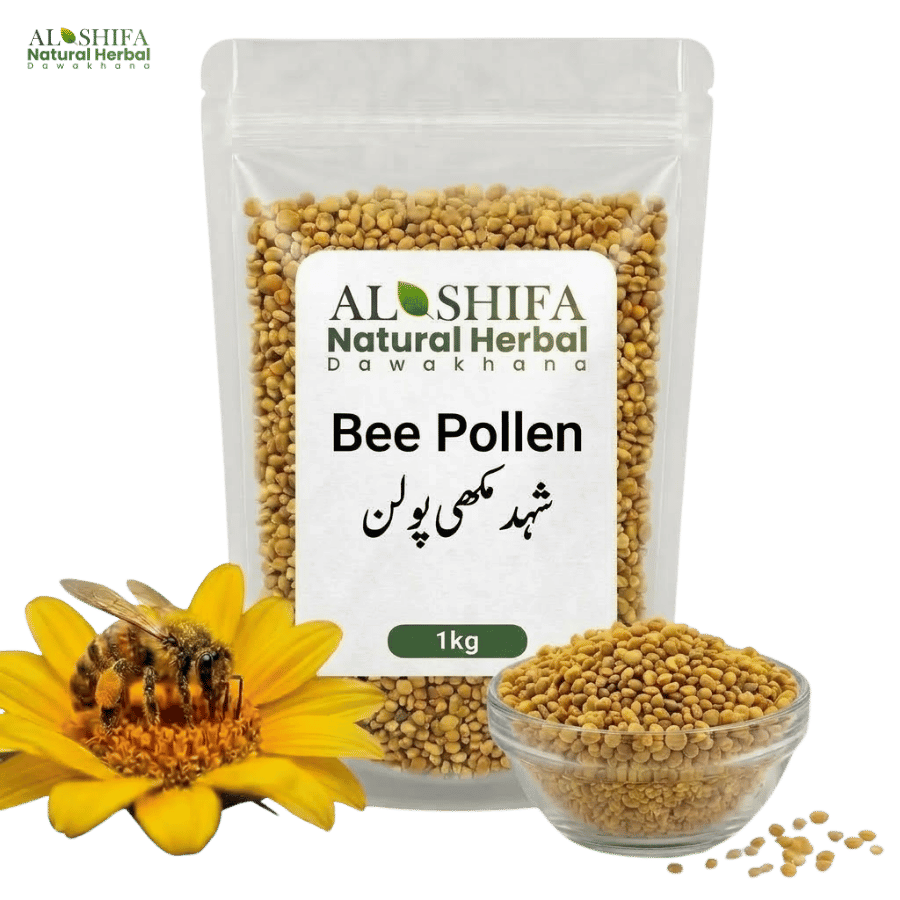
Bee Pollen is a natural bee-collected material formed from flower pollen gathered by honeybees and packed into small granules. It is naturally associated with proteins, amino acids, carbohydrates, vitamins, minerals and plant compounds and is traditionally valued for general nourishment and wellness preparations.
Al Shifa Bee Pollen is carefully selected with attention to its natural granule form, characteristic appearance, cleanliness, proper dryness, physical quality and responsible storage.
Key Features:
Usage: Use as a nutritional ingredient in suitable foods, drinks or wellness preparations according to individual suitability and professional guidance where required.
Important Note: Bee Pollen contains concentrated flower pollen and may cause serious allergic reactions in susceptible individuals. People with pollen allergies, asthma or a history of severe allergic reactions should use particular caution. Bee Pollen is different from Honey, Propolis, Royal Jelly and Beeswax and is not a treatment for seasonal allergies.
Bee Pollen is a natural bee-collected material formed when honeybees gather microscopic pollen grains from flowers and combine them with small amounts of nectar or floral material and bee secretions. The collected pollen is packed into small granules and carried back to the hive on the bees’ hind legs.
Bee Pollen is valued as a naturally nutrient-rich material and has been used in nutritional and traditional wellness preparations. Its exact colour, aroma, taste and nutritional composition naturally vary because bees collect pollen from different flowers, plants, seasons and geographic areas.
At Al Shifa Natural Herbal Dawakhana, Bee Pollen is selected with attention to its natural granule form, characteristic appearance, cleanliness, proper dryness, physical condition and responsible storage.
Bee Pollen consists mainly of flower pollen collected and processed naturally by honeybees.
During foraging, bees collect pollen from flowering plants. The pollen is gathered into small pellets or granules and transported back to the hive.
These granules can contain naturally occurring:
The exact nutritional profile varies considerably between batches.
Bee Pollen does not come from one fixed plant species.
A bee colony may collect pollen from:
For this reason:
One Bee Pollen Batch ≠ Every Bee Pollen Batch
Colour, taste and composition can naturally differ according to the flowers visited by the bees.
Bee Pollen granules can appear in several colours, including:
These differences are largely related to the botanical sources from which the pollen was collected.
Therefore:
Different Colour ≠ Automatically Different Quality
A darker or brighter granule is not automatically stronger, purer or more nutritious.
Ordinary flower pollen is the microscopic reproductive material produced by flowering plants.
Bee Pollen has been collected and packed into granules by bees and may contain small amounts of nectar and bee-derived material.
Therefore:
Bee Pollen ≠ Plain Flower Pollen
They are related but not identical materials.
Honey is produced mainly from floral nectar or other plant sugar sources collected and transformed by bees.
Bee Pollen consists mainly of pollen granules gathered from flowers.
Therefore:
Bee Pollen ≠ Honey
Honey is predominantly a carbohydrate-rich sweet food, while Bee Pollen has a different nutritional composition and physical form.
Propolis is a resinous material produced when bees collect plant resins and combine them with bee-derived substances.
It is commonly associated with hive protection and structural sealing.
Bee Pollen is primarily flower pollen collected by bees.
Therefore:
Bee Pollen ≠ Propolis
Royal Jelly is a secretion produced by worker bees and used as food for developing larvae and the queen bee.
Bee Pollen is collected from plants.
Therefore:
Bee Pollen ≠ Royal Jelly
Their source, composition and traditional uses are different.
Beeswax is produced by bees and used to construct honeycomb.
Bee Pollen is plant-derived pollen collected by bees.
Therefore:
Bee Pollen ≠ Beeswax
Bee Pollen is valued mainly because it naturally contains a broad range of nutrients and plant compounds.
Depending on botanical origin, it may contain varying amounts of:
However, its composition is naturally variable.
Bee Pollen should not be treated as having one fixed nutritional profile unless a particular batch has been laboratory tested.
Bee Pollen naturally contains plant-derived protein.
However:
Bee Pollen ≠ Standardised Protein Supplement
Protein content varies according to botanical source and processing.
It should not automatically be compared gram-for-gram with concentrated protein powders.
Bee Pollen can contain a range of naturally occurring amino acids.
This contributes to its reputation as a nutrient-rich natural food material.
However, the exact amino-acid profile and concentration can vary substantially between different pollen sources.
Bee Pollen may naturally contain several vitamins and minerals.
However:
Bee Pollen ≠ Standardised Multivitamin
The presence of a nutrient does not mean that every serving supplies a clinically meaningful or fixed daily amount.
People with a diagnosed nutritional deficiency should not replace an appropriately selected supplement or medical treatment with Bee Pollen without suitable guidance.
Bee Pollen can contain flavonoids, carotenoids and other plant compounds associated with antioxidant activity.
However:
Antioxidant Activity ≠ Disease Prevention
The presence of antioxidant compounds should not be converted into claims that Bee Pollen prevents cancer, cardiovascular disease or other specific illnesses.
Bee Pollen has been consumed as a natural nutritional and wellness ingredient.
It is commonly associated with:
These uses should be understood as nutritional or traditional wellness applications rather than treatment of disease.
Because Bee Pollen contains carbohydrates, proteins and other nutrients, it is sometimes promoted for energy and stamina.
However:
Bee Pollen ≠ Stimulant
and
Bee Pollen ≠ Guaranteed Energy Booster
It does not act like caffeine simply because it is used in vitality-oriented nutritional products.
Bee Pollen is sometimes included in sports and active-lifestyle products because of its nutrient content.
However:
Bee Pollen ≠ Proven Performance Enhancer
It should not be promoted as a guaranteed method for increasing muscle mass, endurance or athletic performance.
Bee Pollen contains several naturally occurring nutrients and plant compounds.
However:
Bee Pollen ≠ Guaranteed Immunity Booster
and
Bee Pollen ≠ Treatment for Infection
A nutrient-rich natural food should not be presented as a substitute for appropriate medical care.
Bee Pollen is sometimes promoted with the claim that consuming local pollen can reduce seasonal allergies.
This claim requires particular caution.
People with pollen allergies can react to Bee Pollen, and reactions can sometimes be severe.
Therefore:
Bee Pollen ≠ Proven Allergy Treatment
People with significant pollen allergy should not deliberately consume Bee Pollen as a home method of desensitisation.
Bee Pollen can cause allergic reactions.
This is one of the most important safety considerations for this product.
Reactions may include:
In susceptible individuals, a serious allergic reaction such as anaphylaxis can occur.
Anyone who develops difficulty breathing, throat swelling, severe dizziness or another serious allergic reaction requires urgent medical attention.
People who have known allergies to:
should be particularly cautious with Bee Pollen.
A history of seasonal allergy does not automatically mean a person will react, but it increases the importance of responsible use.
People with allergies to other bee-related products should also use caution.
However, allergy to:
does not automatically mean the same reaction will occur with Bee Pollen because these are different materials.
Similarly, tolerating honey does not prove that Bee Pollen will be safe.
A person who can eat honey without difficulty may still react to Bee Pollen.
This is because Bee Pollen contains concentrated plant pollen material that is not present in honey in the same form or amount.
Therefore:
Tolerating Honey ≠ Guaranteed Bee Pollen Tolerance
Bee Pollen is sometimes marketed as a natural weight-gain product.
However:
Bee Pollen ≠ Guaranteed Weight-Gain Supplement
Body weight depends mainly on total energy intake, nutrition, activity, health and metabolism.
Bee Pollen should also not be marketed as a guaranteed slimming ingredient.
Therefore:
Bee Pollen ≠ Fat Burner
and
Bee Pollen ≠ Weight-Loss Medicine
Bee Pollen may appear in nutritional formulations marketed for male vitality or reproductive wellness.
However:
Bee Pollen ≠ Testosterone Booster
and
Bee Pollen ≠ Infertility Treatment
Nutritional value should not be converted into guaranteed hormonal or fertility claims.
Bee Pollen is sometimes included in general women’s wellness formulations.
However, it should not be described as a hormone replacement product or treatment for menstrual, fertility or menopausal conditions.
Bee Pollen is commonly supplied as granules.
Grinding the granules produces a powder with different handling and storage characteristics.
Therefore:
Bee Pollen Granules ≠ Bee Pollen Powder
Both may originate from the same raw material, but physical form can affect moisture exposure and storage stability.
A concentrated Bee Pollen extract selectively contains soluble constituents removed from the original material.
Therefore:
Whole Bee Pollen ≠ Bee Pollen Extract
Research involving extracts should not automatically be applied to ordinary whole granules.
Bee Pollen may be sold:
Processing and storage can influence moisture, stability and some sensitive nutrients.
Therefore, storage requirements should match the specific product form.
Bee Pollen contains natural organic material and nutrients.
Excess moisture can encourage:
Proper drying and storage are therefore particularly important.
Bee Pollen is collected directly from the environment by bees.
Its quality can be influenced by:
Responsible sourcing and clean handling are important parts of product quality.
Poorly handled natural pollen can potentially be affected by unwanted:
Appearance alone cannot confirm the absence of every contaminant.
Where detailed purity information is important, appropriate quality testing provides greater confidence than visual inspection alone.
Safety information for regular concentrated Bee Pollen supplementation during pregnancy and breastfeeding is limited.
Pregnant or breastfeeding individuals should seek professional guidance before using Bee Pollen as a regular supplement, particularly if they have a history of allergy.
Bee Pollen should not automatically be treated as an ordinary children’s supplement.
Parents should be particularly cautious if a child has:
Appropriate professional advice is recommended before regular use in young children.
People with chronic medical conditions or those taking regular medicines should use concentrated nutritional products responsibly.
Particular care is appropriate for people with:
Bee Pollen should not replace prescribed treatment.
At Al Shifa Natural Herbal Dawakhana, Bee Pollen is selected with attention to:
Natural Granule Form – Characteristic bee-collected pollen granules.
Appearance – Natural mixed colours reflecting botanical variation.
Cleanliness – Selected to reduce unnecessary foreign matter.
Proper Dryness – Appropriate moisture condition for responsible storage.
Physical Quality – Carefully examined granule condition.
Product Distinction – Clearly distinguished from Honey, Propolis, Royal Jelly and Beeswax.
Responsible Information – Nutritional value separated from exaggerated medical claims.
Proper Storage – Protected from moisture, heat, sunlight and contamination.
Al Shifa Natural Herbal Dawakhana, established in 1999, supplies herbs, seeds, oils and specialised natural products throughout Pakistan.
Our focus for Bee Pollen includes:
Bee Pollen may be used as a nutritional ingredient according to the intended product formulation and individual suitability.
It may be incorporated into selected:
However, people with known pollen allergy, asthma, severe allergies or previous anaphylaxis should not casually experiment with Bee Pollen.
Do not use Bee Pollen as a home method for treating or desensitising seasonal allergies.
Bee Pollen is a bee-collected nutritional material containing concentrated flower pollen and can cause serious allergic reactions in susceptible individuals.
Important distinctions include:
Store dried Bee Pollen in a cool, clean and dry place according to the product packaging instructions.
For best quality:
Bee Pollen – شہد مکھی پولن is a natural bee-collected material containing flower pollen gathered by honeybees and formed into characteristic small granules.
Bee Pollen is naturally associated with proteins, amino acids, carbohydrates, lipids, vitamins, minerals, flavonoids, carotenoids and other plant compounds, although its exact composition varies according to floral source, season, geographic location and processing.
It is commonly selected as a natural nutritional and general wellness ingredient rather than as a treatment for disease. Bee Pollen should also be clearly distinguished from Honey, Propolis, Royal Jelly and Beeswax.
Customers searching for Bee Pollen, Natural Bee Pollen, Pure Bee Pollen, Bee Pollen Granules, Bee Pollen Pakistan, Bee Pollen Lahore, Bee Pollen price in Pakistan, Pure Bee Pollen price Pakistan, buy Bee Pollen Pakistan or Bee Pollen online Pakistan can choose Al Shifa Natural Herbal Dawakhana for carefully selected natural material.
Since 1999, Al Shifa Natural Herbal Dawakhana has focused on supplying natural products with attention to quality selection, cleanliness, proper dryness, responsible information, careful packing and proper storage.
Product Name: Bee Pollen
English Name: Bee Pollen / Bee Pollen Granules
Urdu Name: شہد مکھی پولن
Roman Name: Bee Pollen / Shehad Makhi Pollen
Natural Source: Flower Pollen Collected by Honeybees
Source Organism: Apis spp.
Product Form: Natural Pollen Granules
Product Type: Natural Nutritional Raw Material / Bee-Collected Product
Traditional Use: General nourishment, nutritional preparations and wellness formulations
Important Note: Bee Pollen contains flower pollen and can cause serious allergic reactions, including anaphylaxis, in susceptible individuals. People with pollen allergies, asthma or a history of severe allergic reactions should use particular caution. Bee Pollen is different from Honey, Propolis, Royal Jelly and Beeswax and should not be used as a treatment for seasonal allergies or other diseases.
شہد مکھی پولن پھولوں کے باریک زرِ گل سے بننے والی قدرتی غذا ہے۔ شہد کی مکھیاں پھولوں سے زرِ گل جمع کرتی ہیں، اسے اپنے لعاب اور پھولوں کے رس کی معمولی مقدار کے ساتھ چھوٹے دانوں کی شکل دیتی ہیں اور اپنے چھتے تک لے جاتی ہیں۔
یہ شہد، شاہی غذا اور موم سے الگ چیز ہے۔ اس کے چھوٹے دانے زرد، سنہری، نارنجی، بھورے، سرخی مائل یا مختلف رنگوں کے ہو سکتے ہیں کیونکہ مکھیاں مختلف پھولوں سے زرِ گل جمع کرتی ہیں۔
شہد مکھی پولن میں لحمی اجزا، قدرتی شکر، روغنی اجزا، ریشہ، معدنی اجزا، وٹامن اور قدرتی حفاظتی اجزا پائے جاتے ہیں۔ اسی وجہ سے اسے غذائیت، جسمانی توانائی اور روزمرہ خوراک میں اضافی غذائی جز کے طور پر استعمال کیا جاتا ہے۔
اردو: شہد مکھی پولن، شہد کی مکھی کا زرِ گل
پنجابی: شہد مکھی پولن، مکھی دا پھلاں دا زر
ہندی: مدھومکھی پراگ، مکھی پراگ
فارسی: گردۂ گل زنبور عسل
عربی: حبوب لقاح النحل
انگریزی نام: بی پولن
سائنسی نام: شہد مکھی پولن کسی ایک پودے کا سائنسی نام نہیں، کیونکہ یہ مختلف پھولوں کے زرِ گل سے بنتا ہے۔
پھولوں کے اندر بہت باریک زرِ گل موجود ہوتا ہے۔
شہد کی مکھیاں پھولوں پر بیٹھ کر اسے اپنے جسم اور ٹانگوں پر جمع کرتی ہیں۔
مکھی اسے چھوٹے دانوں کی شکل میں چھتے تک لے جاتی ہے۔
جمع کیے گئے پولن کا رنگ ان پھولوں کے مطابق ہوتا ہے جہاں سے مکھیاں اسے لاتی ہیں۔
اسی وجہ سے ایک ہی شہد مکھی پولن میں کئی رنگوں کے دانے نظر آ سکتے ہیں۔
اس کا ذائقہ ہلکا میٹھا، پھولوں جیسا، قدرے کڑوا یا مختلف ذائقوں کا ملا جلا احساس دے سکتا ہے۔
شہد مکھی پولن پاکستانی حکمت کی قدیم اور معروف کتبِ مفردات میں گرم اور خشک ہوتا ہے شہد کی طرح اس کی تاثیر بھی گرم شمار کی جاتی ہے۔
اس کی ساخت بھی ان پھولوں کے مطابق بدلتی ہے جن سے شہد کی مکھیاں زرِ گل جمع کرتی ہیں۔
اسی لیے شہد مکھی پولن کی اہمیت اس کی غذائیت اور اس میں موجود قدرتی اجزا کی بنیاد پر بیان کی جاتی ہے۔
شہد مکھی پولن غذائیت سے بھرپور قدرتی غذا ہے۔
اس میں لحمی اجزا، قدرتی شکر، روغنی اجزا، ریشہ، وٹامن اور معدنی اجزا پائے جاتے ہیں۔
یہ اجزا روزمرہ خوراک میں غذائیت بڑھانے کے لیے فائدہ مند ہیں۔
شہد مکھی پولن میں قدرتی شکر، لحمی اجزا اور روغنی اجزا موجود ہوتے ہیں۔
یہ غذائی اجزا جسم کو روزمرہ توانائی فراہم کرنے کے لیے اہم ہیں۔
اسی وجہ سے اسے جسمانی سرگرمی اور مصروف روزمرہ زندگی میں اضافی غذائی جز کے طور پر استعمال کیا جاتا ہے۔
شہد مکھی پولن غذائیت کی کمی سے جڑی جسمانی کمزوری میں خوراک کا معیار بہتر بنانے کے لیے استعمال کیا جاتا ہے۔
اس میں مختلف غذائی اجزا ایک ساتھ موجود ہوتے ہیں۔
مسلسل جسمانی کمزوری کسی بیماری کے ساتھ ہو تو اصل وجہ معالج سے چیک کروائیں۔
جسمانی محنت اور مصروف زندگی میں مناسب غذا بہت اہم ہے۔
شہد مکھی پولن غذائیت اور توانائی فراہم کرنے والے اجزا کی وجہ سے جسمانی تھکن کے دوران اضافی غذا کے طور پر استعمال کیا جاتا ہے۔
اسے متوازن خوراک کے ساتھ استعمال کرنا بہتر رہتا ہے۔
شہد مکھی پولن میں لحمی اجزا اور مختلف امینو تیزاب پائے جاتے ہیں۔
یہ اجزا جسم کے پٹھوں اور بافتوں کی غذائیت کے لیے ضروری ہیں۔
پولن میں لحمی اجزا کی مقدار اس کے پھولوں کے ذریعے کے مطابق کم یا زیادہ رہتی ہے۔
شہد مکھی پولن جسمانی ورزش کرنے والے افراد میں اضافی غذائی جز کے طور پر استعمال کیا جاتا ہے۔
اس میں قدرتی شکر، لحمی اجزا اور دوسرے غذائی اجزا موجود ہوتے ہیں۔
ورزش کرنے والے افراد کے لیے اصل بنیاد متوازن خوراک، مناسب پانی اور ضروری لحمی غذا رہتی ہے۔
شہد مکھی پولن میں فلیونوئڈز، فینول اور دوسرے قدرتی حفاظتی اجزا پائے جاتے ہیں۔
یہ اجزا جسم کے خلیوں کو آزاد ذرات سے ہونے والے نقصان سے بچانے کے لیے فائدہ مند ہیں۔
مختلف پھولوں سے حاصل ہونے والے پولن میں ان اجزا کی مقدار الگ ہو سکتی ہے۔
شہد مکھی پولن میں قدرتی روغنی تیزاب اور حفاظتی اجزا پائے جاتے ہیں۔
یہ اجزا متوازن غذا کے حصے کے طور پر دل اور جسمانی صحت کے لیے اہم ہیں۔
دل کے امراض یا کولیسٹرول کی بیماری کی ادویات استعمال کرنے والے افراد طبی مقدار معالج سے پوچھ کر کریں۔
شہد مکھی پولن میں قدرتی ریشہ بھی موجود ہوتا ہے۔
ریشہ مناسب خوراک کے ساتھ ہاضمے اور آنتوں کی صحت کے لیے فائدہ مند ہے۔
پہلی بار استعمال کرنے والے افراد کم مقدار سے آغاز کریں تاکہ جسم اسے آسانی سے قبول کرے۔
شہد مکھی پولن ایک ہی قسم کی غذا نہیں بلکہ کئی پھولوں کے زرِ گل کا مجموعہ ہو سکتا ہے۔
اس میں مختلف وٹامن، معدنی اجزا، امینو تیزاب، قدرتی شکر اور روغنی اجزا موجود ہوتے ہیں۔
اسی وجہ سے اس کی غذائی ساخت بہت وسیع ہوتی ہے۔
شہد مکھی پولن میں لحمی اجزا، امینو تیزاب، قدرتی شکر، ریشہ اور روغنی اجزا پائے جاتے ہیں۔
اس میں پوٹاشیم، کیلشیم، میگنیشیم، فاسفورس، فولاد اور دوسرے معدنی اجزا بھی موجود ہو سکتے ہیں۔
اس میں مختلف وٹامن بھی پائے جاتے ہیں۔
فلیونوئڈز، فینول اور کیروٹین والے قدرتی اجزا بھی شہد مکھی پولن کی غذائی اہمیت بڑھاتے ہیں۔
امینو تیزاب لحمی غذا کے بنیادی حصے ہیں۔
شہد مکھی پولن میں مختلف امینو تیزاب پائے جاتے ہیں۔
یہ جسم کے پٹھوں، بافتوں اور روزمرہ جسمانی غذائیت کے لیے اہم ہیں۔
اسی وجہ سے پولن کو غذائیت سے بھرپور قدرتی غذا سمجھا جاتا ہے۔
شہد کی مکھیاں ایک ہی قسم کے پھول سے زرِ گل جمع نہیں کرتیں۔
مختلف پھولوں کے زرِ گل کی رنگت الگ ہوتی ہے۔
اسی وجہ سے شہد مکھی پولن کے دانے زرد، نارنجی، سنہری، بھورے، سرخی مائل، سبزی مائل یا دوسرے قدرتی رنگوں میں نظر آتے ہیں۔
مختلف رنگوں کا ہونا لازماً کم معیار کی نشانی نہیں ہے۔
پھولوں کا زرِ گل پودے کا قدرتی باریک حصہ ہے۔
شہد کی مکھی جب اسے جمع کرتی ہے تو اسے چھوٹے دانوں کی شکل دیتی ہے۔
اسی جمع شدہ دانے دار شکل کو شہد مکھی پولن کہا جاتا ہے۔
یہ فرق خاص طور پر الرجی رکھنے والے افراد کے لیے سمجھنا ضروری ہے کیونکہ شہد مکھی پولن میں پھولوں کا زرِ گل موجود رہتا ہے۔
شہد مکھی پولن اور شہد ایک چیز نہیں ہیں۔
شہد بنیادی طور پر پھولوں کے رس سے بنتا ہے۔
شہد مکھی پولن پھولوں کے زرِ گل سے بنتا ہے۔
دونوں کی غذائی ساخت، شکل، ذائقہ اور استعمال الگ ہیں۔
شاہی غذا شہد کی مکھیوں کے جسم سے بننے والی خاص غذا ہے جسے چھتے میں ملکہ مکھی اور ننھی مکھیوں کی خوراک کے لیے استعمال کیا جاتا ہے۔
شہد مکھی پولن پھولوں سے جمع کیا گیا زرِ گل ہے۔
دونوں شہد کی مکھی سے جڑی قدرتی غذائیں ہیں لیکن ان کی ساخت اور پہچان الگ ہے۔
اچھا شہد مکھی پولن چھوٹے دانوں کی شکل میں ہوتا ہے۔
اس میں مختلف قدرتی رنگوں کے دانے موجود ہو سکتے ہیں۔
اس میں پھولوں اور شہد کے چھتے سے جڑی ہلکی قدرتی خوشبو محسوس ہوتی ہے۔
دانے خشک اور صاف ہونے چاہئیں۔
ان میں نمی، پھپھوندی، کیڑے یا سڑی ہوئی بو نہیں ہونی چاہیے۔
اچھے شہد مکھی پولن میں درج ذیل باتیں دیکھی جاتی ہیں:
قدرتی دانے: دانے اپنی اصل چھوٹی اور بے قاعدہ شکل میں ہوں۔
قدرتی رنگت: مختلف پھولوں کے مطابق قدرتی رنگ موجود ہوں۔
قدرتی خوشبو: پھولوں اور چھتے جیسی ہلکی خوشبو ہو۔
مناسب خشکی: دانے خشک ہوں اور آپس میں نمی کی وجہ سے چپکے ہوئے نہ ہوں۔
صاف حالت: گرد اور غیر ضروری اجزا کم سے کم ہوں۔
تازگی: باسی، کھٹی یا سڑی ہوئی بو نہ ہو۔
پھپھوندی سے پاک: نمی یا پھپھوندی کے نشان موجود نہ ہوں۔
شہد مکھی پولن کو خوراک میں تھوڑی مقدار سے شروع کیا جاتا ہے۔
اسے براہِ راست، دہی، دودھ یا دوسری مناسب غذا کے ساتھ استعمال کیا جاتا ہے۔
پہلی بار استعمال کرنے والے افراد خاص طور پر بہت کم مقدار سے آغاز کریں۔
روزانہ زیادہ مقدار اپنی طرف سے استعمال نہ کریں۔
جن افراد کو پھولوں کے زرِ گل سے الرجی کی بیماری ہے، ان کے لیے شہد مکھی پولن مناسب نہیں ہو سکتا۔
اس سے خارش، جلد پر دانے، منہ یا گلے میں سوجن اور سانس کی تکلیف جیسی شدید الرجی پیدا ہو سکتی ہے۔
پولن الرجی کی بیماری رکھنے والے افراد شہد مکھی پولن استعمال نہ کریں اور استعمال سے پہلے معالج سے پوچھیں۔
جن افراد کو شہد کی مکھی کے ڈنک، شہد یا مکھی سے حاصل ہونے والی دوسری غذاؤں سے شدید الرجی کی بیماری ہے، وہ شہد مکھی پولن کے استعمال میں خاص احتیاط کریں۔
پہلی بار زیادہ مقدار استعمال نہ کریں۔
الرجی کی سابقہ بیماری میں استعمال معالج سے پوچھ کر کریں۔
زیادہ مقدار میں شہد مکھی پولن معدے کی بے آرامی، متلی یا پیٹ کی خرابی پیدا کر سکتا ہے۔
اس کا سب سے اہم خطرہ حساس افراد میں الرجی ہے۔
نمی یا پھپھوندی والا پولن استعمال نہ کریں۔
حمل کے دوران شہد مکھی پولن کی زیادہ طبی مقدار کے محفوظ استعمال کے بارے میں معلومات محدود ہیں۔
حاملہ خواتین اس کا مسلسل یا زیادہ استعمال معالج سے پوچھ کر کریں۔
دودھ پلانے کے دوران شہد مکھی پولن کا زیادہ یا مسلسل استعمال معالج سے پوچھ کر کریں۔
اگر ماں کو پولن الرجی کی بیماری ہو تو استعمال نہ کریں۔
چھوٹے بچوں کو شہد مکھی پولن اپنی طرف سے زیادہ مقدار میں نہ دیں۔
خاص طور پر الرجی، دمہ یا پھولوں کے زرِ گل سے حساسیت کی بیماری والے بچوں میں استعمال معالج سے پوچھ کر کریں۔
شہد مکھی پولن پھولوں کے زرِ گل کو شہد کی مکھیوں کے جمع کرنے سے بننے والی قدرتی غذا ہے۔
اس میں لحمی اجزا، امینو تیزاب، قدرتی شکر، روغنی اجزا، ریشہ، معدنی اجزا، وٹامن اور قدرتی حفاظتی اجزا پائے جاتے ہیں۔
اسے غذائیت، جسمانی توانائی اور اضافی غذائی جز کے طور پر استعمال کیا جاتا ہے۔
شہد مکھی پولن کسی ایک جڑی بوٹی سے حاصل نہیں ہوتا، اس لیے پاکستانی حکمت کی کتبِ مفردات کے مطابق اس کا ایک مستقل حکیمی مزاج اور درجہ مقرر نہیں کیا جاتا۔
پولن الرجی کی بیماری رکھنے والے افراد کے لیے اس کا استعمال شدید الرجی کا سبب بن سکتا ہے، اس لیے ایسے افراد اسے استعمال نہ کریں۔
الشفاء نیچرل ہربل دواخانہ میں شہد مکھی پولن کے لیے درج ذیل باتوں کو اہمیت دی جاتی ہے:
قدرتی پولن دانے: اپنی اصل دانے دار شکل والے پولن کو اہمیت دی جاتی ہے۔
قدرتی رنگت: مختلف پھولوں سے حاصل ہونے والی زرد، سنہری، نارنجی، بھوری اور دوسری قدرتی رنگت کو دیکھا جاتا ہے۔
قدرتی خوشبو: پھولوں اور چھتے سے جڑی ہلکی قدرتی خوشبو کو اہمیت دی جاتی ہے۔
مناسب خشکی: اچھی طرح خشک اور اضافی نمی سے پاک دانوں کو اہمیت دی جاتی ہے۔
صاف حالت: گرد، مٹی اور غیر ضروری اجزا سے پاک پولن کو اہمیت دی جاتی ہے۔
تازگی: باسی، کھٹی یا خراب بو والے پولن سے بچا جاتا ہے۔
پھپھوندی سے پاک: نمی اور پھپھوندی سے پاک پولن کو خاص اہمیت دی جاتی ہے۔
غیر ضروری ملاوٹ سے پاک: مصنوعی رنگ، خوشبو اور غیر ضروری اجزا کی ملاوٹ سے پاک ہونے کو اہمیت دی جاتی ہے۔
الشفاء نیچرل ہربل دواخانہ سنہ ۱۹۹۹ سے قدرتی جڑی بوٹیوں، بیجوں، شہد اور قدرتی غذائی اجزا کی سپلائی کر رہا ہے۔
ہم شہد مکھی پولن میں قدرتی دانے، صاف حالت، مناسب خشکی، قدرتی رنگت، خاص خوشبو، تازگی اور غیر ضروری ملاوٹ سے پاک ہونے کو اہمیت دیتے ہیں۔
اچھے شہد مکھی پولن کی پہچان اس کے قدرتی دانوں، مختلف قدرتی رنگوں، ہلکی پھولوں جیسی خوشبو، مناسب خشکی، صاف حالت اور اچھی پیکنگ سے کی جاتی ہے۔
شہد مکھی پولن کو ٹھنڈی، خشک اور روشنی سے محفوظ جگہ پر کسی جار میں اچھی طرح پیک کر کے رکھیں۔
اسے نمی، پانی، تیز دھوپ اور زیادہ گرمی سے بچائیں۔
پولن نکالتے وقت صاف اور خشک چمچ استعمال کریں۔
گرم موسم میں معیار برقرار رکھنے کے لیے اسے ٹھنڈی جگہ پر رکھنا بہتر ہے۔
شہد مکھی پولن میں پھولوں کا قدرتی زرِ گل موجود ہوتا ہے۔
پولن الرجی کی بیماری والے افراد اسے استعمال نہ کریں۔
پہلی بار استعمال کرنے والے افراد بہت کم مقدار سے آغاز کریں۔
حمل، دودھ پلانے یا مسلسل ادویات کے استعمال میں زیادہ مقدار معالج سے پوچھ کر کریں۔
شہد مکھی پولن پھولوں کے زرِ گل کو شہد کی مکھیوں کے جمع کرنے سے بننے والی غذائیت سے بھرپور قدرتی غذا ہے۔
اس میں لحمی اجزا، امینو تیزاب، قدرتی شکر، روغنی اجزا، ریشہ، معدنی اجزا، وٹامن اور قدرتی حفاظتی اجزا پائے جاتے ہیں۔
اسے جسمانی غذائیت، روزمرہ توانائی اور اضافی غذائی جز کے طور پر استعمال کیا جاتا ہے۔
یہ کسی ایک پودے سے حاصل نہیں ہوتا، اس لیے اس کا کوئی ایک سائنسی پودے کا نام یا مستند حکیمی مزاج مقرر نہیں ہے۔
اچھے شہد مکھی پولن کی پہچان قدرتی دانوں، مختلف قدرتی رنگوں، مناسب خشکی، ہلکی خوشبو، تازگی، صاف حالت اور پھپھوندی سے پاک ہونے کی بنیاد پر کی جاتی ہے۔