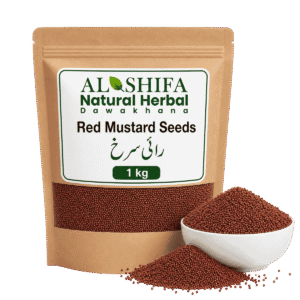
رائی سرخ
Price range: ₨ 200 through ₨ 2,000
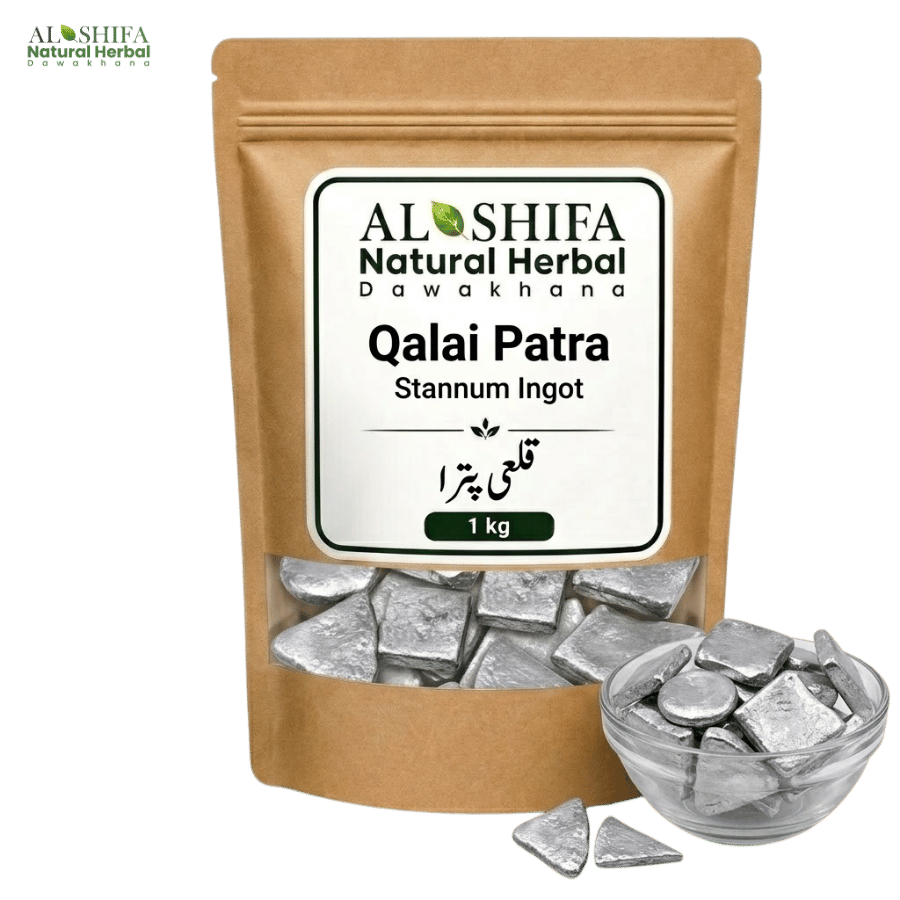
Qalai Patra, commonly known as Stannum Ingot or Tin Ingot, is a traditional metallic raw material associated with Tin (Sn). It is recognised by its characteristic silvery-white metallic appearance and has traditionally been used in metalworking and selected specialised traditional processing applications.
Al Shifa Qalai Patra is carefully selected with attention to its material identity, characteristic appearance, physical condition, cleanliness, careful handling and responsible storage.
Key Features:
Usage: Use only for its clearly identified intended application. Specialised traditional processing should be carried out by appropriately trained professionals using suitable quality-control practices.
Important Note: Qalai Patra is a raw metallic material, not a herb, nutritional supplement or ready-to-use medicine. It should not be confused with Tin salts, solder, Lead or processed medicinal preparations. Purity cannot be confirmed from appearance alone, and raw metallic material should not be used internally without appropriate identification, processing and professional supervision.
Qalai Patra, commonly associated with Stannum or Metallic Tin, is a traditional metallic raw material consisting mainly of Tin (Sn). Tin is a soft, silvery-white metal known for its relatively low melting point, corrosion resistance and long history of use in metalwork, coatings, alloys and selected traditional processing systems.
In traditional markets, terms such as Qalai, Qalai Patra or Stannum may be used for tin-based metallic material. Correct identification is particularly important because a raw metallic product should not be confused with tin salts, tin alloys, solder, tin-coated metals or specially processed traditional medicinal preparations.
At Al Shifa Natural Herbal Dawakhana, Qalai Patra is selected with attention to its material identity, characteristic metallic appearance, physical condition, cleanliness, careful handling and responsible storage.
Qalai Patra is a metallic material associated with elemental Tin.
Tin is represented by the chemical symbol:
Sn
Its atomic number is:
50
Pure tin is generally a soft and malleable metal with a silvery-white appearance.
Depending on commercial form, tin may be supplied as:
The exact physical form does not by itself establish purity.
English Name: Stannum Ingot / Tin
Urdu Name: قلعی پترا
Roman Name: Qalai Patra
Element Name: Tin
Chemical Symbol: Sn
Atomic Number: 50
Material Type: Metallic Element
Common Form: Ingot / Metallic Piece
Product Type: Traditional Metallic Raw Material
Tin is a naturally occurring metallic element.
It is known for being:
Because of these properties, tin has been used historically in a wide range of technical and traditional applications.
An important product distinction is:
Qalai Patra is not a herb, seed, root, gum or botanical extract.
It is a metallic material.
Therefore, herbal safety assumptions should not automatically be applied to it.
Elemental metallic Tin should not be confused with chemical compounds containing tin.
Therefore:
Metallic Tin ≠ Tin Salts
Different tin compounds can have very different chemical properties and safety profiles.
A safety statement about one form should not automatically be applied to another.
Organotin compounds are specialised chemical substances in which tin is chemically bonded within organic molecular structures.
They can have properties and toxicological profiles very different from elemental tin.
Therefore:
Elemental Tin ≠ Organotin Compound
This distinction is important when discussing the safety of “tin” in general.
Tin is widely used in solder alloys.
However, solder may contain other metals.
Depending on the type and age of the material, these may include:
Therefore:
Qalai Patra ≠ Solder
Unknown solder material should never be assumed to be pure tin.
Tin is commonly used as a protective coating over other metals.
A tin-coated object may contain only a thin surface layer of tin with a completely different metal underneath.
Therefore:
Solid Tin ≠ Tin-Plated Metal
Appearance alone may not reliably distinguish them.
Tin and Lead are separate metallic elements.
Tin: Sn
Lead: Pb
This distinction is particularly important because lead exposure can cause serious health harm.
Therefore:
Tin ≠ Lead
Unknown metallic material should not be assumed to be safe simply because it resembles tin.
Colour, shine, softness or shape may help with preliminary identification, but they cannot reliably confirm exact chemical purity.
Therefore:
Metallic Appearance ≠ Proven Purity
Reliable purity determination may require suitable analytical testing or supplier documentation.
Tin-based material has a long history in traditional metalworking and selected traditional processing practices.
Historical applications have included:
However, historical use does not mean raw metallic tin should automatically be consumed.
In some traditional medical systems, metallic substances may undergo specialised processing before being incorporated into preparations.
Such processing is intended to produce a materially different preparation from the original raw metal.
Therefore:
Raw Qalai Patra ≠ Traditionally Processed Medicinal Preparation
The two should not be treated as interchangeable.
This is one of the most important distinctions for Qalai Patra.
A raw metallic ingot or piece is supplied as a raw material.
It should not automatically be described as a ready-to-use medicine.
Therefore:
Raw Metallic Tin ≠ Finished Medicine
and
Raw Tin ≠ Safe Internal Preparation
Traditional processing methods vary between systems, practitioners and manufacturers.
The name of a processed product alone does not prove:
Proper manufacturing controls and appropriate testing remain important.
Tin has historically been used as a coating for food cans because of its corrosion-resistant properties.
However, this should not be confused with intentionally consuming metallic tin.
Therefore:
Food-Contact Use ≠ Nutritional Use
A material being suitable for a particular industrial food-contact application does not automatically make raw metal suitable for direct consumption.
Tin should not be marketed as though it were a standard essential mineral supplement like iron, zinc or magnesium.
Therefore:
Qalai Patra ≠ Routine Mineral Supplement
Raw metallic tin should not be promoted for correcting nutritional deficiencies.
Qalai Patra should not be casually swallowed, powdered for consumption or added to homemade internal preparations.
The safety of a metallic material depends on factors including:
Unknown or inadequately identified metal should not be used internally.
One of the most important concerns with unidentified or low-quality metallic material is possible contamination or alloying with other metals.
Lead is particularly important because repeated exposure can cause serious health problems.
A material labelled “Qalai” should therefore not be assumed to be pure solely from appearance or trade name.
Where Qalai Patra is intended for specialised manufacturing or traditional processing, appropriate quality assessment may include testing for unwanted metals.
Depending on the intended application, relevant testing may consider:
Testing requirements depend on the product’s intended use and applicable quality standards.
Grinding, filing or mechanically reducing metal can create fine particles or dust.
Unnecessary inhalation of metal dust should be avoided.
Work involving metal cutting, grinding or heating requires appropriate occupational precautions.
Tin has a relatively low melting point compared with many familiar metals.
However, heating unidentified metal is not appropriate as a casual home experiment.
If the material contains unknown alloying metals or contamination, heating can introduce additional exposure risks.
Therefore:
Do Not Use Heating as a Home Purity Test
Pure tin has characteristic physical properties, including a melting point of approximately 232°C.
However, testing how an unknown sample melts is not a reliable home method for proving purity.
Alloys and contaminated samples can behave differently.
Qalai Patra may have a characteristic silvery metallic appearance.
However:
Bright Silver Colour ≠ Pure Tin
and
Soft Metal ≠ Confirmed Tin
Proper material identification is more reliable than appearance alone.
Tin can undergo structural changes under certain low-temperature conditions, a phenomenon historically known as tin pest.
This is mainly a materials-science consideration rather than a medicinal property.
It illustrates why the physical behaviour of metals depends on temperature, purity and material structure.
A solid metallic piece and a fine powder have different handling characteristics.
Fine powders can present additional concerns involving:
Therefore:
Tin Ingot ≠ Tin Powder
Tin can form oxide compounds.
These are chemically different from elemental tin.
Therefore:
Metallic Tin ≠ Tin Oxide
Chemical names and forms should be correctly identified before use in any specialised preparation.
Tin chlorides are chemical salts used in specialised technical applications.
They are not equivalent to elemental tin.
Therefore:
Metallic Tin ≠ Tin Chloride
The safety and handling requirements of chemical salts cannot be inferred from those of the metallic element.
Thin tin sheets or foil and solid ingots may share the same basic elemental identity if genuinely made from tin, but their physical forms are different.
Physical form can affect handling and intended use.
Product form should therefore be clearly stated.
Qalai Patra should not be presented as a ready-to-use home remedy.
Claims that raw metallic tin directly treats a disease should be approached cautiously.
Traditional references to processed metallic preparations should not be transferred directly to an unprocessed ingot.
Raw Qalai Patra is not an ordinary nutritional supplement.
Pregnant or breastfeeding individuals should not use unidentified or unprocessed metallic materials internally.
Special caution is appropriate because contamination with toxic metals can create additional risks.
Qalai Patra should be kept away from children.
Raw metallic products are not children’s supplements and should not be used internally without an appropriately manufactured and professionally supervised preparation.
People with chronic medical conditions should not self-administer raw Qalai Patra as a medicine.
If a traditionally processed metal-containing preparation is being considered, its exact composition, manufacturing quality and professional supervision are important.
At Al Shifa Natural Herbal Dawakhana, Qalai Patra is selected with attention to:
Material Identity – Tin-based metallic material supplied under the traditional trade name.
Physical Condition – Appropriate metallic form and characteristic appearance.
Cleanliness – Selected and handled carefully.
Product Distinction – Raw metal clearly distinguished from finished medicinal preparations.
Responsible Information – No assumption that raw metallic material is suitable for direct internal use.
Proper Storage – Protected from unnecessary moisture, contamination and unsuitable handling.
Al Shifa Natural Herbal Dawakhana, established in 1999, supplies herbs, minerals, botanical extracts, oils and specialised traditional raw materials throughout Pakistan.
Our focus for Qalai Patra includes:
Qalai Patra / Stannum Ingot should be used only according to its clearly identified intended application.
For specialised traditional processing, use should be handled by appropriately trained and experienced professionals following suitable quality-control practices.
Raw Qalai Patra should not be casually swallowed, powdered for consumption, heated as a home purity test or used as a self-prepared internal medicine.
Where purity is important, rely on appropriate supplier documentation or analytical testing rather than appearance alone.
Qalai Patra is a metallic raw material and should not automatically be considered a ready-to-use medicine or nutritional supplement.
Important distinctions include:
Store Qalai Patra in a clean and dry place.
For appropriate storage:
Qalai Patra / Stannum Ingot – قلعی پترا is a traditional metallic raw material associated with Tin (Sn). Tin is a silvery-white metallic element widely known for its use in coatings, alloys, metalworking and selected traditional processing practices.
Qalai Patra should be clearly distinguished from Tin Salts, Tin Oxide, Tin Chloride, Solder, Tin-Plated Metal, Lead and finished traditionally processed medicinal products. A raw tin ingot or metallic piece should not automatically be considered suitable for direct internal use.
Customers searching for Qalai Patra, Qalai, Stannum Ingot, Tin Ingot, Metallic Tin, Stannum, Qalai Patra Pakistan, Tin Ingot Pakistan, Stannum Pakistan, Qalai Patra Lahore, Tin Ingot Lahore, Qalai Patra price in Pakistan, Tin price in Pakistan, Stannum price in Pakistan, buy Qalai Patra Pakistan, buy Tin Ingot Pakistan or Qalai Patra online Pakistan can choose Al Shifa Natural Herbal Dawakhana for carefully selected traditional raw material.
Since 1999, Al Shifa Natural Herbal Dawakhana has focused on supplying herbal, mineral and specialised traditional raw materials with attention to correct identity, quality selection, cleanliness, responsible information, careful packing and proper storage.
Product Name: Qalai Patra
English Name: Stannum Ingot / Tin Ingot
Urdu Name: قلعی پترا
Roman Name: Qalai Patra
Element Name: Tin
Chemical Symbol: Sn
Atomic Number: 50
Material Form: Ingot / Metallic Piece
Product Type: Traditional Metallic Raw Material
Traditional Use: Selected metalworking and specialised traditional processing applications
Important Note: Qalai Patra is a raw metallic material, not a herb, ordinary nutritional supplement or ready-to-use medicine. Metallic Tin should be distinguished from Tin salts, solder, Lead and traditionally processed medicinal preparations. Purity cannot be confirmed from appearance alone, and raw Qalai Patra should not be used internally without appropriate identification, processing, quality control and qualified professional supervision.
قلعی پترا ایک سفید، چمکدار اور نرم دھات ہے جسے اردو میں قلعی اور رانگ بھی کہا جاتا ہے۔ یہ جڑی بوٹی نہیں بلکہ دھاتی مادہ ہے۔ حکمت میں اس دھات کو خام حالت میں براہِ راست کھانے کے بجائے خاص طریقے سے صاف اور کشتہ کرنے کے بعد حکیمی ادویات میں استعمال کیا جاتا ہے۔
قلعی کو پگھلا کر پتلی چادر، ٹکڑے یا ڈلی کی شکل دی جاتی ہے۔ قلعی پترا سے مراد قلعی کی ایسی دھاتی شکل ہے جو آگ پر نسبتاً آسانی سے پگھل جاتی ہے۔
حکمت میں قلعی کی اصل شناخت اور خالص ہونا بہت اہم ہے، کیونکہ اس میں دوسری دھاتوں کی ملاوٹ اس کے معیار کو خراب کرتی ہے۔
قلعی قدرتی طور پر حاصل ہونے والی ایک دھات ہے۔
اس کی رنگت چاندی جیسی سفید اور چمکدار ہوتی ہے۔
یہ نسبتاً نرم دھات ہے اور اسے پگھلا کر مختلف شکلوں میں ڈھالا جاتا ہے۔
قلعی کو رانگ بھی کہا جاتا ہے جبکہ حکمت کی پرانی کتابوں میں اس کے لیے قصدیر اور رصاصِ ابیض کے نام بھی استعمال کیے جاتے ہیں۔
حکیمی استعمال کے لیے قلعی کی شناخت، صفائی اور خالص ہونا بہت اہم سمجھا جاتا ہے۔
حکمت کی کتبِ مفردات میں قلعی کا مزاج سرد درجہ سوم بیان کیا جاتا ہے۔
حکمت میں قلعی کو خاص طریقے سے کشتہ کرنے کے بعد پیشاب کے نظام، مردانہ صحت، جریان، رقتِ منی اور خواتین کے سیلان کے لیے تیار ہونے والی حکیمی ادویات میں استعمال کیا جاتا ہے۔
قلعی پترا کی خام دھاتی شکل اور کشتہ قلعی ایک جیسی چیز نہیں ہیں۔ حکیمی فوائد کشتہ شدہ قلعی کے استعمال کے حوالے سے بیان کیے جاتے ہیں۔
قلعی کو حکیمی طریقے سے صاف اور کشتہ کرنے کے بعد نہایت باریک شکل حاصل کی جاتی ہے۔
کشتہ قلعی کو مختلف حکیمی ادویات میں کم مقدار میں شامل کیا جاتا ہے۔
اس کا استعمال خاص طور پر پیشاب کے نظام، مردانہ صحت اور تولیدی نظام کے لیے حکیمی نسخوں میں کیا جاتا ہے۔
حکمت میں کشتہ قلعی مردانہ صحت کے لیے مشہور ہے۔
اسے مردانہ کمزوری، جریان، رقتِ منی اور سرعتِ انزال کے لیے تیار ہونے والی حکیمی ادویات میں شامل کیا جاتا ہے۔
ان امراض میں کشتہ قلعی کی مقدار معالج کے مشورے کے مطابق رکھی جاتی ہے۔
حکمت میں کشتہ قلعی جریان کے لیے استعمال کیا جاتا ہے۔
اسے جریان اور رقتِ منی کے لیے تیار ہونے والی مرکب حکیمی ادویات میں شامل کیا جاتا ہے۔
قلعی پترا کو خام حالت میں جریان کے لیے نہیں کھایا جاتا بلکہ حکیمی استعمال کے لیے اس کی مناسب کشتہ شدہ شکل استعمال کی جاتی ہے۔
کشتہ قلعی کو حکمت میں رقتِ منی کے لیے استعمال کیا جاتا ہے۔
اسے مادہ تولید کے مناسب گاڑھے پن اور مردانہ صحت کے لیے تیار ہونے والی حکیمی ادویات میں شامل کیا جاتا ہے۔
اس مقصد کے لیے مقدار معالج سے چیک کروائیں۔
حکمت میں کشتہ قلعی کو سرعتِ انزال کے لیے تیار ہونے والی حکیمی ادویات میں شامل کیا جاتا ہے۔
اسے اکیلے یا دوسری مناسب ادویات کے ساتھ حکیمی نسخوں میں استعمال کیا جاتا ہے۔
سرعتِ انزال مسلسل بیماری کی صورت اختیار کرے تو وجہ معالج سے چیک کروائیں۔
کشتہ قلعی کو کثرتِ احتلام اور مردانہ تولیدی کمزوری کے لیے تیار ہونے والی حکیمی ادویات میں شامل کیا جاتا ہے۔
اس کا استعمال خام قلعی کی شکل میں نہیں کیا جاتا۔
طبی مقدار کشتہ کی تیاری اور معیار کے مطابق رکھی جاتی ہے۔
حکیمی ادویات میں کشتہ قلعی پیشاب کے نظام کے لیے بھی استعمال کیا جاتا ہے۔
اسے مثانے اور پیشاب کی نالی کے امراض کے لیے تیار ہونے والی حکیمی ادویات میں شامل کیا جاتا ہے۔
پیشاب کے امراض میں کشتہ قلعی کا استعمال معالج کی نگرانی میں کیا جاتا ہے۔
حکمت میں کشتہ قلعی کو مثانے کے لیے استعمال ہونے والی دھاتی ادویات میں شمار کیا جاتا ہے۔
اسے مثانے کی کمزوری اور پیشاب کے نظام کے امراض کے لیے تیار ہونے والی مرکب ادویات میں شامل کیا جاتا ہے۔
اس کی مقدار بہت کم رکھی جاتی ہے اور معالج سے چیک کروائی جاتی ہے۔
حکمت میں کشتہ قلعی کو خواتین کے سیلان کے لیے تیار ہونے والی ادویات میں بھی شامل کیا جاتا ہے۔
اسے دوسری مناسب حکیمی ادویات کے ساتھ استعمال کیا جاتا ہے۔
خواتین کے تولیدی نظام کے امراض میں استعمال اور مقدار معالج سے چیک کروائیں۔
پرانی حکیمی کتب میں کشتہ قلعی کو سوزاک کے لیے تیار ہونے والی ادویات میں شامل کیا گیا ہے۔
سوزاک ایک بیماری ہے جس کے لیے درست تشخیص اور مناسب علاج ضروری ہے۔
ایسی بیماری میں اپنی طرف سے قلعی یا کشتہ قلعی استعمال نہ کریں اور معالج سے چیک کروائیں۔
قلعی پترا دھات کی خام شکل ہے۔
کشتہ قلعی اسی دھات کو حکیمی اصولوں کے مطابق خاص طریقے سے تیار کرنے کے بعد حاصل ہونے والی نہایت باریک شکل ہے۔
دونوں کو ایک چیز سمجھ کر استعمال نہیں کیا جاتا۔
حکیمی کتابوں میں بیان کیے گئے اندرونی طبی استعمال زیادہ تر کشتہ قلعی کے لیے ہیں، خام قلعی پترا کے لیے نہیں۔
اچھی قلعی پترا کی رنگت صاف سفید یا چاندی جیسی ہوتی ہے۔
اس کی سطح پر دھاتی چمک نمایاں ہوتی ہے۔
یہ نسبتاً نرم دھات ہوتی ہے۔
اس میں زنگ، مٹی، غیر ضروری تہہ اور دوسری دھاتوں کی واضح ملاوٹ نہیں ہونی چاہیے۔
خالص قلعی کی درست شناخت اس کے حکیمی استعمال کے لیے بہت اہم ہے۔
قلعی میں دوسری کم قیمت دھاتوں کی ملاوٹ اس کے معیار کو خراب کرتی ہے۔
خاص طور پر سیسے کی ملاوٹ سے بچنا بہت ضروری ہے۔
حکیمی استعمال کے لیے ایسی قلعی منتخب کی جاتی ہے جس کی شناخت اور خالص ہونے کی اچھی طرح تصدیق کی گئی ہو۔
نامعلوم دھاتی ٹکڑے یا صنعتی استعمال کی قلعی کو طبی استعمال کے لیے مناسب نہیں سمجھا جاتا۔
قلعی پترا چپٹی دھاتی چادر، پتلے ٹکڑے یا ڈلی کی شکل میں دستیاب ہو سکتی ہے۔
اس کی سطح سفید اور دھاتی چمک والی ہوتی ہے۔
حکیمی استعمال کے لیے اسے خام حالت میں کھانے کے بجائے مناسب صفائی اور کشتہ بنانے کے بعد استعمال کیا جاتا ہے۔
خام قلعی پترا کو براہِ راست سفوف بنا کر کھانا درست طریقہ نہیں ہے۔
حکمت میں اندرونی استعمال کے لیے اس کی خاص تیار شدہ شکل یعنی کشتہ قلعی استعمال کی جاتی ہے۔
قلعی پترا خریدنے اور کشتہ قلعی استعمال کرنے کو الگ سمجھنا ضروری ہے۔
کشتہ قلعی بہت کم مقدار میں حکیمی ادویات کا حصہ بنتا ہے۔
اس کی مقدار اس کے بنانے کے طریقے، صفائی اور معیار کے مطابق رکھی جاتی ہے۔
کشتہ قلعی کی طبی مقدار معالج سے چیک کروائیں۔
گھر میں اپنی طرف سے قلعی کو کشتہ بنا کر اندرونی استعمال نہ کریں۔
غیر خالص قلعی، نامعلوم دھاتی ملاوٹ اور غلط طریقے سے تیار کیا گیا کشتہ صحت کے لیے نقصان دہ ہو سکتا ہے۔
خاص طور پر سیسے یا دوسری نقصان دہ دھاتوں کی ملاوٹ زیادہ خطرناک ہوتی ہے۔
خام قلعی پترا کو براہِ راست کھانے کے لیے استعمال نہ کریں۔
زیادہ مقدار یا نامعلوم معیار کے کشتہ قلعی کا استعمال بھی مناسب نہیں ہے۔
حاملہ اور دودھ پلانے والی خواتین کشتہ قلعی اپنی طرف سے استعمال نہ کریں۔
بچوں کو کشتہ قلعی معالج کے مشورے کے بغیر نہ دیں۔
گردے اور جگر کے امراض والے افراد دھاتی کشتہ استعمال کرنے سے پہلے معالج سے چیک کروائیں۔
مسلسل ادویات استعمال کرنے والے افراد کشتہ قلعی استعمال کرنے سے پہلے معالج سے چیک کروائیں۔
قلعی پترا سفید اور چمکدار دھات ہے، جڑی بوٹی نہیں۔
حکمت میں اس کے اندرونی استعمال کے لیے خام قلعی کے بجائے خاص طریقے سے تیار کیا گیا کشتہ قلعی استعمال کیا جاتا ہے۔
حکمت کی کتبِ مفردات میں قلعی کا مزاج سرد درجہ سوم بیان کیا جاتا ہے۔
کشتہ قلعی کو مردانہ صحت، جریان، رقتِ منی، سرعتِ انزال، پیشاب کے نظام اور خواتین کے سیلان کے لیے تیار ہونے والی حکیمی ادویات میں شامل کیا جاتا ہے۔
خام قلعی پترا اور کشتہ قلعی کو ایک دوسرے کی جگہ استعمال نہ کریں۔
الشفاء نیچرل ہربل دواخانہ میں قلعی پترا کے لیے درج ذیل باتوں کو اہمیت دی جاتی ہے:
درست شناخت: اصل قلعی کی درست شناخت کو خاص اہمیت دی جاتی ہے۔
قدرتی دھاتی رنگت: صاف سفید اور چاندی جیسی قدرتی دھاتی رنگت کو دیکھا جاتا ہے۔
قدرتی چمک: قلعی کی اپنی صاف دھاتی چمک کو اہمیت دی جاتی ہے۔
صاف حالت: گرد، مٹی، زنگ اور غیر ضروری اجزا سے پاک قلعی کو اہمیت دی جاتی ہے۔
دوسری دھاتوں سے پاک: سیسے اور غیر ضروری دھاتی ملاوٹ سے پاک ہونے کو خاص اہمیت دی جاتی ہے۔
مناسب شکل: صاف، مضبوط اور مناسب حالت والے قلعی پترا کو اہمیت دی جاتی ہے۔
الشفاء نیچرل ہربل دواخانہ سنہ ۱۹۹۹ سے جڑی بوٹیوں، معدنی اجزا اور حکمت میں استعمال ہونے والے مختلف قدرتی مواد کی سپلائی کر رہا ہے۔
ہم قلعی پترا میں درست شناخت، صاف حالت، قدرتی سفید دھاتی رنگت، مناسب چمک اور غیر ضروری دھاتی ملاوٹ سے پاک ہونے کو اہمیت دیتے ہیں۔
اچھی قلعی پترا کی پہچان اس کی صاف سفید رنگت، دھاتی چمک، درست شناخت، صاف حالت اور مناسب پیکنگ سے کی جاتی ہے۔
قلعی پترا کو صاف، خشک اور نمی سے محفوظ جگہ پر کسی جار میں اچھی طرح پیک کر کے رکھیں۔
اسے پانی، نمی، گرد اور دوسری دھاتوں کے ساتھ غیر ضروری ملاوٹ سے بچائیں۔
طبی استعمال کے لیے رکھی گئی قلعی کو صنعتی یا کاریگری کے کام میں استعمال ہونے والی دھاتوں سے الگ رکھیں۔
قلعی پترا، کشتہ قلعی اور دوسری سفید دھاتیں ایک چیز نہیں ہیں۔
حکیمی استعمال کے لیے قلعی کی درست شناخت اور خالص ہونا بہت اہم ہے۔
خام قلعی پترا کو براہِ راست کھانے کے لیے استعمال نہ کریں۔
کشتہ قلعی کی مقدار بہت کم رکھی جاتی ہے، اس لیے اس کا طبی استعمال معالج سے چیک کروائیں۔
قلعی پترا ایک سفید، چمکدار اور نرم دھات ہے جسے رانگ بھی کہا جاتا ہے۔
حکمت کی کتبِ مفردات میں قلعی کا مزاج سرد درجہ سوم بیان کیا جاتا ہے۔
حکمت میں قلعی کو خاص طریقے سے تیار کر کے کشتہ قلعی کی شکل میں مردانہ صحت، جریان، رقتِ منی، سرعتِ انزال، پیشاب کے نظام اور خواتین کے سیلان کے لیے تیار ہونے والی ادویات میں شامل کیا جاتا ہے۔
اچھی قلعی پترا کی پہچان درست شناخت، صاف سفید دھاتی رنگت، قدرتی چمک، صاف حالت اور غیر ضروری دھاتی ملاوٹ سے پاک ہونے کی بنیاد پر کی جاتی ہے۔