
Gule Babuna,Chamomile
Contact for Price
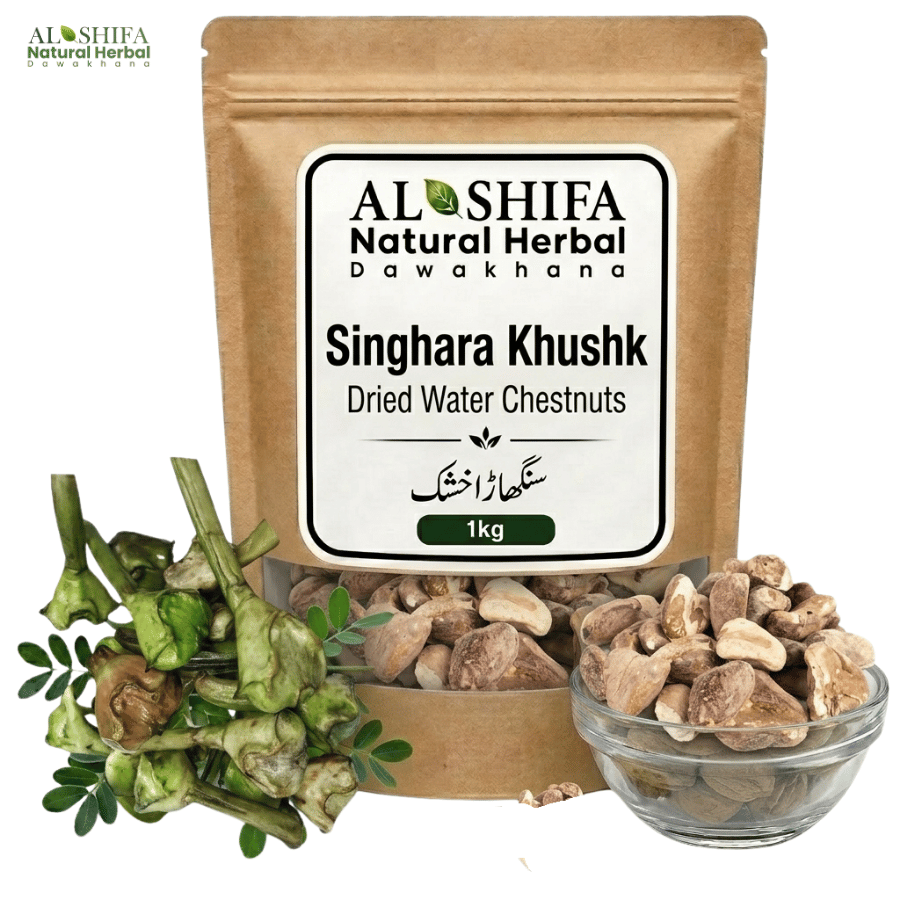
Singhara Khushk, commonly known as Dried Water Chestnut, is a traditional dried aquatic fruit commonly associated with Trapa species. Naturally rich in starch and carbohydrates, it has long been valued across South Asia as a nutritious food, flour ingredient and part of traditional strengthening and restorative preparations.
Al Shifa Singhara Khushk is carefully selected with attention to its natural appearance, cleanliness, proper dryness, good material condition and responsible storage.
Key Features:
Important Note: Singhara Khushk is primarily a traditional food and should not be considered a treatment for disease. People managing blood glucose should consider its carbohydrate content and appropriate portion size.
Singhara Khushk, commonly known as Dried Water Chestnut, is the dried fruit of Trapa species, most commonly associated with Trapa natans and closely related cultivated water chestnut species. In Urdu, it is known as Singhara Khushk.
Singhara is an aquatic fruit that grows in freshwater ponds, lakes and slow-moving water. The fresh fruit develops inside a hard outer shell, while the edible inner kernel is pale, starchy and mildly sweet. After drying, the edible material becomes firmer and can be stored for longer periods or ground into flour.
Across Pakistan and South Asia, Singhara has long been valued as both a traditional food and a natural nutritional raw material. Dried Singhara and Singhara flour are commonly used in foods, while traditional herbal practice has also included it in strengthening, restorative, digestive and general wellness preparations.
At Al Shifa Natural Herbal Dawakhana, Singhara Khushk is selected with attention to its traditional identity, natural appearance, cleanliness, proper drying, good material condition and responsible storage.
Singhara Khushk is the dried form of the edible fruit or kernel of the water chestnut plant.
Water chestnut plants grow in freshwater environments and produce distinctive fruits containing an edible starchy portion.
After harvesting, the fruits may be:
Drying reduces moisture and helps preserve the material for later culinary use.
Product Name: Singhara Khushk
English Name: Dried Water Chestnut / Water Chestnut
Urdu Name: سنگھاڑا خشک
Roman Name: Singhara Khushk / Singharay Khushk / Dried Singhara
Botanical Association: Trapa spp.
Common Scientific Association: Trapa natans L.
Plant Family: Lythraceae
Plant Part: Fruit / Edible Kernel
Common Form: Whole Dried Fruit / Dried Kernel / Pieces / Flour
Product Type: Traditional Dried Food & Nutritional Plant Material
Singhara is different from ordinary tree nuts.
It grows on an aquatic plant in freshwater environments.
The fruit develops beneath or near the water surface and contains an edible starchy portion protected by a firm outer covering.
This aquatic growing habit is one of the most recognizable characteristics of the Singhara plant.
Despite the English name Water Chestnut, Singhara is not a true chestnut and does not belong to the same botanical family as tree chestnuts.
The name refers mainly to the appearance and culinary characteristics of the edible material.
This distinction is useful because common names do not always reflect botanical relationships.
The name “water chestnut” can refer to more than one aquatic food plant.
South Asian Singhara is commonly associated with Trapa species.
The vegetable commonly called Chinese Water Chestnut is Eleocharis dulcis, which belongs to a different botanical group.
They should not automatically be treated as the same plant.
Fresh and dried Singhara are the same type of food material in different forms, but their texture and moisture content are very different.
Fresh Singhara:
Contains considerably more water and has a softer edible portion.
Dried Singhara:
Contains less moisture, has a firmer texture and provides nutrients in a more concentrated dry form by weight.
Dried Singhara can also be ground into flour for culinary use.
Good-quality dried Singhara should generally have:
Natural differences in size, shape and colour can occur because Singhara is an agricultural product.
Singhara has been consumed across South Asia for generations.
It is valued both as food and in traditional dietary preparations.
Traditional uses commonly include:
These uses reflect food traditions and traditional practice rather than guaranteed treatment effects.
Dried Singhara has traditionally been considered a nourishing and strengthening food.
Because the dried kernel is naturally rich in starch and carbohydrates, it can contribute energy as part of a balanced diet.
Traditional preparations may combine Singhara with:
The nutritional contribution of a food should be distinguished from claims that it can independently treat medical weakness.
Persistent weakness or unexplained fatigue may have many causes and requires appropriate assessment when ongoing.
Singhara Khushk has historically appeared in restorative dietary mixtures.
These preparations may be used during periods when a nourishing, energy-containing food is desired.
Its mild flavour also allows it to combine easily with other traditional ingredients.
However, recovery from illness depends on the underlying condition, overall nutrition and appropriate medical care.
In traditional Unani and household practice, dried Singhara may be included in compound preparations associated with general strength and male wellness.
It is often combined with other nutritional or herbal ingredients rather than used as a single medicinal substance.
Such traditional use should not be interpreted as evidence that Singhara directly increases testosterone, treats infertility or cures sexual dysfunction.
Singhara has also been included in nourishing foods used by women as part of traditional diets.
Its role is mainly nutritional and restorative rather than a substitute for treatment of hormonal, reproductive or gynaecological diseases.
Persistent weakness, abnormal bleeding or other significant symptoms require appropriate medical evaluation.
Dried Singhara and Singhara flour have traditionally been used in various foods because of their starchy nature.
Depending on preparation, Singhara may be included in:
Individual digestive tolerance can vary.
Dried Singhara can be ground into flour, commonly called Singhara flour or Singhara atta.
It is used in a variety of traditional recipes.
Singhara flour is naturally derived from an aquatic fruit rather than wheat.
Its cooking properties differ from ordinary wheat flour because it does not contain wheat gluten naturally.
Pure Singhara itself does not naturally contain gluten.
For people who avoid gluten, pure Singhara flour may be used as an alternative ingredient in suitable recipes.
However, commercially processed flour can become contaminated with wheat or other gluten-containing grains during grinding, packing or storage.
People with coeliac disease or medically diagnosed gluten intolerance should therefore use products specifically processed and labelled for gluten control rather than assuming every market-ground Singhara flour is free from cross-contamination.
Dried Singhara is primarily valued as a carbohydrate-rich food material.
Depending on variety and processing, it naturally provides:
The exact nutritional composition can vary according to species, growing conditions, maturity, processing and moisture content.
The dried form of Singhara contains considerably less water than fresh Singhara.
As a result, its carbohydrate and energy content is more concentrated by weight.
This is one reason dried Singhara has traditionally been included in nourishing foods.
People managing their total carbohydrate intake should consider portion size rather than assuming a traditional food can be eaten without limit.
Water chestnuts naturally contain mineral nutrients.
The exact amounts depend on the fruit, soil and water conditions, drying and processing.
Dried plant foods may provide minerals as part of an overall balanced diet, but Singhara should not be presented as a replacement for medically prescribed mineral supplementation where a deficiency has been diagnosed.
Water chestnut fruits contain naturally occurring plant compounds, including phenolic substances.
Laboratory research may investigate these compounds for antioxidant activity.
However, antioxidant activity observed in laboratory testing should not automatically be interpreted as evidence that eating Singhara prevents or cures specific diseases.
Singhara can be available in several forms.
Whole Dried Singhara:
Retains visible characteristics of the dried food material.
Dried Kernel or Pieces:
Edible material separated or broken into smaller portions.
Singhara Flour:
Finely ground dried edible material.
Extract:
A processed preparation that may concentrate selected soluble constituents.
These forms should not automatically be treated as nutritionally or medicinally identical.
Whole dried Singhara or larger pieces retain more visible characteristics than finely ground flour.
With whole material, it is easier to assess:
Once the product is finely powdered, visual assessment of the original material becomes more difficult.
Reliable sourcing is therefore important for Singhara flour.
Singhara Khushk can be a useful traditional food ingredient, but nutritional value should not be confused with disease treatment.
It should not be promoted as a guaranteed treatment for:
A nutritious food can support the diet without replacing appropriate medical care.
Dried Singhara contains carbohydrates and starch.
People with diabetes or those monitoring blood glucose should consider the amount consumed and the rest of the meal.
The fact that a food is natural or traditional does not mean it has no effect on blood glucose.
Individual responses may vary.
Singhara contains naturally occurring minerals, including potassium in varying amounts.
People with advanced kidney disease who have been advised to restrict potassium or other nutrients should follow their prescribed dietary plan.
Ordinary dietary use in healthy individuals is different from medically restricted diets.
Singhara is traditionally consumed as food.
Normal food use is different from concentrated herbal extracts or unusually large medicinal preparations.
Pregnant and breastfeeding women should focus on properly stored, clean and safely prepared food material.
Any medicinal combination containing additional herbs should be assessed according to all ingredients rather than assuming it is safe simply because Singhara is present.
Properly prepared Singhara may be used as food according to age and normal dietary practices.
Whole hard pieces can present a choking risk to young children.
For children, the texture and preparation should be appropriate for age and chewing ability.
Although Singhara is not a true tree nut, individual food allergies or sensitivities can still occur.
Stop use and seek medical attention if symptoms such as:
develop after eating the product.
Depending on the form supplied, dried Singhara may require soaking, cooking, grinding or incorporation into a cooked recipe.
Do not assume that every raw dried form is intended to be eaten directly without preparation.
Follow an appropriate food preparation method for the specific form being used.
At Al Shifa Natural Herbal Dawakhana, Singhara Khushk is selected with attention to:
Traditional Identity – Material consistent with dried Singhara.
Natural Appearance – Characteristic dried fruit or kernel appearance.
Proper Dryness – Carefully dried for better storage stability.
Cleanliness – Selected to minimize unnecessary foreign matter.
Material Condition – Attention to mould, moisture, insects and deterioration.
Careful Handling – Proper handling as a traditional food material.
Responsible Storage – Protected from moisture, excessive heat and contamination.
Al Shifa Natural Herbal Dawakhana, established in 1999, supplies traditional herbs, fruits, seeds and natural food materials throughout Pakistan.
Our focus for Singhara Khushk includes:
Singhara Khushk can be used according to its supplied form.
Traditional uses include:
The exact preparation depends on whether the product is supplied as whole dried fruit, edible kernel, pieces or flour.
For dietary use, portion size should be appropriate to individual nutritional needs.
Singhara Khushk is primarily a traditional dried food and nutritional raw material.
Its historical use in strengthening and restorative diets should not be interpreted as proof that it treats weakness, infertility, diabetes, anaemia, sexual dysfunction or other medical conditions.
People with diabetes should consider its carbohydrate content, while people following medically restricted diets should follow the advice of their healthcare professional.
For young children, hard whole pieces should be avoided because of choking risk.
Store Singhara Khushk in a cool, dry and clean place in a tightly closed container.
For responsible storage:
Do not use Singhara showing visible mould, unusual moisture, insect infestation, unpleasant smell or significant deterioration.
Singhara Khushk, commonly known as Dried Water Chestnut, is a traditional aquatic fruit material commonly associated with Trapa species, including Trapa natans. It has long been valued across Pakistan and South Asia as a nutritious dried food, flour ingredient and component of traditional strengthening and restorative preparations.
Its naturally starchy character makes dried Singhara suitable for grinding into flour and preparing a variety of traditional foods.
Customers searching for Singhara Khushk, Dried Singhara, Dried Water Chestnut, Water Chestnut, Trapa natans, Singhara fruit, dry Singhara, Singhara flour, Singhara atta, Singhara benefits, Singhara uses, dried Singhara benefits, Singhara for strength, Singhara traditional uses, Singhara Pakistan, Singhara Khushk Pakistan, Dried Water Chestnut Pakistan, Singhara Lahore, Singhara Khushk Lahore, Singhara price in Pakistan, Singhara Khushk price in Pakistan, dried water chestnut price in Pakistan, Singhara flour price in Pakistan, buy Singhara Pakistan, buy Singhara Khushk Pakistan or Singhara online Pakistan can choose Al Shifa Natural Herbal Dawakhana for carefully selected traditional dried Singhara.
Since 1999, Al Shifa Natural Herbal Dawakhana has focused on supplying traditional herbs and natural food materials with attention to identity, cleanliness, proper drying, careful handling and responsible storage.
Product Name: Singhara Khushk
English Name: Dried Water Chestnut / Water Chestnut
Urdu Name: سنگھاڑا خشک
Roman Name: Singhara Khushk / Singharay Khushk / Dried Singhara
Botanical Association: Trapa spp.
Common Scientific Association: Trapa natans L.
Plant Family: Lythraceae
Plant Part: Fruit / Edible Kernel
Common Form: Whole Dried Fruit / Dried Kernel / Pieces / Flour
Product Type: Traditional Dried Food & Nutritional Plant Material
Traditional Use: Culinary, nutritional, strengthening, restorative and selected traditional food preparations
Important Note: Singhara is a traditional food rather than a treatment for disease. Dried Singhara is naturally rich in carbohydrates and starch, so portion size should be considered by people managing blood glucose or following medically restricted diets.
سنگھاڑا خشک پانی میں پیدا ہونے والے سنگھاڑے کے پھل کو خشک کرکے حاصل کیا جاتا ہے۔ یہ پاکستان، بھارت اور ایشیا کے کئی علاقوں میں غذا کے ساتھ دیسی طبی ادویات میں بھی استعمال ہوتا ہے۔ تازہ سنگھاڑے کا بیرونی چھلکا سخت اور گہرے رنگ کا ہوتا ہے، جبکہ اندر سفید اور نشاستہ دار گودا پایا جاتا ہے۔ خشک کرنے کے بعد یہی گودا سخت ہو جاتا ہے اور اسے مکمل یا پیس کر استعمال کیا جاتا ہے۔
سنگھاڑا خشک قدرتی طور پر نشاستہ اور توانائی فراہم کرنے والی غذا ہے۔ اسے پیس کر آٹا بھی بنایا جاتا ہے۔ طبِ یونانی اور دیسی طبی استعمال میں اسے خصوصاً جسمانی کمزوری، معدے اور آنتوں کے امراض، اسہال اور پیشاب کے امراض کے لیے استعمال ہونے والی غذاؤں اور ادویات میں شامل کیا جاتا رہا ہے۔
الشفاء نیچرل ہربل دواخانہ میں سنگھاڑا خشک منتخب کرتے وقت اس کی درست پہچان، قدرتی رنگت، اصل ساخت، صفائی اور مناسب خشک حالت کو اہمیت دی جاتی ہے۔
سنگھاڑا ایک آبی پودے کا پھل ہے جو تالابوں اور پرسکون پانی میں پیدا ہوتا ہے۔ اس کا پھل سخت چھلکے والا ہوتا ہے اور اندر سفید، ہلکا میٹھا اور نشاستہ دار حصہ پایا جاتا ہے۔
تازہ سنگھاڑے کو چھیل کر اس کا اندرونی حصہ خشک کیا جاتا ہے۔ مکمل خشک ہونے کے بعد اسے کھانے، آٹا بنانے اور دیسی طبی استعمال کے لیے رکھا جا سکتا ہے۔
خشک سنگھاڑے کی عام خصوصیات میں شامل ہیں:
اس کی رنگت، جسامت اور ذائقہ پودے کی قسم، پختگی اور خشک کرنے کے طریقے کے مطابق مختلف ہو سکتے ہیں۔
نام: سنگھاڑا خشک
دوسرے معروف نام: خشک سنگھاڑا، سنگھاڑا
نباتاتی نام: ٹراپا نیٹنز
خاندان: لیتھریسی خاندان
استعمال ہونے والا حصہ: پھل کا اندرونی خوردنی حصہ
قسم: نباتاتی غذا اور مفرد
عام شکل: خشک سخت ٹکڑے یا مکمل خشک گودا
عام رنگت: سفید، کریمی یا زردی مائل سفید
ذائقہ: ہلکا میٹھا اور نشاستہ دار
بو: ہلکی اور قدرتی
سنگھاڑے کے مزاج کے بارے میں حکیمی کتابوں میں بیان مختلف مل سکتا ہے، تاہم اسے عام طور پر ٹھنڈی تاثیر رکھنے والی غذا سمجھا جاتا ہے۔
اسے جسم کو غذا دینے اور طاقت فراہم کرنے والی اشیاء میں شمار کیا جاتا ہے۔
جن افراد کا نظامِ ہاضمہ کمزور ہو یا جنہیں نشاستہ دار غذاؤں سے پیٹ میں بھاری پن یا گیس ہوتی ہو، وہ زیادہ مقدار میں استعمال سے گریز کریں۔
اچھے خشک سنگھاڑے میں درج ذیل خصوصیات ہونی چاہییں:
اگر خشک سنگھاڑا نرم، نم، پھپھوندی زدہ، کیڑے لگا یا خراب بو والا ہو تو اسے کھانے یا طبی استعمال میں نہ لائیں۔
سنگھاڑا خشک تازہ سنگھاڑے کے مقابلے میں کم پانی رکھتا ہے، اس لیے اس میں غذائی اجزاء نسبتاً زیادہ مرکوز ہو جاتے ہیں۔
اس میں نمایاں طور پر:
پائے جا سکتے ہیں۔
اصل غذائی مقدار پودے کی قسم، زمین، پانی، پختگی اور خشک کرنے کے طریقے کے مطابق مختلف ہو سکتی ہے۔
طبِ یونانی اور حکیمی معلومات میں سنگھاڑا خشک کو غذائیت اور جسمانی طاقت کے حوالے سے اہم سمجھا جاتا ہے۔
غذا فراہم کرنے والا: جسم کو توانائی دینے والی غذا کے طور پر استعمال کیا جاتا ہے۔
جسمانی طاقت میں مدد: کمزوری کے دوران غذا کے طور پر استعمال کیا جاتا ہے۔
قابض: اس کی نشاستہ دار اور کسیلی خصوصیات کی وجہ سے اسہال کے لیے استعمال ہونے والی غذاؤں اور دیسی طبی ادویات میں شامل کیا جاتا ہے۔
معدے کے لیے استعمال: معدے کی کمزوری کے لیے استعمال ہونے والی غذاؤں میں شامل کیا جاتا ہے۔
جسمانی کمزوری میں استعمال: غذائیت کی کمی یا بیماری کے بعد کمزوری میں مناسب غذا کے حصے کے طور پر استعمال کیا جاتا ہے۔
یہ استعمال حکیمی معلومات پر مبنی ہیں۔ انہیں کسی بیماری کا یقینی علاج نہیں سمجھنا چاہیے۔
سنگھاڑا خشک نشاستہ اور کاربوہائیڈریٹس فراہم کرتا ہے، اس لیے اسے جسم کو توانائی دینے والی غذا کے طور پر استعمال کیا جا سکتا ہے۔
دیسی طبی استعمال میں اسے جسمانی کمزوری اور بیماری کے بعد ہونے والی کمزوری میں دوسری غذاؤں کے ساتھ استعمال کیا جاتا ہے۔
صرف سنگھاڑا کھانے سے ہر قسم کی جسمانی کمزوری دور نہیں ہوتی۔ مسلسل کمزوری کی وجہ خون کی کمی، ذیابیطس، تھائرائڈ کی بیماری، غذائی کمی، نیند کی خرابی یا دوسری بیماری بھی ہو سکتی ہے۔
اگر کمزوری کئی ہفتوں تک برقرار رہے تو اصل وجہ معلوم کرنے کے لیے طبی معائنہ کروائیں۔
سنگھاڑا خشک کو معدے اور آنتوں کے امراض کے دوران مناسب غذا کے طور پر استعمال کرنے کا ذکر ملتا ہے۔
اس کا نشاستہ دار حصہ پیٹ بھرنے اور توانائی فراہم کرنے میں مدد دیتا ہے۔
تاہم ہر معدے کی بیماری میں سنگھاڑا مناسب نہیں ہوتا۔ اگر اسے کھانے کے بعد گیس، پیٹ پھولنے، درد یا بھاری پن میں اضافہ ہو تو مقدار کم کریں یا استعمال روک دیں۔
شدید پیٹ درد، مسلسل قے، پاخانے میں خون، کالا پاخانہ یا وزن میں غیر معمولی کمی کی صورت میں طبی معائنہ ضروری ہے۔
سنگھاڑا خشک کو اس کی نشاستہ دار اور قابض خصوصیات کی وجہ سے اسہال اور آنتوں کے امراض میں غذا کے طور پر استعمال کیا جاتا رہا ہے۔
اسہال میں سب سے اہم بات جسم میں پانی اور نمکیات کی کمی کو پورا کرنا ہے۔ صرف سنگھاڑا خشک کھانا پانی کی کمی کا علاج نہیں ہے۔
اگر اسہال کے ساتھ:
تو فوری طبی معائنہ کروائیں۔
حکیمی معلومات میں سنگھاڑے کو پیشاب کے امراض اور پیشاب کی جلن کے دوران استعمال ہونے والی غذاؤں میں شامل کیا جاتا ہے۔
اسے کسی پیشاب کی بیماری کا ثابت شدہ علاج نہیں سمجھنا چاہیے۔
پیشاب میں جلن اگر انفیکشن، پتھری، گردوں کی بیماری یا کسی دوسری وجہ سے ہو تو اصل بیماری کا علاج ضروری ہے۔
پیشاب میں خون، تیز بخار، کمر میں شدید درد یا پیشاب بند ہونے کی صورت میں فوری طبی مدد حاصل کریں۔
سنگھاڑا خشک کو حکیمی غذا میں مردانہ جسمانی طاقت کے لیے استعمال کیا جاتا رہا ہے۔ اسے دودھ، خشک میوہ جات یا دوسری غذاؤں کے ساتھ بھی کھایا جاتا ہے۔
اس کا بنیادی فائدہ غذائیت اور توانائی فراہم کرنا ہے۔
اسے مردانہ جنسی کمزوری، بانجھ پن یا منی کے امراض کا ثابت شدہ علاج نہیں سمجھنا چاہیے۔
اگر جنسی کمزوری مسلسل موجود ہو تو ذیابیطس، ہارمون، ذہنی دباؤ، دل اور خون کی نالیوں کے امراض یا دوسری وجوہات کی جانچ ضروری ہو سکتی ہے۔
سنگھاڑا خشک خواتین بھی عام غذا کے طور پر استعمال کر سکتی ہیں۔
نشاستہ اور توانائی فراہم کرنے کی وجہ سے اسے جسمانی کمزوری کے دوران غذا کا حصہ بنایا جا سکتا ہے۔
تاہم اسے ماہواری کی بیماری، رحم کی بیماری، بانجھ پن یا ہارمون کی بیماری کا علاج نہ سمجھیں۔
مسلسل ماہواری کی خرابی، بہت زیادہ خون آنے، شدید درد یا غیر معمولی کمزوری کی صورت میں طبی معائنہ کروائیں۔
سنگھاڑا خشک میں فاسفورس، پوٹاشیم اور دوسرے غذائی اجزاء موجود ہو سکتے ہیں، لیکن اسے ہڈیوں کے امراض کا علاج نہیں سمجھنا چاہیے۔
ہڈیوں کی مضبوطی کے لیے مجموعی غذا، پروٹین، کیلشیم، وٹامن ڈی اور جسمانی سرگرمی اہم کردار ادا کرتے ہیں۔
ہڈیوں میں مسلسل درد یا بار بار ہڈی ٹوٹنے کی صورت میں اصل بیماری معلوم کرنا ضروری ہے۔
خشک سنگھاڑے کو پیس کر آٹا بنایا جا سکتا ہے۔
سنگھاڑے کے آٹے کو مختلف کھانوں میں استعمال کیا جاتا ہے۔ اس سے:
بنائے جا سکتے ہیں۔
آٹا خریدتے وقت اس کی تازگی، خوشبو، رنگت اور نمی کو ضرور دیکھیں۔ خراب یا پھپھوندی والا آٹا استعمال نہ کریں۔
مکمل سنگھاڑا خشک:
مکمل ٹکڑوں میں رنگت، صفائی، سختی، نمی اور ظاہری معیار دیکھنا آسان ہوتا ہے۔
سنگھاڑے کا آٹا:
پسا ہوا سنگھاڑا پکانے میں آسان ہوتا ہے، لیکن پیسنے کے بعد اس کی اصل شناخت اور دوسری چیزوں کی ملاوٹ کو ظاہری طور پر جانچنا مشکل ہو جاتا ہے۔
اگر خالص پن اہم ہو تو درست پہچان شدہ مکمل خشک سنگھاڑا لے کر ضرورت کے مطابق پسوانا بہتر ہو سکتا ہے۔
تازہ سنگھاڑا:
اس میں پانی کی مقدار زیادہ ہوتی ہے۔ اندرونی حصہ سفید، نرم اور ہلکا میٹھا ہوتا ہے۔
سنگھاڑا خشک:
خشک ہونے کے بعد پانی کی مقدار کم ہو جاتی ہے اور گودا سخت ہو جاتا ہے۔ اسے زیادہ عرصے تک محفوظ رکھنا اور آٹے میں تبدیل کرنا آسان ہوتا ہے۔
خشک ہونے کی وجہ سے ایک ہی وزن میں توانائی اور کاربوہائیڈریٹس کی مقدار تازہ پھل کے مقابلے میں زیادہ ہو سکتی ہے۔
سنگھاڑے کا آٹا گندم کے آٹے سے مختلف ہے۔
سنگھاڑے میں قدرتی طور پر گندم والا گلوٹن موجود نہیں ہوتا، اس لیے اس کا آٹا گندم کی طرح لچکدار نہیں بنتا۔
اگر کوئی شخص گندم سے مکمل پرہیز کسی بیماری کی وجہ سے کر رہا ہو تو پیک شدہ سنگھاڑا آٹا خریدتے وقت یہ بھی دیکھنا ضروری ہے کہ پیسنے یا پیک کرنے کے دوران اس میں گندم کی ملاوٹ نہ ہوئی ہو۔
سنگھاڑا خشک نشاستہ اور کاربوہائیڈریٹس فراہم کرتا ہے۔
ذیابیطس کی بیماری والے افراد اسے لامحدود مقدار میں صحت بخش سمجھ کر استعمال نہ کریں۔ کھائی جانے والی مقدار خون میں شکر پر اثر ڈال سکتی ہے۔
ذیابیطس کے مریض اپنی مجموعی غذا، دواؤں اور خون میں شکر کی حالت کے مطابق مقدار طے کریں۔
خشک سنگھاڑا توانائی اور کاربوہائیڈریٹس فراہم کرتا ہے۔
وزن کم کرنے والے افراد اسے صحت بخش سمجھ کر بہت زیادہ مقدار میں نہ کھائیں۔ کسی بھی خشک نشاستہ دار غذا کی زیادہ مقدار روزانہ حاصل ہونے والی توانائی بڑھا سکتی ہے۔
وزن کم کرنے کے لیے مجموعی خوراک اور روزانہ جسمانی سرگرمی زیادہ اہم ہیں۔
سنگھاڑا زیادہ تر افراد غذا کے طور پر استعمال کر سکتے ہیں، لیکن کسی بھی غذا سے حساسیت پیدا ہو سکتی ہے۔
اگر سنگھاڑا کھانے کے بعد:
ہو تو استعمال فوراً بند کریں۔
سانس لینے میں مشکل یا گلے اور زبان کی سوجن کی صورت میں فوری طبی مدد حاصل کریں۔
حمل کے دوران صاف اور مناسب طریقے سے محفوظ کیا گیا سنگھاڑا غذا کے طور پر استعمال کیا جا سکتا ہے، بشرطیکہ خاتون کو اس سے حساسیت یا کوئی ایسی بیماری نہ ہو جس میں ڈاکٹر نے پرہیز بتایا ہو۔
اسے حمل کی کمزوری، خون کی کمی یا کسی دوسری بیماری کا واحد علاج نہ سمجھیں۔
حمل میں ذیابیطس کی بیماری ہونے کی صورت میں سنگھاڑے کی مقدار غذا کے مجموعی کاربوہائیڈریٹس کو دیکھتے ہوئے طے کی جانی چاہیے۔
دودھ پلانے والی خواتین سنگھاڑا خشک عام غذا کے طور پر استعمال کر سکتی ہیں اگر یہ انہیں موافق ہو۔
دودھ کی مقدار بڑھانے یا کسی بیماری کے علاج کے لیے بہت زیادہ مقدار میں استعمال کی ضرورت ثابت نہیں ہے۔
متوازن غذا اور مناسب پانی زیادہ اہم ہیں۔
بڑے بچوں کو عمر کے مطابق مناسب شکل میں سنگھاڑا دیا جا سکتا ہے۔
سخت خشک ٹکڑے چھوٹے بچوں کے گلے میں پھنس سکتے ہیں، اس لیے انہیں مکمل سخت ٹکڑے نہ دیں۔
بچوں کے لیے اسے مناسب طریقے سے پیس کر یا نرم کھانے میں شامل کرکے دینا زیادہ محفوظ ہو سکتا ہے۔
سنگھاڑے میں پوٹاشیم سمیت معدنی اجزاء موجود ہوتے ہیں۔
گردوں کی بیماری والے افراد، خاص طور پر وہ افراد جنہیں پوٹاشیم محدود کرنے کا کہا گیا ہو، خشک سنگھاڑا زیادہ مقدار میں استعمال کرنے سے پہلے اپنے معالج یا غذائی ماہر سے مشورہ کریں۔
سنگھاڑا بنیادی طور پر غذا ہے، لیکن اگر کوئی شخص ذیابیطس، گردوں کی بیماری یا دوسری مسلسل بیماری کی ادویات استعمال کر رہا ہو تو بڑی مقدار میں کسی بھی غذا کو روزانہ استعمال کرنے سے پہلے اپنی مجموعی خوراک کو مدنظر رکھنا ضروری ہے۔
ذیابیطس کی ادویات استعمال کرنے والے افراد خون میں شکر کی نگرانی کو نظر انداز نہ کریں۔
خشک سنگھاڑا زیادہ مقدار میں کھانے سے چند افراد میں:
جیسے مسائل پیدا ہو سکتے ہیں۔
اگر استعمال کے بعد مسلسل پیٹ کی تکلیف ہو تو مقدار کم کریں یا استعمال روک دیں۔
سنگھاڑا خشک بنیادی طور پر غذائی چیز ہے، اس لیے اس کی مقدار فرد کی عمر، روزانہ خوراک، جسمانی ضرورت اور صحت کی حالت کے مطابق مختلف ہو سکتی ہے۔
اسے:
استعمال کیا جا سکتا ہے۔
کسی بیماری کے علاج کے لیے طبی مقدار خود سے مقرر کرنے کے بجائے مستند حکیم یا معالج سے رہنمائی حاصل کریں۔
سنگھاڑا خشک ایک غذائی نباتاتی چیز ہے۔ غذائیت رکھنے کا مطلب یہ نہیں کہ یہ ہر بیماری کا علاج ہے۔
اسے خود سے درج ذیل بیماریوں کا ثابت شدہ علاج نہ سمجھیں:
سنگھاڑا خشک غذا کے طور پر نشاستہ، کاربوہائیڈریٹس اور مختلف غذائی اجزاء فراہم کر سکتا ہے۔ بیماری کے علاج کے لیے اصل وجہ معلوم کرنا اور مناسب طبی رہنمائی حاصل کرنا ضروری ہے۔
الشفاء نیچرل ہربل دواخانہ میں سنگھاڑا خشک منتخب کرتے وقت درج ذیل باتوں کا خیال رکھا جاتا ہے:
درست پہچان: اصل سنگھاڑے سے حاصل شدہ خوردنی حصہ منتخب کیا جاتا ہے۔
قدرتی رنگت: سفید، کریمی یا ہلکی زردی مائل قدرتی رنگت کو اہمیت دی جاتی ہے۔
اصل ساخت: سخت، خشک اور نشاستہ دار ساخت موجود ہونی چاہیے۔
مناسب خشک حالت: غیر ضروری نمی اور چپچپاہٹ نہیں ہونی چاہیے۔
صاف ستھری حالت: مٹی، گرد اور دوسری غیر ضروری چیزوں سے پاک حالت کو اہمیت دی جاتی ہے۔
پھپھوندی اور کیڑوں سے حفاظت: پھپھوندی، کیڑے یا خراب ہونے کی واضح علامات موجود نہیں ہونی چاہییں۔
مناسب حفاظت: نمی، گرمی، کیڑوں اور تیز بو والی چیزوں سے بچا کر رکھا جاتا ہے۔
الشفاء نیچرل ہربل دواخانہ سنہ ۱۹۹۹ سے قدرتی جڑی بوٹیوں اور غذائی نباتاتی اشیاء کی سپلائی کر رہا ہے۔
ہم سنگھاڑا خشک کی درست پہچان، قدرتی رنگت، اصل ساخت، صفائی اور مناسب خشک حالت کو اہمیت دیتے ہیں۔ احتیاط سے منتخب اور مناسب طریقے سے محفوظ کیا گیا سنگھاڑا خشک پاکستان بھر میں فراہم کیا جاتا ہے۔
سنگھاڑا خشک کو ٹھنڈی، خشک اور صاف جگہ پر اچھی طرح بند جار یا پیکٹ میں رکھیں۔
سنگھاڑے کا آٹا مکمل ٹکڑوں کے مقابلے میں جلد نمی پکڑ سکتا ہے، اس لیے اسے خاص طور پر اچھی طرح بند رکھیں۔
اگر سنگھاڑا یا اس کے آٹے میں پھپھوندی، کیڑے، زیادہ نمی، رنگت میں غیر معمولی تبدیلی یا خراب بو پیدا ہو جائے تو اسے استعمال نہ کریں۔
سنگھاڑا خشک ایک غذائیت رکھنے والی نباتاتی غذا ہے جسے مکمل شکل اور آٹے کی صورت میں استعمال کیا جاتا ہے۔ طبِ یونانی اور دیسی طبی استعمال میں اسے خصوصاً جسمانی کمزوری، معدے اور آنتوں کے امراض، اسہال اور پیشاب کے امراض کے دوران استعمال ہونے والی غذاؤں اور ادویات میں جگہ دی جاتی ہے۔
اگر آپ سنگھاڑا خشک، خشک سنگھاڑا، خالص سنگھاڑا خشک، اصل سنگھاڑا، سنگھاڑا خشک کے فوائد، سنگھاڑا خشک کے استعمال، سنگھاڑا آٹا، سنگھاڑا خشک پاکستان، سنگھاڑا خشک لاہور، سنگھاڑا خشک کی قیمت، سنگھاڑا خشک آن لائن یا سنگھاڑا خشک خریدیں تلاش کر رہے ہیں تو الشفاء نیچرل ہربل دواخانہ احتیاط سے منتخب، صاف ستھرا اور مناسب طریقے سے محفوظ کیا گیا سنگھاڑا خشک فراہم کرتا ہے۔
نام: سنگھاڑا خشک
دوسرے معروف نام: خشک سنگھاڑا، سنگھاڑا
نباتاتی نام: ٹراپا نیٹنز
خاندان: لیتھریسی خاندان
استعمال ہونے والا حصہ: پھل کا اندرونی خوردنی حصہ
قسم: نباتاتی غذا اور مفرد
عام شکل: مکمل خشک گودا، خشک ٹکڑے یا آٹا
عام رنگت: سفید، کریمی یا ہلکی زردی مائل
ذائقہ: ہلکا میٹھا اور نشاستہ دار
اہم غذائی اجزاء: نشاستہ، کاربوہائیڈریٹس، غذائی ریشہ، پوٹاشیم، فاسفورس اور دوسرے معدنی اجزاء۔
طبِ یونانی میں استعمال: جسمانی کمزوری، معدے اور آنتوں کے امراض، اسہال اور پیشاب کے امراض کے دوران استعمال ہونے والی غذاؤں اور دیسی طبی ادویات میں شامل کیا جاتا ہے۔
اہم نوٹ: سنگھاڑا خشک بنیادی طور پر غذائی چیز ہے، کسی سنگین بیماری کا متبادل علاج نہیں۔ ذیابیطس یا گردوں کی بیماری والے افراد مقدار کا خاص خیال رکھیں۔ پھپھوندی، نمی، کیڑوں یا خراب بو والا سنگھاڑا استعمال نہ کریں۔