
Badi Elaichi, Black Cardamom
Contact for Price
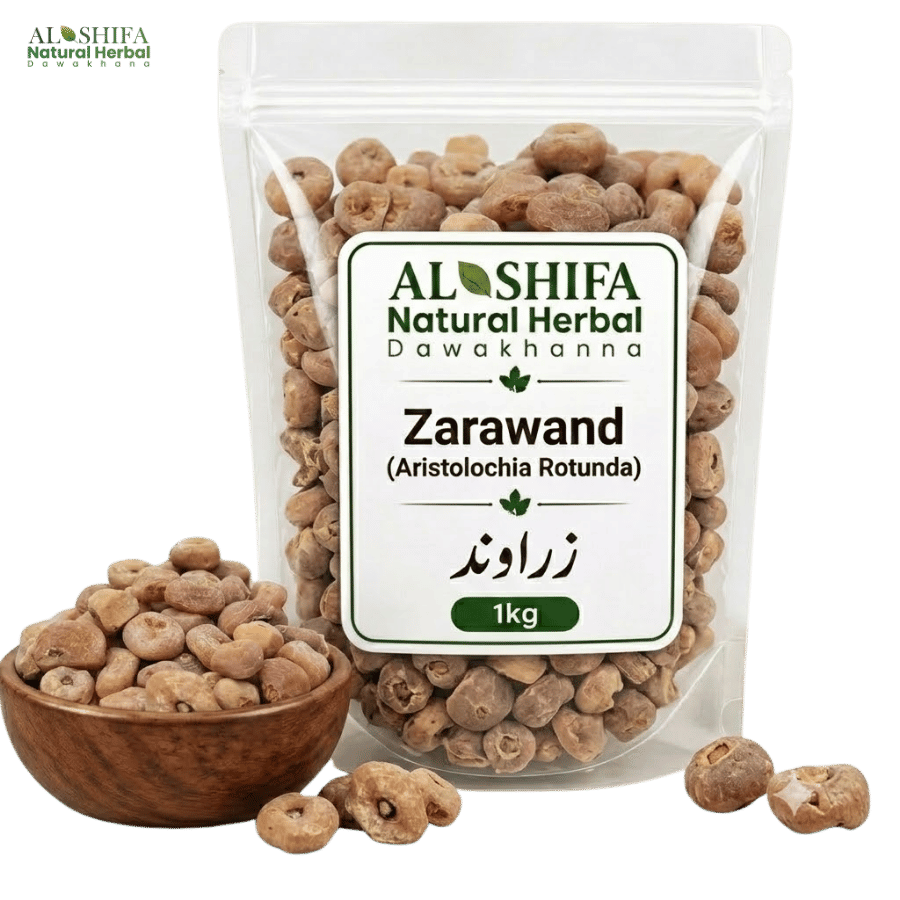
Zarawand is a traditional botanical material identified as Aristolochia rotunda, historically used in specialized Unani and herbal preparations. Due to important modern safety concerns, it should not be treated as an ordinary culinary or self-use medicinal herb.
How to Use: Not recommended for self-directed internal medicinal use. Use only according to appropriate professional and regulatory guidance.
Important Note: Aristolochia species may contain aristolochic acids, associated with serious kidney toxicity and increased cancer risk. Avoid self-medication, especially during pregnancy, breastfeeding, and in children.
Zarawand (زراوند) is a traditional botanical name used in Unani, Greco-Arab and other historical herbal systems for plants belonging to the Aristolochia genus. When the product is specifically identified as Aristolochia rotunda, it refers to a perennial herb of the Aristolochiaceae family, historically known as Round Birthwort and traditionally valued for its underground parts, particularly the rhizome or root-like material.
However, Zarawand requires an unusually important modern safety warning. Aristolochia species may contain aristolochic acids, naturally occurring compounds associated with severe kidney toxicity and increased risk of certain cancers. Because of this, Aristolochia-containing herbal products have been restricted or prohibited for medicinal use by multiple health authorities. Therefore, historical uses should be documented only as traditional information and should not be interpreted as a recommendation for internal medicinal use.
Historically, Zarawand was traded as dried underground botanical material and appeared in traditional compound preparations. Its historical importance is well documented, but modern understanding of Aristolochia safety substantially changes how this botanical should be presented and handled today.
Product Name: Zarawand
English Name: Round Birthwort
Urdu Name: زراوند
Roman Name: Zarawand / Zaravand
Scientific Name: Aristolochia rotunda L.
Family: Aristolochiaceae
Plant Type: Perennial Herb
Traditionally Used Part: Rhizome / Underground Parts
Product Type: Traditional Botanical Material
Modern Safety Status: High-caution botanical due to potential aristolochic acid exposure
Zarawand is an old traditional name associated with several plants of the genus Aristolochia. The genus contains numerous species historically used across Mediterranean, Middle Eastern, European and Asian herbal traditions.
When specifically referring to Aristolochia rotunda, the plant is a perennial herb with underground rhizomatous material and distinctive flowers characteristic of the Aristolochia family.
Historically, its underground portion was dried and preserved for specialized traditional preparations.
The important distinction is that the traditional name Zarawand is not always botanically specific. Different historical sources and regional markets may associate Zarawand or its varieties with different Aristolochia species.
For this reason:
Zarawand ≠ Automatically Aristolochia rotunda in every commercial sample.
The actual raw material should be botanically authenticated before a scientific species name is placed on the product.
Classical herbal terminology may distinguish more than one form of Zarawand, often according to characteristics such as shape, length, color or botanical source.
Names corresponding to round and long forms have historically appeared in traditional literature.
This is important because traditional classifications do not necessarily correspond perfectly to modern botanical taxonomy.
A historical name should therefore not be converted automatically into a modern scientific name without authentication of the actual plant material.
When correctly identified as Aristolochia rotunda, the underground botanical material may have characteristics such as:
Natural appearance varies with harvesting, processing, age and storage.
Appearance alone is not sufficient for safe identification, particularly for a genus with important toxicological concerns.
Plants belonging to the Aristolochia genus contain a complex mixture of naturally occurring phytochemicals.
Depending on species, plant part and geographic origin, research has identified groups such as:
Of these, aristolochic acids are the most important from a modern safety perspective.
Natural origin does not make these compounds harmless.
Aristolochic acids are naturally occurring compounds found in several Aristolochia species.
Exposure to aristolochic acids has been associated with serious and potentially irreversible kidney injury. These compounds are also recognized for their carcinogenic potential, particularly their association with cancers of the urinary tract.
The risk is significant enough that Aristolochia-containing herbal remedies have been the subject of major international regulatory action.
This means that the historical medicinal reputation of Zarawand cannot be evaluated solely through traditional-use information. Modern toxicological evidence must take priority when considering safety.
A common misconception with traditional botanicals is that a naturally occurring herb must be safe because it is not synthetic.
Zarawand is a particularly important example of why this assumption is incorrect.
A plant can be:
and still contain compounds capable of causing serious harm.
Therefore, phrases such as “natural,” “traditional,” or “herbal” should never be interpreted as proof of safety.
Aristolochic acid exposure is particularly associated with kidney damage.
The injury may be serious and can progress even when early symptoms are not obvious.
For this reason, a person should not rely on the absence of immediate discomfort as evidence that an Aristolochia-containing preparation is safe.
Zarawand should not be promoted as a kidney-cleansing, kidney-strengthening or kidney-treatment herb.
People with existing kidney disease require especially strict avoidance of unverified Aristolochia-containing medicinal preparations.
Aristolochic acid exposure has also been associated with increased risk of certain cancers, particularly cancers involving the upper urinary tract.
This is not merely a traditional or theoretical concern. It is an important toxicological finding that has led to regulatory restrictions on Aristolochia-containing herbal products.
Therefore, the product should never be promoted as a general preventive tonic or long-term wellness supplement.
Classical herbal traditions historically associated Zarawand with various digestive preparations.
These historical uses may have included preparations intended for:
These uses describe historical herbal practice only.
They do not establish modern safety or clinical effectiveness, and the known aristolochic-acid risk means historical digestive use should not be used as a reason for self-medication.
Some Aristolochia species have historically been used externally in preparations associated with wounds, skin complaints and other localized applications.
The name “birthwort” itself reflects ancient historical beliefs surrounding childbirth and traditional medicine.
However, historical external use does not prove that an Aristolochia preparation is safe for modern topical use.
Constituents may potentially be absorbed through damaged skin, and applying unverified raw material to open wounds can introduce additional contamination and irritation risks.
Therefore, do not apply raw Zarawand to wounds, broken skin or mucous membranes without qualified professional guidance.
Traditional literature has attributed a wide variety of uses to Aristolochia plants, including preparations associated with respiratory, digestive, menstrual, inflammatory and general bodily complaints.
Such historical descriptions should not be converted into claims that Zarawand treats:
Historical use documents how a plant was once employed; it does not prove that the practice is effective or safe by current medical standards.
Pregnant women should not self-use Zarawand or Aristolochia-containing preparations.
The historical name “birthwort” and traditional associations with childbirth do not establish pregnancy safety.
Given the known toxicological concerns surrounding aristolochic acids, pregnancy is a particularly inappropriate setting for unsupervised exposure.
Traditional claims relating to labor, menstruation or reproductive use should not be interpreted as modern recommendations.
Breastfeeding women should avoid self-directed medicinal use of Zarawand.
Reliable evidence establishing safe exposure for a nursing mother or infant is lacking, while the toxicological concerns surrounding Aristolochia species are substantial.
Historical use is not evidence of safety during breastfeeding.
Zarawand should not be given medicinally to infants or children.
Children should also be protected from accidental access to raw botanical material, powders, extracts and traditional preparations containing Aristolochia.
An adult quantity should never be mathematically reduced to create a children’s dose.
Zarawand is not a food, culinary spice, herbal tea ingredient or ordinary wellness herb.
It should not be treated like common botanicals such as:
It should not be added casually to food, tea, kahwa, juices or home remedies.
Because Aristolochia rotunda belongs to a genus associated with aristolochic acids, self-directed internal medicinal use should be avoided.
No home dosage should be recommended simply on the basis of historical texts.
Traditional processing, soaking, boiling or combining with other herbs should not be assumed to reliably remove aristolochic acids or eliminate toxicity unless a specific finished product has been demonstrated through appropriate validated testing to be free from the relevant hazardous compounds.
Historical herbal systems sometimes describe purification or processing methods for potentially harmful materials.
For Zarawand, consumers should not assume that:
makes an Aristolochia product safe.
There is no appropriate basis for recommending a home-processing method as a reliable way to eliminate aristolochic-acid risk.
Modern research on Aristolochia has investigated both its phytochemistry and its toxicology.
Research areas include:
For this botanical, modern toxicological research is especially important because safety findings substantially affect how historical medicinal use should be interpreted.
The following distinctions are essential:
Historical use ≠ established safety
Natural origin ≠ harmless
Laboratory biological activity ≠ safe medicinal treatment
Traditional processing ≠ proven removal of toxic compounds
A small amount ≠ automatically safe
Absence of immediate symptoms ≠ absence of kidney injury
One Aristolochia species ≠ every other Aristolochia species
These distinctions are particularly important for a product containing or potentially containing aristolochic acids.
Zarawand is a traditional trade name and should not be relied upon alone for species identification.
Professional authentication may consider:
For a product intended for sale, simply writing Aristolochia rotunda because the supplier calls the herb “Zarawand” is not sufficient evidence of species identity.
Different Aristolochia species have been used under overlapping traditional names.
Therefore:
Aristolochia rotunda ≠ every Zarawand sample
and
One Aristolochia species should not automatically be substituted for another.
The concentration and profile of aristolochic acids and other constituents may vary among species and plant parts.
This variability does not remove the underlying safety concern.
For identification and documentation purposes, quality assessment should include:
However, good physical appearance does not establish toxicological safety.
A clean, aromatic and visually genuine sample can still naturally contain hazardous aristolochic acids.
For many ordinary herbs, purity is viewed as a desirable quality characteristic.
With Aristolochia, this concept requires special care.
A product that is genuinely pure Aristolochia rotunda may still naturally contain compounds of toxicological concern.
Therefore:
Botanical purity ≠ medical safety
and
Natural authenticity ≠ suitability for ingestion
This distinction should be made clear when describing Zarawand.
Where a commercial product involving Zarawand is being considered, testing should not merely confirm the absence of microbes or foreign matter.
Because the principal concern involves naturally occurring aristolochic acids, appropriate chemical identification and safety assessment are much more relevant.
Claims such as:
should never be made without specific, reliable analytical evidence supporting the exact claim.
For botanical reference or other lawful non-ingestible purposes:
Because of its safety profile, Zarawand should not be stored loosely where it could be mistaken for an ordinary edible root or herbal tea ingredient.
Anyone who has been consuming an Aristolochia-containing product should not assume that feeling well excludes harm.
Kidney injury may not necessarily produce obvious early symptoms.
Possible symptoms requiring medical attention can include:
These symptoms are not specific to Aristolochia exposure, but significant exposure or ongoing use should be discussed with an appropriate healthcare professional even if symptoms are absent.
Product Name: Zarawand
English Name: Round Birthwort
Urdu Name: زراوند
Roman Name: Zarawand / Zaravand
Scientific Name: Aristolochia rotunda L. — only when botanically verified
Family: Aristolochiaceae
Plant Type: Perennial Herb
Traditionally Used Part: Rhizome / Underground Parts
Product Type: Traditional Botanical Material
Historical Association: Specialized digestive, external and other traditional preparations
Culinary Status: Not an ordinary food or culinary herb
Major Safety Concern: Potential exposure to aristolochic acids
Internal Self-Use: Not recommended
Zarawand (زراوند), when identified as Aristolochia rotunda, belongs to the Aristolochia genus, members of which may contain aristolochic acids. These compounds are associated with serious kidney toxicity and carcinogenic risk.
For this reason, the historical medicinal uses described above are provided for traditional and educational context only and should not be interpreted as instructions or recommendations for internal use.
Zarawand should not be used as a self-directed herbal medicine, routine herbal tea, food ingredient or long-term wellness supplement. It should not replace medical treatment for any condition. Pregnant or breastfeeding women and children should avoid self-directed medicinal use.
Because the traditional name Zarawand may also be applied to different botanical materials, the scientific name Aristolochia rotunda should only appear on the final commercial product when the actual raw material has been botanically verified.
زراوند ایک قدیم روایتی نباتاتی مادہ ہے جس کا ذکر یونانی، مشرقی اور قدیم نباتاتی طریقوں میں ملتا ہے۔ جب اس مصنوعات کی شناخت ارسٹولوکیا روٹنڈا کے طور پر کی جائے تو یہ ارسٹولوکی ایسی نباتاتی خاندان سے تعلق رکھنے والی ایک بارہماسی نبات ہے۔ روایتی طور پر اس کے زیرِ زمین حصے، خصوصاً جڑ نما تنا اور جڑ سے متعلق خشک نباتاتی مادہ استعمال کیا جاتا رہا ہے۔
زراوند کے بارے میں جدید دور میں ایک نہایت اہم حفاظتی حقیقت سامنے آئی ہے۔ ارسٹولوکیا نسل کی متعدد نباتات میں قدرتی طور پر ارسٹولوکک ایسڈز نامی مرکبات پائے جا سکتے ہیں۔ یہ مرکبات گردوں کو شدید نقصان پہنچانے اور بعض اقسام کے سرطان کے خطرے سے منسلک کیے گئے ہیں۔ اسی وجہ سے زراوند کے تاریخی استعمالات کو صرف روایتی اور تعلیمی معلومات کے طور پر سمجھنا چاہیے، انہیں اندرونی علاجی استعمال کی سفارش نہیں سمجھنا چاہیے۔
مصنوعات کا نام: زراوند
معروف نباتاتی نسبت: ارسٹولوکیا روٹنڈا
نباتاتی خاندان: ارسٹولوکی ایسی
نبات کی قسم: بارہماسی نبات
روایتی طور پر استعمال ہونے والا حصہ: زیرِ زمین جڑ نما تنا اور جڑ سے متعلق نباتاتی مادہ
مصنوعات کی نوعیت: مخصوص روایتی نباتاتی مادہ
غذائی حیثیت: عام خوراک یا روزمرہ غذائی جڑی بوٹی نہیں
اہم حفاظتی پہلو: ارسٹولوکک ایسڈز کی ممکنہ موجودگی کے باعث انتہائی احتیاط ضروری
زراوند ایک قدیم نباتاتی نام ہے جو تاریخی طور پر ارسٹولوکیا نسل کی مختلف نباتات کے لیے استعمال ہوتا رہا ہے۔
جب زراوند کی مخصوص شناخت ارسٹولوکیا روٹنڈا کے طور پر کی جائے تو اس سے مراد ایک ایسی بارہماسی نبات ہے جس کے زیرِ زمین حصے روایتی نباتاتی طریقوں میں استعمال ہوتے رہے ہیں۔
اس نبات کے پھول اپنی مخصوص ساخت کی وجہ سے پہچانے جاتے ہیں، جبکہ تجارتی نباتاتی مادے میں عموماً اس کا خشک زیرِ زمین حصہ زیادہ اہمیت رکھتا ہے۔
یہ بات خاص طور پر اہم ہے کہ:
ہر زراوند لازماً ارسٹولوکیا روٹنڈا نہیں ہوتا۔
مختلف علاقوں اور تاریخی حوالوں میں زراوند کے نام سے ارسٹولوکیا نسل کی دوسری انواع بھی منسوب رہی ہیں۔ اس لیے کسی تجارتی خام مال پر حتمی نباتاتی نام درج کرنے سے پہلے اس کی درست شناخت ضروری ہے۔
قدیم نباتاتی لٹریچر میں زراوند کی ایک سے زیادہ اقسام کا ذکر ملتا ہے۔
ان اقسام میں فرق بعض اوقات:
کی بنیاد پر کیا جاتا رہا ہے۔
بعض روایتی حوالوں میں گول اور لمبی اقسام کا الگ الگ ذکر بھی ملتا ہے۔
یہ روایتی تقسیم جدید نباتاتی درجہ بندی کے عین مطابق ہونا ضروری نہیں۔ اسی لیے صرف قدیم نام یا جڑ کی شکل دیکھ کر کسی خاص نباتاتی نوع کا فیصلہ کرنا مناسب نہیں۔
اگر خام مال واقعی ارسٹولوکیا روٹنڈا سے حاصل کیا گیا ہو تو اس کا خشک زیرِ زمین حصہ عموماً درج ذیل خصوصیات رکھ سکتا ہے:
فصل، عمر، خشک کرنے کے طریقے اور ذخیرہ کے مطابق اس کی شکل، رنگ اور بو میں فرق ہو سکتا ہے۔
صرف ظاہری شکل کو نباتاتی شناخت یا حفاظت کی ضمانت نہیں سمجھنا چاہیے۔
ارسٹولوکیا نسل کی نباتات میں متعدد قدرتی کیمیائی مرکبات پائے جا سکتے ہیں۔
مختلف تحقیقات میں جن اجزاء اور گروہوں کا مطالعہ کیا گیا ہے ان میں شامل ہیں:
ان تمام اجزاء میں جدید حفاظتی نقطۂ نظر سے ارسٹولوکک ایسڈز سب سے زیادہ اہم ہیں۔
ان مرکبات کا قدرتی ہونا انہیں محفوظ نہیں بناتا۔
ارسٹولوکک ایسڈز قدرتی مرکبات کا ایک ایسا گروہ ہیں جو ارسٹولوکیا نسل کی متعدد نباتات میں پایا جا سکتا ہے۔
ان مرکبات سے انسانی جسم، خصوصاً گردوں، کو شدید نقصان پہنچنے کا خطرہ منسلک کیا گیا ہے۔
ان سے متعلق اہم خدشات میں شامل ہیں:
یہ حفاظتی مسئلہ اتنا اہم ہے کہ ارسٹولوکیا پر مشتمل متعدد روایتی مصنوعات کے استعمال پر مختلف ممالک میں سخت پابندیاں یا حفاظتی اقدامات کیے گئے ہیں۔
زراوند اس بات کی ایک اہم مثال ہے کہ کسی چیز کا قدرتی یا روایتی ہونا لازماً اس کے محفوظ ہونے کی ضمانت نہیں۔
کوئی نبات:
اور اس کے باوجود اس میں ایسے قدرتی مرکبات موجود ہو سکتے ہیں جو انسانی صحت کے لیے نقصان دہ ہوں۔
اس لیے قدرتی، نباتاتی اور روایتی جیسے الفاظ کو حفاظت کا ثبوت نہیں سمجھنا چاہیے۔
زراوند کے حوالے سے جدید حفاظتی معلومات میں گردوں کو پہنچنے والا نقصان سب سے اہم خدشات میں شامل ہے۔
ارسٹولوکک ایسڈز سے منسلک گردوی نقصان بعض حالات میں سنگین اور ناقابلِ واپسی ہو سکتا ہے۔
اہم بات یہ ہے کہ گردوں کو نقصان پہنچنے کے ابتدائی مراحل میں لازماً واضح علامات محسوس نہیں ہوتیں۔
اس لیے صرف یہ کہنا کہ استعمال کے بعد کوئی فوری تکلیف محسوس نہیں ہوئی، حفاظت کی ضمانت نہیں۔
زراوند کو:
قرار دینا مناسب نہیں۔
ارسٹولوکک ایسڈز کو بعض سرطانوں، خصوصاً پیشاب کی نالی کے بالائی حصوں سے متعلق سرطان کے بڑھتے ہوئے خطرے سے منسلک کیا گیا ہے۔
یہ محض روایتی اختلاف یا نظریاتی خدشہ نہیں بلکہ جدید زہریلے اثرات سے متعلق تحقیق کا ایک اہم موضوع ہے۔
اسی وجہ سے زراوند کو لمبے عرصے کے لیے عمومی طاقت، روزمرہ صحت یا مستقل نباتاتی سپلیمنٹ کے طور پر استعمال کرنے کی حوصلہ افزائی نہیں کی جانی چاہیے۔
قدیم نباتاتی طریقوں میں زراوند کا ذکر ہاضمے سے متعلق مختلف تیاریوں میں ملتا ہے۔
تاریخی طور پر اسے بعض ایسی تیاریوں سے منسوب کیا گیا جن کا مقصد:
ہو سکتے تھے۔
یہ صرف تاریخی استعمالات ہیں۔
جدید حفاظتی معلومات کی موجودگی میں ان روایتی استعمالات کو خود سے زراوند کھانے یا پینے کی وجہ نہیں بنانا چاہیے۔
قدیم روایات میں ارسٹولوکیا نسل کی بعض نباتات کو جلد، زخم اور دوسرے بیرونی مقاصد کے لیے بھی استعمال کیا جاتا رہا ہے۔
تاہم تاریخی بیرونی استعمال کو مکمل حفاظت کا ثبوت نہیں سمجھنا چاہیے۔
خصوصاً:
پر خام زراوند یا اس کا سفوف خود سے استعمال کرنا مناسب نہیں۔
زخمی جلد کے ذریعے بعض نباتاتی اجزاء کے جذب ہونے اور خام نباتاتی مادے سے آلودگی یا جلن کا امکان بھی موجود ہو سکتا ہے۔
قدیم نباتاتی لٹریچر میں ارسٹولوکیا نسل کی نباتات کو مختلف جسمانی کیفیات سے منسوب کیا گیا ہے۔
ان میں نظام تنفس، ہاضمہ، ماہواری، درد، سوزش اور دوسری روایتی شکایات شامل ہو سکتی ہیں۔
تاہم زراوند کو درج ذیل کا ثابت شدہ علاج نہیں سمجھنا چاہیے:
کسی نبات کا تاریخی استعمال جدید طبی حفاظت اور افادیت کا ثبوت نہیں ہوتا۔
حاملہ خواتین کو زراوند یا ارسٹولوکیا سے متعلق کسی بھی غیر تصدیق شدہ نباتاتی تیاری کا خود سے علاجی استعمال نہیں کرنا چاہیے۔
قدیم لٹریچر میں اس نبات کا خواتین، ماہواری یا ولادت سے متعلق ذکر ملنے کا مطلب یہ نہیں کہ یہ حمل کے دوران محفوظ ہے۔
ارسٹولوکک ایسڈز سے متعلق سنگین حفاظتی خدشات کے باعث حمل کے دوران خود سے اندرونی استعمال سے گریز کرنا چاہیے۔
قدیم تولیدی یا ولادت سے متعلق استعمال کو جدید سفارش کے طور پر نہیں اپنانا چاہیے۔
دودھ پلانے والی خواتین کو بھی زراوند کا خود سے اندرونی علاجی استعمال نہیں کرنا چاہیے۔
دودھ پلانے والی ماں اور شیر خوار بچے کے لیے محفوظ مقدار سے متعلق قابل اعتماد معلومات موجود نہیں، جبکہ ارسٹولوکیا نسل سے متعلق زہریلے اثرات کے خدشات اہم ہیں۔
صرف روایتی استعمال کو دودھ پلانے کے دوران حفاظت کا ثبوت نہیں سمجھنا چاہیے۔
زراوند بچوں کی غذا یا عام نباتاتی سپلیمنٹ نہیں ہے۔
اسے:
کو خود سے علاجی مقصد کے لیے نہیں دینا چاہیے۔
بالغ فرد کی روایتی مقدار کو کم کرکے بچے کے لیے مقدار مقرر کرنا بھی مناسب نہیں۔
خام زراوند، سفوف اور دوسری تیاریوں کو بچوں کی پہنچ سے محفوظ رکھنا چاہیے۔
زراوند کو روزمرہ باورچی خانے میں استعمال ہونے والی نباتات کے برابر نہیں سمجھنا چاہیے۔
یہ:
جیسی عام غذائی اشیا نہیں ہے۔
اسے خود سے چائے، قہوہ، مشروب، کھانے یا گھریلو نسخے میں شامل کرنا مناسب نہیں۔
ارسٹولوکیا روٹنڈا ایسی نباتاتی نسل سے تعلق رکھتی ہے جس میں ارسٹولوکک ایسڈز کی موجودگی ایک اہم حفاظتی مسئلہ ہے۔
اسی لیے زراوند کے خود سے اندرونی علاجی استعمال سے گریز کرنا چاہیے۔
قدیم کتاب میں کسی مقدار کا ذکر موجود ہونا جدید دور میں اس مقدار کی حفاظت کی ضمانت نہیں۔
اسی طرح کم مقدار کو بھی خود بخود محفوظ تصور نہیں کرنا چاہیے۔
بعض روایتی نباتاتی مادوں کے لیے قدیم طریقوں میں مختلف صفائی یا تیاری کے مراحل بیان کیے جاتے ہیں۔
زراوند کے معاملے میں یہ فرض نہیں کرنا چاہیے کہ:
ارسٹولوکک ایسڈز کے خطرے کو لازماً ختم کر دیتا ہے۔
گھر میں ایسا کوئی طریقہ تجویز کرنا مناسب نہیں جسے ان نقصان دہ مرکبات کے قابل اعتماد خاتمے کا ذریعہ سمجھا جائے۔
ارسٹولوکیا نسل پر جدید تحقیقات نے اس کے تاریخی استعمال کے ساتھ ساتھ اس کے زہریلے اثرات کو بھی تفصیل سے جانچا ہے۔
تحقیق کے اہم موضوعات میں شامل ہیں:
زراوند کے معاملے میں جدید زہریلے اثرات سے متعلق معلومات کو نظر انداز کرکے صرف تاریخی استعمال پر توجہ دینا مناسب نہیں۔
زراوند کے بارے میں درج ذیل فرق خاص طور پر سمجھنا ضروری ہے:
قدیم استعمال حفاظت کا ثبوت نہیں۔
قدرتی ہونا بے ضرر ہونے کی ضمانت نہیں۔
تجربہ گاہ میں کسی حیاتیاتی سرگرمی کا ملنا محفوظ علاج ثابت نہیں کرتا۔
قدیم صفائی کا طریقہ نقصان دہ مرکبات کے مکمل خاتمے کا ثبوت نہیں۔
کم مقدار کا مطلب لازماً محفوظ مقدار نہیں۔
فوری علامات نہ ہونا گردوں کے محفوظ ہونے کی ضمانت نہیں۔
ارسٹولوکیا کی ایک نوع کو دوسری نوع کے برابر نہیں سمجھنا چاہیے۔
زراوند ایک روایتی تجارتی نام ہے اور صرف اسی نام کی بنیاد پر حتمی نباتاتی نوع مقرر کرنا مناسب نہیں۔
درست شناخت کے لیے ضرورت کے مطابق درج ذیل پہلو اہم ہو سکتے ہیں:
اگر فراہم کنندہ صرف زراوند کا نام بتاتا ہو تو بغیر تصدیق کے مصنوعات پر ارسٹولوکیا روٹنڈا لکھنا مناسب نہیں۔
ارسٹولوکیا نسل میں متعدد نباتاتی انواع موجود ہیں۔
مختلف علاقوں میں ان میں سے بعض انواع ایک جیسے یا ملتے جلتے روایتی ناموں سے فروخت ہو سکتی ہیں۔
اس لیے:
ہر زراوند ارسٹولوکیا روٹنڈا نہیں۔
اسی طرح ارسٹولوکیا کی ایک نوع کو دوسری نوع کا متبادل نہیں سمجھنا چاہیے۔
مختلف انواع اور نباتاتی حصوں میں قدرتی مرکبات کی مقدار اور نوعیت مختلف ہو سکتی ہے۔
یہ فرق بنیادی حفاظتی خدشے کو ختم نہیں کرتا۔
زراوند جیسے حساس نباتاتی مادے میں معیار کا جائزہ صرف خوبصورت شکل یا صاف پیکنگ تک محدود نہیں ہونا چاہیے۔
اہم نکات میں شامل ہیں:
تاہم ایک اہم بات یہ ہے کہ:
صاف اور اصلی نظر آنے والا زراوند بھی قدرتی طور پر نقصان دہ ارسٹولوکک ایسڈز رکھ سکتا ہے۔
عام نباتاتی مصنوعات میں خالص پن کو ایک مثبت خصوصیت سمجھا جاتا ہے۔
لیکن زراوند کے معاملے میں اس تصور کو احتیاط سے سمجھنا ضروری ہے۔
اگر کوئی مصنوعات واقعی خالص ارسٹولوکیا روٹنڈا بھی ہو، تب بھی اس میں قدرتی طور پر ایسے مرکبات موجود ہو سکتے ہیں جو صحت کے لیے نقصان دہ ہوں۔
اس لیے:
نباتاتی خالص پن طبی حفاظت کی ضمانت نہیں۔
اصلی نبات ہونا اندرونی استعمال کے لیے موزوں ہونے کا ثبوت نہیں۔
زراوند کی کسی تجارتی مصنوعات کے لیے صرف جراثیم، نمی یا غیر متعلقہ مادے کی جانچ کافی نہیں سمجھی جانی چاہیے۔
اس نبات میں اصل حفاظتی مسئلہ قدرتی طور پر موجود ارسٹولوکک ایسڈز ہیں۔
اس لیے درج ذیل دعوے صرف مخصوص اور قابل اعتماد تجزیاتی ثبوت کی موجودگی میں کیے جانے چاہئیں:
صرف عام جانچ کی رپورٹ ایسے مخصوص دعوؤں کے لیے کافی نہیں۔
اگر کوئی شخص پہلے سے زراوند یا ارسٹولوکیا پر مشتمل مصنوعات اندرونی طور پر استعمال کرتا رہا ہو تو صرف علامات نہ ہونے کی وجہ سے حفاظت فرض نہیں کرنی چاہیے۔
گردوں سے متعلق نقصان کے بعض مراحل میں واضح ابتدائی علامات موجود نہیں ہوتیں۔
ممکنہ طور پر توجہ طلب علامات میں شامل ہو سکتی ہیں:
یہ علامات صرف زراوند کے استعمال سے مخصوص نہیں ہیں، لیکن اگر کسی شخص نے ارسٹولوکیا پر مشتمل مصنوعات استعمال کی ہو تو اس بارے میں معالج کو آگاہ کرنا اہم ہو سکتا ہے۔
اگر زراوند کو نباتاتی شناخت، تحقیق، حوالہ یا کسی دوسرے جائز غیر غذائی مقصد کے لیے محفوظ کیا جا رہا ہو تو:
اسے ایسی جگہ نہ رکھیں جہاں غلطی سے عام جڑ، مصالحہ یا قہوہ بنانے والی نبات سمجھ کر استعمال کیا جا سکے۔
مصنوعات کا نام: زراوند
معروف نباتاتی نسبت: ارسٹولوکیا روٹنڈا
نباتاتی خاندان: ارسٹولوکی ایسی
نبات کی قسم: بارہماسی نبات
روایتی استعمال ہونے والا حصہ: زیرِ زمین جڑ نما تنا اور متعلقہ نباتاتی مادہ
مصنوعات کی نوعیت: مخصوص روایتی نباتاتی مادہ
تاریخی اہمیت: ہاضمہ، بیرونی استعمال اور دیگر قدیم نباتاتی تیاریوں میں تاریخی ذکر
غذائی حیثیت: عام خوراک یا روزمرہ غذائی جڑی بوٹی نہیں
اہم حفاظتی خدشہ: ارسٹولوکک ایسڈز کی ممکنہ موجودگی
خود سے اندرونی استعمال: مناسب نہیں
زراوند، جب ارسٹولوکیا روٹنڈا کے طور پر شناخت کیا جائے، ارسٹولوکیا نسل سے تعلق رکھتا ہے۔ اس نسل کی متعدد نباتات میں ارسٹولوکک ایسڈز پائے جا سکتے ہیں، جن کا تعلق گردوں کو شدید اور ممکنہ طور پر مستقل نقصان پہنچنے اور بعض اقسام کے سرطان کے بڑھتے ہوئے خطرے سے ہے۔
اس لیے زراوند کے ہاضمہ، جسمانی صفائی، جلد، درد، نظام تنفس، خواتین کی صحت یا دیگر مقاصد سے متعلق تاریخی استعمالات کو صرف روایتی اور تعلیمی معلومات سمجھنا چاہیے، اندرونی استعمال کی سفارش نہیں۔
زراوند کو خود سے دوا، قہوہ، چائے، غذائی جزو یا روزمرہ صحت کی مصنوعات کے طور پر استعمال نہیں کرنا چاہیے۔ حاملہ اور دودھ پلانے والی خواتین اور بچوں کے لیے خود سے علاجی استعمال سے گریز ضروری ہے۔
مزید یہ کہ زراوند کا روایتی نام مختلف نباتاتی مواد کے لیے استعمال ہو سکتا ہے، اس لیے اصل خام مال کی تصدیق کے بغیر اسے حتمی طور پر ارسٹولوکیا روٹنڈا قرار نہیں دینا چاہیے۔