
Brahmi Buti, Bacopa monniera
Contact for Price
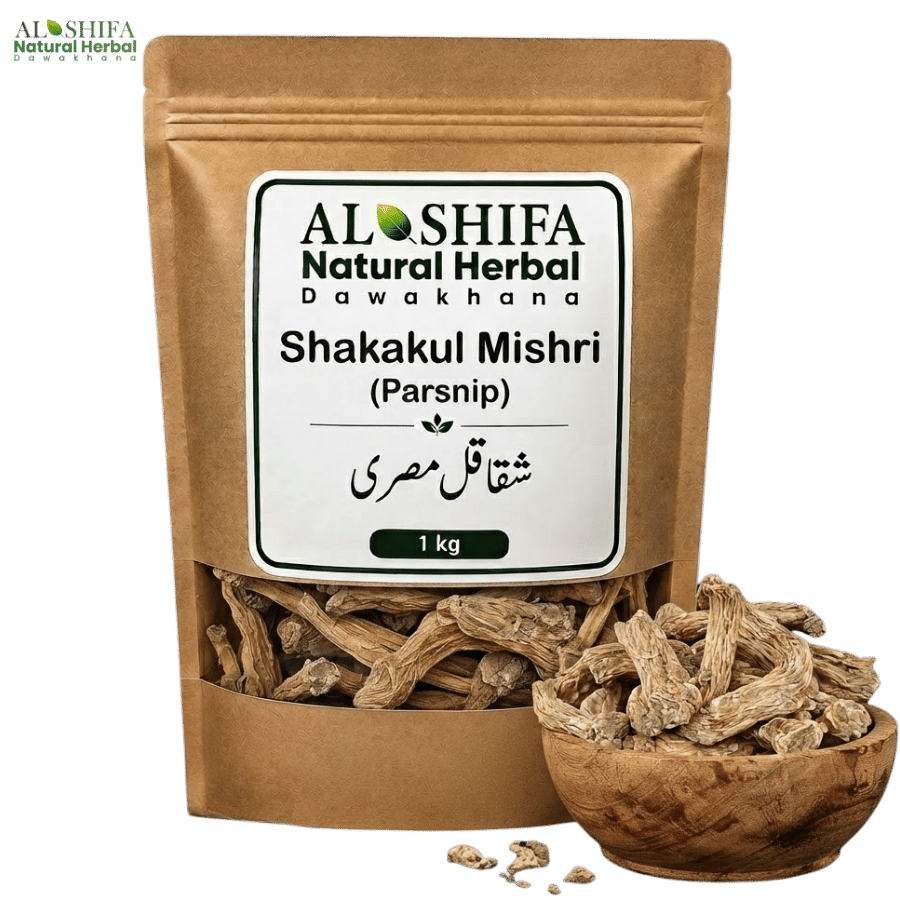
Shakakul Mishri (Parsnip) is a traditional botanical root commonly associated with Pastinaca sativa, historically valued in Unani practice for nourishing, strengthening, and general vitality preparations.
How to Use: Use according to traditional preparation directions or under appropriate professional guidance.
Important Note: Traditional uses are not established medical treatments. For medicinal use, especially during pregnancy, breastfeeding, chronic illness, or regular medication use, professional guidance is recommended.
Shakakul Mishri (شقاقل مصری) is a traditional root material valued in Unani and regional herbal practice for its long-standing association with nourishing, strengthening, and general vitality preparations. In herbal trade, Shakakul is commonly compared or associated with Parsnip, a root vegetable belonging to the Apiaceae family.
Parsnip is generally identified botanically as Pastinaca sativa L., a biennial plant cultivated for its pale, fleshy root. However, traditional names such as Shakakul, Shaqaq-ul-Misri, or Shakakul Mishri can sometimes be applied inconsistently in regional herbal markets. Therefore, the exact botanical identity of medicinal raw material should ideally be verified before assigning Pastinaca sativa definitively to every commercial sample sold as Shakakul Mishri.
This distinction is particularly important when the product is intended for traditional medicinal use rather than ordinary culinary use.
Good-quality Shakakul Mishri should consist of properly identified, mature, clean, well-dried root material protected from excessive moisture, insects, mold, and foreign matter.
English Name: Parsnip
Urdu Name: شقاقل مصری
Roman Name: Shakakul Mishri / Shaqaq-ul-Misri
Common Botanical Association: Pastinaca sativa L.
Family: Apiaceae
Plant Part: Root
Product Type: Dried Traditional Botanical Root Material
Shakakul Mishri is traditionally described as a fleshy root used in specialized Unani and herbal preparations.
When identified with parsnip, the plant develops an elongated, pale-colored storage root that naturally contains carbohydrates, dietary fiber, minerals, vitamins, and various plant compounds.
After harvesting, roots intended for traditional herbal trade may be cleaned, cut, and appropriately dried before storage.
The dried medicinal raw material should not automatically be considered identical to fresh culinary parsnip because its:
may differ.
Parsnip is botanically recognized as Pastinaca sativa, a member of the same broad plant family that includes several familiar aromatic vegetables and herbs.
Traditional Shakakul is frequently associated with parsnip in regional trade, but traditional terminology can be complicated.
For this reason:
Shakakul Mishri should only be definitively labeled as Pastinaca sativa when the raw material has been appropriately identified.
If botanical authentication is unavailable, the more responsible wording is:
“Traditionally associated with Parsnip (Pastinaca sativa).”
This prevents a regional trade name from being mistaken for absolute botanical proof.
Dried Shakakul Mishri may vary according to source, maturity, processing, and storage.
Typical characteristics may include:
Natural differences in color, shape, and size are expected in minimally processed botanical materials.
When discussing genuine Pastinaca sativa, fresh parsnip root naturally contains several nutritional components.
These include:
However, the nutritional profile of dried Shakakul Mishri can differ substantially from fresh culinary parsnip due to drying, storage, processing, and serving quantity.
Therefore, nutritional values for fresh parsnip should not automatically be presented as laboratory-confirmed values for dried Shakakul Mishri.
Parsnip and related Apiaceae plants contain a variety of naturally occurring phytochemicals.
Depending on the exact botanical material, plant part, growing conditions, and processing, these may include:
The presence of these compounds does not establish that Shakakul Mishri can prevent or treat a particular disease.
Shakakul has a long-standing reputation in traditional Unani literature and regional herbal practice as a nourishing and strengthening material.
Historically, it has appeared in preparations associated with:
These are traditional associations, not scientifically established medical treatment claims.
Shakakul Mishri has traditionally been included in formulations intended for people seeking nutritional and general vitality support.
Its reputation as a strengthening ingredient may partly relate to the substantial storage nutrients naturally present in fleshy roots.
However, traditional descriptions such as “strengthening” or “nourishing” should not be interpreted to mean that Shakakul can medically treat:
Persistent unexplained weakness or fatigue requires appropriate medical assessment.
One of the prominent historical uses of Shakakul in Unani practice is its inclusion in compound formulations associated with male vitality, stamina, and reproductive wellbeing.
Traditional formulations may describe it in connection with:
These historical associations should be described carefully.
Shakakul Mishri should not be presented as a scientifically established treatment for:
People experiencing persistent reproductive or sexual-health concerns should seek appropriate medical assessment.
Depending on the traditional formulation, nourishing roots may also appear in preparations intended for general women’s vitality.
However, this should not be converted into claims that Shakakul Mishri can treat:
Women with ongoing reproductive or menstrual concerns should seek appropriate professional evaluation.
Shakakul Mishri may be incorporated into compound traditional products together with other ingredients.
Traditional preparations can include:
The characteristics of a compound preparation depend on all of its ingredients, not Shakakul alone.
Therefore, claims made for a complete traditional formulation should not automatically be attributed to the root itself.
When correctly identified as parsnip, the root naturally contains dietary fiber.
Fiber is an established component of a balanced diet and contributes to normal digestive function.
However, dried medicinal Shakakul should not automatically be treated as an ordinary high-fiber food without considering the intended product form and serving size.
It should not be claimed to treat:
Modern scientific research on Pastinaca sativa includes investigation of its nutritional composition and naturally occurring plant compounds.
However, it is important to distinguish between:
Evidence obtained from one form cannot automatically be transferred to another.
Traditional Shakakul Mishri itself does not have strong clinical evidence establishing it as a treatment for the conditions historically associated with it.
Parsnip contains phenolic and other naturally occurring plant compounds that may demonstrate antioxidant activity under experimental conditions.
However:
Laboratory antioxidant activity does not equal proven disease treatment.
It should not be converted into claims that Shakakul prevents or treats:
Clinical outcomes require appropriate human evidence.
Fresh culinary parsnip and dried Shakakul Mishri should not automatically be considered identical products.
Differences may include:
Therefore:
Fresh Parsnip ≠ automatically Dried Medicinal Shakakul Mishri
and
Whole Root ≠ Concentrated Root Extract
Product information should match the actual material being sold.
Plants belonging to the Apiaceae family can contain naturally occurring compounds that deserve appropriate handling.
Parsnip plant sap, particularly from above-ground parts and under certain conditions, can contain furanocoumarins. Skin contact followed by exposure to strong sunlight can contribute to a phototoxic skin reaction in susceptible circumstances.
This concern is especially relevant when handling fresh plant foliage and sap rather than ordinary dried root material.
Nevertheless, correct plant identification and appropriate handling remain important.
People sensitive to parsnip or related members of the Apiaceae family should use caution.
Related plants include various familiar vegetables and herbs.
Possible allergy symptoms may include:
Severe swelling, breathing difficulty, or rapidly developing allergic symptoms require urgent medical attention.
Shakakul Mishri has historically been used internally in traditional formulations.
Responsible modern use should consider:
Traditional use does not mean that unlimited quantities are appropriate.
The method of using Shakakul Mishri depends on the intended traditional formulation.
It may be used in:
For medicinal use, follow the directions of an appropriately qualified practitioner or the specific product instructions.
Do not apply doses used for concentrated extracts directly to ordinary dried root.
Ordinary culinary parsnip and medicinal quantities of dried Shakakul Mishri are not necessarily equivalent exposures.
Reliable safety information for medicinal doses of Shakakul Mishri during pregnancy and breastfeeding is limited.
Pregnant or breastfeeding women should therefore avoid self-directed medicinal use unless appropriately advised by a healthcare professional.
Traditional reproductive associations should not be interpreted as evidence that the product improves fertility or pregnancy outcomes.
Medicinal quantities of Shakakul Mishri should be used cautiously in children.
Do not give concentrated preparations or large medicinal quantities to young children without appropriate professional guidance.
Keep dried root and prepared products stored safely away from small children.
Professional guidance is particularly sensible for individuals who:
A traditional botanical product should not replace prescribed medical care.
Good-quality Shakakul Mishri should be assessed for:
Botanical authentication before grinding is especially useful because powdered roots can be difficult to distinguish visually.
Descriptions such as:
should only be used when supported by appropriate evidence.
A natural-looking dried root does not itself prove purity, botanical identity, or absence of contamination.
To maintain quality:
Do not use material showing obvious mold, unusual moisture, insect infestation, unpleasant deterioration, or significant discoloration.
Traditional herbal names frequently change between regions and languages.
Because Shakakul Mishri may be commercially translated as Parsnip, the name alone should not be considered absolute proof that every sample is Pastinaca sativa.
For professional herbal identification, the material should ideally be verified according to:
If the material has been authenticated as Pastinaca sativa, that scientific name can be stated confidently. Otherwise, describing it as traditionally associated with Parsnip (Pastinaca sativa) is more accurate.
Product Name: Shakakul Mishri / Parsnip
English Name: Parsnip
Urdu Name: شقاقل مصری
Roman Name: Shakakul Mishri / Shaqaq-ul-Misri
Common Botanical Association: Pastinaca sativa L.
Family: Apiaceae
Plant Part: Root
Product Type: Dried Traditional Botanical Root Material
Appearance: Pale cream to light-brown dried root pieces
Traditional Use: Nourishing, strengthening and general vitality formulations
Storage: Cool, dry and protected from moisture and direct sunlight
Shakakul Mishri / Parsnip (شقاقل مصری) is a traditional root material commonly associated with Pastinaca sativa. Historical references to strength, stamina, reproductive vitality, nourishment, or general wellness describe traditional Unani and regional uses rather than scientifically established treatments.
Shakakul Mishri is not intended to diagnose, treat, cure, or prevent erectile dysfunction, infertility, hormonal disorders, chronic weakness, digestive disease, or any other medical condition.
Research conducted on fresh parsnip, concentrated extracts, isolated compounds, laboratory models, or animals should not automatically be interpreted as evidence for the same effects from dried Shakakul Mishri.
For medicinal use—particularly during pregnancy, breastfeeding, childhood, chronic illness, allergy, or regular medication use—appropriate professional guidance is recommended.
شقاقل مصری ایک معروف روایتی نباتاتی جڑ ہے جسے یونانی اور علاقائی روایتی طریقوں میں طویل عرصے سے استعمال کیا جاتا رہا ہے۔ اسے عموماً پارسنپ نامی جڑ سے منسوب کیا جاتا ہے، جس کی معروف نباتاتی شناخت پاسٹیناکا سیٹیوا ہے اور یہ ایپی ایسی نباتاتی خاندان سے تعلق رکھتی ہے۔
روایتی طور پر شقاقل مصری کو غذائیت، عمومی قوت، جسمانی توانائی اور تقویت بخش مرکبات میں اہمیت حاصل رہی ہے۔ یونانی طریقۂ استعمال میں اسے بعض مخصوص مرکب تیاریوں میں شامل کیا جاتا رہا ہے، خصوصاً ایسی تیاریوں میں جو عمومی جسمانی قوت اور روایتی تولیدی تندرستی سے متعلق ہوں۔
تاہم شقاقل مصری جیسے روایتی نام مختلف علاقوں میں مختلف نباتاتی مواد کے لیے بھی استعمال ہو سکتے ہیں۔ اسی لیے ہر تجارتی نمونے کو صرف نام کی بنیاد پر پاسٹیناکا سیٹیوا قرار دینے کے بجائے اصل خام مال کی نباتاتی شناخت کی تصدیق کرنا زیادہ مناسب ہے۔
مصنوعات کا نام: شقاقل مصری
معروف نام: پارسنپ
رومن نام: شقاقل مصری، شقاق المصری
معروف نباتاتی نسبت: پاسٹیناکا سیٹیوا
نباتاتی خاندان: ایپی ایسی
استعمال ہونے والا حصہ: جڑ
مصنوعات کی نوعیت: خشک روایتی نباتاتی جڑ
روایتی استعمال: غذائیت، عمومی قوت اور تقویت بخش مخصوص روایتی تیاریوں میں
شقاقل مصری بنیادی طور پر ایک جڑ دار نباتاتی مادہ ہے جسے روایتی یونانی طریقوں میں خصوصی اہمیت حاصل رہی ہے۔
جب اسے پاسٹیناکا سیٹیوا سے شناخت کیا جائے تو یہ ایک ایسی جڑ ہے جو زمین کے اندر غذائی اجزاء ذخیرہ کرتی ہے۔ تازہ حالت میں اس کی جڑ عموماً موٹی، لمبوتری اور ہلکی کریمی رنگت کی ہوتی ہے۔
روایتی نباتاتی استعمال کے لیے جڑ کو مناسب پختگی کے بعد:
خشک شقاقل مصری کو تازہ سبزی کے طور پر استعمال ہونے والی پارسنپ کے بالکل برابر نہیں سمجھنا چاہیے کیونکہ دونوں کی نمی، مقدار، تیاری اور استعمال کا مقصد مختلف ہو سکتا ہے۔
پارسنپ ایک معروف جڑ دار پودا ہے جس کی نباتاتی شناخت پاسٹیناکا سیٹیوا کے طور پر کی جاتی ہے۔
شقاقل مصری کو مقامی اور روایتی تجارت میں اکثر پارسنپ سے منسوب کیا جاتا ہے۔
تاہم روایتی ناموں میں علاقائی فرق ممکن ہونے کی وجہ سے بہتر اصول یہ ہے کہ اگر خام مال کی مکمل نباتاتی تصدیق موجود ہو تو اسے پاسٹیناکا سیٹیوا قرار دیا جائے۔
اگر مکمل تصدیق موجود نہ ہو تو اسے:
پارسنپ سے روایتی طور پر منسوب شقاقل مصری
کہنا زیادہ محتاط اور درست طریقہ ہے۔
خشک شقاقل مصری کی ظاہری خصوصیات اس کے ماخذ، پختگی، خشک کرنے کے طریقے اور ذخیرہ کے مطابق مختلف ہو سکتی ہیں۔
عام طور پر اس میں درج ذیل خصوصیات دیکھی جا سکتی ہیں:
قدرتی نباتاتی خام مال میں رنگ، جسامت اور شکل کا معمولی فرق عام بات ہے۔
اگر خام مال کی شناخت پاسٹیناکا سیٹیوا کے طور پر تصدیق شدہ ہو تو تازہ پارسنپ جڑ قدرتی طور پر مختلف غذائی اجزاء فراہم کرتی ہے۔
ان میں شامل ہو سکتے ہیں:
تاہم تازہ پارسنپ اور خشک شقاقل مصری کی غذائی مقدار ایک جیسی نہیں ہوتی۔
خشک کرنے، ذخیرہ کرنے، تیاری اور استعمال کی مقدار کی وجہ سے غذائی تناسب تبدیل ہو سکتا ہے۔
اس لیے تازہ پارسنپ کی غذائی معلومات کو بغیر جانچ کے خشک شقاقل مصری کی حتمی غذائی معلومات نہیں سمجھنا چاہیے۔
پارسنپ اور اس سے متعلق پودوں میں مختلف قدرتی نباتاتی مرکبات پائے جاتے ہیں۔
اصل خام مال، پودے کی قسم، زمین، موسم، کاشت اور تیاری کے مطابق ان میں شامل ہو سکتے ہیں:
ان مرکبات کی موجودگی کو کسی بیماری کے علاج یا روک تھام کا ثبوت نہیں سمجھنا چاہیے۔
شقاقل مصری کو روایتی یونانی طریقے میں ایک غذائیت بخش اور تقویت دینے والی جڑ کے طور پر اہمیت حاصل رہی ہے۔
قدیم اور روایتی استعمال میں اسے ایسی تیاریوں کے ساتھ منسوب کیا گیا ہے جو:
سے متعلق رہی ہیں۔
یہ تمام تاریخی اور روایتی استعمال ہیں، انہیں جدید سائنسی طور پر ثابت شدہ طبی علاج نہیں سمجھنا چاہیے۔
شقاقل مصری کو روایتی طور پر ایسے افراد کے لیے تیار کیے جانے والے مرکبات میں شامل کیا جاتا رہا ہے جن کے لیے عمومی غذائیت اور جسمانی توانائی مطلوب ہو۔
اس کی جڑ میں قدرتی طور پر موجود کاربوہائیڈریٹس اور دوسرے غذائی اجزاء ممکنہ طور پر اس کی تاریخی غذائیت بخش شہرت کی ایک وجہ رہے ہوں گے۔
تاہم عمومی قوت کے روایتی تصور کو درج ذیل بیماریوں کے علاج کے دعوے میں تبدیل نہیں کرنا چاہیے:
مسلسل اور غیر واضح جسمانی کمزوری کی وجہ معلوم کرنے کے لیے مناسب طبی معائنہ ضروری ہے۔
شقاقل مصری کا ایک معروف روایتی استعمال مردانہ عمومی قوت، توانائی اور تولیدی تندرستی سے متعلق مرکبات میں بھی رہا ہے۔
روایتی یونانی تیاریوں میں اسے بعض اوقات درج ذیل مقاصد سے وابستہ مرکبات میں شامل کیا جاتا رہا ہے:
تاہم ان روایتی استعمالات کا مطلب یہ نہیں کہ شقاقل مصری طبی طور پر:
ایسے مسائل کی صورت میں درست طبی تشخیص زیادہ اہم ہے۔
شقاقل مصری جیسی غذائیت بخش جڑیں بعض روایتی مرکبات میں خواتین کی عمومی جسمانی قوت کے لیے بھی شامل کی جا سکتی ہیں۔
لیکن اسے:
کا ثابت شدہ علاج نہیں سمجھنا چاہیے۔
مسلسل ماہواری یا تولیدی مسائل کی صورت میں مناسب طبی معائنہ ضروری ہے۔
شقاقل مصری کو روایتی طور پر مختلف دوسرے اجزاء کے ساتھ ملا کر مخصوص مرکبات تیار کیے جا سکتے ہیں۔
ان میں شامل ہو سکتے ہیں:
کسی مرکب نسخے کی خصوصیات اس میں شامل تمام اجزاء پر منحصر ہوتی ہیں۔
کسی مکمل مرکب کے تمام روایتی فوائد صرف شقاقل مصری سے منسوب نہیں کیے جانے چاہئیں۔
اگر مصنوعات واقعی پاسٹیناکا سیٹیوا کی جڑ ہے تو اس میں قدرتی طور پر غذائی ریشہ موجود ہوتا ہے۔
غذائی ریشہ متوازن خوراک کا ایک اہم حصہ ہے اور معمول کے ہاضمے میں کردار ادا کرتا ہے۔
تاہم خشک علاجی شقاقل مصری کی استعمال ہونے والی مقدار تازہ سبزی سے مختلف ہو سکتی ہے۔
اسی لیے اسے درج ذیل مسائل کا علاج نہیں کہنا چاہیے:
پاسٹیناکا سیٹیوا پر جدید تحقیق میں اس کی غذائی ساخت اور قدرتی نباتاتی مرکبات کا مطالعہ کیا گیا ہے۔
لیکن شقاقل مصری کے بارے میں معلومات استعمال کرتے وقت مختلف شکلوں کے درمیان فرق ضروری ہے:
ان تمام شکلوں کو ایک دوسرے کے برابر نہیں سمجھنا چاہیے۔
کسی مرتکز عرق یا الگ کیے گئے مرکب پر حاصل ہونے والے نتائج کو عام خشک شقاقل مصری پر براہ راست لاگو نہیں کیا جا سکتا۔
پارسنپ میں موجود بعض قدرتی فینولک اور دوسرے نباتاتی مرکبات ضدِ تکسیدی سرگرمی کے حوالے سے تحقیقی دلچسپی رکھتے ہیں۔
تاہم تجربہ گاہ میں کسی نباتاتی مادے کا ضدِ تکسیدی سرگرمی دکھانا اس بات کا ثبوت نہیں کہ وہ انسان میں کسی مخصوص بیماری کا علاج یا مکمل روک تھام کر سکتا ہے۔
اس لیے اس تحقیق کو:
جیسے دعووں میں تبدیل نہیں کرنا چاہیے۔
تازہ پارسنپ اور خشک روایتی شقاقل مصری کو مکمل طور پر ایک جیسی مصنوعات نہیں سمجھنا چاہیے۔
ان میں فرق ہو سکتا ہے:
اسی طرح:
پوری جڑ اور مرتکز عرق بھی ایک چیز نہیں ہیں۔
کسی مصنوعات کے فوائد اور احتیاطیں ہمیشہ اسی اصل شکل کے مطابق بیان ہونی چاہئیں جس میں وہ فروخت کی جا رہی ہو۔
پارسنپ اور ایپی ایسی خاندان کے بعض پودوں میں قدرتی طور پر ایسے مرکبات موجود ہو سکتے ہیں جو مخصوص حالات میں جلد کو دھوپ کے لیے زیادہ حساس بنا سکتے ہیں۔
یہ احتیاط خصوصاً تازہ پودے کے:
کو سنبھالتے وقت زیادہ اہم ہو سکتی ہے۔
تازہ رس جلد پر لگنے کے بعد تیز دھوپ میں جانے سے بعض حساس افراد میں جلن یا جلدی ردعمل پیدا ہو سکتا ہے۔
یہ مسئلہ عام خشک جڑ کے استعمال سے مختلف ہے، لیکن پودے کو تازہ حالت میں سنبھالتے وقت مناسب احتیاط بہتر ہے۔
جو افراد پارسنپ یا اسی نباتاتی خاندان کے دوسرے پودوں سے حساس ہوں انہیں شقاقل مصری کے استعمال میں احتیاط کرنی چاہیے۔
ممکنہ حساسیت کی علامات میں شامل ہو سکتی ہیں:
شدید سوجن، سانس میں دشواری یا تیزی سے بڑھتی ہوئی الرجی کی صورت میں فوری طبی مدد حاصل کریں۔
شقاقل مصری کو روایتی طور پر مختلف مرکبات میں اندرونی طور پر استعمال کیا جاتا رہا ہے۔
علاجی استعمال کرتے وقت درج ذیل باتوں کا خیال رکھنا چاہیے:
روایتی اور قدرتی ہونے کا مطلب یہ نہیں کہ بہت زیادہ مقدار میں استعمال ہمیشہ محفوظ یا زیادہ فائدہ مند ہوگی۔
شقاقل مصری کا طریقۂ استعمال مطلوبہ روایتی تیاری کے مطابق مختلف ہو سکتا ہے۔
اسے روایتی طور پر شامل کیا جا سکتا ہے:
علاجی مقصد کے لیے مقدار مستند معالج یا مصنوعات کی مناسب ہدایات کے مطابق ہونی چاہیے۔
مرتکز عرق کی تحقیقی مقدار کو عام خشک جڑ کی مقدار نہیں سمجھنا چاہیے۔
عام غذائی مقدار میں استعمال ہونے والی تازہ پارسنپ اور علاجی مقدار میں استعمال ہونے والی خشک شقاقل مصری کو ایک جیسا نہیں سمجھنا چاہیے۔
حمل اور دودھ پلانے کے دوران شقاقل مصری کی علاجی مقدار کے محفوظ استعمال سے متعلق قابل اعتماد معلومات محدود ہیں۔
اس لیے حاملہ یا دودھ پلانے والی خواتین کو خود سے علاجی مقدار استعمال کرنے سے گریز کرنا چاہیے۔
شقاقل مصری کی روایتی تولیدی شہرت کو حمل ٹھہرنے، زرخیزی بڑھانے یا حمل کے نتائج بہتر بنانے کا سائنسی ثبوت نہیں سمجھنا چاہیے۔
بچوں میں شقاقل مصری کی علاجی مقدار استعمال کرتے وقت اضافی احتیاط ضروری ہے۔
چھوٹے بچوں کو:
مستند رہنمائی کے بغیر نہیں دینا چاہیے۔
خشک جڑ اور تیار شدہ مصنوعات بچوں کی پہنچ سے محفوظ رکھیں۔
علاجی استعمال سے پہلے مناسب پیشہ ورانہ رہنمائی خصوصاً ایسے افراد کے لیے اہم ہے جو:
شقاقل مصری کو تجویز کردہ طبی علاج کا متبادل نہیں بنانا چاہیے۔
اچھے معیار کی شقاقل مصری میں درج ذیل امور اہم ہیں:
سفوف بنانے کے بعد مختلف جڑوں کی ظاہری شناخت مشکل ہو سکتی ہے، اس لیے جہاں ممکن ہو نباتاتی تصدیق پیسنے سے پہلے کرنا بہتر ہے۔
درج ذیل دعوے صرف مناسب ثبوت یا تصدیق کی موجودگی میں کیے جانے چاہئیں:
صرف جڑ کا قدرتی دکھائی دینا اس کی خالصیت، درست نباتاتی شناخت یا آلودگی سے مکمل حفاظت کا ثبوت نہیں۔
شقاقل مصری کا معیار برقرار رکھنے کے لیے:
اگر مصنوعات میں پھپھوندی، غیر معمولی نمی، کیڑے، خراب بو یا واضح رنگی تبدیلی نظر آئے تو استعمال نہ کریں۔
شقاقل مصری ایک قدیم روایتی نام ہے اور مختلف علاقوں میں روایتی نباتاتی ناموں کے استعمال میں فرق ممکن ہے۔
اس لیے ہر تجارتی شقاقل مصری کو صرف نام کی بنیاد پر پاسٹیناکا سیٹیوا قرار دینا مناسب نہیں۔
درست شناخت کے لیے جہاں ممکن ہو درج ذیل چیزوں کی تصدیق ہونی چاہیے:
اگر خام مال کی نباتاتی شناخت تصدیق شدہ ہو تو پاسٹیناکا سیٹیوا کا نام استعمال کیا جا سکتا ہے۔ اگر مکمل تصدیق موجود نہ ہو تو اسے پارسنپ سے روایتی طور پر منسوب شقاقل مصری کہنا زیادہ محتاط طریقہ ہے۔
مصنوعات کا نام: شقاقل مصری
معروف نام: پارسنپ
معروف نباتاتی نسبت: پاسٹیناکا سیٹیوا
نباتاتی خاندان: ایپی ایسی
استعمال ہونے والا حصہ: جڑ
ظاہری شکل: ہلکی کریمی سے ہلکی بھوری خشک جڑ کے ٹکڑے
مصنوعات کی نوعیت: خشک روایتی نباتاتی جڑ
روایتی استعمال: غذائیت، عمومی جسمانی قوت اور تقویت بخش مرکبات
ذخیرہ: ٹھنڈی، خشک، دھوپ اور نمی سے محفوظ جگہ
شقاقل مصری ایک روایتی نباتاتی جڑ ہے جسے عموماً پارسنپ سے منسوب کیا جاتا ہے۔ عمومی قوت، جسمانی توانائی، غذائیت، مردانہ تندرستی یا تولیدی قوت سے متعلق اس کے استعمال تاریخی اور یونانی روایتی تصورات ہیں اور انہیں کسی بیماری کا سائنسی طور پر ثابت شدہ علاج نہیں سمجھنا چاہیے۔
شقاقل مصری کو مردانہ کمزوری، بانجھ پن، ہارمون کی خرابی، سرعت انزال، دائمی جسمانی کمزوری، ہاضمے کی بیماری یا کسی دوسری طبی کیفیت کے علاج کے طور پر پیش نہیں کرنا چاہیے۔
تازہ پارسنپ، مرتکز عرق، الگ کیے گئے نباتاتی مرکبات، تجربہ گاہی تحقیق یا حیوانی مطالعات کے نتائج کو عام خشک شقاقل مصری پر براہ راست لاگو نہیں کیا جا سکتا۔
حاملہ یا دودھ پلانے والی خواتین، بچے، دائمی بیماری رکھنے والے افراد، الرجی رکھنے والے افراد اور مستقل ادویات استعمال کرنے والے افراد علاجی استعمال سے پہلے مستند طبی یا یونانی معالج سے مناسب رہنمائی حاصل کریں۔