مغز فندق / ہیزل نٹ
Price range: ₨ 700 through ₨ 11,000

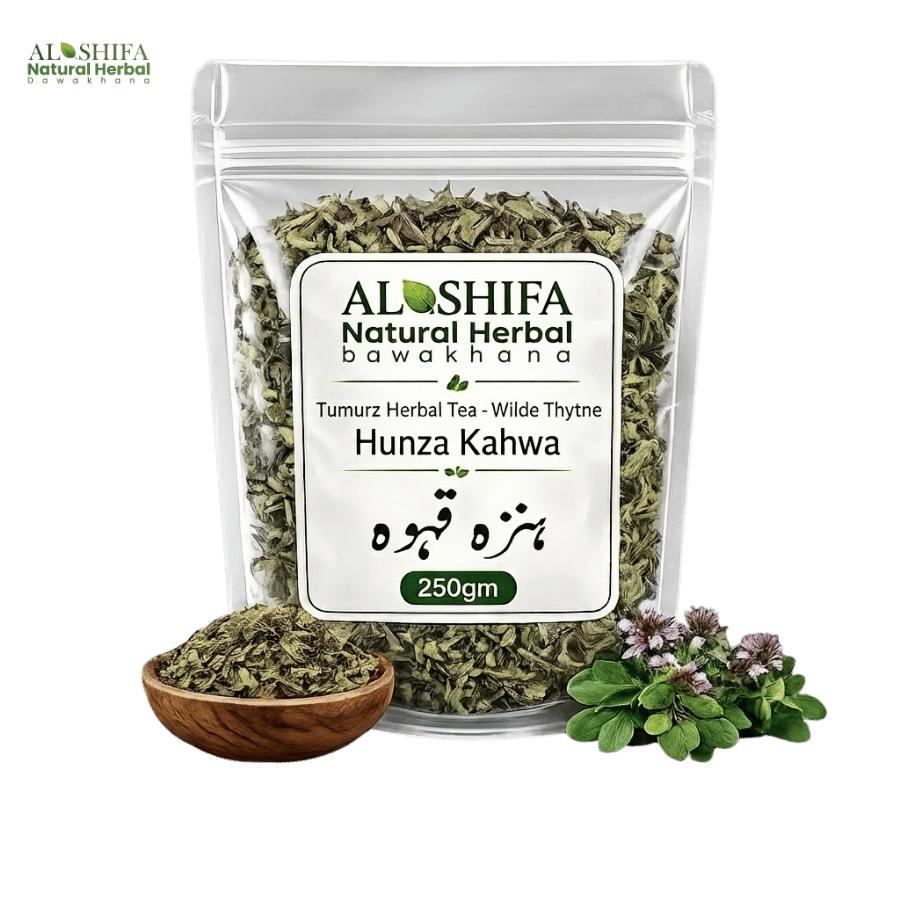
Tumuro Tea / Hunza Kahwa is a traditional aromatic herbal infusion from northern Pakistan, prepared from the naturally fragrant Tumuro mountain herb for a light and refreshing hot beverage.
How to Use: Add an appropriate quantity to hot water, allow it to infuse according to the product directions, strain and serve warm.
Storage: Keep tightly sealed in a cool, dry place away from sunlight, heat, moisture, and strong odors.
Important Note: Tumuro is a regional name for thyme-type herbs, so exact botanical identity may vary. Avoid unnecessarily concentrated use.
Tumuro Tea / Hunza Kahwa – ہنزہ قہوہ is a traditional aromatic herbal infusion associated with the Hunza and Gilgit-Baltistan region of northern Pakistan. It is prepared from the locally valued aromatic herb commonly known as Tumuro, Tumuru, or Tumoro, which is traditionally infused in hot water to produce a light, fragrant, naturally herbal beverage.
Tumuro is commonly associated with a wild aromatic thyme-type plant of the genus Thymus. However, local names can refer to closely related species in different Himalayan and northern Pakistani areas. For commercial labeling, the exact scientific species should therefore be confirmed from the botanical identity of the raw material rather than assigned solely from the regional name “Tumuro.”
Hunza Kahwa is appreciated for its distinctive mountain-herb aroma, simple preparation, and connection with the traditional food and hospitality culture of northern Pakistan.
Quality Tumuro Tea / Hunza Kahwa is prepared from properly identified, clean, carefully dried aromatic plant material.
Its characteristic fragrance comes naturally from volatile aromatic compounds present in the herb.
Product Name: Tumuro Tea / Hunza Kahwa
Urdu Name: ہنزہ قہوہ
Roman Names: Tumuro Tea / Tumuru Tea / Tumoro Tea / Hunza Kahwa
Alternative English Names: Hunza Herbal Tea / Hunza Mountain Tea / Tumuro Herbal Tea
Botanical Identity: Aromatic Thymus species; exact species should be confirmed from the supplied botanical material
Plant Family: Lamiaceae
Genus: Thymus
Plant Type: Aromatic Herb
Plant Parts Commonly Used: Aerial parts, particularly leaves and flowering portions
Product Category: Herbal Tea / Traditional Botanical Infusion
Product Form: Dried Aromatic Herb
Common Preparation: Hot Water Infusion
Tumuro is a locally recognized aromatic mountain herb traditionally used for preparing herbal tea in northern Pakistan.
The dried herb is placed in hot water, allowing its naturally occurring aromatic and water-soluble botanical compounds to pass into the beverage.
The resulting infusion typically has a:
character.
Its exact aroma and strength can vary naturally depending on the botanical species, growing location, harvest season, plant maturity, drying method, storage, and preparation.
Hunza Kahwa is a general traditional name associated with herbal tea preparations enjoyed in the Hunza region.
In the context of Tumuro Tea, it refers to a warm aromatic infusion prepared from the locally valued Tumuro herb.
Unlike conventional Pakistani milk tea, it is generally enjoyed as a light water-based herbal infusion without milk.
Its appeal lies in its simplicity and the naturally fragrant character of the mountain herb.
Hunza is known for its mountainous landscape, distinctive regional foods, and traditional use of locally available plant resources.
Aromatic herbs gathered or cultivated in mountain environments have historically formed part of regional food and beverage traditions.
Tumuro tea is associated with this broader tradition and may be enjoyed:
Its importance is therefore not limited to its botanical composition; it also has a cultural and culinary identity.
The name Tumuro is a regional common name rather than a universally standardized scientific botanical name.
It is generally associated with aromatic thyme-like herbs belonging to the Thymus genus of the Lamiaceae family.
This botanical family also contains many familiar aromatic plants.
However, closely related wild thyme species can occur across mountainous regions, and common names can vary from one community to another.
For this reason, the exact scientific species should be verified from the actual raw material if a species-level botanical name is required on the product label.
It is safer to use:
Thymus species
when the exact species has not been botanically authenticated.
Plants belonging to the Thymus genus can contain a complex mixture of naturally occurring compounds.
Depending on the exact species and chemical profile, these may include:
The exact composition can vary substantially between species and even between plants of the same species grown in different environments.
Therefore, a particular constituent should not be claimed at a specific concentration without product-specific analysis.
The characteristic fragrance of Tumuro comes partly from naturally occurring volatile compounds in the plant.
Aromatic Thymus plants may contain small amounts of natural essential oil within their leaves and flowering portions.
This does not mean that drinking Tumuro tea is equivalent to consuming concentrated thyme essential oil.
A water-based infusion containing those compounds that transfer into hot water during normal preparation.
A highly concentrated volatile fraction obtained through specialized extraction or distillation.
The two products differ greatly in concentration and should not be treated as interchangeable.
Aromatic herbs of the mint family can naturally contain phenolic acids, flavonoids, and related plant compounds.
These substances contribute to the overall botanical composition of the plant.
The quantity transferred into a cup of tea depends on:
A stronger or longer infusion may extract more of certain compounds, but stronger tea is not automatically more beneficial.
Various Thymus species and their extracts have demonstrated antioxidant activity in laboratory studies.
This research is useful for understanding the chemistry of the plant, but it should not be interpreted as evidence that ordinary Tumuro Tea prevents or cures diseases in humans.
Laboratory extracts can also be much more concentrated than a traditional cup of herbal tea.
Tumuro Tea is therefore best described as a traditional aromatic herbal beverage rather than a therapeutic antioxidant treatment.
Pure Tumuro herb is not a conventional caffeine-containing tea plant.
Therefore, a Hunza Kahwa prepared only from Tumuro would generally be naturally caffeine-free.
This makes it fundamentally different from beverages made from:
which naturally contain caffeine.
However, if a commercial Hunza Kahwa formulation combines Tumuro with green tea or another caffeinated ingredient, the finished blend may contain caffeine.
The complete ingredient list should therefore be checked before making a caffeine-free claim.
Tumuro Tea and conventional green tea are botanically different beverages.
Prepared from an aromatic herb belonging to the Thymus genus.
Prepared from leaves of Camellia sinensis.
Therefore, Tumuro Tea should not automatically be labeled botanically as green tea simply because it is consumed as a hot herbal beverage.
Pure Tumuro Tea is more accurately classified as an herbal infusion or herbal tea.
Tumuro is frequently described as a wild or mountain thyme-type herb.
However, it should not automatically be assumed to be identical to every commercial culinary thyme product.
The Thymus genus contains many species and varieties with differences in:
For precise commercial labeling, botanical authentication of the actual raw material remains preferable.
Aromatic thyme-type herbs have a history of traditional culinary and after-meal use.
Tumuro Kahwa may therefore be enjoyed after meals as part of a traditional beverage routine.
Its warm temperature and aromatic taste can provide a pleasant after-meal drinking experience.
However, it should not be claimed to:
Traditional use and established medical treatment are not the same.
Warm herbal infusions are naturally popular during colder weather, particularly in mountainous regions.
Tumuro Tea can provide a warming and aromatic drinking experience during winter.
This traditional use should not be converted into claims that it cures:
A warm drink may feel soothing, but it is not a substitute for appropriate medical care when illness requires treatment.
Warm beverages can temporarily provide a soothing sensation to the mouth and throat.
The aromatic nature of Tumuro may make the drinking experience particularly pleasant.
However, Tumuro Tea should not be promoted as a proven treatment for bacterial throat infections, tonsillitis, severe respiratory infections, or persistent cough.
Persistent or severe symptoms require appropriate evaluation.
Thyme-type herbs have a long history of traditional use in aromatic preparations associated with respiratory comfort.
Modern research has also investigated different Thymus extracts and isolated compounds.
However, findings involving concentrated extracts or individual compounds should not be transferred directly to an ordinary cup of Tumuro Tea.
It should not be claimed to cure asthma, bronchitis, pneumonia, influenza, or other respiratory diseases.
Thymol, carvacrol, and certain extracts from Thymus species have shown antimicrobial activity in laboratory experiments.
This does not mean that drinking Tumuro Tea functions as an antibiotic, antiviral medicine, or antifungal treatment inside the human body.
Laboratory concentrations can differ greatly from those achieved through normal tea consumption.
Therefore, Tumuro Tea should not replace prescribed treatment for infections.
Because Tumuro Tea is primarily prepared with water, it can contribute to overall daily fluid intake.
An unsweetened warm herbal infusion can be a pleasant alternative to heavily sweetened beverages.
However, it should not be used as the sole treatment for significant dehydration caused by:
Such situations may require appropriate fluid and electrolyte replacement.
Tumuro Tea can be enjoyed without sugar or with a small amount of sweetener according to personal preference.
Adding large amounts of sugar or honey increases the sugar and energy content of the finished drink.
The natural herbal character of the tea does not eliminate the nutritional effects of added sugars.
Hunza and mountain herbal products are sometimes marketed using exaggerated claims related to longevity, rapid weight loss, metabolism, or fat burning.
Such claims should be avoided.
Tumuro Tea should not be presented as:
It can be enjoyed as an unsweetened herbal beverage within a balanced dietary routine, but this is different from claiming that it directly burns body fat.
The Hunza region is sometimes associated in popular media with exaggerated stories about extraordinary lifespan and disease-free living.
A particular regional herb or tea should not be credited with guaranteeing longevity.
Health and lifespan are influenced by many interacting factors including:
Tumuro Tea should therefore be valued for its traditional, cultural, culinary, and botanical qualities rather than promoted as a secret longevity medicine.
Tumuro Tea should not be claimed to:
The body has its own physiological systems for processing and eliminating metabolic waste.
Tumuro Tea is a traditional herbal beverage, not a medical detoxification treatment.
Research on various aromatic herbs and their isolated compounds should not be used to market Tumuro Tea as a treatment for diabetes.
It should not be claimed to:
People monitoring blood glucose should also consider any sugar or honey added to the beverage.
Tumuro Tea should not be promoted as a medicine for:
The cardiovascular effects of foods and herbs cannot be reduced to one beverage, and medical conditions require appropriate assessment and management.
Tumuro Tea is generally prepared as a simple hot-water infusion.
A suitable amount of the dried herb can be placed in hot water and allowed to infuse until the desired aroma and flavor develop.
The liquid can then be strained and served warm.
Because herb strength can vary naturally, product-specific preparation instructions should be followed.
Using very large quantities of an aromatic herb or boiling it for an unnecessarily long period does not automatically produce a healthier beverage.
Excessively concentrated preparations can:
Moderate preparation according to the product directions is preferable.
Ordinary culinary exposure to herbs can differ considerably from repeated consumption of concentrated herbal preparations.
Because the exact species and strength of Tumuro products can vary, pregnant or breastfeeding individuals should avoid unusually concentrated or medicinal-style use without appropriate professional guidance.
The full ingredient list is particularly important if the product is a blend rather than pure Tumuro.
Strong herbal infusions should not automatically be considered suitable for young children simply because they are natural.
Suitability depends on:
Keep dried herbs securely stored away from very young children.
Individuals can occasionally be sensitive to aromatic plants.
Stop using the product if significant symptoms occur such as:
Severe swelling or breathing difficulty requires urgent medical attention.
Food-level use of an herbal infusion and concentrated medicinal use are not necessarily equivalent.
People taking regular medication, particularly those using multiple medicines or managing chronic conditions, should avoid unusually concentrated herbal preparations without appropriate guidance.
This is particularly important when the exact botanical species or complete formulation is uncertain.
Tumuro is a natural botanical material, so differences between batches can occur.
Natural variation may involve:
These differences can be influenced by:
Reasonable natural variation does not necessarily indicate poor quality.
Good-quality Tumuro Tea should ideally consist of:
Correct botanical identification is particularly valuable when a regional common name is used.
Because Tumuro Tea is consumed as an infusion, hygienic handling is important.
Recommended practices include:
To preserve its characteristic mountain-herb aroma:
Aromatic herbs can gradually lose volatile fragrance when repeatedly exposed to heat, light, air, and moisture.
Do not use the product if you notice:
A properly stored aromatic herb should retain a clean and characteristic herbal fragrance.
Tumuro Tea / Hunza Kahwa – ہنزہ قہوہ provides a traditional northern Pakistani herbal tea experience with the distinctive aroma of a naturally fragrant mountain herb.
Product Name: Tumuro Tea / Hunza Kahwa
Urdu Name: ہنزہ قہوہ
Roman Names: Tumuro Tea / Tumuru Tea / Tumoro Tea / Hunza Kahwa
Alternative Names: Hunza Herbal Tea / Hunza Mountain Tea / Tumuro Herbal Tea
Product Type: Traditional Aromatic Herbal Infusion
Product Category: Herbal Tea / Botanical Beverage
Botanical Identity: Aromatic Thymus species; exact species should be botanically confirmed
Plant Family: Lamiaceae
Genus: Thymus
Plant Parts Commonly Used: Dried aerial parts, particularly leaves and flowering portions
Product Form: Dried Aromatic Herb
Naturally Occurring Constituents: Depending on the exact species, the herb may naturally contain thymol, carvacrol, linalool, terpenes, phenolic acids, flavonoids, tannins, and other botanical compounds.
Caffeine: Pure Tumuro herb is naturally caffeine-free; a blended product may differ depending on additional ingredients.
Aroma: Fresh, herbal, aromatic, mildly spicy, earthy and thyme-like
Common Use: Preparation of traditional hot Tumuro Tea / Hunza Kahwa
Storage: Keep tightly closed in a cool, dry place protected from sunlight, heat, moisture, insects, contamination, and strong odors.
Tumuro Tea / Hunza Kahwa – ہنزہ قہوہ is a distinctive traditional herbal beverage associated with the mountain culture of Hunza and northern Pakistan. Its naturally aromatic thyme-like character makes it suitable for preparing a light and fragrant hot infusion without milk.
When the product consists solely of Tumuro herb, it is naturally caffeine-free and can provide an alternative to conventional caffeinated tea. Its natural composition may include aromatic volatile compounds, phenolic compounds, flavonoids, and other plant constituents depending on the exact botanical species.
It can be enjoyed during cold weather, after meals, with guests, or simply as part of a traditional herbal beverage routine.
Important Safety Note: Tumuro Tea is a traditional herbal beverage and should not be presented as a medicine for infections, respiratory disease, diabetes, high blood pressure, cholesterol, obesity, or other medical conditions. Because “Tumuro” is a regional plant name that may refer to closely related thyme-type species, exact species-level labeling should be based on botanical authentication of the actual raw material. Avoid unnecessarily concentrated use, and seek appropriate guidance for medicinal-style use during pregnancy, breastfeeding, childhood, chronic illness, or alongside regular medication.
ہنزہ قہوہ شمالی پاکستان خصوصاً ہنزہ اور گلگت بلتستان کی روایتی نباتاتی مشروبات کی ثقافت سے وابستہ ایک خوشبودار جڑی بوٹیوں کا قہوہ ہے۔ اسے مقامی طور پر معروف خوشبودار پہاڑی جڑی بوٹی تمورو، تمرو یا تمورو بوٹی سے تیار کیا جاتا ہے۔ خشک جڑی بوٹی کو گرم پانی میں مناسب وقت تک بھگو کر اس کی قدرتی خوشبو، ذائقہ اور پانی میں حل ہونے والے نباتاتی اجزاء حاصل کیے جاتے ہیں۔
تمورو کو عموماً تھائمس جنس سے تعلق رکھنے والی خوشبودار جنگلی پہاڑی جڑی بوٹیوں سے منسوب کیا جاتا ہے۔ تاہم مختلف پہاڑی علاقوں میں ایک ہی مقامی نام قریبی نباتاتی انواع کے لیے استعمال ہو سکتا ہے۔ اسی لیے کسی مخصوص سائنسی نوع کا نام صرف مقامی نام کی بنیاد پر مقرر کرنے کے بجائے اصل خام جڑی بوٹی کی نباتاتی شناخت کی تصدیق کرنا زیادہ درست ہے۔
ہنزہ قہوہ اپنی منفرد پہاڑی خوشبو، ہلکے نباتاتی ذائقے، سادہ تیاری اور شمالی پاکستان کی روایتی مہمان نوازی سے تعلق کی وجہ سے خاص اہمیت رکھتا ہے۔
نام: ہنزہ قہوہ
مقامی نام: تمورو چائے، تمورو قہوہ، ہنزہ کا روایتی قہوہ
قسم: روایتی خوشبودار جڑی بوٹیوں کا قہوہ
مصنوعات کی درجہ بندی: نباتاتی مشروب، جڑی بوٹیوں کی چائے
نباتاتی شناخت: تھائمس جنس سے تعلق رکھنے والی خوشبودار پہاڑی جڑی بوٹی، درست نوع کی تصدیق اصل خام مال کے مطابق ہونی چاہیے
نباتاتی خاندان: لیمیسی
نباتاتی جنس: تھائمس
استعمال ہونے والا حصہ: عموماً پودے کے بالائی خشک حصے، خصوصاً پتے اور پھول دار حصے
شکل: خشک خوشبودار جڑی بوٹی
عام استعمال: گرم پانی میں قہوہ تیار کرنے کے لیے
کیفین: خالص تمورو سے تیار قہوہ قدرتی طور پر کیفین سے پاک ہوتا ہے
تمورو شمالی پہاڑی علاقوں میں معروف ایک خوشبودار نباتاتی جڑی بوٹی ہے جسے روایتی طور پر گرم قہوہ تیار کرنے کے لیے استعمال کیا جاتا ہے۔
یہ عموماً تھائمس جنس کی جنگلی یا پہاڑی جڑی بوٹیوں سے منسوب کی جاتی ہے۔ اس کے خشک پتوں اور پھول دار حصوں میں قدرتی خوشبودار مرکبات پائے جاتے ہیں جو گرم پانی میں قہوہ تیار کرنے پر اپنی مخصوص مہک اور ذائقہ پیدا کرتے ہیں۔
تمورو کی خوشبو عموماً:
محسوس ہو سکتی ہے۔
اس کی خوشبو اور ذائقے کی شدت فصل، نباتاتی نوع، علاقے، بلندی، موسم، خشک کرنے کے طریقے اور ذخیرہ کے مطابق مختلف ہو سکتی ہے۔
ہنزہ قہوہ شمالی پاکستان کے روایتی گرم نباتاتی مشروبات میں شمار کیا جاتا ہے۔
تمورو سے تیار ہونے والا ہنزہ قہوہ عام دودھ والی چائے کے برعکس عموماً صرف پانی میں تیار کیا جاتا ہے اور اس میں دودھ شامل کرنے کی ضرورت نہیں ہوتی۔
اس کی خاص پہچان اس کا:
ہے۔
یہ روایتی طور پر سرد موسم، گھریلو محفلوں اور مہمان نوازی کے مواقع پر پسند کیا جا سکتا ہے۔
ہنزہ اپنی خوبصورت پہاڑی وادیوں، مخصوص مقامی غذاؤں اور قدرتی نباتاتی وسائل کے استعمال کی روایات کے لیے معروف ہے۔
پہاڑی علاقوں میں دستیاب خوشبودار جڑی بوٹیاں طویل عرصے سے مقامی غذائی اور مشروب سازی کی روایات کا حصہ رہی ہیں۔
تمورو قہوہ بھی اسی ثقافتی روایت سے وابستہ ہے۔
اسے روایتی طور پر:
استعمال کیا جا سکتا ہے۔
اس طرح ہنزہ قہوہ صرف ایک جڑی بوٹی نہیں بلکہ شمالی علاقوں کی غذائی اور مہمان نوازی کی روایت کا بھی حصہ ہے۔
تمورو ایک علاقائی اور مقامی نام ہے، کوئی واحد عالمی سائنسی نام نہیں۔
اس نام سے عموماً تھائمس جنس سے تعلق رکھنے والی خوشبودار پہاڑی جڑی بوٹیاں مراد لی جاتی ہیں۔
یہ جنس لیمیسی نباتاتی خاندان سے تعلق رکھتی ہے، جس میں بہت سے دوسرے خوشبودار پودے بھی شامل ہیں۔
پہاڑی علاقوں میں تھائمس کی مختلف قریبی انواع پائی جا سکتی ہیں اور مقامی نام علاقے کے مطابق تبدیل بھی ہو سکتے ہیں۔
اس لیے اگر مصنوعات پر مکمل سائنسی نام درج کرنا مقصود ہو تو اصل خام جڑی بوٹی کی نباتاتی شناخت کی تصدیق زیادہ مناسب ہے۔
اگر درست نوع کی تصدیق موجود نہ ہو تو صرف تھائمس کی نوع لکھنا کسی غیر مصدقہ مخصوص نوع کا نام درج کرنے سے زیادہ درست ہے۔
تھائمس جنس سے تعلق رکھنے والے پودوں میں مختلف قدرتی خوشبودار اور نباتاتی مرکبات پائے جا سکتے ہیں۔
درست نباتاتی نوع کے مطابق ان میں شامل ہو سکتے ہیں:
ان مرکبات کی مقدار ہر جڑی بوٹی میں یکساں نہیں ہوتی۔
نباتاتی نوع، علاقے، موسم، بلندی، فصل اور خشک کرنے کے طریقے کے مطابق ان کی مقدار اور تناسب نمایاں طور پر تبدیل ہو سکتا ہے۔
تمورو کی مخصوص خوشبو کا ایک اہم حصہ اس کے قدرتی اڑ جانے والے خوشبودار مرکبات سے پیدا ہوتا ہے۔
تھائمس جنس کی خوشبودار جڑی بوٹیوں کے پتوں اور پھول دار حصوں میں قدرتی طور پر تھوڑی مقدار میں خوشبودار روغنی اجزاء موجود ہو سکتے ہیں۔
یہاں ایک اہم فرق سمجھنا ضروری ہے۔
یہ گرم پانی سے تیار ہونے والا ایک ہلکا نباتاتی مشروب ہے جس میں جڑی بوٹی کے وہ مناسب اجزاء شامل ہوتے ہیں جو معمول کی تیاری کے دوران پانی میں منتقل ہو سکیں۔
یہ مخصوص کشید یا دوسرے طریقے سے حاصل کیا جانے والا انتہائی مرتکز خوشبودار حصہ ہوتا ہے۔
دونوں کی طاقت اور ارتکاز بہت مختلف ہوتے ہیں۔
اس لیے تمورو کا ایک کپ قہوہ مرتکز خوشبودار روغن کے برابر نہیں سمجھنا چاہیے۔
خوشبودار پہاڑی جڑی بوٹیوں میں قدرتی طور پر مختلف فینولک اور فلیوونائڈ مرکبات پائے جا سکتے ہیں۔
گرم پانی میں قہوہ تیار کرنے پر ان میں سے بعض پانی میں منتقل ہو سکتے ہیں۔
تیار شدہ قہوے میں ان کی مقدار درج ذیل عوامل سے متاثر ہو سکتی ہے:
بہت زیادہ گاڑھا قہوہ لازماً زیادہ فائدہ مند نہیں ہوتا۔
تھائمس جنس کی مختلف جڑی بوٹیوں، ان کے عصاروں اور قدرتی مرکبات پر تجربہ گاہی سطح پر ضدِ تکسیدی خصوصیات کے حوالے سے تحقیق موجود ہے۔
بعض فینولک مرکبات تجربہ گاہ میں ضدِ تکسیدی سرگرمی ظاہر کر سکتے ہیں۔
تاہم تجربہ گاہی نتائج کا یہ مطلب نہیں کہ عام ہنزہ قہوہ انسانی جسم میں کسی بیماری کو روکنے یا علاج کرنے کی ثابت شدہ صلاحیت رکھتا ہے۔
مرتکز عصارے اور عام پانی سے تیار قہوے میں قدرتی مرکبات کی مقدار بہت مختلف ہو سکتی ہے۔
اس لیے ہنزہ قہوے کو ایک روایتی خوشبودار نباتاتی مشروب کے طور پر بیان کرنا زیادہ مناسب ہے۔
خالص تمورو جڑی بوٹی عام چائے کے پودے کی طرح قدرتی کیفین رکھنے والی چائے نہیں ہے۔
اگر ہنزہ قہوہ صرف خالص تمورو سے تیار کیا گیا ہو تو یہ قدرتی طور پر کیفین سے پاک ہوتا ہے۔
اس لحاظ سے یہ:
جیسے قدرتی کیفین رکھنے والے مشروبات سے مختلف ہے۔
تاہم اگر کسی تجارتی ہنزہ قہوے میں تمورو کے ساتھ سبز چائے یا کوئی دوسرا کیفین رکھنے والا جزو ملا ہوا ہو تو تیار شدہ قہوے میں کیفین موجود ہو سکتی ہے۔
اسی لیے کیفین سے پاک ہونے کا دعویٰ اصل ترکیب کے مطابق ہونا چاہیے۔
تمورو سے تیار ہنزہ قہوہ اور عام سبز چائے نباتاتی طور پر ایک ہی چیز نہیں ہیں۔
تمورو جیسی خوشبودار تھائمس جڑی بوٹی سے تیار کیا جاتا ہے۔
سبز چائے کیمیلیا سائنینسس نامی چائے کے پودے کے پتوں سے تیار ہوتی ہے۔
اس لیے صرف گرم پانی میں تیار ہونے کی وجہ سے تمورو کو سبز چائے قرار دینا نباتاتی طور پر درست نہیں۔
خالص تمورو سے تیار مشروب کو جڑی بوٹیوں کا قہوہ کہنا زیادہ مناسب ہے۔
تمورو کو اکثر جنگلی یا پہاڑی تھائم جیسی جڑی بوٹی کہا جاتا ہے۔
تاہم اسے بازار میں دستیاب ہر عام تھائم کے ساتھ مکمل طور پر ایک ہی نباتاتی مصنوعات نہیں سمجھنا چاہیے۔
تھائمس جنس میں متعدد انواع پائی جاتی ہیں جن میں فرق ہو سکتا ہے:
اسی لیے تجارتی مصنوعات کے لیے اصل خام مال کی درست نباتاتی شناخت زیادہ بہتر ہے۔
تھائم جیسی خوشبودار جڑی بوٹیاں مختلف ثقافتوں میں کھانے اور کھانے کے بعد گرم مشروبات میں روایتی طور پر استعمال ہوتی رہی ہیں۔
اسی وجہ سے تمورو قہوہ بھی کھانے کے بعد ایک خوشبودار نباتاتی مشروب کے طور پر استعمال کیا جا سکتا ہے۔
تاہم اسے:
قرار نہیں دینا چاہیے۔
روایتی استعمال اور کسی بیماری کا ثابت شدہ طبی علاج دو مختلف چیزیں ہیں۔
ہنزہ اور دوسرے پہاڑی علاقوں میں سرد موسم کے دوران گرم مشروبات قدرتی طور پر زیادہ پسند کیے جاتے ہیں۔
تمورو قہوہ اپنی گرم اور خوشبودار کیفیت کی وجہ سے سرد موسم میں ایک خوشگوار نباتاتی مشروب فراہم کرتا ہے۔
تاہم اس روایتی استعمال کی بنیاد پر اسے:
قرار نہیں دینا چاہیے۔
گرم مشروب وقتی طور پر آرام دہ محسوس ہو سکتا ہے لیکن ضرورت کے وقت مناسب طبی علاج کا متبادل نہیں۔
گرم مشروبات منہ اور حلق میں عارضی طور پر نرم اور آرام دہ احساس پیدا کر سکتے ہیں۔
تمورو کی قدرتی خوشبو اس تجربے کو مزید خوشگوار بنا سکتی ہے۔
تاہم ہنزہ قہوے کو گلے کے جراثیمی انفیکشن، شدید کھانسی، ٹانسلز کی بیماری یا سانس کی شدید بیماری کا ثابت شدہ علاج قرار نہیں دینا چاہیے۔
شدید یا مسلسل علامات کی صورت میں مناسب طبی معائنہ ضروری ہے۔
تھائم جیسی خوشبودار جڑی بوٹیاں روایتی طور پر سانس اور حلق سے متعلق مختلف گھریلو نباتاتی تیاریوں میں استعمال ہوتی رہی ہیں۔
ان پودوں کے مختلف عصاروں اور الگ کیے گئے مرکبات پر جدید تحقیق بھی موجود ہے۔
تاہم مرتکز عصاروں یا الگ مرکبات پر ہونے والی تحقیق کو عام ایک کپ تمورو قہوے کے اثرات کے برابر نہیں سمجھنا چاہیے۔
اسے دمہ، برونکائٹس، نمونیا، موسمی وائرس یا کسی دوسری سانس کی بیماری کا علاج قرار نہیں دینا چاہیے۔
تھائمول، کارواکرول اور تھائمس جنس کے بعض عصاروں نے تجربہ گاہی حالات میں مختلف جراثیم کے خلاف سرگرمی دکھائی ہے۔
لیکن اس کا مطلب یہ نہیں کہ تمورو قہوہ انسانی جسم میں جراثیم کش دوا کے طور پر کام کرتا ہے۔
تجربہ گاہ میں استعمال ہونے والے مرتکز مرکبات اور عام قہوے میں موجود مقدار میں نمایاں فرق ہو سکتا ہے۔
اس لیے ہنزہ قہوہ کسی تجویز کردہ جراثیم کش یا دوسری ضروری دوا کا متبادل نہیں ہے۔
چونکہ ہنزہ قہوہ بنیادی طور پر پانی سے تیار ہوتا ہے، اس لیے مناسب مقدار میں استعمال روزانہ پانی کے مجموعی استعمال میں حصہ ڈال سکتا ہے۔
بغیر چینی تیار کیا گیا خوشبودار قہوہ بہت زیادہ میٹھے مشروبات کے مقابلے میں ایک سادہ نباتاتی انتخاب ہو سکتا ہے۔
تاہم شدید پانی کی کمی کی صورت میں اسے واحد علاج کے طور پر استعمال نہیں کرنا چاہیے۔
شدید:
کی صورت میں جسم کو مناسب پانی اور نمکیات کی ضرورت ہو سکتی ہے۔
ہنزہ قہوہ ذاتی پسند کے مطابق بغیر چینی یا معمولی مقدار میں کسی مناسب میٹھے جزو کے ساتھ استعمال کیا جا سکتا ہے۔
بہت زیادہ چینی یا شہد شامل کرنے سے تیار مشروب میں شکر اور حراروں کی مقدار بڑھ جاتی ہے۔
جڑی بوٹیوں کی قدرتی خصوصیات اضافی چینی کے غذائی اثرات کو ختم نہیں کرتیں۔
ہنزہ اور پہاڑی علاقوں سے منسوب بعض جڑی بوٹیوں کو غیر معمولی وزن کم کرنے یا چربی جلانے والے فوائد کے ساتھ فروخت کیا جاتا ہے۔
ایسے دعووں میں احتیاط ضروری ہے۔
ہنزہ قہوے کو:
قرار نہیں دینا چاہیے۔
اگر بغیر چینی ہنزہ قہوہ کسی بہت زیادہ میٹھے مشروب کی جگہ استعمال کیا جائے تو یہ متوازن غذائی معمول کا حصہ بن سکتا ہے، لیکن یہ براہِ راست جسمانی چربی جلانے کا ثبوت نہیں۔
ہنزہ کے لوگوں کی طویل عمر کے حوالے سے مختلف مشہور کہانیاں اور دعوے بیان کیے جاتے رہے ہیں۔
کسی ایک جڑی بوٹی یا قہوے کو غیر معمولی طویل عمر کی ضمانت قرار دینا درست نہیں۔
انسانی صحت اور عمر پر متعدد عوامل اثر انداز ہوتے ہیں، مثلاً:
اس لیے ہنزہ قہوے کو کسی خفیہ طویل عمری کی دوا کے بجائے اس کی روایتی، ثقافتی، نباتاتی اور غذائی اہمیت کے مطابق پیش کرنا زیادہ درست ہے۔
ہنزہ قہوے کو:
والی دوا قرار نہیں دینا چاہیے۔
انسانی جسم میں جگر، گردے، نظامِ ہاضمہ اور دیگر اعضا فاضل مادوں کو سنبھالنے اور خارج کرنے میں قدرتی طور پر کردار ادا کرتے ہیں۔
تمورو قہوہ ایک روایتی نباتاتی مشروب ہے، طبی صفائی کی دوا نہیں۔
تھائمس جنس کے مختلف پودوں اور ان کے مرکبات پر مختلف قسم کی سائنسی تحقیق موجود ہے۔
تاہم ان تحقیقات کی بنیاد پر عام ہنزہ قہوے کو:
قرار دینا مناسب نہیں۔
خون میں شکر کی نگرانی کرنے والے افراد کو قہوے میں شامل کی جانے والی چینی یا شہد کی مقدار بھی مدنظر رکھنی چاہیے۔
ہنزہ قہوے کو:
قرار نہیں دینا چاہیے۔
دل اور دورانِ خون کی صحت غذا، جسمانی سرگرمی، موروثی عوامل، جسمانی وزن، ادویات اور مجموعی طرزِ زندگی سمیت بہت سے عوامل سے متاثر ہوتی ہے۔
تمورو قہوہ عموماً گرم پانی میں سادہ طریقے سے تیار کیا جاتا ہے۔
خشک تمورو کی مناسب مقدار کو صاف گرم پانی میں ڈال کر کچھ وقت کے لیے چھوڑا جا سکتا ہے تاکہ اس کی قدرتی خوشبو، ذائقہ اور مناسب پانی میں حل ہونے والے اجزاء مشروب میں منتقل ہو جائیں۔
اس کے بعد قہوے کو چھان کر گرم استعمال کیا جا سکتا ہے۔
چونکہ قدرتی جڑی بوٹی کی طاقت مختلف کھیپوں میں بدل سکتی ہے، اس لیے مصنوعات پر درج مقدار اور تیاری کی ہدایات پر عمل کرنا زیادہ مناسب ہے۔
بہت زیادہ جڑی بوٹی استعمال کرنا یا اسے غیر ضروری طور پر طویل عرصے تک ابالنا لازماً زیادہ فائدہ مند نہیں ہوتا۔
بہت گاڑھی تیاری:
اس لیے معتدل مقدار میں قہوہ تیار کرنا زیادہ مناسب ہے۔
عام غذائی مقدار میں کسی جڑی بوٹی کا استعمال اور بہت زیادہ مرتکز نباتاتی تیاری کا استعمال ایک جیسا نہیں ہوتا۔
چونکہ تمورو کے نام سے استعمال ہونے والی درست نباتاتی نوع اور مختلف مصنوعات کی طاقت میں فرق ہو سکتا ہے، اس لیے حمل یا دودھ پلانے کے دوران غیر معمولی طور پر گاڑھا یا علاج کے انداز میں استعمال مناسب رہنمائی کے بغیر نہیں کرنا چاہیے۔
اگر ہنزہ قہوہ متعدد اجزاء کا آمیزہ ہو تو اس کی مکمل ترکیب معلوم کرنا مزید اہم ہے۔
کسی جڑی بوٹی کا قدرتی ہونا اس بات کی ضمانت نہیں کہ بہت گاڑھی مقدار ہر عمر کے بچے کے لیے موزوں ہوگی۔
بچوں کے لیے موزونیت کا انحصار:
پر ہوتا ہے۔
خشک جڑی بوٹی کو چھوٹے بچوں کی پہنچ سے دور رکھیں۔
بعض افراد خوشبودار جڑی بوٹیوں کے لیے حساس ہو سکتے ہیں۔
اگر استعمال کے بعد نمایاں طور پر:
پیدا ہو تو استعمال روک دینا چاہیے۔
شدید سوجن یا سانس لینے میں دشواری کی صورت میں فوری طبی مدد حاصل کرنا ضروری ہے۔
عام غذائی مقدار میں تیار کیا گیا نباتاتی قہوہ اور بہت زیادہ مرتکز تیاری ایک جیسی نہیں ہوتی۔
باقاعدہ ادویات استعمال کرنے والے افراد، خصوصاً ایک سے زیادہ ادویات لینے والے یا مستقل جسمانی مسائل رکھنے والے افراد، غیر معمولی طور پر مرتکز جڑی بوٹیوں کی تیاریوں کے استعمال میں احتیاط کریں۔
اگر اصل نباتاتی نوع یا مکمل ترکیب معلوم نہ ہو تو یہ احتیاط مزید اہم ہو جاتی ہے۔
تمورو ایک قدرتی نباتاتی خام مال ہے، اس لیے مختلف کھیپوں میں معمولی فرق ہو سکتا ہے۔
یہ فرق درج ذیل خصوصیات میں نظر آ سکتا ہے:
ان خصوصیات پر اثر انداز ہونے والے عوامل میں شامل ہیں:
مناسب حد تک قدرتی فرق لازماً خراب معیار کی علامت نہیں ہوتا۔
اچھے معیار کے تمورو قہوے میں درج ذیل خصوصیات ہونی چاہئیں:
چونکہ تمورو ایک علاقائی نام ہے، اس لیے خام مال کی درست نباتاتی شناخت معیار کے حوالے سے خاص اہمیت رکھتی ہے۔
چونکہ ہنزہ قہوہ بطور مشروب استعمال کیا جاتا ہے، اس لیے صفائی کا خیال رکھنا ضروری ہے۔
ہنزہ قہوے کی قدرتی پہاڑی خوشبو اور معیار برقرار رکھنے کے لیے:
خوشبودار جڑی بوٹیاں روشنی، گرمی، ہوا اور نمی کے مسلسل رابطے سے وقت کے ساتھ اپنی قدرتی خوشبو کھو سکتی ہیں۔
درج ذیل علامات موجود ہوں تو مصنوعات استعمال نہ کریں:
مناسب طور پر محفوظ تمورو میں صاف اور مخصوص نباتاتی خوشبو برقرار رہنی چاہیے۔
ہنزہ قہوہ شمالی پاکستان کی روایتی نباتاتی مشروبات کی ثقافت سے وابستہ ایک خوشبودار پہاڑی قہوہ ہے۔
نام: ہنزہ قہوہ
مقامی نام: تمورو چائے، تمورو قہوہ
قسم: روایتی خوشبودار نباتاتی قہوہ
مصنوعات کی درجہ بندی: جڑی بوٹیوں کی چائے اور نباتاتی مشروب
نباتاتی شناخت: تھائمس جنس سے تعلق رکھنے والی خوشبودار پہاڑی جڑی بوٹی، درست نوع اصل خام مال کی تصدیق کے مطابق
نباتاتی خاندان: لیمیسی
نباتاتی جنس: تھائمس
استعمال ہونے والا حصہ: عموماً خشک بالائی حصے، خصوصاً پتے اور پھول دار حصے
شکل: خشک خوشبودار جڑی بوٹی
قدرتی اجزاء: درست نباتاتی نوع کے مطابق تھائمول، کارواکرول، لینالول، مختلف ٹرپین مرکبات، فینولک تیزاب، فلیوونائڈز، ٹیننز اور دیگر نباتاتی مرکبات موجود ہو سکتے ہیں۔
کیفین: صرف خالص تمورو سے تیار ہونے کی صورت میں قدرتی طور پر کیفین سے پاک
خوشبو: تازہ، نباتاتی، خوشبودار، قدرے مصالحہ دار اور تھائم جیسی
عام استعمال: روایتی گرم تمورو چائے یا ہنزہ قہوہ تیار کرنے کے لیے
ذخیرہ: اچھی طرح بند پیکنگ میں ٹھنڈی اور خشک جگہ پر رکھیں اور دھوپ، شدید گرمی، نمی، کیڑوں، آلودگی اور تیز بو والی اشیاء سے محفوظ رکھیں۔
ہنزہ قہوہ شمالی پاکستان خصوصاً ہنزہ اور گلگت بلتستان کی روایتی نباتاتی مشروبات کی ثقافت سے وابستہ ایک منفرد خوشبودار قہوہ ہے۔ تمورو کی پہاڑی جڑی بوٹی جیسی مہک اسے عام چائے سے مختلف ذائقہ اور خوشبو فراہم کرتی ہے۔
اگر مصنوعات صرف خالص تمورو پر مشتمل ہو تو یہ قدرتی طور پر کیفین سے پاک ہوتی ہے۔ درست نباتاتی نوع کے مطابق اس میں تھائمول، کارواکرول، لینالول، فینولک مرکبات، فلیوونائڈز، ٹیننز اور دوسرے قدرتی نباتاتی اجزاء موجود ہو سکتے ہیں۔
اسے سرد موسم، گھریلو محفلوں، مہمانوں کی تواضع، کھانے کے بعد یا روزمرہ کے ایک خوشبودار گرم نباتاتی مشروب کے طور پر استعمال کیا جا سکتا ہے۔
اہم حفاظتی نوٹ: ہنزہ قہوہ ایک روایتی نباتاتی مشروب ہے، کسی بیماری کی دوا نہیں۔ اسے نزلہ، زکام، جراثیمی انفیکشن، سانس کی بیماری، ذیابیطس، بلند فشارِ خون، کولیسٹرول، موٹاپے یا کسی دوسری بیماری کے یقینی علاج کے طور پر استعمال نہیں کرنا چاہیے۔ تمورو ایک علاقائی نام ہے جو مختلف علاقوں میں قریبی نباتاتی انواع کے لیے استعمال ہو سکتا ہے، اس لیے کسی مخصوص سائنسی نوع کا نام درج کرنے سے پہلے اصل خام مال کی نباتاتی شناخت کی تصدیق بہتر ہے۔ حمل، دودھ پلانے، بچوں، مستقل جسمانی مسائل یا باقاعدہ ادویات کے ساتھ غیر معمولی طور پر مرتکز استعمال سے پہلے مناسب پیشہ ورانہ رہنمائی حاصل کرنا بہتر ہے۔