کوڑ / کٹکی
Price range: ₨ 400 through ₨ 8,000
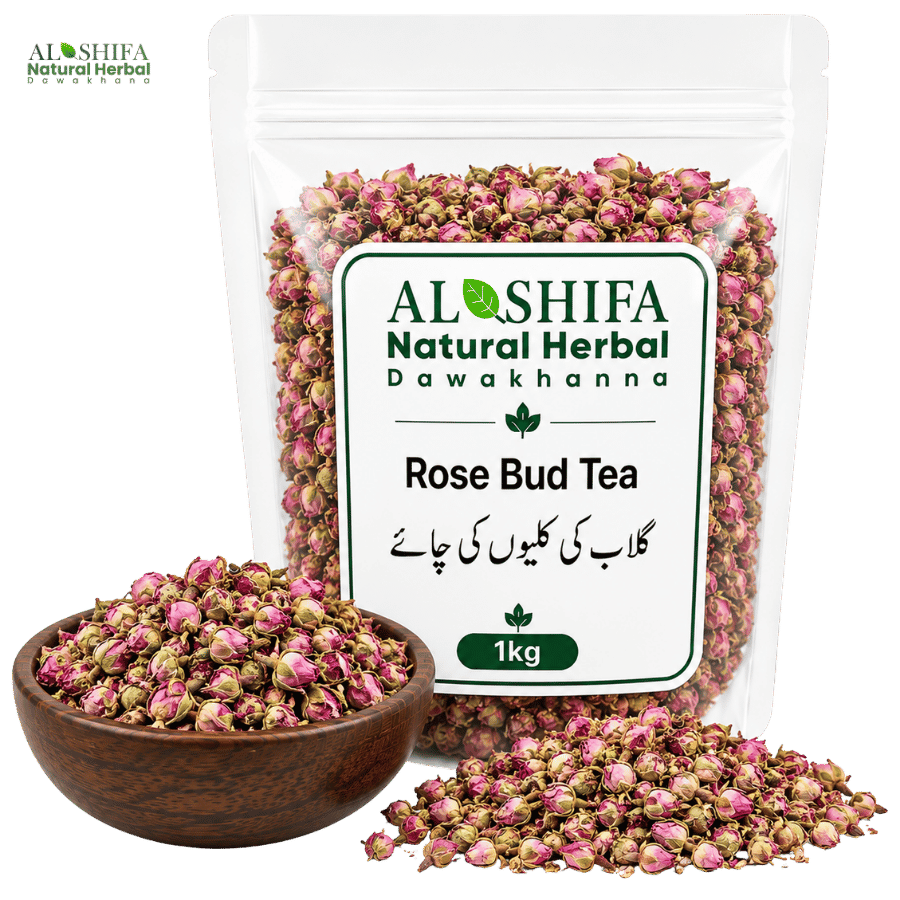
Rose Bud Tea is a naturally aromatic herbal infusion prepared from dried rose buds, valued for its delicate floral fragrance, pleasant taste, and traditional use as a soothing herbal beverage.
How to Use: Steep the recommended quantity in hot water for a few minutes, strain if required, and enjoy warm or chilled.
Important Note: This is a traditional herbal beverage and is not intended to diagnose, treat, cure, or prevent any medical condition.
Rose Bud Tea / گلاب کی کلیوں کی چائے is a delicate, naturally aromatic herbal infusion prepared from carefully selected and dried rose flower buds. One of the best-known botanical sources used for rose tea is Rosa damascena Mill. (Damask Rose), a member of the Rosaceae family. Depending on the product and growing region, other edible rose species may also be used for preparing rose bud tea.
Rose bud tea should not be confused with Rosehip Tea. Rose Bud Tea is prepared from the unopened or partially opened flower buds, whereas Rosehip Tea is prepared from the fruit that develops after flowering. Their botanical parts, aroma, taste and natural chemical composition are therefore different.
Pure Rose Bud Tea contains no traditional tea leaves and is naturally caffeine-free, making it a pleasant alternative to black tea, green tea and other caffeinated beverages. It is especially appreciated for its elegant floral aroma, mild naturally sweet character and soothing drinking experience.
Rose flowers and buds contain naturally occurring phenolic compounds, flavonoids, anthocyanins, aromatic compounds and other phytochemicals. Research on Rosa damascena flowers has identified compounds such as quercetin, kaempferol, gallic acid and various aromatic constituents, although the exact composition of a prepared cup depends on rose variety, growing conditions, harvesting stage, drying, storage and brewing method.
Product Name: Rose Bud Tea
Urdu Name: گلاب کی کلیوں کی چائے
Common Name: Dried Rose Bud Tea
Alternative Names: Rosebud Tea / Rose Flower Bud Tea / Dried Rose Bud Herbal Tea / Rose Bud Infusion
Common Botanical Source: Rosa damascena Mill.
Common English Botanical Name: Damask Rose
Plant Family: Rosaceae
Plant Part Used: Dried Unopened or Partially Opened Flower Buds
Product Type: Floral Herbal Tea / Botanical Infusion
Form: Whole Dried Rose Buds
Caffeine: Naturally Caffeine-Free when Pure
Flavor Profile: Delicate, Floral, Mildly Sweet & Aromatic
Preparation: Hot Herbal Infusion
Rose Bud Tea is prepared from young rose flower buds that are harvested before or around the early stage of blooming and carefully dried to preserve their characteristic appearance, fragrance and botanical qualities.
High-quality dried rose buds usually retain a recognizable flower-bud shape and may display shades of:
When infused in hot water, the dried buds gradually release their natural floral aroma and water-soluble botanical compounds into the beverage.
The resulting infusion is generally light, fragrant and considerably more delicate than strongly flavored conventional teas.
These two products come from rose plants but are not the same product.
Prepared from dried flower buds before they fully bloom.
Prepared from the fruit that develops after the rose flower has finished blooming.
Rose Bud Tea is primarily valued for its:
Rosehip Tea generally has a fruitier and more tart flavor and a different phytochemical and nutritional profile.
Rose Bud Tea and Rose Petal Tea are closely related but differ in the plant material used.
Uses the whole dried flower bud, often including tightly folded petals and surrounding sepals.
Uses separated dried rose petals.
Whole rose buds usually provide an attractive visual presentation and gradually release their aroma during infusion, while loose petals generally infuse more quickly because of their greater exposed surface area.
Both may be used as naturally fragrant floral herbal beverages.
Pure Rose Bud Tea is naturally caffeine-free because it does not come from the traditional tea plant.
This makes it suitable for people who:
If rose buds are blended with black tea, green tea or another caffeine-containing ingredient, the finished blend may contain caffeine.
Rose flowers are naturally rich in different phenolic compounds.
Scientific analyses of Rosa damascena have identified several phenolic constituents, including compounds related to:
The exact profile depends significantly on the rose variety, cultivation conditions, harvesting stage and processing method.
These compounds are among the reasons rose flowers continue to receive scientific interest as edible botanical ingredients.
Flavonoids represent an important group of phytochemicals found in rose flowers.
Studies examining Rosa damascena preparations have identified flavonoid compounds including derivatives of:
The amount transferred from dried rose buds into a cup of tea will depend on preparation conditions and should not be assumed to equal the concentrations found in laboratory extracts.
Rose flowers contain phenolics and flavonoids that demonstrate antioxidant activity in laboratory studies. Research on Rosa damascena flowers and flower-derived preparations has repeatedly identified substantial phenolic and flavonoid content.
Rose Bud Tea can therefore be enjoyed as part of a diet containing a variety of naturally occurring plant compounds.
However, there is an important distinction between:
Antioxidant activity demonstrated in laboratory extracts and a clinically proven disease-treatment effect from drinking ordinary Rose Bud Tea.
Rose Bud Tea should not be described as curing diseases simply because rose flowers contain antioxidant phytochemicals.
One of the most distinctive characteristics of rose buds is their natural fragrance.
Damask rose flowers contain numerous volatile aromatic compounds. Important rose aroma constituents reported in the literature include compounds associated with:
Their proportions depend heavily on rose variety, growing environment, harvest timing, drying and processing.
These naturally occurring volatile constituents contribute to the characteristic elegant aroma associated with quality rose preparations.
Pink, red and purple rose flowers obtain much of their coloration from naturally occurring pigments.
Rose flowers may contain different anthocyanins and other plant pigments, with composition varying according to cultivar and flower color.
Drying naturally changes the appearance of fresh rose buds, so dried buds should not be expected to retain exactly the same vivid color as freshly harvested flowers.
Extremely artificial-looking color should not automatically be interpreted as superior quality.
Damask rose has a long history of culinary, aromatic and traditional herbal use across several regions.
Rose flowers have traditionally been used in:
Historical herbal traditions have also associated Rosa damascena flowers with digestive comfort, relaxation and other wellness uses. These traditional applications should be distinguished from modern clinically proven medical treatments.
The pleasant aroma of Rose Bud Tea makes it particularly popular as a calming evening or leisure beverage.
A warm cup can provide a gentle sensory experience through:
Rose preparations have a long traditional association with relaxation, and research has explored several neurological and behavioral effects of Rosa damascena preparations. However, rose tea itself should not be presented as a treatment for anxiety, depression, insomnia or another mental health condition.
Because pure Rose Bud Tea is naturally caffeine-free, it can be enjoyed during the evening without adding caffeine to the diet.
It can be a particularly pleasant choice for people who want to replace an evening cup of:
with a mild floral beverage.
Individual sensitivity and personal routines can still vary.
Rose flowers have a history of traditional use in digestive preparations.
Traditional literature concerning Rosa damascena describes uses related to digestive discomfort and constipation, although these historical uses do not establish Rose Bud Tea as a treatment for gastrointestinal disease.
For everyday use, Rose Bud Tea is best viewed as a light botanical beverage that may be enjoyed:
Persistent digestive symptoms require identification of their underlying cause rather than relying solely on herbal tea.
Rose Bud Tea is primarily a water-based herbal infusion and therefore contributes fluid to the daily diet.
Because pure rose buds contain no caffeine, the tea can be incorporated into an everyday beverage routine for people who enjoy:
It should complement, rather than completely replace, normal water intake.
Rose Bud Tea can be incorporated into a balanced lifestyle as a naturally aromatic botanical beverage.
It pairs well with a routine that includes:
No single herbal tea should be expected to compensate for poor diet, inadequate sleep or an underlying medical condition.
Rose flowers are widely associated with beauty and skincare, but it is important to distinguish between drinking Rose Bud Tea and applying rose-derived cosmetic preparations to the skin.
Rose flowers contain various natural phenolic compounds and plant pigments, but drinking rose tea should not be advertised as a treatment for:
Rose Bud Tea can instead be considered part of a varied plant-based beverage routine.
Rose Bud Tea should not be confused with rose water.
Prepared by infusing dried rose flower buds in hot water.
Traditionally produced during the distillation of rose flowers.
Because their production methods differ, their concentrations and proportions of botanical compounds also differ.
The uses of one product should therefore not automatically be attributed to the other.
Rose essential oil is a highly concentrated aromatic product obtained through specialized processing of large quantities of rose flowers.
Rose Bud Tea is a mild water infusion.
Essential oil contains concentrated volatile components, whereas tea mainly extracts compounds that transfer into hot water under normal brewing conditions.
Therefore, research performed using rose essential oil should not automatically be interpreted as evidence for the same effect from ordinary Rose Bud Tea.
Concentrated rose extracts are produced through specialized extraction techniques.
Depending on the extraction method, they may contain much higher concentrations of certain:
than an ordinary cup of Rose Bud Tea.
Research findings from concentrated extracts should therefore not automatically be applied to a normal herbal infusion.
High-quality Rose Bud Tea typically produces a delicate and elegant infusion.
Taste: Mild, floral and subtly sweet
Aroma: Distinctive natural rose fragrance
Color: Pale golden, light pinkish or amber depending on the buds and brewing strength
Body: Light
Aftertaste: Delicate floral finish
Rose Bud Tea is generally less tart than Rosehip Tea because it is prepared from flower buds rather than rose fruit.
Rose Bud Tea is best prepared gently to preserve its delicate aroma.
Dried Rose Buds: Approximately 3–5 buds or about 1–2 teaspoons
Water: Approximately 200–250 ml
The quantity and steeping time can be adjusted according to personal taste.
Rose buds contain delicate aromatic compounds.
Covering the cup or teapot during steeping can help retain more of the naturally fragrant vapors that would otherwise escape with steam.
This simple preparation method can help provide a fuller aromatic drinking experience.
Rose Bud Tea generally does not require prolonged vigorous boiling.
Excessive heat may:
Gentle steeping in hot water is usually preferable for high-quality dried rose buds.
A small amount of honey may be added according to personal preference.
Honey can complement the floral character of rose tea and produce a slightly sweeter beverage.
For people limiting added sugar, Rose Bud Tea can also be consumed without any sweetener.
Honey should never be given to infants younger than one year.
A small amount of lemon can be added for a brighter and slightly tangy flavor.
However, lemon will change the delicate natural taste and color of the original rose infusion.
People who want to appreciate the pure floral profile may prefer to taste Rose Bud Tea without additional ingredients first.
Rose buds can also be combined with other suitable botanical ingredients, such as:
The properties of the final beverage will depend on all ingredients in the blend.
Adding green or black tea will also introduce caffeine.
Rose Bud Tea can also be enjoyed chilled.
Prepared tea should be refrigerated rather than left at room temperature for prolonged periods.
Rose Bud Tea may be enjoyed as part of:
It should primarily be regarded as a botanical food beverage rather than a medicine.
A typical cup can be prepared using approximately:
3–5 whole dried rose buds or 1–2 teaspoons per 200–250 ml hot water.
Steep for approximately:
5–10 minutes
The ideal amount depends on:
Follow the actual product instructions where provided.
Rose Bud Tea is generally consumed as a food beverage, but individual tolerance varies.
Possible unwanted effects in sensitive individuals may include:
Very concentrated or excessive consumption should be avoided.
Discontinue use if an unusual reaction occurs.
Rose belongs to the Rosaceae botanical family.
People with known sensitivity or allergy to roses or related botanical materials should use caution.
Stop use and seek appropriate medical attention if serious allergy symptoms occur, including:
The occasional use of a food-level herbal beverage and the medicinal use of concentrated botanical preparations should not automatically be treated as equivalent.
Pregnant women should be particularly cautious with:
If Rose Bud Tea contains additional medicinal herbs, the safety of each ingredient should be considered separately.
Similar caution applies during breastfeeding.
Pure Rose Bud Tea and multi-herb blends are not necessarily equivalent.
Check the complete ingredient list before regularly consuming a mixed herbal tea, particularly when it contains medicinal herbs in addition to rose buds.
Ordinary Rose Bud Tea is a relatively mild food infusion compared with concentrated extracts.
Nevertheless, people taking long-term prescription medicines should avoid assuming that large amounts of any herbal preparation are automatically free from interactions.
The relevance of potential interactions depends on:
Do not discontinue prescribed medication because of Rose Bud Tea.
Not every decorative rose is suitable for making tea.
Roses sold for ornamental or floral-display purposes may have been grown or treated using agricultural chemicals that are not intended for food use.
Rose Bud Tea should therefore be prepared only from food-grade dried rose buds specifically intended for human consumption.
This is an important quality and safety consideration when purchasing dried rose flowers.
Good-quality dried rose buds generally have the following characteristics:
Appearance: Recognizable whole or mostly intact dried flower buds
Color: Natural pink, reddish-pink, purple-pink or darker dried floral tones with greenish sepals
Aroma: Characteristic natural rose fragrance
Taste: Mild, delicate, floral and subtly sweet
Texture: Properly dried and relatively crisp
Prepared Tea: Light-colored, aromatic floral infusion
Natural differences in size and color are expected because rose buds are agricultural products.
The appearance, fragrance and composition of rose buds can vary according to:
Research also shows that the phytochemical composition of Rosa damascena varies with genotype, cultivation conditions, climate, harvesting stage and extraction or processing method.
Therefore, minor differences between batches are normal.
Good-quality dried rose buds should generally have:
A naturally dried product does not need to look identical to fresh roses.
Our Rose Bud Tea / گلاب کی کلیوں کی چائے is selected and packed with attention to natural aroma, cleanliness, freshness and botanical quality.
Our dried Rose Bud Tea is handled and packed with attention to:
Natural differences between batches in bud size, shade and aroma may occur and are normal for genuine botanical products.
To help preserve the delicate natural fragrance and quality of Rose Bud Tea:
Because aromatic rose compounds can be sensitive to light, air, moisture and heat, appropriate storage is particularly important for maintaining product quality.
Product Name: Rose Bud Tea
Urdu Name: گلاب کی کلیوں کی چائے
Common Name: Dried Rose Bud Tea
Alternative Names: Rosebud Tea / Rose Flower Bud Tea / Rose Bud Herbal Infusion
Common Botanical Source: Rosa damascena Mill.
Common Botanical English Name: Damask Rose
Family: Rosaceae
Plant Part Used: Dried Flower Buds
Product Type: Floral Herbal Tea / Botanical Infusion
Form: Whole Dried Rose Buds
Caffeine: Naturally Caffeine-Free when Pure
Taste: Delicate, Floral & Mildly Sweet
Aroma: Naturally Fragrant Rose Aroma
Preparation: Hot Herbal Infusion
Storage: Cool, Dry & Moisture-Free Place
Our Premium Quality Rose Bud Tea / گلاب کی کلیوں کی چائے is prepared from carefully selected, food-grade dried rose flower buds chosen for their characteristic natural fragrance, appearance and botanical quality.
Rose buds contain naturally occurring phenolic compounds, flavonoids, aromatic constituents, plant pigments and other phytochemicals. Scientific studies of Rosa damascena flowers have identified a diverse botanical profile, although the amount present in an ordinary cup of tea varies according to the rose variety, harvesting, drying, storage and brewing method.
Pure Rose Bud Tea is naturally caffeine-free and offers a delicate floral alternative to conventional black tea, green tea and coffee. It can be enjoyed as a warm evening beverage, an after-meal floral infusion or a chilled herbal drink.
Our rose buds are carefully selected, cleaned and securely packed to help maintain their natural floral appearance, characteristic rose fragrance, freshness and botanical quality.
Important Note: Rose Bud Tea is primarily a botanical food beverage and should not be considered a treatment or cure for any disease. Research involving concentrated rose extracts, rose essential oil or other specialized preparations should not automatically be applied to an ordinary cup of Rose Bud Tea. People with known rose allergies, pregnant or breastfeeding women, and those using concentrated herbal preparations should use appropriate caution.
گلاب کی کلیوں کی چائے گلاب کی منتخب، صاف اور مناسب طریقے سے خشک کی گئی کلیوں سے تیار ہونے والا ایک خوشبودار، لطیف اور قدرتی نباتاتی مشروب ہے۔ اس چائے کے لیے عموماً خوشبودار اور خوردنی گلاب کی اقسام استعمال کی جاتی ہیں۔ گلاب کی کلیاں مکمل طور پر کھلنے سے پہلے مناسب وقت پر توڑی جاتی ہیں اور احتیاط سے خشک کی جاتی ہیں تاکہ ان کی قدرتی خوشبو، رنگ، ساخت اور نباتاتی خصوصیات زیادہ سے زیادہ محفوظ رہ سکیں۔
گلاب کی کلیوں کی چائے کو گلاب کے پھل کی چائے نہیں سمجھنا چاہیے۔ گلاب کی کلیوں کی چائے پھول کی بند یا نیم کھلی کلیوں سے تیار ہوتی ہے، جبکہ گلاب کے پھل کی چائے پھول جھڑنے کے بعد بننے والے پھل سے تیار کی جاتی ہے۔ دونوں کے استعمال ہونے والے نباتاتی حصے، ذائقے، خوشبو اور قدرتی اجزاء مختلف ہوتے ہیں۔
خالص گلاب کی کلیوں کی چائے عام چائے کے پتوں سے تیار نہیں ہوتی، اس لیے یہ قدرتی طور پر کیفین سے پاک ہوتی ہے۔ اس کا ذائقہ نرم، لطیف، پھولوں جیسا اور ہلکا قدرتی میٹھا محسوس ہو سکتا ہے جبکہ اس کی سب سے نمایاں خصوصیت گلاب کی مخصوص خوشگوار خوشبو ہے۔
پروڈکٹ کا نام: گلاب کی کلیوں کی چائے
عام نام: خشک گلاب کی کلیوں کی چائے
متبادل نام: گلاب کی کلیوں کا قہوہ، خشک گلاب کی کلیاں، گلاب کی پھولوں والی چائے
نباتاتی ماخذ: خوردنی اور خوشبودار گلاب کی منتخب اقسام
نباتاتی خاندان: گلاب خاندان
استعمال ہونے والا حصہ: خشک بند یا نیم کھلی پھولوں کی کلیاں
پروڈکٹ کی قسم: قدرتی پھولوں والی نباتاتی چائے
شکل: مکمل خشک گلاب کی کلیاں
کیفین: خالص حالت میں قدرتی طور پر کیفین سے پاک
ذائقہ: نرم، لطیف، پھولوں جیسا اور ہلکا خوشگوار
خوشبو: قدرتی گلاب کی مخصوص خوشبو
تیاری: گرم پانی میں دم دے کر
گلاب کی کلی وہ ابتدائی پھول ہے جو ابھی مکمل طور پر نہیں کھلا ہوتا۔ چائے کے لیے استعمال ہونے والی کلیوں کو عموماً ایسے مرحلے پر جمع کیا جاتا ہے جب ان کی پتیاں ابھی ایک دوسرے کے ساتھ بند یا جزوی طور پر کھلی ہوں۔
مناسب طریقے سے خشک کرنے پر کلی اپنی قدرتی ساخت کا کافی حصہ برقرار رکھ سکتی ہے۔
خشک کلیوں کے رنگ میں قدرتی طور پر مختلف رنگتیں ہو سکتی ہیں، مثلاً:
گرم پانی میں دم دینے پر کلیاں آہستہ آہستہ اپنی قدرتی خوشبو اور پانی میں حل ہونے والے بعض نباتاتی اجزاء خارج کرتی ہیں۔
یہ دونوں مصنوعات گلاب کے پودے سے حاصل ہوتی ہیں لیکن ایک جیسی نہیں ہیں۔
یہ گلاب کے پھول کی بند یا نیم کھلی خشک کلیوں سے تیار کی جاتی ہے۔
اس کی نمایاں خصوصیات:
یہ گلاب کے پھول جھڑنے کے بعد بننے والے پھل سے تیار ہوتی ہے۔
اس کا ذائقہ عموماً گلاب کی کلیوں کے مقابلے میں زیادہ پھلوں جیسا اور ترش ہوتا ہے۔
اس لیے دونوں مصنوعات کو الگ الگ سمجھنا ضروری ہے۔
گلاب کی کلیوں کی چائے اور گلاب کی پتیوں کی چائے بھی مکمل طور پر ایک جیسی نہیں ہوتیں۔
اس میں مکمل یا تقریباً مکمل خشک کلی استعمال کی جاتی ہے۔
اس میں پھول سے الگ کی گئی خشک پتیاں استعمال ہوتی ہیں۔
مکمل کلیاں گرم پانی میں نسبتاً آہستہ اپنی خوشبو خارج کرتی ہیں، جبکہ الگ پتیاں زیادہ سطح پانی کے سامنے آنے کی وجہ سے نسبتاً جلد دم ہو سکتی ہیں۔
دونوں کو قدرتی خوشبودار نباتاتی مشروب کے طور پر استعمال کیا جا سکتا ہے۔
خالص گلاب کی کلیوں کی چائے عام کالی یا سبز چائے کے پتوں سے تیار نہیں ہوتی، اس لیے اس میں قدرتی طور پر کیفین موجود نہیں ہوتی۔
یہ ان افراد کے لیے ایک اچھا انتخاب ہو سکتی ہے جو:
اگر گلاب کی کلیوں کے ساتھ کالی یا سبز چائے کے پتے شامل کیے جائیں تو تیار شدہ آمیزے میں کیفین موجود ہو سکتی ہے۔
گلاب کے پھولوں اور کلیوں میں مختلف قدرتی کثیر فینولی مرکبات پائے جاتے ہیں۔
ان میں گلاب کی قسم، کاشت، موسم اور تیاری کے مطابق مختلف نباتاتی اجزاء شامل ہو سکتے ہیں۔
یہ مرکبات پودے کے قدرتی کیمیائی نظام کا حصہ ہوتے ہیں اور گلاب کے پھولوں کے نباتاتی خواص میں کردار ادا کرتے ہیں۔
خشک کلی میں موجود تمام مرکبات لازماً ایک ہی مقدار میں تیار شدہ چائے میں منتقل نہیں ہوتے۔ گرم پانی، دم دینے کا دورانیہ، کلیوں کی مقدار اور ان کی حالت تیار شدہ چائے کی ترکیب پر اثر انداز ہو سکتی ہے۔
گلاب کے پھولوں میں مختلف قدرتی فلیونوئیڈ مرکبات بھی پائے جا سکتے ہیں۔
ان میں مختلف اقسام کے:
شامل ہو سکتے ہیں۔
ان مرکبات کی مقدار گلاب کی قسم، کاشت کے حالات، کلی توڑنے کے وقت، خشک کرنے کے طریقے اور ذخیرہ کرنے کے حالات کے مطابق مختلف ہو سکتی ہے۔
گلاب کے پھولوں میں موجود مختلف کثیر فینولی اور فلیونوئیڈ مرکبات ضدِ تکسیدی خصوصیات رکھتے ہیں۔
ضدِ تکسیدی اجزاء جسم کے قدرتی حفاظتی نظام اور نباتاتی غذاؤں کی مجموعی غذائی اہمیت سے متعلق ہوتے ہیں۔
گلاب کی کلیوں کی چائے کو مختلف قدرتی نباتاتی مرکبات فراہم کرنے والے مشروب کے طور پر روزمرہ غذا میں شامل کیا جا سکتا ہے۔
تاہم کسی نباتاتی جزو میں ضدِ تکسیدی مرکبات کی موجودگی کا مطلب یہ نہیں کہ وہ کسی مخصوص بیماری کا یقینی علاج یا مکمل روک تھام کرتا ہے۔
گلاب کی کلیوں کی سب سے نمایاں خصوصیات میں اس کی مخصوص قدرتی خوشبو شامل ہے۔
گلاب کے پھولوں میں مختلف قدرتی خوشبودار اجزاء پائے جاتے ہیں جو مل کر گلاب کی مخصوص مہک پیدا کرتے ہیں۔
ان خوشبودار اجزاء کی مقدار اور تناسب درج ذیل عوامل سے متاثر ہو سکتے ہیں:
اسی لیے مختلف فصلوں کی خشک گلاب کی کلیوں کی خوشبو میں معمولی فرق قدرتی بات ہے۔
گلاب کی کلیوں کا گلابی، سرخ یا جامنی مائل رنگ مختلف قدرتی نباتاتی رنگ دار مرکبات کی وجہ سے ہوتا ہے۔
ان میں بعض اقسام کے اینتھوسیانن اور دوسرے قدرتی نباتاتی رنگ شامل ہو سکتے ہیں۔
خشک ہونے کے دوران تازہ پھول کا رنگ قدرتی طور پر تبدیل ہو سکتا ہے۔ اسی لیے اعلیٰ معیار کی خشک کلی کا رنگ تازہ گلاب جیسا بالکل شوخ ہونا ضروری نہیں۔
غیر معمولی حد تک چمکدار یا مصنوعی دکھائی دینے والے رنگ کو لازماً اعلیٰ معیار کی علامت نہیں سمجھنا چاہیے۔
گلاب صدیوں سے مختلف تہذیبوں میں غذا، خوشبو اور روایتی نباتاتی تیاریوں کا حصہ رہا ہے۔
گلاب کے پھول اور کلیاں روایتی طور پر مختلف صورتوں میں استعمال کیے جاتے رہے ہیں:
گلاب کی خوشبو اور نرم ذائقے کی وجہ سے اس کا استعمال صرف روایتی طب تک محدود نہیں بلکہ مختلف کھانوں اور مشروبات میں بھی کیا جاتا رہا ہے۔
گلاب کی قدرتی خوشبو اور گرم مشروب کا امتزاج ایک خوشگوار اور آرام دہ تجربہ فراہم کر سکتا ہے۔
ایک گرم کپ گلاب کی کلیوں کی چائے:
تاہم اسے ذہنی دباؤ، بے خوابی، اضطراب یا کسی ذہنی بیماری کا طبی علاج نہیں سمجھنا چاہیے۔
چونکہ خالص گلاب کی کلیوں کی چائے قدرتی طور پر کیفین سے پاک ہوتی ہے، اس لیے اسے شام کے وقت بھی استعمال کیا جا سکتا ہے۔
یہ ان لوگوں کے لیے خاص طور پر موزوں ہو سکتی ہے جو شام کے وقت:
کے بجائے ہلکا، گرم اور خوشبودار مشروب چاہتے ہوں۔
گلاب کے پھول مختلف روایتی طریقوں میں نظامِ ہاضمہ سے متعلق نباتاتی تیاریوں میں بھی استعمال ہوتے رہے ہیں۔
گلاب کی کلیوں کی ہلکی چائے کو کھانے کے بعد ایک خوشبودار نباتاتی مشروب کے طور پر استعمال کیا جا سکتا ہے۔
اسے درج ذیل اوقات میں پیا جا سکتا ہے:
اگر معدے یا نظامِ ہاضمہ کی علامات مسلسل رہیں تو صرف چائے پر انحصار کرنے کے بجائے ان کی اصل وجہ معلوم کرنا ضروری ہے۔
گلاب کی کلیوں کی چائے بنیادی طور پر پانی سے تیار ہونے والا نباتاتی مشروب ہے، اس لیے یہ روزانہ استعمال ہونے والے سیال میں حصہ ڈال سکتی ہے۔
خالص حالت میں کیفین سے پاک ہونے کی وجہ سے اسے دن کے مختلف اوقات میں استعمال کیا جا سکتا ہے۔
تاہم اسے عام پانی کا مکمل متبادل نہیں سمجھنا چاہیے۔ روزمرہ مناسب مقدار میں سادہ پانی پینا بھی ضروری ہے۔
گلاب کی کلیوں کی چائے کو متوازن طرزِ زندگی میں ایک قدرتی نباتاتی مشروب کے طور پر شامل کیا جا سکتا ہے۔
مجموعی تندرستی کے لیے اہم عوامل میں شامل ہیں:
کوئی ایک چائے غیر متوازن غذا یا خراب طرزِ زندگی کی مکمل تلافی نہیں کر سکتی۔
گلاب کا نام خوبصورتی اور جلد کی دیکھ بھال سے طویل عرصے سے وابستہ ہے، لیکن گلاب کی کلیوں کی چائے اور جلد پر لگائی جانے والی گلاب سے تیار مصنوعات کو ایک جیسا نہیں سمجھنا چاہیے۔
گلاب کی کلیوں میں مختلف قدرتی:
موجود ہو سکتے ہیں۔
تاہم گلاب کی کلیوں کی چائے کو کیل مہاسوں، جھریوں، چھائیوں، جلدی سوزش یا کسی دوسری جلدی بیماری کا علاج قرار دینا مناسب نہیں۔
دونوں گلاب سے تیار ہوتے ہیں لیکن ان کی تیاری کا طریقہ مختلف ہے۔
خشک گلاب کی کلیوں کو گرم پانی میں دم دے کر تیار کی جاتی ہے۔
گلاب کے پھولوں سے مخصوص کشیدی عمل کے ذریعے حاصل کیا جاتا ہے۔
تیاری کے طریقے مختلف ہونے کی وجہ سے دونوں میں قدرتی اجزاء کی نوعیت اور مقدار بھی مختلف ہو سکتی ہے۔
اسی لیے عرقِ گلاب کے خواص کو براہِ راست گلاب کی کلیوں کی چائے کے خواص نہیں سمجھنا چاہیے۔
گلاب کا خوشبودار تیل ایک انتہائی مرتکز تیاری ہے جو بڑی مقدار میں گلاب کے پھولوں سے مخصوص طریقے کے ذریعے حاصل کی جاتی ہے۔
اس کے برعکس گلاب کی کلیوں کی چائے ایک ہلکا پانی پر مبنی نباتاتی مشروب ہے۔
تیل میں خوشبودار اجزاء بہت زیادہ مرتکز ہو سکتے ہیں جبکہ چائے میں بنیادی طور پر وہ اجزاء منتقل ہوتے ہیں جو معمول کے دم دینے کے دوران پانی میں آ سکیں۔
اسی لیے گلاب کے تیل سے متعلق خواص کو عام گلاب کی چائے پر براہِ راست لاگو نہیں کرنا چاہیے۔
گلاب کا مرتکز عصارہ اور عام گلاب کی کلیوں کی چائے بھی ایک جیسی چیزیں نہیں ہیں۔
خشک کلیوں کو گرم پانی میں دم دے کر تیار ہوتی ہے۔
گلاب کے مختلف نباتاتی اجزاء کو مخصوص طریقے سے نکال کر مرتکز شکل میں تیار کیا جاتا ہے۔
عصارے میں بعض مرکبات کی مقدار عام چائے کے مقابلے میں بہت زیادہ ہو سکتی ہے۔
اسی لیے مرتکز عصاروں پر کی جانے والی تحقیق کے نتائج کو عام چائے پر براہِ راست لاگو کرنا مناسب نہیں۔
اچھی گلاب کی کلیوں کی چائے کا ذائقہ عموماً بہت تیز نہیں ہوتا۔
اس کی عمومی خصوصیات:
ذائقہ: نرم، لطیف، پھولوں جیسا اور ہلکا قدرتی میٹھا
خوشبو: گلاب کی مخصوص قدرتی مہک
رنگ: ہلکا سنہری، ہلکا گلابی یا عنبری
گاڑھا پن: ہلکا
بعد کا ذائقہ: نرم اور خوشبودار
گلاب کے پھل کی چائے کے مقابلے میں گلاب کی کلیوں کی چائے عموماً کم ترش اور زیادہ خوشبودار ہوتی ہے۔
گلاب کی کلیوں کی نازک خوشبو برقرار رکھنے کے لیے اسے بہت زیادہ ابالنے کے بجائے گرم پانی میں دم دینا زیادہ مناسب ہے۔
خشک گلاب کی کلیاں: تقریباً تین سے پانچ کلیاں یا ایک سے دو چائے کے چمچ
پانی: تقریباً دو سو سے ڈھائی سو ملی لیٹر
ذائقے کے مطابق کلیوں کی مقدار یا دم دینے کے دورانیے میں معمولی تبدیلی کی جا سکتی ہے۔
گلاب کی کلیوں میں موجود خوشبودار اجزاء نسبتاً نازک ہوتے ہیں۔
گرم پانی ڈالنے کے بعد بھاپ کے ساتھ خوشبو کا کچھ حصہ ہوا میں خارج ہو سکتا ہے۔
کپ یا چائے دانی کو ڈھانپنے سے:
اسی لیے دم دیتے وقت برتن ڈھانپنا ایک اچھا طریقہ ہے۔
گلاب کی کلیوں کو طویل وقت تک تیز آنچ پر ابالنے کی عموماً ضرورت نہیں ہوتی۔
بہت زیادہ ابالنے سے:
اچھی خشک کلیوں کے لیے گرم پانی میں مناسب وقت تک دم دینا عموماً کافی ہوتا ہے۔
حسبِ ذائقہ چائے میں تھوڑی مقدار میں شہد شامل کیا جا سکتا ہے۔
شہد گلاب کے نرم پھولوں والے ذائقے کے ساتھ ایک خوشگوار امتزاج پیدا کرتا ہے۔
جو افراد اضافی شکر محدود کرنا چاہتے ہوں وہ اسے بغیر کسی میٹھے کے بھی استعمال کر سکتے ہیں۔
ایک سال سے کم عمر بچے کو شہد نہ دیں۔
حسبِ ذائقہ تھوڑی مقدار میں لیموں بھی شامل کیا جا سکتا ہے۔
لیموں شامل کرنے سے:
جو افراد گلاب کی خالص خوشبو اور ذائقہ محسوس کرنا چاہتے ہوں وہ پہلی مرتبہ اسے بغیر کسی اضافی جزو کے استعمال کر سکتے ہیں۔
گلاب کی کلیوں کو مختلف دوسری خوردنی نباتاتی اشیاء کے ساتھ بھی استعمال کیا جا سکتا ہے، مثلاً:
اگر گلاب کی کلیوں کو کالی یا سبز چائے کے ساتھ ملایا جائے تو تیار شدہ مشروب کیفین سے پاک نہیں رہے گا۔
کسی بھی آمیزے کے مجموعی خواص کا انحصار اس میں شامل تمام اجزاء پر ہوتا ہے۔
گلاب کی کلیوں کی چائے کو ٹھنڈا کرکے بھی استعمال کیا جا سکتا ہے۔
تیار شدہ چائے کو بلا ضرورت طویل وقت تک کمرے کے درجۂ حرارت پر نہ چھوڑیں۔
گلاب کی کلیوں کی چائے کو درج ذیل معمولات میں شامل کیا جا سکتا ہے:
اسے بنیادی طور پر ایک قدرتی غذائی اور نباتاتی مشروب سمجھنا چاہیے۔
ایک عام کپ کے لیے تقریباً:
تین سے پانچ مکمل خشک گلاب کی کلیاں یا ایک سے دو چائے کے چمچ خشک کلیاں فی دو سو سے ڈھائی سو ملی لیٹر پانی استعمال کی جا سکتی ہیں۔
تقریباً پانچ سے دس منٹ دم دینا عموماً کافی ہوتا ہے۔
مناسب مقدار کا انحصار:
پر ہوتا ہے۔
زیادہ مقدار لازماً زیادہ فائدہ فراہم نہیں کرتی۔
عام غذائی مقدار میں گلاب کی کلیوں کی چائے عموماً برداشت کی جاتی ہے، تاہم ہر فرد کی جسمانی برداشت مختلف ہو سکتی ہے۔
حساس افراد میں ممکنہ طور پر:
ہو سکتی ہے۔
بہت زیادہ گاڑھی یا غیر ضروری زیادہ مقدار میں چائے استعمال کرنے سے گریز کریں۔
کسی غیر معمولی ردِعمل کی صورت میں استعمال بند کر دیں۔
گلاب سے معلوم الرجی رکھنے والے افراد گلاب کی کلیوں کی چائے استعمال کرتے وقت خصوصی احتیاط کریں۔
استعمال کے بعد درج ذیل علامات ظاہر ہوں تو استعمال بند کر دیں:
سانس لینے میں دشواری یا شدید الرجی کی علامات کی صورت میں فوری طبی مدد حاصل کریں۔
عام غذائی مقدار میں استعمال اور بہت زیادہ مرتکز نباتاتی تیاری کو ایک جیسا نہیں سمجھنا چاہیے۔
حاملہ خواتین کو خصوصی احتیاط کرنی چاہیے اگر:
اگر پروڈکٹ خالص گلاب کی کلیوں کے بجائے مختلف جڑی بوٹیوں کا آمیزہ ہو تو ہر جزو کی موزونیت الگ سے دیکھنا ضروری ہے۔
دودھ پلانے کے دوران بھی عام غذائی مقدار اور بہت زیادہ مرتکز نباتاتی تیاری میں فرق رکھنا چاہیے۔
اگر چائے میں گلاب کے علاوہ دوسری جڑی بوٹیاں شامل ہوں تو مکمل اجزاء دیکھنا ضروری ہے۔
غیر ضروری طور پر بہت زیادہ مقدار یا نامعلوم اجزاء والے آمیزے استعمال کرنے سے گریز کرنا بہتر ہے۔
عام گلاب کی کلیوں کی چائے نسبتاً ہلکا غذائی مشروب ہے، لیکن کسی بھی نباتاتی چیز کو بہت زیادہ مقدار میں استعمال کرتے وقت احتیاط ضروری ہے۔
مستقل ادویات استعمال کرنے والے افراد خصوصاً بہت زیادہ مقدار یا مرتکز گلاب کی تیاریوں میں احتیاط کریں۔
اپنی تجویز کردہ دوا گلاب کی کلیوں کی چائے استعمال کرنے کی وجہ سے خود سے بند یا تبدیل نہ کریں۔
یہ ایک بہت اہم حفاظتی اصول ہے۔
ہر خوبصورت یا سجاوٹی گلاب چائے بنانے کے لیے موزوں نہیں ہوتا۔
پھولوں کی دکانوں یا سجاوٹ کے لیے فروخت کیے جانے والے گلاب کی کاشت میں ایسے زرعی کیمیائی مادے استعمال ہو سکتے ہیں جو غذائی استعمال کے لیے موزوں نہ ہوں۔
چائے کے لیے صرف وہ خشک گلاب کی کلیاں استعمال کریں جو:
صرف خوبصورت رنگ یا تیز خوشبو دیکھ کر کسی سجاوٹی گلاب کو چائے کے لیے استعمال نہ کریں۔
اعلیٰ معیار کی خشک گلاب کی کلیوں کی عمومی خصوصیات درج ذیل ہو سکتی ہیں:
ظاہری شکل: مکمل یا زیادہ تر اپنی قدرتی شکل برقرار رکھنے والی خشک کلیاں
رنگ: قدرتی گلابی، سرخی مائل گلابی، جامنی مائل گلابی یا خشک ہونے کے بعد قدرے گہرا رنگ
نچلا حصہ: قدرتی سبز یا سبزی مائل بھورا
خوشبو: گلاب کی مخصوص قدرتی خوشبو
ذائقہ: نرم، لطیف، پھولوں جیسا اور ہلکا قدرتی میٹھا
ساخت: مناسب طور پر خشک
تیار شدہ چائے: ہلکے رنگ اور خوشگوار گلابی خوشبو والا نباتاتی مشروب
گلاب کی کلیوں کی شکل، رنگ، سائز اور خوشبو درج ذیل عوامل کے مطابق مختلف ہو سکتی ہے:
اسی لیے مختلف فصلوں یا بیچوں میں رنگ، کلی کے سائز اور خوشبو میں معمولی فرق قدرتی بات ہے۔
معیاری خشک گلاب کی کلیوں میں عمومی طور پر درج ذیل خصوصیات ہونی چاہئیں:
خشک کلی کا بالکل تازہ گلاب جیسا دکھائی دینا ضروری نہیں۔
ہماری گلاب کی کلیوں کی چائے قدرتی خوشبو، صفائی، تازگی اور نباتاتی معیار کو مدنظر رکھتے ہوئے منتخب اور پیک کی جاتی ہے۔
گلاب کی خشک کلیوں کو منتخب اور پیک کرتے وقت درج ذیل امور پر خصوصی توجہ دی جاتی ہے:
قدرتی زرعی پیداوار ہونے کی وجہ سے مختلف بیچوں میں کلیوں کے سائز، رنگ اور خوشبو میں معمولی فرق معمول کی بات ہے۔
گلاب کی کلیوں کی نازک قدرتی خوشبو اور تازگی برقرار رکھنے کے لیے:
پروڈکٹ کا نام: گلاب کی کلیوں کی چائے
عام نام: خشک گلاب کی کلیوں کی چائے
متبادل نام: گلاب کی کلیوں کا قہوہ، خشک گلاب کی کلیاں، گلاب کی پھولوں والی چائے
نباتاتی ماخذ: خوردنی گلاب کی منتخب اقسام
نباتاتی خاندان: گلاب خاندان
استعمال ہونے والا حصہ: خشک پھولوں کی کلیاں
پروڈکٹ کی قسم: قدرتی پھولوں والی نباتاتی چائے
شکل: مکمل خشک گلاب کی کلیاں
کیفین: خالص حالت میں قدرتی طور پر کیفین سے پاک
ذائقہ: نرم، لطیف اور پھولوں جیسا
خوشبو: قدرتی گلاب کی مخصوص مہک
تیاری: گرم پانی میں دم دے کر
ذخیرہ: ٹھنڈی، خشک اور نمی سے محفوظ جگہ
ہماری اعلیٰ معیار کی گلاب کی کلیوں کی چائے احتیاط سے منتخب کی گئی خوردنی معیار کی خشک گلاب کی کلیوں سے تیار کی جاتی ہے۔ یہ ایک نرم، لطیف، قدرتی خوشبودار اور کیفین سے پاک نباتاتی مشروب ہے جسے دن کے مختلف اوقات میں گرم یا ٹھنڈی صورت میں استعمال کیا جا سکتا ہے۔
گلاب کی کلیوں میں قدرتی طور پر کثیر فینولی مرکبات، فلیونوئیڈز، قدرتی رنگ دار اجزاء، خوشبودار نباتاتی مرکبات اور دوسرے نباتاتی اجزاء موجود ہو سکتے ہیں۔ ان کی مقدار گلاب کی قسم، کاشت، موسم، کلی توڑنے کے مرحلے، خشک کرنے، ذخیرہ کرنے اور چائے تیار کرنے کے طریقے کے مطابق مختلف ہو سکتی ہے۔
گلاب کی کلیوں کو احتیاط سے منتخب، صاف اور محفوظ طریقے سے پیک کیا جاتا ہے تاکہ ان کی قدرتی پھولوں والی شکل، مخصوص گلابی خوشبو، تازگی اور نباتاتی معیار بہتر طور پر برقرار رہے۔
خالص گلاب کی کلیوں کی چائے عام کالی اور سبز چائے کے مقابلے میں قدرتی طور پر کیفین سے پاک ہوتی ہے اور شام کے وقت ہلکے گرم مشروب، کھانے کے بعد خوشبودار چائے یا روزمرہ نباتاتی مشروب کے طور پر استعمال کی جا سکتی ہے۔
اہم طبی نوٹ: گلاب کی کلیوں کی چائے بنیادی طور پر ایک قدرتی غذائی اور نباتاتی مشروب ہے۔ اسے کسی بیماری کی تشخیص، یقینی علاج یا مکمل روک تھام کے لیے استعمال نہیں کرنا چاہیے۔ گلاب کا مرتکز عصارہ، گلاب کا تیل، عرقِ گلاب اور گلاب کی کلیوں کی عام چائے مختلف تیاریاں ہیں، اس لیے کسی مرتکز تیاری سے متعلق اثرات کو عام چائے پر براہِ راست لاگو نہیں کرنا چاہیے۔ گلاب سے معلوم الرجی رکھنے والے افراد استعمال سے گریز کریں، جبکہ حمل، دودھ پلانے یا مستقل ادویات کے استعمال کی صورت میں غیر معمولی زیادہ مقدار سے احتیاط کرنا مناسب ہے۔