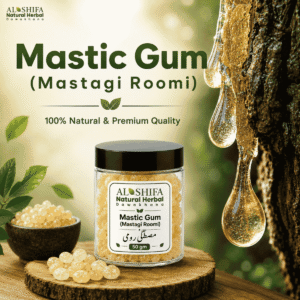
مصطگی رومی
Price range: ₨ 900 through ₨ 45,000

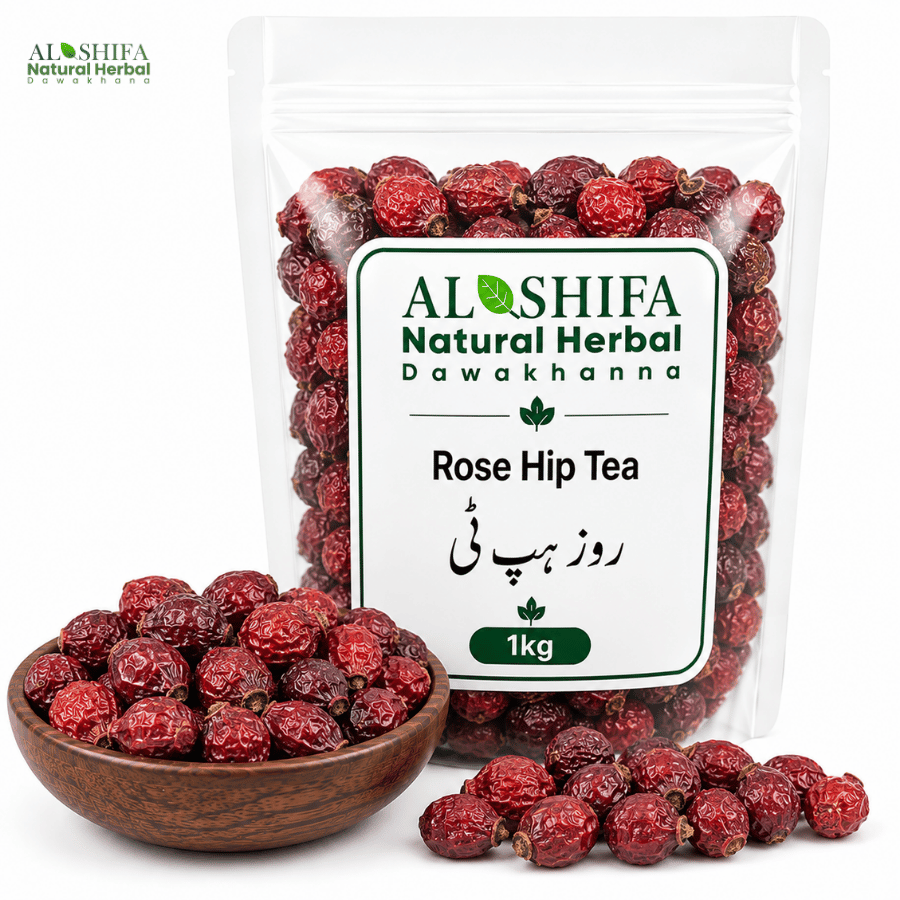
Rosehip Tea is a naturally fruity herbal infusion prepared from dried rosehips, the fruit of rose plants, valued for its pleasantly tart flavor and naturally occurring plant compounds.
How to Use: Steep the recommended quantity in hot water for a few minutes, strain, and enjoy warm or chilled.
Important Note: This is a traditional herbal beverage and is not intended to diagnose, treat, cure, or prevent any medical condition.
Rosehip Tea / روز ہِپ ٹی is a naturally refreshing herbal infusion prepared from the dried fruits of selected Rosa species, most commonly Rosa canina L. Rosehips are the small, usually red to orange-red fruits that develop after rose flowers have bloomed and the petals have fallen.
Unlike traditional black or green tea, Rosehip Tea is a fruit-based herbal infusion rather than a true tea made from Camellia sinensis. Pure rosehip is therefore naturally caffeine-free, making it suitable as a warm or chilled botanical beverage at different times of the day.
Rosehips are particularly valued for their naturally occurring vitamin C, polyphenols, flavonoids, carotenoids and other plant compounds. Their exact nutritional composition varies considerably according to the rose species, growing conditions, ripeness, harvesting time, drying method, storage and preparation technique. Scientific analyses consistently identify rosehips as a notable source of antioxidant phytochemicals. (PubMed Central (PMC))
Rosehip Tea has a pleasantly fruity, mildly tart and naturally tangy flavor, making it an excellent choice for people looking for an alternative to ordinary caffeinated tea.
Product Name: Rosehip Tea
Urdu Name: روز ہِپ ٹی
Common Name: Rose Hip Tea
Alternative English Names: Rose Hip Herbal Tea / Rosehip Fruit Tea / Rose Hip Infusion
Roman Name: Rosehip Tea
Common Botanical Source: Rosa canina L.
Other Possible Botanical Sources: Various edible Rosa species
Plant Family: Rosaceae
Plant Part Used: Dried Rosehips / Rose Fruits
Product Type: Herbal Fruit Infusion
Form: Dried Rosehip Fruits / Pieces
Caffeine: Naturally Caffeine-Free when made from pure rosehip
Preparation: Hot Herbal Infusion / Light Decoction
Flavor Profile: Fruity, Tangy & Mildly Tart
Rosehip is the fruit-like structure that develops on rose plants after flowering.
Depending on the rose species and maturity, rosehips may appear:
Although Rosa canina is among the best-known and most extensively studied rosehip species, several other Rosa species also produce edible hips.
Rosehips have traditionally been used in:
Their combination of pleasant tartness and naturally occurring phytochemicals has made them popular as both a food ingredient and herbal beverage. (PubMed Central (PMC))
Pure Rosehip Tea does not naturally contain caffeine because it is prepared from rose fruit rather than the leaves of the tea plant.
This makes pure rosehip infusion particularly suitable for people who:
However, if rosehip is mixed with black tea, green tea or another caffeine-containing ingredient, the final blend may contain caffeine.
One of the most recognized nutritional characteristics of rosehips is their naturally occurring vitamin C (ascorbic acid).
Research has shown that rosehip fruits can contain substantial amounts of vitamin C, although concentrations vary greatly among species and according to ripeness, processing and storage. (PubMed Central (PMC))
Vitamin C contributes to several normal physiological functions, including:
However, the amount of vitamin C in a prepared cup of Rosehip Tea cannot be assumed to equal the amount present in fresh rosehip fruit.
This distinction is particularly important when discussing Rosehip Tea.
Although rosehips themselves can contain high levels of vitamin C, vitamin C is sensitive to heat, oxygen, storage and processing conditions.
The final amount present in a cup of tea can therefore depend on:
For this reason, Rosehip Tea should not automatically be advertised as providing a specific amount or percentage of daily vitamin C unless the finished product has been appropriately tested.
Rosehips contain a diverse range of naturally occurring antioxidant phytochemicals.
Research has identified compounds including:
These compounds contribute to the considerable scientific interest surrounding rosehip as a functional food ingredient. (PubMed Central (PMC))
Antioxidants participate in protecting cells against oxidative damage caused by reactive molecules.
However, antioxidant activity should not be interpreted as proof that Rosehip Tea prevents or cures a particular disease.
Rosehip fruits contain numerous phenolic compounds.
Depending on species and growing conditions, reported constituents include:
These phytochemicals contribute to the characteristic antioxidant profile of rosehips. (PubMed Central (PMC))
The amount extracted into a cup of tea varies according to preparation.
The characteristic red-orange appearance of many ripe rosehips is partly associated with naturally occurring carotenoid pigments.
Important carotenoids reported in rosehips include:
The concentration of these compounds varies according to species, fruit maturity, environment and processing. (PubMed Central (PMC))
Carotenoids are another reason rosehips are studied as nutritionally interesting fruits.
Rosehip is frequently associated with immune wellness because the fruit naturally contains vitamin C and various antioxidant phytochemicals.
Vitamin C contributes to the normal function of the immune system.
For this reason, Rosehip Tea can be enjoyed as part of a balanced wellness routine alongside:
Rosehip Tea should not be described as making a person immune to infections or as a substitute for appropriate medical treatment.
A warm cup of Rosehip Tea can be particularly enjoyable during colder months and seasonal changes.
It may be included in seasonal wellness routines because it provides:
Rosehip has a history of traditional use in preparations associated with seasonal respiratory complaints, but traditional use should be distinguished from proven treatment of respiratory disease. (PubMed)
Oxidative stress occurs when reactive molecules and the body’s antioxidant defenses become imbalanced.
Rosehip has attracted significant research interest because of its combination of:
Laboratory research demonstrates antioxidant activity in rosehip preparations. (PubMed Central (PMC))
For everyday use, Rosehip Tea is best viewed as an antioxidant-containing botanical beverage rather than as a treatment for oxidative-stress-related diseases.
Rosehips are frequently associated with skin wellness because they naturally contain vitamin C, carotenoids and various antioxidant compounds.
Vitamin C contributes to normal collagen formation for the normal function of skin.
A balanced diet containing adequate vitamin C therefore contributes to normal skin physiology.
It is important, however, to distinguish Rosehip Tea from Rosehip Seed Oil.
Rosehip seed oil is a lipid-rich oil extracted from rosehip seeds and is widely used in cosmetic formulations. Rosehip Tea is a water-based beverage made from dried fruit and does not have the same composition as rosehip oil.
Vitamin C contributes to normal collagen formation.
Collagen is an important structural protein found throughout the body, including:
Because rosehip fruit naturally contains vitamin C, it can contribute dietary vitamin C.
However, the vitamin C content of the prepared tea varies, so Rosehip Tea should not automatically be marketed as a high-dose collagen supplement.
Rosehip has received scientific attention in relation to joint health, particularly standardized Rosa canina preparations studied in people with osteoarthritis.
Research has investigated antioxidant and anti-inflammatory mechanisms associated with various rosehip constituents. (PubMed)
However, there is an important distinction:
A cup of Rosehip Tea is not necessarily equivalent to the standardized rosehip powders or extracts used in clinical research.
Therefore, ordinary Rosehip Tea should not be advertised as a proven treatment for arthritis or joint disease.
It can instead be included as part of a general botanical wellness routine.
Rosehip Tea’s naturally fruity and mildly acidic character makes it a pleasant after-meal or everyday herbal beverage for many people.
Rosehips naturally contain:
However, tea made by straining rosehips does not contain the same amount of fiber as eating the whole fruit.
Therefore, claims about the fiber content of whole rosehip fruit should not automatically be applied to filtered Rosehip Tea.
Tea contributes fluid to the daily diet.
Because pure Rosehip Tea is naturally caffeine-free, it can be used as an alternative to caffeinated beverages for people who enjoy herbal infusions.
It can be consumed:
Individual tolerance and dietary requirements should always be considered.
The naturally fruity flavor of rosehips combines particularly well with a warm infusion.
During colder weather, Rosehip Tea can be enjoyed with:
These additions change the nutritional and botanical profile of the final beverage.
Honey should not be given to children younger than one year.
Rosehip Tea can be an excellent option for people looking for variety beyond traditional tea and coffee.
Compared with ordinary black tea, pure Rosehip Tea is:
It can also be blended with hibiscus and other fruits or herbs to produce more complex herbal infusions.
Rosehip Tea generally has a:
Taste: Fruity, mildly tart and tangy
Aroma: Pleasant, natural fruity-herbal aroma
Color: Golden-red to reddish-orange depending on concentration
Body: Light to moderately full herbal infusion
Aftertaste: Refreshingly tart
Flavor can vary depending on rose species, fruit maturity, drying and brewing strength.
Not necessarily.
Rosehip and hibiscus are different botanical ingredients.
Rosehip comes from the fruit of plants belonging to the Rosa genus.
Hibiscus tea is commonly made from the calyces of Hibiscus sabdariffa.
Commercial fruit-tea blends often combine rosehip with hibiscus because both provide an attractive reddish color and tart flavor.
Pure Rosehip Tea should contain rosehip unless other ingredients are specifically listed.
These are also different products.
Prepared from the fruit of the rose plant.
Prepared from rose petals.
Although both originate from rose plants, their:
are different.
Rosehip Tea generally has a stronger fruity-tart character, while rose-petal tea is usually more floral and aromatic.
Rosehip Tea is also different from a concentrated rosehip extract.
Prepared by steeping or gently simmering dried rosehips in water.
Produced using a concentrated extraction process and may contain standardized levels of specific constituents.
Research conducted on concentrated or standardized extracts should therefore not automatically be applied to ordinary Rosehip Tea.
Rosehip seed oil and Rosehip Tea have substantially different compositions.
Rosehip Tea: Water-based infusion of rosehip fruit.
Rosehip Seed Oil: Oil extracted primarily from rosehip seeds.
Rosehip seed oil contains lipid-soluble compounds and fatty acids such as:
These are not present in a cup of filtered Rosehip Tea in the same proportions. (PubMed Central (PMC))
Rosehip Tea can be prepared using dried whole, crushed or cut rosehips.
Rosehip: Approximately 1–2 teaspoons
Water: Approximately 200–250 ml
Brewing strength can be adjusted according to personal taste.
Rosehips may contain fine hairs associated with the internal fruit structure and seeds.
For loose or coarsely processed rosehips, the prepared infusion should therefore be strained thoroughly through a fine tea strainer or suitable filter before drinking.
Proper commercial processing may already remove much of this material, but careful straining remains good practice for loose rosehip products.
For a comforting hot beverage:
Avoid drinking beverages at excessively high temperatures.
Rosehip’s naturally fruity flavor also works well as a chilled beverage.
Avoid leaving prepared tea at room temperature for prolonged periods.
Rosehip Tea may be incorporated into routines focused on:
It should be regarded primarily as a botanical food and beverage rather than a medicine.
For most healthy adults, a typical beverage serving may be prepared from:
1–2 teaspoons dried rosehips per 200–250 ml water.
The appropriate amount depends on:
Follow the instructions supplied with the actual product where available.
Rosehip Tea is generally consumed as a food beverage, but individual tolerance can vary.
Possible unwanted effects, particularly with larger quantities or concentrated preparations, may include:
People sensitive to acidic beverages may find strongly brewed Rosehip Tea irritating to the stomach.
If an unusual reaction occurs, discontinue use.
Rosehip belongs to the Rosaceae family.
People with known allergies to rosehip or related botanical ingredients should use appropriate caution.
Stop use and seek appropriate help if significant allergy symptoms occur, such as:
Ordinary food-level consumption and concentrated medicinal use should not automatically be considered equivalent.
Pregnant women should be particularly cautious with:
If the product is a blend rather than pure rosehip, every additional ingredient should be considered separately.
The same principle applies during breastfeeding.
Occasional food or beverage use is different from concentrated medicinal supplementation.
Breastfeeding women should check the complete ingredient list, particularly when Rosehip Tea is blended with other medicinal herbs.
Ordinary Rosehip Tea is less concentrated than standardized extracts or supplements.
Nevertheless, people taking long-term medication should be cautious with concentrated herbal preparations.
Particular attention may be appropriate for people using medicines that affect:
The relevance of an interaction depends on the quantity, preparation and complete product composition.
Do not stop prescribed medicines because of Rosehip Tea.
Rosehip fruit can naturally contain substantial vitamin C.
However, people should not assume that every cup of Rosehip Tea contains a high medicinal dose because processing and brewing significantly influence the final amount.
People who have been medically advised to restrict high-dose vitamin C supplements should distinguish between ordinary dietary tea and concentrated rosehip or vitamin-C preparations.
High-quality dried rosehips generally have naturally characteristic sensory properties.
Appearance: Dried whole, cut or crushed rosehip fruits
Color: Red, orange-red, dark red to reddish-brown depending on variety and drying
Aroma: Mild natural fruity-herbal aroma
Taste: Fruity, pleasantly tart and slightly tangy
Prepared Tea Color: Golden-orange, reddish-orange to deep red depending on strength and variety
Because rosehips are natural agricultural products, differences between batches are normal.
The appearance and composition of rosehips can vary according to:
Research confirms substantial variation in vitamin C, carotenoids, phenolics and other bioactive compounds among rosehip species and growing conditions. (PubMed)
Therefore, slight differences in color, size, flavor and aroma do not necessarily indicate poor quality.
Good-quality dried Rosehip Tea material should generally have:
Extremely bright artificial coloring should not be mistaken for superior quality.
Our Rosehip Tea / روز ہِپ ٹی is selected and prepared with attention to botanical quality, cleanliness, freshness and natural character.
Our Rosehip Tea is handled and packed with attention to:
Because rosehips are natural fruits, minor variations between batches are expected.
To preserve the natural quality of Rosehip Tea:
Product Name: Rosehip Tea
Urdu Name: روز ہِپ ٹی
Common Name: Rose Hip Tea
Alternative Names: Rosehip Fruit Tea / Rose Hip Herbal Tea / Rosehip Infusion
Common Botanical Source: Rosa canina L.
Genus: Rosa
Family: Rosaceae
Plant Part Used: Dried Rosehips / Rose Fruits
Product Type: Herbal Fruit Infusion
Form: Dried Whole, Cut or Crushed Rosehips
Caffeine: Naturally Caffeine-Free when Pure
Flavor: Fruity, Tart & Slightly Tangy
Preparation: Hot Infusion / Light Decoction
Storage: Cool & Dry Place
Our Premium Quality Rosehip Tea / روز ہِپ ٹی is prepared from carefully selected dried rosehips to provide a naturally fruity, pleasantly tart and refreshing herbal infusion.
Rosehips are nutritionally interesting fruits containing naturally occurring vitamin C, polyphenols, flavonoids, carotenoids and other botanical compounds. Their natural phytochemical profile has made them popular in herbal teas and functional-food preparations around the world.
Pure Rosehip Tea is naturally caffeine-free and can be enjoyed hot during colder months or chilled as a refreshing fruit infusion during warmer weather. Its pleasant tartness also pairs well with honey, lemon, ginger and other compatible ingredients.
The rosehips are carefully selected, cleaned and securely packed to help maintain their natural color, characteristic fruity aroma, freshness and botanical quality.
Important Note: Rosehip Tea is a botanical food beverage and should not be considered a treatment or cure for any disease. The amount of vitamin C and other compounds in prepared tea varies according to the rose species, processing, storage and brewing method. Concentrated rosehip extracts and supplements are not equivalent to an ordinary cup of Rosehip Tea.
روز ہِپ ٹی / گلاب کے پھل کی چائے گلاب کے پودے پر پھول جھڑنے کے بعد بننے والے پکے ہوئے پھل سے تیار کی جانے والی ایک قدرتی، خوش ذائقہ اور تازگی بخش جڑی بوٹیوں والی پھلوں کی چائے ہے۔ روز ہِپ عموماً سرخ، نارنجی مائل سرخ یا گہرے سرخ رنگ کا چھوٹا پھل ہوتا ہے جسے خشک کرکے چائے، جوشاندے اور مختلف روایتی غذائی تیاریوں میں استعمال کیا جاتا ہے۔
روز ہِپ عام چائے کے پتوں سے حاصل نہیں ہوتا، اس لیے خالص روز ہِپ ٹی قدرتی طور پر کیفین سے پاک ہوتی ہے۔ اس کا ذائقہ پھلوں جیسا، خوشگوار، ہلکا ترش اور قدرے کھٹا ہوتا ہے۔ اسے سردیوں میں گرم چائے اور گرم موسم میں ٹھنڈے مشروب کے طور پر استعمال کیا جا سکتا ہے۔
روز ہِپ پھل قدرتی طور پر حیاتین ج، نباتاتی ضدِ تکسیدی مرکبات، کثیر فینولی مرکبات، فلیونوئیڈز اور کیروٹینائڈز کا ذریعہ ہو سکتا ہے۔ ان قدرتی اجزاء کی مقدار گلاب کی قسم، پھل کے پکنے کی حالت، آب و ہوا، فصل، خشک کرنے کے طریقے اور ذخیرہ کرنے کے حالات کے مطابق مختلف ہو سکتی ہے۔
پروڈکٹ کا نام: روز ہِپ ٹی
اردو نام: گلاب کے پھل کی چائے
عام نام: روز ہِپ
متبادل نام: گلاب کے خشک پھل کی چائے، گلاب کے پھل کا قہوہ، روز ہِپ قہوہ
نباتاتی ماخذ: گلاب کی مختلف خوردنی اقسام
نباتاتی خاندان: گلاب خاندان
استعمال ہونے والا حصہ: گلاب کا خشک پھل
پروڈکٹ کی قسم: قدرتی پھلوں والی جڑی بوٹیوں کی چائے
شکل: مکمل، کٹا ہوا یا موٹا پسا خشک روز ہِپ
کیفین: خالص حالت میں قدرتی طور پر کیفین سے پاک
ذائقہ: پھلوں جیسا، ہلکا ترش اور خوشگوار
استعمال: گرم یا ٹھنڈی چائے کی صورت میں
گلاب کے خوبصورت پھول کے پیچھے ایک اہم قدرتی پھل بھی موجود ہوتا ہے۔ پھول کھلنے اور اس کی پتیاں جھڑنے کے بعد بعض اقسام کے گلاب کے پودوں پر چھوٹے پھل بنتے ہیں جنہیں روز ہِپ کہا جاتا ہے۔
پکنے کے دوران ان کا رنگ عموماً:
ہو سکتا ہے، جبکہ خشک ہونے کے بعد ان کا رنگ سرخی مائل بھورا یا گہرا ہو سکتا ہے۔
روز ہِپ کو دنیا کے مختلف علاقوں میں روایتی طور پر چائے، قہوے، شربت، مربے، جیلی، پھلوں کی تیاریوں اور دوسری غذائی اشیاء میں استعمال کیا جاتا رہا ہے۔
خالص روز ہِپ ٹی کی ایک نمایاں خصوصیت یہ ہے کہ یہ عام چائے کے پتوں سے تیار نہیں ہوتی، اس لیے اس میں قدرتی طور پر کیفین نہیں ہوتی۔
یہ خصوصیت اسے ان افراد کے لیے ایک اچھا انتخاب بناتی ہے جو:
اگر روز ہِپ کے ساتھ کوئی دوسری کیفین والی چیز ملائی گئی ہو تو تیار شدہ آمیزے میں کیفین موجود ہو سکتی ہے۔ خالص روز ہِپ میں یہ مسئلہ نہیں ہوتا۔
روز ہِپ پھل کی سب سے معروف غذائی خصوصیات میں اس میں قدرتی طور پر موجود حیاتین ج شامل ہے۔
حیاتین ج جسم کے متعدد معمول کے افعال میں اہم کردار ادا کرتی ہے، جن میں:
شامل ہیں۔
تاہم روز ہِپ پھل میں موجود حیاتین ج اور تیار شدہ ایک کپ روز ہِپ ٹی میں موجود حیاتین ج کی مقدار لازماً برابر نہیں ہوتی۔
حیاتین ج نسبتاً حساس غذائی جزو ہے اور اس کی مقدار وقت، حرارت، ہوا، روشنی اور ذخیرہ کرنے کے حالات سے متاثر ہو سکتی ہے۔
روز ہِپ ٹی میں حیاتین ج کی اصل مقدار کا انحصار کئی عوامل پر ہوتا ہے:
اسی لیے یہ فرض نہیں کرنا چاہیے کہ خشک روز ہِپ پھل میں موجود تمام حیاتین ج ایک کپ تیار شدہ چائے میں بھی اسی مقدار میں موجود ہوگی۔
روز ہِپ پھل میں مختلف قدرتی نباتاتی ضدِ تکسیدی مرکبات پائے جا سکتے ہیں۔
ان میں شامل ہو سکتے ہیں:
یہ مرکبات روز ہِپ کے قدرتی غذائی اور نباتاتی خواص کا حصہ ہیں۔
ضدِ تکسیدی مرکبات جسم کے قدرتی حفاظتی نظام میں اپنا کردار ادا کرتے ہیں، تاہم ان کی موجودگی کا مطلب یہ نہیں کہ روز ہِپ ٹی کسی مخصوص بیماری کا یقینی علاج کرتی ہے۔
روز ہِپ کے پکے ہوئے پھل کا سرخ اور نارنجی رنگ اس میں موجود مختلف قدرتی نباتاتی رنگ دار مرکبات سے وابستہ ہوتا ہے۔
ان میں مختلف کیروٹینائڈز شامل ہو سکتے ہیں، مثلاً:
ان کی مقدار ہر روز ہِپ میں ایک جیسی نہیں ہوتی بلکہ گلاب کی قسم، پھل کی پختگی، آب و ہوا، کاشت اور خشک کرنے کے طریقے کے مطابق بدل سکتی ہے۔
روز ہِپ پھل میں قدرتی حیاتین ج اور مختلف نباتاتی مرکبات کی موجودگی کی وجہ سے اسے عمومی غذائی اور مدافعتی تندرستی کے معمول میں شامل کیا جاتا ہے۔
حیاتین ج مدافعتی نظام کے معمول کے افعال میں کردار ادا کرتی ہے۔
روز ہِپ ٹی کو صحت مند روزمرہ معمول کے ساتھ استعمال کیا جا سکتا ہے، جس میں شامل ہوں:
اس چائے کو کسی جراثیمی یا وائرسی بیماری سے مکمل تحفظ فراہم کرنے والی دوا نہیں سمجھنا چاہیے۔
موسم کی تبدیلی اور سردیوں کے دوران گرم نباتاتی مشروبات عام طور پر پسند کیے جاتے ہیں۔
روز ہِپ ٹی اس مقصد کے لیے خاص طور پر خوشگوار ہے کیونکہ اس میں:
موجود ہوتی ہے۔
اسے سرد موسم میں روزمرہ گرم مشروب کے طور پر استعمال کیا جا سکتا ہے۔
روز ہِپ میں قدرتی طور پر حیاتین ج اور مختلف نباتاتی رنگ دار و ضدِ تکسیدی مرکبات موجود ہو سکتے ہیں۔
حیاتین ج جسم میں معمول کے کولیجن کی تشکیل میں کردار ادا کرتی ہے۔ کولیجن جلد کی قدرتی ساخت کا ایک اہم حصہ ہے۔
صحت مند جلد کے لیے صرف کسی ایک چائے پر انحصار کرنے کے بجائے درج ذیل عوامل بھی اہم ہیں:
روز ہِپ ٹی کو اس مجموعی غذائی معمول کا حصہ بنایا جا سکتا ہے۔
کولیجن جسم میں پایا جانے والا ایک اہم ساختی لحمیہ ہے۔
یہ مختلف حصوں کی معمول کی ساخت میں شامل ہوتا ہے، مثلاً:
حیاتین ج معمول کے کولیجن کی تشکیل میں کردار ادا کرتی ہے۔
روز ہِپ پھل حیاتین ج کا قدرتی ذریعہ ہو سکتا ہے، تاہم تیار شدہ چائے میں اس کی مقدار مختلف ہو سکتی ہے۔ اسی لیے روز ہِپ ٹی کو زیادہ مقدار والے حیاتین ج کے غذائی ضمیمے کے برابر نہیں سمجھنا چاہیے۔
روز ہِپ کے بعض مخصوص مرتکز سفوف اور عصاروں پر جوڑوں کی عمومی صحت کے حوالے سے تحقیق کی گئی ہے۔
لیکن ایک اہم فرق ذہن میں رکھنا ضروری ہے۔
عام روز ہِپ ٹی اور تحقیق میں استعمال ہونے والی مخصوص مرتکز روز ہِپ تیاریاں ایک جیسی نہیں ہوتیں۔
ایک کپ چائے میں نباتاتی اجزاء کی مقدار مرتکز سفوف یا عصارے سے مختلف ہو سکتی ہے۔
اس لیے عام روز ہِپ ٹی کو جوڑوں کے درد، گٹھیا یا ہڈیوں کے امراض کا یقینی علاج نہیں سمجھنا چاہیے۔
روز ہِپ میں قدرتی طور پر مختلف نباتاتی اجزاء پائے جا سکتے ہیں، جن میں:
شامل ہو سکتے ہیں۔
اس کا ہلکا ترش اور پھلوں جیسا ذائقہ اسے کھانے کے بعد بھی ایک خوشگوار مشروب بناتا ہے۔
تاہم بہت زیادہ گاڑھی چائے بعض حساس افراد میں معدے کی تیزابیت یا بے آرامی پیدا کر سکتی ہے۔
مکمل روز ہِپ پھل میں قدرتی غذائی ریشہ موجود ہو سکتا ہے۔
لیکن جب خشک پھل کو پانی میں دم دے کر چائے تیار کی جائے اور بعد میں اسے چھان لیا جائے تو پورے پھل کا تمام غذائی ریشہ چائے میں منتقل نہیں ہوتا۔
اسی لیے پورے روز ہِپ پھل میں موجود غذائی ریشے کے فوائد کو چھنی ہوئی روز ہِپ ٹی پر مکمل طور پر لاگو کرنا درست نہیں۔
روز ہِپ ٹی پانی پر مبنی مشروب ہے اور روزانہ استعمال ہونے والے سیال میں حصہ ڈال سکتی ہے۔
خالص حالت میں کیفین سے پاک ہونے کی وجہ سے اسے:
استعمال کیا جا سکتا ہے۔
مقدار اپنی غذائی ضروریات اور برداشت کے مطابق رکھنی چاہیے۔
روز ہِپ ٹی کا قدرتی ترش اور پھلوں جیسا ذائقہ سردیوں میں گرم حالت میں خاص طور پر خوشگوار محسوس ہوتا ہے۔
حسبِ ذائقہ اس میں شامل کیا جا سکتا ہے:
ان اجزاء کے شامل ہونے سے چائے کا ذائقہ اور مجموعی نباتاتی خصوصیات تبدیل ہو جاتی ہیں۔
ایک سال سے کم عمر بچے کو شہد نہ دیں۔
جو افراد دن بھر کالی چائے یا کافی زیادہ استعمال کرتے ہیں وہ روز ہِپ ٹی کو کبھی کبھار کیفین سے پاک متبادل مشروب کے طور پر استعمال کر سکتے ہیں۔
اس کی نمایاں خصوصیات ہیں:
اچھی روز ہِپ ٹی کی عمومی خصوصیات درج ذیل ہو سکتی ہیں:
ذائقہ: پھلوں جیسا، ہلکا ترش اور تازگی بخش
خوشبو: قدرتی ہلکی پھلوں اور جڑی بوٹیوں جیسی خوشبو
خشک پھل کا رنگ: سرخ، نارنجی مائل سرخ، گہرا سرخ یا سرخی مائل بھورا
تیار شدہ چائے کا رنگ: سنہری نارنجی، سرخی مائل نارنجی یا گہرا سرخ
رنگ اور ذائقہ استعمال ہونے والی مقدار اور روز ہِپ کی قسم کے مطابق مختلف ہو سکتا ہے۔
روز ہِپ اور گڑہل ایک ہی چیز نہیں ہیں۔
روز ہِپ گلاب کے پودے پر بننے والا پھل ہے۔
گڑہل ایک مختلف نباتاتی پودا ہے جس کے مخصوص حصے چائے بنانے میں استعمال کیے جاتے ہیں۔
بازار میں دستیاب بعض پھلوں والی چائے میں روز ہِپ اور گڑہل دونوں کو ملا دیا جاتا ہے کیونکہ دونوں ترش ذائقہ اور خوبصورت سرخی مائل رنگ فراہم کر سکتے ہیں۔
خالص روز ہِپ ٹی میں بنیادی جزو روز ہِپ ہی ہونا چاہیے۔
دونوں گلاب کے پودے سے حاصل ہوتے ہیں لیکن استعمال ہونے والا حصہ مختلف ہے۔
گلاب کے خشک پھل سے تیار ہوتی ہے۔
گلاب کے پھول کی پتیوں سے تیار ہوتی ہے۔
اسی لیے دونوں کی:
مختلف ہوتے ہیں۔
گلاب کی پتیوں والی چائے زیادہ خوشبودار اور پھولوں جیسی ہوتی ہے جبکہ روز ہِپ ٹی زیادہ پھلوں جیسی اور ترش ہوتی ہے۔
عام چائے اور مرتکز عصارے کو ایک جیسا نہیں سمجھنا چاہیے۔
خشک پھل کو پانی میں دم دے کر یا ہلکا جوش دے کر تیار کی جاتی ہے۔
روز ہِپ کے اجزاء کو مخصوص طریقے سے کشید یا مرتکز کرکے تیار کیا جاتا ہے، جس میں بعض نباتاتی مرکبات عام چائے کے مقابلے میں زیادہ مقدار میں ہو سکتے ہیں۔
اسی لیے مرتکز عصاروں پر ہونے والی تحقیق کے نتائج کو عام چائے پر براہِ راست لاگو کرنا مناسب نہیں۔
روز ہِپ ٹی اور روز ہِپ کے بیجوں کا تیل دو مختلف مصنوعات ہیں۔
گلاب کے خشک پھل کو پانی میں دم دے کر تیار کی جاتی ہے۔
روز ہِپ کے بیجوں سے حاصل کیا جانے والا روغن ہے۔
بیجوں کے تیل میں مختلف چکنائی والے اجزاء اور روغن میں حل ہونے والے نباتاتی مرکبات موجود ہوتے ہیں، جبکہ پانی میں تیار ہونے والی چھنی ہوئی چائے کی ترکیب مختلف ہوتی ہے۔
اسی لیے جلد پر استعمال ہونے والے روز ہِپ تیل کے خواص کو روز ہِپ ٹی کے خواص نہیں سمجھنا چاہیے۔
روز ہِپ ٹی مکمل، کٹے ہوئے یا موٹے پسے خشک پھل سے تیار کی جا سکتی ہے۔
خشک روز ہِپ: تقریباً ایک سے دو چائے کے چمچ
پانی: تقریباً دو سو سے ڈھائی سو ملی لیٹر
ذائقے کے مطابق مقدار اور دم دینے کے وقت میں معمولی تبدیلی کی جا سکتی ہے۔
روز ہِپ پھل کے اندر بیجوں کے آس پاس قدرتی طور پر بہت باریک بال نما ریشے موجود ہو سکتے ہیں۔
یہ باریک ریشے بعض افراد کے:
میں جلن پیدا کر سکتے ہیں۔
اسی لیے اگر مکمل یا موٹے کٹے روز ہِپ سے چائے بنائی جائے تو اسے بہت باریک چھلنی یا مناسب کپڑے سے اچھی طرح چھاننا ضروری ہے۔
پینے سے پہلے اس بات کا اطمینان کرلیں کہ باریک ریشے چائے میں موجود نہ ہوں۔
گرم چائے کے لیے:
بہت زیادہ گرم چائے پینے سے گریز کریں۔
روز ہِپ ٹی کو ٹھنڈے مشروب کے طور پر بھی استعمال کیا جا سکتا ہے۔
تیار شدہ چائے کو بلا ضرورت طویل وقت تک کمرے کے درجۂ حرارت پر نہ رکھیں۔
روز ہِپ ٹی کو درج ذیل معمولات میں شامل کیا جا سکتا ہے:
اسے بنیادی طور پر ایک قدرتی غذائی اور نباتاتی مشروب سمجھنا چاہیے۔
عام طور پر ایک کپ چائے کے لیے:
ایک سے دو چائے کے چمچ خشک روز ہِپ کو دو سو سے ڈھائی سو ملی لیٹر پانی میں استعمال کیا جا سکتا ہے۔
اصل مقدار کا انحصار:
پر ہوتا ہے۔
زیادہ مقدار لازماً زیادہ فائدہ فراہم نہیں کرتی۔
روز ہِپ عام طور پر غذائی استعمال میں برداشت کیا جاتا ہے، تاہم ہر شخص کی جسمانی برداشت مختلف ہوتی ہے۔
زیادہ مقدار یا بہت گاڑھی چائے بعض افراد میں پیدا کر سکتی ہے:
جو افراد ترش یا تیزابی مشروبات سے حساس ہوں انہیں نسبتاً ہلکی چائے استعمال کرنی چاہیے۔
کسی غیر معمولی یا شدید ردِعمل کی صورت میں استعمال بند کر دیں۔
روز ہِپ گلاب کے نباتاتی خاندان سے تعلق رکھتا ہے۔
جن افراد کو گلاب، روز ہِپ یا اس خاندان کے کسی متعلقہ نباتاتی جزو سے معلوم الرجی ہو وہ استعمال میں احتیاط کریں۔
اگر استعمال کے بعد درج ذیل علامات پیدا ہوں تو استعمال بند کر دیں:
شدید الرجی کی علامات میں فوری طبی مدد حاصل کریں۔
غذائی مقدار میں استعمال اور بہت زیادہ مرتکز طبی مقدار میں استعمال ایک جیسا نہیں ہوتا۔
حمل کے دوران خصوصی احتیاط کریں اگر:
اگر روز ہِپ کسی کثیر نباتاتی آمیزے کا حصہ ہو تو ہر جڑی بوٹی کی موزونیت الگ سے دیکھنا ضروری ہے۔
دودھ پلانے کے دوران عام غذائی استعمال اور بہت زیادہ مرتکز نباتاتی تیاری میں فرق رکھنا چاہیے۔
اگر پروڈکٹ خالص روز ہِپ کے بجائے مختلف جڑی بوٹیوں کا آمیزہ ہو تو مکمل اجزاء دیکھنا ضروری ہے۔
بلا ضرورت بہت زیادہ مقدار یا مرتکز تیاریوں کے استعمال سے گریز کرنا بہتر ہے۔
عام روز ہِپ ٹی مرتکز عصارے یا غذائی ضمیمے کے مقابلے میں نسبتاً ہلکی تیاری ہوتی ہے۔
اس کے باوجود مستقل ادویات استعمال کرنے والے افراد بہت زیادہ مقدار یا مرتکز روز ہِپ مصنوعات استعمال کرتے وقت احتیاط کریں۔
خصوصاً اگر ادویات کا تعلق:
سے ہو۔
روز ہِپ ٹی کی وجہ سے تجویز کردہ دوا خود سے بند یا تبدیل نہ کریں۔
روز ہِپ پھل میں قدرتی حیاتین ج کی مقدار قابلِ ذکر ہو سکتی ہے، لیکن ہر تیار شدہ کپ میں ایک جیسی مقدار کی ضمانت نہیں دی جا سکتی۔
خشک کرنے، ذخیرہ کرنے اور گرم پانی میں تیار کرنے سے مقدار تبدیل ہو سکتی ہے۔
اسی لیے عام روز ہِپ ٹی کو بہت زیادہ مقدار والے حیاتین ج کے غذائی ضمیمے کے برابر نہیں سمجھنا چاہیے۔
معیاری خشک روز ہِپ کی عمومی خصوصیات:
ظاہری شکل: مکمل، کٹے یا موٹے پسے ہوئے خشک گلاب کے پھل
رنگ: سرخ، نارنجی مائل سرخ، گہرا سرخ یا سرخی مائل بھورا
خوشبو: قدرتی ہلکی پھلوں جیسی خوشبو
ذائقہ: پھلوں جیسا، ہلکا ترش اور خوشگوار
تیار شدہ چائے کا رنگ: سنہری نارنجی سے سرخی مائل سرخ
روز ہِپ قدرتی زرعی پیداوار ہے، اس لیے مختلف فصلوں میں رنگ، جسامت، خوشبو اور ذائقے میں معمولی فرق ہو سکتا ہے۔
روز ہِپ کی ظاہری شکل اور قدرتی اجزاء درج ذیل عوامل سے متاثر ہو سکتے ہیں:
اسی لیے مختلف بیچوں میں معمولی رنگ یا ذائقے کا فرق لازماً خراب معیار کی علامت نہیں ہے۔
اچھے معیار کے خشک روز ہِپ میں عمومی طور پر درج ذیل خصوصیات ہونی چاہئیں:
غیر معمولی طور پر شوخ مصنوعی رنگ کو اعلیٰ معیار کی علامت نہیں سمجھنا چاہیے۔
ہمارا روز ہِپ ٹی / گلاب کے پھل کی چائے معیار، صفائی، تازگی اور قدرتی نباتاتی خصوصیات کو مدنظر رکھتے ہوئے منتخب اور پیک کیا جاتا ہے۔
روز ہِپ کو منتخب اور پیک کرتے وقت درج ذیل امور پر توجہ دی جاتی ہے:
قدرتی زرعی پیداوار ہونے کی وجہ سے مختلف بیچوں میں معمولی فرق معمول کی بات ہے۔
روز ہِپ ٹی کی قدرتی تازگی اور معیار برقرار رکھنے کے لیے:
پروڈکٹ کا نام: روز ہِپ ٹی
اردو نام: گلاب کے پھل کی چائے
عام نام: روز ہِپ
متبادل نام: گلاب کے خشک پھل کی چائے، گلاب کے پھل کا قہوہ، روز ہِپ قہوہ
نباتاتی ماخذ: گلاب کی خوردنی اقسام
نباتاتی خاندان: گلاب خاندان
استعمال ہونے والا حصہ: خشک گلاب کا پھل
پروڈکٹ کی قسم: قدرتی جڑی بوٹیوں والی پھلوں کی چائے
شکل: مکمل، کٹا یا موٹا پسا ہوا خشک روز ہِپ
کیفین: خالص حالت میں قدرتی طور پر کیفین سے پاک
ذائقہ: پھلوں جیسا، خوشگوار اور ہلکا ترش
تیاری: گرم پانی میں دم دے کر یا ہلکا جوش دے کر
ذخیرہ: ٹھنڈی، خشک اور نمی سے محفوظ جگہ
ہمارا اعلیٰ معیار کا روز ہِپ ٹی / گلاب کے پھل کی چائے احتیاط سے منتخب کیے گئے خشک گلاب کے پھلوں سے تیار کیا جاتا ہے۔ یہ ایک قدرتی، خوشگوار، پھلوں جیسا اور ہلکا ترش نباتاتی مشروب ہے جسے گرم اور ٹھنڈی دونوں صورتوں میں استعمال کیا جا سکتا ہے۔
روز ہِپ پھل قدرتی طور پر حیاتین ج، کثیر فینولی مرکبات، فلیونوئیڈز، کیروٹینائڈز اور دوسرے نباتاتی اجزاء کا ذریعہ ہو سکتا ہے۔ خالص روز ہِپ ٹی قدرتی طور پر کیفین سے پاک ہوتی ہے، جس کی وجہ سے یہ عام چائے اور کافی کے متبادل کے طور پر بھی استعمال کی جا سکتی ہے۔
خشک روز ہِپ کو احتیاط سے منتخب، صاف اور محفوظ طریقے سے پیک کیا جاتا ہے تاکہ اس کا قدرتی رنگ، مخصوص پھلوں جیسی خوشبو، ذائقہ، تازگی اور نباتاتی معیار بہتر طور پر برقرار رہے۔
اہم طبی نوٹ: روز ہِپ ٹی بنیادی طور پر ایک قدرتی غذائی اور نباتاتی مشروب ہے۔ اسے کسی بیماری کی تشخیص، یقینی علاج یا مکمل روک تھام کے لیے استعمال نہیں کرنا چاہیے۔ روز ہِپ میں موجود حیاتین ج اور دوسرے نباتاتی مرکبات کی مقدار گلاب کی قسم، فصل، خشک کرنے، ذخیرہ کرنے اور چائے تیار کرنے کے طریقے کے مطابق مختلف ہو سکتی ہے۔ عام روز ہِپ ٹی، مرتکز روز ہِپ عصارہ اور غذائی ضمیمہ ایک جیسی مصنوعات نہیں ہیں۔