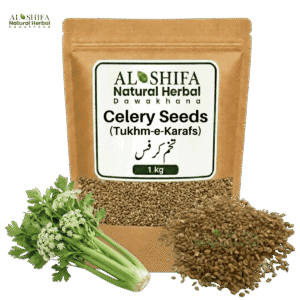
تخم کرفس
Price range: ₨ 300 through ₨ 2,500
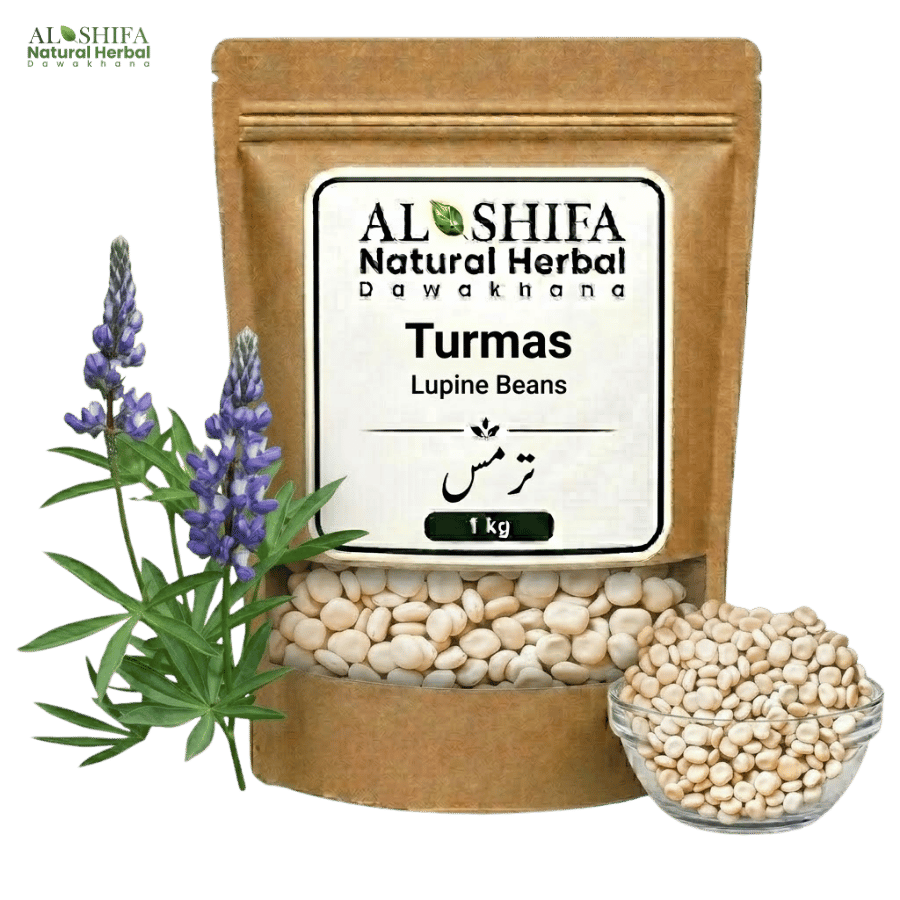
Turmas (Lupine Beans) are traditional dried seeds commonly associated with Lupinus albus, valued in Mediterranean, Middle Eastern, and Unani traditions. Properly processed edible lupins are naturally rich in plant protein and dietary fibre, while Turmas has traditionally been used in preparations associated with nutrition, digestive wellness, general strength, and external skin care.
Al Shifa Turmas is carefully selected with attention to seed identity, maturity, natural appearance, cleanliness, proper drying, and overall raw-material quality.
Key Features:
Important Warning: Raw or bitter Lupine Beans may contain potentially toxic natural alkaloids and should not be eaten directly unless properly identified and processed for food use. Lupin can also cause serious allergic reactions, particularly in some people with peanut allergy.
Turmas (Lupine Beans) are the dried seeds of plants belonging to the Lupinus genus, traditionally valued as both a food ingredient and herbal raw material in Mediterranean, Middle Eastern, Unani, and other traditional practices. Turmas is commonly associated with White Lupin (Lupinus albus L.), although several Lupinus species and varieties are used commercially.
Lupine Beans are naturally rich in plant protein, dietary fibre, minerals, and other naturally occurring plant compounds. Traditionally, they have been incorporated into foods and selected herbal preparations associated with nutrition, digestive wellness, general strength, skin care, and metabolic wellbeing.
An important distinction is necessary: raw or bitter lupin seeds can contain significant amounts of quinolizidine alkaloids and should not automatically be considered ready-to-eat beans. Food-grade sweet lupins and properly processed edible lupins differ significantly from untreated bitter seeds.
Al Shifa Turmas is selected with attention to seed identity, natural appearance, maturity, cleanliness, proper drying, and overall raw-material quality.
Turmas is the traditional name used for seeds obtained from plants of the Lupinus genus.
The seeds are generally:
Natural colour, size, flavour, and composition can vary according to botanical species, cultivar, growing conditions, maturity, harvesting, and processing.
English Name: Lupine Beans / Lupin Seeds
Urdu Name: ترمس
Roman Name: Turmas / Tarmas
Common Botanical Association: Lupinus albus L.
Genus: Lupinus
Family: Fabaceae
Plant Part: Seeds
Product Type: Dried Seeds / Traditional Herbal Raw Material
Because several species and cultivars of Lupinus are commercially available, exact botanical and food-grade identification is particularly important.
Not all Lupine Beans are equivalent.
White Lupin: Commonly associated with Lupinus albus and widely known in Mediterranean and Middle Eastern food traditions.
Sweet Lupin: Refers generally to selected varieties bred to contain relatively low levels of naturally occurring bitter alkaloids.
Bitter Lupin: May naturally contain considerably higher amounts of quinolizidine alkaloids and requires appropriate food processing before consumption.
Therefore, raw Turmas should never be assumed to be ready for direct consumption simply because it resembles an edible bean.
Appropriately identified and processed edible lupins are nutritionally notable legumes.
Depending on species and processing, they may naturally provide:
Their nutritional composition has made edible lupins popular in various traditional and modern food preparations.
However, nutritional information for properly processed edible lupin products should not automatically be applied to unidentified or untreated raw bitter seeds.
Lupine Beans are particularly known for their naturally high plant-protein content.
Properly processed edible lupins can contribute to a balanced diet alongside other protein sources such as:
No single food provides every nutrient required for optimal health, so dietary variety remains important.
Edible Lupine Beans naturally contain dietary fibre, which is an important component of a balanced diet.
Dietary fibre contributes to normal digestive function and can support:
Individual tolerance to legumes varies. Some people may experience gas, abdominal fullness, or digestive discomfort, particularly when consuming larger amounts.
Turmas has a history of use in traditional Unani and Middle Eastern practices.
It has traditionally appeared in preparations associated with:
These are historical and traditional uses and should not be interpreted as proof that Turmas independently treats a diagnosed medical condition.
Turmas has historically been ground and incorporated into selected external herbal and cosmetic preparations.
Traditional applications have included formulations associated with:
This historical use does not establish Lupine Beans as a treatment for acne, eczema, psoriasis, fungal infections, pigmentation disorders, or other skin diseases.
Ground seeds and external preparations can also irritate sensitive skin. A small patch test is advisable before broader cosmetic use.
Lupin seeds have attracted traditional and modern nutritional interest in relation to metabolic wellness because edible lupins can provide substantial protein and fibre.
However, Turmas should not be presented as a medicine for:
Individuals with diabetes or other metabolic conditions should continue prescribed treatment and appropriate monitoring.
Because properly processed edible lupins can contain protein and fibre, they may contribute to fullness when incorporated into an appropriate balanced diet.
However, Turmas is not a weight-loss medicine or fat-burning product.
Body-weight management depends on overall food intake, activity, sleep, health status, medicines, hormonal factors, and numerous other variables.
This is one of the most important considerations for Lupine Beans.
Some lupin seeds naturally contain quinolizidine alkaloids, responsible for the pronounced bitterness of certain varieties.
High exposure to these compounds can be toxic.
Potential symptoms of excessive alkaloid exposure can include:
Severe poisoning requires urgent medical attention.
For this reason, unidentified, raw, or bitter Lupine Beans should not be eaten directly or treated as ordinary ready-to-eat beans.
Traditional edible bitter lupins undergo specific processing intended to reduce naturally occurring alkaloids before consumption.
The required processing depends on the species, cultivar, alkaloid concentration, and intended food use.
Because visual appearance alone cannot reliably establish alkaloid concentration, consumers should use verified food-grade edible lupins rather than attempting to judge safety from taste or appearance alone.
Al Shifa raw herbal material should not automatically be assumed to be ready-to-eat unless specifically sold and labelled for food use.
Lupin is a recognized food allergen.
People with peanut allergy may have an increased possibility of reacting to lupin because both belong to the legume family and allergenic cross-reactivity can occur.
Possible allergic reactions may include:
Anyone experiencing breathing difficulty, facial or throat swelling, faintness, or another severe allergic reaction requires emergency medical care.
Individuals with known peanut or lupin allergy should avoid Turmas unless advised otherwise by an appropriate healthcare professional.
Although Lupine Beans belong to the legume family, they should not automatically be handled like chickpeas, kidney beans, or lentils.
The most important difference is that certain lupin varieties can contain substantially higher levels of naturally occurring bitter alkaloids.
Therefore:
Verified edible sweet or properly processed lupins may be used as food.
Raw, unidentified, or bitter lupins require appropriate identification and processing before food use.
Different forms of lupin are not necessarily equivalent.
Whole Lupine Beans: Whole dried seeds.
Lupin Flour: Food-grade processed seeds ground into flour.
Lupin Protein: A processed protein-rich food ingredient.
Herbal Extract: A concentrated preparation that may differ substantially from ordinary seeds.
Research or nutritional information concerning one form should not automatically be applied to every other form.
At Al Shifa Natural Herbal Dawakhana, Turmas is selected with attention to:
Seed Identity – Material consistent with characteristic Lupine Seeds.
Natural Appearance – Appropriate size, colour, firmness, and physical characteristics.
Maturity – Properly developed dried seeds.
Cleanliness – Carefully handled to minimize unnecessary dirt and foreign matter.
Proper Drying – Appropriately dried for responsible storage.
Quality Selection – Material showing significant mould, infestation, moisture damage, or deterioration is avoided.
Al Shifa Natural Herbal Dawakhana, established in 1999, supplies carefully selected herbs, seeds, roots, fruits, peels, gums, resins, spices, powders, oils, and traditional natural raw materials across Pakistan.
Our Turmas is selected for customers seeking traditional Lupine Beans for appropriate Unani, nutritional, external herbal, and compound traditional preparations.
We focus on identity, cleanliness, proper drying, natural quality, responsible storage, and accurate product information.
The appropriate use of Turmas depends heavily on whether the material is:
Because raw bitter lupins may contain potentially toxic alkaloids, do not consume unidentified or untreated raw Turmas directly.
For culinary use, choose a product specifically identified and prepared as food-grade edible lupin.
For medicinal or traditional therapeutic use, seek guidance from a qualified healthcare professional or registered practitioner.
Special care is recommended for:
Do not consume raw or inadequately processed bitter Lupine Beans.
If significant symptoms develop after consuming lupin—particularly blurred vision, severe weakness, confusion, abnormal heartbeat, breathing difficulty, or severe vomiting—seek urgent medical attention.
Store Turmas in a cool, clean, dry place in a tightly closed container.
For better preservation:
Turmas (Lupine Beans) are traditional Lupinus seeds commonly associated with Lupinus albus, valued historically in Mediterranean, Middle Eastern, and Unani traditions for nutrition, digestive wellness, general strength, external skin-care preparations, and selected traditional formulations.
Customers searching for Turmas Pakistan, Lupine Beans Pakistan, Lupin Seeds Pakistan, Lupinus albus Pakistan, pure Turmas, original Turmas, Turmas Lahore, Turmas benefits, Lupine Beans benefits, Turmas price in Pakistan, Lupine Beans price in Pakistan, buy Turmas Pakistan, or Lupine Beans online Pakistan can choose Al Shifa Natural Herbal Dawakhana for carefully selected traditional raw material.
Since 1999, Al Shifa Natural Herbal Dawakhana has focused on providing traditional natural ingredients with attention to identity, cleanliness, proper drying, natural quality, responsible storage, and accurate product information.
Product Name: Turmas / Lupine Beans
English Name: Lupine Beans / Lupin Seeds
Urdu Name: ترمس
Roman Name: Turmas / Tarmas
Scientific Name: Lupinus albus L. (commonly associated species)
Family: Fabaceae
Plant Part: Seeds
Product Type: Dried Seeds / Traditional Herbal Raw Material
Traditional Use: Nutrition, digestive wellness, general strength, external skin-care and selected Unani formulations
Important Note: Raw or bitter Lupine Beans can contain potentially toxic quinolizidine alkaloids and should not be consumed directly unless appropriately identified and processed for food use. Lupin can also cause serious allergic reactions, particularly in some people with peanut allergy.
ترمس ایک معروف روایتی نباتاتی بیج ہے جو پھلی دار پودوں کی مختلف اقسام سے حاصل کیا جاتا ہے۔ یہ بحیرۂ روم، مشرقِ وسطیٰ اور دیگر خطوں میں صدیوں سے غذائی اور روایتی طبی مقاصد کے لیے استعمال ہوتا آیا ہے۔ طبِ یونانی میں بھی ترمس کو مختلف مفرد اور مرکب تیاریوں میں ایک مخصوص مقام حاصل ہے۔
ترمس کی بعض اقسام مناسب طریقے سے تیار کیے جانے کے بعد بطور غذا استعمال ہوتی ہیں، جبکہ بعض قدرتی طور پر بہت زیادہ کڑوی ہوتی ہیں اور ان میں ایسے قدرتی نباتاتی اجزاء پائے جا سکتے ہیں جو نامناسب یا غیر تیار شدہ حالت میں استعمال کرنے پر نقصان دہ ثابت ہو سکتے ہیں۔
روایتی طور پر ترمس کو غذائیت، عمومی جسمانی قوت، نظامِ ہضم کی معاونت، جلد کی بیرونی نگہداشت اور بعض اصلاحی و مقوی یونانی مرکبات میں استعمال کیا جاتا رہا ہے۔
الشفاء نیچرل ہربل دواخانہ میں ترمس کو قدرتی شناخت، دانوں کی پختگی، ظاہری حالت، صفائی، مناسب خشکی اور مجموعی معیار کو مدنظر رکھتے ہوئے منتخب کیا جاتا ہے۔
ترمس ایک پھلی دار پودے کا خشک بیج ہے۔ اس کی مختلف اقسام دنیا کے مختلف علاقوں میں پائی جاتی ہیں اور ان کے بیجوں کا رنگ، جسامت، ذائقہ اور قدرتی اجزاء ایک دوسرے سے مختلف ہو سکتے ہیں۔
ترمس کے خشک دانے عموماً:
قدرتی رنگ، جسامت اور ذائقے میں فرق پودے کی قسم، علاقے، زمین، آب و ہوا، پختگی، برداشت اور بعد از برداشت تیاری کے مطابق ہو سکتا ہے۔
ترمس ایک ہی پودے کا نام نہیں بلکہ پھلی دار پودوں کے ایک وسیع نباتاتی گروہ سے تعلق رکھتا ہے۔
بازار میں دستیاب ترمس کو عموماً سفید ترمس سے منسلک کیا جاتا ہے، لیکن تجارت میں دوسری اقسام بھی موجود ہو سکتی ہیں۔
اسی وجہ سے ترمس کی درست نباتاتی شناخت نہایت اہم ہے، خصوصاً جب اسے غذائی یا طبی مقصد کے لیے استعمال کرنا مقصود ہو۔
معروف نام: ترمس
مستعمل حصہ: خشک بیج
نباتاتی خاندان: پھلی دار پودوں کا خاندان
قسم: خشک نباتاتی بیج اور روایتی خام جزو
ترمس کی تمام اقسام ایک جیسی نہیں ہوتیں۔
سفید ترمس: روایتی طور پر بحیرۂ روم اور مشرقِ وسطیٰ کے علاقوں میں معروف ہے اور مناسب تیاری کے بعد بعض جگہوں پر بطور غذا استعمال ہوتا ہے۔
میٹھی اقسام: ایسی منتخب اقسام جن میں قدرتی کڑوے اجزاء نسبتاً کم ہوتے ہیں اور انہیں غذائی استعمال کے لیے تیار کیا جاتا ہے۔
کڑوا ترمس: بعض اقسام میں قدرتی کڑوے نباتاتی اجزاء کی مقدار زیادہ ہو سکتی ہے۔ ایسی خام اقسام کو مناسب شناخت اور تیاری کے بغیر براہِ راست کھانا محفوظ نہیں سمجھا جاتا۔
صرف ظاہری شکل دیکھ کر یہ فیصلہ نہیں کیا جا سکتا کہ کوئی ترمس غذائی استعمال کے لیے تیار اور محفوظ ہے۔
مناسب طور پر شناخت شدہ اور غذائی استعمال کے لیے تیار ترمس ایک غذائیت رکھنے والی پھلی دار غذا ہو سکتی ہے۔
اس میں قدرتی طور پر مختلف مقدار میں:
پائے جا سکتے ہیں۔
یہ مقدار ترمس کی قسم، کاشت، پختگی اور تیاری کے طریقے کے مطابق مختلف ہو سکتی ہے۔
خام اور نامعلوم کڑوے ترمس کے بارے میں تیار شدہ غذائی ترمس جیسی خصوصیات فرض نہیں کرنی چاہئیں۔
غذائی استعمال کے لیے مناسب طور پر تیار ترمس اپنی نباتاتی لحمیات کی وجہ سے اہم سمجھا جاتا ہے۔
متوازن غذا میں نباتاتی لحمیات کے مختلف ذرائع شامل کیے جا سکتے ہیں، مثلاً:
ترمس بھی مناسب غذائی شکل میں اس تنوع کا حصہ بن سکتا ہے۔
تاہم کسی ایک غذا کو مکمل جسمانی غذائیت یا ہر قسم کی کمزوری کا واحد حل نہیں سمجھنا چاہیے۔
غذائی استعمال کے لیے تیار ترمس میں قدرتی غذائی ریشہ پایا جاتا ہے۔
غذائی ریشہ متوازن غذا کے حصے کے طور پر:
کی معاونت کر سکتا ہے۔
تاہم پھلی دار غذاؤں سے بعض افراد میں گیس، پیٹ پھولنا یا معدے کی بے آرامی ہو سکتی ہے، خصوصاً اگر مقدار زیادہ ہو یا فرد اس قسم کی غذا کا عادی نہ ہو۔
ترمس کا ذکر مختلف قدیم طبی روایات میں ملتا ہے۔
طبِ یونانی میں اسے روایتی طور پر ایسی تیاریوں میں شامل کیا جاتا رہا ہے جن کا تعلق:
سے رہا ہے۔
یہ تمام استعمال تاریخی اور روایتی ہیں اور انہیں کسی بیماری کے یقینی یا ثابت شدہ علاج کے طور پر نہیں سمجھنا چاہیے۔
ترمس کو اس کی غذائی خصوصیات کی وجہ سے بعض روایتی غذائی اور مقوی تیاریوں میں استعمال کیا جاتا رہا ہے۔
مناسب طور پر تیار شدہ غذائی ترمس کو متوازن خوراک کے حصے کے طور پر:
کے لیے شامل کیا جا سکتا ہے۔
تاہم اسے خون کی کمی، دائمی نقاہت، ہارمونی خرابی یا کسی تشخیص شدہ بیماری کا علاج قرار دینا مناسب نہیں۔
ترمس کو قدیم روایات میں پیس کر بعض بیرونی جلدی اور حسن افزا تیاریوں میں بھی شامل کیا جاتا رہا ہے۔
روایتی طور پر اس کے سفوف کو بعض تیاریوں میں:
کے لیے استعمال کیا جاتا رہا ہے۔
یہ روایتی استعمال ہے اور اس کا مطلب یہ نہیں کہ ترمس:
کا علاج ہے۔
حساس جلد پر کسی بھی نئے نباتاتی بیرونی مرکب کو پہلے محدود حصے پر آزمانا مناسب ہے۔
ترمس کو بعض روایتی طبی طریقوں میں جسم کے غذائی اور استحالہ سے متعلق نظام کی عمومی معاونت کے لیے استعمال کیا جاتا رہا ہے۔
غذائی استعمال کے لیے تیار ترمس میں لحمیات اور غذائی ریشہ ہونے کی وجہ سے اسے متوازن غذا کا حصہ بنایا جا سکتا ہے۔
تاہم ترمس کو:
کا علاج یا متبادل دوا قرار نہیں دینا چاہیے۔
ان بیماریوں میں مستند طبی علاج، مناسب خوراک، جسمانی سرگرمی اور ضروری نگرانی جاری رکھنا اہم ہے۔
مناسب طور پر تیار غذائی ترمس میں لحمیات اور غذائی ریشہ موجود ہونے کی وجہ سے یہ متوازن غذا کے حصے کے طور پر سیر ہونے کے احساس میں معاون ہو سکتا ہے۔
لیکن ترمس کو وزن کم کرنے، چربی پگھلانے یا موٹاپا ختم کرنے والی دوا قرار دینا درست نہیں۔
جسمانی وزن پر خوراک، سرگرمی، نیند، ہارمونی کیفیت، ادویات، عمر اور مجموعی صحت سمیت متعدد عوامل اثر انداز ہوتے ہیں۔
ترمس کے بارے میں یہ سب سے اہم حفاظتی پہلو ہے۔
بعض اقسام کے خام بیجوں میں قدرتی طور پر ایسے کڑوے نباتاتی اجزاء پائے جاتے ہیں جن کی زیادہ مقدار جسم کے لیے زہریلی ثابت ہو سکتی ہے۔
خاص طور پر بہت زیادہ کڑوے، نامعلوم یا غیر تیار شدہ ترمس کو عام دال سمجھ کر براہِ راست نہیں کھانا چاہیے۔
نامناسب مقدار میں ایسے اجزاء جسم میں جانے کی صورت میں علامات میں شامل ہو سکتی ہیں:
شدید علامات کی صورت میں فوری طبی مدد حاصل کرنا ضروری ہے۔
روایتی طور پر کڑوے ترمس کو بطور خوراک استعمال کرنے سے پہلے مخصوص تیاری سے گزارا جاتا رہا ہے تاکہ اس کے قدرتی کڑوے اجزاء کم کیے جا سکیں۔
تاہم اس کے لیے درکار تیاری کا انحصار:
پر ہوتا ہے۔
صرف ذائقے یا ظاہری شکل کی بنیاد پر خام ترمس کی محفوظ مقدار کا تعین نہیں کیا جا سکتا۔
اسی لیے غذائی استعمال کے لیے ایسی مصنوعات کو ترجیح دینی چاہیے جو واضح طور پر خوراک کے لیے تیار شدہ اور قابلِ استعمال ہوں۔
روایتی خام ترمس کو خود بخود تیار خوراک نہیں سمجھنا چاہیے۔
ترمس بعض افراد میں شدید غذائی حساسیت پیدا کر سکتا ہے۔
خصوصاً ایسے افراد جنہیں مونگ پھلی سے حساسیت ہو، ان میں ترمس سے بھی حساس ردعمل کا امکان ہو سکتا ہے کیونکہ دونوں پھلی دار نباتاتی خاندان سے تعلق رکھتے ہیں۔
حساسیت کی علامات میں شامل ہو سکتی ہیں:
سانس لینے میں شدید دشواری، گلے یا چہرے کی سوجن، بے ہوشی یا شدید حساس ردعمل کی صورت میں فوری طبی امداد حاصل کریں۔
ترمس بھی پھلی دار نباتاتی خاندان کا حصہ ہے، لیکن اسے عام چنے، دال یا لوبیا کی طرح خود بخود قابلِ استعمال نہیں سمجھنا چاہیے۔
بعض اقسام میں قدرتی کڑوے اجزاء نسبتاً زیادہ ہو سکتے ہیں۔
اس لیے:
غذائی استعمال کے لیے تصدیق شدہ اور مناسب طور پر تیار ترمس بطور غذا استعمال کیا جا سکتا ہے۔
خام، نامعلوم یا بہت زیادہ کڑوا ترمس مناسب شناخت اور تیاری کے بغیر براہِ راست استعمال نہیں کرنا چاہیے۔
ترمس کی مختلف شکلوں کو ایک دوسرے کا مکمل متبادل نہیں سمجھنا چاہیے۔
مکمل ترمس: پورے خشک بیج۔
ترمس کا سفوف: خشک بیجوں کو پیس کر تیار کی گئی شکل۔
غذائی آٹا: غذائی استعمال کے لیے مناسب طریقے سے تیار شدہ بیجوں سے حاصل ہونے والی شکل۔
مرتکز عصارہ: ایسی تیاری جس میں بعض نباتاتی اجزاء کی مقدار عام بیجوں کی نسبت مختلف یا زیادہ ہو سکتی ہے۔
ایک شکل کے بارے میں موجود غذائی یا تحقیقی معلومات کو بغیر تصدیق دوسری شکل پر لاگو نہیں کرنا چاہیے۔
الشفاء نیچرل ہربل دواخانہ میں ترمس کے انتخاب کے دوران درج ذیل امور کو اہمیت دی جاتی ہے:
قدرتی شناخت: ترمس کے معروف ظاہری خواص کے مطابق خام مال کا انتخاب۔
قدرتی ظاہری حالت: رنگ، جسامت، سختی اور مجموعی بناوٹ کا جائزہ۔
پختگی: مناسب طور پر تیار اور پختہ خشک بیج۔
صفائی: غیر ضروری گرد، مٹی اور بیرونی مواد کو کم سے کم رکھنے کا خیال۔
مناسب خشکی: ذخیرہ کرنے کے لیے مناسب طور پر خشک خام مال۔
معیار: پھپھوندی، کیڑوں، غیر معمولی نمی یا نمایاں خرابی والے بیجوں سے اجتناب۔
الشفاء نیچرل ہربل دواخانہ سنہ ۱۹۹۹ سے مختلف جڑی بوٹیوں، بیجوں، جڑوں، پھلوں، چھالوں، گوند، قدرتی رال، مصالحہ جات، سفوف، روغنی اجزاء اور دیگر روایتی خام اجزاء کی فراہمی سے وابستہ ہے۔
ہمارا مقصد صارفین کو ایسا ترمس فراہم کرنا ہے جس کے انتخاب میں:
کو اہمیت دی گئی ہو۔
ترمس کے استعمال کا طریقہ اس بات پر منحصر ہے کہ دستیاب خام مال:
خام، نامعلوم یا بہت زیادہ کڑوے ترمس کو براہِ راست نہ کھائیں۔
غذائی استعمال کے لیے ایسی قسم منتخب کریں جو واضح طور پر خوراک کے لیے مناسب اور تیار شدہ ہو۔
روایتی طبی استعمال کے لیے مستند معالج یا تجربہ کار رجسٹرڈ طبیب سے رہنمائی حاصل کرنا مناسب ہے۔
درج ذیل افراد ترمس کے استعمال میں خصوصی احتیاط کریں:
نامعلوم یا غیر مناسب طریقے سے تیار شدہ کڑوا ترمس بطور خوراک استعمال نہ کریں۔
اگر ترمس کے استعمال کے بعد شدید کمزوری، نظر دھندلانا، ذہنی الجھن، غیر معمولی دل کی دھڑکن، مسلسل قے یا سانس لینے میں دشواری ہو تو فوری طبی امداد حاصل کریں۔
ترمس ایک روایتی نباتاتی بیج ہے اور مناسب طور پر تیار شدہ غذائی اقسام متوازن خوراک کا حصہ بن سکتی ہیں۔
تاہم ترمس کو:
کا یقینی علاج نہیں سمجھنا چاہیے۔
کسی مستند معالج کی تجویز کردہ دوا کو ترمس یا کسی دوسری روایتی جڑی بوٹی کے حق میں خود سے بند نہیں کرنا چاہیے۔
ترمس کو صاف، ٹھنڈی اور خشک جگہ پر اچھی طرح بند برتن میں محفوظ رکھیں۔
بہتر حفاظت کے لیے:
ترمس ایک معروف روایتی نباتاتی بیج ہے جو قدیم غذائی اور طبی روایات میں استعمال ہوتا آیا ہے۔ مناسب طور پر تیار شدہ اقسام کو غذائیت کے لیے استعمال کیا جاتا ہے، جبکہ طبِ یونانی میں ترمس کو روایتی طور پر عمومی قوت، نظامِ ہضم، جلد کی بیرونی نگہداشت اور مختلف مرکب تیاریوں میں شامل کیا جاتا رہا ہے۔
اگر آپ ترمس پاکستان، خالص ترمس، اصل ترمس، ترمس لاہور، ترمس کے فوائد، ترمس کے استعمال، ترمس کی قیمت، ترمس کی قیمت پاکستان، خالص ترمس کی قیمت، ترمس آن لائن یا ترمس خریدیں تلاش کر رہے ہیں تو الشفاء نیچرل ہربل دواخانہ احتیاط سے منتخب روایتی خام اجزاء فراہم کرتا ہے۔
سنہ ۱۹۹۹ سے الشفاء نیچرل ہربل دواخانہ قدرتی اور روایتی خام اجزاء کی فراہمی میں شناخت، صفائی، مناسب خشکی، قدرتی معیار، محفوظ ذخیرے اور ذمہ دارانہ معلومات کو بنیادی اہمیت دیتا آ رہا ہے۔
نام: ترمس
معروف نام: ترمس کے بیج
مستعمل حصہ: خشک بیج
نباتاتی خاندان: پھلی دار پودوں کا خاندان
قسم: خشک نباتاتی بیج اور روایتی خام جزو
روایتی استعمال: غذائیت، عمومی قوت، نظامِ ہضم، جلد کی بیرونی نگہداشت اور منتخب یونانی مرکبات
اہم وضاحت: ترمس کی تمام اقسام براہِ راست کھانے کے لیے موزوں نہیں ہوتیں۔ خام یا بہت زیادہ کڑوے ترمس میں نقصان دہ قدرتی اجزاء کی مقدار زیادہ ہو سکتی ہے، اس لیے غذائی استعمال کے لیے صرف مناسب طور پر شناخت شدہ اور تیار شدہ ترمس استعمال کرنا چاہیے۔