سرس گاچھ/ ہارسٹیل
Price range: ₨ 350 through ₨ 6,000
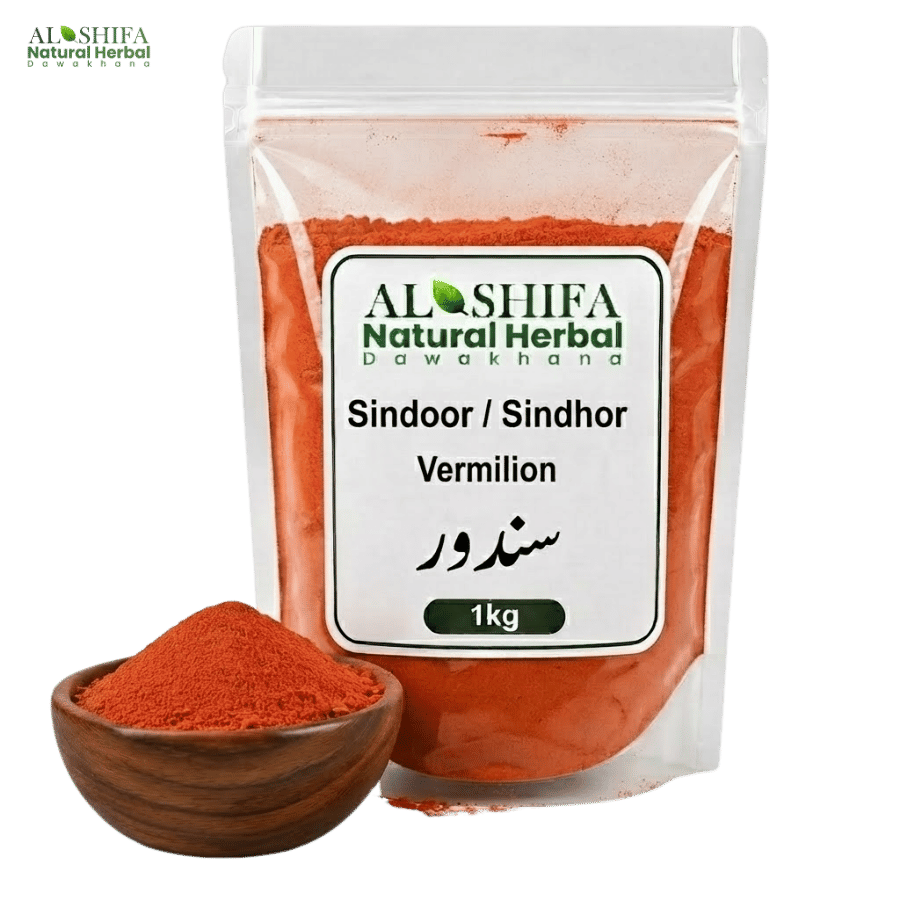
Sindoor (Vermilion) is a traditional red to orange-red pigment with a long history of cultural, ceremonial, decorative, and cosmetic use across South Asia. Its exact composition can vary between products.
How to Use: Use only according to the product’s intended ceremonial, decorative, or cosmetic purpose.
Important Note: Not intended for internal use. Some traditional or unverified Sindoor may contain mercury, lead, or other heavy metals; skin-safety and heavy-metal-free claims should only be made when supported by appropriate testing.
Sindoor (سندور), also written as Sindhor, is a traditional red to orange-red colored material with a long history of cultural, ceremonial, cosmetic, artistic, and traditional use across South Asia. In English, the term is often translated as Vermilion, but an important distinction is necessary: products sold under the name Sindoor do not necessarily have one uniform chemical composition.
Historically, true mineral vermilion refers to mercury sulfide, the naturally occurring mineral form being known as cinnabar. However, modern commercial Sindoor may be manufactured from entirely different pigments and ingredients. Some products may contain synthetic pigments, turmeric-derived materials, lime-based preparations, cosmetic colorants, or mixtures of several substances.
Because certain traditional or poorly regulated Sindoor products have historically contained mercury compounds, lead compounds, or other potentially toxic heavy metals, Sindoor should never automatically be described as medicinal, edible, harmless, or suitable for internal use without reliable compositional and safety testing.
Sindoor is best understood as a traditional colored material rather than a medicinal herb.
Its significance comes primarily from its long cultural history and its characteristic bright color. Depending on the region, community, historical period, and preparation method, Sindoor may have been used for:
The exact suitability of a particular product depends entirely on its ingredients and intended use.
English Name: Vermilion
Urdu Name: سندور
Roman Name: Sindoor / Sindhor
Traditional Material Type: Red Pigment / Cultural Material
Historical Mineral Association: Cinnabar
Historical Chemical Identity: Mercury Sulfide
Mineral Class: Sulfide Mineral
Typical Historical Color: Bright red to orange-red
Important Note: Modern Sindoor formulations may have completely different compositions.
Sindoor is a general traditional name used for a characteristic red or orange-red material.
Unlike herbs such as roots, seeds, flowers, and leaves, Sindoor is not a botanical substance with one botanical scientific name.
The word can refer to different preparations depending on the context.
Historically, vermilion pigment was closely associated with finely prepared cinnabar, a naturally occurring mercury sulfide mineral. Synthetic mercury sulfide has also historically been manufactured as vermilion pigment.
Modern Sindoor, however, should not automatically be assumed to contain cinnabar or mercury sulfide.
Therefore:
Sindoor ≠ Always Cinnabar
Sindoor ≠ Always Mercury Sulfide
Sindoor ≠ One Standard Chemical Formula
The actual composition must be determined from manufacturing information or appropriate laboratory analysis.
Vermilion is historically the name of a brilliant red pigment traditionally produced from mercury sulfide.
Its natural mineral counterpart is cinnabar, a red mercury-bearing mineral.
Historically prepared vermilion became important in:
However, the English word “vermilion” may also be used today simply to describe a vivid red-orange color. Therefore, a modern pigment described as vermilion-colored is not necessarily made from mercury sulfide.
This distinction is especially important for a professional product listing.
Cinnabar is a specific naturally occurring mineral containing mercury sulfide.
Vermilion historically refers to the red pigment prepared from mercury sulfide, although the word can also describe the color.
Sindoor is a broader South Asian traditional term that can refer to various red preparations.
Consequently, these terms should not automatically be treated as chemically interchangeable.
The composition of Sindoor has varied historically and geographically.
Depending on the preparation, materials associated with Sindoor may include:
Some historical or inadequately controlled products may contain undesirable heavy metals.
For this reason, the color and appearance of Sindoor cannot establish its composition or safety.
Traditional mineral vermilion is closely associated with mercury sulfide.
Cinnabar is the naturally occurring mineral form. It is known for its characteristic intense red coloration and historically became an important source of mercury as well as a pigment material.
This historical association is useful for understanding mineralogy and traditional pigment history, but it also creates an important safety issue.
Mercury is a toxic heavy metal.
A material containing mercury should not be treated like an ordinary herbal powder, food ingredient, nutritional mineral, or harmless cosmetic substance.
The word “mineral” can sometimes create confusion.
Cinnabar is a geological mineral, but that does not mean it is a dietary mineral required by the human body.
Mercury sulfide should not be compared with nutritional minerals such as dietary calcium, magnesium, iron, or zinc.
Therefore:
Geological Mineral ≠ Nutritional Mineral
and
Traditional Mineral Material ≠ Dietary Supplement
Ordinary Sindoor or vermilion should never be consumed simply because it is described as a natural mineral.
Sindoor may vary considerably according to formulation.
Common visual characteristics can include:
Some commercial products may be available as:
Appearance alone cannot determine purity, composition, or safety.
Sindoor has deep historical and cultural significance in parts of South Asia, particularly within certain Hindu traditions.
It is especially recognized for its association with marital and ceremonial customs and may traditionally be applied around the hair parting or forehead according to community practice.
Its cultural meaning can vary between:
These cultural associations should be respected and distinguished from medical claims.
A material can have substantial cultural importance without having scientifically established therapeutic benefits.
Some Sindoor products are intended specifically for cosmetic or ceremonial skin application.
However:
Traditional use does not automatically establish modern cosmetic safety.
A product intended for skin application should ideally be appropriately formulated and tested for its intended cosmetic use.
Important considerations include:
Raw mineral vermilion should not automatically be substituted for a tested cosmetic Sindoor product.
One of the most important considerations with Sindoor is possible exposure to lead or mercury, depending on the product.
Not every Sindoor contains these metals, but their presence has been documented in some traditional or commercial products.
Heavy metals are particularly concerning because repeated exposure can accumulate or contribute to harmful effects.
Potential concerns associated with significant lead or mercury exposure may involve:
Therefore, a responsible Sindoor product should never be assumed to be free from heavy metals merely because it is described as “traditional,” “natural,” or “herbal.”
Claims such as:
should only appear on a product listing when supported by reliable formulation information or appropriate testing.
Without testing, these claims should not be made.
This is particularly important for products intended for frequent skin application.
Ordinary Sindoor, vermilion, cinnabar, or an unidentified traditional red pigment should not be consumed.
It should not be:
If the material contains mercury, lead, or another hazardous pigment, internal exposure can be dangerous.
Some historical medical systems contain references to specially processed mineral substances.
These references require careful interpretation.
A traditionally purified, detoxified, processed, compounded, or professionally manufactured mineral preparation is not equivalent to ordinary raw Sindoor purchased as a pigment or ceremonial material.
Therefore:
Raw Sindoor ≠ Professionally Processed Traditional Mineral Medicine
and
Historical Medical Reference ≠ Evidence That Commercial Sindoor Is Safe to Swallow
Traditional processing should never be attempted at home as a method of making mercury- or lead-containing material safe for consumption.
Sindoor should not be advertised as a treatment for:
Historical, spiritual, cultural, or traditional beliefs are not substitutes for clinical evidence.
If a Sindoor product is specifically manufactured and labeled for cosmetic use, it should be applied according to its instructions.
Before regular use:
Do not assume that raw mineral pigment is suitable for direct skin application.
Sindoor should generally be kept away from:
If powder enters the eyes, rinse thoroughly with clean water.
Persistent irritation requires appropriate medical attention.
Fine pigment powders can become airborne during handling.
Avoid deliberately inhaling Sindoor dust.
When handling larger quantities:
This is especially important when the composition of the pigment has not been independently verified.
Pregnant women should be particularly cautious with products of unknown composition because lead and mercury exposure during pregnancy can be harmful.
If Sindoor is used ceremonially or cosmetically during pregnancy, selecting a properly manufactured product with verified ingredients and appropriate heavy-metal safety testing is preferable.
Products of unknown composition should be avoided.
Breastfeeding women should likewise minimize unnecessary exposure to potentially contaminated pigments and prevent infants from touching or ingesting the material.
Sindoor should be kept out of reach of children.
Children may accidentally:
Because children are especially vulnerable to the effects of lead exposure, products containing lead or products of unknown composition should not be accessible to them.
If Sindoor of unknown composition is accidentally swallowed, especially by a child or pregnant person, do not assume it is harmless.
Seek appropriate medical or poison-control advice, particularly if:
Do not induce vomiting unless specifically instructed by a healthcare professional.
Good-quality Sindoor intended for modern cosmetic or ceremonial use should have clearly documented:
Where relevant, laboratory testing for potentially hazardous heavy metals provides substantially more meaningful safety information than appearance alone.
Descriptions such as:
should only be used if they accurately describe the specific product and can be supported.
For Sindoor, the phrase “100% Pure” can actually be problematic unless the intended chemical identity is clearly known. For example, “pure vermilion” historically could mean mercury sulfide, which is not the same as saying the product is safer.
For proper storage:
If the product is a formulated cosmetic Sindoor, follow the manufacturer’s storage instructions.
Correct identification is exceptionally important for Sindoor because the same traditional name can describe materials with very different chemical compositions.
A red powder sold as Sindoor could potentially be:
These materials cannot be treated as equivalent.
For professional product documentation, the exact composition should ideally be obtained from the supplier or verified through appropriate analysis.
Product Name: Sindoor / Sindhor / Vermilion
English Name: Vermilion
Urdu Name: سندور
Roman Name: Sindoor / Sindhor
Product Type: Traditional Red Pigment / Cultural Material
Historical Mineral Association: Cinnabar
Historical Composition: Mercury Sulfide
Typical Appearance: Bright red to orange-red powder
Primary Traditional Context: Cultural, ceremonial, decorative and cosmetic use
Internal Use: Not recommended
Storage: Cool, dry, securely closed and away from children and food
Sindoor does not have one universally applicable scientific name or chemical composition.
If the actual product has been laboratory-confirmed as traditional mineral vermilion, it may be identified as:
Mineral Identity: Cinnabar
Chemical Identity: Mercury Sulfide
However, these details should not automatically be assigned to every product sold as Sindoor.
If the composition of the specific product has not been confirmed, the most responsible description is:
Scientific Identity: Composition Requires Verification
This is safer and more accurate than assuming that every Sindoor product is cinnabar or mercury sulfide.
Sindoor / Sindhor / Vermilion (سندور) is primarily a traditional cultural, ceremonial, decorative, or pigment material. Its composition can vary substantially between products.
Historical mineral vermilion is associated with mercury sulfide, while some commercial Sindoor products have also raised concerns regarding lead or other heavy-metal contamination. Therefore, products of unknown composition should not be consumed, used as dietary supplements, or assumed to be harmless simply because they are traditional or natural.
Traditional, cultural, spiritual, or historical references to Sindoor do not establish medical benefits. Any claim that a particular Sindoor is lead-free, mercury-free, non-toxic, cosmetic-grade, or suitable for skin application should be supported by appropriate product-specific evidence or testing.
سندور ایک معروف سرخ یا نارنجی مائل سرخ رنگ کا روایتی مادہ ہے جو برصغیر میں طویل عرصے سے ثقافتی، مذہبی، رسمی، آرائشی اور روایتی زیبائش کے مقاصد کے لیے استعمال ہوتا آیا ہے۔ اس کی نمایاں خصوصیت اس کا شوخ سرخ رنگ ہے، تاہم سندور کو کسی عام جڑی بوٹی، غذائی جزو یا ایک ہی متعین کیمیائی مادے کے طور پر بیان کرنا درست نہیں۔
قدیم معدنی سندور کا تعلق عموماً سنابار نامی قدرتی معدنی مادے سے بیان کیا جاتا ہے، جس کی بنیادی کیمیائی ساخت پارے اور گندھک کا مرکب ہوتی ہے۔ تاہم موجودہ دور میں بازار میں سندور کے نام سے دستیاب ہر مصنوعات لازماً اسی معدنی مادے سے تیار نہیں ہوتی۔ جدید سندور میں مختلف مصنوعی رنگ، نباتاتی رنگ، ہلدی سے تیار کردہ اجزاء، چونے سے متعلق روایتی آمیزے یا دوسرے رنگ دار مادے استعمال کیے جا سکتے ہیں۔
اسی لیے کسی مخصوص سندور کی اصل ساخت، خالص پن اور محفوظ استعمال کا فیصلہ صرف اس کے رنگ یا نام سے نہیں کیا جا سکتا۔
مصنوعات کا نام: سندور
معروف نام: سندور، ورمیلین
مصنوعات کی نوعیت: روایتی سرخ رنگ دار مادہ
قدیم معدنی نسبت: سنابار
قدیم کیمیائی شناخت: پارے اور گندھک کا مرکب
معدنی درجہ: گندھک والے معدنی مرکبات
عمومی رنگت: شوخ سرخ سے نارنجی مائل سرخ
روایتی استعمال: ثقافتی، مذہبی، رسمی اور آرائشی مقاصد
اہم وضاحت: جدید سندور کی ترکیب مختلف ہو سکتی ہے۔
سندور ایک روایتی نام ہے جو مختلف اقسام کے سرخ یا نارنجی مائل سرخ رنگ دار مادوں کے لیے استعمال کیا جاتا ہے۔
یہ کسی پودے کی:
نہیں ہے، اس لیے اسے عام جڑی بوٹی کہنا درست نہیں۔
اس کی اصل ترکیب مصنوعات کے مطابق مختلف ہو سکتی ہے۔ تاریخی طور پر معدنی سندور کو سنابار سے منسوب کیا جاتا ہے، لیکن جدید دور میں سندور کے نام سے فروخت ہونے والی مصنوعات مختلف اجزاء سے تیار ہو سکتی ہیں۔
ورمیلین تاریخی طور پر ایک شوخ سرخ رنگ دار مادے کا نام ہے جسے پارے اور گندھک کے مرکب سے تیار کیا جاتا رہا ہے۔
قدرتی حالت میں اس مرکب سے وابستہ سرخ معدنی مادہ سنابار کہلاتا ہے۔
تاریخی طور پر اس شوخ سرخ رنگ کو مختلف مقاصد کے لیے استعمال کیا جاتا رہا ہے، مثلاً:
موجودہ دور میں ورمیلین کا لفظ کبھی صرف ایک مخصوص شوخ سرخ رنگت کے لیے بھی استعمال ہو سکتا ہے، اس لیے ہر ورمیلین رنگ کی مصنوعات کو پارے والا معدنی مادہ سمجھنا درست نہیں۔
سندور اور سنابار کو ہمیشہ ایک ہی چیز نہیں سمجھنا چاہیے۔
سنابار ایک مخصوص قدرتی معدنی مادہ ہے جس میں پارے اور گندھک کا مرکب پایا جاتا ہے۔
ورمیلین تاریخی طور پر اسی قسم کے سرخ معدنی مرکب سے تیار کردہ رنگ کے لیے استعمال ہونے والا نام ہے۔
سندور ایک وسیع روایتی نام ہے جس کے تحت مختلف سرخ رنگ دار تیاریاں فروخت ہو سکتی ہیں۔
لہٰذا:
ہر سندور سنابار نہیں ہوتا۔
ہر سندور میں پارا موجود ہونا ضروری نہیں۔
ہر سرخ رنگ دار سفوف کی کیمیائی ساخت ایک جیسی نہیں ہوتی۔
اصل شناخت کے لیے مصنوعات کے اجزاء یا مناسب جانچ ضروری ہے۔
مختلف علاقوں اور ادوار میں سندور کی تیاری کے طریقے مختلف رہے ہیں۔
مصنوعات کے مطابق اس میں درج ذیل اقسام کے اجزاء استعمال ہو سکتے ہیں:
بعض غیر معیاری یا غیر تصدیق شدہ مصنوعات میں نقصان دہ بھاری دھاتوں کی آمیزش بھی ممکن ہو سکتی ہے۔
اسی لیے صرف سرخ رنگ دیکھ کر مصنوعات کی اصل ترکیب یا محفوظ ہونے کا فیصلہ نہیں کیا جا سکتا۔
قدیم معدنی ورمیلین کی بنیادی نسبت پارے اور گندھک کے مرکب سے ہے۔
قدرتی سنابار اپنی گہری اور شوخ سرخ رنگت کی وجہ سے تاریخی طور پر نہایت اہم معدنی رنگ رہا ہے۔
تاہم یہاں ایک بنیادی حفاظتی حقیقت سمجھنا ضروری ہے:
پارا ایک زہریلی بھاری دھات ہے۔
اس لیے پارے پر مشتمل کسی معدنی مادے کو عام جڑی بوٹی، خوراک، غذائی سفوف یا بے ضرر زیبائشی چیز نہیں سمجھنا چاہیے۔
لفظ معدن بعض اوقات غلط فہمی پیدا کر سکتا ہے۔
سنابار ایک ارضیاتی معدنی مادہ ہے، لیکن اس کا مطلب یہ نہیں کہ یہ انسانی جسم کے لیے ضروری غذائی معدن ہے۔
اسے:
جیسے ضروری غذائی معدنیات کے برابر نہیں سمجھنا چاہیے۔
لہٰذا کسی مادے کا قدرتی معدن ہونا اسے کھانے یا بطور غذائی جزو استعمال کرنے کے لیے محفوظ ثابت نہیں کرتا۔
سندور کی ظاہری شکل اس کی تیاری اور اجزاء کے مطابق مختلف ہو سکتی ہے۔
عام رنگت میں شامل ہو سکتی ہیں:
یہ مختلف شکلوں میں دستیاب ہو سکتا ہے:
صرف ظاہری شکل سے اس کی اصل ساخت، خالص پن یا محفوظ ہونے کی تصدیق نہیں کی جا سکتی۔
سندور کو برصغیر کی بعض ثقافتوں اور خصوصاً بعض ہندو روایات میں نمایاں تاریخی اور مذہبی اہمیت حاصل ہے۔
بعض روایات میں اسے:
سے منسوب کیا جاتا ہے۔
اس کی ثقافتی اہمیت مختلف علاقوں، خاندانوں اور مذہبی روایات کے مطابق مختلف ہو سکتی ہے۔
ان روایتی اور ثقافتی معانی کو طبی فوائد سے الگ سمجھنا ضروری ہے۔
بعض سندور مصنوعات خاص طور پر جلد یا پیشانی پر روایتی زیبائش کے لیے تیار کی جاتی ہیں۔
تاہم صرف روایتی طور پر استعمال ہونا جدید حفاظتی معیار کی ضمانت نہیں۔
جلد پر استعمال ہونے والی مصنوعات میں درج ذیل چیزیں اہم ہیں:
خام معدنی سنابار یا نامعلوم سرخ معدنی سفوف کو خود سے زیبائشی سندور کا متبادل نہیں بنانا چاہیے۔
سندور کے حوالے سے سب سے اہم حفاظتی پہلو پارے اور سیسے جیسی بھاری دھاتوں کی ممکنہ موجودگی ہے۔
ہر سندور میں یہ دھاتیں موجود نہیں ہوتیں، لیکن بعض روایتی، غیر معیاری یا غیر تصدیق شدہ مصنوعات میں ان کی موجودگی کا خدشہ ہو سکتا ہے۔
بھاری دھاتوں سے غیر ضروری یا مسلسل جسمانی رابطہ صحت کے لیے نقصان دہ ہو سکتا ہے۔
زیادہ مقدار یا طویل عرصے کی نمائش سے خصوصاً:
متاثر ہو سکتے ہیں۔
اس لیے کسی مصنوعات کو صرف قدرتی یا روایتی کہنے سے اسے بھاری دھاتوں سے پاک نہیں سمجھنا چاہیے۔
درج ذیل دعوے صرف مناسب جانچ اور قابل اعتماد ثبوت کی موجودگی میں کیے جانے چاہئیں:
اگر مصنوعات کی باقاعدہ جانچ نہیں ہوئی تو ایسے دعوے کرنا مناسب نہیں۔
عام سندور، ورمیلین، سنابار یا نامعلوم سرخ معدنی سفوف کو اندرونی طور پر استعمال نہیں کرنا چاہیے۔
اسے:
محفوظ نہیں سمجھنا چاہیے۔
اگر کسی مصنوعات میں پارا، سیسہ یا دوسری نقصان دہ بھاری دھات موجود ہو تو اندرونی استعمال سنگین نقصان کا سبب بن سکتا ہے۔
بعض قدیم طریقوں میں خاص طور پر تیار اور عمل سے گزارے گئے معدنی مادوں کا ذکر مل سکتا ہے۔
ایسے حوالوں کو عام بازار میں دستیاب خام سندور کے استعمال کی اجازت نہیں سمجھنا چاہیے۔
خاص روایتی طریقے سے:
معدنی مادہ عام خام سندور کے برابر نہیں ہوتا۔
اس لیے:
خام سندور اور مخصوص روایتی طبی معدنی تیاری ایک چیز نہیں ہیں۔
کسی تاریخی نسخے کا ذکر اس بات کا ثبوت نہیں کہ عام تجارتی سندور نگلنا محفوظ ہے۔
پارے یا سیسے والے مادوں کو گھر پر کسی روایتی عمل سے گزار کر محفوظ بنانے کی کوشش نہیں کرنی چاہیے۔
سندور کو درج ذیل مسائل کا علاج قرار نہیں دینا چاہیے:
روایتی، مذہبی، ثقافتی یا تاریخی عقائد جدید طبی ثبوت کا متبادل نہیں ہیں۔
اگر کوئی سندور خاص طور پر زیبائشی استعمال کے لیے تیار اور واضح طور پر اسی مقصد کے لیے فروخت کیا گیا ہو تو اسے مصنوعات کی ہدایات کے مطابق استعمال کرنا چاہیے۔
استعمال سے پہلے:
خام معدنی رنگ کو خود سے جلد پر استعمال کے لیے محفوظ نہ سمجھیں۔
سندور کو درج ذیل حصوں سے دور رکھنا بہتر ہے:
اگر سفوف آنکھ میں چلا جائے تو صاف پانی سے اچھی طرح دھوئیں۔
مسلسل جلن، سرخی یا تکلیف کی صورت میں طبی رہنمائی حاصل کریں۔
باریک سندور ہوا میں اڑ سکتا ہے۔
اس لیے اسے جان بوجھ کر سانس کے ذریعے اندر نہیں کھینچنا چاہیے۔
زیادہ مقدار سنبھالتے وقت:
نامعلوم کیمیائی ساخت والے سندور میں یہ احتیاط زیادہ اہم ہو جاتی ہے۔
حمل کے دوران نامعلوم ساخت والے سندور سے خصوصی احتیاط ضروری ہے کیونکہ سیسے اور پارے جیسی بھاری دھاتوں کی نمائش ماں اور بچے دونوں کے لیے نقصان دہ ہو سکتی ہے۔
اگر حمل کے دوران سندور روایتی یا زیبائشی مقصد کے لیے استعمال کرنا ہو تو ایسی مصنوعات کا انتخاب زیادہ مناسب ہے جس کے:
نامعلوم یا غیر تصدیق شدہ مصنوعات سے گریز بہتر ہے۔
دودھ پلانے والی خواتین کو بھی نامعلوم یا ممکنہ طور پر آلودہ رنگ دار مادوں سے غیر ضروری رابطہ کم رکھنا چاہیے۔
خصوصاً یہ خیال رکھیں کہ:
سندور کو بچوں کی پہنچ سے دور رکھنا ضروری ہے۔
چھوٹے بچے غلطی سے:
سیسے کی نمائش بچوں کے لیے خاص طور پر تشویش کا باعث ہو سکتی ہے، اس لیے نامعلوم ساخت یا غیر تصدیق شدہ مصنوعات بچوں کی دسترس میں نہیں ہونی چاہئیں۔
اگر نامعلوم ساخت والا سندور غلطی سے نگل لیا جائے، خصوصاً کسی بچے یا حاملہ خاتون نے، تو اسے معمولی یا بے ضرر نہ سمجھیں۔
طبی رہنمائی حاصل کرنا ضروری ہو سکتا ہے، خصوصاً اگر:
طبی ہدایت کے بغیر خود سے قے کروانے کی کوشش نہ کریں۔
اچھی اور ذمہ داری سے تیار کردہ سندور مصنوعات میں درج ذیل معلومات واضح ہونی چاہئیں:
جلد پر استعمال ہونے والی مصنوعات کے لیے مناسب جانچ صرف رنگ اور ظاہری شکل کے مقابلے میں کہیں زیادہ اہم ہے۔
سندور کے لیے درج ذیل دعوے بغیر ثبوت کے نہیں کرنے چاہئیں:
خصوصاً سو فیصد خالص کی اصطلاح سندور کے لیے احتیاط سے استعمال کرنی چاہیے۔
اگر کسی مصنوعات سے مراد خالص قدیم معدنی ورمیلین ہو تو اس کا مطلب پارے اور گندھک کے مرکب کی زیادہ خالص شکل بھی ہو سکتا ہے، جو لازماً زیادہ محفوظ ہونے کا مطلب نہیں۔
سندور کو محفوظ رکھنے کے لیے:
اگر مصنوعات خاص زیبائشی تیاری ہو تو تیار کنندہ کی ذخیرہ سے متعلق ہدایات پر عمل کریں۔
سندور کی درست شناخت بہت اہم ہے کیونکہ ایک ہی نام کے تحت مختلف کیمیائی ساخت رکھنے والی مصنوعات فروخت ہو سکتی ہیں۔
سندور کے نام سے موجود سرخ مادہ ممکنہ طور پر:
ہو سکتا ہے۔
یہ تمام اقسام ایک دوسرے کے برابر نہیں ہیں۔
اسی لیے مصنوعات کی اصل ساخت فراہم کنندہ کی معتبر معلومات یا مناسب تجزیاتی جانچ کے ذریعے معلوم کرنا زیادہ بہتر ہے۔
مصنوعات کا نام: سندور
معروف نام: ورمیلین
مصنوعات کی نوعیت: روایتی سرخ رنگ دار اور ثقافتی مادہ
قدیم معدنی نسبت: سنابار
قدیم کیمیائی شناخت: پارے اور گندھک کا مرکب
عمومی ظاہری شکل: شوخ سرخ سے نارنجی مائل سرخ سفوف
بنیادی روایتی استعمال: ثقافتی، مذہبی، رسمی، آرائشی اور زیبائشی مقاصد
اندرونی استعمال: مناسب نہیں
ذخیرہ: ٹھنڈی، خشک اور محفوظ جگہ، خوراک اور بچوں سے دور
سندور کے لیے ایک ہی سائنسی یا کیمیائی شناخت ہر مصنوعات پر لاگو نہیں کی جا سکتی۔
اگر کسی مخصوص مصنوعات کی معتبر جانچ سے یہ ثابت ہو کہ وہ قدیم معدنی ورمیلین ہے تو اس کی معدنی شناخت سنابار اور کیمیائی شناخت پارے اور گندھک کا مرکب بیان کی جا سکتی ہے۔
اگر مخصوص مصنوعات کی ساخت کی تصدیق موجود نہ ہو تو زیادہ درست اور ذمہ دارانہ وضاحت یہ ہے:
اصل کیمیائی ساخت کی تصدیق ضروری ہے۔
صرف سندور نام ہونے کی وجہ سے کسی مصنوعات کو سنابار یا پارے کا مرکب قرار دینا درست نہیں۔
سندور بنیادی طور پر ایک روایتی ثقافتی، مذہبی، رسمی، آرائشی یا رنگ دار مادہ ہے۔ مختلف مصنوعات کی کیمیائی ترکیب ایک دوسرے سے نمایاں طور پر مختلف ہو سکتی ہے۔
قدیم معدنی ورمیلین کا تعلق پارے اور گندھک کے مرکب سے ہے، جبکہ بعض غیر معیاری مصنوعات میں سیسے یا دوسری نقصان دہ بھاری دھاتوں کی موجودگی کا خدشہ بھی ہو سکتا ہے۔
اس لیے نامعلوم ساخت والے سندور کو کھانے، پینے، غذائی اضافے، گھریلو علاج یا اندرونی استعمال کے لیے موزوں نہیں سمجھنا چاہیے۔
روایتی، مذہبی، ثقافتی یا تاریخی اہمیت کسی طبی فائدے کا سائنسی ثبوت نہیں ہے۔ اسی طرح کسی مخصوص سندور کو پارے سے پاک، سیسے سے پاک، زہریلے مادوں سے پاک یا جلد کے لیے محفوظ قرار دینے کے لیے مصنوعات کی اصل ساخت اور مناسب جانچ کا قابل اعتماد ثبوت ہونا ضروری ہے۔