
Badi Elaichi, Black Cardamom
Contact for Price
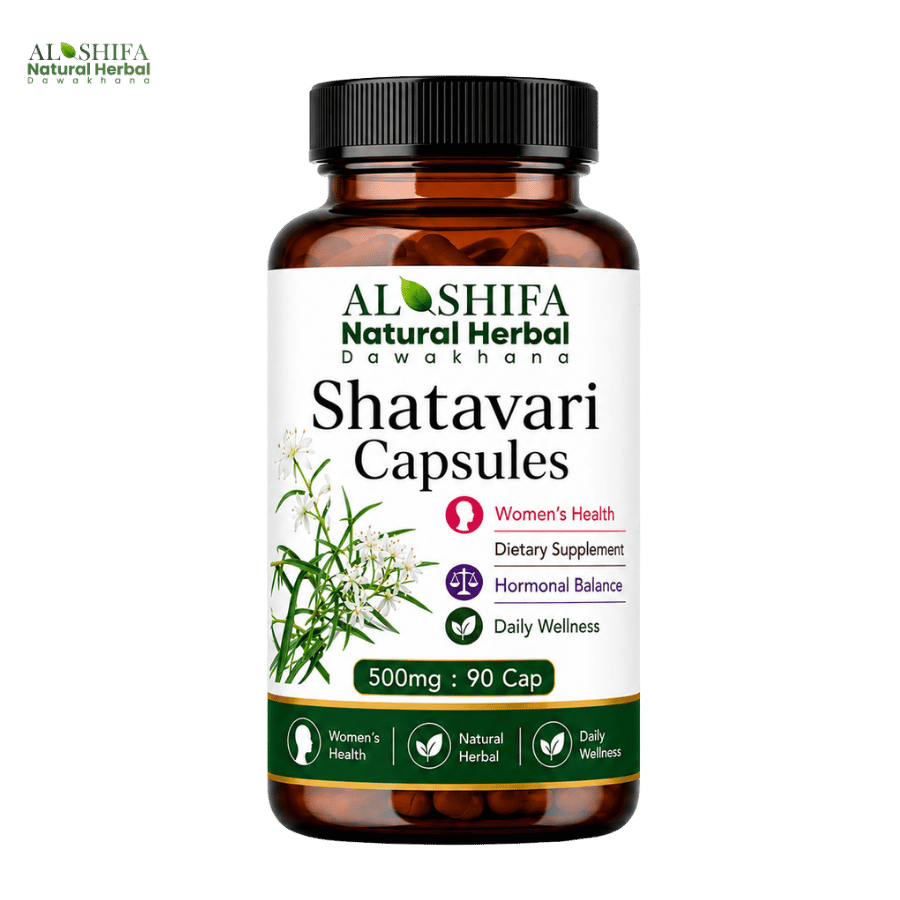
Shatavari Capsules / شتاوری کیپسول are a herbal dietary supplement prepared from Shatavari (Asparagus racemosus) root, a traditionally valued herb in Ayurvedic and South Asian herbal wellness practices. Shatavari is especially associated with women’s general wellness, reproductive wellbeing, menstrual wellness, nutritional support, and overall vitality.
Suggested Use: Take according to the serving instructions stated on the product label or as advised by an appropriately qualified healthcare professional. The appropriate amount depends on whether the product contains whole-root powder or a concentrated extract.
Important Note: Shatavari Capsules are a herbal dietary supplement and are not intended to diagnose, treat, cure, or prevent any disease. Pregnant or breastfeeding women, people receiving fertility or hormonal treatment, those with hormone-sensitive conditions, and anyone taking regular medicines should seek appropriate medical advice before use.
Shatavari Capsules are a convenient herbal supplement prepared from Shatavari (Asparagus racemosus), a well-known medicinal plant traditionally used in Ayurvedic and South Asian herbal wellness practices. Shatavari is particularly recognized for its long history of use in women’s general wellness, reproductive health support, menstrual wellbeing, and nutritional vitality.
The name Shatavari is commonly associated with the root of Asparagus racemosus. The roots contain naturally occurring plant constituents, including steroidal saponins known as shatavarins, along with flavonoids, polyphenols, and other phytochemicals.
Capsule form provides a simple and measured way to incorporate Shatavari into a daily wellness routine without preparing powders, decoctions, or traditional herbal mixtures.
Product Name: Shatavari Capsules
Urdu Name: شتاوری کیپسول
Herbal Name: Shatavari
Scientific Name: Asparagus racemosus Willd.
Botanical Name: Asparagus racemosus Willd.
Plant Family: Asparagaceae
Commonly Used Part: Root
Traditional Systems: Ayurveda and Traditional South Asian Herbal Practice
Product Type: Herbal Dietary Supplement
Form: Capsules
Primary Botanical Ingredient: Shatavari Root
Naturally Occurring Constituents: Shatavarins, Steroidal Saponins, Flavonoids, Polyphenols and Other Plant Compounds
Shatavari is a climbing medicinal plant native to parts of South Asia. Its botanical name is Asparagus racemosus, and its roots are the primary part traditionally used in herbal preparations.
For centuries, Shatavari has occupied an important position in Ayurvedic herbal practice, particularly in preparations intended for women’s general wellbeing.
Traditionally, Shatavari root has been used to support:
These traditional uses should not be interpreted as proof that Shatavari can diagnose, prevent, treat, or cure a medical condition.
Shatavari is particularly well known as a traditional herb for women.
In traditional herbal systems, it has been used during different stages of adult female life as part of formulations intended to support general wellbeing.
Its traditional applications include support for:
Modern scientific research has investigated some of these traditional uses, but clinical evidence varies by indication and remains limited for many commonly promoted benefits.
Shatavari has a long traditional association with female reproductive wellness.
The root contains naturally occurring compounds known as shatavarins, which belong primarily to the steroidal saponin group.
Research has explored the biological properties of Shatavari extracts, including their potential influence on pathways relevant to reproductive physiology. However, Shatavari should not be described as a proven treatment for infertility, ovarian disorders, hormonal diseases, or other reproductive conditions.
Women experiencing persistent reproductive or menstrual problems should seek appropriate medical evaluation.
Shatavari is traditionally incorporated into herbal preparations intended to support women during the menstrual cycle.
It has historically been used as part of broader herbal approaches for:
Menstrual pain, unusually heavy bleeding, irregular cycles, missed periods, or sudden changes in menstruation can have many causes and should not be self-treated solely with herbal supplements.
Shatavari is frequently marketed as a herb for “hormonal balance.” A more accurate description is that it has a history of traditional use in women’s reproductive and general wellness.
Some naturally occurring constituents of Shatavari have been investigated for biological activities that may interact with hormone-related pathways.
However, Shatavari should not be regarded as a proven treatment for hormonal imbalance, thyroid disease, polycystic ovary syndrome, endometriosis, infertility, or menopausal disorders.
Shatavari is sometimes included in traditional herbal formulations intended for women approaching or experiencing menopause.
Research interest has focused on its phytochemical constituents and their potential relevance to women’s wellbeing.
It may be used as part of a general wellness routine, but it should not replace medical evaluation or established treatment for significant menopausal symptoms.
Persistent or severe symptoms should be discussed with an appropriate healthcare professional.
Traditional herbal practice has also used Shatavari as a nourishing or restorative herb.
It has historically been associated with:
The effects experienced can differ between individuals, and such traditional applications should not be interpreted as guaranteed clinical outcomes.
The root is the principal part of Asparagus racemosus traditionally used in herbal preparations.
After harvesting, roots may be:
The exact composition of a capsule depends on whether it contains whole-root powder, concentrated extract, or a standardized extract.
One of the most studied groups of compounds in Shatavari is known as shatavarins.
Shatavarins are steroidal saponins naturally found in Asparagus racemosus.
Shatavari may also contain:
The concentration of these constituents varies according to plant material, growing conditions, processing, extraction, and product formulation.
Laboratory research has identified naturally occurring compounds in Asparagus racemosus that demonstrate antioxidant activity under experimental conditions.
These compounds may interact with oxidative processes in laboratory models.
However, laboratory antioxidant activity does not establish that Shatavari Capsules can prevent or treat diseases associated with oxidative stress.
A varied diet rich in vegetables, fruits, whole grains, legumes, nuts, and seeds remains important for overall nutrition.
Shatavari has also been traditionally used in preparations intended to support digestive comfort.
Traditional applications have included general support for:
Scientific evidence is not sufficient to consider Shatavari a replacement for medical treatment of ulcers, reflux, inflammatory bowel disease, persistent abdominal pain, or other gastrointestinal disorders.
Shatavari is traditionally classified as a nourishing herbal ingredient and is often incorporated into general vitality formulations.
It may be selected by adults seeking a traditional botanical supplement as part of a broader wellness routine.
Overall vitality also depends heavily on:
No herbal supplement can replace these foundations of health.
Shatavari is sometimes described in modern herbal literature as an adaptogenic herb.
This term generally refers to herbs traditionally used to help support the body during physical or emotional stress.
Research into Shatavari’s possible adaptogenic properties remains developing, and this term should not be interpreted as evidence that the herb can treat anxiety disorders, depression, chronic fatigue, or other medical conditions.
Although Shatavari is most commonly associated with women’s wellness, its traditional use is not necessarily limited to women.
Some traditional preparations have included Shatavari for:
However, evidence for specific benefits in men remains limited, and it should not be considered a treatment for male infertility, testosterone deficiency, erectile dysfunction, or other medical conditions.
Shatavari has a longstanding traditional association with reproductive wellness, which has led to its frequent promotion in fertility-related herbal products.
However, Shatavari Capsules should not be presented as a proven fertility treatment.
Difficulty becoming pregnant can have many causes involving either partner and may require:
People experiencing fertility problems should seek appropriate medical evaluation rather than relying exclusively on herbal supplementation.
Pregnancy requires particular caution with herbal supplements.
Although Shatavari has a long history of traditional use, safety information for concentrated Shatavari supplements during pregnancy is not sufficiently established to justify routine unsupervised use.
Pregnant women should consult an appropriately qualified healthcare professional before using Shatavari Capsules.
This is particularly important when taking:
Shatavari has traditionally been used in some cultures in preparations intended for women after childbirth and during breastfeeding.
It is also commonly promoted as a galactagogue, meaning a substance intended to support milk production.
Some clinical research has explored this use, but evidence is not sufficiently consistent to guarantee increased milk production in every breastfeeding woman.
Low milk supply can have many causes. Breastfeeding women should seek advice from a qualified healthcare professional or lactation specialist before using herbal supplements, particularly if the infant is premature, unwell, or has feeding difficulties.
Shatavari is sometimes promoted online for women with polycystic ovary syndrome.
However, available evidence does not establish Shatavari as a proven treatment for polycystic ovary syndrome.
Management of this condition may involve individualized approaches addressing:
Anyone with suspected or diagnosed polycystic ovary syndrome should follow appropriate medical guidance.
Irregular menstrual cycles can occur for numerous reasons, including:
Although Shatavari has traditional use in women’s wellness, it should not be relied upon as the sole treatment for persistent menstrual irregularity.
Shatavari has historically been associated with reproductive vitality in traditional herbal practice.
This has led to its inclusion in some formulations marketed for female sexual wellness.
However, sexual desire and function are influenced by many factors, including:
Shatavari should not be presented as a guaranteed treatment for low libido or sexual dysfunction.
Research has explored the biological effects of various compounds present in Asparagus racemosus, including possible interactions with immune-related processes.
However, current evidence does not justify presenting Shatavari Capsules as a treatment for infections, autoimmune disorders, immune deficiency, or other immune-related diseases.
General immune health is supported by adequate nutrition, sleep, physical activity, vaccination where appropriate, and management of underlying medical conditions.
Capsules provide a convenient alternative to traditional Shatavari powder and herbal preparations.
Potential practical advantages include:
The actual amount of Shatavari per capsule should always be confirmed from the product label.
Both forms contain Shatavari but differ mainly in convenience and preparation.
Neither form is inherently superior. Quality depends on the authenticity and purity of the botanical material and the manufacturing process.
Shatavari Capsules may contain either whole-root powder or an extract.
Contains ground dried Shatavari root and generally represents the botanical material in a less concentrated form.
Produced by extracting selected plant constituents and may be more concentrated than ordinary root powder.
If an extract is standardized for particular compounds, the exact standardization percentage should be stated on the product label rather than assumed.
Shatavari Capsules should be taken according to the serving instructions provided on the specific product packaging or as advised by an appropriately qualified healthcare professional.
The appropriate amount can depend on:
Do not exceed the recommended serving simply because the product is herbal.
The most appropriate time depends on the formulation and manufacturer’s instructions.
Some people prefer taking herbal supplements:
Taking supplements with food may be preferable for people who experience stomach discomfort, unless the product instructions recommend otherwise.
Professional advice is particularly important for:
Children should not routinely be given Shatavari Capsules unless advised by an appropriately qualified healthcare professional.
Shatavari is generally used as an herbal supplement, but natural products can still cause unwanted effects.
Possible reactions may include:
Individual responses can vary.
Stop using the product and seek appropriate medical advice if a significant or persistent adverse reaction occurs.
Shatavari belongs to the Asparagaceae plant family.
People with known sensitivity to asparagus or related plants should use caution.
Possible allergic reactions can include:
Severe allergic symptoms require urgent medical attention.
Herbal supplements can potentially interact with medicines or other supplements.
Anyone regularly taking medication should discuss Shatavari use with an appropriately qualified healthcare professional, particularly when using:
Do not stop or replace prescribed medicines with Shatavari without appropriate medical advice.
The quality of an herbal capsule depends on more than the name of the herb.
Important quality considerations include:
Where available, appropriate testing for identity, purity, microbial contamination, heavy metals, and other contaminants can provide additional quality assurance.
Proper storage helps maintain the quality of herbal capsules.
For best results:
Do not use capsules if the packaging is severely damaged or the product shows unusual changes in appearance, smell, or condition.
Our Shatavari Capsules / شتاوری کیپسول provide a convenient way to incorporate this traditionally valued botanical into a daily wellness routine.
Any claims regarding exact capsule strength, extract ratio, standardization, organic status, additives, preservatives, or laboratory testing should only be made when confirmed for the actual product.
Product Name: Shatavari Capsules
Urdu Name: شتاوری کیپسول
Herb: Shatavari
Scientific Name: Asparagus racemosus Willd.
Botanical Name: Asparagus racemosus Willd.
Plant Family: Asparagaceae
Plant Part Traditionally Used: Root
Product Form: Capsules
Product Category: Herbal Dietary Supplement
Traditional System: Ayurveda and South Asian Herbal Practice
Naturally Occurring Constituents: Shatavarins, Steroidal Saponins, Flavonoids, Polyphenols and Other Phytochemicals
Traditional Uses: Women’s General Wellness, Reproductive Wellness, Menstrual Wellbeing, General Vitality and Nutritional Wellness
Storage: Keep in a cool, dry place away from direct sunlight, heat and moisture. Keep the container securely closed and out of reach of children.
Shatavari Capsules provide a practical capsule form of Asparagus racemosus, a traditional botanical with a long history of use in Ayurvedic and South Asian herbal practices.
Shatavari is particularly associated with women’s general wellness, reproductive wellbeing, menstrual wellness, nutritional support and general vitality. Its roots naturally contain shatavarins, steroidal saponins, flavonoids, polyphenols and other plant constituents.
The capsule format makes Shatavari easy to incorporate into a regular wellness routine without the preparation and characteristic taste associated with traditional root powder.
Important Note: Shatavari Capsules are a herbal supplement and are not intended to diagnose, treat, cure, or prevent disease. Women who are pregnant or breastfeeding, people receiving fertility or hormonal treatment, those with hormone-sensitive conditions, and anyone taking regular medicines should seek appropriate professional advice before use.
شتاوری کیپسول ایک معروف روایتی جڑی بوٹی شتاوری سے تیار کیے جاتے ہیں، جس کا نباتاتی نام اسپیراگس ریسیموسس ہے۔ شتاوری کو برصغیر کے روایتی طریقۂ علاج اور آیوروید میں طویل عرصے سے خصوصاً خواتین کی عمومی صحت، تولیدی تندرستی، ماہواری کے دوران عمومی معاونت، جسمانی توانائی اور غذائی تندرستی کے لیے استعمال کیا جاتا رہا ہے۔
شتاوری میں بنیادی طور پر اس پودے کی جڑ استعمال کی جاتی ہے۔ اس جڑ میں قدرتی طور پر شتاورینز، نباتاتی سیپوننز، فلیونوئیڈز، پولی فینولز اور دیگر نباتاتی مرکبات پائے جاتے ہیں۔
کیپسول کی شکل میں شتاوری کا استعمال آسان اور سہل ہو جاتا ہے، کیونکہ اس کے لیے سفوف ناپنے، جوشاندہ تیار کرنے یا جڑی بوٹی کے مخصوص ذائقے کو برداشت کرنے کی ضرورت نہیں رہتی۔
پروڈکٹ کا نام: شتاوری کیپسول
جڑی بوٹی کا نام: شتاوری
سائنسی نام: اسپیراگس ریسیموسس ولڈ
نباتاتی نام: اسپیراگس ریسیموسس ولڈ
نباتاتی خاندان: اسپیراگیسی
استعمال ہونے والا حصہ: جڑ
روایتی طریقۂ استعمال: آیوروید اور برصغیر کی روایتی جڑی بوٹیوں کی طب
پروڈکٹ کی قسم: نباتاتی غذائی ضمیمہ
شکل: کیپسول
بنیادی نباتاتی جزو: شتاوری کی جڑ
قدرتی اجزاء: شتاورینز، نباتاتی سیپوننز، فلیونوئیڈز، پولی فینولز اور دیگر قدرتی نباتاتی مرکبات
شتاوری ایک معروف نباتاتی پودا ہے جس کی جڑ روایتی طور پر مختلف جڑی بوٹیوں کی تیاریوں میں استعمال ہوتی رہی ہے۔
برصغیر اور آیوروید کی روایتی طب میں اسے خصوصاً خواتین کی عمومی تندرستی سے منسوب کیا جاتا ہے۔
روایتی طور پر شتاوری کو درج ذیل مقاصد کے لیے استعمال کیا جاتا رہا ہے:
یہ روایتی استعمال ہیں اور انہیں کسی بیماری کے یقینی علاج یا طبی تشخیص کا متبادل نہیں سمجھنا چاہیے۔
شتاوری کو روایتی طور پر خواتین کے لیے اہم جڑی بوٹیوں میں شمار کیا جاتا ہے۔
مختلف ادوار میں اسے خواتین کی عمومی جسمانی اور تولیدی تندرستی کے لیے تیار کی جانے والی روایتی جڑی بوٹیوں کی ترکیبات میں شامل کیا جاتا رہا ہے۔
اس کے روایتی استعمال میں شامل ہیں:
شتاوری کے مختلف روایتی استعمالات پر جدید تحقیق بھی کی گئی ہے، تاہم بہت سے فوائد کے متعلق سائنسی شواہد ابھی محدود ہیں۔
شتاوری کا خواتین کی تولیدی تندرستی کے ساتھ ایک طویل روایتی تعلق پایا جاتا ہے۔
شتاوری کی جڑ میں قدرتی طور پر پائے جانے والے اہم نباتاتی مرکبات میں شتاورینز شامل ہیں۔ یہ نباتاتی سیپوننز کے ایک مخصوص گروہ سے تعلق رکھتے ہیں۔
شتاوری کے مختلف نباتاتی اجزاء اور جسم کے تولیدی نظام سے متعلق ان کے ممکنہ اثرات پر تحقیق کی گئی ہے، تاہم اسے بانجھ پن، بیضہ دانی کے امراض یا دیگر تولیدی بیماریوں کا ثابت شدہ علاج نہیں سمجھنا چاہیے۔
تولیدی صحت سے متعلق مسلسل مسئلے کی صورت میں مناسب طبی معائنہ ضروری ہے۔
شتاوری کو روایتی طور پر خواتین کی ایسی جڑی بوٹیوں کی ترکیبات میں شامل کیا جاتا رہا ہے جو ماہواری کے دوران عمومی تندرستی اور جسمانی آرام کے لیے استعمال ہوتی ہیں۔
روایتی استعمال میں اسے درج ذیل مقاصد سے منسوب کیا جاتا ہے:
اگر ماہواری میں شدید درد، بہت زیادہ خون آنا، مسلسل بے قاعدگی، ماہواری کا بند ہونا یا اچانک نمایاں تبدیلی پیدا ہو تو صرف جڑی بوٹیوں پر انحصار کرنے کے بجائے طبی معائنہ کروانا چاہیے۔
شتاوری کو عام طور پر خواتین کے ہارمونز کی عمومی تندرستی سے منسوب کیا جاتا ہے۔
زیادہ درست طور پر یہ کہنا مناسب ہے کہ شتاوری کا خواتین کی تولیدی اور عمومی صحت کے لیے روایتی استعمال موجود ہے۔
اس کے بعض قدرتی نباتاتی اجزاء پر ہارمونز سے متعلق جسمانی نظاموں کے حوالے سے تحقیق کی گئی ہے، تاہم اسے ہارمونز کی خرابی، تھائرائڈ کے امراض، بیضہ دانی میں متعدد رسولیوں کی کیفیت، اندرونی رحم کی بافتوں کے غیر معمولی پھیلاؤ، بانجھ پن یا دیگر ہارمون سے متعلق بیماریوں کا یقینی علاج نہیں سمجھنا چاہیے۔
شتاوری کو بعض روایتی جڑی بوٹیوں کی ترکیبات میں ان خواتین کے لیے بھی شامل کیا جاتا ہے جو سنِ یاس کے قریب ہوں یا اس مرحلے سے گزر رہی ہوں۔
اس کے قدرتی نباتاتی اجزاء پر خواتین کی عمومی تندرستی کے حوالے سے تحقیق کی گئی ہے۔
اسے عمومی غذائی اور نباتاتی معاونت کے طور پر استعمال کیا جا سکتا ہے، لیکن سنِ یاس کی شدید یا مسلسل علامات کی صورت میں مناسب طبی رہنمائی ضروری ہے۔
روایتی جڑی بوٹیوں کے استعمال میں شتاوری کو ایک غذائیت بخش اور جسمانی قوت کی معاون جڑی بوٹی بھی سمجھا جاتا رہا ہے۔
اس کا روایتی استعمال درج ذیل سے منسوب ہے:
ہر فرد کا جسم مختلف ہوتا ہے، اس لیے جڑی بوٹی کے اثرات بھی ہر شخص میں یکساں ہونا ضروری نہیں۔
شتاوری کے پودے کی جڑ وہ بنیادی حصہ ہے جو روایتی طور پر استعمال کیا جاتا ہے۔
جڑ حاصل کرنے کے بعد عموماً اسے:
کیپسول کی اصل ترکیب اس بات پر منحصر ہوتی ہے کہ اس میں مکمل جڑ کا سفوف استعمال کیا گیا ہے یا جڑ کا مرتکز عرق۔
شتاوری میں پائے جانے والے اہم قدرتی نباتاتی اجزاء میں شتاورینز شامل ہیں۔
یہ نباتاتی سیپوننز کے ایک مخصوص گروہ سے تعلق رکھنے والے قدرتی مرکبات ہیں۔
شتاوری میں دیگر قدرتی نباتاتی اجزاء بھی موجود ہو سکتے ہیں، مثلاً:
ان اجزاء کی مقدار پودے کی قسم، کاشت، مٹی، موسم، جڑ کی عمر، خشک کرنے کے طریقے اور تیاری کے عمل کے مطابق مختلف ہو سکتی ہے۔
شتاوری میں پائے جانے والے بعض قدرتی نباتاتی مرکبات پر تجرباتی تحقیق میں ضدِ تکسیدی سرگرمی دیکھی گئی ہے۔
ضدِ تکسیدی مرکبات جسم میں ہونے والے بعض تکسیدی عمل سے متعلق تحقیق کا موضوع رہے ہیں۔
تاہم تجربہ گاہ میں کسی نباتاتی مرکب کی ضدِ تکسیدی سرگرمی کا مطلب یہ نہیں کہ شتاوری کیپسول کسی بیماری کو روکنے یا اس کا علاج کرنے کی صلاحیت رکھتے ہیں۔
مجموعی صحت کے لیے سبزیاں، پھل، ثابت اناج، دالیں، خشک میوہ جات اور بیجوں پر مشتمل متوازن غذا اہم ہے۔
شتاوری کو روایتی طور پر نظامِ ہاضمہ کی عمومی تندرستی سے بھی منسوب کیا جاتا ہے۔
روایتی طور پر اسے درج ذیل مقاصد کے لیے استعمال کیا جاتا رہا ہے:
مسلسل معدے کے درد، تیزابیت، السر یا نظامِ ہاضمہ کے کسی تشخیص شدہ مرض میں اسے طبی علاج کا متبادل نہیں سمجھنا چاہیے۔
شتاوری کو روایتی طور پر جسم کو غذائی معاونت فراہم کرنے والی جڑی بوٹیوں میں شمار کیا جاتا ہے۔
اسے عمومی جسمانی تندرستی کے لیے روزمرہ نباتاتی معمول میں شامل کیا جا سکتا ہے۔
تاہم جسمانی توانائی اور مجموعی تندرستی کا انحصار بہت سے عوامل پر ہوتا ہے، مثلاً:
کوئی ایک جڑی بوٹی ان تمام بنیادی عوامل کا متبادل نہیں ہو سکتی۔
جدید نباتاتی تحریروں میں شتاوری کو بعض اوقات ایسی جڑی بوٹیوں میں شمار کیا جاتا ہے جو جسم کو ذہنی اور جسمانی دباؤ کے دوران عمومی معاونت فراہم کرنے کے لیے روایتی طور پر استعمال ہوتی رہی ہیں۔
اس حوالے سے تحقیق جاری ہے۔
اس روایتی استعمال کو بے چینی، ذہنی دباؤ کی بیماری، افسردگی، دائمی تھکن یا کسی دوسری ذہنی یا جسمانی بیماری کا علاج نہیں سمجھنا چاہیے۔
اگرچہ شتاوری زیادہ تر خواتین کی عمومی صحت سے منسوب کی جاتی ہے، لیکن روایتی استعمال صرف خواتین تک محدود نہیں رہا۔
بعض روایتی ترکیبات میں اسے مردوں کے لیے بھی درج ذیل مقاصد سے استعمال کیا جاتا رہا ہے:
تاہم مردوں میں اس کے مخصوص فوائد کے حوالے سے سائنسی شواہد محدود ہیں۔ اسے مردانہ بانجھ پن، ہارمون کی کمی یا جنسی کمزوری کا ثابت شدہ علاج نہیں سمجھنا چاہیے۔
شتاوری کا تولیدی تندرستی سے ایک طویل روایتی تعلق ہے، اسی وجہ سے اسے بعض تولیدی معاون نباتاتی مصنوعات میں شامل کیا جاتا ہے۔
تاہم شتاوری کیپسول کو بانجھ پن کا ثابت شدہ علاج نہیں سمجھنا چاہیے۔
حمل ٹھہرنے میں دشواری کی متعدد وجوہات ہو سکتی ہیں اور مسئلہ مرد یا عورت دونوں سے متعلق ہو سکتا ہے۔
اس کے لیے ضرورت کے مطابق:
کی ضرورت پڑ سکتی ہے۔
شتاوری کو بعض اوقات بیضہ دانی کی متعدد رسولیوں کی کیفیت سے متعلق نباتاتی مصنوعات میں شامل کیا جاتا ہے۔
تاہم موجودہ شواہد شتاوری کو اس کیفیت کا ثابت شدہ علاج قرار دینے کے لیے کافی نہیں ہیں۔
اس کیفیت میں مختلف مسائل پیدا ہو سکتے ہیں، مثلاً:
ایسی علامات کی صورت میں مناسب طبی تشخیص ضروری ہے۔
ماہواری کی بے قاعدگی کی متعدد وجوہات ہو سکتی ہیں، مثلاً:
شتاوری کا خواتین کی عمومی تندرستی میں روایتی استعمال موجود ہے، لیکن مسلسل بے قاعدہ ماہواری کا علاج صرف شتاوری سے نہیں کرنا چاہیے۔
روایتی طور پر شتاوری کو خواتین کی تولیدی قوت اور ازدواجی تندرستی سے بھی منسوب کیا جاتا رہا ہے۔
تاہم ازدواجی رغبت اور جسمانی ردِعمل پر متعدد عوامل اثر انداز ہوتے ہیں، جن میں:
شامل ہیں۔
اس لیے شتاوری کو ازدواجی کمزوری یا رغبت کی کمی کا یقینی علاج نہیں سمجھنا چاہیے۔
شتاوری میں موجود بعض قدرتی نباتاتی اجزاء اور مدافعتی نظام سے متعلق جسمانی عمل پر تحقیق کی گئی ہے۔
تاہم اسے جراثیمی بیماریوں، مدافعتی نظام کی کمزوری یا مدافعتی نظام سے متعلق بیماریوں کا علاج نہیں سمجھنا چاہیے۔
مدافعتی نظام کی عمومی صحت کے لیے مناسب غذا، نیند، جسمانی سرگرمی اور مجموعی صحت کا خیال رکھنا ضروری ہے۔
روایتی سفوف کے مقابلے میں کیپسول روزمرہ استعمال کے لیے زیادہ آسان ہو سکتے ہیں۔
کیپسول کی عملی خصوصیات میں شامل ہیں:
ہر کیپسول میں شتاوری کی اصل مقدار پروڈکٹ کے لیبل کے مطابق دیکھی جانی چاہیے۔
دونوں صورتوں میں بنیادی جڑی بوٹی شتاوری ہو سکتی ہے، لیکن استعمال کا طریقہ مختلف ہوتا ہے۔
معیار کا انحصار صرف شکل پر نہیں بلکہ اصل جڑی بوٹی کی شناخت، صفائی اور تیاری کے معیار پر بھی ہوتا ہے۔
شتاوری کیپسول میں مکمل خشک جڑ کا سفوف یا اس کا مرتکز عرق استعمال کیا جا سکتا ہے۔
اس میں خشک شتاوری کی جڑ کو باریک پیس کر استعمال کیا جاتا ہے۔
اس میں جڑ کے منتخب نباتاتی اجزاء کو مخصوص طریقے سے حاصل کرکے نسبتاً مرتکز شکل میں استعمال کیا جاتا ہے۔
اگر کسی پروڈکٹ میں مخصوص نباتاتی اجزاء کی معیاری مقدار مقرر کی گئی ہو تو اس کی درست تفصیل پروڈکٹ کے لیبل پر درج ہونی چاہیے۔
شتاوری کیپسول ہمیشہ پروڈکٹ کی پیکنگ پر درج ہدایات یا مستند معالج کی ہدایت کے مطابق استعمال کیے جائیں۔
مناسب مقدار کا انحصار درج ذیل پر ہو سکتا ہے:
صرف اس وجہ سے مقررہ مقدار سے زیادہ استعمال نہیں کرنا چاہیے کہ پروڈکٹ نباتاتی ہے۔
مناسب وقت کا انحصار پروڈکٹ کی ترکیب اور پیکنگ پر درج ہدایات پر ہوتا ہے۔
بعض افراد نباتاتی غذائی ضمیمے:
استعمال کرنا پسند کرتے ہیں۔
اگر خالی پیٹ استعمال کرنے سے معدے میں تکلیف محسوس ہو تو پیکنگ پر دی گئی ہدایات کے مطابق کھانے کے ساتھ استعمال زیادہ موزوں ہو سکتا ہے۔
درج ذیل افراد کو شتاوری کیپسول استعمال کرنے سے پہلے مناسب طبی مشورہ لینا چاہیے:
بچوں کو مستند طبی مشورے کے بغیر شتاوری کیپسول نہیں دینے چاہئیں۔
قدرتی یا نباتاتی ہونے کا مطلب یہ نہیں کہ کسی پروڈکٹ سے کبھی مضر اثرات نہیں ہو سکتے۔
بعض افراد میں ممکنہ طور پر درج ذیل علامات پیدا ہو سکتی ہیں:
ہر فرد کا ردِعمل مختلف ہو سکتا ہے۔
شدید یا مسلسل تکلیف کی صورت میں استعمال بند کرکے مناسب طبی مشورہ حاصل کریں۔
شتاوری کا تعلق اسپیراگیسی نباتاتی خاندان سے ہے۔
جن افراد کو اس خاندان کے پودوں سے معلوم حساسیت ہو انہیں احتیاط کرنی چاہیے۔
ممکنہ الرجی کی علامات میں شامل ہو سکتی ہیں:
شدید الرجی کی علامات کی صورت میں فوری طبی مدد حاصل کرنا ضروری ہے۔
نباتاتی غذائی ضمیمے بعض ادویات یا دوسرے غذائی ضمیموں کے ساتھ اثر انداز ہو سکتے ہیں۔
جو افراد مستقل ادویات استعمال کرتے ہیں انہیں شتاوری استعمال کرنے سے پہلے مناسب طبی مشورہ لینا چاہیے، خصوصاً اگر وہ:
استعمال کر رہے ہوں۔
ڈاکٹر کی تجویز کردہ دوا کو شتاوری سے تبدیل یا بند نہیں کرنا چاہیے۔
اچھے نباتاتی کیپسول کا معیار صرف جڑی بوٹی کے نام پر منحصر نہیں ہوتا۔
اہم معیار میں شامل ہیں:
جہاں ممکن ہو، جڑی بوٹی کی شناخت، صفائی اور مختلف آلودگیوں سے پاک ہونے کی مناسب جانچ معیار کو مزید بہتر بنانے میں مدد دیتی ہے۔
شتاوری کیپسول کا معیار برقرار رکھنے کے لیے انہیں مناسب طریقے سے محفوظ کرنا ضروری ہے۔
بہتر نتائج کے لیے:
اگر پیکنگ بری طرح خراب ہو یا کیپسول کی شکل، بو یا حالت میں غیر معمولی تبدیلی نظر آئے تو استعمال سے گریز کریں۔
ہمارے شتاوری کیپسول اس روایتی اور معروف نباتاتی جزو کو روزمرہ استعمال میں شامل کرنے کا آسان طریقہ فراہم کرتے ہیں۔
پروڈکٹ کا نام: شتاوری کیپسول
جڑی بوٹی: شتاوری
سائنسی نام: اسپیراگس ریسیموسس ولڈ
نباتاتی نام: اسپیراگس ریسیموسس ولڈ
نباتاتی خاندان: اسپیراگیسی
روایتی طور پر استعمال ہونے والا حصہ: جڑ
پروڈکٹ کی شکل: کیپسول
پروڈکٹ کی قسم: نباتاتی غذائی ضمیمہ
روایتی طریقۂ استعمال: آیوروید اور برصغیر کی روایتی جڑی بوٹیوں کی طب
قدرتی نباتاتی اجزاء: شتاورینز، نباتاتی سیپوننز، فلیونوئیڈز، پولی فینولز اور دیگر قدرتی نباتاتی مرکبات
روایتی استعمال: خواتین کی عمومی تندرستی، تولیدی تندرستی، ماہواری کے دوران عمومی معاونت، جسمانی توانائی اور غذائی تندرستی
ذخیرہ: ٹھنڈی اور خشک جگہ پر براہِ راست دھوپ، گرمی اور نمی سے محفوظ رکھیں۔ ڈبہ اچھی طرح بند رکھیں اور بچوں کی پہنچ سے دور رکھیں۔
شتاوری کیپسول شتاوری کی جڑ کو روزمرہ استعمال میں شامل کرنے کا ایک آسان طریقہ ہیں۔ اس جڑی بوٹی کا آیوروید اور برصغیر کے روایتی طریقۂ علاج میں طویل عرصے سے استعمال موجود ہے۔
شتاوری کو خصوصاً خواتین کی عمومی تندرستی، تولیدی صحت کی عمومی معاونت، ماہواری کے دوران عمومی تندرستی، غذائی معاونت اور جسمانی توانائی سے منسوب کیا جاتا ہے۔ اس کی جڑ میں قدرتی طور پر شتاورینز، نباتاتی سیپوننز، فلیونوئیڈز، پولی فینولز اور دیگر نباتاتی مرکبات پائے جاتے ہیں۔
کیپسول کی شکل شتاوری کے استعمال کو آسان بناتی ہے اور روایتی سفوف کی تیاری اور مخصوص نباتاتی ذائقے کی ضرورت کو کم کرتی ہے۔
اہم احتیاط: شتاوری کیپسول ایک نباتاتی غذائی ضمیمہ ہیں، انہیں کسی بیماری کی تشخیص، علاج یا روک تھام کا متبادل نہیں سمجھنا چاہیے۔ حاملہ یا دودھ پلانے والی خواتین، تولیدی یا ہارمون سے متعلق علاج کروانے والے افراد، ہارمون سے متاثر ہونے والی طبی کیفیت رکھنے والے افراد اور مستقل ادویات استعمال کرنے والے افراد استعمال سے پہلے مناسب طبی مشورہ حاصل کریں۔